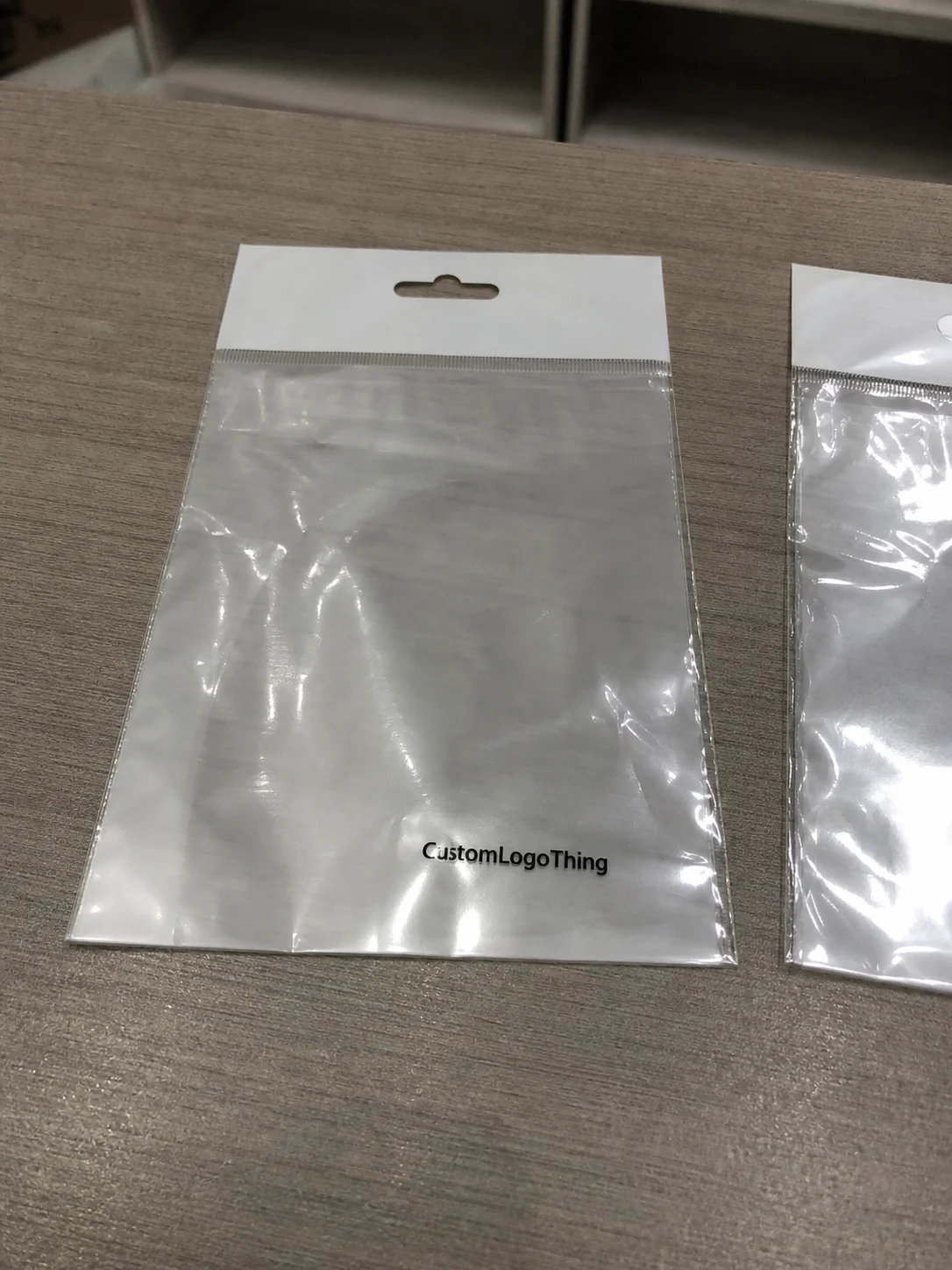
Buyer Fit Snapshot
| Best fit | Brand Packaging Bulk Order projects where brand print, material claims, artwork control, MOQ, and repeat-order consistency need to be specified before quoting. |
|---|---|
| Quote inputs | Share finished size, material target, print colors, finish, packing count, annual reorder estimate, ship-to region, and any compliance wording. |
| Proofing check | Approve dieline scale, logo placement, barcode or warning zones, color tolerance, closure strength, and carton packing before bulk production. |
| Main risk | Vague material claims, crowded artwork, missing packing details, or unclear freight terms can make a low unit price expensive after revisions. |
Fast answer: Brand Packaging Bulk Order: Costs, Specs, and Process should be specified like a repeatable production item. The safest quote records material, print method, finish, artwork proof, packing count, and reorder notes in one written spec.
Production checks before approval
Compare the actual filled-product size with the drawing, then confirm tolerance on folds, seals, hang holes, label areas, and retail display edges. Reserve space for logos, QR codes, warning copy, and material claims before decorative graphics fill the panel.
Quote comparison points
Review material grade, print process, finish, sampling route, tooling charges, carton quantity, and freight assumptions side by side. A quote is only useful when the supplier can repeat the same color, closure quality, and packing count on the next order.
On a factory floor in Dongguan, the worst packaging problems rarely come from the big planned programs; they usually come from the small repeat buys that keep shifting artwork, board stock, or finish. I remember one reorder where a 1,500-piece job turned into a three-day headache because the client split cartons, labels, and inserts across three vendors, and the final pallet looked like three separate brands had been arguing in the warehouse. That is exactly why a brand Packaging Bulk Order usually pays off far beyond the unit price. A well-planned brand packaging bulk order cuts down those resets, keeps the press running longer, and gives your brand identity a cleaner, more consistent look from the first carton to the last.
A lot of buyers focus too heavily on the quoted per-unit number and not enough on how many times the line has to stop, clean up, or re-register. Honestly, I think that is where a lot of packaging budgets quietly bleed out. In a proper brand Packaging Bulk Order, you are not just buying boxes or labels; you are buying fewer changeovers on flexographic and offset lines, better board utilization, tighter color control, and a much easier replenishment plan for retail packaging, e-commerce shipments, and subscription programs. If you want to see how product packaging decisions connect to shipping and presentation, our Custom Packaging Products page is a useful starting point.
Why Bulk Ordering Brand Packaging Saves More Than Money
A brand Packaging Bulk Order saves money because setup costs get spread across more pieces, but the deeper savings show up in production stability. On offset cartons, every plate change, wash-up, and feeder reset adds time; on corrugated flexo lines, every changeover eats board and labor. I’ve stood beside operators at a Shanghai converting plant while they dialed in a four-color custom printed boxes run, and the first question from the supervisor was not “what’s the Price Per Unit?” It was “how many times are we stopping this line?” That question tells you what matters most in a high-volume brand packaging bulk order.
The business case gets stronger when you look at board utilization and freight frequency. If you place a single brand packaging bulk order for folding cartons, inserts, and branded tape together, you can often reduce waste from partial cartons of paperboard, avoid mismatched finish lots, and keep warehouse receiving simpler. A client in skincare once told me their old purchasing method meant three separate deliveries every month, with one rush fee almost every cycle. After they moved to a coordinated brand packaging bulk order, they cut inbound freight events from three to one and shaved a noticeable amount off their annual conversion spend. That kind of saving rarely shows up in the first quote comparison, but it shows up on the P&L.
There is also the brand side, and that is where many teams underestimate the value of planning. When your boxes, labels, tissue, and inserts are ordered together in one brand packaging bulk order, finish matching gets easier because the printer can hold a tighter color target across related components. That matters for package branding, especially if your retail packaging includes a matte carton, a satin sleeve, and a printed insert that all need to look like they belong in the same family. I’ve seen brands lose shelf presence simply because the tissue paper looked cream in one lot and warm white in the next. A disciplined brand packaging bulk order helps prevent that kind of drift.
Brands with recurring launches, seasonal sets, subscription programs, or multi-location replenishment usually benefit most. If you know you will need 8,000 folding cartons every quarter, or 12,000 mailers for a product drop and a restock window, a brand packaging bulk order gives planning teams more control over inventory and less exposure to emergency buying. For recurring programs, our Wholesale Programs page is often a better fit than one-off sourcing because it aligns production with repeat demand.
“The biggest mistake I see is waiting until the last 2,000 units are gone before placing the next order. That is how brands end up paying rush fees, not because packaging is expensive, but because planning was late.”
Brand Packaging Bulk Order Products Available for Bulk Orders
A brand packaging bulk order can cover far more than simple cartons. In practice, I usually see buyers sourcing folding cartons, rigid boxes, corrugated mailers, shipping cartons, mailer inserts, sleeves, labels, tissue paper, and branded tape all at once, because those items work together in the actual packing flow. A beauty client I met in Guangzhou once needed only “boxes,” but after reviewing their packing bench layout, we changed the spec to include inserts and a printed sleeve so the team could pack 18 units per hour faster with fewer errors. That is the kind of adjustment that makes a brand packaging bulk order more efficient in the real world.
The right format depends on how the packaging will be used. If the goal is retail shelf appeal, folding cartons and rigid boxes support stronger presentation, cleaner graphics, and a more Premium Unboxing Experience. If the goal is e-commerce or distribution, corrugated mailers and shipping cartons usually win because they protect product packaging in transit and stack better in a warehouse. A brand packaging bulk order should match the use case, not just the aesthetic wish list.
Material selection matters just as much. SBS paperboard is common for clean print and high-end graphics; CCNB often makes sense for everyday retail packaging where cost control matters; kraft paperboard brings a natural look that fits a more understated brand identity; E-flute corrugated is popular for mailers and light protection; B-flute corrugated adds more stiffness for shipping cartons; and chipboard often appears in rigid structures or heavy-duty inserts. For a typical folding carton spec, I often see 350gsm C1S artboard, 400gsm SBS, or 16pt–18pt board used depending on product weight and shelf requirements. A thoughtful brand packaging bulk order balances appearance, protection, and board cost instead of over-specifying a premium material where it will never be noticed.
Finish choices can swing both appearance and cost. Matte and gloss lamination, aqueous coating, foil stamping, embossing, debossing, soft-touch coating, spot UV, and die-cut windows all have a place, but not every finish belongs on every brand packaging bulk order. I’ve seen a cosmetics buyer ask for soft-touch plus foil plus embossing plus a window on a corrugated mailer, and the final result looked busy while adding two process steps and a sizable cost bump. A cleaner finish schedule often sells better and runs better. On a run of 5,000 cartons, for example, adding soft-touch lamination can move the price by roughly $0.12–$0.18 per unit, while spot UV may add another $0.05–$0.09 per unit depending on coverage and press setup.
Print method also changes the economics. Offset lithography is usually the right call for high-color folding cartons and custom printed boxes where image quality matters. Flexography is the workhorse for corrugated packaging, especially larger runs with simpler graphics. Digital print can be practical for shorter bulk runs, SKU tests, or fast reorders. Hot stamping is usually used as an accent, not a full coverage strategy. If you are building a brand packaging bulk order with multiple components, the press method should be chosen by function, not habit. In practical terms, an offset carton run in Shenzhen may be ready for press after proof approval, while a flexo corrugated job in Foshan can often move a bit faster once the plates are mounted and the board is on site.
For reference, packaging performance and material choices are often discussed by organizations like ISTA, while sustainable sourcing guidance can be reviewed through FSC. Those bodies do not design your packaging, of course, but they help establish a common language for protection, chain of custody, and material responsibility in a brand packaging bulk order.
Packaging Specifications That Matter Before You Order
Before you request a quote for a brand packaging bulk order, you need the core specs nailed down: dimensions, board caliper, print coverage, coating type, structural style, insert requirements, and assembly method. That sounds basic, yet it is the exact point where many jobs get delayed. I once reviewed a carton project where the client wrote “small tuck box” on the brief and expected production to infer the rest. The dieline changed three times, and each revision pushed the schedule back by two days. A clear brand packaging bulk order starts with exact measurements, not general descriptions.
Exact dimensions matter because even a 2 mm change can affect dielines, pallet counts, shipping rates, and product fit. If your packaging holds multiple items, the internal clearances need to be checked against the insert, not just the product itself. For a kitted brand packaging bulk order, I always want the product weight, the assembled dimensions, and a packing photo from the line. That avoids the common mistake where a box fits in CAD but fails when a hand packer tries to close it with tissue, a card, and two bottles inside. And yes, that failure always seems to happen five minutes before lunch, because packaging has a sense of humor; a cruel one.
Structural details should also be specified clearly. Tuck-end cartons are simple and economical; auto-lock bottoms improve packing speed; sleeve packaging adds shelf presence; two-piece rigid setups create a premium feel; roll-end mailers work well for e-commerce; and crash-lock corrugated boxes give strong bottom support for heavier goods. For example, a 2-piece rigid box with a 1200gsm grayboard wrap and 157gsm art paper might suit a premium gift set, while a standard mailer built from E-flute corrugated with 200gsm outer liner is usually better for subscription shipping. A smart brand packaging bulk order uses the least complex structure that still does the job. That is usually the best value, and it tends to reduce production risk.
Performance specs are where shipping reality comes in. Compression strength, burst strength, ECT ratings, drop protection, moisture resistance, and stackability all matter depending on whether the packaging sits on a retail shelf, on a pallet, or in a parcel network. If the brand packaging bulk order is going into warehouses with high stacking pressure, ask for the specific load conditions. If it is for subscription shipping, ask for drop test expectations and whether the structure should be checked against common handling standards. For protection and testing language, I often point buyers toward ISTA testing resources because they give a practical framework for transit performance. A corrugated shipper for a 1.2 kg product, for instance, may need a 32 ECT or 44 ECT grade depending on pallet height and carrier handling.
Artwork readiness is another place where speed is won or lost. Linked files, PMS color references, bleed allowance, barcode placement, and legal copy should be ready before the first proof. A brand packaging bulk order moves faster when the team has already confirmed where the barcode will sit, whether the QR code needs quiet space, and how the mandatory copy will fit around the artwork. I have seen brands lose a week because a barcode was placed too close to a fold, which forced a new dieline, a new proof, and a new approval round. I still get mildly annoyed just thinking about that one.
- Dimensions: internal and external sizes in millimeters or inches
- Board stock: SBS, CCNB, kraft, chipboard, or corrugated grade
- Finish: lamination, aqueous coating, foil, embossing, or spot UV
- Structure: tuck-end, sleeve, rigid, mailer, or crash-lock
- Artwork files: print-ready PDF, AI, or packaged source files
- Compliance: barcode, legal text, country-of-origin copy, recycling marks
Pricing, MOQ, and What Drives Your Unit Cost
Pricing for a brand packaging bulk order is driven by material grade, print complexity, number of colors, finishing steps, structural complexity, carton size, and order quantity. That list sounds simple until you break it apart. A 4-color folding carton on 350gsm SBS with aqueous coating will price very differently from a two-piece rigid box with soft-touch lamination, foil, and a custom insert. The more operations you add, the more labor, setup, and inspection are involved in the brand packaging bulk order. As a practical example, a 5,000-piece folding carton run in Guangzhou might land around $0.22–$0.38 per unit, while a comparable rigid box program can climb into the $1.20–$2.50 range depending on wrapping paper and hand assembly.
MOQ matters because setup costs have to be absorbed somewhere. Plates, dies, press calibration, and make-ready waste are real costs, whether you order 1,000 or 20,000 units. Once those fixed costs are spread across more pieces, the unit price falls. That is why a brand packaging bulk order often becomes cost-efficient much sooner than buyers expect, especially on folding cartons and corrugated mailers. The price curve is not linear; it usually improves in steps. In many plants, a 1,000-piece order can cost nearly double the per-unit price of a 5,000-piece order, simply because the setup work is the same while the output is much smaller.
Rigid boxes and premium finishing steps cost more than plain folding cartons or basic corrugated mailers, and that is not just markup. A rigid box often requires chipboard wrapping, tighter hand-finishing, and more careful glue control. Specialty finishes also add process time and spoilage risk. I remember a client who wanted a luxury setup with magnetic closure, foil logo, and a deep deboss. The final quote was not “high” because someone was being greedy; it was high because a brand packaging bulk order of that structure simply requires more labor and tighter QC. On a 10,000-unit run in Dongguan, those details can add several thousand dollars in tool time, adhesive labor, and rework allowance.
There are hidden cost drivers buyers should ask about before approving a brand packaging bulk order. Prepress adjustments can create extra hours if the artwork is not production-ready. Sampling may require a dummy, a white sample, or a printed proof. Die-cut tooling can be a one-time cost that should be clarified early. Palletizing standards, pallet wrap, and freight class can also change the landed cost. Storage is another piece; if you are buying 30,000 units but only using 5,000 per quarter, you need warehouse space and a replenishment plan. Even simple packaging can pick up extra costs if the shipment moves from Shenzhen to Los Angeles by sea freight instead of regional truck delivery, especially when customs and dock appointments are involved.
My honest advice is this: do not buy bigger just because a quote looks cheaper on paper. A larger brand packaging bulk order only makes sense when shelf life, storage capacity, forecast certainty, and SKU stability support it. If your design is still changing or the product launch schedule is uncertain, overbuying can create dead stock and extra handling. The best purchasing decision usually comes from a clear demand plan, not from chasing the lowest piece price alone. I have seen a brand save $0.03 per unit on a 20,000-piece order and then spend more than $900 moving pallets they did not need for six months.
The EPA has useful material and waste reduction guidance for businesses thinking about packaging efficiency and recovery pathways. If you want a neutral source on packaging waste and environmental planning, the agency’s resources at EPA are worth reviewing alongside your sourcing plan for a brand packaging bulk order.
From Quote to Delivery: Process and Timeline
The standard workflow for a brand packaging bulk order begins with inquiry, then moves into specification review, quote, dieline confirmation, artwork proofing, sampling, production, quality inspection, packing, and shipment. That sounds orderly because, in a good plant, it is orderly. A strong supplier will not jump from price request straight into production without checking the board stock, finish, and artwork file structure. That is how you avoid expensive rework in the middle of the run. For a straightforward carton job, a supplier in Shenzhen or Dongguan might return a formal quote within 24 to 48 hours once the dimensions and artwork are complete.
Most delays happen because the specs are incomplete, the artwork changes late, the color reference is vague, or the structure is not fully defined. I’ve seen a beverage brand lose four working days because they approved a proof with “close enough red,” then demanded a different PMS tone after the plates were already scheduled. In a brand packaging bulk order, vague color language is not harmless; it creates rework, new proofs, and sometimes a new press setup. If your brand color is essential, lock it early with a physical sample or Pantone target. In many packaging plants, a final proof approval to first production run typically takes 12–15 business days for simple cartons, and 18–25 business days for rigid or multi-finish projects.
Timeline depends heavily on structure and finishing. Simple digital or corrugated orders usually move faster because there are fewer setup steps. A basic brand packaging bulk order for corrugated mailers might turn in a shorter production window than a rigid box program with foil, embossing, and custom inserts. Specialty packaging takes more time for sampling and alignment because the process often includes multiple material passes and more manual handling. For example, a 5,000-piece mailer run in Foshan may be completed in 10–14 business days after proof approval, while a 3,000-piece rigid presentation box in Guangzhou with foil stamping may need 20–28 business days.
Production checkpoints should be visible to the buyer. The best programs include prepress file checks, material receiving inspection, first-article approval, in-line inspection, and final QC before palletization. That is especially useful for a large brand packaging bulk order where a small defect can multiply across thousands of units. I still remember walking a converting line where the team caught a faint registration shift during the first 200 units; that saved the client from a full reprint and kept the schedule intact. A strong supplier should also provide photo updates from the pressroom or packing line, especially when the order exceeds 10,000 units.
Shipping also affects the final delivery date. Domestic truckload, LTL, sea freight, and warehouse receiving windows all matter after production is complete. A brand packaging bulk order may be finished on the floor but still sit three days waiting for dock space, a booking slot, or customs clearance. That is why I always tell buyers to build the freight leg into the schedule, not treat it as an afterthought. Production lead time and delivery lead time are not the same thing. A sea shipment from Shenzhen to a West Coast port can add 18–24 days on top of production, while domestic trucking within Guangdong may add only 1–2 days.
- Inquiry: send dimensions, quantity, product weight, and artwork
- Spec review: confirm board, finish, structure, and use case
- Quote: compare unit cost, tooling, sampling, and freight
- Proof: verify dieline, colors, barcode placement, and copy
- Sample: approve structure, fit, and print quality if needed
- Production: print, convert, die-cut, finish, glue, and inspect
- Shipment: palletize, book freight, and receive on your schedule
Why Brands Choose Us for Bulk Packaging Production
Brands usually choose a supplier for a brand packaging bulk order because they want real factory-floor control, not just a sales quote. Printing, converting, die-cutting, gluing, and finishing all need to stay aligned if the goal is consistent output across a large run. I have visited plants where the pressroom, the die-cut area, and the packing line felt like separate businesses. That is where packaging quality slips. A dependable brand packaging bulk order supplier keeps those departments working off the same spec sheet, whether the job is 4,000 mailers or 40,000 folding cartons.
Material sourcing matters too. Good board comes from vetted mills, and press calibration should be checked against actual production targets, not just sample swatches. A serious brand packaging bulk order should include QC checks for dimensions, registration, adhesive performance, and finish consistency. If the carton panel measures 0.5 mm off, or the glue line opens under humidity, or the foil is inconsistent from one stack to the next, that becomes a customer-facing issue fast. Quality control is not a slogan; it is measurement. In a reliable plant, a random inspection at 2.5 percent of the run, plus a final AQL check before pallet wrap, is far more useful than a vague “looks fine” from the loading dock.
Flexibility is another reason brands stay with a strong packaging partner. A good supplier can support recurring replenishment, SKU rollouts, multi-pack formats, and coordinated packaging families across product lines. That matters for product packaging programs where a shampoo box, a serum box, and a gift set carton all need the same visual language, but not the same dimensions. A well-managed brand packaging bulk order can support that system without forcing every item into a one-size-fits-all structure. A 250ml body lotion carton and a 30ml serum carton may share the same print system while using different board calipers and die lines.
Practical support is where the real value shows up. Packaging engineers can help refine a dieline, reduce board waste, improve shipping efficiency, and match structure to product weight. I once helped a client in specialty tea trim nearly 8 percent of board usage simply by adjusting the inner pocket and reducing the headspace by 4 mm. That is a meaningful change in a brand packaging bulk order, especially when you are running tens of thousands of units. On a 20,000-piece program, that kind of saving can translate into hundreds of dollars in paperboard alone, before freight is even counted.
Honestly, the best bulk suppliers are the ones who tell you when not to spend more. If a lighter finish will still protect the product and keep the brand presentation strong, you should hear that. If a premium structure is justified because the product is fragile or the unboxing experience is part of the sale, you should hear that too. A trustworthy brand packaging bulk order partner balances aesthetics, protection, and cost without pushing upgrades that do not earn their keep. A good recommendation in this space is often, “Use 300gsm artboard, skip the foil, and put the money into a better insert,” because that advice usually improves both cost and customer experience.
For clients who want to see how this plays out in actual programs, our Case Studies page shows examples of branded packaging, packaging design, and retail packaging decisions that were built around quantity, lead time, and line efficiency rather than guesswork.
Next Steps for Your Brand Packaging Bulk Order
If you are ready to move forward with a brand packaging bulk order, the fastest path is to prepare five things: packaging dimensions, target quantity, product weight, artwork files, desired finish, and required delivery date. Those details may sound straightforward, but together they let a supplier quote accurately instead of padding the number for uncertainty. The cleaner your brief, the sharper your brand packaging bulk order quote will be. A complete brief can often cut back-and-forth emails from six rounds to two, which is a real scheduling advantage when your launch date is fixed.
Compare quotes on equal terms. Confirm the same board stock, print method, finish, tooling assumptions, palletizing method, and freight basis before deciding which offer is strongest. I’ve seen buyers pick the lowest quote only to discover later that one supplier priced FOB, another priced delivered, and a third excluded sampling. A fair brand packaging bulk order comparison only works when the assumptions match line by line. If one quote is for 5,000 units at $0.21 each and another is for 10,000 units at $0.17 each, the smaller quote may actually be the more expensive option once tooling and freight are added.
Request a dieline review or a sample before committing to full production, especially if this is your first custom packaging program. A physical sample can expose fit problems, closure tension, glue behavior, and barcode placement issues that a PDF proof will not reveal. That small step often protects the entire brand packaging bulk order from a costly mid-run correction. In most cases, a white sample can be produced in 2–4 business days, while a printed sample may take 5–7 business days depending on finish and board availability.
Build a reorder plan while you are still in the approval stage. If the first brand packaging bulk order is meant to support launch inventory and future replenishment, set an internal trigger point for reordering based on usage, not emotion. A brand that uses 2,000 units per month should not wait until the last carton is on the shelf before starting the next run. Good planning avoids rush freight, forced substitutions, and emergency artwork edits. A reorder trigger at 30 to 45 days of remaining stock is often safer than waiting until you are under two weeks of inventory.
Here is the practical close: once the specs are locked, move straight into sampling and production scheduling so there is no dead time between approval and manufacturing. That is how you keep a brand packaging bulk order moving with fewer surprises, stronger color control, and better landed cost. If you need support on common order questions, our FAQ page covers the basics, and our team can help you sort the rest.
From my side of the floor, the best brand packaging bulk order is the one that arrives on time, fits the product, presents the brand clearly, and repeats that result consistently across every pallet. That is what buyers actually need, and that is what smart specification work delivers.
Brand Packaging Bulk Order: decision table
| Decision area | Best fit | What to verify | Risk if skipped |
|---|---|---|---|
| Quote scope | Comparing suppliers and order quantities | Tooling, sample, unit cost, packing, and freight assumptions | Lowest quote wins until missing line items appear |
| MOQ and repeat order | Launch orders, seasonal runs, and scaled reorder plans | MOQ breaks, lead time, storage, and SKU grouping | First order works but reorder cost jumps |
| Approval process | Avoiding rework before bulk production | Dieline, proof, sample, tolerance, and sign-off owner | Bulk production starts before the spec is truly locked |
FAQ
What is the typical MOQ for a brand packaging bulk order?
The MOQ depends on packaging type, print method, and finish, but a brand packaging bulk order usually becomes cost-efficient once setup costs are spread across a larger run. Folding cartons and corrugated mailers often allow more flexible MOQs than rigid boxes or heavily finished premium packaging. In many factories across Dongguan and Shenzhen, that means 1,000 to 3,000 pieces for simpler jobs, while premium rigid packaging may start at 500 to 1,000 units depending on structure.
How do I calculate the right quantity for a brand packaging bulk order?
Start with monthly or quarterly product demand, add buffer stock for damage or forecast changes, and factor in storage space and reorder lead time. If the brand packaging bulk order supports multiple SKUs or seasonal launches, a pooled quantity plan can reduce unit cost without tying up too much inventory. For example, a brand using 2,400 units per month may order 8,000 or 10,000 units to cover a quarter plus a 10 percent safety margin.
What files do I need to place a bulk packaging order?
Provide print-ready artwork, dielines, PMS color references, barcode placement, bleed settings, and any compliance copy. If you do not have a dieline, request one based on your product dimensions before approving artwork so the brand packaging bulk order does not get delayed by fit issues. A packaged AI file or high-resolution PDF with outlined fonts is usually the cleanest starting point for prepress in Shenzhen or Guangzhou.
How long does a brand packaging bulk order take to produce?
Timeline depends on structure, finish, and approval speed, with simpler orders moving faster than specialty packaging with multiple process steps. Sampling, artwork revisions, and freight method are the biggest factors that affect total delivery time in a brand packaging bulk order. As a practical benchmark, production typically takes 12–15 business days from proof approval for standard folding cartons, while rigid boxes and multi-finish programs often run 18–25 business days before freight.
Can I reduce cost without lowering packaging quality?
Yes. Simplifying finishes, Choosing the Right board grade, optimizing dimensions, and combining SKUs into one print run can reduce cost. In most cases, the best savings in a brand packaging bulk order come from smarter specifications, not from cutting structural protection below what the product needs. A shift from 400gsm board to 350gsm C1S artboard, or from foil plus embossing to print plus spot UV, can save meaningful dollars per unit while keeping the package strong and attractive.