Why Paper Shopping Bags for Subscription Brand Drops Matter
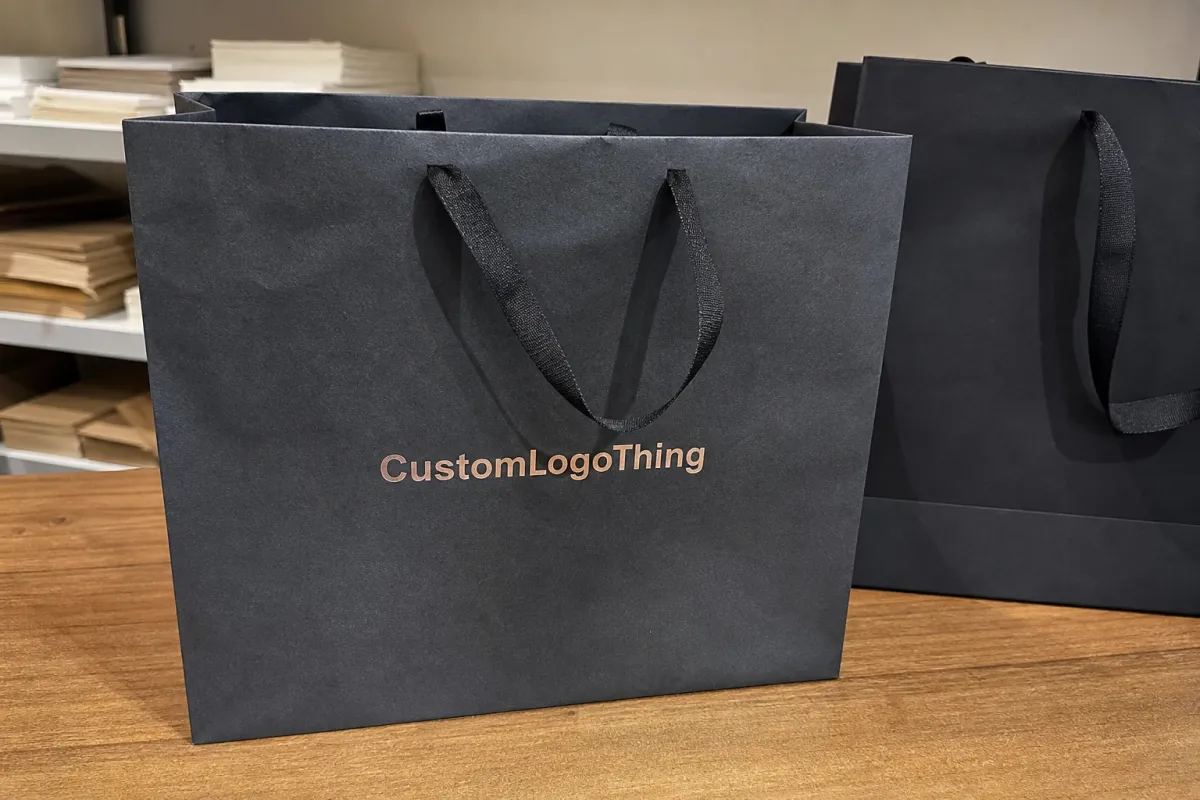
A subscriber opens a curated box, enjoys the product, then later receives a refill, event bundle, or gift set in a plain carry bag that has no relationship to the original experience. That small break in presentation is easy to overlook, but it can make a careful subscription program feel improvised. Paper Shopping Bags for subscription brand programs are not retail leftovers; they are portable packaging that carries the brand into places a mailer box rarely reaches.
The subscription mailer usually gets opened at home. A bag may be seen at a pop-up counter, warehouse pickup table, retail partner shelf, influencer event, holiday market, office gifting station, or member-exclusive launch. It has to hold product, but it also has to look intentional while someone is walking with it, setting it down, reusing it, or handing it to someone else.
These bags can be built from natural kraft, white kraft, coated art paper, recycled-content paper, or heavier laminated paperboard. Common handle options include twisted paper, flat paper, cotton rope, ribbon, die-cut openings, and reinforced fold-over tops. A simple version might be a 120gsm kraft bag with a one-color logo. A premium version might use 210gsm coated paper, matte lamination, reinforced top folds, bottom board, and cotton rope handles.
Subscription teams use branded carry bags for acquisition events, renewal gifts, retail add-ons, seasonal drops, corporate gifting, welcome kits, limited product bundles, and member merchandise. The bag gives those programs flexibility without forcing every campaign into a rigid gift box or a new outer shipper.
The best results come from treating the bag as part of the packaging system early, not as an accessory ordered after the campaign is already built. Product weight, kitting schedule, warehouse storage, color matching, and reorder plans all shape the final spec.
How Branded Paper Carry Bags Work With Subscription Packaging
A paper shopping bag looks simple from the outside, but its performance depends on several construction choices. Paper stock is printed, cut, scored, folded, glued, reinforced where needed, and fitted with handles. The finished bag has to carry weight without tearing at the handle points, splitting at the side seam, bowing at the bottom, or scuffing so badly that the brand impression suffers before the customer receives it.
The mailer or subscription box handles shipping protection. The carry bag handles presentation and portability after the product has left the parcel stream. Those are different jobs. A corrugated mailer may need crush resistance, tight product fit, and tape or locking tabs. A paper carry bag needs enough stiffness to stand open during packing, a gusset that accepts the bundle, clean print on the visible panels, and handles that feel comfortable under the packed weight.
Common applications include beauty sample kits, coffee refills, snack assortments, apparel bundles, book club add-ons, wellness products, candles, pet treats, and limited merchandise. A stock retail bag may be enough for a light insert or single soft item. Mixed product sets need more care, especially when a heavy jar or bottle settles into one corner and changes the stress on the bottom fold.
The bag does not have to copy the subscription box exactly. In many programs, consistency comes from shared color families, logo scale, typography, tissue paper, stickers, hang tags, thank-you cards, QR cards, and promotional inserts. One strong ink color on natural kraft can feel more aligned than an expensive full-panel print that misses the warmer tone of the existing packaging.
Practical callout: If the bag is part of a launch kit, load it with the actual packed assortment and carry it for at least 10 minutes. Set it down, pick it up again, and check handle pull, bottom sag, top-fold stress, and scuffing. Weak points usually show themselves quickly.
Bags are also helpful operationally. They ship flat, store more efficiently than rigid gift boxes, and fit into kitting workflows without specialized equipment. Event teams and warehouse staff can assemble bundles quickly when cartons are labeled by size, color, campaign, and count. That sounds basic, but clear carton labeling can save real time when a team is preparing hundreds or thousands of kits under a fixed launch date.
Material, Size, Handle, and Print Specs That Drive Performance
Material sets the tone before the customer reads a word. Natural kraft gives a warm, practical feel and works well for food, wellness, pet, craft, refill, and eco-minded programs. White kraft creates a cleaner surface for everyday branding. Coated art paper prints sharper color and smoother graphics. Heavier paperboard, often around 190gsm to 250gsm, is better suited to premium gifts, heavier bundles, and campaigns where the bag will be photographed closely.
GSM means grams per square meter. Higher GSM usually feels stiffer and carries better, although it also raises unit cost, carton weight, freight exposure, and sometimes the minimum order quantity. A 100gsm to 120gsm kraft bag may suit samples, flat products, or soft goods. A 170gsm to 210gsm construction is more appropriate for jars, books, candles, bottles, or mixed sets, depending on bag size, handle style, and reinforcement.
Size should come from product measurements, not a catalog guess. Measure the widest item, tallest item, and deepest packed bundle. Add room for tissue, inserts, and fast loading, then check the gusset. A 10 inch wide by 4 inch deep by 12 inch high bag may look right for a small apparel set, but it can be too shallow for a candle plus bottle combination. Over-tall bags create another problem: empty headspace can make a gift feel underfilled even when the product value is strong.
Handles deserve more attention than they usually receive. Twisted paper handles are familiar, practical, and easier to align with recyclable packaging goals. Flat paper handles are economical for lighter use. Cotton rope feels more premium, especially on laminated stock. Ribbon leans toward gifting. Die-cut handles can look clean and modern, but they need reinforcement if the packed weight climbs above roughly 2 to 3 pounds.
Printing choices range from restrained to highly decorative. One-color printing works well for clean logos and tight budgets. Offset printing suits richer graphics, large panels, and seasonal campaigns. Spot colors help with brand matching. Full-color artwork can be effective, but heavy ink coverage on natural kraft often prints darker and less crisp than it appears on a screen. For broader packaged-product handling concepts, buyers can review resources from ISTA, though carry-bag testing is usually handled through supplier-specific methods rather than formal parcel-distribution protocols.
- Durability features: reinforced top folds, stronger glue seams, bottom boards, heavier GSM, and handle patches.
- Visual features: foil stamping, embossing, debossing, spot UV, matte lamination, gloss lamination, and interior printing.
- Balanced features: water-based coatings and soft-touch finishes, which can improve feel while affecting price, lead time, and recyclability discussions.
Load testing is where many bag projects either become dependable or remain guesswork. Fill the bag with the real assortment, carry it by the handles, hold it from one handle briefly, place it on a table, and inspect the top fold, bottom corners, side seams, and handle attachment points. Catalog dimensions and material swatches do not tell the whole story.
Cost, Pricing, MOQ, and Unit Cost Tradeoffs to Expect
Cost is shaped by paper weight, bag size, ink coverage, number of colors, handle material, finishing, reinforcement, setup needs, artwork complexity, quantity, and freight. Freight deserves special attention because paper bags are bulky even when packed flat. A larger bag with a low unit price can still become expensive once cartons, pallets, split shipments, and delivery appointments are included.
As a broad planning range, simple Custom Printed Paper Bags may land around $0.28 to $0.65 per unit at moderate quantities such as 2,500 to 5,000 pieces, depending on size and print. Smaller runs often cost more. Premium laminated bags with rope handles, foil, custom dimensions, or interior printing may sit around $0.85 to $2.25+ per unit. These are planning ranges, not firm quotes, because supplier location, material markets, freight method, finishing, and production schedule can shift the landed cost.
| Bag Type | Typical Use | Common Spec Range | Planning Price Range |
|---|---|---|---|
| Natural kraft logo bag | Refills, samples, everyday member purchases | 100gsm-140gsm, 1-color print, paper handles | $0.28-$0.75 each |
| White kraft branded bag | Clean retail add-ons and event kits | 120gsm-170gsm, 1-2 colors, twisted handles | $0.35-$0.95 each |
| Coated art paper bag | Seasonal drops and graphic-heavy launches | 157gsm-210gsm, offset print, matte or gloss finish | $0.65-$1.60 each |
| Premium laminated rope-handle bag | Gifting, VIP kits, higher-value bundles | 190gsm-250gsm, reinforcement, foil or embossing | $0.95-$2.25+ each |
The lowest unit cost is not automatically the best buy. A thin bag that creases badly, tears under a 3-pound bundle, or feels disconnected from the rest of the unboxing experience can create replacement costs and weaker customer perception. Saving $0.12 per bag does little good if the bag makes a $60 member gift feel ordinary.
MOQ, or minimum order quantity, is usually tied to setup. Plates, dies, press preparation, make-ready sheets, and converting setup have to be spread across the production run. That is why 5,000 bags often price much better per unit than 500 bags. Stock-size custom printed bags are typically faster and more economical. Fully custom dimensions make sense when fit, presentation, or repeat reorders justify the setup cost.
Before requesting pricing, prepare dimensions, quantity, print colors, inside or outside printing, handle preference, estimated packed weight, delivery location, and required in-hands date. Ask about budget items that are easy to miss: freight, rush charges, proof revisions, pre-production samples, storage, split shipments, duties where applicable, and design changes after file approval.
Evaluate total program cost by drop or campaign, not only by unit price. Paper Shopping Bags for subscription brand campaigns often need repeatable color, predictable reorders, and enough overage to cover kitting mistakes, damaged cartons, and last-minute VIP additions. For examples of how packaging choices affect presentation across campaigns, the Custom Logo Things case studies can help teams think through practical brand applications.
Process and Lead Time From Artwork to Delivered Bags
A clean bag order follows a steady sequence: confirm specs, request a quote, prepare dielines or artwork, review the digital proof, approve a sample if needed, print, convert, quality check, pack, ship, and receive inventory. If one step is rushed, the risk usually appears later, often during kitting when there is little room left to fix it.
Lead time depends on customization level. Stock-size bags with simple one-color printing may often move in 10 to 15 business days after proof approval, plus transit. Custom sizes, rope handles, lamination, foil stamping, interior printing, unusual paper colors, or tight color matching may need 20 to 35 business days or more. Schedules vary, but those ranges are realistic enough for early planning.
Artwork preparation affects timing more than many buyers expect. Send vector logos, outlined fonts, bleed, safe zones, Pantone or CMYK color callouts, high-resolution images, and clear placement notes. If the QR code must scan from 18 inches away, include that requirement. If a logo cannot cross a side fold, show it on the dieline. A careful file package can prevent several rounds of proof corrections.
A digital proof is usually enough for straightforward logo bags. A physical sample is wise for premium launches, heavy products, unusual handles, color-sensitive brand standards, or campaigns that will appear heavily in photography. Sampling adds time and cost, but it is less expensive than discovering after delivery that the rope handle color fights with the box ribbon or that the matte finish scuffs during packing.
Subscription timing has its own pressure. Bags need to arrive before kitting begins, not merely before the public launch date. Warehouse teams need time to receive cartons, check counts, stage inventory, pack kits, correct shortages, and handle damaged pieces. A bag arriving two days before a 4,000-kit assembly window is not early; it is a risk.
Quality checks should cover glue seams, handle pull strength, print registration, color consistency, scuffing, bottom fold integrity, carton labeling, and count accuracy. For paper sourcing claims, ask suppliers for documentation rather than accepting vague language. If FSC-certified material is part of the requirement, review guidance from FSC and confirm which claim, if any, can appear on the bag.
Build approval buffer into the calendar. Many delays happen before production starts: unclear specs, late artwork, revised quantities, internal sign-off loops, missing shipping information, or uncertainty over who has final authority. Printing is only one clock in the schedule.
Step-by-Step Guide to Specify Bags Before You Request a Quote
A supplier can price more accurately when the request is specific. Vague language such as “nice branded bags” invites too many assumptions, and those assumptions make quotes hard to compare. A short, clear brief saves time on both sides.
- Define the job. Decide whether the bag is for an event handout, retail add-on, renewal gift, influencer seeding kit, seasonal upgrade, everyday member purchase, or corporate gift.
- Gather measurements and weights. Include the heaviest likely bundle, not only the hero product shown in campaign photography.
- Mock up the fit. Use a plain sample bag, paper model, or carton mockup. Leave room for tissue, cards, and easy loading without creating awkward empty space.
- Choose the brand level. Select simple logo printing, full custom color, interior message, premium handle, metallic accent, or campaign-specific artwork.
- Match material to use. Kraft and paper handles suit everyday sustainability-minded programs. Heavier coated stock and rope handles suit higher-value gifts or launch events.
- Prepare quote-ready details. Include dimensions, quantity, material preference, print method, number of colors, finish, handle type, ship-to address, deadline, and sample needs.
- Review the proof slowly. Check spelling, logo direction, fold placement, handle position, QR readability, color callouts, and artwork crossing creases or glue seams.
From a buyer’s point of view, the second step protects the most money. If the team specifies paper shopping Bags for Subscription brand gifts around a light sample set, then later adds a glass jar, hardcover book, or two extra bottles, the approved bag may no longer be strong enough. The bag may still look right on a desk; it may not perform in a customer’s hand.
Visual choices should serve the use case. A one-color kraft bag with a strong logo can be excellent for natural products. A coated white bag with tighter color matching may be better for beauty, apparel, or design-led goods. A black laminated bag with foil can look premium, but fingerprints and scuffs may show quickly during kitting. Test the surface before ordering thousands.
Common Mistakes That Make Subscription Bags Feel Off-Brand
The first mistake is choosing the bag after the box, tissue, and insert program are already locked. That can create mismatched whites, clashing finishes, or a handle style that feels unrelated to the rest of the system. Whites are especially tricky; blue-white coated paper and warm white kraft can look noticeably different side by side.
Another common issue is ordering by width and height while ignoring gusset depth. The gusset gives the bag usable volume. A 10 inch wide bag with a 3 inch gusset may fail for a product set that needs 5 inches of depth, even if the height looks generous on paper.
Weight is the hard constraint. Paper stock that photographs beautifully may not handle glass jars, beverages, candles, books, or multiple small items that collect at the bottom. If the packed bundle is 4 pounds, state 4 pounds in the quote request and test above that if possible. A modest safety margin is better than a hopeful estimate.
Heavy graphics can also work against the brand. Printing every surface raises cost and production complexity, and it can make the bag feel louder than the subscription experience. Sometimes a confident color choice, clean logo placement, and well-matched handle communicate more than full-coverage art.
Storage needs planning. Paper bags should be kept in clean, dry cartons, away from crushing, humidity, and direct exposure that can fade or yellow some materials. Over-ordering seasonal designs can tie up warehouse space and leave the brand with dated inventory after the campaign ends. If the art is seasonal, quote a realistic launch quantity and a reorder quantity rather than automatically choosing the largest price break.
Proof approval is another trap. Logos, taglines, QR codes, and social handles should avoid fold lines, glue seams, handle holes, and bottom panels unless the design intentionally uses those areas. For teams building visual branding across several packaging components, reviewing past campaign examples in the Custom Logo Things case studies can help clarify what belongs on the bag versus the insert, tissue, sticker, or card.
Do not wait too long to reorder. A shortage can force a team into generic stock bags right before a fixed kitting date, which is exactly when paper shopping bags for subscription brand drops are supposed to make the handoff feel complete.
Next Steps: Build a Bag Brief Your Supplier Can Price Accurately
A one-page bag brief keeps the quote process focused. It also makes supplier comparisons fair because each quote is based on the same dimensions, materials, finishes, and delivery needs. Without that structure, one supplier may quote a lightweight kraft bag while another quotes a reinforced laminated bag, and the prices will not describe the same product.
List the practical specs first: bag width, height, gusset, estimated packed weight, quantity, use case, target delivery date, shipping destination, and whether the bags support one drop or repeated reorders. Then add brand requirements: logo files, color references, desired finish, handle preference, inside printing, sustainability goals, and matching needs with boxes, tissue, labels, or inserts.
Prepare two quantity tiers, such as 2,500 for launch and 5,000 or 10,000 for reorder planning. The price break may be attractive, but inventory has a cost too. If cartons sit for eight months, take up pallet positions, or become outdated after a seasonal message changes, the cheaper unit price may not be cheaper in practice.
Ask for proofing expectations in writing. Confirm whether the supplier will provide a dieline, digital proof, material recommendation, sample option, estimated lead time, carton count, carton dimensions, freight estimate, and any sustainability documentation. Also ask what happens if counts are short or cartons arrive damaged, because that policy matters before a kitting window opens.
Used well, paper shopping bags extend a subscription experience beyond the box into events, retail counters, gifting moments, refills, and repeat purchases. Specify them around real products, realistic timelines, and honest budgets, and they become a reliable part of the customer experience rather than a last-minute packaging fix.
FAQ
What size paper bags work best for a subscription box brand?
Start with the largest product bundle, then add enough gusset depth for tissue, inserts, and easy loading. Avoid a bag that is much taller than the product, because empty headspace can make the gift feel underfilled. For mixed assortments, create a simple fit test using the heaviest, widest, and deepest items from the subscription lineup.
How much do custom paper shopping bags for subscription brands cost?
Pricing depends on size, paper weight, print coverage, handle type, finish, quantity, and shipping destination. Higher quantities usually lower unit cost because setup and production preparation are spread across more bags. Premium details such as foil, rope handles, lamination, custom sizing, or interior printing add cost, but they can be appropriate for launch kits or high-value member gifts.
What is the typical lead time for branded paper carry bags?
Simple stock-size printed bags are usually faster than fully custom bags with special materials, finishes, or handles. The schedule should include proofing, revisions, production, packing, freight, receiving, and warehouse kitting time. Many preventable delays happen before production, especially when artwork, quantities, shipping details, or approvals are incomplete.
Are kraft paper bags a good choice for subscription brand packaging?
Kraft Paper Bags are a strong option for natural, wellness, food, pet, craft, refill, and eco-minded subscription brands. They offer a warm, tactile look and pair well with paper handles, simple one-color printing, stickers, and recycled-content messaging. For very bright colors, photo graphics, or luxury finishes, white kraft or coated paper may produce sharper print results.
Can paper shopping bags be matched to subscription boxes and inserts?
Yes, suppliers can align logos, color references, print style, finish, and messaging so the bag feels connected to the full packaging system. Exact color matching depends on paper type, ink system, coating, and whether the surface is natural kraft, white paper, or laminated stock. Provide existing box artwork, Pantone colors if available, photos of current packaging, and brand guidelines before proofing paper shopping bags for subscription brand campaigns.


