Buyer Fit Snapshot
| Best fit | Brand Packaging for Small Business projects where brand print, material claims, artwork control, MOQ, and repeat-order consistency need to be specified before quoting. |
|---|---|
| Quote inputs | Share finished size, material target, print colors, finish, packing count, annual reorder estimate, ship-to region, and any compliance wording. |
| Proofing check | Approve dieline scale, logo placement, barcode or warning zones, color tolerance, closure strength, and carton packing before bulk production. |
| Main risk | Vague material claims, crowded artwork, missing packing details, or unclear freight terms can make a low unit price expensive after revisions. |
Fast answer: Brand Packaging for Small Business: Quote Scope, Sample Proof, MOQ, and Lead Time should be specified like a repeatable production item. The safest quote records material, print method, finish, artwork proof, packing count, and reorder notes in one written spec.
Production checks before approval
Compare the actual filled-product size with the drawing, then confirm tolerance on folds, seals, hang holes, label areas, and retail display edges. Reserve space for logos, QR codes, warning copy, and material claims before decorative graphics fill the panel.
Quote comparison points
Review material grade, print process, finish, sampling route, tooling charges, carton quantity, and freight assumptions side by side. A quote is only useful when the supplier can repeat the same color, closure quality, and packing count on the next order.
I’ve watched brand Packaging for Small business turn a plain mailer into a repeat-purchase engine, and I’ve also watched founders spend $2.40 a unit on packaging that quietly shaved 14% off their margin in a single quarter. The difference usually wasn’t creativity. It was discipline, fit, and a clear sense of what the package needed to do in the first 10 seconds after it landed on a doorstep in Austin, Manchester, or Melbourne. I remember one founder telling me, with the kind of exhausted laugh that only comes after too many invoices, that her “fancy” box was eating the same profit it was supposed to create. She wasn’t wrong.
Most customers make a judgment before they touch the product. In a supplier meeting I sat through in Shenzhen, a candle founder placed two samples on the table: one in a brown kraft mailer with a single sticker, the other in a rigid carton with a foil-stamped insert. Same wax, same scent, same fill weight, same 180g net content. The second sample felt like a $48 gift; the first felt like a $24 commodity. That’s the power of brand Packaging for Small business. It changes perceived value before the product is even used. And honestly, people underestimate how brutally fast that judgment happens.
For a small company, packaging is more than protection. It is the box, mailer, label, insert, tissue, tape, seal, and thank-you card working together to communicate your brand identity. It can be minimal or elaborate. It can be made from recycled corrugate, FSC-certified paper, or a simple poly mailer with a one-color graphic system. What matters is whether it tells the same story your website tells. That alignment is what people remember. It’s also what keeps the brand from feeling like three different businesses stitched together in a hurry, which happens more often than founders want to admit.
Brand Packaging for Small Business: Why It Matters More Than You Think
I’ve seen small brands outperform bigger competitors because their packaging felt intentional. Not expensive. Intentional. One skincare founder I advised shipped 600 units a month from a 900-square-foot studio in Portland, Oregon, yet customers kept mentioning the packaging in reviews because her mailer color matched the website, the insert explained usage in three steps, and the cap seal kept the product from leaking during the 1,200-mile parcel route to Denver. Her brand Packaging for Small business did three jobs at once: protected, explained, and impressed. That’s a rare little triangle of competence, and customers can feel it.
That matters because packaging often creates the first physical brand memory. A customer may have seen your Instagram ad, read one product page, and checked out in under 90 seconds. Then a box lands on their porch two days later, usually through a hub in Louisville, Kentucky or Ontario, California. That gap is where trust is either reinforced or lost. Good brand Packaging for Small business closes that gap with cues that feel familiar, clear, and credible. In other words, it makes the handoff from screen to reality feel less like a leap and more like a continuation.
Brand packaging is the combination of product packaging and visual identity that signals who you are. A plain shipper protects the item. A branded box, printed insert, or labeled mailer protects the item and says, “This came from a business that knows what it is doing.” That signal is powerful for lean teams because customers often equate polish with professionalism, even when the operation behind it is just three people, a fulfillment table, and a Zebra label printer humming in a 400-square-foot workspace in Chicago. I’ve seen that mismatch work in a brand’s favor more than once.
Honestly, many founders underestimate how much packaging influences repeat buying. When a customer can identify your parcel from six feet away because of a color block, custom tape, or consistent logo placement, you’ve created memory. Memory drives referrals. I’ve watched DTC brands with modest ad spend grow because customers posted the unboxing experience and tagged them without being asked. One founder even joked that her best sales rep was her mailer, which sounds flippant until you see 80 tags from a $1.10 insert and a $0.07 sticker.
Functional packaging and brand packaging are not the same thing. Functional packaging answers, “Will it arrive safely?” Brand packaging asks, “Will it arrive safely and feel like the right brand?” One is about damage prevention. The other is about recognition, trust, and the chance that someone buys again. The strongest brand Packaging for Small business does both without wrecking cash flow, especially when freight from a box plant in Dongguan or a converter in Illinois is already eating 8% to 12% of landed cost.
There’s also a psychological effect that gets overlooked. In a retail packaging test I reviewed for a soap maker, the same bar sold at the same price point moved faster when the carton had a matte finish, a centered logo, and a short benefit statement. Shoppers spent only a few extra seconds with the box, but those seconds mattered. Packaging design isn’t decoration. It is a sales tool with a surface area measured in square inches. Tiny surface area, outsized consequences. That’s the fun part, if you like pressure. I do, apparently.
If you want proof that this isn’t just opinion, look at how trade groups talk about packaging as a core business function. The Institute of Packaging Professionals consistently frames packaging as a blend of protection, logistics, marketing, and compliance. That’s exactly why brand Packaging for Small Business deserves more attention than “make it look nice.” It is operational, financial, and strategic.
How Brand Packaging for Small Business Works
The customer journey starts before the product is touched. It starts with order confirmation, then shipping updates, then the parcel arriving on a counter, porch, or pickup shelf. Every stage offers a chance to reinforce or weaken your message. With brand Packaging for Small business, the goal is to make those handoff points feel consistent, whether the order ships from Brooklyn, Brisbane, or a third-party warehouse in Dallas.
Here’s the sequence I use when I audit packaging systems:
- Checkout — Does the customer already know what visual language to expect?
- Shipping — Is the outer pack durable enough for real transit, not just a staged photo?
- Arrival — Does the package signal care within the first 3 seconds?
- Unboxing — Do the layers, inserts, and product reveal feel deliberate?
- Reuse or discard — Does any part of the packaging stay on the desk, vanity, or kitchen counter?
That final point matters more than many people think. A sturdy branded insert or a well-designed mailer can hang around long enough to keep your logo in view for days. In packaging terms, that is free recall. In customer terms, it is a reminder that the product came from a business with a point of view. A 120gsm care card on a vanity in Seattle can do more brand work over a week than a paid ad impression can do in 4 seconds.
Visual cues carry most of the burden. Color is usually the first. Typography is second. Logo placement, finish, and structure follow. A soft-touch lamination on a folding carton feels different from a gloss flood coat; a kraft substrate tells a different story from a bright white SBS board. None of these choices are neutral. They all say something about price point, sustainability, and brand personality. A 350gsm C1S artboard carton with a matte aqueous coating reads differently from a 16pt uncoated sleeve, even before the customer opens the box.
Beauty brands often use clean white cartons, tight typography, and precise fit because the message is control and purity. Food brands may use kraft textures and bold color blocks to suggest freshness or artisanal craft. Apparel lines often rely on tissue, stickers, and hang tags because the garment itself may be simple, but the presentation needs to carry fashion energy. Candle brands, meanwhile, tend to use heavier stock and scent-forward copy because sensory expectation is half the sale. Handmade goods usually win with warmth, handwritten notes, or visible materials that feel human rather than mass-produced.
That’s why brand Packaging for Small business acts like a silent salesperson. It signals quality without speaking aloud. It hints at value. It can even justify a higher price if the outer presentation matches the product inside. I’ve seen a $22 lip balm sold in a package that looked like a $6 impulse item, and another lip balm sell at $28 because the box, insert, and seal made it feel like a premium ritual. The product didn’t change. The perception did.
There’s a feedback loop too. Better packaging can drive better behavior. Customers photograph it, share it, and talk about it. That creates word-of-mouth referrals that are often cheaper than paid acquisition. A useful rule: if your packaging is visually distinct enough to be recognized in a social feed without reading the caption, it has marketing value.
“We didn’t change the formula at all,” one founder told me after a packaging refresh. “We changed the box, the insert, and the tape. Returns stayed the same, but repeat orders went up because people felt like they were buying something more considered.” That is the quiet effect of strong brand packaging for small business.
If you want to compare examples, here is a simple way packaging choices tend to stack up:
| Packaging Option | Typical Use | Approximate Cost | Brand Impact | Best For |
|---|---|---|---|---|
| Custom sticker on stock mailer | Low-volume e-commerce orders | $0.05–$0.18 per order | Basic brand recognition | Tight budgets, quick launch |
| Printed insert + tissue + tape | Direct-to-consumer shipments | $0.20–$0.55 per order | Stronger unboxing experience | Brands needing better presentation |
| Custom printed boxes | Retail packaging and premium shipping | $0.75–$2.40 per order | High recognition and polish | Higher-margin products |
| Rigid box with insert | Gift sets and luxury goods | $2.50–$6.50 per order | Strong premium signal | Luxury, gifting, launches |
That table is not universal. Quantity, paper stock, print method, and freight can move those numbers quickly. But it gives a practical frame. The best brand packaging for small business is the one that fits your shipping reality and still makes the customer feel something.
Key Factors That Shape Effective Brand Packaging for Small Business
Brand consistency is the first factor, and it is where many founders stumble. If your website uses muted olive and serif type but your mailer arrives in neon blue with a cartoon font, the customer feels a disconnect. The product may still be good, but the brand no longer feels coherent. In packaging design, coherence beats novelty almost every time.
I once sat in a client meeting where the founder had three different logos in circulation because she’d “evolved the look.” The boxes, labels, and thank-you cards all used different marks. Customers weren’t confused enough to complain, but the brand felt unstable. We stripped it back to one logo lockup, one primary color, and one secondary accent. Sales didn’t double overnight. They did, however, become easier to explain. That’s a real benefit in brand packaging for small business, especially for a founder shipping 250 to 500 orders a month from a 700-square-foot studio in Nashville.
Materials and durability come next. A beautiful box that arrives crushed is not beautiful. Corrugated strength, board grade, insert fit, and closure style matter more than many first-time founders realize. If you’re shipping heavier goods, pay attention to Edge Crush Testing and transit behavior. For parcel shipping, many teams use RSC corrugated mailers, E-flute or B-flute structures, and protective void fill only where needed. For mailers going through multiple carriers, the material choice must match the abuse it will take. Carriers are not gentle. They are, shall we say, enthusiastic.
Sustainability claims should be treated carefully. Recyclable, FSC-certified, compostable, and recycled content are not interchangeable. If you are making a claim, verify the supply chain and the disposal pathway. The FSC system is useful when you need chain-of-custody credibility. The EPA also has practical guidance on packaging and waste reduction through its source reduction resources at epa.gov. Customers can spot vague green language quickly, and vague claims damage trust. Greenwashing is the kind of shortcut that looks clever for about five minutes, then becomes expensive.
Budget and unit economics are where the real decisions happen. A packaging system that adds $1.10 to a $14 product can be justified if it lifts conversion, reduces damage, or improves repeat purchase rate. The same cost on a low-margin product may be impossible. With brand packaging for small business, the packaging has to earn its place in the margin stack. If it does not, it becomes decoration you can’t afford.
Customization level is another major choice. Stock packaging is fast and cheap, semi-custom solutions give you some brand control, and fully custom solutions create the strongest identity but require more lead time, upfront spend, and MOQ discipline. For many small businesses, the smartest answer is not “all custom.” It is “custom where the customer can see it, stock where they cannot.” I wish more founders heard that before they ordered 8,000 boxes no one asked for.
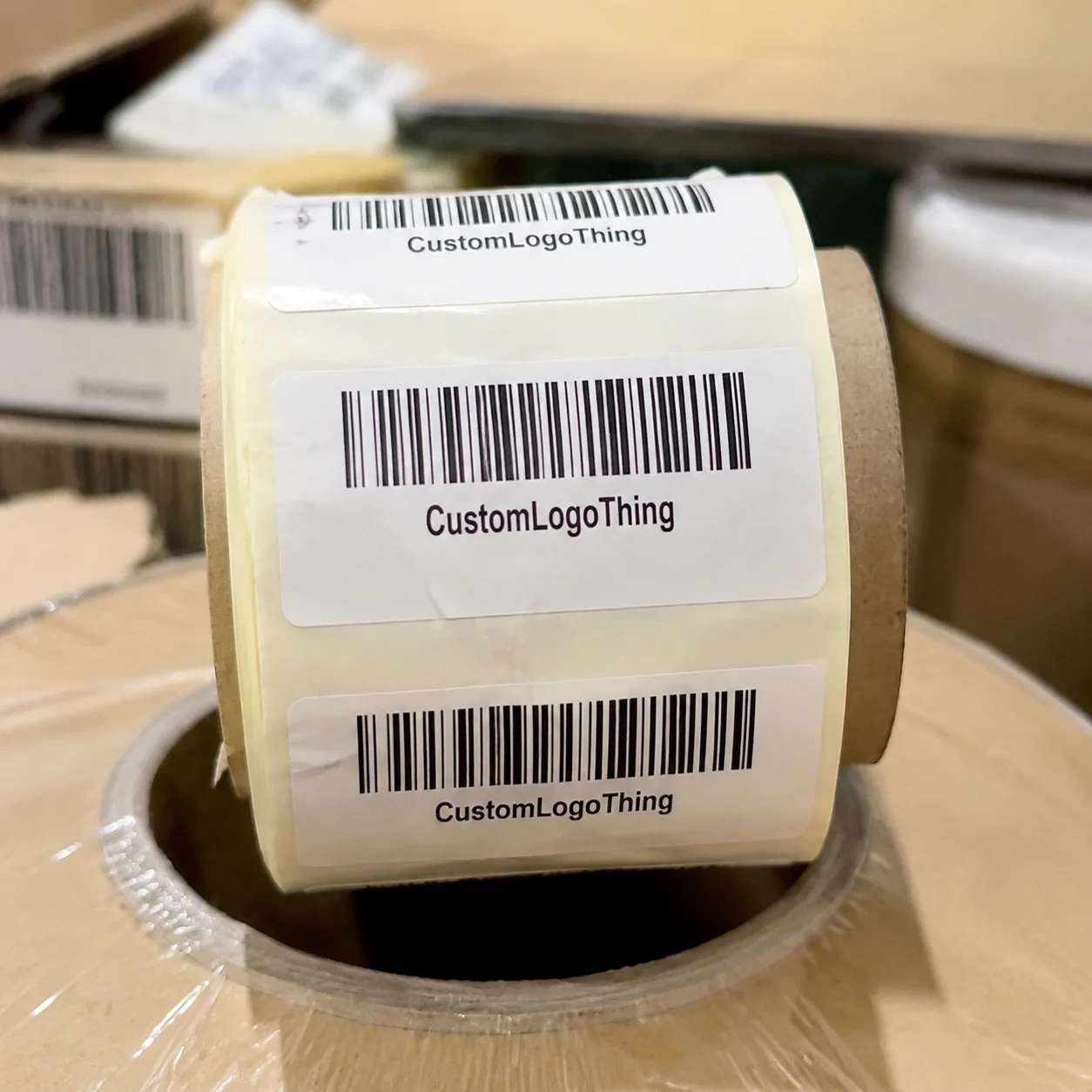
Compliance and practicality matter too. Labels need enough room for ingredients, warnings, barcodes, SKU data, and address information. Retail packaging may need UPC placement and shelf readability. Shipping labels must stay scannable. If you sell cosmetics, supplements, food, or anything regulated, the packaging system should be reviewed against the actual compliance requirements before print approval. I’ve seen more than one founder redesign a carton after realizing the legal panel had no room left for mandatory copy.
When you think about brand packaging for small business, think in layers:
- Outer layer: mailer, shipper, or carton
- Middle layer: filler, insert, tissue, or wrap
- Inner layer: product box, label, seal, or container
- Message layer: thank-you note, care card, QR code, referral card
Each layer can be simple. Together, they create package branding that feels intentional rather than improvised, whether the materials are sourced from a converter in Toronto or a print house outside Los Angeles.
Brand Packaging for Small Business: Cost, Pricing, and Budget Planning
Money tends to settle the argument. Packaging decisions get real in the spreadsheet. The cost drivers are straightforward: material choice, print method, structure complexity, order volume, and freight. A one-color flexographic print on a stock mailer will cost far less than a four-color litho-laminated custom carton with foil and spot UV. That difference can be dramatic. I’ve seen a move from a simple branded mailer at $0.24 per unit to a custom printed box at $1.58 per unit, with no change in product weight. The customer saw a huge upgrade; the P&L saw a smaller one. Funny how that works.
For brand packaging for small business, the most useful budgeting question is not “What does it cost?” It is “What should it cost relative to the product and gross margin?” A useful framework is to set packaging at a percentage of product price or gross margin, then test against actual fulfillment performance. For many consumer products, packaging might land somewhere around 3% to 10% of selling price, though that range depends heavily on category and shipping channel. A $9 candle and a $90 serum do not live in the same packaging world. One can work with a $0.42 label stack; the other may justify a $3.80 rigid set.
Here’s a rough budgeting model that I’ve found useful in client conversations:
| Product Price | Suggested Packaging Budget Range | What It Usually Covers | Comments |
|---|---|---|---|
| $15–$25 | $0.30–$1.10 | Stickers, labels, inserts, stock mailers | Focus on high-impact basics |
| $26–$60 | $0.80–$2.50 | Printed mailers, branded tissue, custom tape, stronger cartons | Room for presentation and durability |
| $61–$150 | $1.50–$4.50 | Custom boxes, inserts, premium finishes | Packaging often expected to feel elevated |
| $150+ | $4.00–$10.00 | Rigid boxes, specialty inserts, premium print effects | Must match price and positioning |
These are working ranges, not laws. Freight, tariff exposure, and carton size can change them fast. But if your packaging budget is wildly outside these bands, pause and check the math.
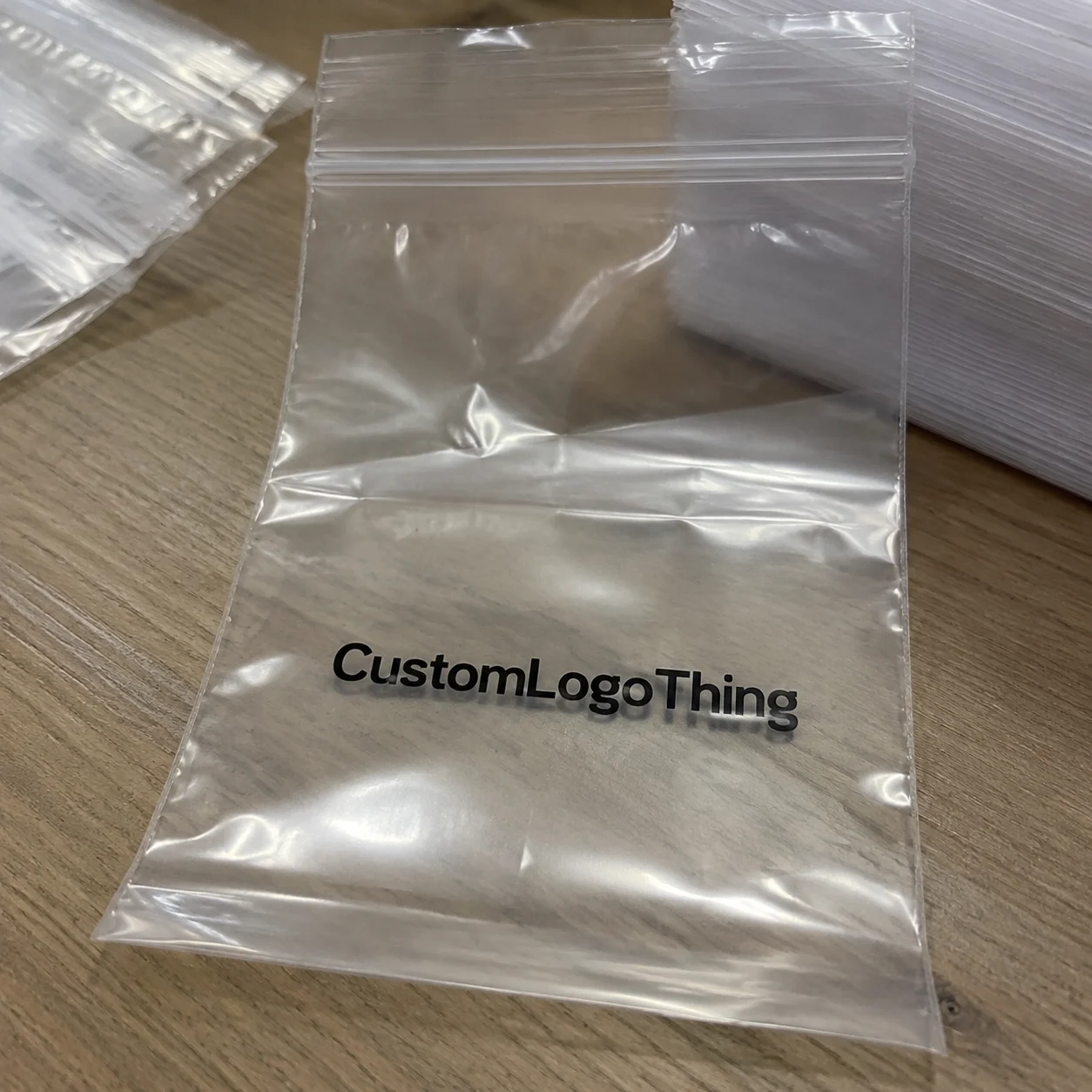
Low-cost options can still look good. Custom labels, branded stickers, belly bands, and printed inserts are often the most efficient ways to build recognition. A roll of 2-inch stickers on a stock mailer can create a better branded impression than a badly designed custom box. I’d rather see a clean stock box with one excellent insert than a flimsy custom carton printed with too much ink and too many claims. Less noise, more credibility.
Higher-investment items, such as custom printed boxes and inserts, make sense when the product value supports them. If you’re selling skincare, gift sets, specialty food, or apparel bundles, the packaging may influence conversion directly. If your product ships in high volumes with thin margins, save the custom structure for the items that need it most. In a factory outside Guangzhou, for example, the difference between a stock tuck-end carton and a bespoke rigid setup can be 18 to 26 cents per unit before freight, which adds up quickly at 3,000 units.
Hidden costs are where small businesses get surprised. Setup fees. Plate fees. Artwork revisions. Storage charges. Damage from poor fit. Freight on oversized cartons. Sometimes the cheapest per-unit box becomes the most expensive total system because it wastes space or crushes in transit. I’ve seen founders save $0.09 on a box and then spend $0.26 more on void fill and damage replacement. That kind of math makes my eye twitch a little.
One negotiation from a factory floor still stands out to me. A buyer insisted on a larger carton “for presentation,” but the pallet count dropped by 18%, freight rose, and the packaging cube became inefficient. We reworked the insert so the product sat tighter and the box depth dropped by 12 mm. That tiny change saved enough to fund a branded thank-you card in every order. Small differences compound fast in brand packaging for small business.
A smart way to stretch budget is to test one premium element at a time. Add the custom insert first. Then upgrade the tissue. Then consider a printed carton. You do not have to buy every packaging flourish at once. In fact, that is usually the wrong move. Customers notice consistency more than volume of embellishment.
If you need product options, Custom Packaging Products can help you compare materials and formats without starting from scratch.
Step-by-Step Process and Timeline for Brand Packaging for Small Business
The best packaging projects begin with goals, not artwork. Step 1 is defining what the packaging needs to accomplish. Is the priority better shelf presence, lower damage rates, stronger gifting appeal, or a cleaner fulfillment flow? A founder who can answer that in one sentence will make faster decisions throughout the project.
Step 2 is auditing what you already use. Lay out your current box, mailer, filler, label, insert, and tape on a table. Measure the product, check the damage points, and note where time is lost during packing. In a client warehouse I visited in Atlanta, the team was spending 42 extra seconds per order because the product and insert were packed in separate zones. That doesn’t sound like much until you multiply it by 1,000 shipments a week. Then it starts to look like a very expensive habit.
Step 3 is writing a packaging brief. Include dimensions, materials, artwork needs, budget, quantities, assembly constraints, and shipping method. If a box has to withstand regional parcel carriers, say so. If the packaging must be assembled by a two-person team in under 30 seconds, say that too. The better the brief, the fewer sample rounds you need. It is much cheaper to answer hard questions on paper than in a production run.
Step 4 is prototyping and testing. This is where the real work happens. Print quality on a mockup can look fine, then the actual substrate absorbs ink differently. A beautiful sample can fail under compression or at a corner crush point. Test the packaging for fit, closure, stacking, and drop performance. If you can, run a few ISTA-style shipping checks or at least mirror the logic of those tests. The ISTA standards are a strong reference point for transit packaging behavior, especially when parcel damage becomes a recurring issue.
Step 5 is production timing and replenishment planning. Simple branded packaging using stock formats and labels may take 7 to 12 business days after approval. More custom packaging often takes 20 to 45 business days depending on printing method, structure, and freight. For custom boxes with a 350gsm C1S artboard and a spot-color print run in Guangdong or northern New Jersey, the timeline is typically 12-15 business days from proof approval, plus 3 to 7 business days for ocean or domestic freight. Add time for revisions. Add time for a missed proof. Add time for the fact that someone in procurement will always want one more color adjusted by 5%. If you build a replenishment cycle around actual sales velocity, your brand packaging for small business won’t become the reason orders ship late.
Here is the practical sequence I recommend:
- Define brand goals and customer expectations.
- Audit current packaging and packaging pain points.
- Build a detailed brief with dimensions and specs.
- Request samples or digital proofs.
- Test for fit, durability, and assembly time.
- Approve final artwork and production details.
- Plan inventory so you never run out mid-campaign.
One apparel founder I worked with assumed her packaging project would take “about two weeks.” By the time we corrected dielines, matched her Pantone colors, and changed the insert copy after a legal review in London, it was six weeks. That is normal, not a failure. The businesses that win are usually the ones that respect the calendar. I know that sounds unglamorous. It is. It also saves a lot of panic.
My advice: build the timeline backwards from launch, not forwards from inspiration. If a seasonal drop is due in eight weeks, the packaging design window may already be smaller than you think. Brand packaging for small business works best when it is treated like part of operations, not an afterthought in marketing.
Common Mistakes Small Businesses Make With Packaging
The first mistake is overdesigning. It is easy to fall in love with foil, embossing, spot UV, magnetic closures, and layered inserts. Those finishes can be gorgeous. They can also be too expensive, too slow, or too fragile for actual shipping. If the packaging looks incredible on a mockup but makes the product more expensive than your customers will tolerate, it has failed the business test.
The second mistake is ignoring fit. A box that is 15 mm too large may require more filler, more tape, and more freight space. Worse, the product can shift and arrive damaged. I once saw a founder increase her unit cost by only $0.11 to move into a “premium” box, but her damage rate fell enough that returns dropped by 17%. The upside came from fit, not from decoration. That is the kind of detail brand packaging for small business should be built on.
The third mistake is inconsistent branding. One label style on the outside, a different logo on the inside, a separate voice on the insert, and another on the thank-you card creates a messy customer experience. Package branding works when the elements look like they belong to the same system. It does not need to be fancy. It does need to be coherent.
The fourth mistake is ordering too much too soon. I understand the temptation. Unit pricing usually drops at larger volumes. But if you print 20,000 cartons before you know whether the design converts or the sizing works, you risk cash tied up in inventory and storage costs for months. A better path is to order enough to test, learn, and adjust. Especially for first-time packaging programs, the first order should be a learning tool as much as a supply purchase.
The fifth mistake is guessing customer preference instead of testing it. Founders often design based on what they personally like. That is a dangerous bias. Your taste is not a market sample. I’ve seen packaging founders choose luxury black boxes because they looked elegant, only to find that customers associated the color with low visibility or high waste. Testing with 15 to 25 real buyers can reveal more than a dozen internal opinions.
Another mistake is confusing branding with inventory clutter. If your packaging contains six inserts, three QR codes, two promo offers, and a handwritten note that says the same thing as the sticker, the customer gets noise. The best brand packaging for small business tells one clear story and stops. Simplicity can be more convincing than volume.
If your team needs examples, review Case Studies to see how other businesses balanced design, cost, and fulfillment practicality.
Expert Tips to Improve Brand Packaging for Small Business
Start with one memorable element. That could be a custom insert, a distinctive color system, a sticker seal, or a unique tissue pattern. One element is enough to create recognition if the rest of the system is clean. I’ve seen this work repeatedly. The brands that try to do everything usually end up doing too much and remembering too little. A single one-color tape pattern from a printer in Ohio can carry more identity than three competing design ideas.
Tell one story. If your brand is about natural ingredients, don’t cram in ten claims. If it is about technical performance, don’t drown the package in sentiment. Customers read quickly. Packaging has maybe 2 to 4 seconds to make its point before the attention shifts. Strong brand packaging for small business knows what to say and what to leave out.
Match materials to price point. A $12 handmade candle doesn’t need the same box construction as a $120 fragrance set. Copying a luxury brand line for line can actually make a smaller company look less credible if the rest of the experience doesn’t support it. Choose finishes and structures that fit your positioning. A matte uncoated carton, one-color print, and a well-written insert can feel more honest and more premium than a glossy overload. For example, a 300gsm uncoated cover with black soy ink often communicates restraint better than a reflective lamination from a plant in Shenzhen.
Test shipping, not just visuals. Take 5 to 10 packed orders and send them through the same carrier paths your customers use. Watch for corner damage, scuffing, and label adhesion issues. Real transit reveals problems a screen cannot. That’s where packaging design becomes engineering. It is also why I trust a battered sample box on my desk more than a beautiful render.
Track results after launch. Measure repeat orders, customer service complaints, shipping damage, social shares, and review language. If customers mention the packaging by name, that’s a strong signal. If support tickets mention crushed corners or hard-to-open boxes, that is a warning. Data beats gut feeling every time in brand packaging for small business.
Here are a few high-return upgrades that often perform well:
- Branded insert with usage instructions or care tips
- Custom sticker or seal for instant recognition
- Right-sized shipper to reduce filler and damage
- Single-color printed mailer for strong shelf and doorstep visibility
- Thank-you card with a repeat-purchase offer or QR code
Those are not expensive by themselves, but combined well, they improve perceived value. That’s where brand packaging for small business starts paying back. A $0.12 seal and a $0.28 insert can outperform a $1.90 box if they fit the product and the customer journey.
“The packaging got the product photographed,” a retailer told me after a launch review. “The product got it repurchased.” That sentence captures the real job of packaging: earn the first reaction, then get out of the way.
Next Steps to Build Brand Packaging for Small Business That Works
Start with inventory. List every packaging component you use today: outer box, mailer, label, filler, tissue, tape, insert, card, seal, and shipping label. Mark each item as either functional or brand-building. That simple exercise usually reveals where money is leaking. Many businesses are paying for brand signals in three places when one would do, especially if the stock mailer already arrives in a strong kraft tone from a supplier in Illinois.
Then set a target budget for brand packaging for small business. Decide what you can spend per order, not just what you wish the packaging could be. Within that budget, choose the one or two upgrades most likely to raise perceived value. If you’re unsure, start with the outer pack and the insert. Those usually give the biggest visible return. A $0.35 printed insert and a $0.19 custom sticker can produce more brand lift than a $2.10 box that eats margin.
Create a packaging checklist before ordering anything. Include dimensions, materials, print files, color references, legal copy, barcode placement, and shipping test requirements. If your packaging vendor asks for artwork and you only have a logo PNG and a mood board, pause. Good packaging programs need clean inputs. Messy inputs produce expensive revisions.
Request samples or prototypes. Physical samples are not optional if the pack has to fit a product precisely or survive transit. Ask for a white sample, a printed proof, and if possible, an assembled mockup. The difference between “looks right” and “fits right” can be 3 mm, and those 3 mm can decide whether the packaging feels premium or awkward. A sample cycle in Ho Chi Minh City might take 4 to 6 business days, while a domestic prototype from New Jersey can arrive in 48 hours.
After the first 50 to 100 orders, review the results. Did damage fall? Did packing time improve or worsen? Are customers mentioning the unboxing experience? Are you carrying too much packaging inventory? This is where the real learning happens. Brand packaging for small business should evolve with actual order data, not just design preferences.
I’ll say something blunt: packaging that impresses no one and costs too much is a liability. Packaging that protects the product, fits the margin, and strengthens brand recognition is an asset. That is the line every founder has to find. The good news is you do not need a huge budget to find it. You need specificity, restraint, and a willingness to test.
If you approach brand packaging for small business as a system rather than an accessory, it becomes easier to make smart choices. And when the box, label, insert, and shipping method all support the same promise, customers notice. They may not say, “Excellent package architecture.” They will say, “This brand feels legit.” That’s the target.
FAQs
What is brand packaging for small business, exactly?
It is the combination of packaging materials, graphics, structure, and unboxing details that represent your brand. It includes both protection and presentation, so the package supports the product and the customer experience. For small businesses, it often starts with affordable elements like labels, mailers, inserts, and branded tape, usually sourced from a local print shop in Dallas or a packaging supplier in New Jersey.
How much should small businesses spend on brand packaging?
There is no universal number, but packaging should fit your margins and product price point. A good approach is to decide a budget per order, then allocate it across the box, filler, insert, and branding details. Start with the highest-impact items first and scale up only after you know what customers respond to. For a $24 product, that might mean $0.85 to $1.40 total; for a $96 product, $2.50 to $4.75 may be more realistic.
How long does it take to create brand packaging for a small business?
Simple branded packaging can move quickly if you use stock formats with labels or stickers. Custom packaging usually takes longer because it involves design, sampling, revisions, production, and shipping. Building extra time for approvals and testing helps prevent fulfillment delays and expensive reprints. In practice, stock label programs can be ready in 7 to 10 business days, while custom cartons often take 12-15 business days from proof approval plus freight.
What packaging works best for small businesses on a tight budget?
Labels, branded stickers, inserts, belly bands, and custom tape can create a strong branded look without full custom boxes. Packaging that fits the product well can reduce filler and shipping costs, which helps the budget stretch further. The best option is usually the one that balances affordability, protection, and a clear brand message. A 2-inch logo sticker and a 100gsm insert can go a long way for under $0.30 per order.
How do I know if my brand packaging is effective?
Look for fewer shipping damages, fewer customer complaints, and stronger repeat purchase behavior. Track whether customers share unboxing photos, mention packaging in reviews, or remember your brand more easily. If packaging feels beautiful but hurts margins or slows fulfillment, it needs adjustment. In a healthy system, the packaging should support the product, not compete with it.
When I look at the strongest packaging programs, the pattern is always the same: the founders know their numbers, respect their margins, and build for the customer they actually have. That’s the real promise of brand packaging for small business. It makes a small operation feel organized, credible, and worth remembering. The most practical next step is simple: map your current packaging, cut one weak or redundant element, and upgrade the single touchpoint customers see first. That small move is usually enough to get the whole system moving in the right direction.