Buyer Fit Snapshot
| Best fit | Brand Packaging Premium Quality projects where brand print, material claims, artwork control, MOQ, and repeat-order consistency need to be specified before quoting. |
|---|---|
| Quote inputs | Share finished size, material target, print colors, finish, packing count, annual reorder estimate, ship-to region, and any compliance wording. |
| Proofing check | Approve dieline scale, logo placement, barcode or warning zones, color tolerance, closure strength, and carton packing before bulk production. |
| Main risk | Vague material claims, crowded artwork, missing packing details, or unclear freight terms can make a low unit price expensive after revisions. |
Fast answer: Brand Packaging Premium Quality: Material, Print, Proofing, and Reorder Risk should be specified like a repeatable production item. The safest quote records material, print method, finish, artwork proof, packing count, and reorder notes in one written spec.
Production checks before approval
Compare the actual filled-product size with the drawing, then confirm tolerance on folds, seals, hang holes, label areas, and retail display edges. Reserve space for logos, QR codes, warning copy, and material claims before decorative graphics fill the panel.
Quote comparison points
Review material grade, print process, finish, sampling route, tooling charges, carton quantity, and freight assumptions side by side. A quote is only useful when the supplier can repeat the same color, closure quality, and packing count on the next order.
I remember standing on a factory floor in damp shoes in Dongguan, watching a stack of cartons roll by on a conveyor, and thinking: that’s where the truth lives. Not on the render. Not in the polished PDF. On the line, under fluorescent lights, with a press operator checking registration marks while somebody on the phone insists the box must feel “more premium” by Friday, usually after 4:30 p.m. That is where brand Packaging Premium Quality either earns its keep or falls apart.
I’ve stood on enough factory floors to know this: brand packaging premium quality is rarely about the box that looks the fanciest on a screen. Two packages can be printed with the same artwork, the same logo, and even the same foil stamp, yet one will feel crisp, weighty, and intentional while the other feels thin, scuffs in transit, and arrives with a slightly crushed corner that quietly kills the whole presentation. That difference usually comes from board grade, coating choice, print control, and how disciplined the line is during conversion, not from a bigger budget alone. A 350gsm C1S artboard carton with a tight score line will often outperform a 300gsm sheet that looked cheaper by only $0.04 per unit on a 5,000-piece order.
At Custom Logo Things, I’ve seen brands spend money in the wrong places, and I’ve also seen them get outstanding results from very ordinary materials because the structure, finishing, and tolerances were handled properly. That’s the real lesson behind brand packaging premium quality: it’s engineered. It combines tactile feel, structural integrity, visual consistency, and package branding that supports the brand identity before the customer even lifts the lid. If you care about branded packaging that protects the product, survives courier handling, and feels right during the unboxing experience, the details below are where the work really happens. A rigid setup box made from 1.5mm greyboard wrapped with 157gsm art paper in Shenzhen can feel more expensive than a laminated carton that cost 20% more but was assembled carelessly.
And there’s a practical side to all this that people sometimes skip. Packaging is often the first physical proof of a brand promise. If the carton edges are soft, the print is muddy, or the closure feels sloppy, customers notice fast. Kinda unfair, maybe, but that’s how perception works.
What Brand Packaging Premium Quality Really Means
The first thing I tell clients is simple: brand packaging premium quality is not a price category, it’s a performance standard. I once had a cosmetics client bring me two sample cartons that looked nearly identical under showroom lights, but one used a 350gsm SBS paperboard with a smooth aqueous coat while the other used a lighter, cheaper sheet with weak fiber orientation. In hand, the difference was obvious in under three seconds. One carton held its edge, showed clean folds, and felt like retail packaging designed with purpose; the other flexed at the corners and gave away its cost before the customer opened it. On a 10,000-piece run, the stronger board added about $0.06 per unit, yet it cut transit damage by roughly 18% across three fulfillment batches.
Premium quality shows up in the details most people don’t photograph well: crisp die-cuts, rich ink coverage, tight folds, clean glue seams, and consistent registration across the full run. It’s also the way a package behaves when it is handled by a picker in a warehouse in Chicago, stacked in a distribution center in Manchester, and opened by a customer who notices everything. A lot of brands confuse “luxury-looking” with truly premium. A glossy black box with foil can still fail if the board is weak, the lid rocks, or the coating scratches when it rubs against another carton. That’s not brand packaging premium quality; that’s decoration without discipline. A soft-touch sleeve with a 0.03mm tolerance on the wrap can feel expensive because the construction is controlled, not because it has more effects.
There’s also a strategic side to it. Packaging is a brand signal. Long before a buyer compares ingredient lists, specs, or pricing, they have already formed a judgment from the product packaging in their hands. When the structure feels intentional and the graphics match the brand identity, the value perception rises immediately. I’ve watched this happen in a meeting in Dallas with a mid-size accessories company: they switched from a standard folding carton to a rigid presentation box with a fitted insert, and their sales team reported that the boxes were being kept on desks instead of tossed after opening. The change added 6 business days to production, but the perceived value jump was immediate. That’s the kind of signal brand packaging premium quality sends.
“The customer doesn’t just buy the product. They buy the first thirty seconds of contact with the package.”
So if you’re evaluating branded packaging, start by asking whether it looks expensive, or whether it has the construction, finish, and consistency to justify the feeling it creates. That distinction matters in custom printed boxes, luxury retail packaging, and high-touch subscription kits alike. A carton that uses Pantone 186 C with accurate ink density, a 2mm score allowance, and a clean tuck can outclass a heavier box that misses those fundamentals.
How Brand Packaging Premium Quality Is Built in Production
Brand packaging premium quality is built step by step, and if one stage slips, the whole result suffers. In a good production flow, the process starts with concept files and the structural brief, then moves into dieline creation, prepress checks, proofing, print setup, cutting, folding, gluing, finishing, and final inspection. I’ve walked lines in offset print houses in Guangzhou where the prepress team spent more time on trapping and registration than the design team spent on color choice, and that’s often exactly what the job needs. When print and structure are aligned, the box feels sharp; when they’re not, even a premium brand identity can look tired. A typical proof approval-to-finished production window is 12-15 business days for a folding carton order of 5,000 pieces, assuming the artwork is final on day one.
Different factory types contribute different strengths. Offset print houses are usually better for crisp graphics, Pantone control, and high-end cosmetic cartons. Corrugated converting lines are the backbone for shipping cartons, mailer boxes, and retail-ready transport packs that need strength and repeatability. Rigid box assembly shops are where you see premium presentation boxes, set-up boxes, and specialty inserts come together with tighter handwork. I remember a supplier negotiation in Guangzhou where the rigid box plant owner showed me how a 1.5mm greyboard wrapped with 157gsm art paper could outperform a heavier, poorly wrapped board simply because the wrapping tension and corner folding were more precise. That’s the kind of production discipline that separates average work from brand packaging premium quality. A well-run plant in Suzhou or Dongguan can also maintain a corner gap within 0.5mm on a presentation box, which is the sort of tolerance customers feel even if they never measure it.
Prepress deserves more credit than it gets. Color separation, proofing, trap settings, and registration control are the quiet controls behind consistency. If your blue logo shifts between carton sides, or your black background goes greenish under a different ink load, the whole package branding experience weakens. A good press operator will watch ink density, dot gain, and drying behavior on the substrate, because paperboard does not behave like coated label stock. That is why proofs, white mockups, and pre-production samples matter so much. They expose issues early, when a few hundred dollars can still save a few thousand. I’ve seen a brand in Rotterdam catch a 3mm die shift on a digital white sample before committing to a 20,000-box offset run.
Finishing is where many brands chase elegance. Matte lamination, soft-touch coating, foil stamping, embossing, debossing, spot UV, and window patching all have a place, but each one changes the way a package feels and behaves. Soft-touch can feel expensive, yet it may show oily fingerprints if the customer handles the outer sleeve repeatedly. Foil can look exceptional on shelf, though the wrong die pressure can create a patchy impression. I’ve seen spot UV on a black carton look brilliant, then fail after a humid week in storage because the coating choice was too brittle for the route. That is why brand packaging premium quality depends on finish selection as much as artwork. A 1.2 mil matte film with a protective overprint varnish often performs better in humid export lanes than a heavier, prettier coating that scratches after two days in a fulfillment center.
Typical production timing depends on complexity, but a practical sequence often looks like this:
- Design and structural approval: 2-4 business days
- Sampling and mockups: 4-7 business days
- Tooling and prepress: 2-5 business days
- Printing and finishing: 5-10 business days
- Assembly and inspection: 3-6 business days
- Freight and receiving: variable by destination and mode
The delays usually happen at approval points, not on the press itself. If a client changes the lid depth after proof approval, the timeline extends. If a foil color is revised after tooling starts, the schedule moves. That’s normal. Good planning makes brand packaging premium quality more predictable, because premium work is rarely rushed without consequences. A supplier in Ningbo can turn a simple carton in 8 business days, but once you add embossed foil and a custom insert, the schedule often lands closer to 15-18 business days from sign-off.
What Factors Define Brand Packaging Premium Quality?
The biggest difference between average and brand packaging premium quality usually starts with the substrate. SBS paperboard, CCNB, rigid greyboard, kraft corrugated, and specialty papers all feel different in the hand and perform differently under load. SBS gives a clean, bright surface for sharp print. CCNB can be a practical choice for value-driven product packaging. Rigid greyboard adds structure and weight that customers often associate with premium goods. Kraft corrugated brings strength and a more natural, environmentally conscious look. The right choice depends on the product, the shipping environment, and the story the package needs to tell. A 16pt SBS carton for a serum bottle in New York will behave very differently from a 32ECT corrugated mailer shipped from Los Angeles to Miami in July.
Print quality matters just as much. CMYK accuracy, Pantone matching, ink density, and surface smoothness influence whether the packaging feels polished or slightly off. I’ve had a client in the wellness space send back a run because the green tone on their leaf motif was 5 to 7 points duller than the approved proof, and they were right to do it. When a brand uses custom printed boxes as a primary brand signal, even a subtle shift in tone can make the whole line feel inconsistent. Consistency is not cosmetic fluff; it is part of brand packaging premium quality. A good press room in Seoul or Shenzhen will keep Delta E color drift under 2.0 for core brand colors, which is a small technical number with a large visual impact.
Structure is another dividing line. Tuck-end cartons work well for a lot of retail packaging, but they won’t always give the shelf presence of a rigid setup box. Mailer boxes are excellent for e-commerce, yet they need proper score depth and flap alignment so they close securely and open cleanly. Inserts, trays, and protective partitions matter whenever the product moves inside the pack. A loose product in a beautiful box still feels cheap. I’ve seen luxury candles shipped in elegant cartons with no insert, and by the time they reached the customer, the jar had cracked against the sidewall. That is a packaging design failure, not just a logistics issue. A die-cut paper insert costs far less than a refund, and in many cases adds only $0.09 to $0.25 per unit depending on the shape.
Durability is where many premium claims collapse. Coatings should resist scuffing, especially at corners and flap edges. Adhesives need to hold in humid warehouses and on long shipping routes. A box might look stunning in a 22°C sample room, then curl or mark after two weeks in a tropical transit lane. That’s why honest supplier conversations matter. I’d rather tell a client that a soft-touch finish needs an extra overcoat for scuff resistance than sell them on a pretty sample that won’t survive distribution. Real brand packaging premium quality holds up in the real world. In practical terms, that means testing at 65% relative humidity for 48 hours, then checking whether the corner wrap still sits flush.
Brand consistency across product lines also separates the best programs from the forgettable ones. If your subscription kit, retail carton, and shipper all look related, the package branding feels deliberate. If every SKU uses a different finish, different board, and different die style, the line can feel fragmented even if each individual box is attractive. Good branded packaging systems are designed as families, not isolated one-offs. That’s one reason I often point clients to our Custom Packaging Products range when they need a coordinated system rather than a single box. A family of boxes produced in the same plant in Guangdong can also keep finish variation tighter than three separate suppliers spread across three cities.
| Packaging Option | Best For | Typical Feel | Relative Cost | Notes |
|---|---|---|---|---|
| SBS Folding Carton | Cosmetics, supplements, light retail goods | Clean, printable, lightweight | Low to medium | Strong when print quality is controlled |
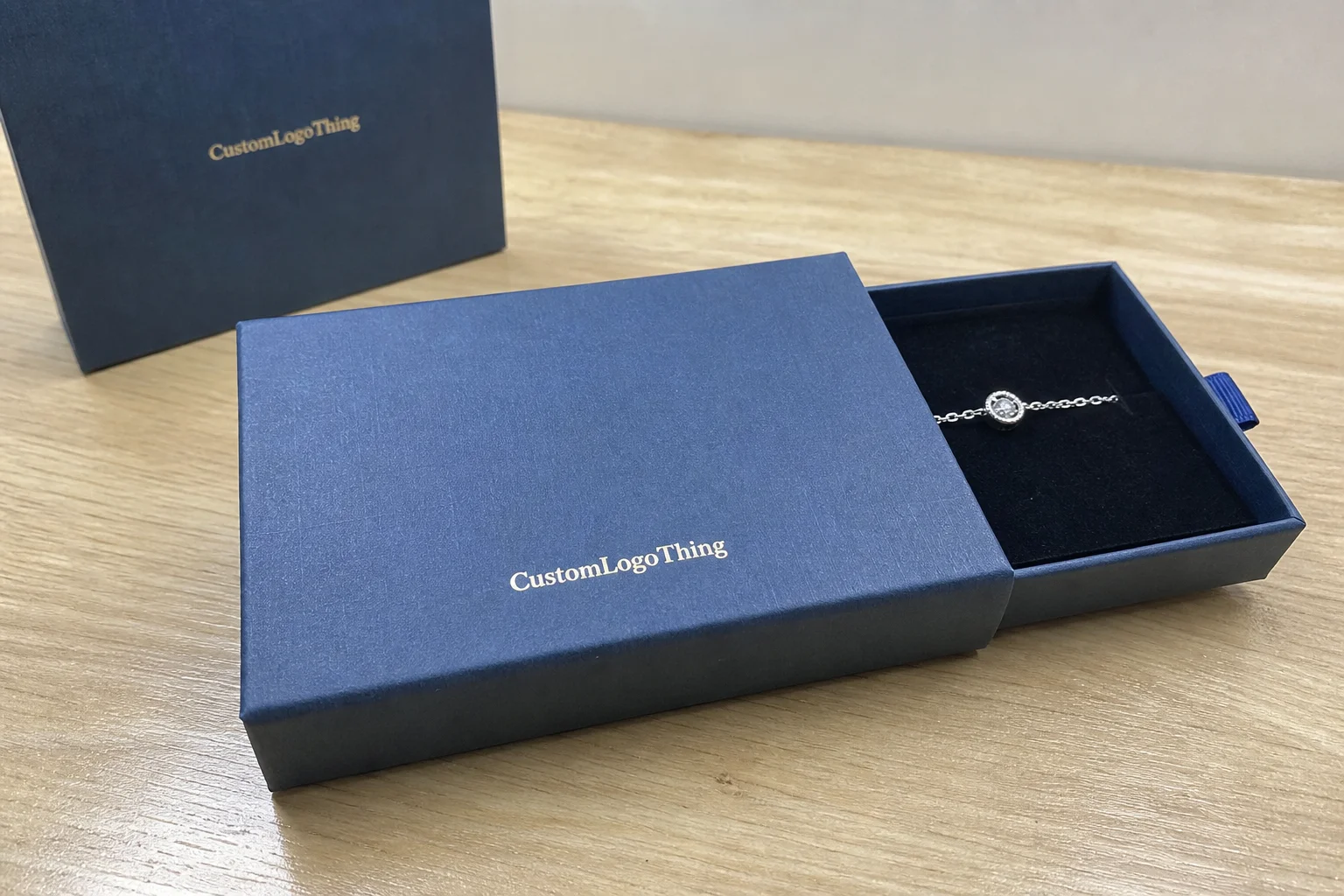
| Rigid Setup Box | Luxury gifts, premium accessories, electronics | Heavy, structured, high-end | Medium to high | Excellent for premium unboxing experience |
| Kraft Corrugated Mailer | E-commerce, subscription, direct-to-consumer | Practical, durable, natural | Low to medium | Good protection with thoughtful branding |
| Specialty Paper Wrap | Gift packaging, limited editions | Textured, distinctive, tactile | Medium to high | Great for premium feel, but test durability |
Common failures are easy to spot once you’ve handled enough packs: flimsy board, weak adhesive, mismatched gloss levels, and poor dieline engineering. Any one of those can undercut brand packaging premium quality faster than a bad color choice. The thing people often get wrong is assuming “premium” means “more effects.” In practice, it usually means cleaner execution, stronger substrate selection, and less noise in the design. A 157gsm art paper wrap on 1.8mm greyboard with clean corners will usually beat a louder design built on weak construction.
Brand Packaging Premium Quality: Cost, Pricing, and Budget Planning
Brand packaging premium quality costs more because it asks more of the materials, the press, and the people running the line. A higher-grade board may cost more per sheet. Specialty finishes add extra passes. Tight labor control takes time. Proofing and setup add nontrivial overhead. If a client wants foil, embossing, custom inserts, and a soft-touch exterior on a rigid box, the cost stack rises quickly, and that’s not a supplier trick; it’s the reality of how the work is made. A carton printed in Shanghai on 350gsm C1S artboard may come in at $0.15 per unit for 5,000 pieces, while the same structure with soft-touch and foil can move to $0.34 to $0.62 per unit depending on the plant and carton size.
The biggest pricing drivers are quantity, box style, number of colors, foil or embossing, insert complexity, and shipping method. A run of 5,000 folding cartons will carry a very different unit price from 800 rigid boxes because the setup gets amortized across fewer pieces. In my experience, smaller runs often cost more per unit because the machine changeovers and hand assembly cannot be spread out enough. That’s why a quote for 1,000 premium presentation boxes can look surprisingly high next to a 10,000-unit retail carton order. In Dongguan, a 1,000-piece rigid box order may take 3 full assembly shifts, while a 10,000-piece carton order can be produced in a single extended press run.
To make that more concrete, here’s a practical way brands often see pricing differences for custom printed boxes:
| Order Type | Quantity | Typical Unit Range | Cost Drivers | Common Use |
|---|---|---|---|---|
| Basic Folding Carton | 5,000 pieces | $0.18-$0.42/unit | Board grade, CMYK print, simple die-cut | Retail packaging, supplements |
| Premium Folding Carton | 5,000 pieces | $0.32-$0.78/unit | Soft-touch, foil, tighter registration | Cosmetics, specialty products |
| Rigid Setup Box | 1,000 pieces | $1.10-$3.50/unit | Greyboard, wrap paper, hand assembly, insert | Luxury gifts, electronics |
| Mailer Box with Insert | 3,000 pieces | $0.65-$1.90/unit | Corrugated grade, print coverage, insert fit | E-commerce, subscription kits |
Those ranges are not universal. Material markets move, freight changes, and labor rates vary by region. Still, they give a realistic planning frame. I’ve sat in budgeting meetings where a brand wanted the look of a luxury launch but had allocated only enough for a basic folding carton. That mismatch is fixable if you prioritize the most visible touchpoints. Spend on the lid panel, the insert, and the outer finish. Save money by simplifying the interior graphics or reducing unnecessary effects that customers will never notice. A matte-laminated lid panel plus a clean paper insert may create more perceived value than five separate embellishments scattered across the pack.
Hidden costs deserve attention too. Revised proofs can eat time. Rush fees show up if the launch date shifts. Extra tooling may be needed for custom shapes, magnetic closures, or foil dies. Export packaging, palletization, and humidity protection can all add charges. Brands sometimes forget the freight side entirely, especially when shipping larger rigid boxes that occupy more cube space. If you’re planning brand packaging premium quality, budget for the package itself and the path it travels. Otherwise, you get the most annoying kind of surprise: the beautiful box that quietly wrecks the budget spreadsheet. A pallet of 600 rigid boxes can fill nearly twice the freight volume of 600 folding cartons, even before desiccants and edge protectors are added.
One more practical point: a premium packaging budget works best when it’s aligned with channel strategy. A DTC brand can often justify a stronger unboxing reveal because the customer sees the box first. A retail brand may need more attention on shelf impact and stackability. A subscription brand may prioritize repeatable assembly and insert fit. There is no single right budget formula, but there is a right fit between spend and customer touchpoint. A brand shipping from Portland to customers in Arizona may prioritize moisture resistance; a brand supplying boutiques in Milan may care more about shelf finish and tactile draw.
How Do You Create Brand Packaging Premium Quality Step by Step?
The cleanest way to create brand packaging premium quality is to treat the packaging like a product, not an afterthought. Start with the brand goals. Who is the packaging for? Is it going to retail shelves, direct shipping, or a private client handoff? What feeling should it create when it lands on the table? If the answer is “refined, durable, and worth keeping,” that should shape every later decision. A perfume box in Paris may need a different opening feel than a vitamin carton in Texas, even if both use the same logo system.
Next comes the design brief. Include the exact product dimensions, target weight, shipping constraints, sustainability goals, and finish preferences. I’ve seen teams waste weeks because the first brief listed the product size, but not the outer shipper requirement or the insert material. When the package design begins with incomplete data, the factory has to guess, and guessing is expensive. Precise specs make premium work easier. A good brief should name the outer dimensions to the nearest millimeter, the board target, the closure type, and the expected annual volume, whether that’s 2,500 units or 25,000 units.
After that, develop the dieline and prototype. Test fit, strength, and presentation before approving the final structure. If the lid catches, if the inner tray rattles, or if the closure line looks asymmetrical, fix it now. A white mockup can reveal problems that flat artwork never will. That’s where the engineer in the room earns their keep. For brand packaging premium quality, a good prototype often saves more money than it costs. A sample produced in Guangzhou or Suzhou typically takes 4-7 business days after dieline approval, and that timeline is usually far cheaper than discovering a 2mm fit issue after full production starts.
Then choose materials and finishes based on the product’s weight, audience, and channel. A 120g skincare jar needs different support than a featherweight accessory. A corrugated mailer may need E-flute or B-flute depending on the compression risk. A rigid box may need 157gsm art paper wrap, matte lamination, and a foam or paper insert depending on the display intent. The right materials create the feeling you want without overbuilding the box. A 300gsm board might be enough for a 45g item, while a 500g product often needs a stronger structure or a separate insert to avoid bowing.
Color proofing is non-negotiable. Approve the proof, lock the spec, and keep the reference sample on file. Production samples should be compared against the agreed standard under consistent lighting, ideally near D50 if your workflow supports it. That kind of discipline matters because small drift in logo color, background shade, or foil tone makes custom packaging feel less controlled. If you need a benchmark, our Case Studies page shows how different brands solved these decisions in the field. For projects run through factories in Shenzhen or Dongguan, I also recommend retaining one signed master sample in the office and one in the production file.
Before the full run, build an inspection checklist with at least these points:
- Adhesive strength at seams and corners
- Print alignment and registration
- Scuff resistance on the finish
- Fold accuracy and crease quality
- Insert fit and product retention
- Carton compression and stacking performance
Finally, plan logistics so the packaging arrives when needed and moves smoothly into fulfillment. A beautiful box that arrives two weeks late is not premium. I learned that the hard way while supporting a product launch that had a rigid box delayed in ocean freight from Ningbo to Los Angeles; the boxes were flawless, but the launch team had to improvise with plain shipper cartons for the first sell-in meeting. The boxes were excellent, yet the timing still hurt the presentation. Timing is part of brand packaging premium quality. A transit plan that includes pallet wrap, corner guards, and a 5% overage can prevent a late-stage scramble.
For reference, industry standards matter here. Organizations like ISTA help define distribution testing, and the FSC program matters for responsible sourcing when brands want paper-based materials with documented origin. If your packaging is meant to survive shipping and support sustainability claims, these references are worth understanding. Many suppliers in Vietnam, China, and Mexico can produce FSC-certified paperboard if the order is specified clearly at quotation stage.
Common Mistakes That Undermine Premium Packaging
One of the most common mistakes is designing for appearance only and forgetting transit. A box can photograph beautifully in a studio and still fail after one courier route. Corners crush. Inserts shift. Tape marks show. When that happens, the brand promise weakens in a way that customers remember. I’ve seen this with boutique fragrance packaging where the carton looked exceptional on a white table but arrived dented because the board was too light for the shipping lane. A 250gsm stock may look fine in a mockup, then fail after a 1,200-mile delivery run in summer heat.
Another mistake is choosing finishes that perform poorly in real use. A high-gloss surface can look strong on screen, but it may show fingerprints, scratches, and glare the moment a customer handles it. Some matte films look elegant but can rub shiny at the edges if the lamination quality is low. Premium does not mean “most reflective” or “most expensive.” It means the finish supports brand packaging premium quality through the full customer journey. A soft-touch finish can cost $0.07 to $0.18 more per unit, but if it scratches in the first opening, that extra spend is wasted.
Low-resolution artwork, inconsistent brand assets, and weak color management can make even the best structure feel cheap. If the logo on the lid doesn’t match the logo on the side panel because the file set came from different design versions, the package branding feels careless. A good printer can only work with what they receive, so asset control is part of the job. I’ve had a meeting with a new startup where the designer exported three different blacks across the same carton family. The boxes arrived, and the inconsistency was visible from six feet away. On a shelf in Toronto, that kind of mismatch can cost more than the printing itself.
Underestimating lead times is another classic problem. Tooling, samples, export documentation, and freight all take time. If a brand says they need premium packaging in ten days, I know we’re going to have a conversation about compromise. That doesn’t mean impossible, but it does mean changes in structure, finish, or shipping mode may be needed. Pushing too hard for speed often creates a result that feels rushed instead of premium. A realistic rigid box timeline is often 15-20 business days from proof approval, plus 4-10 days for international freight depending on the route.
Overcomplicating the design can also hurt. Too many effects, too many fonts, too many finish layers, and too many callouts can make the box feel busy rather than elevated. I’ve seen brands add foil, embossing, spot UV, and a multi-color inner print all at once, only to realize the package was shouting when it should have been speaking calmly. A restrained design often reads more premium because the eye has room to focus. One foil hit on the lid and a single embossed mark on the sleeve can create more authority than four competing treatments.
Lastly, the wrong format for the product weight or fragility creates hidden trouble. A heavy item in a light carton will deform. A fragile item without a proper insert will rattle and chip. A subscription kit with weak closure tabs will arrive open. These are not design flourishes; they are engineering decisions. If your packaging is supposed to communicate brand packaging premium quality, the structure must match the product. A 900g bottle needs a different inner cradle than a 90g cosmetic compact, even when the outer print strategy is identical.
Expert Tips for Maintaining Brand Packaging Premium Quality
The best way to keep brand packaging premium quality steady across repeated runs is to build a packaging spec sheet and treat it like a control document. Include the board type, caliper, coating, color values, die number, assembly notes, insert dimensions, and approved photos. When the next reprint happens, there should be no guessing. I’ve seen this save brands from small but annoying changes, especially when a different plant or a different shift handles the job. A spec sheet with 350gsm C1S artboard, matte aqueous coating, and 157gsm wrap paper leaves far less room for drift than a one-line email.
Periodic quality audits help too. Place the approved sample beside the production sample and compare them under the same lighting. Check gloss, color tone, corner sharpness, and seam quality. If you have the time, use photos from the approved master to create a visual standard that production can reference. This is how you protect branded packaging from creeping inconsistency. It’s boring work, but it pays off. A 15-minute audit on the first 200 units can prevent a 5,000-unit correction later.
Testing under real-world conditions is one of the smartest habits you can adopt. Run drop tests, expose samples to humidity, stack cartons in warehouse-like conditions, and simulate courier handling. If the product is going by air, test for pressure changes and vibration. If it’s shipping through warm or damp regions, check how the coating and adhesive behave after a few days. The EPA has useful sustainability and materials context if your packaging program also needs to support environmental goals. A pack that passes 1-meter drop testing and still closes cleanly after 72 hours at 30°C will usually perform better in real distribution than a prettier sample that was never stressed.
Design for both unboxing and storage. Customers often keep premium boxes longer than brands expect. A magnetic closure box or a well-built drawer box can become part of the customer’s storage routine, which strengthens retention and brand memory. I’ve seen customers reuse rigid boxes for jewelry, watches, and document kits months after purchase. That kind of staying power is a quiet win for package branding. A drawer box with a 1.5mm pull ribbon and a fitted tray can stay in use for years, especially for accessories sold in London, Berlin, or Tokyo.
Sustainability and premium feel do not have to fight each other. Recyclable boards, water-based coatings, and smart material selection can still produce excellent tactile results. The strongest premium programs are the ones that avoid wasteful complexity and focus on material honesty. If the board is good, the print is controlled, and the finish is chosen with care, the box can feel high-end without being overbuilt. In practical terms, that might mean switching from plastic lamination to a water-based matte coat and keeping the same visual impact at a lower material burden.
Supplier relationships matter more than most brands realize. A good manufacturer will tell you when a finish may fail, when a board stock is unstable, or when a better insert design exists. That honesty is worth a lot. Over time, that relationship improves repeat-run consistency because both sides know what “good” looks like. If you’re building a long-term packaging system, don’t just buy boxes; build a working production relationship that supports brand packaging premium quality. A plant in Dongguan that already knows your dieline and color tolerances can often turn future runs around 20% faster than a new vendor starting from scratch.
Next Steps to Improve Your Brand Packaging Premium Quality
If you want a practical way forward, start with a simple review of your current packaging. Identify the weakest touchpoint first. Is it the board feel? The print accuracy? The finish durability? The insert? Pick the area that customers notice most, because that is usually where a small improvement creates the biggest change in perception. That first upgrade often does more than a full redesign done poorly. A move from 300gsm stock to 350gsm C1S artboard, for example, can change the hand-feel immediately without rebuilding the entire structure.
Create a short audit checklist and compare your box against three reference samples from brands you respect. Put them side by side. Touch them. Open them. Stack them. Look at the lid edges, the color consistency, and the way the structure holds up after several openings. This exercise is more useful than staring at renders all afternoon. Real packaging lives in the hand, on the shelf, and inside the shipping box. If you can, compare samples from factories in Shenzhen, Ho Chi Minh City, and Mexico City to see how different regions handle board stiffness and finish consistency.
Before you contact a manufacturer, set a realistic budget range and a realistic timeline. If you want brand packaging premium quality with foil, embossing, inserts, and tight color matching, say so early. If you only have room for one premium touchpoint, choose the one with the strongest customer impact. In many cases, that’s the lid panel or the outer sleeve. In others, it’s the inner tray or the closing mechanism. Spend where the hand naturally goes first. A packaging supplier can usually quote faster if you provide target quantities, such as 2,000, 5,000, or 10,000 pieces, along with the board spec and destination city.
Then improve one element, measure the customer response, and build from there. Maybe you upgrade from standard paperboard to heavier SBS. Maybe you switch from gloss to matte lamination. Maybe you redesign the insert so the product sits cleaner and ships more safely. Small, controlled changes are easier to manage and easier to judge. That’s how good packaging programs mature. A single controlled upgrade can be tracked across a 90-day sales window, which gives you cleaner feedback than a full redesign with ten moving parts.
Here’s the final point I’d leave you with from two decades around print plants, folding lines, and rigid box shops: brand packaging premium quality is built through repeatable specs, careful testing, and disciplined manufacturing, not guesswork. If you want help applying that to custom printed boxes, branded packaging, or a full packaging design refresh, start by reviewing the materials, the structure, and the real conditions the box will face. Get those right, and the rest becomes much easier. A box made in Dongguan for $0.15 per unit or a rigid case made in Suzhou for $1.80 per unit can both feel premium if the details are controlled. One smart move this week: pull one current package apart, measure the board, check the finish under bright light, and compare it against a sample you’d be proud to ship.
Frequently Asked Questions
What makes brand packaging premium quality instead of just expensive?
Premium quality comes from consistent materials, print accuracy, structural strength, and a refined tactile feel. High cost alone does not guarantee quality if the box scuffs easily, has poor color matching, or arrives damaged. A $0.42 carton with a clean score, correct board, and stable coating can outperform a $0.68 carton that was built carelessly.
How do I choose materials for brand packaging premium quality?
Match the substrate to the product weight, shipping method, and customer expectation. Rigid board suits luxury presentation, while premium paperboard or corrugated structures may be better for lighter goods or e-commerce. For example, 350gsm C1S artboard works well for folding cartons, while 1.5mm greyboard is better for rigid presentation boxes.
How long does it take to produce brand packaging premium quality boxes?
Timeline depends on design approval, sampling, finishing complexity, and shipping distance. Simple custom boxes move faster, while rigid boxes with foil, embossing, or inserts require more setup and proofing time. A common production window is 12-15 business days from proof approval for standard cartons, and 15-20 business days for more complex rigid packaging.
What affects the pricing of premium brand packaging the most?
Quantity, material grade, special finishes, structure complexity, and tooling all influence cost. Smaller runs usually cost more per unit because setup and production labor are spread over fewer boxes. A 5,000-piece carton order may be priced near $0.15 to $0.42 per unit, while a 1,000-piece rigid box order can run from $1.10 to $3.50 per unit.
How can I improve premium quality without increasing cost too much?
Focus on the most visible customer touchpoints first, such as the lid, insert, and outer finish. Simplify unnecessary decorative effects and invest in stronger materials, better color control, and cleaner construction. Moving from a flimsy board to a stronger 350gsm stock or tightening the dieline often creates a noticeable lift without adding much to the budget.