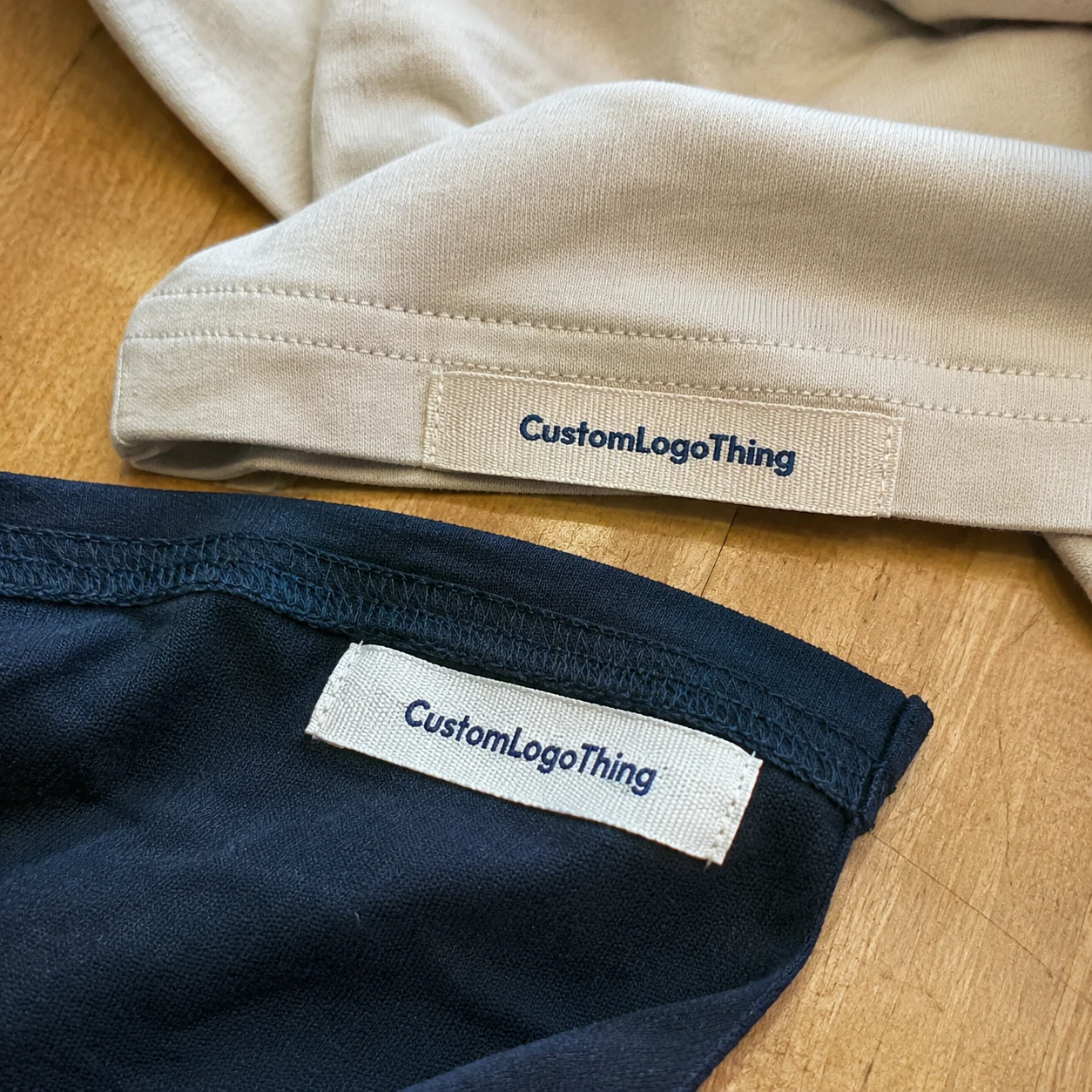
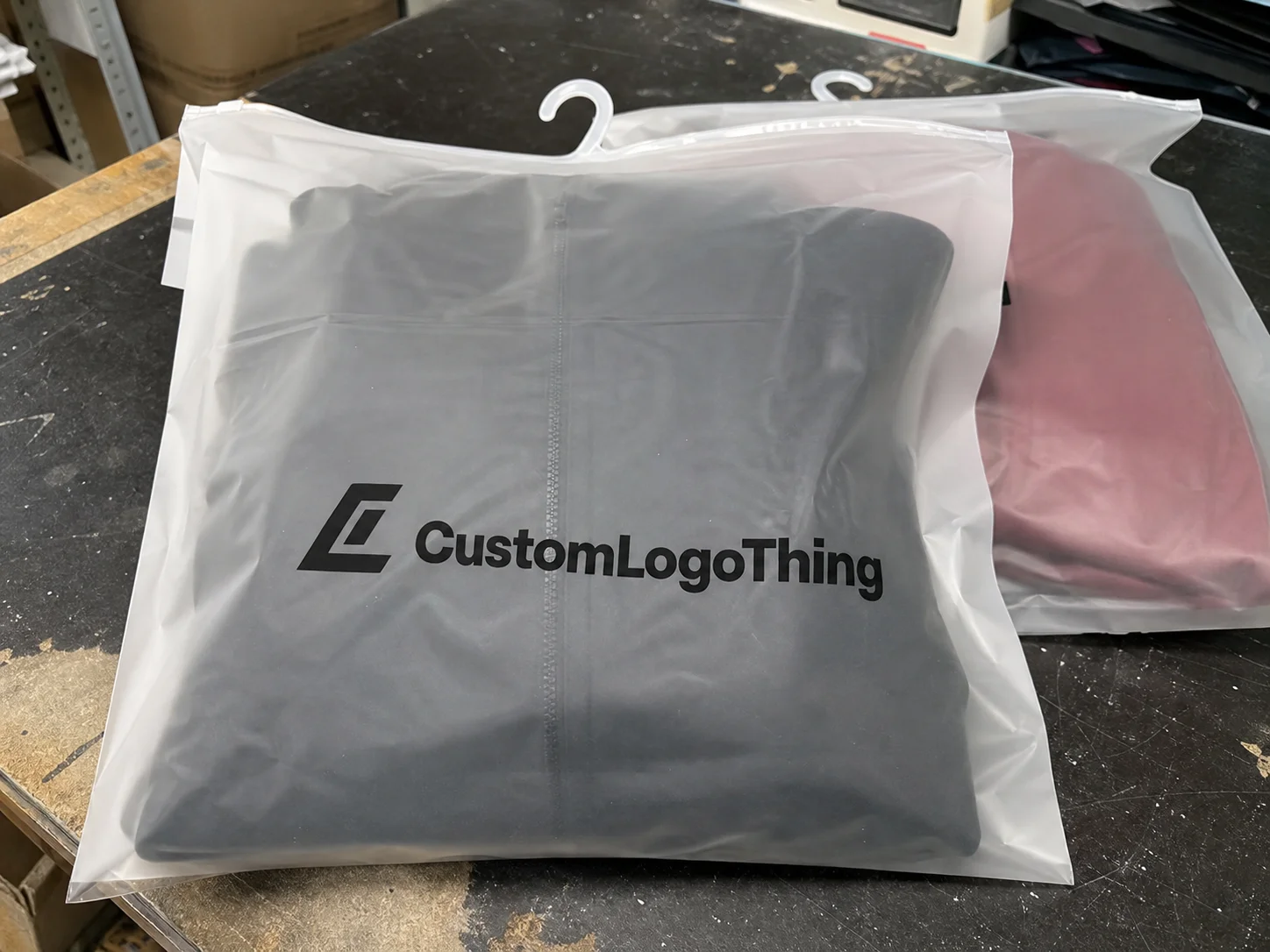
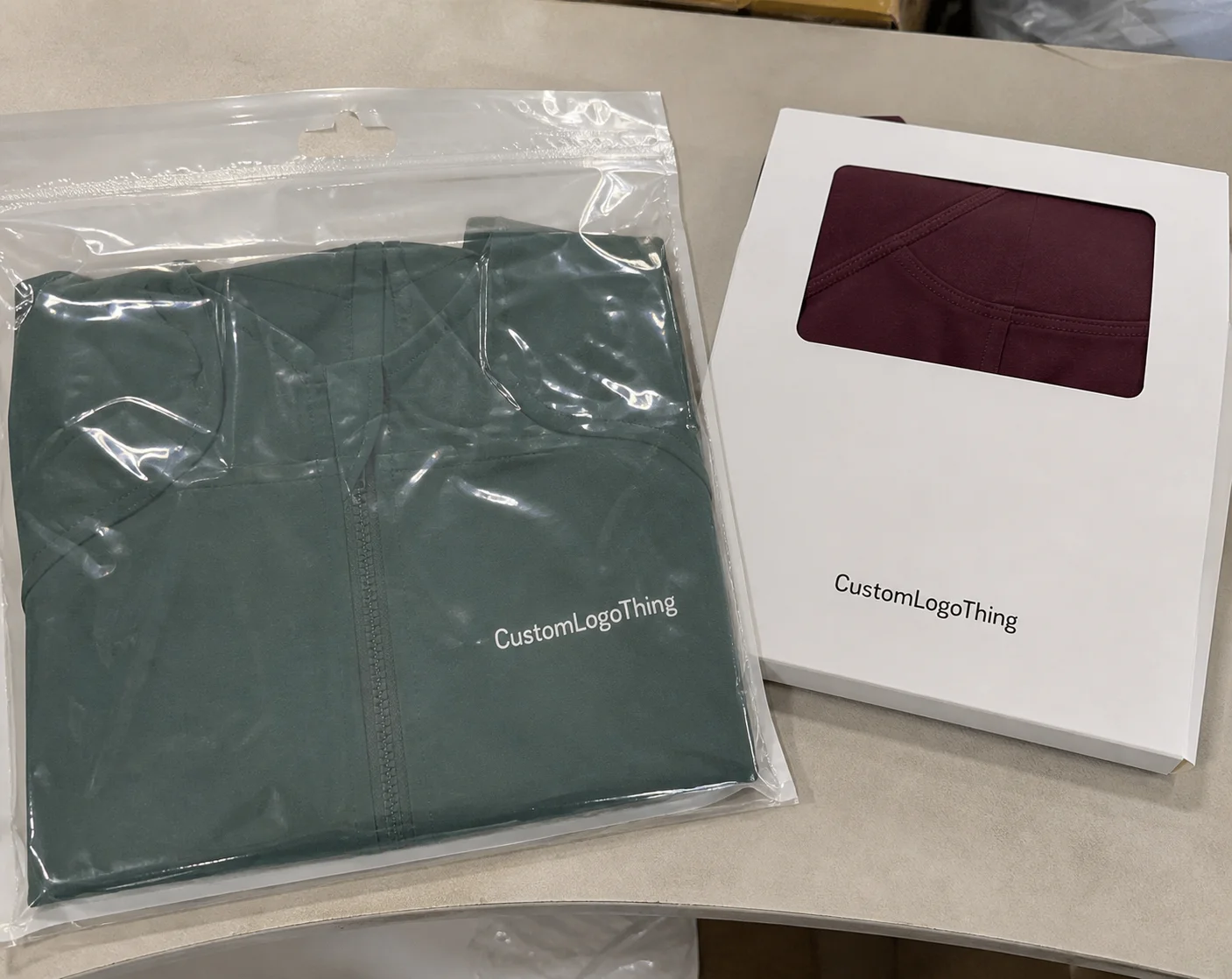
Buyer Fit Snapshot
| Best fit | Brand Packaging Pricing projects where brand print, material claims, artwork control, MOQ, and repeat-order consistency need to be specified before quoting. |
|---|---|
| Quote inputs | Share finished size, material target, print colors, finish, packing count, annual reorder estimate, ship-to region, and any compliance wording. |
| Proofing check | Approve dieline scale, logo placement, barcode or warning zones, color tolerance, closure strength, and carton packing before bulk production. |
| Main risk | Vague material claims, crowded artwork, missing packing details, or unclear freight terms can make a low unit price expensive after revisions. |
Fast answer: Brand Packaging Pricing: Quote Scope should be specified like a repeatable production item. The safest quote records material, print method, finish, artwork proof, packing count, and reorder notes in one written spec.
Production checks before approval
Compare the actual filled-product size with the drawing, then confirm tolerance on folds, seals, hang holes, label areas, and retail display edges. Reserve space for logos, QR codes, warning copy, and material claims before decorative graphics fill the panel.
Quote comparison points
Review material grade, print process, finish, sampling route, tooling charges, carton quantity, and freight assumptions side by side. A quote is only useful when the supplier can repeat the same color, closure quality, and packing count on the next order.
Two packages can sit side by side on a shelf, look almost identical, and still differ in price by 2x or more. I’ve seen that happen with custom printed boxes that used the same outside dimensions, yet one had a simple one-color logo on 18pt SBS and the other carried a rigid structure, foil stamping, and a custom insert. That’s exactly why a brand packaging pricing guide matters: it helps you see the moving parts before you sign off on a quote, and before your budget starts making those very annoying little noises no one wants to hear. In one Vancouver project, a 3.5 x 3.5 x 8 inch carton quote came back at $0.42 per unit for 10,000 pieces, while the premium version with foil and a window patch landed at $1.08 per unit.
People often think packaging is a single number. It isn’t. It’s a stack of decisions: substrate, structure, print method, finish, quantity, shipping zone, even how much art file cleanup your designer forgot to budget for. I remember one project where the client loved the mockup, then got the quote and went silent for six minutes. Six. The fastest way to overspend is to shop for “a box” instead of defining the package as a business tool. Packaging has to protect the product, communicate brand identity, and influence purchase decisions. If it does those three things well, the price starts to make sense, especially when you’re comparing a 350gsm C1S folding carton in Chicago to a rigid two-piece box sourced from Dongguan or Xiamen.
At Custom Logo Things, I’ve watched first-time buyers chase the lowest unit price and then get blindsided by setup charges, plate costs, and freight. I’ve also seen seasoned buyers save 12% to 18% by standardizing carton sizes across SKUs. This brand packaging pricing guide is here to decode the system, not to glorify the cheapest quote. Honestly, cheap quotes are a little like “free” shipping—cute until the real math shows up. On a 5,000-piece run, a difference of $0.11 per unit equals $550 before freight even enters the room.
Brand Packaging Pricing Guide: Why Costs Surprise First-Time Buyers
First-time buyers usually expect packaging to behave like office supplies: ask for 1,000 units, get a clean per-unit price, move on. Packaging does not work that way. The quote for branded packaging often includes different layers, and each layer can shift by a few cents or a few hundred dollars depending on the run. A sleeve for a candle might cost $0.28/unit at 5,000 pieces, while a rigid setup with foil and magnets can land closer to $4.20/unit, even if both use the same artwork. In practical terms, a small-scent candle sleeve printed in Shenzhen can be produced in 10 to 12 business days, while a custom rigid set built in Shenzhen or Guangzhou may need 18 to 25 business days.
The reason is simple. Packaging is not just print. It’s structure plus print plus production prep plus logistics. When buyers ask for brand packaging pricing guide advice, I tell them to think like a plant manager for a minute. What does the factory need to do to make the item? Cut board. Score it. Print it. Cure it. Fold it. Glue it. Pack it. Ship it. Every one of those steps has a cost attached. And yes, the factory does care about the tiny weird details that seem “fine” in a mockup. The mockup does not have to feed the machine. A 1 mm tolerance mistake on a tuck flap can turn a clean run into a rework ticket, and that rework usually costs more than the design revision.
I remember a client meeting where two cosmetic cartons looked nearly identical to the naked eye. One quote came in at $0.61/unit, the other at $1.14/unit. The difference? One used a straightforward 14pt C1S carton with CMYK print and matte aqueous coating. The other used a heavier 18pt stock, a soft-touch laminate, and a custom window patch. Same shelf presence? Not really. Same manufacturing burden? Definitely not. That gap is exactly why a brand packaging pricing guide needs to separate the visible from the invisible. In Raleigh, the buyer was comparing a 350gsm C1S artboard option against a 16pt SBS carton, and the coating alone added roughly $0.09 per unit at 7,500 pieces.
Here’s the plain-language definition I give founders: brand packaging is packaging designed to communicate identity, protect the product, and influence a customer’s buying decision. That includes package branding, the tactile feel, the opening moment, and the way the box behaves in transit. It’s product packaging and retail packaging doing a job, not just sitting there looking polished. A matte lamination on a cosmetics carton in Toronto may feel subtle, but if it reduces scuffing by 30% in distribution, it has done real work.
There’s also a difference between the price you see and the total you pay. A true brand packaging pricing guide should separate:
- Unit price — the per-box or per-carton cost at a stated quantity.
- Setup charges — press setup, prepress, or machine preparation.
- Tooling — dies, plates, molds, or cutters.
- Shipping — freight, fuel surcharges, and sometimes dimensional weight.
- Design fees — dielines, artwork cleanup, structural revisions.
That separation matters because one vendor’s $0.92 quote can be cheaper than another vendor’s $0.78 quote once you compare apples to apples. Buyers assume they’re comparing the same thing, but the line items are hiding different assumptions. It’s the spreadsheet version of ordering “just a salad” and finding out the add-ons cost more than the lettuce. On a 2,000-unit order, a $0.14 difference becomes $280, and a $240 setup fee can erase the appearance of a bargain faster than a Friday afternoon cutoff in Los Angeles.
“The cheapest quote wasn’t the cheapest order. The freight and proofing pushed it higher than the cleaner bid by nearly 14%.”
— Beverage startup founder, supplier review meeting I sat in on
How Brand Packaging Pricing Works
Every brand packaging pricing guide should explain the path from concept to finished goods. If you’ve never been inside a packaging workflow, it helps to see the chain. First comes the brief. Then the dieline. Then prototype or sample. Then production approval. Then press run. Then finishing. Then packout and delivery. That is not bureaucracy for its own sake. It’s how packaging manufacturers manage risk, color consistency, and dimensional accuracy. A typical sample cycle in Chicago or Dallas takes 3 to 5 business days, while a fully custom structural sample from a factory in Shenzhen may take 7 to 10 business days before courier transit is added.
In a supplier negotiation I attended for a supplements brand, the client wanted a custom carton, gloss varnish, and interior print. The manufacturer offered a neat-looking unit price, but the setup fee alone was $380 for plates and prepress. At 500 units, that fee mattered a lot. At 5,000 units, it barely moved the needle. That’s the heart of pricing logic: fixed costs spread across more pieces. I wish there were a magical “cheap now, premium later” button, but there isn’t. If there were, every buyer would already be hitting it. On a 500-piece trial run, the setup fee added $0.76 per box; on 5,000 pieces, it added just $0.076 per box.
Most packaging manufacturers quote like this:
- Per-unit manufacturing cost
- One-time setup or prepress charge
- Optional tooling cost
- Freight or delivery cost
- Any extras such as rush handling or special inspections
That means your order size changes everything. Here’s a simple comparison I use in a brand packaging pricing guide conversation:
| Order Size | Unit Cost | Setup Charge | Estimated Total | Notes |
|---|---|---|---|---|
| 500 units | $1.28 | $240 | $880 | Setup cost has a big impact |
| 5,000 units | $0.74 | $240 | $3,940 | Fixed cost spreads out |
The price drops because the factory’s fixed work does not disappear. The die still has to be mounted. The press still has to be calibrated. The proofs still need checking. What changes is how many boxes absorb those costs. That is why a good brand packaging pricing guide always talks about scale. A corrugated mailer produced in Mexico City at 8,000 units may come down to $0.33 per unit, while the same structure at 1,000 units may sit near $0.79 per unit because the press make-ready does not shrink.
Production method also matters. Digital printing is usually better for shorter runs and variable data, while offset tends to shine at larger volumes with strong color fidelity. Flexographic printing is common for corrugated and high-volume labels. Specialty finishing, like foil or embossing, often adds a separate process step and a separate cost. The quote may look small on paper, but the factory floor will tell the truth. A foil-stamped lid from Ho Chi Minh City can add $0.18 to $0.35 per unit depending on coverage, and embossing may add another $0.06 to $0.14 per unit on a 10,000-piece run.
For buyers comparing packaging suppliers, I suggest looking at the full service mix as well. Some vendors handle only print, while others manage structural design, sampling, compliance, and freight. If you’re exploring Custom Packaging Products, ask which part of the workflow is handled in-house and which part is outsourced. That distinction can change both cost and lead time by a meaningful margin. A supplier with in-house prepress in Dongguan and finishing in Foshan may quote differently from a broker sourcing through three separate factories.
Key Factors That Affect Brand Packaging Pricing
Materials are the first cost lever in any brand packaging pricing guide. Corrugated board is generally less expensive than rigid stock, but not always by a dramatic amount once you add custom printing or inserts. Paperboard, kraft, SBS, CCNB, and specialty substrates each come with different thicknesses, print behavior, and durability. A 16pt paperboard carton for a skincare serum might cost $0.24/unit at 10,000 pieces, while a rigid setup for a gift set can jump above $2.50/unit depending on wrap and insert complexity. In practice, 300gsm to 400gsm board is common for folding cartons, while rigid boxes often use 1200gsm grayboard wrapped in printed art paper.
Dimensions and structure come next. A larger box uses more material. A complex fold uses more labor. A carton with an auto-lock bottom or a double-wall section can consume extra board and more machine time. I’ve stood beside a converting line where a simple tuck-end carton flew through production at a pace that made the operator smile, while a custom insert with multiple glue points slowed the whole run down. Labor is real, and it shows up in the quote. Nobody ever says, “Wow, that extra glue flap really made my day.” In a plant near Monterrey, a two-piece setup with an EVA insert added 11 seconds of hand assembly per unit, which became visible at 3,000 units and very visible at 20,000.
Print coverage changes cost too. Full-bleed artwork requires more attention to registration and trimming. Multiple spot colors can add plate or ink expenses. Custom Pantone matching is often worth it for brand identity, but it’s not free. If your branding packaging needs a particular blue that matches an existing product family, expect to pay for control and repeatability. A strong brand packaging pricing guide should make that clear. A two-color carton printed in Guangzhou might start at $0.19 per unit, while a four-color process plus one Pantone spot color can add $0.04 to $0.09 per unit, depending on the ink coverage and run length.
Finishes and embellishments can move a quote fast. Foil stamping, embossing, debossing, soft-touch coating, spot UV, matte lamination, gloss lamination, and clear windows all add perceived value. They also add process time. I’ve had clients ask for four premium effects on a small cosmetics carton, then wonder why the quote jumped by 47%. My honest answer: each effect looks small on its own, but together they turn a basic carton into a more complex manufacturing job. A soft-touch finish on a 350gsm C1S carton in Shanghai may add 2 to 4 business days to finishing alone.
Order quantity and lead time are tightly linked. A rush order often costs more because it may require overtime, a split production schedule, or premium freight. A longer timeline lets the supplier batch work more efficiently and reduce the risk of mistakes. That’s one of the quieter truths in any brand packaging pricing guide: patience can be a cost-control strategy. If you can allow 15 to 20 business days from proof approval instead of asking for 7, you may avoid a 10% to 20% rush surcharge.
Sustainability requirements are another factor. Recycled content, FSC-certified paper, compostable films, water-based inks, and EPA-aligned material choices can influence sourcing and production costs. If you want a certification-backed option, ask early. The Forest Stewardship Council keeps useful information on certified materials at fsc.org, and the EPA has practical packaging and waste reduction context at epa.gov. A credible brand packaging pricing guide should make room for those choices without pretending they’re cost-neutral. In Canada and the EU, recycled-content requirements can also affect board availability, especially during Q4 procurement spikes.
One more factor people overlook is dimensional weight. A light box that is physically large can cost more to ship than a denser package because carriers price by space, not just pounds. I watched one e-commerce client switch from oversized mailers to snugger custom printed boxes and cut outbound freight enough to matter across 20,000 orders. That isn’t just logistics. That’s packaging influencing margin. A 14 x 10 x 6 inch mailer may bill higher than a 10 x 8 x 4 inch version even if the actual weight stays under 1 pound.
Brand Packaging Pricing Guide: Step-by-Step Budgeting Process
If you want a practical brand packaging pricing guide, start with the goal. Are you trying to protect a fragile product, create premium retail packaging, improve the unboxing experience, or lower shipping damage? A lotion brand, a candle company, and a meal kit all need packaging, but the budget logic is different for each. Protection may outrank looks in one case. Shelf impact may outrank everything in another. A skincare startup in Austin may care most about pump-bottle protection, while a gift brand in New York may care more about shelf impact and a foil logo on the lid.
Step 1: Define the job. Write down the package’s role in one sentence. For example: “This carton must protect a 12 oz glass bottle, fit in a 10x8x6 shipping master, and present premium brand identity on a retail shelf.” That sentence does more for budgeting than a vague “make it look nice.”
Step 2: Forecast quantity honestly. If you think you’ll sell 2,000 units, do not budget as if you’ll buy 10,000. I’ve seen purchasing teams get seduced by lower unit prices at higher volumes, only to carry excess inventory for 14 months. Inventory holding costs can erase the savings. A good brand packaging pricing guide is about demand realism, not wishful thinking. I’d rather see a slightly higher per-unit cost than a warehouse full of boxes nobody needed until next spring. If your demand is seasonal and peaks in October, a split run of 2,500 pieces in June and 2,500 in September may be smarter than one oversized run in January.
Step 3: Match package type to product. Don’t pay rigid-box pricing for a commodity item unless the market expects that level of presentation. For a soap bar, a simple paper sleeve may deliver better ROI than a premium rigid drawer. For a limited-edition electronics kit, a sturdier structure may be worth every dollar. Packaging design should support the product category, not fight it.
Step 4: Quote the same specs. This is where many quote comparisons go wrong. If one vendor prices 350gsm C1S with matte aqueous and the other prices 18pt board with soft-touch and spot UV, you are not comparing the same order. A reliable brand packaging pricing guide starts with identical dimensions, material, print count, finish list, and delivery terms. Ask each supplier for the same dieline file, the same bleed, and the same destination ZIP code before you compare a number from Shenzhen to one from Dallas.
Step 5: Ask for the full breakdown. Get the setup, plates, tooling, samples, freight, and storage in writing. I once reviewed a proposal where the unit price looked excellent at $0.33, but the sample fee was $180, tooling was $260, and shipping added another $145. The real total was nowhere near the headline number. That sort of math can wreck a launch budget if nobody catches it early. If a supplier in Los Angeles says “freight included,” ask whether that means curbside delivery, liftgate service, or delivery to a distribution center in Reno.
Step 6: Build a buffer. I usually recommend 8% to 12% for revisions, prototype changes, or freight surprises. That sounds conservative, but packaging often changes late in the calendar. Artwork gets updated. Compliance text grows. A supplier runs short on a board grade. A brand packaging pricing guide without contingency is just a hope statement. On a $12,000 packaging budget, an 8% reserve means setting aside $960 before the first proof is even reviewed.
Step 7: Measure ROI, not just spend. If a better carton reduces damage by 6% or lifts perceived value enough to improve conversion, the unit cost story changes. Brand packaging pricing should be evaluated against return rate, conversion rate, and customer lifetime value. That’s the real business picture. A carton that costs $0.12 more but lowers breakage by 3% on a glass product can pay back quickly when replacement costs run higher than the original packaging.
If you want to compare packaging options quickly, here is a simple framework I use with clients:
| Option | Typical Use | Relative Cost | Best For | Tradeoff |
|---|---|---|---|---|
| Mailer box | E-commerce | Medium | Unboxing experience | Can increase dimensional weight |
| Folding carton | Retail shelves | Low to medium | High-volume product packaging | Less premium feel |
| Rigid box | Luxury sets | High | Premium brand identity | Higher material and labor cost |
| Corrugated shipper | Transit protection | Low to medium | Damage reduction | Less shelf appeal |
This kind of comparison belongs in every brand packaging pricing guide because it turns vague preferences into budgetable decisions. It also forces a conversation about tradeoffs, which is where the real savings usually live. A folding carton in 350gsm C1S artboard from Ningbo may be ideal for a shelf display, while a corrugated shipper from Chicago may be better for direct-to-consumer transit.
Process and Timeline: What Happens After You Approve the Quote
Once the quote is approved, the work begins in earnest. A typical custom packaging timeline starts with discovery and confirms product dimensions, structural needs, and print goals. Then the vendor refines the dieline, prepares samples or proofs, and waits for sign-off. After approval, production moves through printing, curing, cutting, folding, finishing, QC, packout, and shipping. A well-run line may feel calm. It is not casual. There are checkpoints at every stage, and a carton printed in Dongguan may still be waiting on spot varnish cure time before it can be folded and packed.
This is where a brand packaging pricing guide has to be honest about timing. Custom work takes longer than stock packaging because there are more decisions and more chances for errors. If the dieline is wrong by 1/8 inch, the insert may not fit. If the artwork file has a resolution issue, the proof needs revision. If the substrate runs short, the schedule slips. None of that is dramatic. All of it costs money. For a straightforward folding carton, the typical cycle from proof approval to finished goods is 12 to 15 business days, but a rigid box with hand assembly in Shanghai or Guangzhou often runs 20 to 30 business days.
Delays usually show up in four places: artwork changes, structural revisions, proof approvals, and backordered materials. I’ve watched a launch stall for nine business days because the client changed the legal copy on the side panel after final proof approval. That one text adjustment forced another proof, another review cycle, and a shipment reslot. The production team did not create the delay. The late change did. A proof approved on Tuesday may still not move to press until the following week if a board shipment from Foshan arrives two days late.
Timeline pressure affects price. If a project needs to move quickly, suppliers may charge for overtime, split runs, or expedited freight. Sometimes a plant can do it. Sometimes they can do it only by interrupting other work. That reality should be part of any serious brand packaging pricing guide. Speed is not free, and shortcuts often show up in quality or cost. I’ve seen a rush fee add 15% to a print order simply because the factory had to shift a press schedule to meet a Friday air-freight cutoff out of Hong Kong.
When I visited a corrugated plant outside Shenzhen, the production manager showed me a pallet of nearly finished cartons held back because the moisture level in one board shipment was slightly off. The delay was 36 hours, not a catastrophe, but it reminded me of something buyers often miss: packaging is a physical product with material behavior. Humidity, ink cure time, and adhesive performance can all matter. The box is not a metaphor; it is cardboard with a temper, and sometimes it acts like it knows it. In humid months in Guangdong, a glue seam can behave differently than it does in a dry warehouse in Denver.
If you are working with custom printed boxes for a product launch, build the schedule backward from the ship date, not forward from the design meeting. Leave space for a sample round, a correction cycle, and one unexpected issue. A strong brand packaging pricing guide isn’t just about dollars; it’s also about calendar math. If launch day is September 15, your proof approval should ideally land by August 20, leaving roughly 12 to 15 business days for production plus transit from the plant in Asia or North America.
Common Mistakes That Inflate Brand Packaging Costs
The first mistake is comparing quotes without checking the specs. Two quotes that both say “mailer box” may differ in board grade, print coverage, coating, insert count, or freight assumptions. If one includes delivery and the other does not, the lower number is a mirage. A disciplined brand packaging pricing guide should demand identical dimensions, material, and finish lists before any comparison starts. A 12x9x4 mailer in corrugated E-flute is not the same as a 12x9x4 in B-flute, even if the outside size matches.
The second mistake is over-designing the package. Some buyers add foil, embossing, window film, custom inserts, and spot UV because each element sounds premium. But not every product needs five decorative touches. I’ve sat in meetings where a team tried to dress up a $14 retail item with a $4.80 box. That math rarely works unless the margin is exceptional. Package branding should support the sale, not swallow it. I say that with love, but also with the exhausted expression of someone who has seen a lot of beautiful budgets get set on fire. A single foil stamp in gold or silver may be enough on a 300gsm carton made in Shenzhen.
The third mistake is ordering too few units. Low quantities can be expensive on a unit basis because setup costs do not shrink. If you need 300 pieces every month, it may be smarter to plan one larger run every quarter. A brand packaging pricing guide should push buyers to think about annual demand, not just the next purchase order. A quarterly 1,200-piece order can often beat four separate 300-piece runs by $0.18 to $0.30 per unit once setup and freight are counted.
The fourth mistake is ignoring dimensional weight. A box that measures 16x12x8 inches may cost more to ship than a denser, smaller option, even if the weight is only 10 ounces. Carrier math punishes wasted space. I’ve seen e-commerce businesses save 7% to 11% on outbound freight just by tightening package dimensions. A California brand shipping from Los Angeles to Dallas may find that trimming one inch off each side changes the billed weight class entirely.
The fifth mistake is skipping prototyping. A sample costs money, yes. But a failed production run costs much more. I once saw a snack brand approve a dieline without testing the tear strip. The first full run revealed a problem with opening force, and the team had to discount inventory to move it. That is a painful lesson. A proper brand packaging pricing guide treats sampling as insurance, not overhead. A $95 sample from a factory in Zhejiang can prevent a $7,500 mistake on a 15,000-unit press run.
The sixth mistake is choosing the cheapest substrate. A bargain board that crushes in transit can trigger returns, reprints, and a weaker brand impression. One client told me they saved $0.06/unit by switching to a lighter carton, then lost far more when return rates rose. Cheap packaging can be expensive in disguise. A 24pt board may seem more expensive than 18pt at first glance, but if the stronger board reduces breakage by 2%, the total landed cost can improve.
Packaging standards also matter. For transportation testing, buyers often reference ISTA protocols, and for material specifications, ASTM language can help define board performance and durability. Those standards do not eliminate cost variation, but they reduce ambiguity. If you want a deeper industry baseline, the ISTA site is a useful reference point. A supplier in Columbus or Chennai will usually respond faster when the spec includes a recognized test standard rather than a vague “make it sturdy” note.
Expert Tips for Smarter Brand Packaging Pricing
My first tip is to prioritize the details customers notice in the first two seconds: shape, color contrast, tactile finish, and clarity of branding. That is where perceived value is formed. A clean carton with strong type and one thoughtful finish can outperform a busy package covered in effects. A practical brand packaging pricing guide should reward visual discipline. On shelf tests in Melbourne, a carton with one spot color and a matte finish often outperformed a busier four-color box in recall, even when the busier version cost 19% more to produce.
Second, use premium touches strategically. One foil logo on a lid can create more impact than foil on every panel. One textured area can beat a fully laminated package that feels generic. I’ve seen teams save 15% to 20% by trimming back embellishments without losing the premium feel. That is not austerity. That is judgment. A single emboss on the top panel of a rigid box made in Dongguan may deliver more visual lift than a full-coverage spot UV treatment added across every face.
Third, standardize sizes where you can. If three SKUs can share one carton footprint with internal fit adjustments, the purchasing team gets fewer variables to manage. Tooling becomes simpler. Inventory becomes cleaner. Supplier negotiations become easier because the spec sheet is tighter. This is one of the most underrated moves in brand packaging pricing guide planning. A 6 x 4 x 2 inch base carton with inserts can often cover three bottle sizes with only one die line and one production approval path.
Fourth, ask about material substitutions. A supplier may offer a comparable paperboard with a different clay coat or a slightly different basis weight that lowers cost while preserving appearance. Not every substitution works, and not every savings claim holds up in production, but it is worth asking. I’ve had buyers shave $0.05 to $0.12 per unit simply by changing stock grade without changing the printed appearance much at all. In one New Jersey order, moving from a premium coated board to a standard 350gsm C1S artboard cut the material line by $410 on a 4,000-piece run.
Fifth, consider phased packaging. Launch with a lean version, prove demand, then upgrade finishes once the product sells through. That strategy works especially well for startups that need a credible first run but cannot justify luxury levels yet. A brand packaging pricing guide should make room for staged investment. A first run in Dallas using a matte aqueous coating can test the market before a second run in Qingdao adds foil and embossing six months later.
Sixth, keep a living spec sheet. One page. Product dimensions. Material. Print colors. Finish. Tolerances. Quantity assumptions. Freight destination. If you keep that document current, future quotes become faster and more comparable. It also gives you leverage in supplier talks because the scope is clear. For broader inspiration, you can review Case Studies to see how different brands handled packaging tradeoffs in real launches. A spec sheet that lists “350gsm C1S, CMYK + 1 Pantone, matte aqueous, ship to Newark, NJ” is far more useful than a folder full of screenshots.
Finally, think about the customer journey. Good product packaging does more than look neat in a spreadsheet. It reduces damage, supports price perception, and creates an Unboxing Experience That customers remember enough to share. That value does not always appear in the unit price, but it shows up in repeat purchases and fewer support tickets. A $0.22 insert can prevent a $9 return, and that’s a much better argument than aesthetics alone.
What to Do Next: Turn Pricing Into a Packaging Plan
The cleanest next step is a one-page packaging brief. Include product dimensions, target quantity, brand goals, budget range, preferred materials, and any must-have finishes. If you send that to vendors, you are no longer asking for “a box.” You are asking for a quoted solution. That is a much better position for negotiation, and it fits the purpose of a brand packaging pricing guide far better than vague guesswork. A brief with exact measurements like 8.25 x 5.25 x 2.75 inches and a target budget of $0.55 to $0.70 per unit gets much cleaner responses than a note that says “premium but affordable.”
Next, collect at least three vendor quotes with the same exact specs. Compare total cost, not just unit price. Ask whether samples, setup, tooling, and freight are included. Then decide which features are essential and which can be removed if the budget tightens. In one client review, cutting one finish and simplifying the insert saved $1,800 on a 6,000-unit run. That kind of adjustment is often easier than people expect. If a supplier in Shenzhen quotes $0.44 per unit and a supplier in Ohio quotes $0.58 per unit, the landed cost may still favor the first once inland freight and proofing are included.
Map your timeline backward from the launch date. Leave room for proofing, a revision cycle, and transit time. Packaging made late in the launch process usually becomes expensive packaging. If you give it enough breathing room, you buy flexibility. That alone can protect margin. A launch on October 1 should ideally have proof approval by mid-August if the cartons are traveling from Asia, or by late August if they are coming from a plant in the Midwest.
Use a simple ROI check before you commit. Compare packaging spend against damage reduction, conversion impact, and perceived value. If a slightly higher-cost carton reduces product loss by 4% and improves shelf appeal, the business case may be stronger than the lowest quote suggests. That is the core lesson of this brand packaging pricing guide: packaging is a cost, yes, but it is also a revenue-supporting asset when handled well. A box that costs $0.19 more but lifts sell-through by 3% can outperform the bargain option almost every time.
If you want to make your next quote request sharper, use the brand packaging pricing guide framework here and send suppliers a spec sheet rather than a mood board. It will save time, reduce confusion, and usually produce better numbers. In packaging, clarity is cheaper than guesswork, and the smartest brands learn that before the first production run. I’ve lost count of how many times a clean spec sheet has saved everyone from a very tedious back-and-forth email chain. In practice, that means naming the material, finish, dimensions, quantity, destination city, and timeline before anyone opens a CAD file.
FAQs
What does a brand packaging pricing guide usually include?
It typically covers unit pricing, setup fees, materials, print methods, finishes, shipping, and the main factors that change total cost. A strong brand packaging pricing guide also explains how quantity, timeline, and customization affect the final quote, so buyers can compare offers with the same assumptions. For example, a 5,000-piece carton run in 350gsm C1S with matte aqueous may land very differently from a 5,000-piece rigid box with foil and a tray insert, even before freight from Shenzhen or Los Angeles is added.
Why do brand packaging quotes vary so much?
Quotes differ because vendors may use different assumptions for materials, dimensions, print processes, and freight. Some quotes also exclude one-time costs like tooling or samples, making the lowest number look cheaper than it really is. In my experience, that’s the most common reason buyers think a supplier changed the price when the scope actually changed. A quote for 2,500 folding cartons at $0.31 per unit can balloon once you add a $220 plate fee, a $160 sample fee, and $145 in freight from a plant in Guangdong.
How can I lower brand packaging pricing without hurting quality?
Reduce structural complexity, limit specialty finishes, increase order quantity when possible, and standardize sizes across SKUs. You can also ask for material alternatives that keep the look and protection level close to the original spec. A few smart substitutions can make a real difference in a brand packaging pricing guide comparison. Moving from a soft-touch finish to matte aqueous, or from a custom insert to a folded paperboard cradle, can shave $0.08 to $0.25 per unit without making the box feel cheap.
How long does custom packaging usually take to produce?
Timelines depend on design readiness, sampling rounds, and production method, but custom packaging usually takes longer than stock packaging. Artwork changes, proof approvals, and material sourcing are the most common reasons schedules stretch. For a straightforward carton, 12 to 15 business days after proof approval may be realistic; for more complex branded packaging, you should plan longer. A rigid set with foil, embossing, and hand assembly may need 20 to 30 business days, especially if it is being produced in Dongguan, Guangzhou, or another high-volume manufacturing hub.
What should I ask before accepting a packaging price?
Ask whether the quote includes setup, proofs, tooling, shipping, and any minimum order requirements. Also confirm whether the price changes if dimensions, colors, or finishes are adjusted after approval. That checklist is one of the simplest ways to use a brand packaging pricing guide without getting caught by hidden costs. If possible, ask for the board grade, such as 350gsm C1S artboard or 18pt SBS, the exact delivery destination, and the expected lead time from proof approval, which is often 12 to 15 business days for simpler work.