Buyer Fit Snapshot
| Best fit | Logo Packaging Bulk Order projects where brand print, material claims, artwork control, MOQ, and repeat-order consistency need to be specified before quoting. |
|---|---|
| Quote inputs | Share finished size, material target, print colors, finish, packing count, annual reorder estimate, ship-to region, and any compliance wording. |
| Proofing check | Approve dieline scale, logo placement, barcode or warning zones, color tolerance, closure strength, and carton packing before bulk production. |
| Main risk | Vague material claims, crowded artwork, missing packing details, or unclear freight terms can make a low unit price expensive after revisions. |
Fast answer: Logo Packaging Bulk Order: Pricing, MOQ, and Process should be specified like a repeatable production item. The safest quote records material, print method, finish, artwork proof, packing count, and reorder notes in one written spec.
Production checks before approval
Compare the actual filled-product size with the drawing, then confirm tolerance on folds, seals, hang holes, label areas, and retail display edges. Reserve space for logos, QR codes, warning copy, and material claims before decorative graphics fill the panel.
Quote comparison points
Review material grade, print process, finish, sampling route, tooling charges, carton quantity, and freight assumptions side by side. A quote is only useful when the supplier can repeat the same color, closure quality, and packing count on the next order.
If you need a Logo Packaging Bulk order, the first thing I tell buyers is simple: stop chasing “cheap.” Chase unit economics. I’ve stood on factory floors in Shenzhen while a press operator explained why a 5,000-piece logo packaging bulk order often costs less per unit than a 500-piece run by a wide margin, even before you touch freight. The reason is boring, not magical. Setup gets spread out. Plates get amortized. Die cutting gets efficient. That’s where the real savings hide.
I remember one buyer telling me, with a straight face, that they only needed “a tiny run” because they were being cautious. Fair enough. But then they approved a custom finish, a new insert, and a specialty paper stock. Honestly, I think the packaging quote laughed before I did. That’s the thing about a logo packaging bulk order: the smaller the order, the more every little decision behaves like a tax. A matte soft-touch finish on a 2,000-piece run can add $0.08 to $0.22 per unit, while the same effect on 10,000 pieces often drops closer to $0.03 to $0.09 per unit because the setup cost is spread thinner.
And yes, I’ve had clients try to save $150 on artwork changes and then burn $1,200 redoing a plate because they moved a logo 3 mm to the left. That’s the sort of thing a logo packaging bulk order punishes fast. So let’s talk facts: pricing, MOQ, materials, lead times, and how to order in a way that doesn’t make your accountant glare at you. If you’re working with a factory in Dongguan or Ningbo, the numbers on the quote sheet matter more than the adjectives in the email.
Logo Packaging Bulk Order: Why Buying in Bulk Actually Saves Money
The biggest cost drop in a logo packaging bulk order usually comes from setup spread, not some fairy tale about “bulk discounts.” A print run has fixed costs: die cutting, plate making, proofing, machine calibration, and operator time. Whether you print 500 units or 5,000, those costs show up. At 5,000 units, they get diluted. At 500, they land like a brick. On a folding carton run in Guangzhou, I once saw setup and plate costs total $265 before a single box was shipped; at 8,000 pieces, that overhead translated to roughly $0.03 per unit.
I remember a cosmetics client who wanted 300 folding cartons with hot foil stamping. The foil plate alone was quoted at $85, and the press setup added another $120. On a small run, that overhead turned a modest box into a stupidly expensive one. We reran the same structure at 3,000 pieces, and the unit price dropped by almost 40%. Same board. Same logo. Same foil. Just better math. That’s the truth behind a logo packaging bulk order. The box spec was unchanged: 350gsm C1S artboard, 1-color black print, gold foil on the logo, and a single die-cut window at 28 mm by 42 mm.
Bulk also helps with shipping. One consolidated pallet for a logo packaging bulk order costs less than three partial shipments that bounce through different forwarders and warehouses. I’ve seen brands pay more in split freight than they saved by “testing” the order size. That hurts, especially when cartons are air-freighted because somebody forgot to check the calendar. A 5,000-piece carton order from Shenzhen to Los Angeles might ship on a single 1.2 m x 1.0 m x 1.5 m pallet, while three split shipments can add $180 to $420 in extra handling and forwarding fees. I still have flashbacks to a Friday afternoon panic email that basically said, “Can we get it there by Monday?” Sure. And maybe the moon is a warehouse too.
There’s another reason small brands still choose a logo packaging bulk order: consistency. If your branded packaging changes shade every time you reorder, customers notice. Not always consciously, but they notice. A stable bulk run gives you the same Pantone reference, the same gloss level, the same dieline, and the same unboxing feel. That matters in retail packaging and eCommerce packaging where repeat recognition drives trust. A Pantone 186 C printed in Suzhou will look very different from an uncalibrated RGB red run in a small local shop in Austin.
Here’s the tradeoff, and I won’t sugarcoat it. A logo packaging bulk order requires more cash upfront, more storage planning, and less room to “tweak it later.” Once you approve the proof, the factory is not your personal design sandbox. You need your packaging design locked before production starts. If you’re the kind of buyer who changes artwork after the dieline is approved, bulk will eat your lunch. In one case, a 4 mm shift in the barcode position caused a full reproof, which pushed a 7,500-piece order back by 3 business days.
| Run Size | Setup Cost Impact | Typical Unit Cost Trend | Best For |
|---|---|---|---|
| 500 pieces | High per unit | Highest | Testing a new SKU |
| 2,000 pieces | Moderate per unit | Middle range | Small brand launch |
| 5,000 pieces | Low per unit | Better margins | Stable product packaging demand |
| 10,000+ pieces | Very low per unit | Lowest | Established sales volume |
If you sell 1,000 units a month, a logo packaging bulk order of 5,000 pieces can cover five months of demand and keep your replenishment predictable. That’s not glamorous. It’s just good inventory planning. I prefer boring profit over exciting chaos. For a candle brand in Chicago, the difference between a 1,000-piece and 5,000-piece mailer order can be as much as $0.19 per unit, which adds up to $950 across the run.
For reference, packaging associations like the Packaging Machinery Manufacturers Institute and sustainability groups like EPA both push better resource efficiency and waste reduction. That aligns with smart ordering: fewer rush shipments, fewer reprints, fewer scrapped units. A 12-day production cycle in Shenzhen is cheaper and cleaner than three emergency air shipments from different suppliers.
Logo Packaging Bulk Order Options: Boxes, Bags, Inserts, and Wraps
A logo packaging bulk order can cover more than boxes. I’ve sourced everything from mailer boxes to tissue paper for apparel brands, and the right mix depends on where the product gets sold and how customers open it. A clean branded packaging set can do more for perceived value than a noisy ad campaign with no repeat purchase rate. In New York and Los Angeles, where unboxing content gets filmed as often as it gets opened, the small details matter down to the 10 cm sticker placement.
Mailer boxes are the workhorse for eCommerce packaging. They ship flat, stack well, and usually handle CMYK or Pantone logo printing with kraft or white corrugated board. A typical logo packaging bulk order for mailers works well for skincare, subscription kits, candles, and apparel accessories. If you’re shipping products through Fulfillment by Amazon or your own warehouse in Dallas, these are often the safest bet. A common spec is E-flute corrugated board at about 1.5 mm thick with a 1-color exterior print and aqueous coating.
Folding cartons are common in retail packaging for cosmetics, supplements, and small electronics. The board can be SBS, coated art paper, or kraft wrapped around a rigid or paperboard structure. A logo packaging bulk order for folding cartons often uses a single-color print with spot UV or hot foil to keep costs from ballooning. A practical example: 350gsm C1S artboard with matte lamination, a 0.3 mm emboss on the logo, and a tuck-end structure for retail shelves in Toronto or Vancouver.
Rigid boxes are the premium pick. They cost more because they use greyboard or chipboard wrapped in printed paper. I’ve watched brand owners get seduced by fancy unboxing videos and then get hit with a quote that made them blink twice. A logo packaging bulk order for rigid boxes makes sense for gifting, luxury accessories, jewelry, and high-end product launches. Otherwise, you’re paying for structure when you really need good graphics and a smart insert. A 2mm greyboard rigid box with a magnetic closure and satin ribbon pull can add $0.80 to $2.40 per unit compared with a simple folding carton.
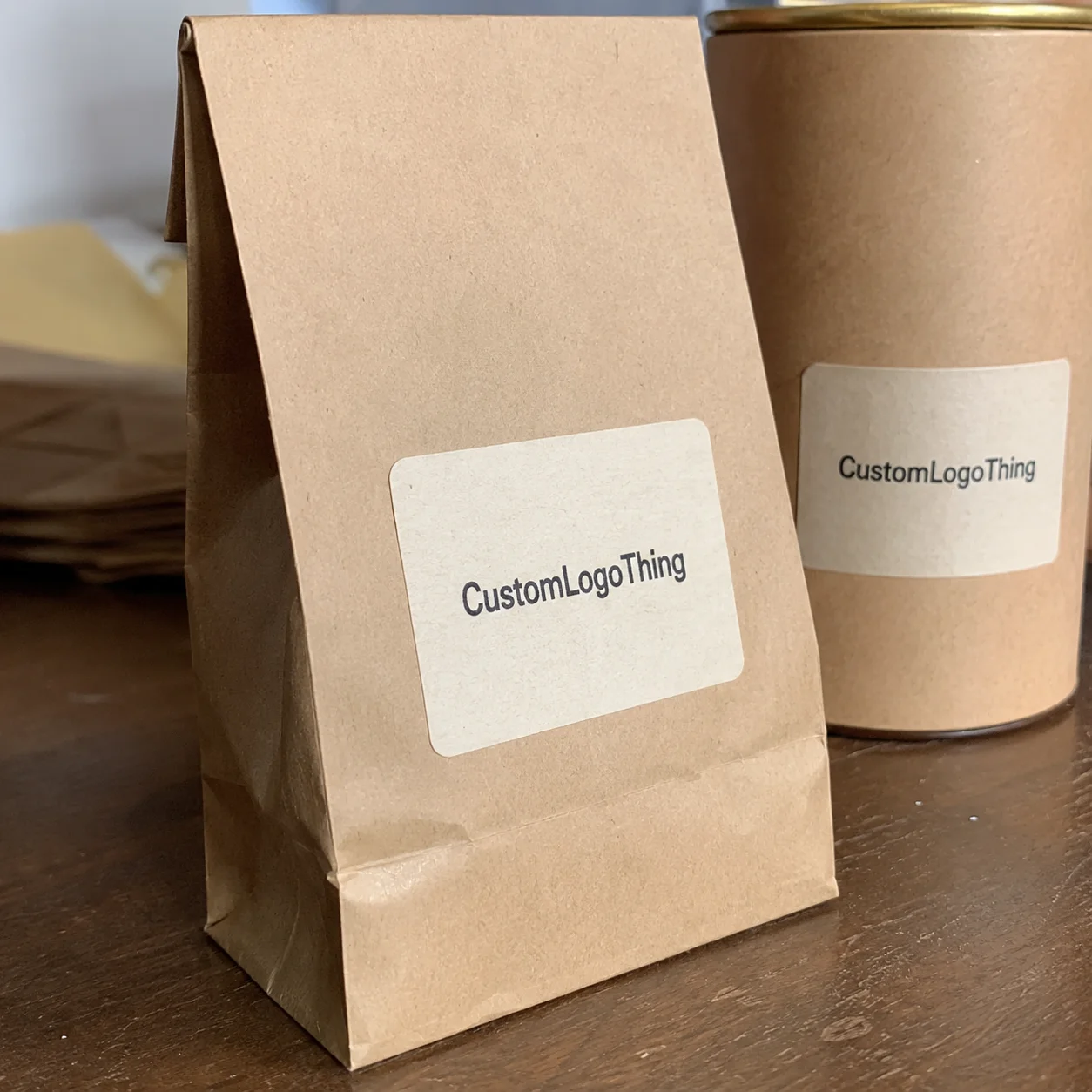
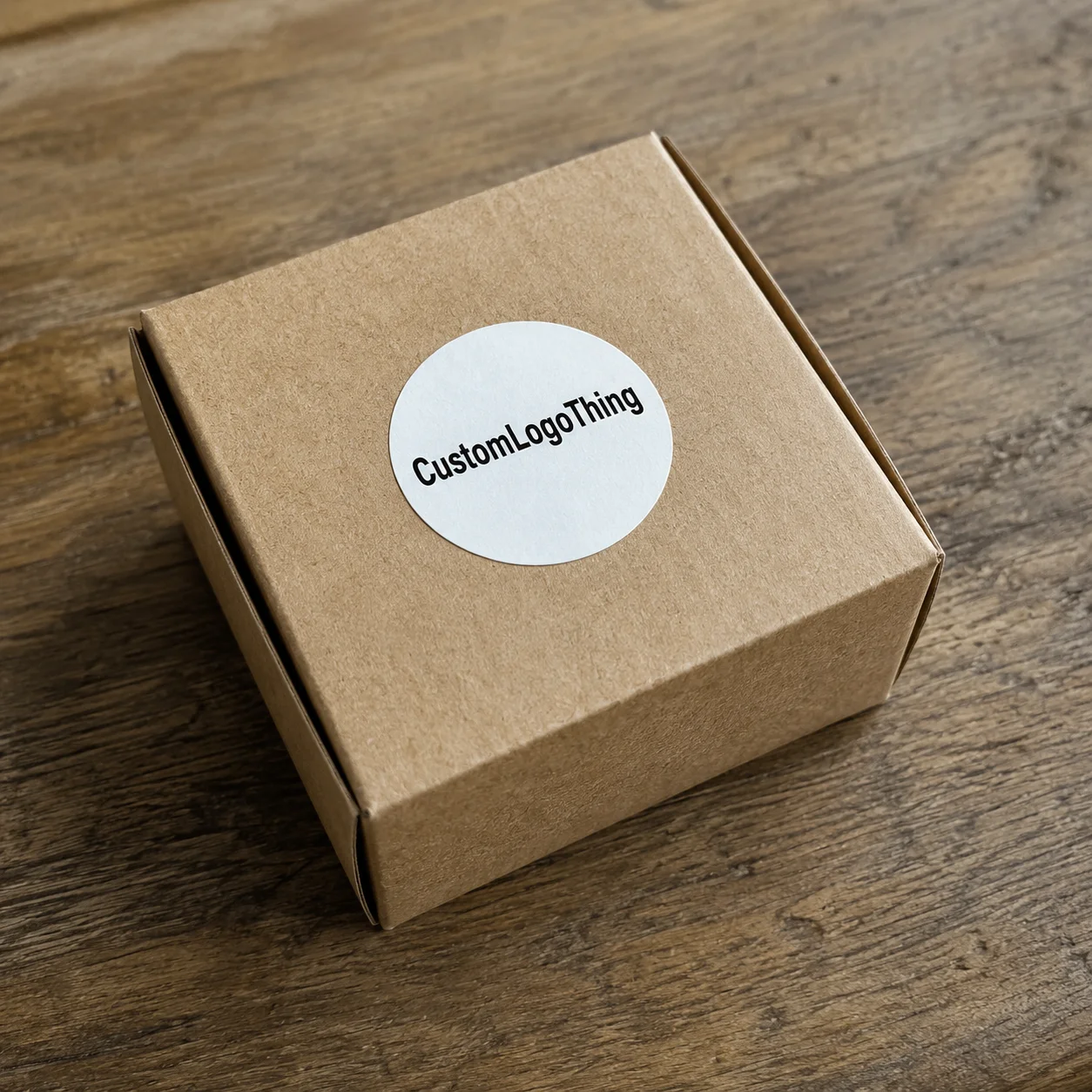
Paper bags, tissue paper, labels, and stickers are lower-cost add-ons that still matter. In apparel and retail packaging, a logo packaging bulk order for these items keeps color and branding aligned across the customer’s whole purchase path. I’ve seen a $0.04 sticker and a $0.11 tissue sheet fix a brand experience that looked unfinished before. Tiny pieces, weirdly powerful. In a 10,000-piece run in Xiamen, custom tissue printed in a single PMS color can land near $0.06 to $0.12 per sheet depending on sheet size and ink coverage.
Product inserts do the quiet work. They protect the item, hold it centered, and keep rattling down during transit. For cosmetics and glass bottles, I’ve recommended molded pulp, EVA foam, or custom cardboard insert trays. A logo packaging bulk order with inserts included usually saves freight because the factory can nest components into one production schedule instead of running separate shipments. For a 30 ml serum bottle, a molded pulp tray in white or natural fiber can cost around $0.18 to $0.35 per unit at 5,000 pieces, depending on cavity shape and wall thickness.
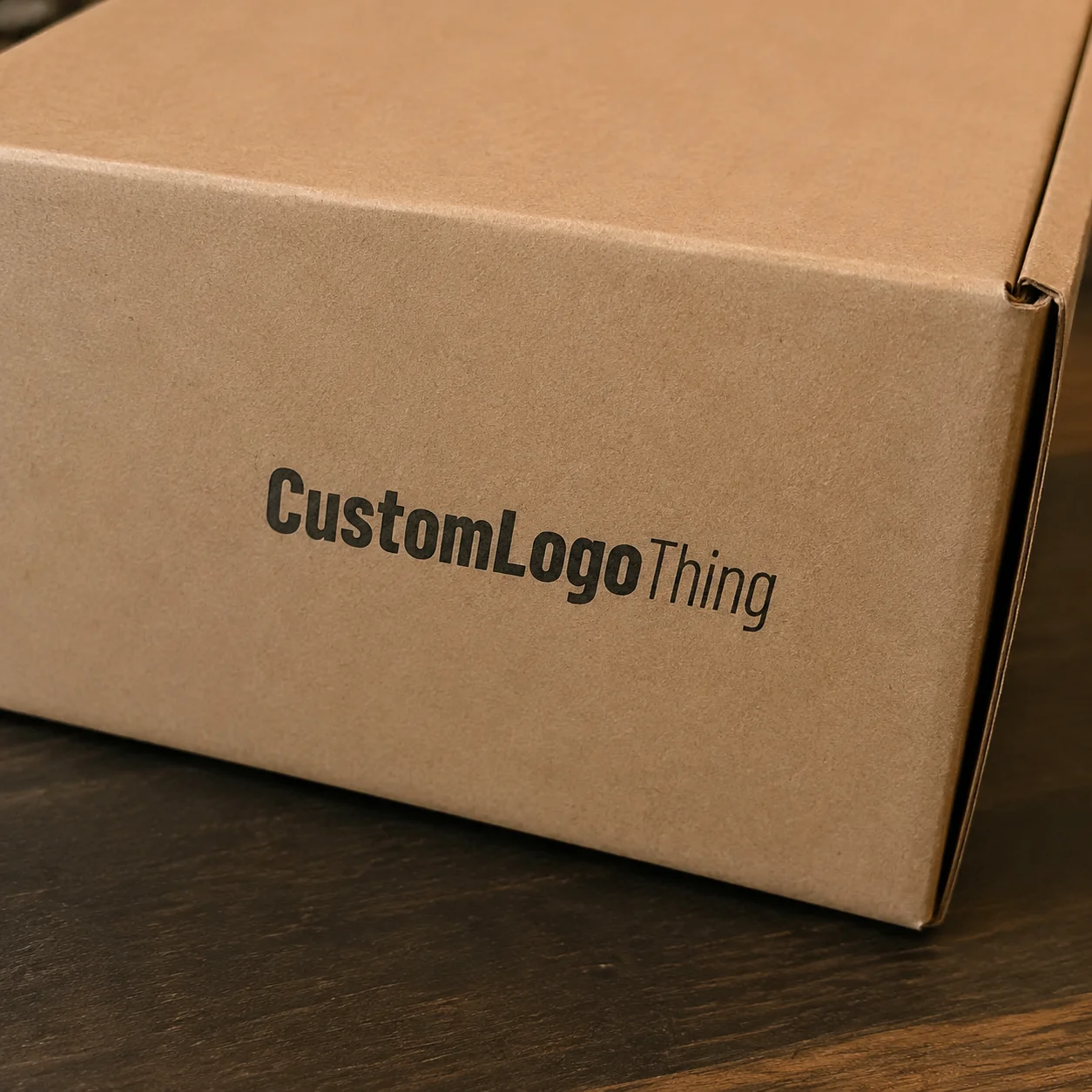
Different print methods fit different structures. CMYK is flexible for full-color graphics. Pantone is better when your logo color must stay exact across product packaging, boxes, and bags. Hot foil adds shine. Embossing and debossing create tactile detail. Spot UV gives contrast. Matte lamination feels softer; gloss is brighter. None of these are free, and anyone saying otherwise is trying to sell you a fantasy. A gold foil logo on a kraft mailer in Guangzhou will not cost the same as a one-color black print on white corrugated board in Ho Chi Minh City.
When I visited a supplier in Dongguan, the finishing line was backed up for six hours because three clients insisted on foil, embossing, and soft-touch lamination on a single run. Lovely look. Miserable schedule. That’s why I tell brands to separate “nice” from “necessary” before placing a logo packaging bulk order. If the launch date is fixed for September 15, you do not want a six-hour bottleneck to become a six-day problem.
If you need volume across multiple components, order them together when possible. A combined logo packaging bulk order for boxes, tissue, and labels improves color consistency and usually trims freight headaches. It also gives the factory one spec sheet instead of three half-remembered email threads. Those threads are where mistakes breed. One well-written production file can save 2 rounds of revisions and at least $95 in sample shipping between Hong Kong and Melbourne.
Logo Packaging Bulk Order Specifications: Materials, Finishes, and File Prep
The fastest way to delay a logo packaging bulk order is to send sloppy specs. I’ve seen buyers send a logo screenshot from a website and ask the factory to “make it clean.” That is not a spec. That is a headache with a logo attached. In one job out of Miami, the client sent a 640-pixel JPG for a 280 mm wide box panel. The result looked like a fax machine from 2008.
Start with the material. For most custom printed boxes, your choices will include kraft paper, SBS, corrugated board, greyboard, rigid chipboard, and coated art paper. Each one behaves differently. Kraft gives an earthy, retail-friendly look. SBS is smoother and better for detailed graphics. Corrugated adds protection for shipping. Greyboard and rigid chipboard are used for premium presentation. A proper logo packaging bulk order should match the structure to the product weight and the shipping method, not your mood board. For example, a 500 g candle jar ships well in 32ECT corrugated mailers, while a 90 g lip balm carton can run on 300gsm to 350gsm artboard.
Thickness matters too. A 350gsm SBS carton feels very different from a 2mm rigid box wrapped in printed paper. If you’re selling a lightweight cosmetic serum, a thick rigid box may look nice but cost too much. If the product is fragile, thin board may fail in transit. I always ask: does the box need to show value, or carry value? That answer decides the spec for a logo packaging bulk order. In one case, switching from 2mm greyboard to 1.5mm board saved a client in Seattle $0.27 per box across 6,000 units.
Finishes change both cost and performance. Matte lamination reduces glare and hides minor handling marks. Gloss makes colors pop. Soft-touch feels premium but can scratch if packed badly. Foil stamping adds shine, embossing adds raised texture, and spot UV creates contrast. Each finish adds steps to the production line, and each step adds risk. In a logo packaging bulk order, risk is money wearing a fake mustache. Soft-touch on a 5,000-piece carton order in Vietnam can add 2 extra production days compared with plain aqueous coating.
Before you approve anything, confirm these specs in writing:
- Exact dimensions for length, width, and height in mm or inches
- Board thickness or caliper, such as 350gsm, 2mm, or 3mm
- Print coverage on all panels or only the exterior
- Insert type, if the box needs one
- Surface finish like matte, gloss, foil, or soft-touch
- Total package weight for freight planning
- Shipping method for the logo packaging bulk order
For files, send AI, EPS, or print-ready PDF whenever possible. Vector files matter because a logo that looks fine on your phone can print like a broken tooth at box size. Include bleed, safe area, and Pantone references if your brand color needs to match across branded packaging. A generic “dark blue” note is not enough. Give the PMS number. Save everyone the guessing game. If your logo uses Pantone 286 C, say so explicitly; if the dieline needs a 3 mm bleed on each edge, label it.
The worst mistakes I see in a logo packaging bulk order are avoidable. Low-resolution logos. Artwork copied from a supplier template without checking scale. Measurements pulled from a competitor’s box. Colors labeled only in RGB. That last one is especially common. RGB is for screens. Printing wants CMYK or Pantone. If you hand a factory the wrong format, they will either slow down or improvise. Neither option is good for your schedule. I’ve seen one Shanghai supplier print a full box run in a slightly off red because the brand sent a web hex code and nothing else.
Packaging standards matter too. For shipping tests and transit performance, many buyers reference ISTA test procedures. For sustainable fiber sourcing, FSC certification can be useful if your brand claims responsible paper sourcing. I like when brands ask about these details. It tells me they want Product Packaging That does more than sit pretty on a shelf. A FSC-certified 350gsm board from a mill in Jiangsu can be a strong fit for brands that want traceable paper stock.
One more thing. If your supplier says “we can adjust later,” be careful. A logo packaging bulk order should not rely on later. Later is where budgets go to die. If the logo placement is 12 mm from the top edge today, do not assume 9 mm tomorrow will cost nothing. It usually costs time, and time has a price.
Logo Packaging Bulk Order Pricing: MOQ, Unit Cost, and Hidden Fees
MOQ is not a moral issue. It’s a production issue. In a logo packaging bulk order, the minimum is usually tied to material sheet usage, machine setup efficiency, and waste control. A factory doesn’t set MOQ just to annoy you, though I understand why it feels personal when you get a quote that starts with 1,000 or 3,000 pieces. In a factory outside Suzhou, I was once shown a minimum sheet count that made perfect sense on a 70 cm press and absolutely no sense at all in a buyer’s inbox.
Here’s the practical view. Mailer boxes and labels often accept lower MOQs because the setups are simpler. Folding cartons sit in the middle. Rigid boxes and custom inserts tend to demand higher minimums because the labor is heavier and the material nesting is less efficient. If a supplier is willing to do a tiny rigid box run, they’re probably charging enough to make your eyes water. A 500-piece rigid box run in Dongguan can easily require a $180 to $350 setup charge before materials are counted.
For a realistic pricing framework on a logo packaging bulk order, think in tiers:
- Low volume: highest unit cost, minimal price break
- Mid volume: better spread of setup cost, decent margin improvement
- High volume: strongest unit pricing, but more cash tied up
If you want a rough example, a simple mailer box might land around $0.32 to $0.68 per unit at a few thousand pieces depending on size, board grade, and print coverage. A folding carton could fall in a similar range or a bit lower if the print is simple. A rigid box can easily move into the $1.20 to $3.50 range, sometimes more with complex inserts and foil. Those numbers are not promises. They’re the kind of real-world bands I’ve seen in supplier quotes for a logo packaging bulk order. On a 5,000-piece order, I’ve seen a 100 mm x 100 mm x 40 mm mailer quoted at $0.41 per unit with 1-color print and at $0.58 per unit with full-color artwork and matte lamination.
Now the hidden fees. There are always hidden fees if you don’t ask the right questions. Tooling, samples, plates, freight, customs, palletization, and warehouse storage can all show up on the invoice or later in the process. I once had a buyer celebrate a low box price, then get hit with $480 in air freight because the production schedule slipped and they had no buffer. That is not “unexpected.” That is bad planning. In Hamburg, Rotterdam, and Long Beach, port delays can turn a good quote into a painful one in less than a week.
Here’s the cost stack I ask suppliers to show for every logo packaging bulk order:
- Unit price based on exact quantity
- Tooling or die cost
- Printing plates, foil plates, or embossing plates
- Sample or prototype cost
- Packaging and palletizing
- Freight and insurance
- Import duties or customs handling, if applicable
What changes price the most? Size, board grade, finish complexity, and shipping method. A bigger box uses more material. A thicker board increases the sheet cost. Foil and spot UV add labor. Air freight can be brutal. The cheapest quote on a logo packaging bulk order is often just the one that hides the most. A 2mm rigid box in white wrap paper can be $1.60 per unit at 3,000 pieces, while the same layout in 1.2mm board and no foil might come in closer to $0.94 per unit.
Want to lower the quote without weakening the brand? Standardize box sizes. Cut back on excessive finish layering. Use one strong print effect instead of three competing ones. If you can keep the structure simple and still make the branding sharp, do it. I’d rather see a crisp one-color logo on excellent paper than a messy “premium” box with five finishes and no hierarchy. A single spot UV on the logo at 10,000 pieces can have more impact than a full surface of lamination and foil at 2,000.
And if a supplier cannot explain why the price changed by $0.07 between versions, they either don’t understand the job or they’re hoping you won’t notice. In my experience, both are bad signs for a logo packaging bulk order. That kind of price jump often comes from a material swap, a finish assumption, or a hidden change in board weight.
What is the process for a logo packaging bulk order?
A clean logo packaging bulk order follows a predictable path. If it doesn’t, somebody is improvising. The process should start with a brief: packaging type, size, quantity, logo file, finish preferences, shipping destination, and delivery target. If you skip that, the quote will be loose and the revisions will multiply like rabbits. A supplier in Guangzhou or Ningbo can usually quote within 24 to 48 hours if the brief includes exact measurements and artwork files.
The usual workflow looks like this:
- Inquiry and brief sent to the supplier
- Quote based on exact specs
- Dieline confirmation and structural check
- Artwork proof for color, placement, and dimensions
- Sample or prototype approval
- Mass production
- Quality control and packing
- Shipping and final delivery
For a standard logo packaging bulk order, production can take about 12 to 20 business days after proof approval, depending on quantity and finishing complexity. Add sample time if you need a physical prototype. Add more time if the factory is busy or if you request hot foil, embossing, or a custom insert structure. And then add freight time, because shipping is often the slowest part of the whole job. International ocean freight can easily outlast the manufacturing window. A shipment from Shenzhen to the US West Coast may take 16 to 24 days on the water, plus customs clearance and inland delivery.
I’ve had one apparel client approve artwork on a Tuesday, then decide on Friday they wanted a different logo orientation. We had already queued the plates. That change cost them 4 days and a reschedule fee. A logo packaging bulk order is not where you brainstorm. It’s where you execute. I say that with love, and a little blood pressure. Moving a logo 5 mm on a 6,000-piece order can mean a new proof, a new plate, and a new bill.
Best practices? Assign one decision maker. Lock the spec early. Review proofs at actual size. Confirm Pantone values. Approve the sample before mass run. If you need a physical prototype, ask for it before the bulk order, not after the pallets are on a truck. That sounds obvious. It apparently isn’t. If the sample ships from Hong Kong on Monday, expect 3 to 5 business days for delivery in most major US metros.
Also, keep freight in the conversation from day one. A 5,000-piece logo packaging bulk order can be produced in two weeks and still miss your launch if the ship date misses a vessel cutoff or the air booking is delayed. I’ve seen production finish early and still arrive late. Customers don’t care that the boxes were “ready.” They care whether the boxes were there. A two-day delay at the port of Yantian can affect a retail launch in Seattle, Dallas, or Toronto just as much as a missed press run.
“We thought packaging would be the easy part. It wasn’t. Sarah’s team caught a die-line issue before we printed 8,000 boxes, and that saved us from a very expensive mistake.”
That’s the kind of note I like to hear from clients after a logo packaging bulk order. Not because I enjoy being right. Well, maybe a little. Mostly because errors caught early are cheap errors. A 1.5 mm misalignment on a tuck flap is annoying; catching it before mass production is a relief.
Why Choose Us for a Logo Packaging Bulk Order
We’re not a quote machine. We’re a packaging partner. There’s a difference, and if you’ve ever dealt with three suppliers arguing over who owns a color mismatch, you already know it. For a logo packaging bulk order, you want someone who understands material sourcing, structural packaging design, print tolerances, and what happens when a box looks perfect on screen but folds badly in production. In practice, that means knowing why a 300gsm carton from Shanghai behaves differently from a 350gsm board printed in Foshan.
I’ve spent more than a decade in custom printing, and I still remember one factory visit where the press operator stopped the line because the black ink density had drifted just enough to dull the logo. That kind of vigilance matters. A good logo packaging bulk order depends on people who actually check the output, not just the invoice. I’ve seen production teams reject an entire pallet because a score line was 2 mm off center. That’s the kind of discipline that keeps returns low.
Our strength is direct coordination with manufacturing. That means fewer middlemen and fewer “let me check with the factory” delays. It also means better control over options like paper stock, finish selection, insert design, and print method. If you need custom printed boxes, labels, or branded packaging across multiple SKUs, we can keep the specs aligned instead of letting each item wander off into its own version of reality. A client in Amsterdam recently combined boxes, stickers, and tissue into one 7,500-piece program and cut two separate freight bookings into one.
Here’s what clients usually care about most:
- Consistent color matching across cartons, bags, and inserts
- Stable lead times with clear checkpoints
- Practical QC that catches structural and print defects before shipping
- Direct manufacturer pricing with less markup
- Spec guidance so your product packaging fits the product, not just the spreadsheet
I also know where packaging fails. Corners crush. Foil cracks on tight folds. Kraft stock shows ink shift faster than coated art paper. Rigid lids slip when tolerances are loose by even 1.5 mm. When we review a logo packaging bulk order, I’m not looking for pretty words. I’m looking for whether the box will survive a warehouse, a courier truck, and a customer opening it with a kitchen knife. A mailer that survives a 1-meter drop test in Chicago is worth more than a glossy mockup that only survives the pitch deck.
For clients exploring broader sourcing, our Custom Packaging Products page is a useful starting point. If you’re comparing larger replenishment programs or recurring box runs, our Wholesale Programs overview gives a better picture of how volume pricing typically works. And if you need a quick answer on files, finishes, or shipping basics, our FAQ page covers the common issues without the fluff.
Honestly, I think the value of a strong logo packaging bulk order partner is simple: fewer mistakes, less back-and-forth, and packaging that arrives ready to sell. That’s not glamorous. It’s just what good manufacturing looks like. It’s the difference between boxes that sit in a warehouse in Newark and boxes that reach a launch table in Berlin on time.
Next Steps for Your Logo Packaging Bulk Order
If you’re ready to move forward with a logo packaging bulk order, prepare the basics before you request quotes. The more exact your brief, the faster we can give you a real number instead of a placeholder. Send the packaging type, quantity, dimensions, logo file, finish preferences, and delivery target. If you already know your Pantone color, include it. If you don’t, say that too. A supplier in Guangzhou can quote a simple mailer in under 48 hours when the brief includes a dieline and a target freight destination like Los Angeles or Vancouver.
Use this checklist to speed up the process:
- Packaging type: mailer box, folding carton, rigid box, bag, insert, or wrap
- Quantity: exact run size for the logo packaging bulk order
- Dimensions: finished size and product fit
- Artwork: AI, EPS, or print-ready PDF
- Brand colors: Pantone references if needed
- Finish: matte, gloss, foil, emboss, deboss, or spot UV
- Shipping destination: warehouse, fulfillment center, or office
- Target date: launch, trade show, or seasonal sale
Then compare suppliers on the same spec sheet. One quote might look $0.06 cheaper until you notice it excludes inserts, or uses a thinner board, or assumes a different finish. I’ve seen buyers pick the lowest sticker price and then pay to fix the missing pieces later. That’s not a bargain. That’s a bill with a smile on it. A 5,000-piece quote in Xiamen that excludes foam inserts is not comparable to a 5,000-piece quote in Dongguan that includes them.
Request a sample or prototype before full production if the box is structurally new or the finish is complex. For a standard logo packaging bulk order, a pre-production sample often saves money because it exposes fold issues, print drift, or color mismatch before the bulk run. If the supplier pushes back on a sample for a complicated structure, ask why. A good factory should be able to explain the tradeoff clearly. Typical sample turnaround is 3 to 7 business days, and courier delivery to the US or EU can add another 4 to 8 days depending on the route.
And one more thing: buy for the sales plan you actually have. If you’re moving 800 units a month, a 20,000-piece logo packaging bulk order might look clever on paper and miserable in a storage room. Match the order to demand, warehouse space, and cash flow. That’s how branded packaging stays profitable instead of becoming expensive décor. A brand in Houston with 1,200 units of monthly demand does not need a 24-month packaging stash unless the unit economics are extraordinary.
If you’re ready to turn specs into pricing, send the details and ask for a quote on your logo packaging bulk order. Give us the size, finish, quantity, and logo file, and we’ll tell you what it takes to make it happen without wasting money. For many standard jobs, production typically runs 12 to 15 business days from proof approval, with shipping added on top depending on whether you choose air or ocean freight.
FAQs
What is the minimum order for a logo packaging bulk order?
MOQ depends on the packaging type, size, and print method. Mailer boxes and labels often allow lower minimums than rigid boxes or custom inserts. Ask suppliers for a quote based on your exact specs because MOQ is usually tied to production efficiency, not a universal fixed number. In practice, some mailer box programs start around 500 pieces, while rigid boxes may begin at 1,000 to 3,000 pieces depending on the factory in Guangdong or Zhejiang.
How much does a logo packaging bulk order cost per unit?
Unit cost changes based on material, size, finish, and quantity. A larger run usually lowers per-unit pricing because setup costs are spread across more pieces. Freight, tooling, and special finishes can add to the total landed cost, so always ask for the full picture. For example, a 5,000-piece simple mailer may come in around $0.32 to $0.68 per unit, while a rigid box with foil and an insert can move into the $1.20 to $3.50 range.
How long does a logo packaging bulk order take?
Standard timelines usually include proofing, sample approval, production, and shipping. Complex finishes, custom structures, and international freight can extend the schedule. Fast approvals and locked specs are the easiest way to avoid delays. Once proof is approved, many factories in Shenzhen, Dongguan, or Ningbo need about 12 to 15 business days for production, plus 3 to 7 business days for sample work if a prototype is required.
What files do I need for a logo packaging bulk order?
Vector logo files are best, such as AI, EPS, or print-ready PDF. You should also provide dimensions, Pantone colors if needed, and any finish instructions. Low-resolution images can slow down production and create color or edge quality problems. A proper file package should include bleed, safe area, dieline notes, and any panel-specific copy so the factory can print accurately the first time.
Can I order different packaging styles in one bulk order?
Yes, but it depends on whether the items share similar materials, print setup, and production timing. Ordering multiple components together can improve color consistency and reduce freight complexity. Ask for a combined quote so the supplier can match specs and production schedules correctly. A box, tissue, and sticker program produced in one schedule from a factory in Guangzhou or Xiamen is often more efficient than three separate purchase orders.