Buyer Fit Snapshot
| Best fit | Branded Apparel Boxes with Logo projects where brand print, material claims, artwork control, MOQ, and repeat-order consistency need to be specified before quoting. |
|---|---|
| Quote inputs | Share finished size, material target, print colors, finish, packing count, annual reorder estimate, ship-to region, and any compliance wording. |
| Proofing check | Approve dieline scale, logo placement, barcode or warning zones, color tolerance, closure strength, and carton packing before bulk production. |
| Main risk | Vague material claims, crowded artwork, missing packing details, or unclear freight terms can make a low unit price expensive after revisions. |
Fast answer: Branded Apparel Boxes with Logo: Design, Cost, and Fit should be specified like a repeatable production item. The safest quote records material, print method, finish, artwork proof, packing count, and reorder notes in one written spec.
Production checks before approval
Compare the actual filled-product size with the drawing, then confirm tolerance on folds, seals, hang holes, label areas, and retail display edges. Reserve space for logos, QR codes, warning copy, and material claims before decorative graphics fill the panel.
Quote comparison points
Review material grade, print process, finish, sampling route, tooling charges, carton quantity, and freight assumptions side by side. A quote is only useful when the supplier can repeat the same color, closure quality, and packing count on the next order.
Branded Apparel Boxes with Logo: Design, Cost, and Fit
Branded apparel Boxes with Logo can change the first second of contact with a folded shirt, hoodie, or jacket. Open the lid and the product feels different: more intentional, more finished, more worth keeping. That shift is not only visual. It is tactile, spatial, and tied to how people judge value before they even touch the fabric. A clean, well-sized box suggests the brand paid attention. A sloppy one can make a strong garment feel oddly disposable. Branded apparel boxes with logo deserve the same discipline as the apparel inside them.
At Custom Logo Things, the conversation usually starts with the garment and works outward to structure, finish, and cost. That order matters. A box is part presentation piece, part protective packaging, and part logistics decision, so the smartest option is rarely the flashiest one on a spec sheet. It is the box that fits the fold, fits the channel, and fits the budget without flattening the brand story.
What branded apparel boxes with logo actually do
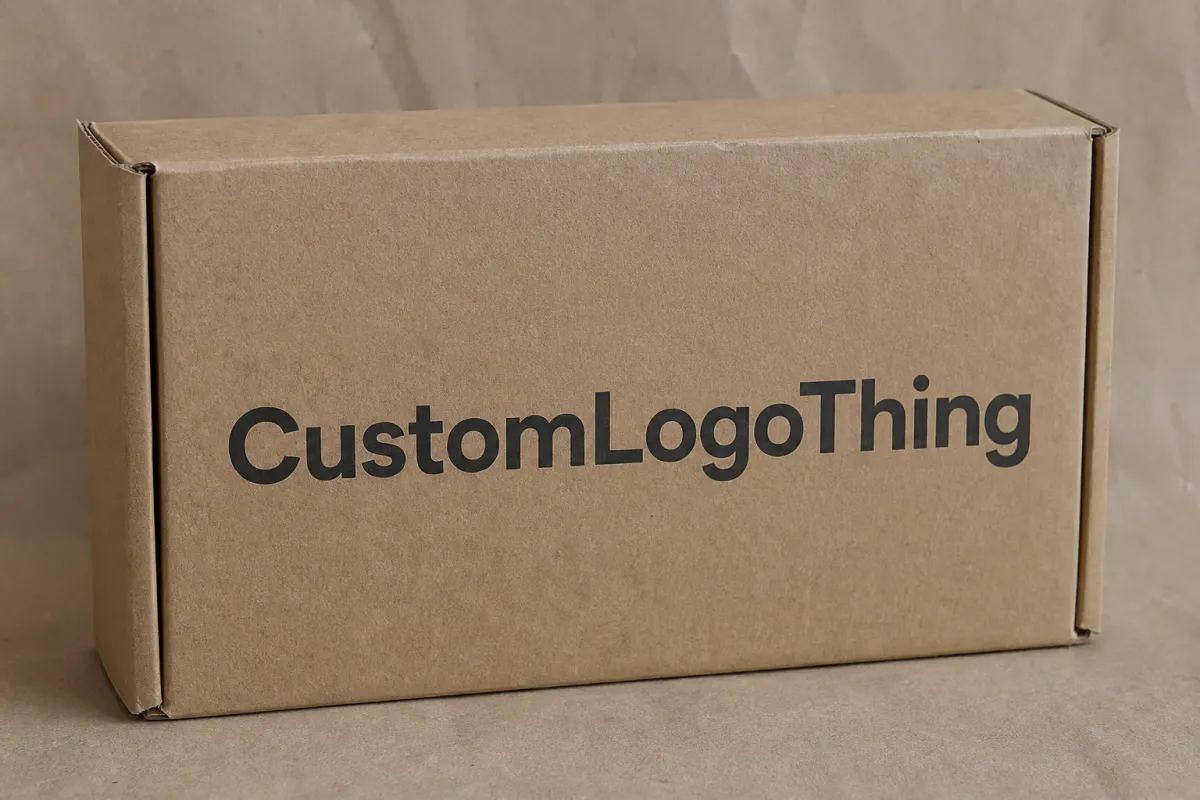
Branded apparel boxes with logo do more than decorate a shipment. They create a moment. A folded tee in a plain mailer reads like inventory; the same tee in branded apparel boxes with logo reads like a product experience that was planned from the first stitch to the final unboxing. That difference shows up in retail, e-commerce, gift sets, subscription drops, and influencer mailers, because the package often speaks before the garment does.
In daily production work, I see the same pattern repeat: the box has two jobs, and brands often only budget for one. First, it protects apparel from dust, compression, and handling during storage or transit. Second, it signals brand value through structure, print, texture, and the small details customers notice without naming them. A matte black rigid box with a restrained foil logo creates a different expectation than a kraft folding carton with a single-color mark. Both can work. They simply tell different stories.
That is why I think of branded apparel boxes with logo as a matching exercise. A premium outerwear line may justify a heavier rigid set-up with a fitted insert, while a stack of lightweight basics may be better served by a smarter folding carton that ships flat and assembles quickly. The strongest box is the one that fits the garment weight, the fold profile, and the shipping method without wasting board or space.
Branded apparel boxes with logo should earn their place twice: once on the shelf, and once in the shipping carton.
For a buyer, the question is less about whether packaging looks nice and more about whether the packaging supports the sale from end to end. If garments are sold in-store, the box may need to stack cleanly on display and survive repeated handling. If orders ship direct to consumer, the outer carton may need better crush resistance, tighter tolerances, and an opening experience that still feels deliberate after rough parcel handling. In that sense, branded apparel boxes with logo move from decoration into brand architecture.
Some of the clearest examples show up in Case Studies, where small structural choices change the customer reaction far more than an extra layer of print. A subtle interior message, a crisp fold, or a tray that keeps a folded shirt centered can do more than a crowded graphic layout. The box should support the product, not compete with it.
How branded apparel boxes with logo work in the real world
Most branded apparel boxes with logo fall into a handful of structures, and each one feels different in production and in the customer’s hands. Folding cartons are common for shirts, leggings, and lightweight apparel because they ship flat, print well, and keep costs in check. Rigid boxes feel heavier and more gift-like, which is why they show up often in premium collections, limited-edition drops, and boxed sets. Sleeve-and-tray formats add a stronger reveal, while mailer-style apparel packaging is often the practical choice for direct shipping.
Common box structures
Folding cartons are the workhorse. They are usually made from SBS, C1S, or kraft paperboard in the 16 pt to 24 pt range, and they are a strong choice when the goal is clean branding without extra weight. Rigid boxes use chipboard wrapped in printed or specialty paper, typically around 1.5 mm to 2.5 mm, and they create a more substantial feel. Two-piece set-up boxes and sleeve-and-tray boxes work well when the brand wants a more ceremonial unboxing path. Mailer-style boxes are practical for e-commerce because they often balance branding with easier packing.
Logo application can be as minimal or as layered as the brand needs. Offset printing is common for larger runs with consistent brand colors. Digital printing can make sense for smaller quantities, versioned artwork, or drops that change often. Foil stamping, embossing, debossing, and spot UV are used to lift the perceived value of branded apparel boxes with logo without covering every surface. A single foil mark on a soft-touch box can feel more refined than a busy full-panel design. In most jobs, two strong decisions outperform six competing ones.
The inside matters too
The outside may get the first glance, but the inside keeps the story going. Tissue paper, printed linings, die-cut inserts, thank-you cards, and patterned interiors all help branded apparel boxes with logo feel finished. A folded shirt can be held in place by a simple paperboard insert, while a hoodie may need more depth and a wider cavity to keep the folds sharp. For gift sets, accessory placement matters even more because socks, caps, belts, or folded notes need to stay put and not drift during transit.
There is also the practical side of fulfillment. A good box should be easy to open, easy to refill, and easy to close without slowing down packing. If a team has to fight a flap, reposition tissue four times, or wrestle with a lid that fits too tightly, the box starts charging a hidden labor tax. Branded apparel boxes with logo have to look polished, yes, but they also have to work with human hands, warehouse tables, and carton stacks.
For teams comparing structures, Custom Packaging Products is a useful place to narrow down what kind of apparel packaging actually fits the program. A lighter tee line, a premium knit, and a boxed outerwear set each lead to different packaging decisions, even before art enters the conversation.
Key factors that shape the right apparel box
The right box starts with the material. Branded apparel boxes with logo can be built from SBS paperboard, kraft board, rigid chipboard, or specialty wrapped boards, and each material changes the look, strength, and print performance. SBS gives excellent print detail and a smooth surface for graphics. Kraft gives a more natural, earthy tone and often fits sustainability language well. Rigid chipboard feels heavier and is best where the customer should sense value as soon as the box is picked up. Specialty wraps can add linen texture, soft-touch lamination, or a textured finish that changes the tactile experience immediately.
Sizing matters just as much. A common mistake is to size the box around the product name instead of the folded product. A medium T-shirt might need a shallow profile, while a hoodie or sweatshirt needs more depth so the folds do not crush the front panel. Add a scarf, hat, or accessory, and the internal dimensions change again. If the apparel sits loose, the package feels cheap. If it is too tight, the folds distort and the box can warp under pressure. Good branded apparel boxes with logo usually allow a little clearance for tissue, inserts, and human variation in folding.
Finishes shape the brand tone. Matte coatings make graphics feel cleaner and quieter. Gloss coatings create brighter contrast. Soft-touch lamination gives a velvety feel that works especially well on premium branded apparel boxes with logo, though it can show scuffing if the run will be heavily handled. Foil stamping is strong for logos, but a little foil goes a long way. Spot UV can highlight a mark or pattern without turning the whole box into a reflective surface. Textured wraps, by contrast, can make even a simple one-color logo feel expensive because the board itself carries part of the message.
Brand fit deserves a direct conversation. Minimal labels often look better with restrained print, generous white space, or natural kraft. Fashion-forward luxury lines may want heavier board, deeper black, or sharper contrast. Limited-edition merchandise can handle bolder effects because the packaging is part of the collectible nature of the release. Branded apparel boxes with logo should support the brand personality instead of forcing every program into the same visual formula.
Sustainability choices can be practical, not just promotional. FSC-certified board is a common request, especially when brands want to show they are sourcing responsibly, and the Forest Stewardship Council explains certification basics at fsc.org. Right-sizing the box reduces waste more directly than any slogan. Avoiding oversized inserts or unnecessary wrap layers does the same. If the package still has to protect garments through parcel shipping, teams often use transit testing as a reference point, and ISTA explains common shipping test methods at ista.org. Branded apparel boxes with logo do not need to be overbuilt, but they do need to survive the actual route the box will take.
Here is a quick comparison that usually helps buyers sort through the options:
| Box type | Best use | Typical feel | Illustrative cost range at 5,000 units |
|---|---|---|---|
| Folding carton | Shirts, basics, flat-folded apparel | Light, efficient, clean | $0.35-$0.95 each |
| Rigid set-up box | Premium apparel, gift sets, limited drops | Heavy, polished, gift-like | $1.80-$4.50 each |
| Sleeve-and-tray | Higher-end presentation with a reveal | Structured, tactile, memorable | $1.20-$3.25 each |
| Mailer-style apparel box | E-commerce shipping and subscription programs | Practical, brandable, parcel-ready | $0.80-$1.80 each |
Those ranges are not fixed prices, and they change with material, print coverage, insert complexity, and quantity. Still, they are useful because they show why branded apparel boxes with logo can serve different roles without being treated as one generic product. A box for a luxury knit is not the same object as a box for a hundred-unit tee drop.
Process and timeline for branded apparel boxes with logo
The production path for branded apparel boxes with logo is usually straightforward, but the schedule can stretch if the project is not planned in the right order. It starts with the brief: garment type, folded size, shipping method, quantity, artwork needs, and whether the box must include inserts or special finishes. Once that is clear, the supplier can recommend a structure and build a dieline that matches the fit.
Typical production stages
First comes structural planning. That is where size, board, and closure style are chosen. Then artwork is placed on the dieline, and the team checks bleed, trim, fold lines, panel orientation, and finish positions. Next comes proofing, which may include a digital proof, a structural sample, or a printed prototype if the colors and decoration are more complex. After approval, the job moves into printing, finishing, die-cutting, and assembly.
Lead time is often consumed by decisions, not machines. Artwork approvals can wait on brand sign-off. Finish matching can require a revised sample. Insert designs may need to be adjusted after the first fit check. For simpler branded apparel boxes with logo, a run can move quickly once the structure is already established and the artwork is approved. For highly customized jobs, the timing expands because every extra detail adds a checkpoint.
A realistic planning window for a standard folding carton might be 12-15 business days from proof approval, assuming the structure is already known and the order is not unusually large. Rigid boxes, specialty wraps, or projects with custom inserts often need 18-25 business days, and a sample stage can add another few days before production starts. None of that is unusual. It just reflects how packaging is actually made. The physical box has to be checked, not imagined.
This matters even more for seasonal launches. If the apparel drop must land before an event, a holiday shipment, or a product reveal, branded apparel boxes with logo should be locked before the inventory arrives at the warehouse. Waiting on packaging after apparel production is complete can create avoidable bottlenecks, especially if the boxes have to arrive, be inspected, and be staged for packing before fulfillment starts.
One of the best habits is to request a small sample run or prototype when the box uses special finishes, a tight tolerance, or a premium closure. If the sample feels off in hand, it will still feel off after the full order ships. That is why a sample is not a luxury step; it is insurance. Branded apparel boxes with logo often look fine on a screen, but the actual board stiffness, lid fit, and closure tension only show up in the sample room or on the packing table.
Cost, pricing, and MOQ for branded apparel boxes with logo
Pricing for branded apparel boxes with logo usually comes down to five things: box style, board thickness, print coverage, decoration complexity, and order quantity. A simple one-color folding carton is very different from a rigid box with soft-touch lamination, foil stamping, and a custom insert. The more steps involved, the more labor, setup, and waste the job carries.
Volume matters a great deal. As quantity rises, the unit cost usually drops because setup and tooling get spread across more pieces. That is one reason a 250-unit run can feel expensive on a per-box basis while a 5,000-unit run can look much healthier. Small brands sometimes assume the higher price means the supplier is inflating the quote, but in many cases the cost is simply the math of short-run production.
MOQ, or minimum order quantity, is not a universal number. Digital production can make lower quantities possible, especially for simpler folding cartons or versioned artwork. Offset printing and rigid construction usually have higher practical minimums because the setup is harder to amortize. For branded apparel boxes with logo, MOQs often fall somewhere between 250 and 1,000 pieces for smaller digital jobs, then rise into the 1,000 to 3,000 range or more for offset and rigid programs. The exact point depends on the plant, the materials, and the finish stack.
Here is a simple framework for comparing quotes fairly:
- Match the exact box size and structure first.
- Confirm board grade and thickness.
- Compare print method, finish, and insert detail.
- Ask whether setup, tooling, and freight are included.
- Check whether samples are credited or billed separately.
That list prevents a lot of confusion because a low headline price can hide a different board, thinner material, or a missing finish that matters later. Branded apparel boxes with logo should be judged by the actual specification, not just the quote total.
Small design choices can also change cost in surprising ways. A large foil area may require more passes. A custom insert can add die-cutting and assembly time. A full-coverage dark print on a light board may increase reject risk. Even the orientation of a lid graphic can affect waste if the panel layout is not planned carefully. So when a buyer asks why branded apparel boxes with logo cost what they do, the real answer is often in the number of steps, not only the material choice.
If you want to compare packaging families across different garment programs, a good starting point is the broader range of Custom Packaging Products. That helps narrow whether the project belongs in a folding carton, a rigid set-up box, or a hybrid mailer format before the art team spends time on a wrong-sized dieline.
Common mistakes when ordering apparel packaging
The first mistake is choosing the box before confirming the folded garment dimensions. That sounds basic, but it happens constantly. A box can look elegant on paper and still fit poorly once a hoodie, sweater, or multi-piece set is folded inside. When that happens, the brand pays for presentation and still gets a package that ships inefficiently or opens awkwardly. Branded apparel boxes with logo only work when the size is based on the real product, not an estimate.
The second mistake is over-branding every available panel. Full coverage can be useful, but not every apparel line needs every surface covered with copy, pattern, foil, and imagery. Sometimes a single logo, a controlled color block, and a well-chosen paper texture deliver a more confident result. The budget often stretches farther when the design is edited instead of packed with extra elements. In practice, branded apparel boxes with logo often look more premium when the layout has room to breathe.
The third mistake is forgetting the insert. If the garment shifts during transit, the box can arrive with folded edges that have drifted or creased. A simple paperboard insert, a side restraint, or a custom cavity can keep the apparel centered and presentable. That matters even more for sets, accessories, and mailer boxes that are handled more aggressively than a shelf box.
The fourth mistake is approving artwork without checking the dieline carefully. Panel orientation, bleed, trim, and finish placement all need to be reviewed before the file is released. A foil logo that sits too close to a fold can look fine in proof and awkward in production. A design that reads left to right on screen may need to be flipped for how the box opens in hand. Branded apparel boxes with logo reward careful prepress work because the box is a physical object, not a flat poster.
The fifth mistake is skipping a physical sample. Color on a monitor and color on board are not the same thing. A soft-touch surface feels different from a gloss surface. Closure tension, board stiffness, and lid fit are all easier to judge with a sample in hand. If the box is intended for a premium launch, the sample stage is where many expensive surprises can be caught before the full run starts.
A sample is where the packaging tells the truth.
There is a reason experienced buyers slow down at this step. Branded apparel boxes with logo may be designed with confidence, but only the sample tells you whether the box opens cleanly, closes cleanly, and holds the folded garment the way the brand intended.
Expert tips and next steps for better results
The best packaging decisions usually start with three questions: what garment is inside, where is the box going, and what feeling should the customer have when the package opens? Those answers shape the structure before anyone debates finishes or logo placement. If the product is a premium hoodie set, the box can be deeper and more substantial. If the product is a lightweight tee drop with high volume, a flatter and faster assembly format may serve the brand better.
Build a packaging spec sheet before asking for quotes. That sheet should include the folded garment size, desired clearance, box style, board preference, finish, insert needs, quantity, shipping method, and target delivery date. A clear spec sheet saves time because suppliers can compare the same request instead of guessing at the missing details. It also makes it easier to compare branded apparel boxes with logo from different vendors on an apples-to-apples basis.
Request a sample when the job has any of these features: special finishes, tight fit tolerances, premium closures, multi-item sets, or a launch date that cannot slip. The sample should be handled like a real order, with the garment folded the way fulfillment will fold it. That is the only way to know whether the package feels polished in actual use.
Plan for storage and fulfillment early. Some branded apparel boxes with logo are delivered flat and assembled as needed, which saves space but adds labor. Others arrive set up and ready to fill, which can be convenient for premium kits but takes more storage room. Stackability matters, and so does how many boxes fit on a packing table without slowing the line. A box that looks beautiful but clogs fulfillment is not doing its job.
If you want to see how structure, finish, and branding come together in actual packaging programs, our Case Studies page is a practical place to review different outcomes. It is often easier to make a good decision once you can compare a few real packaging directions instead of a blank spec sheet.
Use this as a working checklist before you place an order:
- Measure the folded apparel and any accessory pieces.
- Choose one or two box structures that fit the channel.
- Gather artwork, brand colors, and logo files.
- Ask for a sample or prototype if the design is new.
- Confirm the production schedule before inventory is released.
Handled that way, branded apparel boxes with logo become part of the product launch plan, not a last-minute afterthought. That is usually where the strongest results come from, because the box, the garment, and the timeline all line up before the first shipment leaves the building.
Frequently Asked Questions
What size should branded apparel boxes with logo be for folded shirts or hoodies?
Measure the folded garment first, then add clearance for tissue, inserts, or accessory pieces. Shirts usually need a shallower profile than hoodies, sweaters, or layered sets, so the same box size rarely works for every apparel type. A sample box is the safest way to confirm the fit before a full order is placed.
Are branded apparel boxes with logo better as rigid boxes or folding cartons?
Rigid boxes feel more premium and are often used for gifts, luxury apparel, and limited editions. Folding cartons are lighter, easier to store flat, and usually better for higher-volume programs. The right choice depends on the product value, shipping method, and how much of the budget should go into the packaging itself.
How much do branded apparel boxes with logo usually cost?
Price depends on box style, board type, print coverage, finishes, inserts, and order quantity. Higher volumes usually lower the unit cost, while smaller runs carry more setup expense per box. The easiest way to compare pricing is to request the same specification from each supplier so the quotes can be judged fairly.
What is the typical turnaround for branded apparel boxes with logo?
Simple projects can move quickly once artwork is approved and the structure is already established. Custom structures, special finishes, and sample approval stages add time to the schedule. It is smart to build extra room into the calendar if the boxes need to arrive before a launch, seasonal rush, or event shipment.
How can I make branded apparel boxes with logo feel more premium without overspending?
Use a clean layout, strong typography, and one or two high-impact finishes instead of covering every panel. Right-size the box so the garment sits neatly and the package does not feel oversized. A refined structure, a thoughtful unboxing flow, and the right board choice often do more than a complicated print design.
The best next step is practical: measure the folded garment, choose the box style that matches the channel, and request a sample before approving a full run. That one sequence catches fit problems, finish issues, and cost surprises early, which is exactly where branded apparel boxes with logo can make the most difference.


