Buyer Fit Snapshot
| Best fit | Branded Boutique Bags Bulk Pricing projects where brand print, material claims, artwork control, MOQ, and repeat-order consistency need to be specified before quoting. |
|---|---|
| Quote inputs | Share finished size, material target, print colors, finish, packing count, annual reorder estimate, ship-to region, and any compliance wording. |
| Proofing check | Approve dieline scale, logo placement, barcode or warning zones, color tolerance, closure strength, and carton packing before bulk production. |
| Main risk | Vague material claims, crowded artwork, missing packing details, or unclear freight terms can make a low unit price expensive after revisions. |
Fast answer: Branded Boutique Bags Bulk Pricing: Film, Print, MOQ, and Carton Packing should be specified like a repeatable production item. The safest quote records material, print method, finish, artwork proof, packing count, and reorder notes in one written spec.
Production checks before approval
Compare the actual filled-product size with the drawing, then confirm tolerance on folds, seals, hang holes, label areas, and retail display edges. Reserve space for logos, QR codes, warning copy, and material claims before decorative graphics fill the panel.
Quote comparison points
Review material grade, print process, finish, sampling route, tooling charges, carton quantity, and freight assumptions side by side. A quote is only useful when the supplier can repeat the same color, closure quality, and packing count on the next order.
Branded Boutique Bags Bulk Pricing: Why the Cheapest Bag Is Rarely the Cheapest
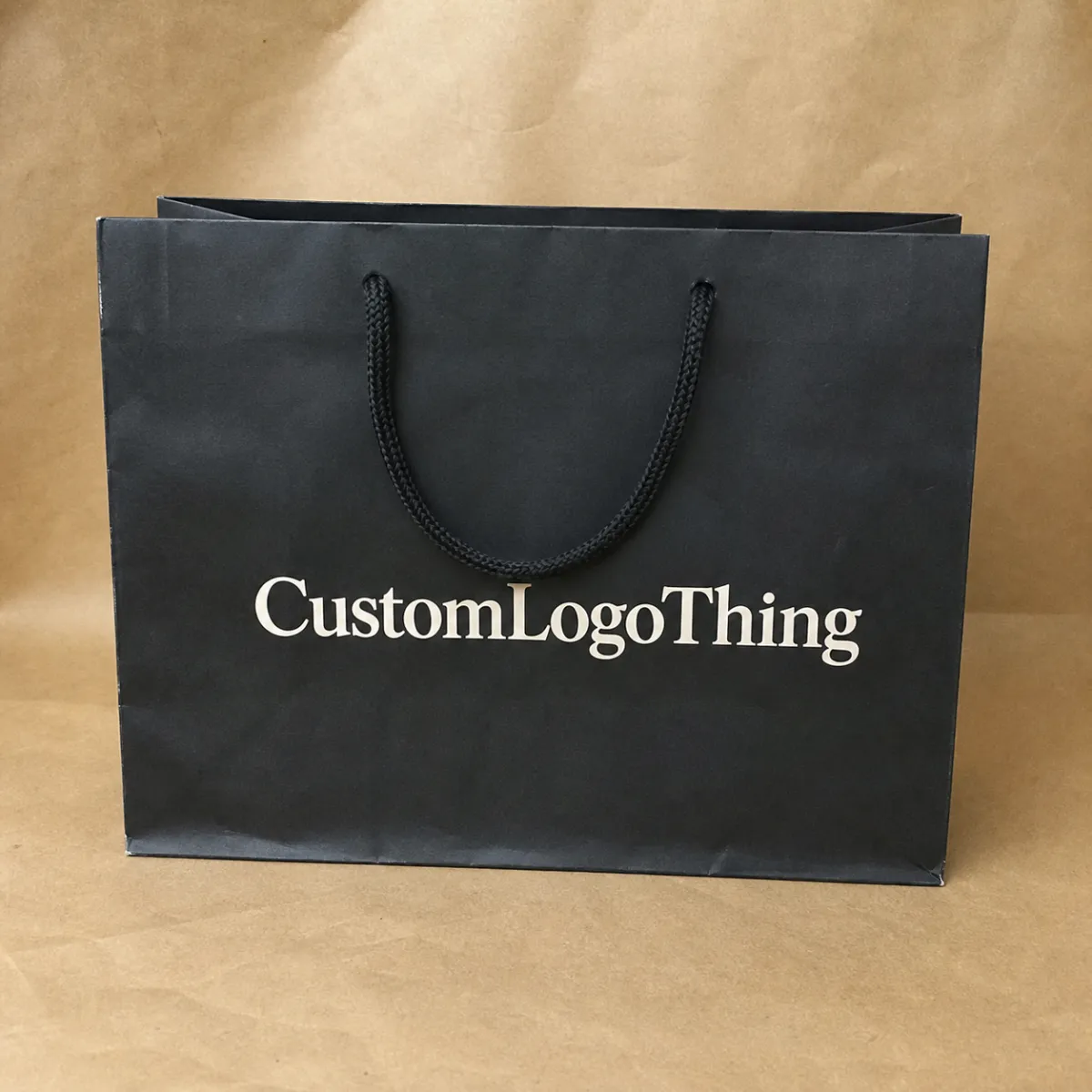
Branded boutique bags bulk pricing can look neat on a quote sheet and still hide a messy buying decision. Two samples may sit side by side, share the same dimensions, and differ by 20% to 40% in cost. The reason usually lives in the details: heavier board, cleaner handle attachment, tighter print registration, better coating, better carton packing. One bag feels tailored to the brand. The other feels like it was built to hit a number.
That spread is not random from a procurement point of view. Branded boutique bags bulk pricing moves with materials, construction, and finishing choices long before the logo is added. Board weight, paper grade, handle style, coverage, coating, and packing method all leave fingerprints on landed cost. Comparing only the headline price is like comparing two watches by the shine of the case and ignoring whether one keeps time.
The cheapest quote can become the most expensive mistake once the order arrives. A bag that dents in transit, scuffs on the shelf, or collapses under product weight creates its own bill later. Returned merchandise, replacement packaging, extra tissue, and a weaker presentation all chip away at margin. In one cosmetics rollout I reviewed, the buyer saved a few cents per unit on paper, then spent far more reworking displays because the handles tore during store transfer. That is why branded boutique bags bulk pricing should be judged by value per piece, not by the first number that lands in your inbox.
Premium details can be smarter than they look. A matte laminate can protect a print run better than a bare sheet. Rope handles can hold heavier items without the hand fatigue that comes with thin paper handles. A foil logo may do more for shelf presence than a larger print area that adds noise without adding confidence. In the right build, branded boutique bags bulk pricing is not about paying for flash. It is about paying for the parts customers actually notice.
A bargain bag that wrinkles, splits, or looks tired before it reaches the counter has already cost more than it saved.
Buyers managing seasonal drops, multiple stores, or recurring launches need repeatability as much as price. A bag that performs the same way every time lets the brand stay recognizable and lets the reorder stay predictable. That turns branded boutique bags bulk pricing into a planning tool instead of a guess based on last month’s quote.
Product Details: What Counts as a Boutique Bag?
A boutique bag is not one product. It is a cluster of retail carriers designed to look polished, protect the contents, and make the hand-off feel intentional. In branded boutique bags bulk pricing, the category you choose sets the cost floor before decoration starts, which is why two bags that both say “custom” can live in completely different price bands.
The most common bulk formats are below:
- Paper shopping bags - usually kraft or art paper with twisted paper handles, flat paper handles, or rope handles.
- Luxury gift bags - heavier paper stock, ribbon or rope handles, and a more decorative finish.
- Rigid boutique bags - wrapped board construction with thick walls and a premium hand feel.
- Laminated bags - paper bags with matte or gloss lamination for scuff resistance and a more polished surface.
- Specialty carry bags - recycled kraft, nonwoven, cotton, or hybrid builds for campaigns and reuse programs.
Each format solves a different retail problem. Paper Shopping Bags fit daily retail, cosmetics, bookstores, and events where the bag gets used and replaced quickly. Luxury Gift Bags make more sense for jewelry, fragrance, and premium gifting, where the bag becomes part of the presentation. Rigid bags suit launch kits, press mailers, and high-margin products that need packaging to do some of the selling. Branded boutique bags bulk pricing changes sharply between those groups because the material stack and assembly steps are not cousins; they are different machines altogether.
Construction changes the number more than many buyers expect. A reinforced top fold, a base insert, and rope handles will cost more than a simple folded paper bag, yet the finished piece feels steadier in the hand and usually travels better through the supply chain. A printed liner or color-matched handle can lift perceived value without a dramatic jump in unit cost if the order size supports it. That is why branded boutique bags bulk pricing should always be anchored to the actual build, not to a vague product label.
Brand consistency quietly affects spend too. One store orders a warm white sheet, another picks a brighter stock, a third swaps rope handles for ribbon. The result is not three versions of the same bag; it is three separate presentations that confuse the eye and weaken the brand system. Keeping the print area, color specs, and finishing choices aligned across locations usually improves branded boutique bags bulk pricing over time because repeat orders become easier to produce and easier to approve.
Where each bag type fits best
Customer behavior decides the best bag more often than taste does. Fashion retail usually wants a bag that feels upscale, stacks neatly, and survives multiple hand-offs on the way out of the store. Cosmetics and fragrance programs need cleaner print control because color accuracy affects perceived quality immediately. Events and conferences care about packing speed, handle strength, and visible neatness. E-commerce inserts live a different life altogether; protection and unboxing impact matter more than foot traffic. Those differences feed directly into branded boutique bags bulk pricing because the right structure avoids paying for features the bag never needs.
Specifications That Change Unit Cost
If a buyer wants control over branded boutique bags bulk pricing, the first job is to identify which specifications change the cost curve and which ones barely move it. Not every choice behaves the same way. Some add pennies. Others open the door to new tooling, extra labor, or a different production line. That gap is where good purchasing decisions separate from decorative ones.
The biggest drivers are usually size, stock thickness, print colors, print coverage, handle style, and finishing. A small bag with a simple logo often stays in a lighter cost lane. A larger bag with full-bleed art, foil, and an internal insert lives somewhere else entirely. That is the unglamorous part of packaging buying, and it is often the profitable part too. Branded boutique bags bulk pricing stays easier to forecast when the spec stays fixed.
Size and stock choices
Dimensions affect more than the amount of paper consumed. A wider gusset needs more board, more wrapping, and often more labor. Moving from a 240 x 100 x 320 mm bag to a 320 x 120 x 420 mm bag can raise the unit cost before decoration even enters the discussion. Paper weight matters just as much. Common retail builds often sit around 157gsm to 210gsm art paper for paper bags, while rigid boutique bags may use 1200gsm to 2000gsm board wrapped in printed stock. That difference appears immediately in branded boutique bags bulk pricing.
Stock selection changes perception as much as cost. Brown kraft feels honest and efficient. White art paper gives sharper print results and a cleaner brand canvas. Textured paper hides fingerprints better than slick stock, which matters more than buyers admit once a premium bag passes through several hands. None of those choices is wrong. They just serve different margins and different stories. The buyer’s task is to choose the stock that supports the sale without dragging branded boutique bags bulk pricing into the wrong territory.
Handles, closures, and reinforcement
Handle style is one of the easiest places to spend too much by accident. Flat paper handles usually sit at the budget end. Twisted paper handles move up a step. Rope handles, ribbon handles, and cotton handles feel more premium and usually cost more because the materials and attachment steps are more involved. If the bag carries heavier items, that upgrade may be money well spent. If the bag holds a light gift set, the fancy handle becomes little more than ornament. Smart branded boutique bags bulk pricing comes from matching the handle to the load, not the prettiest option in the catalog.
Closures and reinforcement add another layer. Magnetic closures, fold-over lids, hidden inserts, and reinforced tops make sense for rigid bags and presentation kits, but each one adds setup time and assembly labor. A reinforced base insert is practical and common. A full magnetic closure is specialized. Buyers who ask which features protect the product and which features only decorate the bag usually keep branded boutique bags bulk pricing under control.
Decoration and finishing
Decoration can be efficient when it is used with discipline. Standard CMYK printing is usually the entry point. Add hot foil, embossing, debossing, spot UV, soft-touch coating, matte lamination, or gloss lamination and the quote changes fast. Foil and embossing often need tooling or die charges. Soft-touch coating looks rich, though it can raise setup complexity and handling demands in production. If the design does not need four finishes, do not buy four finishes. That is how branded boutique bags bulk pricing gets bloated for no real return.
One useful rule: spend on one strong branding signal instead of three weak ones. A sharp foil logo on a matte bag often reads more expensive than a crowded design with too many effects fighting for attention. Buyers who standardize finishes across product lines usually secure better branded boutique bags bulk pricing because the supplier can repeat the same process with fewer variables and fewer chances for error.
For sustainability claims, ask for documentation instead of slogans. If recycled content or responsible sourcing matters, request FSC chain-of-custody paperwork from FSC. If the bags need to survive distribution or shipping, ISTA test methods tell you more than optimism ever will. That is not branding. It is risk control, and it keeps branded boutique bags bulk pricing attached to products that arrive intact.
Standardization does more financial work than most teams expect. One bag size for three store formats, one handle style for an entire season, one coating method across the range: those choices reduce tooling changes and trim down setup charges. The supplier gets fewer variables, the buyer gets less friction, and branded boutique bags bulk pricing tends to stay steadier from one reorder to the next.
For buyers comparing options, the useful question is not “What is the fanciest bag?” The better question is “What spec set gives the best presentation for the lowest true cost per piece?” That mindset keeps branded boutique bags bulk pricing from drifting into expensive vanity spending.
The ranges and examples in this section are directional. Paper markets, labor rates, printing method, carton configuration, and freight lane can move the number quickly, sometimes by more than the bag itself.
Branded Boutique Bags Bulk Pricing: MOQ, Quote Logic, and Volume Breaks
Branded boutique bags bulk pricing is rarely a single number. It behaves more like a ladder. Lower quantities usually carry higher unit prices. More complex decoration makes setup charges matter more. Extra packing, sorting, or special cartons pushes landed cost away from the bag itself and toward everything around it.
MOQ, or minimum order quantity, exists because suppliers have to cover setup, sourcing, and production overhead before the first acceptable piece comes off the line. A low MOQ helps with testing, but it almost always raises the per-piece cost. Once the order grows, the unit cost drops because the fixed costs spread across more bags. That is why branded boutique bags bulk pricing often improves noticeably at 1,000, 3,000, and 5,000 units.
A real quote should show more than one lump sum. Ask for line items. Branded boutique bags bulk pricing should normally separate unit cost, tooling, setup, print plates or dies, packaging, freight, and duties where they apply. If a supplier refuses to break those pieces out, the total may be tidy but the buying logic is not. Packaging buyers do better when the math is visible.
| Bag type | Typical build | Common MOQ | Unit cost at 1,000 | Unit cost at 5,000 | Best use |
|---|---|---|---|---|---|
| Paper shopping bag | 157-210gsm paper, twisted or flat handles, 1-4 color print | 500-1,000 | $0.45-$1.10 | $0.22-$0.48 | Retail, cosmetics, events |
| Laminated boutique bag | Art paper with matte or gloss lamination, rope handles | 1,000 | $0.75-$1.60 | $0.32-$0.78 | Premium retail, gifting |
| Rigid boutique bag | 1200-2000gsm board wrapped in printed paper | 500 | $1.80-$4.50 | $0.95-$2.40 | Jewelry, luxury, PR kits |
| Specialty carry bag | Nonwoven, cotton, recycled kraft, or hybrid build | 500 | $0.60-$2.00 | $0.25-$1.20 | Reuse programs, events |
The table is a working range, not a promise. Artwork density, handle choice, carton specification, and shipping lane can move the figure quickly. A loose phrase like “premium printed bag” hides too much. Branded boutique bags bulk pricing becomes useful only when the spec is specific enough to compare line by line.
Volume breaks exist because production efficiency improves with scale. A 500-unit quote often looks high because the setup charge sits on too few bags. A 3,000-unit or 5,000-unit quote usually looks much healthier on unit cost even if the total spend is larger. The trick is comparing the cost per piece against the inventory you actually need, not against the quantity that simply looks cheaper on screen. That is how buyers use branded boutique bags bulk pricing instead of chasing it.
Compare price per 1,000 units, then add freight, duties, and local handling. That gives you landed cost. One supplier may look cheaper until the cartons arrive in a format that slows warehouse receiving or the proof process adds fees you did not expect. Branded boutique bags bulk pricing only matters when the delivered cost is visible and complete.
Ask for breaks at 1,000, 3,000, 5,000, and 10,000 if the program could scale. Even if the next tier feels ambitious, those figures show where the cost curve starts to flatten. The quote sheet should tell you whether one more pallet saves a few cents or a meaningful slice of branded boutique bags bulk pricing.
Process and Timeline: From Artwork Approval to Delivery
Production works in steps, not in good intentions. A clean order for branded boutique bags bulk pricing usually moves through inquiry, specification, artwork review, proof approval, sampling, production, quality check, packing, and shipment. Leave out one step and the schedule tends to punish you later, usually through a delay or a reprint that eats both time and budget.
The fastest orders are the simplest ones. Standard size, stock already available, artwork already final: a basic paper bag may move from proof approval to shipment in roughly 12 to 18 business days, depending on season and quantity. Rigid bags, more complex finishes, or custom inserts can stretch that timeline to 20 to 35 business days. Add sample revisions or design changes after approval and the clock keeps moving. That is normal, which is why branded boutique bags bulk pricing should be discussed alongside lead time rather than treated like a separate issue.
Delays usually come from three places: artwork changes after proofing, vague color specifications, or late sample sign-off. Buyers can avoid most of the damage by sending final dielines, brand colors, logo files, and delivery instructions before the quote is locked. When the supplier has to guess, the order slows down and usually gets more expensive. Guessing is not a production method. It simply pushes branded boutique bags bulk pricing upward in a way nobody wants.
What a clean approval process looks like
Start by confirming size, stock, handle, print method, and finish. Next, approve a digital proof that shows placement and artwork. For complex builds or high-stakes launches, ask for a physical sample before production starts. Finish by signing off on quantity, carton pack, and delivery location. That sequence gives both sides one shared reference point and keeps branded boutique bags bulk pricing tied to the final specification rather than to a rough draft.
For stores with several delivery points, ask how cartons are packed and labeled. A lower unit price can vanish if the supplier mixes sizes or ships unmarked cartons that slow warehouse receiving. Bulk programs live or die on packaging efficiency and receiving efficiency. That unglamorous layer matters as much as the bag itself, and it is part of branded boutique bags bulk pricing whether anyone likes that or not.
Rush orders are possible, but they come with tradeoffs. Expect tighter color tolerance, fewer finish choices, and a higher price. If a supplier offers a rush job with no downside, something is probably being compressed somewhere, usually quality control or flexibility. Standard production gives better odds of stable branded boutique bags bulk pricing and fewer surprises after the order is placed.
Shipping needs its own buffer. Air freight gets expensive fast; sea freight works better for larger runs but needs more lead time. If the bags support a launch, a seasonal promotion, or a store opening, the order should finish earlier than your internal deadline. A late bag is not a small inconvenience. It can force a fallback package and weaken the presentation you paid to create. That is how branded boutique bags bulk pricing turns into a margin issue.
Recurring programs benefit from checkpoints. A quick review after proof approval, a photo of packed cartons before dispatch, and a shipment notice with carton count and tracking details prevent avoidable chaos. Buyers do not need hourly updates. They need the right information at the right moment. That keeps branded boutique bags bulk pricing and delivery performance aligned.
Why Choose Us for Boutique Bags in Bulk
We build custom packaging around the buying problem, not around catalog noise. If you need branded boutique bags bulk pricing that makes sense on paper and still works at receiving, the task is to simplify the spec without flattening the brand. That part gets skipped too often by suppliers who would rather quote broadly than explain precisely.
Our approach is practical. We help you choose sizes that fit the product, materials that hold up in use, and finishes that look polished without turning the quote into a maze. We also point out where a small spec change will trigger a bigger cost jump, because no one wants a surprise after the purchase order has already been approved. That sort of guidance keeps branded boutique bags bulk pricing honest.
Repeat orders matter just as much as the first run. Seasonal refreshes, retail rollouts, and steady reorder schedules all depend on consistency. The bag has to arrive the same way every time. The print has to match. The handle feel has to stay familiar. That consistency protects presentation and reduces waste. It also keeps branded boutique bags bulk pricing from creeping up because of avoidable changes between runs.
Need a broader view of how we support clients across packaging programs? Review our Case Studies for examples of spec choices, volume planning, and presentation-focused builds. If you are comparing product lines or planning a larger rollout, our Wholesale Programs page shows how volume planning can reduce unit cost without stripping out the features that matter.
Good packaging buying is not about finding the flashiest option. It is about choosing the right one, then getting the same result again without drama.
That is the value here: fewer delays, fewer hidden fees, and fewer vague answers. For buyers who care about margin and presentation in the same breath, branded boutique bags bulk pricing should feel like a controlled purchase, not a gamble with a logo attached.
Next Steps: Build a Smarter Quote Before You Order
If you want a useful quote, send useful information. Gather the bag size, material, handle type, print method, number of colors, finish, quantity, and delivery location before you request pricing. That one habit improves branded boutique bags bulk pricing more than most negotiation tactics ever will.
Ask for a line-item quote, not a lump sum. Ask for sample photos if the supplier has them. Ask for a production timeline that includes proof approval, manufacturing, packing, and shipping. If the order matters, ask what can go wrong and where delays usually appear. A straightforward vendor will answer directly. A vague one will dress up the problem and hand it back to you. That is not service, and it does not help branded boutique bags bulk pricing.
Compare at least two or three spec options before you approve the final build. Sometimes the strongest savings come from making the bag slightly smaller, switching from rope to twisted paper handles, or dropping one expensive finish that does not add visible value. Sometimes the right move is to spend a little more on the one detail customers actually notice. Both paths can be smart. What is not smart is approving a quote without checking whether the extra cost is visible or merely decorative. That is the heart of branded boutique bags bulk pricing.
The practical next move is simple: request a spec-based quote, compare the landed cost, and lock the build before production starts. If you need help separating useful features from expensive extras, ask for that directly. Branded boutique bags bulk pricing gets easier when the spec is clear, the volume is planned, and the supplier is forced to quote the same product three different ways so the tradeoffs stand out.
Do that, and the order becomes a tool instead of a guess. The takeaway is straightforward: define the bag by use, not by appearance, then compare quotes only after size, material, finish, and freight are all fixed. That is the real point of branded boutique bags bulk pricing.
FAQ
What affects branded boutique bags bulk pricing the most?
Material, size, print coverage, handle style, and finish are the main drivers. MOQ and setup charges also affect the unit price, especially on lower quantities. Freight, duties, and carton packing can shift the landed cost more than buyers expect, so branded boutique bags bulk pricing should always be checked against the full delivered total.
What is a typical MOQ for branded boutique bags in bulk?
MOQ depends on the bag type and decoration method, but custom orders usually start higher than stock options. Simple paper bags often allow lower MOQs than rigid or heavily finished boutique bags. Ask for price breaks at multiple quantities so you can see how branded boutique bags bulk pricing changes as the order grows.
How can I lower unit cost without making the bag look cheap?
Keep the structure simple and put the budget into one strong branding element instead of multiple expensive finishes. Standardize sizes across product lines to reduce tooling complexity. Choose a cost-efficient handle and skip decoration that does not add visible value. That approach usually improves branded boutique bags bulk pricing without flattening the brand.
How long does production usually take for branded boutique bags?
Timeline depends on the bag style, artwork readiness, sample approval, and order size. Simple bulk orders move faster than rigid or multi-finish bags. Build in time for proofing and shipping so the order arrives before launch, not after. Timelines and branded boutique bags bulk pricing should be reviewed together, not separately.
Can I get a quote before final artwork is ready?
Yes, a good supplier can quote from size, material, finish, and quantity first. Final pricing may shift if the artwork changes the number of colors or decoration steps. Use a pre-art quote to compare options early, then lock details before production so branded boutique bags bulk pricing stays predictable.


