Buyer Fit Snapshot
| Best fit | Custom Paper Shopping Bags Bulk projects where brand print, material claims, artwork control, MOQ, and repeat-order consistency need to be specified before quoting. |
|---|---|
| Quote inputs | Share finished size, material target, print colors, finish, packing count, annual reorder estimate, ship-to region, and any compliance wording. |
| Proofing check | Approve dieline scale, logo placement, barcode or warning zones, color tolerance, closure strength, and carton packing before bulk production. |
| Main risk | Vague material claims, crowded artwork, missing packing details, or unclear freight terms can make a low unit price expensive after revisions. |
Fast answer: Custom Paper Shopping Bags Bulk: Pricing, Specs, FAQs should be specified like a repeatable production item. The safest quote records material, print method, finish, artwork proof, packing count, and reorder notes in one written spec.
Production checks before approval
Compare the actual filled-product size with the drawing, then confirm tolerance on folds, seals, hang holes, label areas, and retail display edges. Reserve space for logos, QR codes, warning copy, and material claims before decorative graphics fill the panel.
Quote comparison points
Review material grade, print process, finish, sampling route, tooling charges, carton quantity, and freight assumptions side by side. A quote is only useful when the supplier can repeat the same color, closure quality, and packing count on the next order.
Custom paper Shopping Bags Bulk orders are rarely a side purchase. They are one of the few branded items that move through the store, leave with the customer, and keep working after the sale. A bag gets carried through a parking lot, stacked in an office lobby, set on a train seat, or photographed because the product inside deserves one more look. That is a lot of visibility for something many teams treat as an afterthought.
The difference between a bag that feels considered and a bag that feels cheap is usually not dramatic on a spreadsheet. In the hand, it is immediate. A weak handle tells a story before the logo does. A sturdy kraft bag with balanced proportions and clean folds tells a different one. People notice material quality long before they can explain why.
Buying in volume changes more than the unit price. It steadies color, simplifies reorders, and gives the brand room to plan rather than panic. For boutiques, cafes, gift shops, and event teams, that stability matters. So does the fact that the bag stops acting like a disposable add-on and starts behaving like part of the packaging system.
Why Custom Paper Shopping Bags Bulk Orders Pay Off Fast
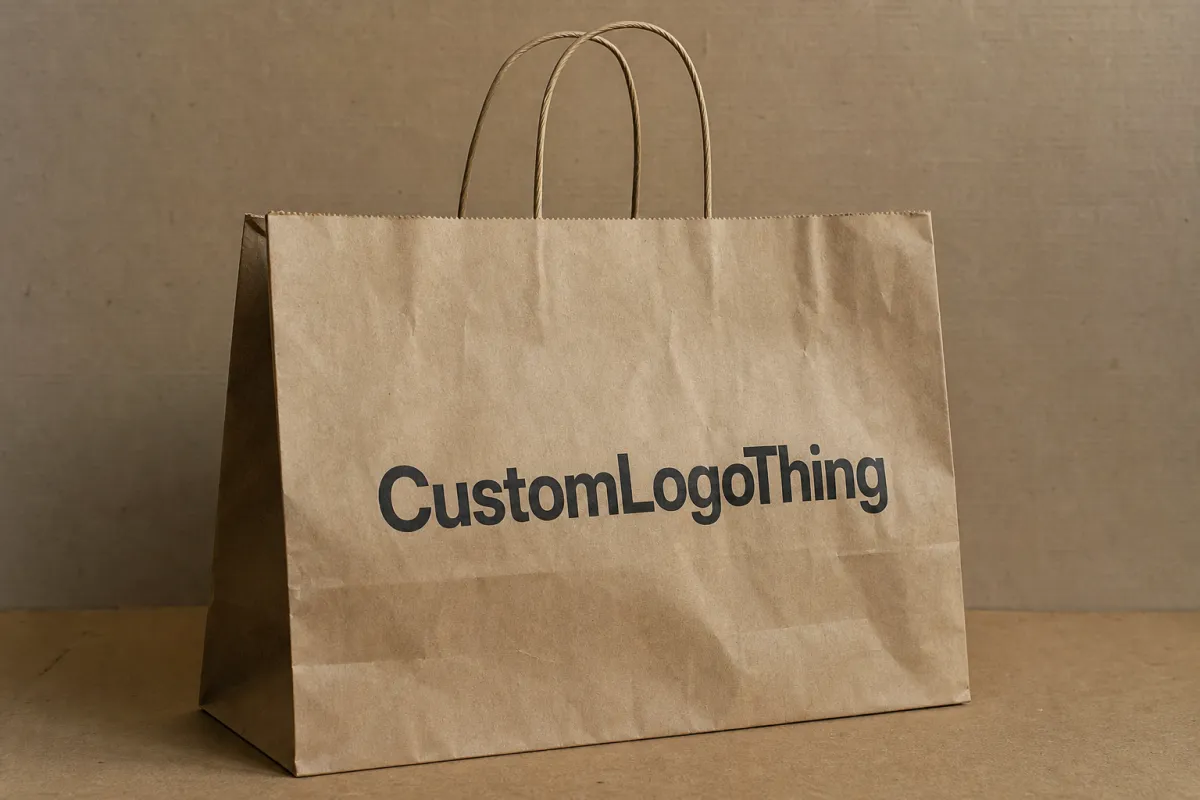
A shopping bag is mobile branding with a practical job. It carries the purchase, but it also carries the message. That message continues after the transaction is over, which is why bag quality can affect perception more than a small ad campaign ever will. One torn handle or warped bottom is enough to make the packaging feel careless, even if the product itself is excellent.
Bulk ordering gives buyers control over the variables that matter most. Size, paper weight, handle style, print coverage, and delivery timing become decisions rather than last-minute compromises. The economics usually improve too because setup and production costs are spread across more units. A run of 5,000 bags almost always has a different per-piece profile than a run of 500, especially once printing and prep are included.
There is also a hidden cost to waiting. Emergency reorders tend to be rushed, expensive, and limited to whatever the supplier can produce fastest. That often means settling for a color that is close but not quite right, or a stock weight that is lighter than planned. Planning ahead avoids the awkward stack of mismatched bags behind the counter that quietly announces a supply problem to every customer who sees it.
A bag that sags or tears under a normal purchase does more damage than a plain unbranded bag. It suggests the brand was careless with the part of the experience customers actually touch.
Practical buyers start with use, not price. Will the bag carry folded apparel, bakery items, boxed cosmetics, or a gift set with real weight behind it? Does it need to survive a commute, a car ride, or a day of event traffic? Those answers change the spec. They also change the quote. Asking for the cheapest bag is the fastest way to buy the wrong one.
That same logic applies across broader packaging programs. If you are comparing bag options with Custom Packaging Products or Wholesale Programs, define the function first and buy to that function. Otherwise, you end up paying for features nobody uses or skipping reinforcement exactly where it matters.
Custom Paper Shopping Bag Options That Fit Real Use Cases
Paper bags are not interchangeable, and they should not be spec'd as if they were. A café counter bag serves a different purpose from a boutique presentation bag. One is built for speed and utility. The other has to support the brand image as much as the purchase itself. A supplier who explains those tradeoffs is usually more useful than one who insists every order needs the highest-end finish available.
Standard Kraft Shopping Bags are the workhorses. Apparel stores, bookstores, gift shops, and food-service counters use them because they balance cost and strength well. Kraft paper gives a natural look, prints cleanly, and stays accessible in bulk. For buyers who care about routine use and recyclability, kraft often lands first on the shortlist.
Premium white paper bags create a sharper presentation. They suit cosmetics, galleries, stationery stores, and boutiques where brightness and contrast matter. White stock makes logos and fine line art stand out, but it also shows scuffs more readily. That is the tradeoff. A pristine-looking bag can be more sensitive to handling, especially during a busy day on the floor.
Coated or matte-finish bags fit brands that want a smoother surface and a more polished feel. These bags can hold detailed print well and often look more elevated on a display table. The downside appears when the bag has to work hard. If it will be stuffed, dragged, or reused during events, a heavier uncoated stock may hold up better over time.
Reinforced bags are the sensible choice for heavier products, boxed goods, bottles, and multi-item purchases. Reinforcement at the mouth, handles, or bottom does more for the customer experience than decorative print ever will. A bag that looks luxurious until the base gives out is not luxury. It is a spill with branding.
Here is a practical map from bag style to use case:
- Retail apparel: midweight kraft or white bags with twisted paper or rope handles.
- Cosmetics and gift sets: white, matte, or laminated bags with a cleaner finish and sharper print.
- Groceries and heavier items: reinforced kraft bags with stronger bottoms and handles.
- Events and promotions: midweight bags with enough structure to survive a long day of traffic.
- Takeout programs: utility-first bags that balance cost, carry strength, and speed at the counter.
The smartest choice is usually a compromise that matches reality. Luxury presentation may call for heavier paper, better print registration, and stronger handles. Volume efficiency may favor plain kraft and a straightforward logo. Few buyers need a bag that performs like packaging theater. They need one that makes the handoff easier and leaves the brand looking organized.
Sustainability claims deserve more than a green label on the proof. Recyclable material helps, but it does not fix poor construction or weak sourcing. Ask whether the paper is FSC-certified, whether the inks support the environmental claim, and whether the structure actually holds shape after repeated handling. The FSC system is a useful reference at FSC. Specific claims beat vague ones every time.
Specifications: Sizes, Paper Weight, Handles, and Print Limits
Specs matter because paper bags are not interchangeable. A half-inch difference in gusset depth can change the feel from sturdy to flimsy. Before asking for pricing, confirm width, depth, height, paper thickness, handle style, handle color, reinforcement, and print coverage. Missing details create vague quotes, and vague quotes are where budgets drift.
Size selection should follow the product, not the other way around. Small bags fit accessories, cosmetics, samples, and lightweight gifts. Medium bags handle folded apparel, candles, books, and bundled retail items. Large bags work for bulkier boxes, multi-item purchases, and heavier merchandise. Stores that sell across categories often need two or three standard sizes, not one oversized compromise that does everything poorly.
Paper weight affects both performance and perception. In practical terms, buyers often compare paper by basis weight or GSM, depending on the supplier. Lighter stock can save money, but it can also look fragile in the hand. Midweight stock handles most retail use and is a solid default for many programs. Heavier stock resists tearing better and usually feels more premium. If the bag is carrying meaningful weight, do not trim the paper spec just to shave a small amount per unit. Weak bags tend to cost more after they fail.
Handle style changes the character of the bag. Twisted paper handles are economical and common. Flat handles work well for utility and quick use. Rope or ribbon handles introduce a more upscale presentation and are often chosen for boutiques, gift sets, and premium retail packaging. Fancy handles on a bag meant for rough handling are decoration first and common sense second.
Print limits are where artwork meets manufacturing reality. A single-color logo is simpler and cheaper than full-panel coverage. More colors raise setup complexity. Pantone matching helps keep brand colors stable, although it can affect price and minimums. Foil stamping, embossing, and spot UV raise the visual finish, yet each step adds time and cost. Busy art can also lose clarity once folds, gussets, and handle placement are factored in.
For buyers who prefer direct comparisons, the table below gives a practical view of common options. The pricing ranges are working estimates, not promises. Final cost depends on dimensions, freight, finish, artwork, and order quantity.
| Bag Type | Typical Use | Common Specs | Approx. Bulk Unit Range |
|---|---|---|---|
| Simple kraft bag | Apparel, gift shops, takeout | Midweight paper, twisted handles, one-color print | $0.12 - $0.34 |
| Premium white bag | Boutiques, cosmetics, events | Heavier stock, cleaner finish, one to two color print | $0.20 - $0.55 |
| Matte or coated bag | Higher-end retail packaging | Smoother surface, better print clarity, upgraded handles | $0.28 - $0.75 |
| Reinforced heavy bag | Bottles, boxed goods, multi-item sales | Heavier paper, reinforced mouth or bottom, stronger handles | $0.35 - $0.95 |
Artwork placement affects what the finished bag can carry visually. A centered front logo is easier to produce than all-over coverage that wraps across gussets, seams, and fold lines. If the design depends on exact edge alignment, request a prepress review before anything moves into production. A clean logo in the right place often outperforms a complicated layout that tries to cover every surface and ends up cluttered.
If your packaging program also includes Custom Printed Boxes or other branded pieces, keep the system restrained. Matching colors, type choices, and logo placement across all items strengthens packaging design without pushing every line item higher. Consistency usually wins over ornament.
Cost, Pricing, MOQ, and What Changes Your Quote
Pricing on paper bags looks simple until the spec gets real. Quantity matters because setup costs spread across more units. That part is easy enough. The quote changes once you add size, stock thickness, handle type, number of print colors, finish, and any custom work outside normal production.
Minimum order quantity, or MOQ, is where the factory starts making production efficient. Plain kraft bags and simpler printed bags can have lower MOQs than buyers expect. Premium laminated bags, foil stamping, and special handles often push the minimum higher because they require more setup and coordination. Smaller runs may still be possible, but the unit economics change quickly. Asking early about stock-based alternatives can save both time and money.
The main price drivers are easy to isolate:
- Dimensions: larger bags use more paper and typically cost more.
- Paper weight: heavier stock adds material cost and usually improves strength.
- Handle style: rope and ribbon handles usually cost more than basic twisted handles.
- Print sides: front-only print is cheaper than front, back, and gusset coverage.
- Finish: matte, gloss, foil, and embossing all add cost.
- Artwork complexity: more colors and tighter registration increase setup time.
- Special packing: inserts, custom cartons, and split shipments can add labor and freight.
Buyers should compare total landed cost, not just the headline unit price. A quote that looks low can climb once freight, proofing, tooling, and packing are added. A slightly higher unit price with cleaner proof approval and better shipping assumptions may cost less in practice because there are fewer corrections and fewer surprise fees.
If one supplier gives a low unit price and another gives a complete landed quote, the fuller quote is usually the more honest one. Cheap numbers often grow teeth later.
A useful buying rule shows up here: if the bag is part of a steady weekly program, larger bulk orders usually make more sense than repeated small runs. The upfront spend is higher. So is the value of not paying setup costs over and over. Retailers, cafes, and event programs with predictable volume usually benefit the most.
Rush orders, color matching, and intricate artwork can push pricing around quickly. A buyer who changes the spec three times and still expects the original quote is asking for friction. Request a written quote that lists quantity breaks, print method, finish, and freight assumptions. If the supplier cannot explain what changes the price, they probably do not understand the order well enough.
For buyers managing broader procurement, bag purchases should fit the rest of the wholesale plan. That means considering reorder cadence, warehouse space, and how the bag program sits beside other retail packaging purchases. The best price is the one that matches actual usage without creating extra work for the team.
Process and Timeline: From Quote to Delivery
A clean bag order follows a clean sequence: send specs, get a quote, approve artwork, confirm the pre-production proof, move into production, then ship. That sounds simple because it should be. The fewer surprises in the process, the better the result tends to be.
Before requesting production, gather the essentials. Finished dimensions, artwork files, logo placement notes, Pantone or color targets if needed, handle preference, and a realistic delivery date all belong in the first request. If a buyer says “we need them soon” and cannot say when soon is, the quote has to assume the worst-case schedule. Vague urgency rarely helps.
Timelines vary, but the pattern stays the same. Stock-based or simpler printed jobs move faster. Fully custom paper shopping bags with special finishes take longer because proofing and setup take time. A standard custom run can often fall in the 10 to 20 business day range after proof approval, while more complex jobs may need longer. Shipping adds its own clock, and that clock never cares about a launch date.
The usual delay points are predictable:
- Missing artwork files or files that are not print-ready.
- Unclear size requests that force repeated quote revisions.
- Slow proof approval from internal teams.
- Last-minute design changes after production is scheduled.
- Seasonal demand spikes that fill the production calendar.
Ordering ahead of peak periods matters more than most buyers want to admit. Store openings, holiday surges, and trade shows do not bend production schedules. Factories do not suddenly gain capacity because the event date is close. That assumption causes more rushed freight bills than any other mistake in this category.
Delivery logistics deserve the same attention as print quality. Ask how the bags are packed, how many cartons are shipping, whether cartons are labeled by size or artwork version, and whether your warehouse needs a scheduled receipt. Large orders may be easier to handle in split delivery if storage space is tight or if multiple locations are involved.
For wholesale buyers, carton quality matters as much as the print face. Stable pallets, strong cartons, and consistent counts reduce receiving problems. A supplier that understands how bags survive distribution, not just how they look on press, is usually a better long-term partner. The drop and vibration language used by ISTA is worth reviewing if your bags move through distribution rather than straight to a counter.
Why Choose Us for Custom Paper Shopping Bags Bulk
Buyers usually stay with a bag supplier for the same reason they stay with a dependable freight partner: the work arrives correct, on time, and without drama. Pretty copy does not keep a retail operation stocked. Reliable sizes, accurate print, clean proofing, and predictable delivery do.
Good service in this category is practical. Someone checks artwork before it becomes a problem. Someone confirms dimensions before the order is locked. Someone gives a direct answer on what is possible, what is not, and what each change costs. That difference separates a supplier from a repeatable buying process.
Quality control should be visible from the start, not hidden after a complaint. Ask about paper sourcing, handle reinforcement, print alignment, and carton packing. Ask how bags are inspected before shipment. Ask whether reorders can match the same spec without a full restart. If the answers sound vague, the gaps are probably showing up somewhere in the chain.
Clear pricing matters too. No bait-and-switch on freight. No soft language hiding the real cost. No pretending that a premium finish is free because the order looks better on paper. Buyers do not need theater. They need accurate numbers and a bag that performs in the real world.
For businesses that want one source for more than bags, the value grows quickly. You can keep branded packaging aligned across Custom Packaging Products, seasonal runs, and replenishment through Wholesale Programs. That matters if the goal is a consistent visual system across bag, box, and insert rather than a patchwork assembled from multiple vendors.
The sourcing side matters too. If responsible sourcing is part of the brand story, ask for fiber documentation and look for FSC alignment where appropriate. The point is not to turn a bag order into a paperwork ritual. The point is to make sure the material matches the claim. Customers spot the mismatch quickly, especially when the packaging story sounds greener than the supply chain.
What to Prepare Before You Order Custom Paper Shopping Bags Bulk
A strong order starts before the quote. Clean inputs lead to cleaner results. A logo screenshot and a note that says “make it nice” slows the process down and usually raises the cost. That is not a supplier problem. It is just custom production being custom production.
Use this checklist before you request pricing:
- Bag size: width, depth, and height in inches or millimeters.
- Quantity range: your target run and any reorder forecast.
- Paper weight: light, midweight, or heavy stock preference.
- Handle style: twisted paper, flat paper, rope, or ribbon.
- Print colors: one color, multiple colors, or Pantone match.
- Artwork files: vector files are best when available.
- Delivery destination: warehouse, store, or multiple locations.
- Target date: the day inventory truly needs to be in hand.
Once the basics are set, compare two or three material options instead of asking for every variation at once. A standard kraft version, a midweight white version, and one premium option usually create a clear cost ladder. That comparison shows where the bag is doing real work and where the dollars are going into presentation.
If you are unsure about the spec, samples help more than sales talk. Feel the handle strength. Judge the surface finish in natural light. Check the print clarity at arm's length, because that is how customers see it. Put the actual product inside the sample. A bag that looks perfect empty can fail once a box, bottle, or folded stack of garments is added.
Ask direct questions before you commit:
- What MOQ applies to this exact spec?
- Does the price change at higher quantities?
- Is freight included or separate?
- What happens if the proof needs revision?
- Can the same spec be reordered later?
- Are there hidden fees for special handles or finishes?
That conversation usually reveals whether the order will be easy or irritating. Buyers do not need a pitch. They need a clear path to the finished bag. Once the basics are locked in, the rest tends to move faster, the proofing gets cleaner, and the final result fits the brand instead of fighting it.
FAQs
What is the typical MOQ for custom paper shopping bags bulk orders?
MOQ depends on size, print complexity, and bag style, but bulk runs usually begin at a level that covers setup and press preparation. Simple kraft bags often allow lower MOQs than premium laminated or highly customized bags. If you only need a small run, ask about stock-based options first because fully custom pricing can rise fast at low quantities.
How do I choose the right paper weight for bulk shopping bags?
Match the paper weight to the product weight and the experience you want the customer to have. Lighter stock can work for apparel and accessories, while heavier stock is a better fit for bottles, boxed goods, and premium retail use. If you are between two options, choose the sturdier one; weak bags are a small saving with a loud failure.
How long does production usually take for custom paper shopping bags bulk?
Production time depends on proof approval, print method, quantity, and finishing choices. Simple orders move faster than jobs with foil, embossing, or special handles. Build in extra time before store openings, events, and seasonal peaks so you are not forced into rush shipping.
Can I mix sizes in one custom paper shopping bags bulk order?
Sometimes yes, but mixed sizes can change MOQ, pricing, and production planning. A mixed order is easier when the artwork is shared across sizes and the specs are close enough to run efficiently. Ask for a quote that separates each size so the cost differences are visible.
What artwork files do you need for custom paper shopping bags bulk printing?
Vector files are usually the safest starting point because they scale cleanly and keep logo edges sharp. You should also provide color references, print placement notes, and any legal or brand text that must appear. If the file is not print-ready, ask for a prepress check before approval so problems are caught early, not after production starts.
For most businesses, custom Paper Shopping Bags Bulk works best when the product going inside the bag, the way the bag will be carried, and the date it has to arrive are all clear before the quote begins. If those three points are defined first, the rest becomes a straightforward production decision: choose the paper weight that matches the load, the handle that matches the use, and the print method that matches the brand. That is the practical path to stronger retail packaging and fewer surprises.

