Buyer Fit Snapshot
| Best fit | branded box stickers with logo shipping for packaging buyers comparing material specs, print proof, MOQ, unit cost, freight, and repeat-order risk where brand print, material, artwork control, and repeat-order consistency matter. |
|---|---|
| Quote inputs | Share finished size, material target, print colors, finish, packing count, annual reorder estimate, and delivery region. |
| Proofing check | Approve dieline scale, logo placement, barcode or warning zones, color tolerance, and any recyclable or compostable wording before bulk production. |
| Main risk | Vague material claims, crowded artwork, or missing packing details can create delays even when the unit price looks attractive. |
Fast answer: Branded Box Stickers with Logo Shipping: Dieline, Finish, Proof, and Buyer Review should be specified like a repeatable production item. The safest quote includes material, print method, finish, artwork proof, carton packing, and reorder notes in one written spec.
What to confirm before approving the packaging proof
Check the product dimensions against the actual filled item, not only the sales mockup. Ask for tolerance on folds, seals, hang holes, label areas, and retail display edges. If the package carries a logo, QR code, warning copy, or legal claim, reserve that space before decorative graphics fill the panel.
How to compare quotes without losing quality
Compare board or film grade, print process, finish, sampling route, tooling charges, carton quantity, and freight assumptions side by side. A lower quote is only useful if the supplier can repeat the same color, closure quality, and packing count on the next order.
Branded Box Stickers with Logo for Shipping That Sticks sound simple, and that simplicity is exactly why they get underestimated so often. A plain corrugated carton can vanish into the background the moment it leaves the warehouse, while branded box stickers with logo change the first read of the shipment before a customer lifts the lid or cuts the tape. For a packaging buyer, that kind of result is attractive: modest cost, modest complexity, and a visible lift in how carefully the order feels assembled.
What makes branded box stickers with logo useful is not decoration alone. They can close a box, flag tamper evidence, carry a campaign message, and turn an ordinary shipper into something that looks deliberate instead of generic. Brands that ship through one carton size, or through a mixed parcel program with different product lines, often get more brand value from this small adhesive layer than they do from larger packaging changes that cost more and lock them into extra inventory. If you want to see how those details shape perception, browse a few Case Studies and notice how often the outer layer carries the first impression long before the product does.
Most teams delay the decision because a sticker feels like a finishing touch. In practice, branded box stickers with logo sit right between warehouse speed, customer experience, and shipping protection. That combination deserves more planning than a casual add-on, which is why the stronger versions are treated as a packaging component rather than a decorative afterthought. I have seen otherwise careful packaging programs stumble here because the sticker spec was chosen too casually, and then everybody is surprised when the pack line slows down or the adhesive behaves badly on recycled board.
What branded box stickers with logo really do
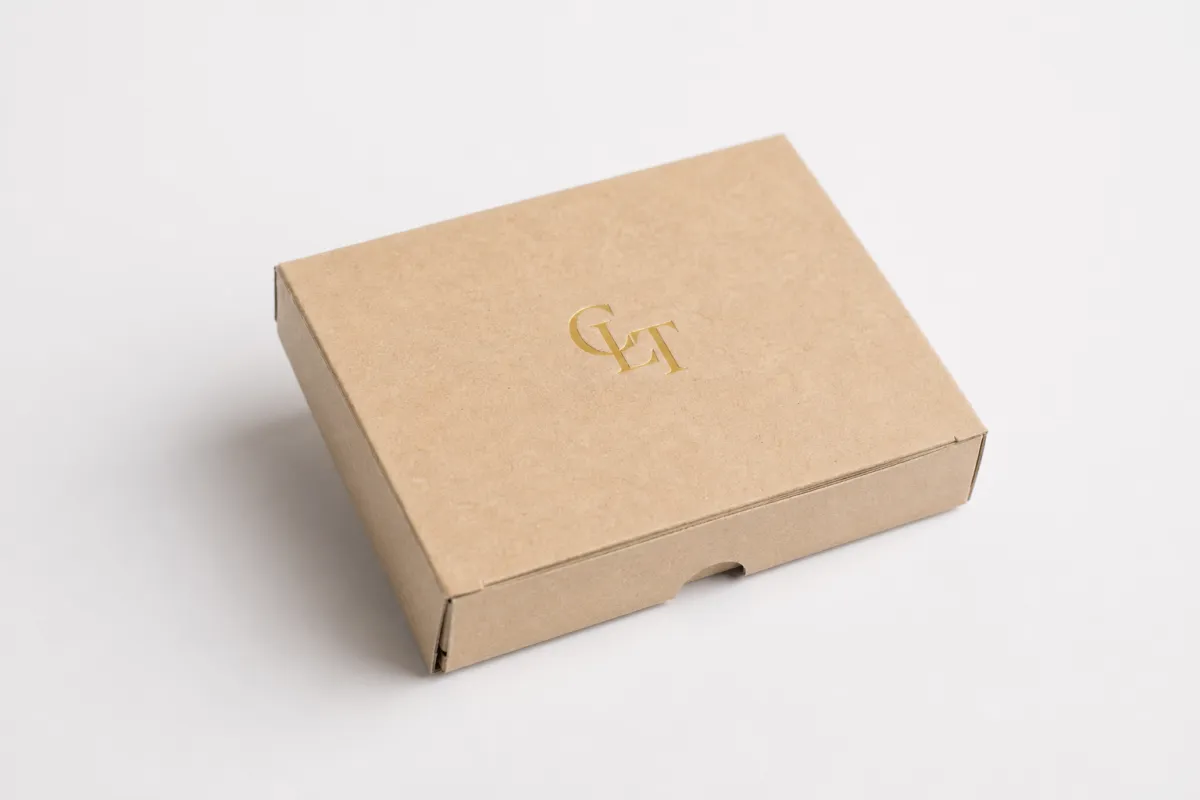
A small sticker can change how a parcel is interpreted before the tape is even cut. That is the real shipping value behind branded box stickers with logo: a plain corrugated box may look forgettable, but a clear mark on the top flap or front panel tells the customer the shipment was checked, considered, and branded with intent. It is a tiny signal, yet it changes the frame around the order.
Defined that way, the value becomes easier to measure. branded box stickers with logo are a low-cost, high-visibility packaging layer that adds identity, closing support, and a more finished unboxing moment. They are not the same as a decorative decal that only exists for photos, and they are not the same as a shipping label that exists for carrier handling. A good sticker can borrow from both roles, but the best result comes from knowing the difference.
Three common roles show up again and again. Decorative stickers create instant recognition. Seal stickers close carton flaps or the mailer seam and can act as a tamper cue. Functional labels carry SKU, lot, or handling information. Many brands use branded box stickers with logo as the bridge between those categories, especially in e-commerce and subscription shipments where the outer carton needs to look branded without moving to a custom printed box for every SKU.
That bridge matters in the pack room. A warehouse wants speed, clean inventory, and predictable steps. A brand wants repeat recognition, more social sharing, and a sense that the order was handled with care. branded box stickers with logo can satisfy both sides because they let the box stay standard while the final visible surface still carries identity. It is one reason many teams keep stock cartons and switch to seasonal or campaign-specific stickers as needed.
"If the outer carton looks careless, the customer assumes the rest of the process was careless too."
The larger point is not visual polish alone. branded box stickers with logo affect labor, protection, perception, and repeat purchase behavior. In direct-to-consumer shipping, the customer often sees the package long before the product. That first visual impression can anchor the rest of the experience, which is why serious packaging buyers treat stickers as part of the shipping system, not just the marketing layer.
For brands that need lighter-weight branding or flexible SKU management, Custom Labels & Tags often fit the same conversation. The practical question is not whether a box can look fancy. It is how to put the company name on the shipment without slowing the line or locking the team into a custom carton plan. branded box stickers with logo often answer that question better than most alternatives.
How branded box stickers with logo work in the packing line
The production path is usually straightforward, but the details still matter. A typical run of branded box stickers with logo starts with artwork approval, moves through material selection and adhesive choice, then goes into print method, cutting, packing, and application. If the artwork is already sized to the carton panel and the color target is realistic, the process can move quickly. If the design has too many tiny elements or a finish that needs extra curing, lead time stretches.
Placement is where most teams either win or overthink the job. You can place branded box stickers with logo on the top flap, front face, side panel, inside lid, tissue, insert card, or across the closure seam. Each location changes the work the sticker does. A top-flap seal gives closure support and tamper signaling. A front-panel logo mark gives maximum visibility during delivery and on the doorstep. An internal sticker is weaker as a shipping cue, yet it can elevate the unboxing sequence once the box is opened.
From a logistics angle, one sticker can do triple duty. It can serve as a closure aid, a brand marker, and a tamper-evident cue without changing the base carton spec. That matters because changing cartons has supply-chain consequences that many teams only see after they commit. By contrast, branded box stickers with logo can be added to standard inventory on a per-order basis, which gives more room to move across product lines and seasonal bursts.
Application method also shapes performance. Hand application is common for lower volumes and mixed-SKU packing. Dispenser-assisted application saves time and improves consistency when the same sticker is used repeatedly at one station. Automated application exists, but most small and mid-sized brands do not need to go that far unless daily parcel counts are very high. The tradeoff is simple: manual placement costs more labor per unit, while dispenser-assisted placement usually reduces variance and waste.
The part many teams miss is that the best branded box stickers with logo are designed not just for print quality, but for pack-line behavior. A sticker that peels cleanly from the liner, lands flat, and resists edge lift is worth more than a prettier design that slows the operator. If a sticker adds two seconds per box across 1,500 orders, that is 50 minutes of labor before breaks, corrections, and rework start to stack up. That is not a theoretical issue; it is the sort of thing that quietly changes a labor budget by the end of the month.
Common formats include round seals, square logo marks, perforated closure stickers, and removable promo decals. Round seals are easy to handle and are often used for mailers or tissue closures. Square and rectangular logos give more room for a tagline or web address. Perforated versions help with opening behavior. Removable decals work better for short-term campaigns or reusable tote-style packaging, not for a seal that must stay put through transit. If your team is planning a mixed application workflow, start with one format first instead of building an entire sticker family on day one.
Branded box stickers with logo: cost, pricing, and MOQ
Pricing is where the conversation becomes real. branded box stickers with logo can be inexpensive at scale, but the unit economics depend on material stock, adhesive, print method, size, finish, quantity, and whether the job is sheeted, rolled, or individually cut. A plain one-color round seal on a common stock is a different project from a full-color die-cut label on specialty paper with a matte laminate. The market usually rewards simplicity, and that is true even when a design team wants to do something a little flashier.
MOQ matters because setup costs have to land somewhere. A 500-piece run often carries a much higher unit price than a 10,000-piece run because artwork prep, proofing, press setup, and die cutting are spread across fewer labels. For many buyers, that is the first surprise. They expect branded box stickers with logo to be cheap because the material use is tiny, yet the real cost sits in getting the job prepared and produced correctly.
As a working benchmark, simple sticker runs for basic shipper use might fall around $0.03-$0.12 per piece at larger quantities, while smaller custom runs can be closer to $0.15-$0.40 per piece depending on size and finish. Those ranges are not universal, and they move with coverage, shape, region, and supplier capacity, but they are useful for planning. A small order with a custom die-cut and premium finish can easily cost more per label than a larger batch of standard seals.
Compared with other branding methods, branded box stickers with logo often land in the most practical middle ground. Printed cartons require higher minimums and more storage. Custom tape gives quick visual impact, yet it is less flexible if you need multiple box sizes or seasonal variations. Wrap bands can look sharp, but they add a separate handling step and usually do not close the carton on their own. Stickers tend to win when the box inventory needs to stay standard and the branding needs to stay flexible.
| Option | Typical setup | Rough unit cost | Best use | Main tradeoff |
|---|---|---|---|---|
| Branded box stickers with logo | Sticker stock, print, cut, and pack | $0.03-$0.40 | Flexible branding, seals, mixed carton sizes | Not as integrated as a printed box |
| Printed cartons | Custom box run with branded print | $0.40-$1.50+ | Stable volume and consistent packaging | Higher MOQ and storage burden |
| Custom tape | Printed adhesive tape on rolls | $0.05-$0.20 | Fast seal branding on many carton sizes | Less premium than a placed seal sticker |
| Wrap bands | Printed paper or card belly bands | $0.08-$0.30 | Gift sets, retail packs, presentation boxes | Extra handling step in the pack line |
Hidden costs are where sloppy estimates fall apart. Setup charges, proofs, die cutting, rush fees, and shipping for the stickers themselves can matter more on small orders than many buyers expect. If you are comparing quotes for branded box stickers with logo, ask whether the price includes white ink, lamination, rewinding, or individual packing. A quote can look low until the add-ons appear, and then the budget suddenly feels a lot less friendly.
The real return is not just in sticker spend. It is in the packaging issues you avoid. Fewer complaints about weak presentation. Fewer boxes sent out with a blank face that feels unfinished. A better match between what the customer paid and what the package suggests. That perception gap is hard to measure, but it shows up in repeat recognition and fewer "this looked cheap" comments in support tickets. For buyers making a packaging business case, that is the part worth tracking.
"A low sticker price is not the same as a low packaging cost."
On higher-volume programs, branded box stickers with logo can produce a better total cost profile than upgrading every carton, especially if only one or two panel faces need branding. That is why many teams start with stickers, learn the application behavior, then decide later whether printed cartons justify the added inventory complexity. The sticker route keeps the door open, which is often exactly what a growing operation needs.
Process, timeline, and lead time for branded box stickers with logo
The production timeline usually starts with the brief and ends with a delivery appointment that fits the pack schedule. For branded box stickers with logo, the steps are usually: define size and use case, approve artwork, select stock and adhesive, produce a digital or press proof, print, finish, package, and ship. If the spec is clear and the artwork is clean, that path is manageable. If any one of those steps changes late, the timeline can slip faster than people expect.
Typical lead time variables are easy to name and easy to underestimate. Artwork complexity, stock availability, print method, special finishes, and order size all matter. Simple runs of branded box stickers with logo can often move in 5-8 business days after proof approval, while more custom jobs may land in the 10-15 business day range. Add a specialty adhesive, unusual shape, or tight color match, and the calendar grows again. Rush work is possible in some cases, though it usually costs more and leaves less room for error.
Where delays happen most often is not the press. It is the approval chain. Font substitutions, low-resolution logos, color disagreements, and last-minute dimension changes can all push back production. That becomes especially true when several people approve the artwork and nobody owns the final sign-off. If branded box stickers with logo are tied to a product launch or holiday shipping spike, build in time for one revision round before production starts.
For multi-site operations, planning matters even more. If one warehouse receives cartons first and another receives stickers later, the line may stall or the team may improvise with old stock. A better approach is to align cartons, tape, inserts, and branded box stickers with logo so everything lands within the same receiving window. That reduces partial launches and keeps the brand presentation consistent across locations.
Here is a simple framework that helps:
- Lock the carton size first, then size the sticker to the actual panel.
- Get a physical proof on the real carton stock, not just on white paper.
- Allow at least one review cycle for artwork, especially if the logo uses small type.
- Order replenishment before inventory drops below 30 percent of expected usage.
- Build extra buffer for holiday volume, campaign launches, and distributor handoffs.
If you are shipping under warehouse process standards or testing a new pack method, it helps to think like a quality-control team. That means checking consistency across cartons, not just approving one beautiful sample. For broader packaging references, the ISTA testing framework is useful when you want to think beyond the label and into transit behavior. And for paper sourcing, FSC certification remains a practical reference point if you want to support responsible fiber claims.
In practice, branded box stickers with logo should be ordered like any other critical consumable. The mistake is treating them like an accessory. If the sticker is part of the close-out process or the visible brand finish, it needs the same lead-time discipline as cartons and void fill.
How to choose the right sticker spec for shipping
Start with the adhesive, because that is what decides whether the sticker actually behaves in transit. Permanent adhesive is the default for secure carton seals and most shipping uses. Removable adhesive fits short-lived promotions, inserts, or outer wraps that need to come off cleanly. For cold storage, high humidity, or rough transit, a high-tack or freezer-grade option may be smarter. branded box stickers with logo only perform well if the adhesive matches the surface and the environment.
Material choice changes both the feel and the durability. Paper stocks are common, cost-effective, and easy to print on. BOPP works well when you need moisture resistance and scuff protection. Vinyl is tougher and more flexible, though it is usually more than many shipping programs need. Textured stocks can look premium, but they are not always the best choice for speed or legibility. For most branded box stickers with logo applications, the right material is the one that survives handling without fighting the pack line.
Finish matters more than many buyers expect. Matte helps reduce glare, improves readability, and often feels quieter and more premium on kraft cartons. Gloss can sharpen color and increase visual pop, though it can show scuffs more quickly. Soft-touch adds a tactile cue, but it is not always practical for rough parcel handling. If the outer shipper is likely to get scraped by conveyor belts or stacked under heavier parcels, a finish with better abrasion resistance is usually the safer pick.
Size and shape should be decided with the carton in hand, not in a design file. A logo that looks balanced on a screen can feel cramped once it is placed beside a tape seam or box fold. For branded box stickers with logo, keep enough negative space so the artwork stays legible from arm's length. Round seals often work well at 2 to 3 inches. Larger front-panel marks might sit around 3 to 5 inches depending on the carton face. The exact number depends on the box dimensions and how much of the surface is already occupied by shipping marks.
Color contrast is the easiest way to protect legibility. Black on kraft, white on dark print, or high-contrast brand colors usually outperform fancy combinations that vanish under warehouse lighting. If the logo is small, thin, or detailed, test it on the actual carton stock before ordering in volume. A low-contrast design can look polished on a monitor and nearly disappear on corrugated board. That is a classic branded box stickers with logo mistake, and it is avoidable with one physical sample.
Transit conditions can be rough in small, ordinary ways. Temperature swings, dust, humidity, and parcel handling all work against weak adhesives and thin stocks. For brands that ship through multiple carriers or cross-country routes, I would rather see a slightly simpler label that stays put than an elaborate one that lifts at the edge after the first sorting facility. branded box stickers with logo should be designed for the actual trip, not the mockup table.
Common mistakes with branded box stickers with logo
The most common mistake is designing for a screen instead of a carton. Tiny type, low contrast, crowded artwork, and delicate lines may look fine in a proof, then fall apart once printed on textured board. With branded box stickers with logo, the substrate matters. Corrugated kraft absorbs color differently than coated paper, and that shift can flatten details you thought were safe.
Adhesive mismatch is next. If a sticker curls, peels, or leaves residue, the brand impression drops fast and the seal may fail during shipping. That risk climbs on recycled cartons with more surface texture or on boxes that pick up dust in storage. A pack team can usually spot a bad run within a few cartons, but by then the cost is already moving through the line. branded box stickers with logo need to be tested on the exact box stock you use, not a generic sample.
Another error is overcomplicating the design. More colors, more finishes, and more die-cut complexity all raise cost and slow production without necessarily improving recognition. A sharp logo with one strong callout often works better than a crowded label trying to explain the entire brand story. If your design needs three paragraphs to feel complete, it may be too much for a shipping sticker.
Inventory planning trips people up too. A campaign might launch with enthusiasm, then the sticker count runs short while cartons and inserts are still available. Or the business orders one roll for one station and forgets that a second pack table needs its own supply. On a 1,000-order week, that oversight can create rework and a lot of walking back and forth across the line. Branded box stickers with logo should be ordered with a replenishment plan, not a hope.
The logistics-specific mistake is choosing a format that slows the pack line. If an operator has to peel tiny labels one by one from a sheet, or align an oversized decal with extra caution, the sticker may become the bottleneck. A better design is one that looks good and is easy to place quickly. That is where format choice matters as much as art. Sometimes a simpler round seal is a better operational answer than a more elaborate panel graphic.
Finally, many brands forget to compare the sticker against other branding layers already on the box. If the carton already has bold print, then a second loud mark may fight for attention rather than strengthen it. A clean, quiet seal can do more work than another busy graphic. This is one of the reasons branded box stickers with logo should be evaluated in context, not in isolation.
Expert tips and next steps for better packaging results
Test two or three sizes on real cartons before you lock the spec. That simple step saves a lot of guesswork. Mockups on a monitor can mislead you about scale, edge distance, and how much of the sticker is visible after the box is taped or folded. With branded box stickers with logo, real-world visibility usually beats digital confidence.
Benchmark usage by pack station. If one operator applies stickers in 2 seconds and another needs 5, you have a training or format problem, not just a labor problem. Measure waste, too. A small percentage of liner waste or misapplied labels becomes visible fast on a busy shipping day. branded box stickers with logo should improve throughput or at least stay neutral, not quietly slow the line.
Ask for samples on the actual carton stock you use. Not a similar carton. Not a smooth demo board. The exact stock. That is the only way to catch contrast issues, adhesive behavior, and edge lift before a large run is locked in. If you are comparing suppliers, request the same artwork on each sample so the comparison is based on the spec, not the mockup quality.
Plan replenishment around sales velocity rather than instinct. If you ship 800 units a week and the sticker order covers 10 weeks, set the reorder point before week 8. That gives time for proofs and shipping without risking a gap. Branded box stickers with logo are one of those items that feel minor until they run out during a peak sales window.
For a simple decision path, use this sequence:
- Define the use case: seal, brand mark, promo, or all three.
- Pick one carton size and one placement position to start.
- Choose adhesive based on your actual storage and transit conditions.
- Request samples on the real carton stock.
- Compare quotes with setup, shipping, and finishing included.
- Approve the final spec only after a live packing test.
If you want a stronger internal reference point, review similar packaging launches in the Case Studies library and compare the sticker choice to the carton choice. You will usually see the same pattern: the most successful packaging plans are not the most elaborate. They are the ones that match the order volume, the line speed, and the customer expectation without extra friction. That is exactly where branded box stickers with logo earn their keep.
For brands that are just starting, I would keep the spec plain, the contrast high, and the application easy. Then scale from there. You can always add a soft-touch finish, a special shape, or a seasonal version later. The first win is getting branded box stickers with logo to do the basic job well: close cleanly, look intentional, and make the shipment feel like it came from a company that pays attention. If you are unsure where to begin, start with one carton, one sticker size, and one live packing test; that usually tells you more than a polished mockup ever will.
Are branded box stickers with logo better than printed boxes for small shipments?
Often yes for smaller runs, because branded box stickers with logo cost less upfront and do not force you into a full custom carton inventory. They also let you keep one standard box size while still branding every shipment. Printed boxes usually make more sense once order volume is stable and the same format ships repeatedly.
What size should branded box stickers with logo be for shipping boxes?
Use a size that stays readable from arm's length and fits the panel without crowding seams or tape lines. Small seal stickers usually work best for closure points, while larger logo stickers fit better on the front face of the carton. Always test the sticker on the exact box size and surface before ordering branded box stickers with logo in volume.
How long is the lead time for branded box stickers with logo orders?
Lead time depends on proof approval, print method, quantity, and whether special finishes are needed. Simple sticker runs can move quickly, while custom shapes, specialty stocks, or rush reorders add time. Build in buffer for artwork revisions and freight so your cartons and branded box stickers with logo arrive together.
What affects the cost of branded box stickers with logo the most?
Quantity, material, adhesive, and finishing choices usually have the biggest effect on unit cost. Die-cut shapes, multiple colors, and special coatings can raise pricing quickly. Setup fees and shipping can also matter more on small orders than many buyers expect, so compare quotes carefully before you approve branded box stickers with logo.
Can branded box stickers with logo be used as tamper-evident seals?
Yes, if the adhesive is strong enough and the placement bridges carton flaps or closure points. They are useful for showing a clear sign of opening without changing the box construction. For sensitive products, test whether the seal resists lifting and leaves a visible break when removed. That makes branded box stickers with logo more than decoration; they become part of the closure system.

