Buyer Fit Snapshot
| Best fit | Branded Carrier Bags Wholesale projects where brand print, material claims, artwork control, MOQ, and repeat-order consistency need to be specified before quoting. |
|---|---|
| Quote inputs | Share finished size, material target, print colors, finish, packing count, annual reorder estimate, ship-to region, and any compliance wording. |
| Proofing check | Approve dieline scale, logo placement, barcode or warning zones, color tolerance, closure strength, and carton packing before bulk production. |
| Main risk | Vague material claims, crowded artwork, missing packing details, or unclear freight terms can make a low unit price expensive after revisions. |
Fast answer: Branded Carrier Bags Wholesale: Specs, Pricing, MOQ should be specified like a repeatable production item. The safest quote records material, print method, finish, artwork proof, packing count, and reorder notes in one written spec.
Production checks before approval
Compare the actual filled-product size with the drawing, then confirm tolerance on folds, seals, hang holes, label areas, and retail display edges. Reserve space for logos, QR codes, warning copy, and material claims before decorative graphics fill the panel.
Quote comparison points
Review material grade, print process, finish, sampling route, tooling charges, carton quantity, and freight assumptions side by side. A quote is only useful when the supplier can repeat the same color, closure quality, and packing count on the next order.
A well-made bag keeps working after the sale, and that is the quiet advantage of branded carrier bags wholesale: a practical piece of packaging can leave the store, move through a shopping street, sit on a desk, and earn repeated brand impressions before it is finally discarded. In retail, gifting, exhibitions, and hospitality, that steady visibility often carries more weight than the bag cost itself, especially when the construction feels solid in the hand and the print looks deliberate rather than rushed.
From a packaging buyer’s point of view, the real question is not whether carrier bags can be printed. It is whether branded carrier bags wholesale gives you the right mix of appearance, carry comfort, durability, and unit price for the way the bags will actually be used. A paper bag for a boutique needs a different structure from a reusable non-woven bag for an event, and a premium laminated bag should not be specified like a plain takeaway carrier. This piece walks through materials, finishes, specs, Pricing, Lead Times, and the practical steps that keep an order moving cleanly from artwork to dispatch.
Branded carrier bags wholesale: where the value shows up fastest
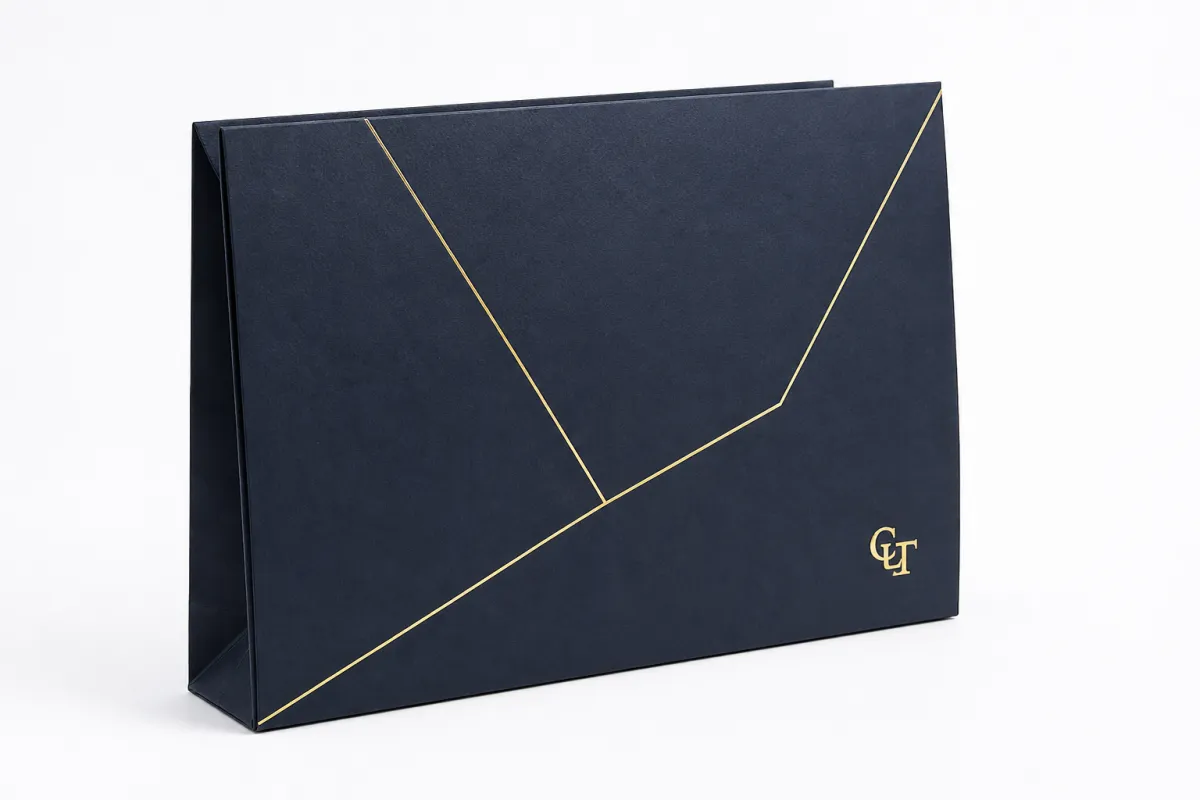
Most buyers feel the difference immediately after the handoff. A carrier bag is not only a container for the item inside; it is part of the purchase experience, part of the brand memory, and often the only visible piece of packaging that a customer carries into public view. That is why branded carrier bags wholesale often outperforms smaller, one-off runs when consistency, unit cost, and retail presentation all matter at the same time. A dependable bag size, the same print position on every run, and a handle that does not dig into the hand all help the brand look settled and credible.
Many buyers focus too heavily on artwork and not enough on handling. A sharp logo helps, but so does a bag that stands up straight on the counter, keeps its base board flat, and does not collapse the moment a folded shirt or boxed item goes in. In practice, branded carrier bags wholesale can do more than carry a product. It can support shelf appeal, help the store feel organised, and send a subtle signal that the retailer pays attention to detail. That signal matters in fashion, gifting, cosmetics, homewares, and event merchandising, where the packaging is part of the perceived value.
There is a simple cost argument as well. Once a bag style is agreed, repeat orders usually become easier to price and faster to release. That matters for businesses with steady footfall, seasonal peaks, or multiple locations that need the same presentation across sites. A clean, reusable spec file can save time on every reorder, and that is one reason branded carrier bags wholesale is often better than piecing together small local print jobs. The more consistent the spec, the easier it is to control colour, handle strength, and delivery timing.
The best bag is not always the most expensive one. A modest kraft paper bag with the right board weight and a neat one- or two-colour print can look more professional than a flashy bag with the wrong finish. Branded carrier bags wholesale should be matched to the use case, not guessed from a catalog image. If the bags will be handed over for light retail purchases, a lower-cost paper build may be the right fit. If they need to survive multiple carries, a laminated paper or reusable woven format may pay for itself through longer service life.
From experience, the bag that gets approved fastest is usually the one that solves a real handling problem, not the one that tries to do everything. I have seen a lot of orders go sideways because someone picked a glossy style that looked great on screen but felt awkward when packed with folded stock or a boxed candle set. That part is kinda unglamorous, but it matters a lot once the bags are in circulation.
A bag that feels sturdy, opens cleanly, and keeps its shape in the customer’s hand can make the whole purchase look better, even before anyone notices the logo.
That is the lens to use while reading the rest of this article. The aim is not to push you toward the most elaborate option. The aim is to help you choose branded carrier bags wholesale that matches the real workload: how heavy the contents are, how often the bag will be reused, how premium the brand needs to feel, and how much room there is in the budget.
Branded carrier bags wholesale product details: materials and finishes
The material choice drives nearly everything else. For branded carrier bags wholesale, the main options usually sit in a few families: paper, kraft paper, laminated paper, recycled stocks, reusable woven or non-woven formats, and specialty finishes where the brand needs a more polished presentation. Each one behaves differently on the press, in the hand, and on the retail counter.
Kraft paper is the workhorse for many retail orders. It is usually chosen for a natural, honest look, and it accepts simple print well. Twisted paper handles are common, and they keep costs sensible while still feeling stable. If the goal is to project a practical, environmentally considered image without overspending, kraft is often the first place to look in branded carrier bags wholesale. A heavier kraft stock with a reinforced base can carry a surprising amount, though the exact load depends on construction, handle attachment, and how the contents are packed.
Laminated paper is the more polished route. Gloss lamination gives a brighter, more reflective surface, while matte lamination feels quieter and more restrained. Soft-touch coating is sometimes chosen for higher-end retail because it adds a velvety finish that feels deliberate in the hand. These finishes are common in premium branded carrier bags wholesale because they improve scuff resistance and help the bag hold up visually during use. They also support more vivid colour reproduction, which matters if the artwork uses photographs, gradients, or fine tonal detail.
Recycled paper and recycled-content boards suit buyers who want a more visible sustainability story without changing the basic bag format too much. The appearance can be slightly more textured or less bright than virgin stock, but that is often part of the appeal. For companies that need a clear paper trail, FSC-certified options are worth requesting. The certification system is explained well on the FSC site, and it is a useful reference point when sourcing paper-based branded carrier bags wholesale.
For reusable options, non-woven and woven bags are common. Non-woven material is light, economical, and easy to print on with straightforward graphics. Woven or stitched formats usually cost more but can handle repeated use better. They suit trade shows, exhibitions, grocery promotions, and loyalty campaigns where the bag is expected to keep circulating. In that setting, branded carrier bags wholesale becomes less about a single transaction and more about long-tail visibility.
Handles, structure, and print methods
Handle choice changes the whole feel of the bag. Twisted paper handles are efficient and familiar. Flat tape handles are economical and often used for high-volume paper runs. Rope handles give a more premium touch and feel better on heavier bags because the pressure is spread across the hand. Die-cut handles work well for slim presentation bags and garment carriers, though they need a structure that supports the cut-out area properly. In branded carrier bags wholesale, handle comfort is not a minor detail; it is one of the first things customers notice when the bag is actually in use.
Construction matters just as much. Gussets add depth. A base board keeps the bag stable. Reinforced tops and handle patches reduce the chance of tearing where the load concentrates. A well-specified bag should also consider how it will fold, whether it needs a square bottom, and whether the print needs to avoid seams or creases. These details are easy to overlook until the first sample arrives, which is why experienced buyers check the structure before signing off on branded carrier bags wholesale.
Print method depends on material and artwork. Flexographic printing suits simpler artwork and larger runs, especially on paper and some non-wovens. Offset printing is better for sharp detail and richer image work on suitable paper stocks. Digital printing is useful for shorter runs or fast-turn samples because there are fewer setup steps. Screen printing can produce a thicker ink deposit and is often used on tote-style reusable bags. A good supplier will match the method to the substrate rather than forcing one process onto every branded carrier bags wholesale order.
Finishes should support the design, not fight it. Matte or gloss lamination can change the mood of the bag instantly. Spot colour matching helps keep brand hues under control. Varnish can give mild protection and a tidy sheen. Embossing or debossing adds texture where a logo needs depth without a loud colour treatment. Those extras are not mandatory, and they are not right for every job, but they can help a premium branded carrier bags wholesale order feel more intentional.
Specifications that matter before you order
Good buying starts with a clear spec sheet. For branded carrier bags wholesale, the core details are dimensions, material weight or thickness, handle type, print area, colour count, and any structural reinforcement. If those are fuzzy, the quote will be fuzzy too, and the proof stage is where the gaps usually show up. A buyer can avoid a lot of back-and-forth by giving a supplier the bag footprint, the approximate product load, the visual style, and the deadline from the start.
Bag size should be chosen from the product first. Measure the widest, deepest, and tallest item or bundle that will go into the bag, then add sensible clearance for ease of packing. A shirt box does not need the same internal space as a gift set with a rigid insert. Leave room for fingers, tissue, or any in-store packing method. If the bag is going to hold several items, think about the combined weight rather than the largest single product. This is where many branded carrier bags wholesale orders go wrong: the bag looks fine on paper but feels cramped, or worse, too loose and floppy in the hand.
A practical size example helps. A boutique might use a mid-size paper bag around 250 x 100 x 350 mm for folded apparel, while a gift shop might need a wider footprint for boxed items or candle sets. For larger retail purchases, 300 x 120 x 400 mm or similar may make more sense. The exact dimensions will depend on what is being carried, but the logic stays the same: product first, bag second. That discipline is one of the simplest ways to keep branded carrier bags wholesale looking sharp and functioning properly.
Artwork prep deserves proper attention. Ask for the supplier’s dieline and work on that file, not on a generic mock-up. Keep text inside the safe area, allow bleed where images run to the edge, and send logos in vector format when possible. Pantone references help when brand colours need to stay consistent across repeat orders, while CMYK is fine for many printed graphics if the colour tolerance is acceptable. If a design uses small type or fine lines, check the minimum line weight before approving the proof. A clean layout is one of the fastest ways to avoid delays in branded carrier bags wholesale.
Think about the load, not just the look. If the bag will carry books, boxed goods, bottles, or gift bundles, ask what the realistic weight limit is for that specific structure. A paper bag with twisted handles and a reinforced base can often manage light to moderate retail loads, while a stitched reusable bag may be better for heavier or repeated use. For transit-sensitive orders, ask whether the packed cartons have been prepared with distribution in mind. Guidance from ISTA is useful if you want to understand how packaged goods should stand up to handling, vibration, and drop testing in the supply chain. That matters more than many buyers expect in branded carrier bags wholesale because the bag is only useful if it reaches the customer in good condition.
Sampling is worth requesting whenever the bag needs to look premium, carry a specific weight, or match a strict brand colour. A digital proof can confirm layout, but a physical sample or pre-production proof gives you a better sense of scale, stiffness, handle comfort, and finish. For branded carrier bags wholesale, that one extra step often saves far more than it costs because it catches structural or presentation issues before the full run begins.
One practical habit helps a lot here: put the product inside the sample bag, not just next to it. A flat mock-up can hide weak handle placement, awkward gusset depth, or a base that bows once weight is added. That sort of hands-on check is not fancy, but it is exactly the kind of experience-based check that keeps a wholesale bag order from becoming a headache later on.
Cost, pricing, and MOQ for branded carrier bags wholesale
Price is never just a number on a quote. In branded carrier bags wholesale, the unit cost is shaped by material choice, bag size, print complexity, colour count, finishing steps, packaging format, and total quantity. A plain kraft bag with a simple one-colour logo will sit in a different cost band from a laminated gift bag with rope handles, full-coverage print, and a spot finish. Buyers get the best results when they treat cost as a function of the spec, not as a standalone target.
MOQ, or minimum order quantity, usually reflects production efficiency rather than an arbitrary rule. Setup time, sheet yield, plate or tooling costs, and the way the bag is converted all influence where the minimum lands. A stock-size paper bag with a simple logo may have a lower MOQ than a custom-sized laminated format. In branded carrier bags wholesale, the MOQ often drops into a more efficient range once the print setup is spread across enough units. That is why larger runs usually show a better unit price, even if the total spend is higher.
Setup costs matter more on the first order than on repeat runs. Artwork preparation, plates, die cutting, and proofing can make the opening order feel heavier, but reorders are usually cleaner once the spec is locked in. Buyers should ask for a line-item quote so they can see the difference between the unit price, tooling, and delivery. That clarity is especially useful in branded carrier bags wholesale, where a low unit price can hide a more expensive setup if the quote is not broken down properly.
Here is a practical comparison for a typical mid-volume order. These ranges vary by quantity, artwork, and finish, but they are realistic enough to help frame the decision.
| Bag option | Typical use | Common spec | Typical MOQ | Indicative unit price |
|---|---|---|---|---|
| Twisted-handle kraft paper | Boutiques, takeaway retail, events | 120-200 gsm kraft, 1-2 colour print | 1,000-3,000 | $0.18-$0.32 |
| Laminated paper with rope handles | Premium retail, gifting, launch packs | 157 gsm art paper with matte or gloss lamination | 1,000-2,000 | $0.42-$0.85 |
| Recycled paper carrier | Eco-positioned retail, hospitality | Recycled stock, simple logo, reinforced base | 2,000-5,000 | $0.20-$0.38 |
| Non-woven reusable bag | Promotions, conferences, grocery campaigns | 80-120 gsm equivalent, stitched or heat-sealed | 500-2,000 | $0.35-$0.90 |
Those figures are best used as a buying frame, not a promise. A larger bag with more print coverage, special handles, or an unusual finish can sit outside those bands quickly. Freight, packing format, and destination also matter. If the shipment needs palletising, carton labelling, or split delivery, those services should be reviewed early in branded carrier bags wholesale so the total landed cost is understood before approval.
There are easy ways to control cost without weakening the bag. Keep the artwork simple. Use a standard size where possible. Avoid unnecessary finish steps. Match the bag format to the contents rather than choosing a premium look for a light-duty application. A buyer can often save more by removing one expensive feature than by pushing hard for a tiny discount on the unit price. In branded carrier bags wholesale, the smartest savings usually come from specification discipline, not bargain hunting.
If the budget is still unclear, ask for three quote scenarios: a basic version, a mid-range version, and a premium version. That approach makes the trade-offs obvious. You can see what changes when you move from kraft to laminated stock, from flat handles to rope handles, or from a one-colour logo to full coverage print. It is a far better way to buy branded carrier bags wholesale than forcing the supplier to guess your target.
One more useful point: compare the landed cost, not only the factory price. A slightly higher unit price can still win if the lead time is shorter, the packing is better, or the carton count is lower. Those practical differences are often where a buyer gets burned, so it pays to look at the order as a complete package instead of chasing the cheapest line on the quote.
Process and timeline: from artwork to production steps
A clean production process saves time and reduces surprises. The usual path for branded carrier bags wholesale starts with enquiry, then moves through specification review, artwork check, proof approval, material preparation, printing, converting or assembly, quality control, and dispatch. If any of those stages are unclear, the risk of delay goes up. A buyer who knows what happens at each step can plan approvals more confidently and keep the project on schedule.
The proof stage is where most of the important decisions get locked. This is where artwork position, colour expectations, and final dimensions are reviewed before production starts. A good proof should show the bag size, logo placement, handle type, and any special finish notes. If a bag has a seam, gusset, or fold line that affects the design, the proof should make that obvious. In branded carrier bags wholesale, proof approval is not a formality; it is the point where the order becomes real.
Lead time depends on the shape of the job. A straightforward paper run with approved artwork and standard materials may often move through production in about 10-15 business days after proof approval. More complex branded carrier bags wholesale orders, especially those with special handles, laminated surfaces, multiple print passes, or custom converting, can stretch to 15-25 business days or more. If a buyer needs a fixed delivery date, that date should be shared upfront, not near the end of the order cycle.
Working days are the right way to talk about timing. That avoids confusion around weekends and holidays. It also keeps the conversation realistic when a shipment needs to be packed, palletised, and booked for freight. If the order is tied to an event, store opening, or campaign launch, build in a cushion for artwork revisions and transit. That is simple project control, but it is often overlooked in branded carrier bags wholesale until the schedule becomes tight.
What usually slows an order down
- Artwork supplied without a dieline, bleed, or clear colour references
- Spec changes after the proof has already been approved
- Unusual size requests that need new tooling or extended checking
- Additional finish steps added late in the process
- Delivery instructions that are not confirmed until the packing stage
Those delays are avoidable. If the buyer provides a final logo file, a target quantity, the intended bag contents, and the delivery deadline at the start, the whole process becomes easier to manage. In branded carrier bags wholesale, the difference between a smooth order and a stressful one is usually not luck. It is preparation.
For buyers who want to review the practical side of specification handling and repeat ordering, our Case Studies page is a useful place to see how different packaging requirements are approached, and the Wholesale Programs page outlines how larger and repeat orders are managed. Those pages are helpful because they show the kind of process control that keeps branded carrier bags wholesale consistent over time.
One more shipping point deserves attention. If the bags will travel far, or if cartons will be stacked and handled several times before they reach the store, ask how the packed product will be protected. The bag itself may be well made, but weak carton packing can still lead to crushed corners or scuffed finishes. Practical transit checks, informed by ISTA guidance, can help reduce that risk. That matters for branded carrier bags wholesale because presentation is part of the purchase experience, and the packaging should arrive looking like it was treated with care.
From the production side, I always tell buyers to leave a little breathing room in the schedule if the launch date matters. Even a tidy order can pick up a small delay if colour matching needs a second look or if the final carton plan changes after proof sign-off. A calm timeline is not wasteful; it is just smart purchasing.
Why choose us for branded carrier bags wholesale
Buyers usually want two things at the same time: a bag that looks right and a supplier who makes the process less painful. That is the lane we stay in. The focus is on practical packaging detail, not hype. For branded carrier bags wholesale, that means matching structure to use, keeping print registration tight, and making sure repeat orders are easier than the first one. If a bag needs a stronger base board, a cleaner handle attachment, or a different finish to better support the brand, those recommendations should be made early.
Strong supplier support also helps keep spending under control. Not every job needs a premium finish, and not every brand needs the thickest stock available. Sometimes the best answer is a sensible kraft build with a neat print, because that gives the customer a good experience without pushing the price beyond what the order really needs. That is one reason buyers come back to branded carrier bags wholesale: the spec is chosen for the use, not padded with features that only look good on a quote.
Quality control should be easy to trust. A useful QC process checks material consistency, print alignment, handle security, cut quality, and shipment condition before the bags leave production. If a carton is short, if colour drift appears, or if a handle attachment looks weak, those issues should be caught before dispatch. That is especially important in branded carrier bags wholesale because a bag is often handed directly to a customer in front of staff and other shoppers. The product has no place to hide.
The best supplier relationship also reduces friction on reorders. Once the dimensions, dieline, print specification, and finish notes are saved properly, the next order should be simpler to place. That means clearer communication, less repeated checking, and a quicker route from quote to approval. For businesses that reorder seasonally or across multiple sites, that is a real operational advantage in branded carrier bags wholesale.
Sustainability should be handled carefully and honestly. Verified material options, recyclable paper stocks, and FSC-certified boards are all worth discussing when they suit the project. What should be avoided is vague environmental language with no proof behind it. Buyers are better served by clear material data and finish choices than by broad claims. If a branded carrier bags wholesale order needs a sustainability angle, it should be built on verified specs, not marketing noise.
That honesty extends to fit as well. A bag can be visually attractive and still be the wrong answer if it overpromises on strength or does not suit the product. The best long-term results usually come from plain advice, a decent sample, and a clear explanation of what the bag can and cannot do.
Next steps for ordering branded carrier bags wholesale
The fastest way to get an accurate quote is to send a complete brief. For branded carrier bags wholesale, gather the bag dimensions, target quantity, logo files, preferred material, handle type, finish preference, and delivery deadline before you ask for pricing. If the bag will carry a specific product, include the item dimensions or a sample image so the internal size can be matched properly. That one step usually saves a round of revisions later.
It also helps to compare at least two spec options. A basic version, a mid-range version, and a premium version will show you how much the finish, handle, and material choices change the total. That makes the buying decision more practical. Instead of guessing whether a rope handle or a laminated surface is worth it, you can see the cost impact directly on a branded carrier bags wholesale quote and choose with more confidence.
Ask for pricing that separates the pieces clearly: unit price, setup, print charges, packaging, and delivery. That structure makes it much easier to compare suppliers and understand where the money goes. If the order needs proofing, ask whether that is included or charged separately. If the bags need carton marking or palletising, get that confirmed in writing too. The more transparent the quote, the less room there is for confusion on a branded carrier bags wholesale order.
Before production begins, confirm the proof, the packaging format, and the lead time in writing. If the bags need to arrive by a specific date, say so clearly and build a little time around the deadline. A little discipline early on prevents a lot of pressure later. That is especially true for branded carrier bags wholesale tied to launches, events, seasonal retail, or hospitality openings, where the bags need to be ready when the customer flow starts.
If you are ready to move forward, send the bag size, artwork, preferred material, handle style, and target quantity, and ask for a quote that shows the spec clearly from the start. For branded carrier bags wholesale, the cleanest orders are the ones built on practical details, not assumptions, and that is usually the fastest route to a bag that looks right, carries well, and lands on time.
Put simply: measure the product first, choose the bag construction second, and only then fine-tune the finish. That order of operations keeps the run honest and saves you from paying for presentation features that do not add real value.
Frequently asked questions
What is the usual MOQ for branded carrier bags wholesale?
MOQ depends on size, material, print method, and whether the bag needs special finishing or reinforcement. Standard stock-style bags often have lower minimums, while custom sizes and multi-colour printing usually need larger runs. Ask for the MOQ together with the unit price so you can see the real cost difference between run sizes for branded carrier bags wholesale.
How do I get the best unit cost on branded carrier bags wholesale?
Use a standard size when possible, keep the artwork simple, and avoid unnecessary finishing steps that add setup time. Ordering a larger quantity usually lowers the unit cost because the setup expense is spread across more bags. Request a tiered quote so you can compare how much the price drops at different order levels for branded carrier bags wholesale.
How long does production take for branded carrier bags wholesale orders?
Lead time depends on artwork approval, print complexity, material availability, and whether the bags need custom converting or assembly. Simple runs can move faster, while premium finishes, special handles, or colour-critical work usually need more time. Confirm whether the quoted timeline includes proofing, production, packing, and outbound freight for branded carrier bags wholesale.
Can I see a sample before placing a branded carrier bags wholesale order?
Yes, and it is especially useful when the bag has a specific finish, weight requirement, or colour-sensitive brand look. A sample or proof helps confirm sizing, handle feel, print placement, and how the bag presents in the hand. Ask whether the sample is a pre-production proof, a material sample, or a finished sample, because each serves a different purpose in branded carrier bags wholesale.
What artwork files do you need for branded carrier bags wholesale printing?
Vector artwork is usually preferred, along with a clear dieline, bleed allowance, and any Pantone or colour references. Keep text outlined or embedded and make sure logos are supplied at a usable size so the print stays sharp. If you are unsure, send the logo and rough layout first so the production team can advise before final proofing for branded carrier bags wholesale.


