Buyer Fit Snapshot
| Best fit | Branded Carton Seals Bulk projects where brand print, material claims, artwork control, MOQ, and repeat-order consistency need to be specified before quoting. |
|---|---|
| Quote inputs | Share finished size, material target, print colors, finish, packing count, annual reorder estimate, ship-to region, and any compliance wording. |
| Proofing check | Approve dieline scale, logo placement, barcode or warning zones, color tolerance, closure strength, and carton packing before bulk production. |
| Main risk | Vague material claims, crowded artwork, missing packing details, or unclear freight terms can make a low unit price expensive after revisions. |
Fast answer: Branded Carton Seals Bulk: Specs, Pricing, Lead Times should be specified like a repeatable production item. The safest quote records material, print method, finish, artwork proof, packing count, and reorder notes in one written spec.
Production checks before approval
Compare the actual filled-product size with the drawing, then confirm tolerance on folds, seals, hang holes, label areas, and retail display edges. Reserve space for logos, QR codes, warning copy, and material claims before decorative graphics fill the panel.
Quote comparison points
Review material grade, print process, finish, sampling route, tooling charges, carton quantity, and freight assumptions side by side. A quote is only useful when the supplier can repeat the same color, closure quality, and packing count on the next order.
A carton can be built well, taped correctly, and stacked neatly, but branded carton seals bulk still have a way of deciding whether the shipment looks deliberate or thrown together once it starts moving through the dock, the sorter, and the receiving table. That small closure detail does two jobs at once: it gives the box a finished, branded face and it keeps that impression visible through multiple handoffs. I have seen plenty of packs that were structurally fine but felt unfinished because the closure detail was an afterthought.
Buyers who treat branded carton seals bulk as part of the packaging system, instead of a decorative extra, usually end up with better line performance and cleaner presentation. Bulk ordering lowers unit cost, keeps the look consistent across SKUs, and makes life easier on the pack line when several shifts or facilities are using the same carton format. If the goal is a repeatable seal for corrugated boxes, this is a practical place to start, not a fancy one.
Why branded carton seals bulk matter on the pack line
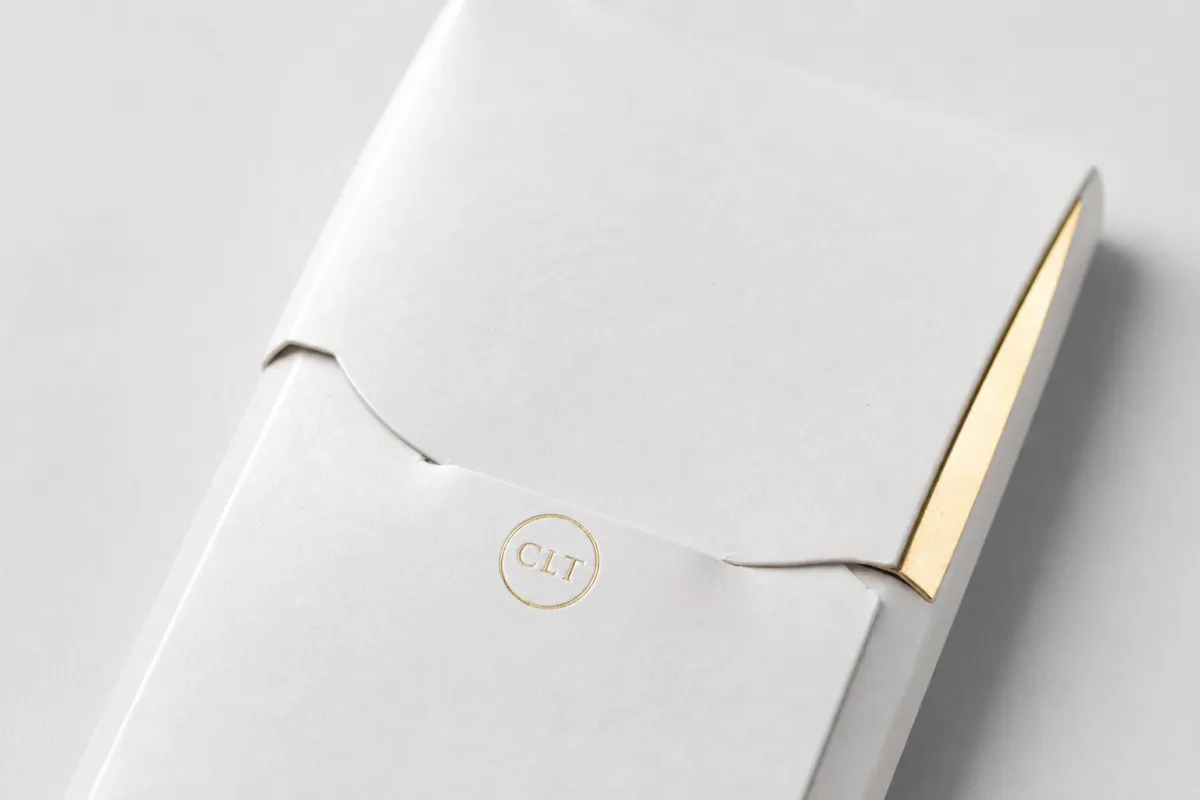
Walk into a busy fulfillment area and the pattern shows itself pretty quickly: the carton does the heavy lifting, but the closure detail is what people notice first. A strong box with a tidy flap closure tells a different story from a carton that looks patched, unmarked, or inconsistent from one shipment to the next. That is where branded carton seals bulk earn their keep. They add a visible brand marker right where the eye lands, and they help the carton read as complete before anyone opens it.
There is also a plain operational side that gets overlooked. On a mixed warehouse floor, in a retail backroom, or in a third-party logistics operation, carton identification matters. A well-placed seal can help teams spot the right carton faster, separate outbound programs, and tell a branded shipment from a plain transfer box without scanning every label. In that sense, branded carton seals bulk are both a branding tool and a handling aid.
For a packaging buyer, the real value is control, not novelty. When a pack line uses the same seal format across a family of cartons, the appearance stays consistent, the application step becomes familiar, and the team spends less time guessing which pack style belongs to which order stream. That matters on high-volume programs where even a few seconds per carton add up fast.
“If the seal does not survive the first carton touch points, the brand message never makes it past the dock.”
The first visual impression on direct-to-consumer shipments is often the outer carton, not the product inside. Subscription kits, spare parts boxes, promo packs, and wholesale cartons can all travel through several hands before they reach the end recipient. A seal that carries the logo cleanly across those handoffs makes the shipment look organized from the start. That is one reason branded carton seals bulk are usually evaluated as part of the full packing system rather than as a separate add-on.
Small components are easy to underestimate, and small does not mean insignificant. If the seal peels at the corners, loses print clarity, or clashes with the carton surface, the whole presentation suffers. If it lands cleanly, holds through handling, and keeps the brand visible, the same carton suddenly looks more intentional. That is the kind of difference that justifies branded carton seals bulk on an ongoing program.
For teams managing multiple SKUs or replenishment cycles, bulk ordering also simplifies procurement. Instead of placing a small run every time a campaign changes, the buyer can standardize one format, keep inventory on hand, and replenish before the pack line is forced into a rush order. That is especially useful for seasonal peaks, contract packaging, and wholesale programs where the same closure style needs to appear across large carton counts.
One thing I have learned from watching seals go from sample bench to actual line is that the best-looking concept is not always the best-performing one. A seal that photographs beautifully can still curl on recycled board or slow down hand application if the cut is too tight. So the real question is not whether the artwork is pretty. It is whether the seal stays useful after the first hundred cartons, because that is where the process tells the truth.
Branded carton seals bulk: product details and use cases
Carton seals are pressure-sensitive pieces designed to sit on the flap area of a corrugated box, where they can close, reinforce, identify, or simply brand the package in a way that is easy to apply at speed. In most programs, branded carton seals bulk are used right after the carton is filled and the flaps are brought together. The seal can be a front-panel marker, a top-flap closure, or a side placement that supports routing and internal handling. The exact position depends on the carton style and the purpose of the seal.
The use cases are wider than many buyers expect. Outbound ecommerce cartons need a presentation detail that survives parcel handling. Palletized wholesale boxes may need a clear branded mark for sortation or receiving. Internal transfer cartons often need a quick identifier so teams can tell one workflow from another. Seasonal campaigns may require a temporary graphic that distinguishes one shipment wave from the next. In each of those cases, branded carton seals bulk let the buyer use one component for several jobs.
The difference between decorative sealing and functional sealing matters. A decorative seal can make the carton look polished, but a functional seal has to hold up to warehouse friction, temperature swings, carton compression, and the normal wear that comes from stacking and transport. The best choice for branded carton seals bulk is not always the flashiest print. It is the construction that stays put on the actual box stock being used in shipping.
Common buyer goals usually include four things: stronger shelf presence, faster pack-line identification, tamper visibility, and a neater unboxing moment. None of those require changing the carton itself. That is one reason a simple seal can be such a smart move on a logistics program. The outer box stays the same, but the finished shipment looks more intentional because branded carton seals bulk are doing their job in a visible place.
Placement can be adjusted to fit the operation. Front-panel branding works well for customer-facing shipments where the seal is likely to be seen before opening. Top-flap placement is common where the primary goal is closure and tamper indication. Side placement can help with internal routing, bin sorting, or staged transfer cartons. For large fulfillment operations, the ability to standardize the seal while varying the placement is a practical advantage of branded carton seals bulk.
In practice, the best carton seal is the one that matches the pace of the line. A slower hand-applied program can handle a more detailed seal. A faster operation usually needs a format that goes on cleanly in one motion without curling, misalignment, or extra pressure. When buyers think through the carton journey from fill station to outbound truck, they usually make better decisions on branded carton seals bulk.
See our Case Studies for examples of packaging programs that had to balance branding, carton handling, and consistent application across multiple product lines.
Specifications for materials, sizes, and print methods
The first spec buyers should sort out is the face stock. Paper-based seal stock is common for general carton use because it prints well, accepts a wide range of adhesives, and gives a clean brand look on corrugated surfaces. Film-backed options, including BOPP, are useful when scuff resistance, moisture exposure, or a brighter surface finish matters more. For branded carton seals bulk, the right face stock usually depends on how rough the shipping route is and how much visual polish the brand wants on the outer carton.
Adhesive choice is just as important. A standard permanent acrylic adhesive works well on many corrugated boxes, but recycled corrugate can be more textured and inconsistent, so higher-tack constructions may be the better fit. Some programs also need a liner and adhesive combination that releases cleanly during application without lifting at the corners later. If the cartons travel through cold storage, warm docks, or mixed conditions, the adhesive should be tested on the actual carton stock before a full run of branded carton seals bulk is approved.
Size and shape should follow the carton geometry rather than the logo alone. Narrow seals are efficient when the flap area is limited. Wider seals give more room for branding and handling copy. Custom die-cuts can wrap around a flap edge or create a more distinctive shape, but that extra design work should be justified by the line speed and the presentation goal. For branded carton seals bulk, the goal is usually to get enough visibility without making the application step awkward.
Print method affects both cost and appearance. One-color logos are often the most efficient choice for long runs, especially when the mark needs to stay readable at a glance. Multi-color branding gives more shelf appeal and more room for a promotional message, but it also adds setup complexity and can increase the chance of registration issues if the artwork is weak. Digital print is useful for shorter runs or variable data. Flexographic print is often preferred on larger repeat orders because it supports efficient production on branded carton seals bulk.
Surface finish changes the feel of the seal under warehouse lighting. Gloss can make color pop. Matte can reduce glare and give a more restrained look. A film laminate or varnish may help if the cartons rub against each other during transport. On rough handling routes, scuff resistance is not a luxury; it is part of the spec. Buyers of branded carton seals bulk should ask how the printed surface behaves after abrasion, not just how it looks fresh off the press.
These are the performance details worth asking about before production:
- Adhesion on recycled corrugate: the seal should stay down on textured and mixed-content board.
- Temperature tolerance: the material should perform in the real storage and shipping environment.
- Print legibility after handling: logos and copy should remain readable after rubbing or stacking.
- Cut accuracy: the edges should release cleanly and apply straight on the carton flap.
- Color control: the approved proof should match the production run closely enough for repeat orders.
If sustainability is part of the brief, ask whether the paper components are FSC-certified and whether the supplier can document the source chain. The Forest Stewardship Council maintains clear information on responsible forestry and certification at FSC. That does not automatically make a seal the right choice, but it does help a buyer compare options with better data. For many branded carton seals bulk programs, that kind of sourcing detail is now part of the review.
Artwork quality matters more than many first-time buyers expect. Vector files keep logos sharp at production size, while raster files can soften or pixelate when enlarged. Small text should be checked carefully because corrugated texture and viewing distance can make thin fonts disappear. If the seal carries a lot of detail, the safest move is to simplify the artwork so branded carton seals bulk stay readable once they are on the box.
A quick rule of thumb: if the carton is seen mostly by a fulfillment team, keep the design plain and legible. If the carton is customer-facing, you can push the branding a little harder, but do not bury the seal in detail that only looks good on a screen. A seal is a working part first and a visual detail second.
Pricing, MOQ, and quote factors for branded carton seals bulk
Bulk pricing is usually driven by material choice, seal size, print complexity, quantity, and the number of setup steps required to finish the order. The logo itself is only one part of the calculation. For branded carton seals bulk, a simple one-color paper seal on a standard size will usually price very differently from a multi-color film-backed seal with custom die-cutting or variable data. Buyers get better quotes when they define the structure clearly from the start.
MOQ, or minimum order quantity, is often where the conversation gets practical. Larger runs usually reduce per-unit cost because setup is spread over more pieces, and production becomes more efficient once the press is running. That is especially true for repeat jobs where artwork and dimensions are already approved. If a team wants to test a new design, it is often smart to ask for the nearest quantity break so the business can compare a pilot run against a fuller replenishment order of branded carton seals bulk.
Here is a useful way to think about value: a lower sticker price does not always mean a better program. If a cheaper seal lifts on recycled corrugate, slows the pack line, or needs rework, the hidden labor cost can eat the savings fast. A solid seal that applies cleanly and keeps every carton looking the same can save time on the line while improving presentation. That is why buyers of branded carton seals bulk should review total landed cost, not only piece price.
The biggest quote drivers are easy to check if the buyer knows what to ask:
- Stock type: paper, film, or specialty construction.
- Adhesive performance: standard, high-tack, or environment-specific.
- Color count: one-color logo, multi-color art, or special finish.
- Seal dimensions: the width and length needed for the actual carton flap.
- Packaging format: rolls, sheets, or another application style.
- Delivery method: one shipment, split shipment, or staged replenishment.
For planning purposes, these broad ranges are more realistic than vague “affordable” language. On a 5,000-piece run, a simple one-color paper seal may land around $0.08-$0.14 per unit, a multi-color paper seal may sit around $0.12-$0.22 per unit, a film-backed seal may run around $0.14-$0.28 per unit, and a custom die-cut or variable-data version may reach $0.20-$0.40 per unit, depending on coverage and production complexity. Those ranges are planning tools, not promises, but they help buyers compare branded carton seals bulk on equal terms.
| Option | Typical use | Approx. unit range at 5,000 pieces | Main cost drivers |
|---|---|---|---|
| Paper seal, one-color | Simple branding and closure | $0.08-$0.14 | Size, ink coverage, adhesive choice |
| Paper seal, multi-color | Retail-facing cartons and stronger brand presence | $0.12-$0.22 | Color count, registration, finish |
| Film-backed seal | Higher scuff resistance or colder shipping conditions | $0.14-$0.28 | Face stock, lamination, adhesive type |
| Custom die-cut or variable data | Campaigns, lot marking, routing support | $0.20-$0.40 | Setup, artwork complexity, data handling |
One more practical point: ask for price breaks at more than one quantity. If the order is likely to repeat, a buyer can often see where the most efficient jump points sit between a starter run and a larger replenishment run. That helps operations teams decide whether branded carton seals bulk should be ordered as a one-time campaign or as a standing supply item. Buyers who standardize across multiple cartons can also review our Wholesale Programs page to see how repeat-order support fits into the purchase plan.
The quote gets clearer when the buyer sends useful details the first time around. Carton material, seal placement, target quantity, and shipping environment do more to shape pricing than a loose request for “something branded.” If the goal is a fair comparison, a clean spec is the fastest way to get there.
Process and timeline: from artwork to shipment
For most custom packaging jobs, the process should be clear enough that the buyer never has to guess what happens next. The sequence usually starts with an inquiry, followed by artwork review, specification confirmation, proof approval, production scheduling, quality checks, packing, and shipment. That same pattern applies to branded carton seals bulk, and the smoother the early steps go, the easier it is to hit the target delivery date.
Artwork is the first place where time can be saved or lost. If the logo files are already in vector format, the proof stage tends to move faster. If dimensions are confirmed early, there is less back-and-forth on placement. If the buyer knows the carton flap width, the seal size can be matched before the order is locked. In practice, simple repeat orders of branded carton seals bulk often move faster because the team already has the approved file, the material spec, and the machine settings on record.
Typical lead times depend on the details, but a reasonable planning window for a first-time custom run is often 10-15 business days after proof approval, while more complex jobs with several colors, specialty stock, or variable data can stretch to 15-20 business days. Repeat orders may ship faster if the spec is unchanged and inventory is available. That is not a promise for every order, but it gives a buyer a realistic starting point for branded carton seals bulk.
Delays usually happen for predictable reasons. Mismatched file formats slow the proof. Unclear color references create extra rounds of revision. A seal dimension that was never matched to the carton flap can force a redesign. Last-minute quantity changes may push the job back if production time has already been reserved. The best way to avoid those issues is to lock the spec early and keep the approval cycle tight for branded carton seals bulk.
It also helps to match production to the real shipping calendar. If a retail launch, seasonal spike, or replenishment cycle is coming, the order should be placed early enough to leave room for proofing and transit. If the warehouse only has a few weeks of inventory left, the buyer may need to choose between a rush schedule and a temporary fallback seal. Neither is ideal. That is why planning branded carton seals bulk around inventory turns is usually the smarter move.
For shipments that will travel through parcel networks or mixed freight environments, transport testing can be useful before the final commitment. The ISTA site explains distribution testing standards that many packaging teams use to evaluate how cartons behave under vibration, compression, drop, and handling. If your seal needs to survive rough transit without lifting or scuffing, that kind of context matters. It is far better to test the pack system once than to discover a weak point after several thousand branded carton seals bulk have already been applied.
A lot of rushed programs fail for boring reasons, honestly. Someone approves artwork from a screenshot, someone else assumes the carton is the same as last quarter, and then the first production sample arrives with a seal that is either too wide or too busy. None of that is glamorous, but it is preventable if the team slows down just enough to check the basics.
Why choose Custom Logo Things for branded carton seals bulk
Custom Logo Things is built for buyers who need packaging that makes sense on the floor, not just on a spec sheet. That matters because carton seals are judged in real conditions: textured board, variable lighting, quick application, and a warehouse team that does not have time for fiddly components. A good supplier should understand those constraints before the quote is even written. That is the standard we aim to bring to branded carton seals bulk.
Technical precision is a big part of that. The right recommendation should account for carton construction, expected storage conditions, print coverage, and application method. A seal that looks perfect on a smooth sample box may behave differently on recycled corrugate or a coated surface. The point is not to oversell the print; it is to Choose the Right build so branded carton seals bulk fit the carton and the workflow.
Clear communication is another practical advantage. Buyers should not have to chase down every detail about quantity, Pricing, and Timing. They need answers they can use in planning meetings, replenishment calendars, and launch schedules. That includes straightforward notes on MOQ, proof timing, and what happens if the artwork needs adjustment. For teams running logistics, fulfillment, or multi-location operations, that kind of clarity is often worth more than a flashy pitch when ordering branded carton seals bulk.
Quality control also matters in a bulk run. Print registration should stay consistent from piece to piece. The die should cut cleanly. Adhesion should be stable across the entire batch. Finished packs should arrive ready to use, not requiring the warehouse to sort through curled, uneven, or underperforming seals. If the seals are going onto hundreds or thousands of cartons, the buyer should expect uniform output from branded carton seals bulk, not a sample-level result that falls apart in production.
There is also a supply-chain angle that should not be ignored. Programs often look simple at the start and then become more demanding after a few reorder cycles. One SKU becomes five. One warehouse becomes two. One seasonal shipment becomes a standing monthly program. A supplier who understands scale can help keep the seal format stable while the operation grows. That is why a well-specified branded carton seals bulk order can reduce friction for the packaging team and keep the brand presentation consistent over time.
When buyers ask for help choosing between materials or finishes, the answer should be grounded in use rather than hype. If the cartons are short-haul and lightly handled, a paper seal may be the cleanest solution. If the route is rougher, film may be the safer choice. If the program needs tamper visibility, the placement and adhesive matter more than a decorative finish. That practical filter is the reason many teams choose us for branded carton seals bulk and then keep the same format for reorders.
The honest version is that not every program needs the most elaborate seal available. Sometimes the smartest move is a straightforward paper seal with strong tack and a clean one-color logo. That can be plenty, and it keeps the budget where it should be: on performance, not unnecessary decoration.
Next steps for ordering branded carton seals bulk
The easiest way to get an accurate quote is to gather three things before reaching out: carton size or flap width, the quantity range you want priced, and the logo or artwork files that will appear on the seal. If possible, include a photo or sample of the carton surface too. That small step helps narrow the material recommendation and avoids a round of guessing on branded carton seals bulk.
It is also smart to think about how the seals will be used in the warehouse. Will they be applied by hand or at a faster pack station? Will the cartons sit in a warm staging area, a cooler storage room, or a mixed environment? Do you need strong branding, a tamper cue, or both? Those answers help shape the build and the application method for branded carton seals bulk, which is exactly where good procurement decisions start.
If the team is unsure between two options, compare them at the same quantity before making the final call. For example, a paper seal and a film-backed seal may look close in the mockup, but their handling and scuff resistance can be very different. The lower quote is not always the better value if the application step slows down or the carton finish suffers. For branded carton seals bulk, performance should carry as much weight as price.
Timing should be matched to the replenishment calendar. If inventory tends to run tight before a promo window, place the order early enough to leave room for proofing, production, and transit. If the packaging team depends on a steady seal supply, it is better to set a reorder point than to wait for a near-stockout. That simple habit saves a lot of stress on branded carton seals bulk programs.
Before sending the final request, review the spec one last time: seal dimensions, carton compatibility, color count, finish, quantity, and target ship date. Finalize the artwork, confirm the count, and send everything in one clean package so production can move without unnecessary delay. That is the most reliable path from estimate to shipment for branded carton seals bulk. If you are standardizing across cartons, the actionable move is simple: match the seal to the actual board, confirm the application method, and approve a sample on the real carton before you place the bulk run.
FAQ
What is the usual MOQ for branded carton seals bulk orders?
MOQ depends on the material, print method, and whether the seal is a standard size or fully custom. Larger runs usually improve unit pricing because setup costs are spread across more pieces. If you are testing a new design, ask for the nearest practical quantity break so you can compare cost tiers before committing to a full replenishment run of branded carton seals bulk.
How do branded carton seals bulk differ from regular carton labels?
Carton seals are usually placed to close, reinforce, or visibly mark the carton flaps, while labels can go anywhere on the box. Seals are often chosen when the buyer wants branding and a clear closure point in one application. The best format depends on whether the priority is security, branding, routing, or a mix of those functions. That distinction matters a lot in branded carton seals bulk programs.
What artwork files should I prepare for a custom seal quote?
Vector files are the safest choice because they keep logos and text crisp at production size. It also helps to provide color references, preferred placement, and any copy that must stay readable after application. If the file is not ready, ask for an artwork check before the quote is finalized so the branded carton seals bulk order does not lose time during proofing.
How long does production usually take for branded carton seals bulk?
Timeline depends on proof approval, quantity, stock availability, and print complexity. Simple repeat orders are often faster because the approved spec already exists, while first-time custom runs take longer due to setup and proof review. A practical planning window for many custom jobs is about 10-15 business days after approval, with longer schedules for more complex branded carton seals bulk orders.
Can branded carton seals bulk work on recycled corrugated boxes?
Yes, but the adhesive should be matched to the carton surface because recycled corrugate can be more textured and variable. Ask for a recommendation that fits the exact box stock you use in shipping, and test a sample on the real carton before full production. That is the safest way to confirm hold, appearance, and application performance for branded carton seals bulk.
For buyers standardizing across cartons, branded carton seals bulk should be judged on fit, adhesion, print clarity, and supply timing, not only on the lowest quote. When those pieces line up, the seal becomes a small but dependable part of the packaging system, and that is usually where the best value sits. Start with the actual carton, the real handling environment, and the application step that operators will use every day, and the order gets a lot easier to get right.