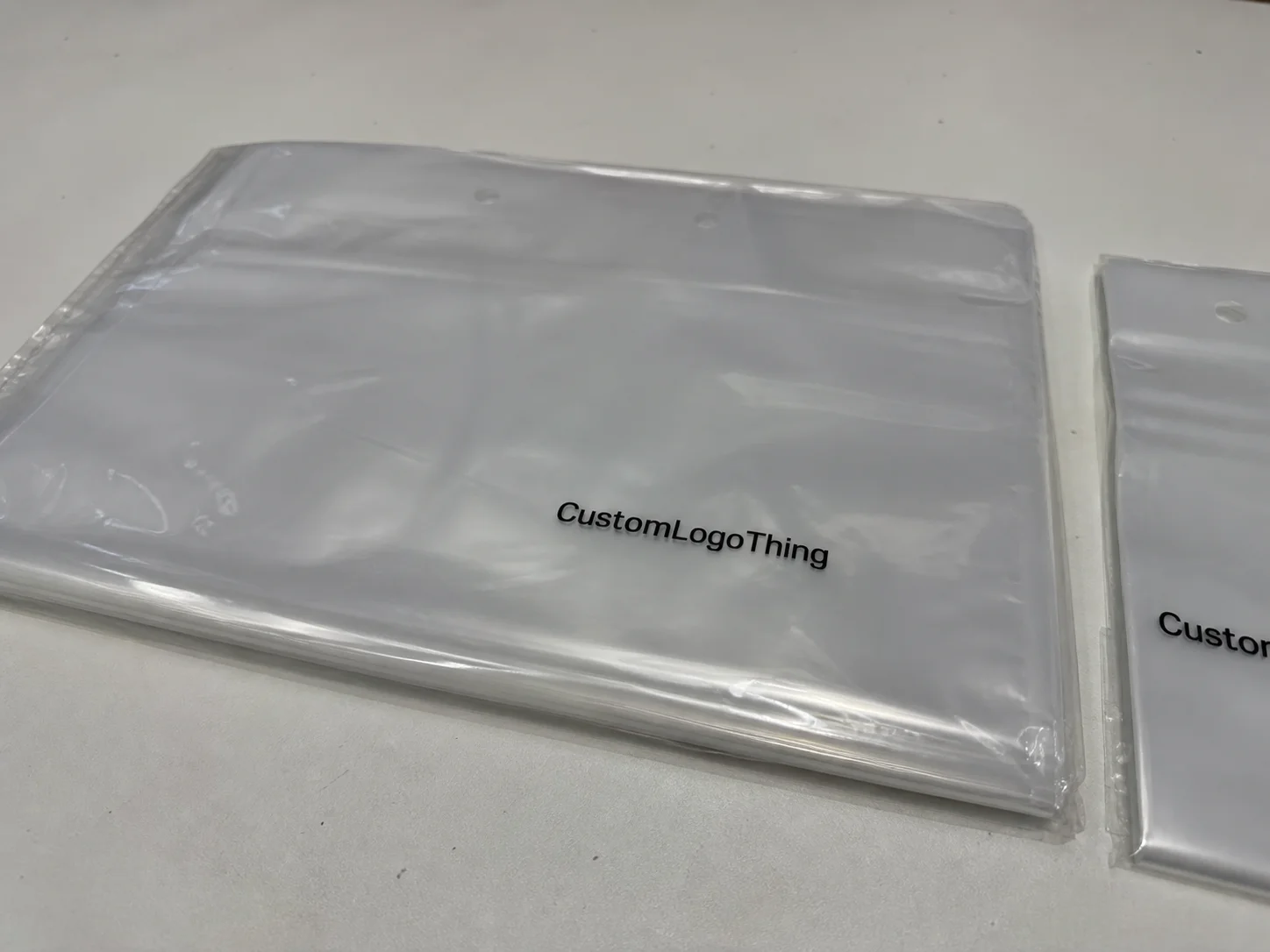
Buyer Fit Snapshot
| Best fit | Branded Corrugated Mailers Supplier projects where brand print, material claims, artwork control, MOQ, and repeat-order consistency need to be specified before quoting. |
|---|---|
| Quote inputs | Share finished size, material target, print colors, finish, packing count, annual reorder estimate, ship-to region, and any compliance wording. |
| Proofing check | Approve dieline scale, logo placement, barcode or warning zones, color tolerance, closure strength, and carton packing before bulk production. |
| Main risk | Vague material claims, crowded artwork, missing packing details, or unclear freight terms can make a low unit price expensive after revisions. |
Fast answer: Branded Corrugated Mailers Supplier: Film, Print, MOQ, and Carton Packing should be specified like a repeatable production item. The safest quote records material, print method, finish, artwork proof, packing count, and reorder notes in one written spec.
Production checks before approval
Compare the actual filled-product size with the drawing, then confirm tolerance on folds, seals, hang holes, label areas, and retail display edges. Reserve space for logos, QR codes, warning copy, and material claims before decorative graphics fill the panel.
Quote comparison points
Review material grade, print process, finish, sampling route, tooling charges, carton quantity, and freight assumptions side by side. A quote is only useful when the supplier can repeat the same color, closure quality, and packing count on the next order.
Branded Corrugated Mailers Supplier: Practical Guide
A strong Branded Corrugated Mailers supplier does more than print a logo on a mailer and ship it out the door. The real value sits in the way the package protects the product, shapes the first physical impression of your brand, and holds up after the parcel moves through warehouses, trucks, conveyor systems, and a few less gentle hands than anyone likes to imagine. A useful branded corrugated mailers supplier will pay attention to the board, the fit, the print surface, and the way the piece actually behaves once it is folded, packed, and sent into the field.
That matters because a mailer can look polished on a screen and still fail in the real world. Too much flex and the corners crush. Too little clearance and the packer fights the structure every time an order is assembled. Heavy ink coverage can make the box look rich, yet still slow the line if the material choice was never matched to the product. A seasoned branded corrugated mailers supplier keeps those tradeoffs in view from the first conversation, which is why the discussion should start with product size, transit conditions, print goals, and packing speed rather than decoration alone.
What a branded corrugated mailers supplier actually provides
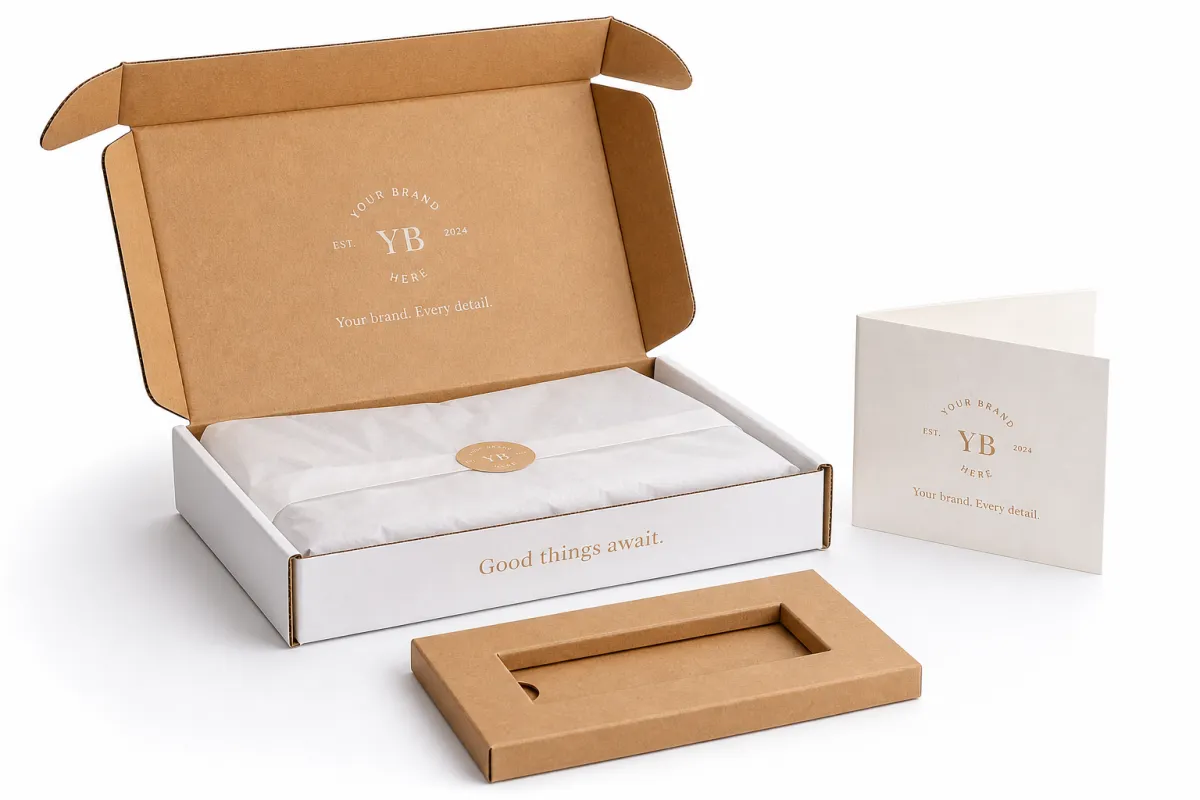
From a buyer's perspective, a branded corrugated mailers supplier sits at the intersection of packaging engineering, print production, and project management. Their job often begins with a plain set of questions: what does the product weigh, how fragile is it, does it need inserts or dividers, how many touches will it face before delivery, and what kind of shipping stress should the mailer survive? Those answers shape the board grade, flute profile, tuck style, closure method, and the clearance left around the product.
In practical terms, the supplier should help with material selection, structural design, dieline creation, artwork preparation, sample approval, and scheduling. A capable branded corrugated mailers supplier will also tell you when a design is too tight for efficient packing or too loose for safe transit. That kind of feedback saves real money later, especially when the mailers are assembled by hand on a line that needs to move at a steady pace without extra fuss.
Corrugated mailers live in a useful middle ground. Compared with folding cartons, they usually offer better crush resistance and a more shipping-ready feel. Compared with rigid boxes, they are easier to stock, store, and repeat in fulfillment. Compared with poly mailers, they give the exterior branding a cleaner, more structured presence while supporting products that need shape retention. If your product is light but valuable, or if the unboxing moment matters as much as transit protection, a branded corrugated mailers supplier is often the right starting point.
The tradeoff is easy to miss if the conversation stays too close to the artwork. A premium-looking mailer that slows packers, busts carrier size limits, or stores badly on the floor will become a headache. The same is true for a rugged structure that feels overbuilt for the product and adds cost without improving performance. A useful branded corrugated mailers supplier keeps the brand side and the operations side connected from the beginning. That balance is kind of the whole job.
- Protection: board grade, flute choice, and closure design have to match the product load.
- Presentation: the print surface needs to support logo clarity, color control, and a strong opening moment.
- Operations: the mailer should pack quickly, stack cleanly, and move through fulfillment without friction.
- Consistency: repeat orders should stay close to the approved sample, so reorders do not turn into guesswork.
"If the shipper cannot survive a rough transit day, the logo on the lid is just decoration." That reminder belongs near the start of any project, and a seasoned branded corrugated mailers supplier should be willing to say it before artwork runs ahead of structure.
Packaging rarely stands alone. A branded mailer may be the right answer for one SKU, while heavier items call for a separate line of Custom Shipping Boxes, and soft goods may be better served by Custom Poly Mailers. A thoughtful branded corrugated mailers supplier should be comfortable discussing all three formats and explaining why one structure fits a product better than another.
How branded corrugated mailers work from board to doorstep
Corrugated board looks simple from a distance, yet it depends on a few specific details that matter a great deal in production. Linerboard sits on the outside and inside, while the fluted medium in the middle creates stiffness, cushioning, and stacking strength. That flute profile changes how the board feels in the hand, how well it prints, how much compression it can take, and how it behaves after a few knocks in transit. A branded corrugated mailers supplier should be able to explain why one construction suits retail presentation and another suits harsher shipping conditions.
Once the structure is defined, production follows a predictable path: sheet conversion, die cutting, printing, folding, gluing, bundling, and shipment. Some jobs are printed before conversion, while others are printed after conversion depending on the equipment and the artwork. A reliable branded corrugated mailers supplier will explain how that sequence affects registration, color consistency, and lead time, because print method is not only a visual decision, it is a production decision too.
Flexographic printing and digital printing are the most common branding methods, though the right setup depends on volume, color count, and the detail in the artwork. Flexo often works well for larger quantities and simpler graphics. Digital printing can be a better fit for shorter runs, seasonal variations, or jobs that need faster setup. The practical reality is familiar to anyone who buys printed packaging: digital brings flexibility, while flexo often becomes more economical as volume increases. A capable branded corrugated mailers supplier will steer you toward the method that fits the order instead of the one that sounds easiest in theory.
On the receiving end, the mailer has a short window to do a lot of work. It should arrive flat, open cleanly, accept the product without forcing the packer, and close in a way that can withstand normal carrier handling. The same piece also needs enough visual discipline to feel like it belongs to the brand. That is why many buyers compare it against the broader range of Custom Packaging Products; once you see how corrugated mailers behave next to labels, inserts, cartons, and protective fill, the structural choice becomes easier to judge.
There is a sustainability side to the story as well, and it reaches beyond recycled content alone. Right-sizing a mailer reduces void space, lowers board usage, and can reduce damage by holding the product more securely. For a public reference on fiber sourcing, the FSC site is useful for understanding certified fiber options and chain-of-custody basics. A thoughtful branded corrugated mailers supplier should be able to discuss recycled content, certified fiber, and print coverage reduction in practical terms, without turning the conversation into jargon.
Another point deserves attention: the mailer should never be evaluated as a standalone object. Insert thickness, product wrap, sealing method, and internal movement all influence how the finished package performs. A careful branded corrugated mailers supplier will ask those questions before sending a sample, because the board alone never tells the full story.
What branded corrugated mailers supplier pricing really includes
Price gets messy when buyers focus on the number at the bottom of the quote and ignore the mechanics behind it. A branded corrugated mailers supplier is usually pricing several pieces at once: board grade, flute profile, print method, number of colors, die or plate charges, finishing steps, pack-out requirements, and freight. Two quotes can sit close together on paper and behave very differently once production starts and the cartons move onto a truck.
Quantity is often the biggest driver. Setup costs do not disappear; they simply spread across more units. If a run of 5,000 pieces carries the same die, plate, and press setup as a run of 20,000, the larger order usually wins on unit price. That does not mean the biggest order is always the smartest one. It means a branded corrugated mailers supplier should help you see where the price curve begins to flatten so you can choose a run size that matches demand without stacking too much inventory in storage.
Here is a simple way to think about common pricing ranges. These are broad working figures, not a quote, but they show how quickly the numbers move once structure and print complexity change.
| Mailer Type | Typical Use | Approximate Unit Cost | Notes |
|---|---|---|---|
| Plain corrugated mailer | Low-graphics shipping for lightweight products | $0.35-$0.70 | Often best when print is minimal and size is standard |
| 1-color branded mailer | Simple logo and address branding | $0.45-$0.90 | Good balance of cost and presentation for repeat orders |
| Multi-color branded mailer | Retail-ready unboxing and stronger brand identity | $0.70-$1.40 | Higher setup and tighter print control needed |
| Short-run digital mailer | Launches, seasonal kits, or multiple artwork versions | $0.90-$1.80 | Fast setup can offset smaller quantities |
Those figures move with board weight, flute choice, ink coverage, and finishing. A heavier board with more print coverage and a special coating will cost more than a simple one-color shipper, even when the dimensions stay the same. A solid branded corrugated mailers supplier should also explain whether the quote includes tooling, freight, and proof samples, because those pieces sometimes sit outside the headline number and surprise buyers later.
Hidden costs deserve a close look. Freight can become significant if the mailers ship in bulky cartons or require multiple drops. Storage can matter if the order volume is larger than your rotation rate. Rush charges can appear when artwork changes too late or production has to jump the queue. Sample rounds can also add cost if the first structure misses the mark. A practical branded corrugated mailers supplier will talk about those items early rather than waiting for them to show up as an unpleasant surprise.
One mistake shows up again and again: comparing the unit price without checking the landed cost. A cheaper shipper that arrives late, stores badly, or slows packing can end up more expensive than a better-built option. That is why the whole package needs to be judged as a system. Material cost, handling time, damage rate, and freight all live in the same bucket. If you want examples of how those tradeoffs play out, the Case Studies section is a useful place to study real packaging programs.
The real question is straightforward: does the quote support the business you are actually running, or only the box you are imagining? A capable branded corrugated mailers supplier should answer with specifics rather than vague reassurance.
Timeline and process: from spec sheet to delivered mailers
The cleanest orders follow a familiar path, and the fewer steps that get skipped, the fewer surprises appear later. A branded corrugated mailers supplier usually starts with discovery: product dimensions, weight, fragility, accessory count, and shipping method. From there comes fit review, structural recommendations, dieline creation, artwork preparation, proofing, sample approval, production, quality check, and delivery. Each stage sounds routine until one of them gets rushed or ignored, and then the schedule starts to slip.
Measurements are the first place delays usually show up. If the product dimensions are incomplete, or if the packout includes sleeves, inserts, or extra materials that were not disclosed up front, the supplier may need to adjust the dieline. That is not a problem by itself, though it does add time. A careful branded corrugated mailers supplier will ask for the outer dimensions of the fully packed unit, not just the product by itself, because that is the measurement that actually determines the fit.
Artwork tends to create the next wave of delays. Files that are not print-ready can hold up the job, especially when fonts are missing, images are low resolution, or color expectations have not been matched to the print process. Corrugated is forgiving in some ways and demanding in others. Large solid areas can pick up texture, tiny type can fill in, and thin lines can disappear if the artwork was never built for the substrate. A careful branded corrugated mailers supplier should flag those problems early rather than waiting for a press proof to expose them.
Lead time also depends on tooling and print method. A standard-sized mailer with existing tooling may move faster than a custom size that needs a new die. Digital printing can shorten setup, while flexographic printing may become more efficient once the order volume justifies it. The supplier's current schedule matters as well, because a press that is already booked for several days will push even a simple job back. That is why it helps to ask not only "How long will it take?" but also "What happens in each stage, and where can the timeline stretch?" A dependable branded corrugated mailers supplier should answer in stages instead of broad promises.
Testing belongs in the calendar from the start. Before a full production run gets locked in, build time for sample evaluation and a real packout trial. Drop tests, closure checks, shelf stacking, and a few rounds of shipping through the carrier network can reveal issues a flat sample will never show. For structured testing language, the ISTA resource is a strong reference point, especially if your team wants to align internal checks with recognized parcel distribution methods. A thoughtful branded corrugated mailers supplier should welcome that kind of testing rather than treating it like a delay.
The best planning habit is simple: leave room for one revision cycle, even if the spec looks locked. That cushion matters when sample fit needs refinement or artwork needs cleanup. A good branded corrugated mailers supplier will keep the process moving, but no supplier can remove the physics of board, ink, and shipping time.
Key factors to compare when choosing a supplier
Suppliers do not bring the same strengths, and those differences matter more than many buyers expect. A strong branded corrugated mailers supplier should do more than answer a quote request. They should help interpret structure, explain print implications, and warn you when a design choice is likely to create trouble in packing or transit. That kind of support is what separates a simple vendor from a packaging partner that actually helps the program work.
Structural know-how belongs near the top of the checklist. If a supplier only offers stock sizes with minimal guidance, the result can be a fit that seems acceptable on paper but behaves awkwardly on the line. Better suppliers ask how the product is packed, whether void fill is used, whether the closure is taped or self-locking, and whether inserts need room to function. In plain terms, a good branded corrugated mailers supplier thinks about the whole workflow, not just the dimensions printed on the spec sheet.
Print quality comes next. Corrugated surfaces are not the same as coated paperboard, and strong print on corrugated depends on thoughtful artwork, realistic color expectations, and the right ink coverage. If your logo depends on fine detail, a supplier should warn you about registration limits and texture effects. If the branding uses solid blocks of color, they should explain how the ink lays down on the chosen board. The right branded corrugated mailers supplier will also speak plainly about proofing, because a screen preview is not the same thing as a finished mailer.
Communication matters just as much as board or ink. Slow answers during proofing often turn into expensive rework later. The best suppliers keep version control tight, confirm changes in writing, and make it clear which files are final. That may sound basic, but it saves real money in packaging. I would rather see a team ask ten clear questions early than one rushed question after the run has started. A responsive branded corrugated mailers supplier usually saves time in ways that never appear on the quote.
Scale and flexibility round out the picture. Maybe the launch needs a small test run now, with repeat orders later. Maybe seasonal artwork changes every quarter. Maybe storage space is tight and the fulfillment team needs a supplier who can support staggered deliveries. A source that can handle a short run and later move into repeat production without changing the spec is worth more than a cheaper source that only works when nothing shifts.
- Structure support: fitting guidance, not just stock dimensions.
- Print control: consistent logos, realistic color, and solid proofing habits.
- Operational fit: packing speed, storage, and reorder ease.
- Growth readiness: the ability to handle multiple SKUs or seasonal refreshes.
If the packaging program reaches beyond mailers, compare how the supplier handles the full mix of Custom Packaging Products. A partner who understands shipping boxes, inserts, and mailers together is more likely to give a balanced recommendation instead of pushing one format into every use case. That kind of judgment is exactly what you want from a branded corrugated mailers supplier.
Common mistakes when ordering branded corrugated mailers
The first mistake is designing too early. Buyers sometimes approve artwork before they confirm the exact product dimensions, closure style, insert thickness, or packing orientation. That can create a mailer that looks elegant and still fits badly, wastes space, or forces the operator to wrestle the closure every time. A branded corrugated mailers supplier should be brought into the process early enough to size the structure before the graphics get frozen.
The second mistake is overdecorating the box before checking how the print will behave on corrugated. Ink coverage, color contrast, and board texture all affect the final look. A logo that looks crisp on a monitor can become muddy on a rougher liner, especially if the artwork depends on tiny text or ultra-thin lines. I have seen buyers spend extra on effects that looked rich in concept and weak on the board. A practical branded corrugated mailers supplier will usually steer the design toward graphics that print cleanly and stay legible in production.
Skipping samples is another expensive habit. A flat proof tells you very little about how the packout behaves with real product weight, tape placement, or accessory inserts. You want to see how the mailer closes after the product is in place, how much hand force it takes, and whether the contents shift when the parcel is turned or stacked. A dependable branded corrugated mailers supplier should encourage sample approval, especially when the product is fragile, premium, or frequently returned.
Operational mistakes matter just as much. Some teams underestimate assembly time and then find out the mailer adds several seconds to each pack. Others forget to plan safety stock and end up scrambling when demand spikes. Some never test the package through actual carrier handling and only discover the weakness after the first damage claim arrives. If the package needs to perform, it should be tested in the conditions it will actually face, not only under ideal studio lighting.
Carrier handling deserves its own mention. A mailer that clears the packing bench can still fail if it does not handle vibration, compression, and corner impacts well enough. That is where standards and testing logic matter. A branded corrugated mailers supplier who understands parcel distribution should be able to discuss transit stress, expected stacking loads, and the kind of internal movement that creates wear points.
The worst failures are rarely dramatic. They usually start as small mismatches that pile up: a millimeter too tight, a closure that takes too much pressure, a logo that prints too dark, a freight pallet that costs more than expected. By the time the order lands, the issue is not one big error but a chain of small ones. A seasoned branded corrugated mailers supplier helps you break that chain before it starts.
Common mistakes to avoid:
- Approving artwork before the final packout is measured.
- Choosing print effects that do not suit corrugated surfaces.
- Skipping sample testing under real packing conditions.
- Ignoring storage, freight, and reorder planning.
- Assuming a pretty mailer will also be a durable one.
Expert tips and next steps for a successful rollout
If you want the rollout to move smoothly, gather the right information before asking for quotes. A branded corrugated mailers supplier can move much faster when you provide exact product dimensions, fully packed weight, fragility notes, artwork files, expected order volume, shipping method, and any insert or accessory requirements. That first packet of information saves time and usually improves the accuracy of the first recommendation.
Ask every supplier for samples and a plain-language explanation of what drives the unit price. You do not need a pitch deck; you need to know whether the cost comes from board weight, print coverage, setup charges, or freight. A good branded corrugated mailers supplier should be able to explain why one option costs less, what quality tradeoff comes with that lower price, and whether the savings make sense for your product.
I also recommend a small test batch before full deployment. Put the mailer through the actual packing flow, not a polished desk review. Check how long it takes to assemble, whether the closure holds, whether the branding looks right under warehouse lighting, and whether the package survives a few sample shipments. That kind of trial often reveals small corrections that make a major difference once volume increases. A thoughtful branded corrugated mailers supplier should see the test as part of the process, not as a setback.
It helps to think ahead about reorder points and storage space too. Corrugated mailers are efficient when flat, but once inventory starts stacking up, pallet count and shelf space become real operational concerns. If artwork may change seasonally, set up a versioning plan now so old and new graphics do not get mixed in storage. A reliable branded corrugated mailers supplier can support that planning if you tell them how often the design is likely to shift.
For teams building a larger packaging program, it may make sense to review related formats at the same time. A mailer program often performs best alongside other protective and branded options, whether that means corrugated shipping cartons, inserts, or lighter-weight formats from Custom Poly Mailers. The more clearly you define where each package type fits, the easier it is for a branded corrugated mailers supplier to recommend the right spec for each channel.
Here is the simplest rollout plan: define the packout, confirm the structure, review the proof, approve the sample, run a small shipment test, and then place the production order with enough buffer for freight and reorders. That order of operations keeps the package grounded in actual handling, which is exactly what matters when you are buying from a branded corrugated mailers supplier.
Packaging works best when it gets reviewed after launch, not only before it ships. Watch damage rates, packing time, and customer feedback, then adjust board, fit, or print coverage as needed. That kind of ongoing attention turns a decent shipper into a package that earns its place. A smart branded corrugated mailers supplier should be ready for that improvement cycle.
FAQ
What should I ask a branded corrugated mailers supplier before quoting?
Start with exact product dimensions, weight, and any inserts or accessories so the branded corrugated mailers supplier can size the mailer correctly. Then ask which board grade, print method, and closure style they recommend for your shipping method. It also helps to request sample options, lead time, and a landed-cost quote that includes freight and setup charges.
How much do branded corrugated mailers usually cost per unit?
Cost depends on board thickness, print coverage, quantity, and whether tooling or dielines are already available. Short runs usually cost more per piece because setup is spread across fewer units. Always compare landed cost, not just unit price, because freight, storage, and reprints can change the real total. A good branded corrugated mailers supplier should be able to show you those cost drivers clearly.
How long does a branded corrugated mailers order take?
Timeline usually includes separate stages for artwork prep, proofing, sample approval, production, and shipping. Custom sizes, new dies, or multi-color printing can extend the schedule. Build in extra time for testing the final packout before you place a full production order, and ask the branded corrugated mailers supplier where delays are most likely to happen.
Can a branded corrugated mailers supplier help with sustainability goals?
Yes, a good branded corrugated mailers supplier can help right-size the mailer so you use less material while still protecting the product. You can ask about recycled content, reduced print coverage, and ways to reduce excess void space. Freight-efficient sizing and fewer packing failures can also lower waste over time, which often matters just as much as the fiber content itself.
Do branded corrugated mailers protect products as well as they market them?
They can, as long as the board grade, dimensions, and closure style match the product's weight and shipping stress. Branding should be designed around the structure, not layered on top of a weak package. Real-world drop, crush, and transit testing is the best way to confirm both protection and presentation, and a knowledgeable branded corrugated mailers supplier should be comfortable with that approach.
For brands that want packaging to do more than hold a product, the right branded corrugated mailers supplier makes a measurable difference in cost control, presentation, and damage reduction. Start with the actual packout, not the artwork mockup, and let the structure drive the spec. When the board, print, and process line up from the beginning, the mailer does its job without drama, and that is usually the difference between a package that merely ships and one that keeps doing useful work long after the first order goes out.