Buyer Fit Snapshot
| Best fit | Branded Corrugated Mailers for Ecommerce projects where brand print, material claims, artwork control, MOQ, and repeat-order consistency need to be specified before quoting. |
|---|---|
| Quote inputs | Share finished size, material target, print colors, finish, packing count, annual reorder estimate, ship-to region, and any compliance wording. |
| Proofing check | Approve dieline scale, logo placement, barcode or warning zones, color tolerance, closure strength, and carton packing before bulk production. |
| Main risk | Vague material claims, crowded artwork, missing packing details, or unclear freight terms can make a low unit price expensive after revisions. |
Fast answer: Branded Corrugated Mailers for Ecommerce: Film, Print, MOQ, and Carton Packing should be specified like a repeatable production item. The safest quote records material, print method, finish, artwork proof, packing count, and reorder notes in one written spec.
Production checks before approval
Compare the actual filled-product size with the drawing, then confirm tolerance on folds, seals, hang holes, label areas, and retail display edges. Reserve space for logos, QR codes, warning copy, and material claims before decorative graphics fill the panel.
Quote comparison points
Review material grade, print process, finish, sampling route, tooling charges, carton quantity, and freight assumptions side by side. A quote is only useful when the supplier can repeat the same color, closure quality, and packing count on the next order.
Branded Corrugated Mailers for Ecommerce: Practical Guide
Branded Corrugated Mailers for ecommerce do more than carry a product from warehouse to doorstep. They shape the first physical impression a customer gets, and plain packaging gets sized up quickly.
What branded corrugated mailers for ecommerce actually are
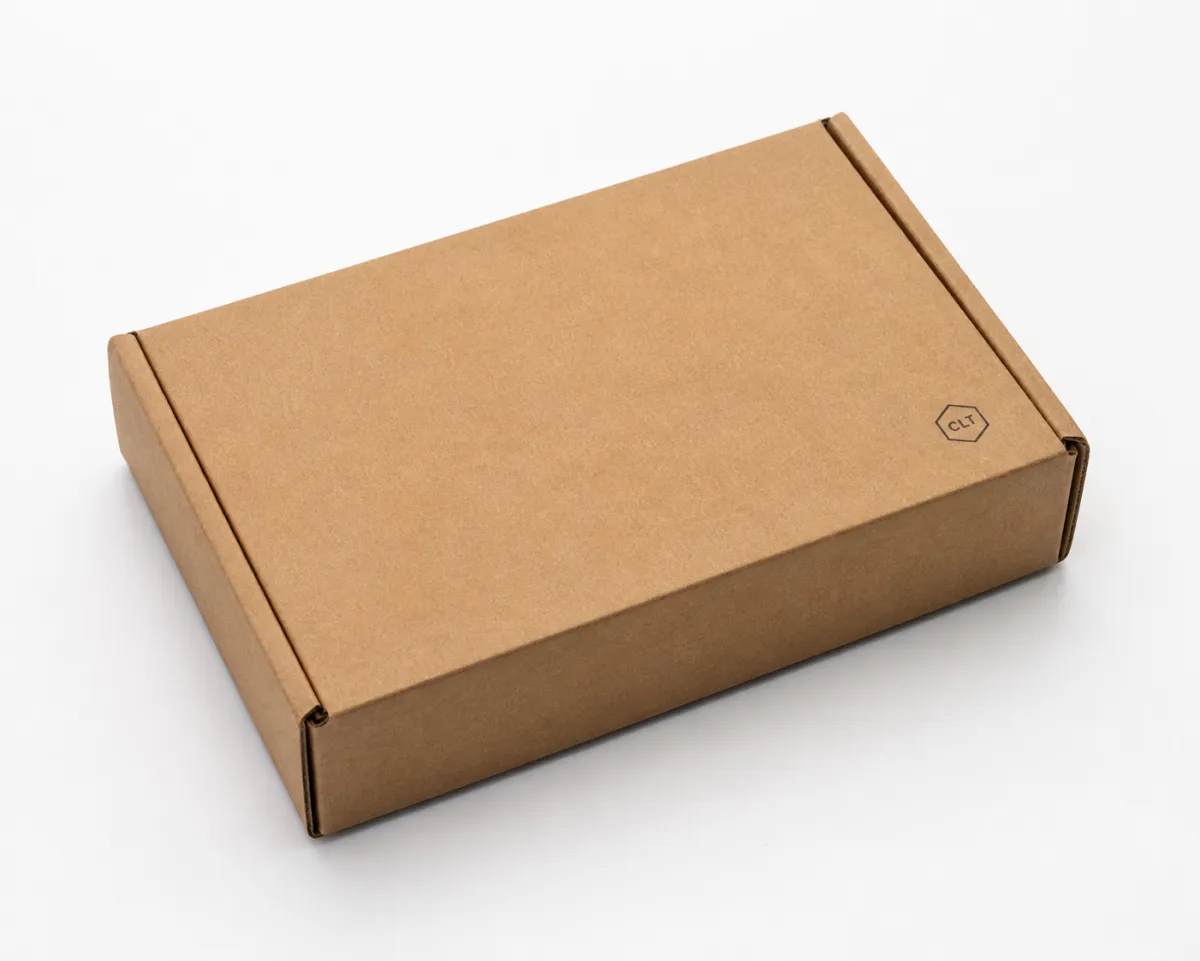
Ecommerce brands usually get one chance to make a physical impression, and Branded Corrugated Mailers for ecommerce are often the first thing customers touch before they ever see the product itself. Plain brown packaging can move an order safely, but it also says very little, which is a strange tradeoff for a business that has already spent time on identity, photography, and messaging.
At the simplest level, branded corrugated mailers for ecommerce are rigid or semi-rigid shipping mailers made from corrugated board and printed with a logo, color palette, artwork, or campaign message. They fold flat for storage, pop into shape quickly, and give a package more structure than a poly bag without jumping all the way to a full shipping box.
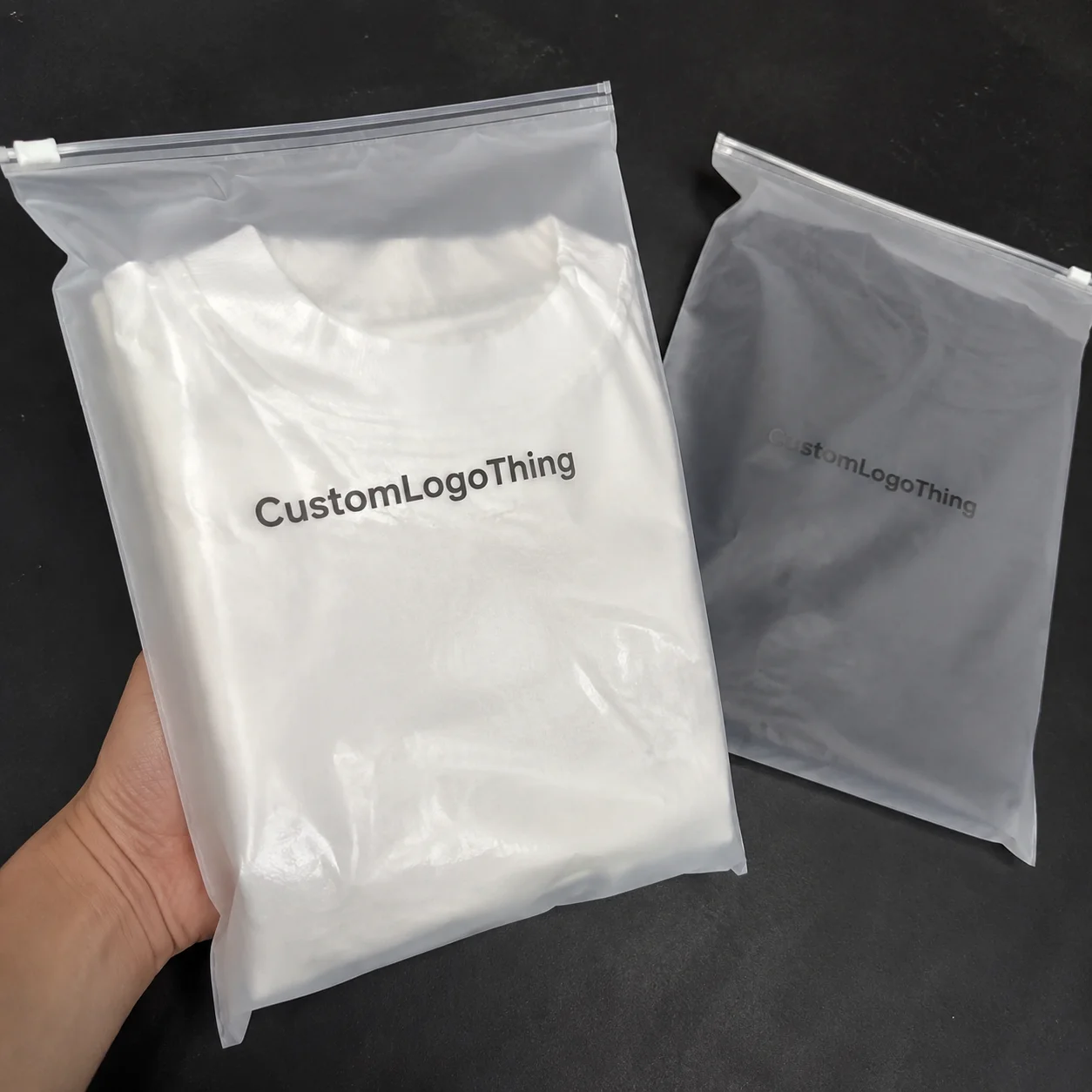
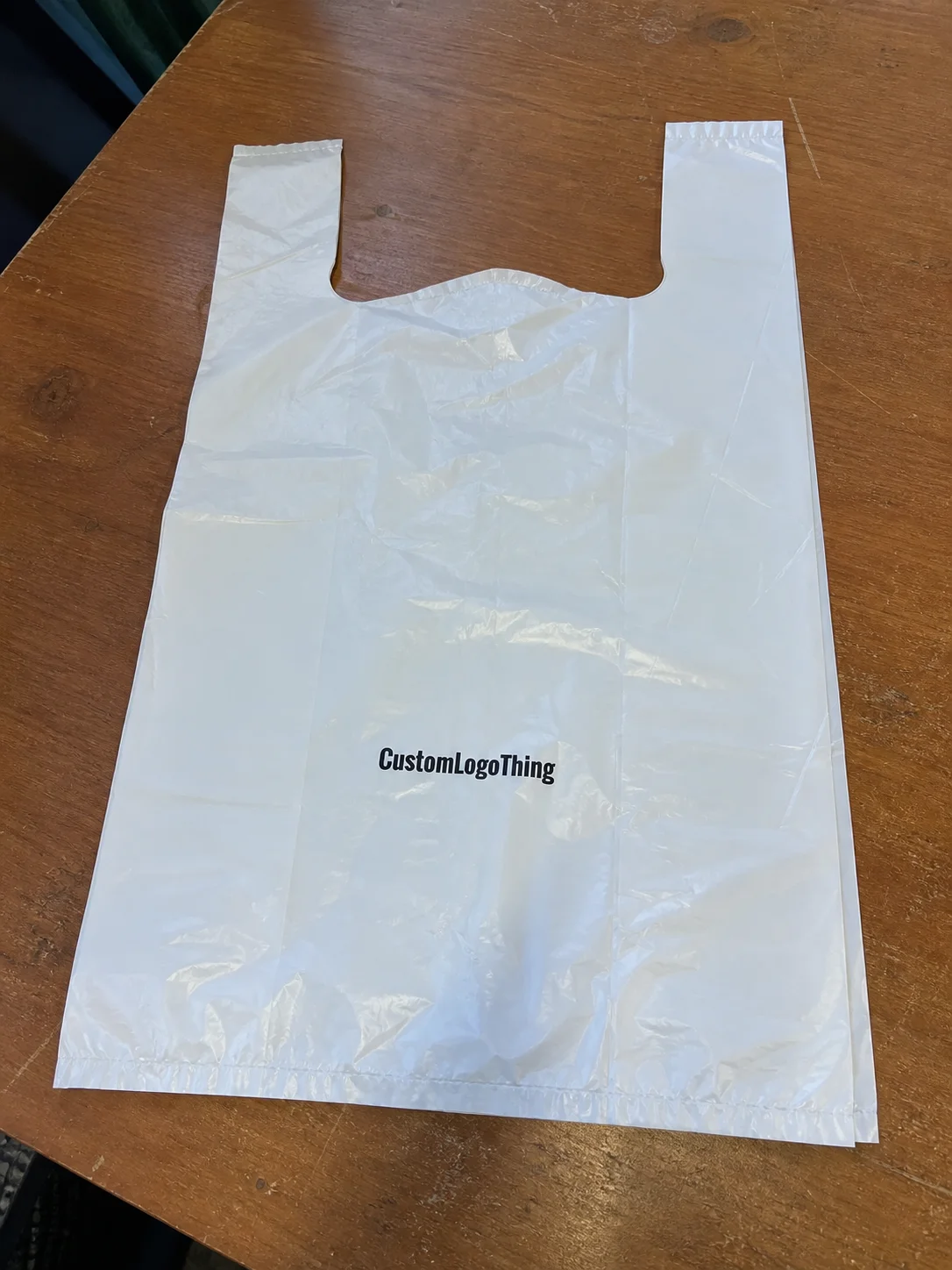
They sit in the middle of the packaging ladder. Lightweight apparel, accessories, books, subscription kits, beauty items, supplements, and small consumer goods usually fit well in this format. A soft, low-risk item may work just fine in a Custom Poly Mailers setup if cost matters most. Heavier products, fragile pieces, and shipments that need stacking strength often belong in Custom Shipping Boxes. Branded corrugated mailers for ecommerce fill the space between those two extremes.
The value is not limited to the print. Structure, opening experience, and product protection all matter at the same time. A customer may never think about flute grade or board construction, yet they notice instantly whether the package feels deliberate or improvised. I have seen brands approve a gorgeous render on screen, then discover the real sample had a weak lock tab and a little too much movement inside. That is the kind of detail that turns a polished idea into a disappointing unboxing. The Case Studies page is a useful place to see how packaging choices affect the customer experience, and the broader Custom Packaging Products lineup helps compare formats before a final decision.
How branded corrugated mailers for ecommerce work
The structure carries more of the load than most people realize. Branded corrugated mailers for ecommerce usually rely on E-flute or B-flute board. E-flute is thinner, typically around 1.2-1.6 mm, and prints cleanly with a smoother surface; B-flute is thicker, usually around 2.5-3 mm, and gives more crush resistance. The liner on the outside carries the print, the inner liner touches the product, and the flute layer between them acts like a cushion. That air gap is part of why corrugated packaging handles carrier roughness better than light paperboard.
Print method changes the feel of the project too. Digital printing works well for short runs, multiple SKUs, and artwork that changes often. Flexographic printing usually fits larger repeat orders better because setup cost gets spread across volume. Direct print can be efficient, while a wrap, lamination, or specialty coating gives the mailer a more finished surface. A brand that wants a polished reveal can get there with branded corrugated mailers for ecommerce without paying rigid-box pricing, which is where a lot of teams start to breathe easier.
Design and construction need to work together. The dieline controls folds, locking tabs, tuck flaps, and tear strips. If the product shifts in transit, inserts or simple cardboard dividers can reduce corner damage and keep the opening experience tidy. A mailer that looks perfect in a mockup but lets the product rattle around is not premium. It is loose, and customers can feel the difference the moment they lift the flap.
Testing should stay practical. Think in terms of corner crush, drop handling, and repeated opening. A package does not need to survive a movie stunt. It only needs to handle carrier abuse and still look presentable when the customer opens it. The ISTA testing framework is a solid reference if you want to pressure-test a mailer before production. That matters even more for branded corrugated mailers for ecommerce that will ship at scale, because a packaging mistake costs less to fix before the order leaves the facility.
Weight deserves attention too. Corrugated mailers are usually light enough to keep shipping costs under control, but oversized designs can drive dimensional weight up fast. A mailer that is just 15% larger than needed might look harmless on paper, yet it can raise freight, waste board, and make the shipment feel less considered. Packaging has a quiet way of eating margin, and it does it kinda fast once the numbers stack up across a full month of orders.
The mailer is not only protection. It is a control point for cost, presentation, and damage rates. Once one of those slips, the others usually follow.
Production steps and timeline for branded corrugated mailers for ecommerce
The cleanest jobs follow a steady sequence. For branded corrugated mailers for ecommerce, start with a brief that covers product size, weight, shipping method, opening style, print goals, and monthly volume. Lock the dieline next, or request a custom version if the stock format does not fit the product. Artwork setup, proofing, sampling, production, finishing, and shipment follow after that. Skip the order and the project usually pays for it in revision time, rush charges, or both.
A realistic pace for a straightforward run looks like this: spec review and dieline selection usually take 1-3 business days if the product details are clear. Artwork setup and prepress changes often take another 2-5 business days, especially when logos arrive in poor file formats. Proofing can add 1-3 business days. If a physical sample is needed, plan on 5-10 business days for that step, sometimes a little longer for custom structures. Once approval lands, production often runs 12-20 business days for standard branded corrugated mailers for ecommerce, with special finishes or complex inserts adding more time.
The delays tend to be predictable, which is frustrating but useful. Custom sizing slows the process because the board layout has to be built for the actual dimensions instead of a generic die. Multiple SKUs create more proof rounds. Low-resolution artwork turns simple printing into cleanup work. Last-minute copy changes cause the most damage because they look small until they force a new proof and push the whole schedule back. Faster routing comes from fixed structure and graphics that can stay stable from order to order.
One planning rule saves a lot of grief: finalize dimensions and structure first, then artwork, then samples, then production. That sequence sounds plain because it is. It also keeps the budget steadier. A beautiful design on the wrong mailer is not a win, and approving a sample before checking real product fit usually creates a second round of work. Branded corrugated mailers for ecommerce reward buyers who measure carefully and approve once.
Launch timing gets easier when sample time and production time are treated as separate questions. Those are not the same answer. Freight time needs its own line too, especially if packages will move to more than one fulfillment center. If a vendor cannot separate those timelines clearly, the quote is already too vague. That is one of those little tells that saves headaches later.
As the packaging stack grows, keep each format in its lane. A mailer may be the right fit for direct-to-consumer apparel, while a heavier product line belongs in a box system. That is where the Custom Packaging Products page becomes useful, and it is also where related formats such as Custom Shipping Boxes make more sense than forcing every SKU into the same style. Packaging is a fit problem, not a personality contest.
Cost, pricing, MOQ, and quote factors
Branded corrugated mailers for ecommerce are priced through a handful of moving parts, and most of them are easy to understand once the packaging is treated as a real manufacturing job instead of a generic box order. Board grade, size, print coverage, number of colors, finish, inserts, and whether the structure is stock or fully custom all affect the quote. A supplier who gives a number without asking about those details is either simplifying hard or guessing.
MOQ matters because setup costs have to be spread somewhere. Lower quantities usually cost more per unit, while larger runs reduce the unit price but tie up cash in inventory. That tradeoff is normal. For many brands, the question is not whether a small run costs more; it is whether the packaging earns its keep through lower damage rates, stronger retention, or a better unboxing impression. Branded corrugated mailers for ecommerce only make sense if the premium does something useful.
A practical way to compare quotes is to ask what is included, what costs extra, and what shipping terms apply. Plates, setup, proofing, packaging, and freight can all change the final number. Check whether pricing is FOB, landed, or pickup only. A low unit cost that excludes freight is not a bargain. It is a teaser, and a pretty sneaky one if you are not watching closely.
| Option | Typical MOQ | Ballpark unit cost | Best for | Main tradeoff |
|---|---|---|---|---|
| Value build | 500-1,000 units | $0.55-$0.95 | Simple apparel, starter brands, limited artwork | Less finishing flexibility and a more basic look |
| Standard build | 1,000-3,000 units | $0.35-$0.70 | Subscription kits, repeat SKUs, branded DTC shipping | Requires cleaner artwork and firmer planning |
| Premium build | 2,000-5,000 units | $0.90-$1.80 | Beauty, giftable products, higher-end presentation | More cash tied up in print, coatings, and inventory |
Those ranges are not fixed rules. They move with board spec, print coverage, and finish choices. A mailer with full-coverage color and lamination will not price like a one-color kraft piece because press time and finishing steps are different. FSC-certified board can also shift pricing a bit depending on the mill and supplier chain, so if certified fiber matters to the brand, ask for it directly and verify the certification path through FSC. That avoids the awkward “we thought it was certified” conversation later.
For ecommerce teams comparing branded corrugated mailers for ecommerce against simpler printed shippers, the real question usually comes down to margin per order. If a premium mailer helps reduce returns, improves repeat purchase behavior, or makes the product feel gift-worthy, the higher unit cost can be justified. If it only adds ink coverage, that is decoration with a shipping charge attached.
How to choose branded corrugated mailers for ecommerce
Start with the product, not the artwork. Weight, fragility, dimensions, and clearance all shape the right spec for branded corrugated mailers for ecommerce. A soft t-shirt needs a different setup than a boxed serum set, and a small book should not have extra room just because the mailer looked attractive in a render. Measure the item as it ships, not as it sits on a desk.
After that, match the mailer style to the business model. Subscription shipments often need repeatable sizes and quick packing. Single-item retail orders may benefit from a stronger visual identity and a simple opening sequence. Giftable products usually deserve a cleaner reveal, sometimes with tissue, a card, or a folded insert. Mixed-SKU fulfillment is where many teams get tangled, because they try to make one structure handle everything. That rarely ends well.
Branding choices should support the unboxing path instead of fighting it. Logo placement matters, and so does color consistency, the first panel the customer sees, and whether inner surfaces are intentionally printed or left plain. A strong mailer system does not need loud graphics on every surface. It needs the right message in the right place. That is how branded corrugated mailers for ecommerce feel finished instead of crowded.
A useful rule keeps the decision honest: do not overbuild the packaging just because the render looks impressive. A premium finish needs to earn its cost. A mailer that adds expense without improving protection, perception, or speed is vanity packaging. Attractive, yes. Useful, not much.
If the mailer is too large, the product floats. If the board is too thin, the corners take the hit. If the print is overworked, the budget starts leaking. Good packaging fixes all three at once.
Physical samples matter just as much as PDFs. Screen colors shift. Board feel matters. Fold behavior matters. The difference between a crisp locking tab and a sloppy one rarely shows up on a monitor. Branded corrugated mailers for ecommerce deserve to be judged with hands as well as eyes.
Soft or low-crush products still deserve a fair comparison. A well-printed poly mailer may be the smarter choice if the item ships flat and the unboxing experience is not a priority. When the brand needs more structure, better corner protection, or a presentation that feels more intentional, branded corrugated mailers for ecommerce usually win that comparison without much debate.
Common mistakes that waste money or damage the unboxing experience
Oversizing is the easiest mistake to make. A mailer with too much empty space raises shipping cost, lets the product move around, and makes the shipment feel less premium. Empty space is not elegant. It is just wasted room. Branded corrugated mailers for ecommerce should fit the product with enough tolerance for packing, not enough room for the item to slide around like it missed the train.
Overdesigning the print is another expensive habit. Too many colors, effects, and finishes can push a quote up without improving the customer experience. A clean logo, a strong color block, and a smart interior message often do more than a pile of decorative extras. In packaging, restraint usually photographs better and costs less. That is a rare combination, and it is worth keeping.
Proofing mistakes start when artwork gets approved before the dieline, insert plan, and board spec are locked. That is how logos land too close to folds, QR codes disappear into a crease, or copy ends up on a glue flap. The best-looking file in the world still fails if it was built for the wrong structure. Production teams keep pushing for specs first because they are trying to save the buyer from paying twice for the same box.
Testing is where the fantasy ends. If the mailer cannot survive carrier handling, corner crush, and a simple drop sequence, the branding does not matter much. A customer will forgive a plain package faster than a damaged one with expensive print. Standards such as ISTA test methods exist for a reason: real shipping is rougher than a presentation deck. Branded corrugated mailers for ecommerce need to pass the abuse test before they earn the polished finish.
My short list for avoiding waste stays simple:
- Confirm the packed dimensions before asking for a quote.
- Choose the lightest board grade that still protects the product.
- Keep print complexity under control unless the design truly needs it.
- Check the opening experience with a physical sample.
- Run a basic drop or crush test before full production.
That list looks plain because it is. The surprising part is how often it gets skipped. Teams get excited about branding and forget that shipping is the whole point of the structure. Branded corrugated mailers for ecommerce should make the journey better, not just the mockup.
Expert tips and next steps for branded corrugated mailers for ecommerce
Order a physical sample before you place a full run. Not a rendering. Not a “trust us” proof. A real sample. For branded corrugated mailers for ecommerce, that one step catches color shifts, weak folds, fit problems, and finish issues that digital proofing never shows properly. The sample also tells you whether the mailer opens the way you expected, which matters more than most people admit.
Ask for at least three quote versions if the supplier can support it: a value option, a mid-tier option, and a premium option. That makes tradeoffs visible instead of vague. The value build might free up budget for a better insert. The premium build may be worth it for a launch kit but not for replenishment orders. Seeing those options side by side turns the packaging decision into a real business choice instead of a taste test.
Lock the product dimensions, shipping method, and monthly volume before asking for production pricing. If those three inputs are still moving, the quote is basically a moving target. That matters a lot for branded corrugated mailers for ecommerce, because size changes ripple through board usage, print layout, freight, and storage. Stable inputs produce useful pricing. Everything else produces a polite estimate and a headache.
Brands that want a wider view of the system should compare the mailer against other packaging formats in the Case Studies section and keep the packaging stack aligned with the product line rather than the marketing calendar. Fragile or premium items may need a mailer with inserts. Soft and low-risk goods may work better with a simpler shipper. Fast-growing projects should lock the spec now and avoid redesigning it every quarter.
The cleanest path forward is straightforward: request samples, compare board grades, confirm MOQ, verify print method, and check carrier performance with a test order. Once those boxes are checked, branded corrugated mailers for ecommerce stop being a nice idea and start acting like a working packaging system. The practical takeaway is simple: size the mailer to the product, test the build before buying deep, and choose the finish only after protection and freight are already under control. That keeps the packaging doing its job instead of just looking good on a spreadsheet.
FAQs
Are branded corrugated mailers for ecommerce better than poly mailers?
Corrugated mailers make more sense when the product needs extra crush resistance, a cleaner presentation, or better corner protection. Poly mailers work well when the item is soft, lightweight, and cost sensitivity matters more than structure. If the product arrives bent, dented, or sloppy in transit, branded corrugated mailers for ecommerce are usually the safer choice.
What is the typical MOQ for custom corrugated mailers for ecommerce?
MOQ varies by supplier, board spec, and print method, but custom runs usually start higher than stock packaging. Lower MOQs almost always cost more per unit because setup and production overhead get spread across fewer pieces. Ask for multiple quantity tiers so you can see where the pricing becomes sensible for branded corrugated mailers for ecommerce.
How long do printed corrugated mailers for ecommerce usually take?
A straightforward project can move from proof to production in a couple of weeks if the artwork is ready and the dieline is standard. Custom sizes, special finishes, inserts, or slow approvals can stretch that timeline quickly. If launch timing matters, ask for sample lead time and production lead time separately.
What print method is best for branded corrugated mailers for ecommerce?
Digital printing works well for short runs, multiple SKUs, and designs that may change often. Flexographic printing is usually better for larger runs with simpler artwork and repeat orders. If the brand wants a more premium look, ask whether a wrap, lamination, or specialty finish is worth the added cost for branded corrugated mailers for ecommerce.
Do branded corrugated mailers for ecommerce need inserts?
Use inserts when the product shifts in transit, has fragile parts, or needs a more polished reveal on opening. Skip the insert if the fit is already tight and the product stays protected without extra materials. The right insert protects the item, improves presentation, and avoids the overpacked look nobody wants.
Done properly, branded corrugated mailers for ecommerce make shipping feel intentional instead of generic, and that is usually worth the planning, sampling, and quote comparison.