For coffee roasters, Branded Hang Tags are one of those packaging components that look minor right up until they are missing. A tag shortage can slow down packing, disrupt a wholesale reset, or force a temporary substitute that makes a premium product look unfinished. The economics are lopsided: a tag may cost ten cents to fifty cents depending on spec, but it helps frame a bag that sells for $15 to $20 or more. That gap is exactly why reorder planning deserves more attention than it usually gets.
The practical issue is not design alone. It is inventory discipline, production lead time, and version control. If a reorder lands late, teams often pay for rush setup, corrected artwork, and expedited freight. Seasonal blends and subscription-heavy roasters feel this faster than single-SKU businesses because demand can swing suddenly. A good Branded Hang Tags for coffee roasters reorder planning guide should therefore focus on repeatability: stable specs, clean approvals, and a reorder point that reflects actual usage rather than hope.
From a packaging buyer’s perspective, the goal is to make repeat orders boring. That sounds unglamorous, but boring is efficient. Boring means the art file is already approved, the die line is archived, the paper stock is known, and the next run does not require a detective story.
Why reorder timing matters more than tag design
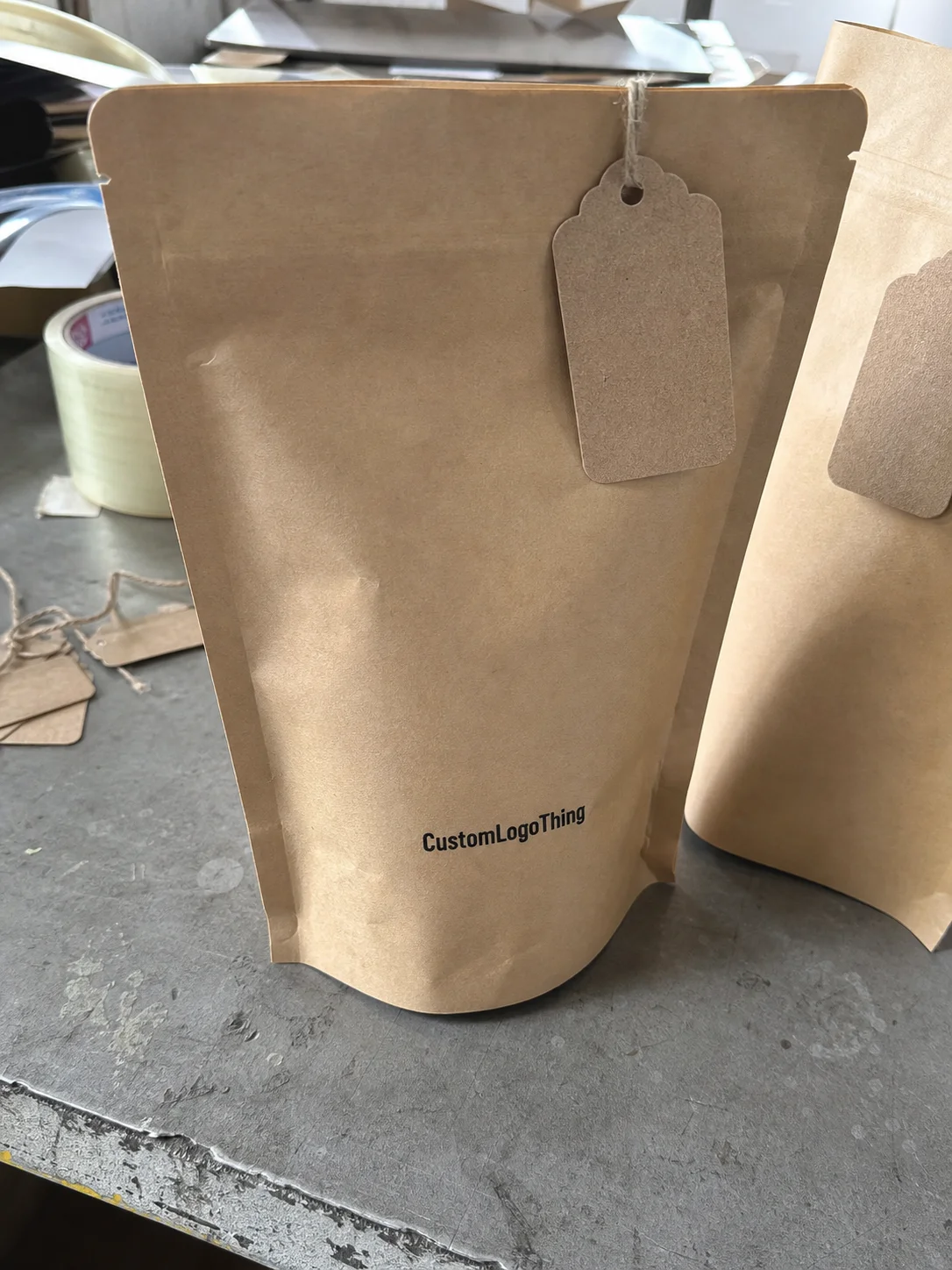
Most roasters spend energy on the look of the tag and very little on the moment to reorder it. That is backwards. A sharp design cannot compensate for a late delivery. Once tags run short, fulfillment teams start improvising, and packaging improvisation usually shows up as delay, inconsistency, or higher cost.
Consider a tight roast calendar. Subscription boxes are scheduled, a wholesale account wants a retail reset, and a limited seasonal lot is selling faster than forecast. If hang tags are understocked, the bags may be ready while the finishing component is not. That creates line stoppages, split shipments, or last-minute substitutions. In coffee, those are not small problems. Visual presentation carries real weight because customers use packaging as a cue for freshness, care, and value.
“The cheapest packaging item is often the one that causes the most expensive delay if it is not reordered early enough.”
Late reorders also change the cost structure in ways that are easy to miss on a spreadsheet. A normal repeat order is usually straightforward. A rushed one can add expediting charges, art rebuild time, proofing delays, and premium freight. If the reorder is tied to a launch or seasonal promotion, the stakes go up again because the packaging is part of the sales calendar, not just the warehouse schedule.
There is a channel-specific layer to this too. Wholesale buyers expect consistency from shipment to shipment. Direct-to-consumer programs can spike hard after promotions or influencer-driven traffic. A small tag helps preserve the value of the whole pack, which is why reorder timing is really an operations problem, not a print afterthought.
As a rule of thumb, keep enough stock to cover current usage, forecasted growth, and a buffer for spikes. For many roasters, that buffer should cover at least one additional week of usage beyond the stated lead time. If you need more background on packaging specs and production terms, the FAQ page and our Case Studies pages are useful reference points.
What to standardize before you place the next order
Repeat orders move faster when the spec is stable. Standardize the parts that should not change: final size, paper stock, hole diameter, attachment method, print finish, logo placement, and any text that carries legal or contact meaning. Every variable you remove lowers the chance of a reproof or a production error.
It helps to split the artwork into two groups. Evergreen elements include the brand mark, website, QR code, and compliance copy. Variable elements include roast date, origin, tasting notes, batch number, or seasonal name. Once that split is clear, the base tag can stay locked while the variable content changes from run to run.
A master file should do more than hold artwork. It should include the dieline, approved final PDF, Pantone or CMYK references, finish notes, and a photo of the approved physical sample. For roasters with several SKUs, that file prevents the common problem of version drift, where a design slowly changes across email threads until nobody is sure which one was approved. The difference between a smooth reorder and a messy one is often a single organized folder.
Matching the tag system to the package format matters too. Kraft bags, matte bags, and glossy valve bags do not all carry the same visual weight. Retail boxes and gift packs may need the same brand language but not the same tag size. Standardizing a family of tags across formats can reduce inventory complexity without flattening the brand.
The most dependable brands tend to be disciplined about version control. One logo lockup. One supplier file. One spec sheet. That does not make the design boring; it makes the production process faster and less fragile.
Material, print, and finish specifications that affect performance
Material choice affects more than appearance. It affects handling, writability, durability, and how the tag feels in the customer’s hand. Uncoated cardstock is a reliable choice when staff need to write roast dates or lot notes. Coated stock gives sharper graphics and more consistent color. Recycled paper supports a natural or sustainability-led positioning, though texture can slightly soften print detail. Premium textured stocks are common on boutique or gift-focused lines.
The right substrate depends on how the tag is used, not just how it looks in a mockup. If the team writes on the tag, choose a surface that accepts ink cleanly. If tags are handled frequently in retail, ask about scuff resistance. If the product is sold as a higher-margin gift set, foil, embossing, or soft-touch lamination can support the price point. But extra finishing is not automatically better. A matte uncoated tag with crisp print may be the smarter choice when the brand story is simple and the margin is tight.
Common material and finish choices
| Option | Best for | Typical effect on cost | Practical note |
|---|---|---|---|
| Uncoated cardstock | Writable tags, artisan positioning | Lower to moderate | Accepts pen and stamp work well |
| Coated stock | Bright color, crisp detail | Moderate | Less friendly for handwriting |
| Recycled paper | Eco messaging, natural brands | Moderate | Texture can soften print edges slightly |
| Soft-touch or matte lamination | Premium retail and gift lines | Higher | Feels elevated, but adds setup and material cost |
| Foil or embossing | Signature collections | Higher | Best used sparingly to avoid cost creep |
Attachment method matters just as much as stock. Pre-punched holes speed application and keep the tag neat on the bag. Stringed tags save time at packing benches, especially when the team is attaching them manually. Adhesive-backed formats can work for box inserts or some retail applications, but they are not a universal fit for coffee packaging. If a tag hangs from twine or a kraft twist, hole reinforcement becomes important because tearing during handling is a common failure point.
Size is a functional choice, not a vanity decision. Small tags suit minimalist retail bags. Larger formats provide room for tasting notes, origin information, farm details, or brewing guidance. The useful test is readability at arm’s length. If the customer has to pick up the bag and squint, the tag is trying to do too much.
Quality control should check color consistency, trim accuracy, hole placement, readable typography, and edge finish. The best reorder is the one that looks like the previous run on purpose. If the blue shifts, the paper tone changes, or the print begins to scuff, the customer sees inconsistency even when the rest of the packaging is correct.
For brands using sustainability claims or recycled content language, keep sourcing claims verifiable and specific. The FSC site is a helpful reference for paper sourcing standards, and packaging guidance from the EPA can help when evaluating recyclability and waste reduction claims.
Cost, pricing, MOQ, and unit cost drivers
Pricing for Branded Hang Tags usually comes down to five variables: quantity, substrate, print color count, finish complexity, and whether custom die-cutting is needed. A simple one-color tag on standard stock sits in a very different cost bracket than a textured tag with foil and rounded corners. The quote can look cheap or expensive depending on whether the vendor included setup, finishing, and packing in the base price.
For many buyers, the most useful rule is simple: unit cost generally falls as quantity rises, but only if the spec is stable enough to run efficiently. If every SKU has a different size, hole position, and finish, setup charges multiply. That is why consolidation matters. A roaster with five related SKUs can often save money by keeping the core design consistent and changing only the variable content. The same logic applies to wholesale and retail programs that share the same brand system.
Lower minimum order quantity is useful for roasters with uncertain demand or frequent design changes. It keeps cash from getting trapped in inventory, which matters for seasonal blends and limited releases. Higher order quantities make more sense when the design is stable, the forecast is reliable, and storage space is available. There is no universal MOQ target. The right number depends on SKU count, demand volatility, and how much room you have to hold stock.
Comparing vendors only works if the specifications match. Quantity, size, stock, color count, finish, packing format, and any variable data need to line up. Otherwise the lowest quote may only look cheapest. Separate charges for plates, dies, proof revisions, or split shipments can change the total quickly.
- Lower MOQ helps when the line changes often or demand is uncertain.
- Higher quantity helps when artwork is stable and sell-through is predictable.
- Multiple versions increase admin time and can raise the effective unit cost.
- Rush freight can erase any savings from a low quote.
For planning purposes, many small to mid-sized roasters see basic Custom Hang Tags land somewhere in the low tens of cents per piece at higher quantities, with premium finishes pushing higher. That range is broad because material choice and finishing matter so much. The only reliable way to control cost is to lock the spec early and resist unnecessary redesigns.
One more practical reality: the cheapest reorder is often the one that does not require a new proof cycle. The first order may need more attention, but repeat runs should be built for speed.
Process, timeline, and lead time for reorders
A repeat order should follow a predictable path: inventory review, artwork confirmation, quote approval, proofing if needed, production, quality check, and shipping. Each handoff adds time. The biggest delay is often not the press itself. It is waiting for approval on a file that someone needs to find, check, and sign off.
A straight repeat with no changes is usually faster than the first order because the art, stock, and finish are already archived. If the order includes revised origin copy, updated pricing, or a seasonal name change, expect the schedule to stretch. A realistic production window for many custom hang tag orders is roughly 10 to 15 business days after proof approval, though quantity, finishing, and factory workload can extend that. Shipping time sits on top of production time.
The better way to avoid stockouts is to calculate a reorder point. Start with average weekly usage by SKU, add the total lead time, and then add safety stock. If a tag SKU uses 500 units per week and the combined production plus transit time is three weeks, 1,500 units are already committed before the next box even leaves the dock. Add a buffer for promotion spikes, trade show orders, and subscription growth, and the reorder threshold may sit closer to 2,000 or 2,250 units.
Simple reorder point logic
- Find average weekly usage by SKU.
- Add the total lead time in weeks.
- Multiply by expected usage during that period.
- Add a safety buffer for forecast error and promotions.
That buffer is not overbuying. It is insurance against the exact moments when packaging gets stressed: a wholesale account reset, a holiday blend launch, or a sudden rise in subscription volume. If your line is tight, even a one-week miss can create a downstream problem in fulfillment.
Approval speed matters more than many teams admit. If the buyer responds the same day, turnaround can shrink materially. If a proof sits in inboxes for a week, even a fast printer cannot recover that lost time. Good reorder management is partly procurement discipline and partly internal communication.
It also helps to store approved artwork, prior proofs, and spec notes in one shared location instead of scattered across personal email threads. That one habit makes reorders easier when staff change or volumes rise. It also reduces the chance that someone rebuilds a job from an outdated PDF.
How a reorder system keeps coffee roasters stocked
A strong reorder system does not depend on memory. It depends on archived specs, consistent color control, and proofing that reflects the last approved version rather than a rough approximation. That matters because many roasters do not want to rebuild the same tag every time inventory gets tight. They want the same stock, the same dimensions, and a clear path back to production.
The real value lies in reducing friction. Clear proofing. Material guidance. Quote revisions that explain what changed and what it costs. Shipping coordination that respects the delivery date. Those details matter more than broad claims because packaging reorders are won or lost in the handoff between procurement, artwork, and production.
At Custom Logo Things, the focus is on archived specs and practical production support so buyers are not starting from zero each cycle. Repeat orders are easier when the previous job is documented properly and the vendor can match the prior run without guesswork. That is particularly useful for roasters with several SKUs, where each line may share a brand system but still need different variable data.
The best reorder systems usually support three goals at once: consistent shelf appearance, controlled unit cost, and on-time stock availability. If one of those slips, the others tend to suffer too. The real job of a Branded Hang Tags for coffee roasters reorder planning guide is to keep repeat production predictable enough that packaging stops acting like a bottleneck.
Next steps to place the right reorder
Start with a current inventory audit by SKU. Identify which tag styles are below the reorder threshold, which are stable, and which could be simplified. If a SKU is nearing retirement, it may not be worth duplicating a complex spec. A cleaner format can reduce future unit cost and shorten production time.
Next, gather the last approved artwork, final specifications, and any new messaging, pricing, or compliance text before requesting a quote. The more complete the brief, the more accurate the pricing. If all you have is a rough PDF, expect back-and-forth. If you have a locked file, a dieline, and a photo of the approved sample, the process is usually faster and cleaner.
- Confirm quantity by SKU.
- Lock size, stock, print colors, finish, and attachment method.
- Decide whether the design should stay identical or be simplified.
- Set the target delivery date, then work backward from production and transit.
- Phase the reorder if budget or MOQ requires it.
Do not wait for the last box to be opened before placing the next order. That is where most avoidable shortages begin. A calm reorder is almost always cheaper than an emergency one, and the difference shows up in both cost and workload. When packaging is already busy, the right system is the one that keeps inventory steady, artwork locked, and the next shipment already in motion.
How far in advance should I reorder branded hang tags for coffee roasters?
Reorder when you have enough stock to cover production time, shipping time, and a safety buffer for promotions or wholesale spikes. The safest window is usually before inventory falls below one full cycle of expected usage. If demand is volatile, increase the buffer rather than waiting for the bin to run dry.
What is the best MOQ strategy for coffee roaster hang tags?
Choose the lowest MOQ that still gives a workable unit cost for your volume and SKU count. Consolidating similar tag designs into one order usually reduces setup costs and simplifies inventory, especially if several SKUs share the same stock and finish.
Can I reorder the same hang tag design without reproofing everything?
Yes, if the artwork and specs are unchanged and the approved file is still on record. A repeat order moves faster when the vendor already has your dieline, stock, finish, and print settings archived. If even one detail changes, expect a new proof cycle.
What details should I lock before requesting a price on coffee roaster hang tags?
Lock quantity, size, stock, print colors, finish, attachment method, and any variable content. Quotes are only comparable when the major specifications are identical. If one quote includes a soft-touch finish and another does not, the numbers will not tell you much.
How do I lower the unit cost on future hang tag reorders?
Use fewer version changes, standardize sizes across SKUs, and keep finishes simple unless a premium treatment is tied to margin. Ordering a larger quantity per SKU usually lowers the per-tag price if storage and forecast volume support it. The cheapest repeat order is often the one that avoids unnecessary changes.


