Bakery packaging has a short life cycle and a long memory. A bag may be touched by a baker, a packer, a cashier, and a customer in the same hour, which is exactly why Branded Hang Tags for bakery packaging sustainable material options deserve more attention than they usually get. The tag has to carry brand cues, practical product details, and enough durability to survive grease, condensation, and constant handling without looking tired.
That combination changes the buying decision. Sustainability is no longer a decorative claim on the side of the brief, especially in retail packaging where shoppers register paper feel, recycling cues, and print clarity in seconds. The useful part is that greener materials can still look premium if the stock, ink, and finish match the actual use case. The best bakery tags tend to feel deliberate, not loud.
Branded hang tags for bakery packaging sustainable material options: why they matter
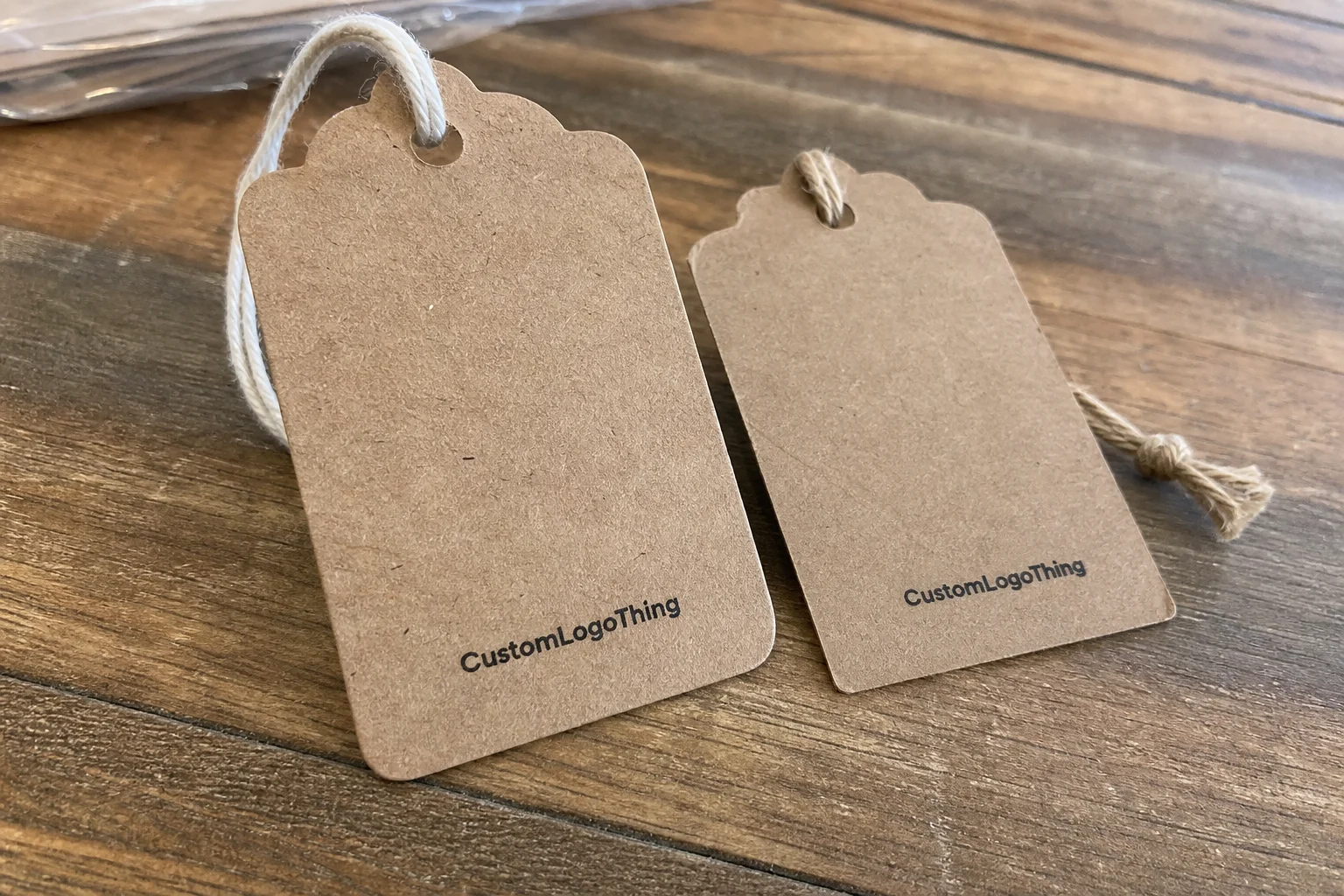
For a bakery buyer, the tag is part of the package, not an add-on. On a kraft bag, a pastry box, or a wrapped loaf, it becomes a small but visible piece of brand architecture. That matters because bakery purchases are often impulse-driven. Customers are deciding quickly whether the item looks fresh, clean, and worth the price.
The tag also solves a practical problem. It can carry flavor names, allergen notes, reheating guidance, a logo, or a short brand message without crowding the main face of the pack. That is useful for teams that want to keep the bag or box uncluttered while still giving operations and compliance enough room to work. It also supports seasonal variation, which is one reason branded Hang Tags for Bakery Packaging sustainable material options have become more common in retail packaging programs.
The sustainability angle is not just marketing polish. Buyers are reading claims more closely, and retailers are too. If a tag says FSC-certified, recycled, or compostable, those claims need to be precise and supportable. The FSC chain-of-custody framework is one of the clearer references for wood-based paper sourcing, while the EPA recycling guidance is a useful reality check on what households and facilities can actually process.
One common misconception is that sustainable equals plain. It does not. A matte recycled sheet with strong typography can look more refined than a glossy tag that overworks the visual system. Good packaging design is a fit problem. If the tag matches the bag, the box, and the brand voice, it improves the whole shelf presentation.
A bakery tag that looks premium but fails in grease, humidity, or handling is not premium. It is expensive waste.
There is also a supply-chain reason to keep the spec disciplined. Bakery packaging usually changes with promotion cycles, holiday demand, and product launches. The more stable the tag format, the easier it is to forecast, reorder, and audit. A small paper component can quietly create big headaches if it is treated like a one-off creative item instead of a repeatable production part.
How sustainable bakery hang tags work on bags, boxes, and wraps
A hang tag is a simple system with five parts: the substrate, the print method, the hole punch, the string or fastener, and the attachment point. Change any one of those and the behavior of the whole tag changes. On a paper bag, a tag may hang freely. On a folded carton or a wrapped pastry sleeve, the same tag may sit flatter and face less abrasion. That is why the same Branded Hang Tags for bakery packaging sustainable material options can perform differently across SKUs.
Most bakeries attach tags by hand at a packing table, though some move to semi-automated finishing when volumes climb. Hand application makes sense when product mix changes by daypart or season. Semi-automated application is more practical when the format is stable and the pack count is high. Either way, the workflow has to be built around speed and visibility. If the tag takes too long to attach, it slows the line. If the print cannot be read once tied on, it loses value.
Failure points show up quickly in real use. Ink rub is common when tags are stacked before the ink has cured fully or when a heavy coating is used without testing. Curling appears when the stock is too light for the environment. Weak ties tear at the punch hole. Sometimes the tag flips to the back of the bag and the best copy is hidden. Those are not design theory issues; they are production issues.
The size needs to match the job. A larger tag may work well for a gift loaf, while a small pastry box may need a compact format with fewer words and a simpler hole position. That keeps the pack line consistent and reduces SKU confusion. If you already manage custom printed boxes or corrugated shippers, the same discipline applies: fewer variables usually means fewer mistakes.
Attachment hardware deserves more attention than it usually gets. Cotton twine, paper string, elastic loops, and plastic fasteners all behave differently on a fast packing table. A soft string may feel better from a sustainability standpoint, but if it knots slowly or frays, the line pays for it in labor. A firmer tie can improve throughput, though it may not fit the brand tone. The practical answer is to test the tag with the actual staff workflow, not just with a sample bag on a desk.
Cost and pricing: what changes the quote for bakery hang tags
Pricing is driven by the parts buyers can actually control. Stock, print complexity, finishing, die cutting, and assembly are the main levers. A recycled uncoated sheet with one-color print usually costs less than a compostable stock with foil, spot coating, or a special die shape. The quote can look simple at first glance, but the real cost comes from how many steps the tag needs before it is ready to ship.
For Branded Hang Tags for bakery packaging sustainable material options, recycled paper is often the lowest-risk entry point. Kraft paper follows closely, especially when the brand wants a warmer, more natural look. FSC-certified stock usually sits in the middle of the price band because the paper itself may not be exotic, but sourcing documentation matters. Compostable materials can carry a higher price because supply is narrower and finishing choices are more limited.
| Material option | Typical look | Relative unit cost | Common lead time | Best fit |
|---|---|---|---|---|
| Recycled uncoated paper | Clean, matte, practical | $0.12-$0.22 at 5,000 pieces | 10-15 business days | Dry bakery goods, everyday retail packaging |
| Kraft paper | Natural, warm, textured | $0.14-$0.25 at 5,000 pieces | 10-16 business days | Artisan loaves, premium package branding |
| FSC-certified stock | Flexible, familiar, brandable | $0.15-$0.28 at 5,000 pieces | 12-18 business days | Retail programs that need sourcing clarity |
| Compostable stock | Specialist, eco-forward | $0.18-$0.35 at 5,000 pieces | 14-20 business days | Claims-led launches and limited runs |
Low MOQ orders almost always cost more per tag because setup fees get spread across fewer pieces. That is normal, not a vendor trick. A 1,000-piece run may look inexpensive in total dollars, but the unit price can be 30% to 60% higher than a 10,000-piece order. If you compare suppliers, match the same size, same stock weight, same print method, same finishing, and same attachment spec. Otherwise the lowest quote is often just the leanest spec.
The biggest pricing swing usually comes from finishing. A simple uncoated tag with direct print is predictable. Add lamination, foil, embossing, or custom edge work and the budget moves quickly. For bakery packaging, those extras should earn their keep. A finish that improves handling, contrast, or moisture resistance can be worth the cost. A decorative effect that does not improve function rarely is.
It also helps to compare the tag with the rest of the packaging system. If the bakery already uses labels, sleeves, or inserts, the tag should be priced as part of that system rather than as an isolated line item. That keeps the conversation grounded in total packaging cost instead of the sticker price of a single component. For a broader sourcing view, Custom Packaging Products and Custom Labels & Tags are useful reference points for how different materials and finishes are typically priced.
Process and lead time: from brief to printed tags
The cleanest projects start with a tighter brief. Define the SKU count, the bakery use case, the tag size, the attachment method, and any required compliance copy before artwork starts. If the tag needs allergen notes, recycling instructions, or a QR code, that should be in the brief too. Small details like these save revisions later and keep the schedule from drifting.
Material selection is the next decision point. This is where branded hang tags for bakery packaging sustainable material options need a comparison, not a mood board. Ask for a digital proof first. If the design depends on texture, density, or color shift, request a physical sample before production. A brown kraft sheet can mute colors differently than a bright white recycled sheet, and that difference is easy to miss on a screen.
Artwork approval should cover the dieline, color targets, copy placement, and punch position. The punch should be treated as a design element, not a manufacturing afterthought. If it sits too close to a corner, the tag can tear. If it sits too low, the composition feels off balance. If copy sits too near the hole, the tag reads as cramped, and shelf impact drops.
Lead time depends on more than print speed. Proof revisions are the most common delay. Special coatings, die changes, and seasonal queues add more time. Supplier stock availability matters too, especially for eco-friendly papers that may be held in narrower inventories. A simple digital run can move quickly, while a more refined offset job with specialty finishing may take longer. Most bakery buyers should plan for 12 to 18 business days after approval, with a buffer if the order lands near a holiday peak.
Reorder rhythm matters just as much as the first order. If a bakery knows holiday or gifting demand spikes, reordering before the rush avoids rush charges and leaves room for sample checks. For teams already juggling retail packaging, custom printed boxes, and label replenishment, that planning discipline is what keeps the entire calendar from slipping.
One practical detail that often gets missed is the relationship between proofing and real-world lighting. A tag approved under office light can read differently under retail LEDs or warm bakery case lighting. That matters for cream, black, forest green, and deep brown palettes in particular. A quick press proof or sample under the store lighting condition catches surprises before production locks in.
Key factors that decide performance on bakery packaging
Paper weight and stiffness determine whether a tag hangs cleanly or curls into the pack. A lighter stock may look fine on press, then wobble or bend once attached. For most bakery uses, a midweight sheet in the 250gsm to 350gsm range is a practical starting point, although the right choice depends on the tie style and package type. If the tag carries a lot of copy, a stiffer stock usually reads better.
Moisture and grease resistance matter more than many buyers expect. Pastries, glazed items, and chilled case products can create condensation that softens a weak sheet edge or smears ink. That does not mean every tag needs a plasticized finish. It does mean the tag should be tested near the product, not just in a clean office. If the bakery sells warm goods and chilled desserts on the same day, the material choice may need two separate specs.
Typography is another real performance factor. Small type on a textured kraft sheet can disappear if the contrast is poor. A restrained layout with strong contrast usually works better than a busy one with too much copy. That is especially true for branded packaging where the tag is part of the visual system, not a stand-alone flyer. Barcode and QR placement should also be checked at actual size. A code that scans well on-screen can fail once reduced to fit a 2-inch tag.
Sustainability claims have to be specific. Vague language invites questions. Say recycled content, FSC-certified paper, or compostable where appropriate, and make sure the wording matches the actual material and the end-of-life path. If the tag is meant to be recycled with the carton, say so carefully and only if that claim holds in the intended market. A weak claim can create more compliance risk than a simple, accurate one.
Testing should reflect the whole route, not only the finished tag. That means checking how the tag behaves after packing, in transit, on a shelf, and after brief handling by shoppers. A material that looks acceptable for the first hour can scuff badly by the end of the day. Grease resistance, rub resistance, and edge integrity are the details that decide whether the tag still looks credible after the product has done its job.
Finally, the tag has to work with the bag, box, wrap, or sleeve already in use. A tag that looks elegant alone but clashes with the main package hurts the presentation. Good package branding is usually a system decision, not a single-component decision. The best tag strengthens the package; it does not fight it.
Common mistakes that drive reprints and waste budget
The most expensive mistake is choosing a beautiful stock that fails under real bakery conditions. A soft sheet with high print quality may seem ideal until it absorbs grease or curls in humidity. Once that happens, the cost of reprinting is only part of the damage. The bigger loss is time, because the packaging team now has to rework the line and explain the delay.
Another common error is over-specifying the tag. Multiple coatings, foil, embossing, and specialty die cuts can make a simple hang tag feel overdesigned and harder to produce. If the bakery sells mostly everyday products, the better move is often to keep the material honest and let the typography carry the brand. More finish does not always mean more value.
Attachment problems also create waste. If the hole is too small for the string, or the tie is too weak for hand application, tags tear during packing. If the loop is too long, the tag swings around and covers the logo. That sounds minor until a line is moving quickly and the team is reworking dozens of pieces. Test the string, hole diameter, and fastening method before full production, not after.
Price-only buying is another trap. A lower unit cost can hide weaker print legibility, poor curing, or a stock that needs extra handling. In branded hang tags for bakery packaging sustainable material options, the cheapest quote is rarely the best total value. If the tag does not survive the trip from packing table to shelf, it was not cheap.
The final mistake is skipping line testing. Put the tag on the actual bag, box, or wrap, then handle it the way bakery staff will handle it. Check scuffing, curl, visibility, and scan performance. That small test often catches issues that a PDF proof never will. It is one of the simplest ways to avoid waste.
There is a quieter failure too: mismatched expectations between marketing and operations. Marketing may want a more tactile, natural paper. Operations may need a tag that stacks cleanly, feeds reliably, and survives seasonal volume. Both sides are right. The useful answer is to define the acceptance criteria before anyone approves artwork. That keeps the conversation about measurable performance instead of taste alone.
Expert tips and next steps for a cleaner approval plan
Standardizing one hero stock across multiple SKUs is often the smartest move. If the brand can tolerate a shared look, it simplifies procurement and gives the range a more coherent retail presence. A common stock also makes reordering easier, which matters when bakery packaging demand swings between normal weeks and promotional peaks.
Use the back side of the tag for work that earns its space. A short brand story, care note, reheating direction, or recycling line can add value without crowding the front. That is especially useful in product packaging where the front face is already doing a lot of selling. The backside can carry utility while the front handles the first impression.
Request a small sample set that includes the top two or three sustainable material options before committing. In many cases, the choice is obvious once the buyer sees the sheets side by side. Recycled uncoated paper may feel more credible, while kraft paper may fit the brand tone better. A sample set turns opinion into evidence.
Build a simple approval checklist and use it every time: dieline, final copy, hole placement, color targets, recycling or FSC claim language, tie method, and pack-test result. That checklist reduces revision cycles and keeps the order from turning into a chain of small misunderstandings. It also makes internal sign-off easier across marketing, operations, and purchasing.
If the bakery is unsure where to start, compare two quote paths, pilot the chosen spec on one line, and scale only after the tag survives real handling. That is the practical way to choose branded hang tags for bakery packaging sustainable material options without overbuying the wrong format. If you want examples of how this approach shows up in other branded packaging programs, the Case Studies page is a useful place to compare approaches.
One more refinement helps on repeat programs: keep a record of what actually happened during the first run. Did the ink cure fast enough? Did the tags arrive flat? Did staff prefer one tie over another? Those observations are not soft feedback. They are production data. The next order should reflect what the line learned, because packaging improves fastest when the next spec is based on the last run.
What sustainable material works best for branded bakery hang tags?
Recycled uncoated paper is often the safest default for dry, shelf-stable bakery items. Choose kraft or heavier FSC stock when the look needs to feel warmer and more natural. Move to a moisture-resistant option if the tag sits near chilled cases, glazed pastries, or high-condensation environments.
Do sustainable hang tags for bakery packaging cost more?
Often yes, but the difference usually comes from stock selection, finishing, and MOQ rather than the word sustainable itself. Small orders usually have a higher unit price because setup costs are spread over fewer tags. Comparing quotes by the same size, print method, and finish is the only reliable way to judge value.
How long does production usually take for custom bakery hang tags?
Simple digital runs can move quickly, while offset printing and special finishing add time. Proof revisions, sample approval, and dieline changes are the most common timeline delays. Build extra time into seasonal orders so the bakery is not forced into rush pricing.
Can recycled paper hang tags still look premium on bakery packaging?
Yes, if the stock weight, typography, and print contrast are chosen carefully. A restrained layout with one or two finishes usually feels more premium than a crowded design. Premium perception comes from clarity and texture, not from gloss alone.
What should I approve before ordering branded hang tags for bakery packaging?
Approve the dieline, final copy, hole placement, and artwork scale first. Check color, recycling claims, and code readability on the proof or sample. Confirm the attachment method works on the actual bag, box, or wrap before full production.
For bakery buyers, the best result usually comes from a simple rule: choose the material that fits the product, the line, and the claim you can defend. That is the real value of branded hang tags for bakery packaging sustainable material options. They can lift retail packaging, support brand consistency, and still stay practical if the spec is built around how the tag will actually be used.
What makes the difference is not a louder design or a more complicated material list. It is fit. The right tag feels like it belongs on the package, survives the pack-out, and still reads clearly after the product reaches the shelf. That is a modest standard on paper, but in production it separates packaging that looks finished from packaging that merely looks expensive.


