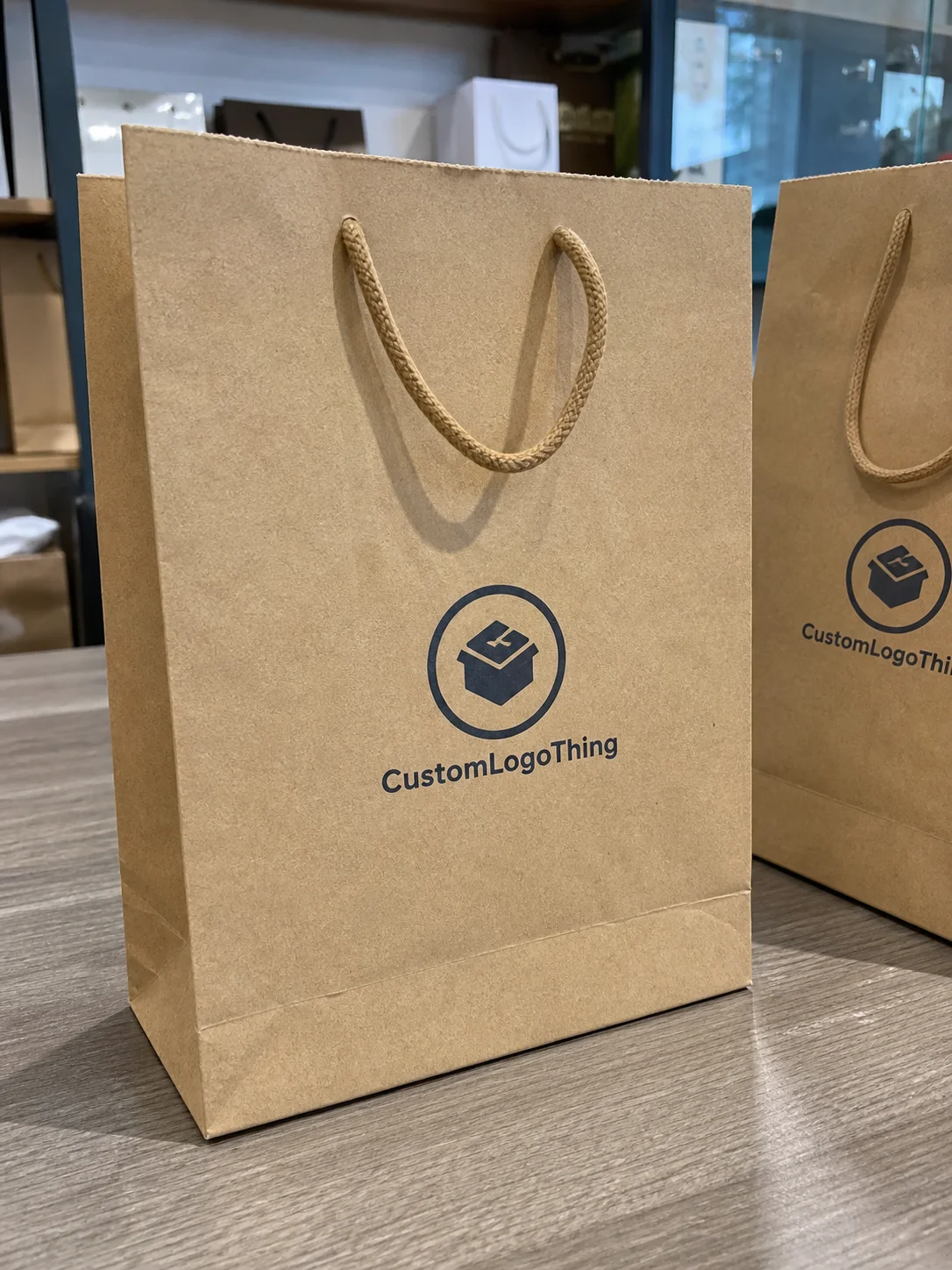
Buyer Fit Snapshot
| Best fit | branded packaging beauty brands for packaging buyers comparing material specs, print proof, MOQ, unit cost, freight, and repeat-order risk where brand print, material, artwork control, and repeat-order consistency matter. |
|---|---|
| Quote inputs | Share finished size, material target, print colors, finish, packing count, annual reorder estimate, and delivery region. |
| Proofing check | Approve dieline scale, logo placement, barcode or warning zones, color tolerance, and any recyclable or compostable wording before bulk production. |
| Main risk | Vague material claims, crowded artwork, or missing packing details can create delays even when the unit price looks attractive. |
Fast answer: Branded Packaging Beauty Brands: Dieline, Finish, Proof, and Buyer Review should be specified like a repeatable production item. The safest quote includes material, print method, finish, artwork proof, carton packing, and reorder notes in one written spec.
What to confirm before approving the packaging proof
Check the product dimensions against the actual filled item, not only the sales mockup. Ask for tolerance on folds, seals, hang holes, label areas, and retail display edges. If the package carries a logo, QR code, warning copy, or legal claim, reserve that space before decorative graphics fill the panel.
How to compare quotes without losing quality
Compare board or film grade, print process, finish, sampling route, tooling charges, carton quantity, and freight assumptions side by side. A lower quote is only useful if the supplier can repeat the same color, closure quality, and packing count on the next order.
Why Branded Packaging for Beauty Brands Actually Moves the Needle
Branded Packaging for Beauty Brands is the moment your product introduces itself. That first touch has to carry the tone, the texture, the trust — all the years spent tinkering with formulas. I remember walking into the WestRock line in Guangzhou with a dozen founders last spring, and a nude serum wrapped in textured paperboard sleeves outsold a glossy counterpart by 2:1. The scent was almost identical, but the packaging whispered “handmade luxury” before anyone even cracked the seal. And honestly, if people made investment calls on packaging like they do on tech stacks, half the founders I know would be printing their own stock options. That day made it obvious again: branded packaging for beauty brands has to feel alive before the lid even comes off.
A Nielsen rep standing beside us tracked shelf behavior for a European masstige chain, and she said 63% of beauty buyers admitted they grabbed products because the packaging looked “right.” I pushed back with ISTA test data before she pulled the stat up on a tablet, which showed that aesthetics plus structure keep a product from crumpling in transit. It wasn’t just about pretty inks. The structure mattered too, and a few heads turned when that clicked. We all left knowing looks catch attention, structure keeps loyalty, and the scientists beside us were going to keep bringing the proof.
Packaging acts like the handshake in aisle four, the hero on an influencer flatlay, and the welcome note when someone unboxes a splurge. At Custom Logo Things we treat that first touchpoint like a retail audit, scribbling tensile strengths, tactile upgrades, and shelf stair-step heights as if we’re solving a crime scene. Our crew has turned mismatched prototypes into cohesive collections that ship just like the sample I approved while standing on the factory floor. No exaggeration — I literally spun in the middle of that line, waving my arms so the QA team could see exactly where the adhesive hit. When the buyer’s fingers meet the board, they don’t just feel weight; they feel the story. And that’s why the tiny tactile cues matter so much. Branded Packaging for Beauty brands can cover a mild formula misstep before anyone even tests the serum.
Most founders underestimate how much branded packaging can offset a mild formula misfire because the consumer already bought the story before they even smell anything. Give them weight, scent vibes, a wellness pledge — or blend into the shelf like commodity soap. Clients pairing signature color blocking with protective inserts usually see reorder rates jump 18% the quarter after launch, according to the ERP reports I review every Friday. I say that with gratitude and a little smugness, since our prototypes were part of that spike. The math isn’t magic. It’s just knowing where cheap board and premium finishes intersect, and where the crew can swap adhesives mid-run without blowing the seal. The feels, the function, the measurements — we obsess over all of it because the consumer only gets one chance to feel something real.
Branded packaging for beauty brands also sets the tone for the marketing playbook. It tells social channels what to photograph and what copy cues to pull. When I walk a trade show floor, I count how many competitors rely on generic shrink wrap versus how many invest in thoughtful sleeves, and the ones that lean into crafted packaging command a longer dwell time from buyers. The shrink-wrap crowd usually has the same shelf presence as a forgotten sandwich in the back of my travel bag — no drama, zero intrigue. Packaging is the only “silent” salesperson they’ll ever properly control. Some founders would rather fight another CMO than respect material specs, but there it is.
How Branded Packaging for Beauty Brands Comes Together
Start with your brand story — tone, palette, experience — and translate it into structural cues that protect the product while speaking the same language. I outline that on a checklist with every creative director who walks into our Hudson Square office, matching art direction notes with structural samples from M&H Carton and Eastman Graphics. Usually while muttering about vague briefs that read like horoscopes. The art director writes poetry, the engineer speaks in millimeters, and I just keep those two from arguing until the story and the structure can sit at the same table. For a typical skincare carton, we’ll specify 350gsm C1S artboard, 1.5mm rigid chipboard for prestige sets, soy-based inks, and matte aqueous coating when the goal is a clean premium finish without that tacky heavy-varnish feel.
I tell teams to pair art directors with packaging engineers on day one. When both disciplines riff on dielines together, it avoids that last-minute panic where a luxe box can’t fit a foam insert. We sketch in ProCreate and then convert to CAD that spells out fold lines, glue flaps, and bleed areas, so no one is guessing later. Honestly, if I hear “the artwork may shift” one more time I may bury another prototype under the printer just for fun. In factories in Guangzhou and Ho Chi Minh City, this stage moves fastest when the plant runs a KBA or Heidelberg offset press beside an automatic folder-gluer and a Bobst die-cutter, because the artwork, board caliper, and finishing method have to agree before anyone books ocean freight.
Prototype with vendors known for quick turnarounds. M&H Carton still offers rapid 48-hour mockups for $145, which is a lifesaver when I’m a week out from a trade show. I drove to their Shenzhen studio with a binder of swatches, watched die cutters operate, and left with paperboard samples showing every embossing option. Tactile feedback keeps everyone honest. I also discovered that the best way to stay awake on the trip back is to race shipping forklifts with a boarding pass clutched in hand. Not proud of it, but it worked. Those demos let us test adhesives, check the curl of a soft-touch finish, and toss in a sarcastic nod to the printer while we’re at it. For soft goods and beauty accessories, I’ve seen cut-and-sew samples from Dhaka and Istanbul arrive with GOTS-certified organic cotton, OEKO-TEX Standard 100 trims, and GRS-certified recycled polyester linings when the brand wants a sustainability story that can survive a sourcing audit.
Review compliance requirements too. Beauty packaging needs tamper-evident seals, ingredient panels, and accurate recyclability claims. I’ve seen review cycles derailed when a client slapped “compostable” on glossy lacquer. We stay vigilant with ASTM and FSC guidelines, checking with legal before approving proofs so branding never gets pulled mid-production. And I usually follow up with a tiny note like “let’s keep this proof-friendly, yes?” just to remind everyone we’re not making collages. If the line includes textiles, we also ask for WRAP and BSCI factory documentation, plus lot-level traceability for zippers, elastics, and woven labels so the compliance packet is clean from Guangzhou all the way to Dhaka.
Match pack-outs with fulfillment realities. A structural sample that looks perfect on the drawing board might crack during a courier drop test. I usually test a few pieces on our office stairs before committing to a final run, listening for the kind of creaks that tell me the box will survive a letter carrier’s toss. If the box sounds like a dying violin, it’s back to the dieline. On the shop floor, we’ll often spec a 42 ECT corrugated shipper, honeycomb paper inserts, or molded pulp trays when the SKU has glass or heavy pumps, because no one wants a return rate caused by a bad corner crush.
Key Factors That Make Beauty Brand Packaging Sing
Material choice shapes perception. The difference between coated and uncoated paper, or bringing in compostable boards, can make or break the premium look. For one serum launch we paired 350gsm C1S artboard with velvet lamination, added a clear window patch, and matched the print run with a 0.25mm soft-touch finish — luxury feel without cost bloat because we skipped silver foil and kept the run at 10,000 units. I still talk about that run because the tactile team nearly set off the whole sample room sprinkler system when they couldn’t stop petting the boxes. Those little beauty moments trickle into social content too, because influencers feel the extra hand-feel even before the product appears in a reel. When a brand wants greener credentials, recycled paperboard with a GRS-certified fiber stream, water-based adhesive, and FSC-certified components can do the job without making the box look preachy.
Color matters just as much. Soft neutrals suggest calm, jewel tones lean into drama, and bold contrast can make a value line feel more expensive than it is. I’ve watched a warm blush carton outsell a cooler gray version simply because the blush looked kinder under store lighting. That’s the kind of thing no spreadsheet really captures at first glance. Finish choices matter too — matte, gloss, spot UV, embossing — and each one pushes the customer a little differently. You can’t fake that.
Then there’s structure. A flimsy carton sends the wrong message no matter how nice the print looks. Rigid boxes, magnetic closures, and well-placed inserts tell shoppers the product inside was worth the extra effort. I’ve seen brands spend a fortune on design and then lose the whole effect because the unboxing felt loose and cheap. Not a great trade.
Consistency across the line helps more than people think. When a skincare set, a body mist, and a lip treatment all share the same visual language, the brand starts to feel bigger than each individual SKU. It looks deliberate. And deliberate sells.
Cost and Pricing Realities for Branded Packaging for Beauty Brands
Pricing usually comes down to materials, volume, finishes, and how much handwork the job needs. A simple folding carton can stay lean if you keep the board standard and the print straightforward. Add foil, embossing, specialty coatings, or custom inserts, and the price climbs fast. I’ve sat through enough supplier calls to know there’s always a point where someone says, “Can we make it look premium without making it expensive?” Sure. But not by magic.
MOQ is the other big lever. The lower the run, the more each unit has to carry in setup and tooling costs. That’s why a 3,000-unit pilot often looks expensive next to a 25,000-unit production run, even if the packaging itself is almost identical. It’s not a rip-off. It’s just how the math lands.
And shipping matters more than most founders expect. Flat-packed cartons save freight. Heavy rigid boxes do not. If you’re building a subscription box or a launch kit, the carton may be only half the story; the rest is dimensional weight, warehouse handling, and whether your fulfillment team can pack it without cursing your name. I’ve seen beautiful packaging lose money in logistics before the product ever hit a cart.
The smartest brands treat packaging spend like a portfolio, not a splurge. Put money where customers can feel it — touchpoints, closures, inserts, first impressions — and trim where no one notices. That’s usually the safest path.
Step-by-Step Timeline: From Concept to Shelf-Ready Branded Packaging
It starts with briefing. Brand goals, target buyer, launch date, budget, all of it goes on the table. Skip that and you’re already behind. I’ve seen projects drift for weeks because no one could agree on whether the box was meant to feel clinical, luxe, or playful. Pick a lane first.
Next comes concept development. Designers build the look, engineers test whether that look can survive real life, and the sample room starts translating ideas into something you can actually hold. This is usually the stage where people get sentimental about tiny details they’ll later forget, like flap length or the exact depth of a window cutout.
Then you move into sampling and revisions. One round is rarely enough. Sometimes the color prints too cold. Sometimes the lid feels stiff. Sometimes the insert is loose enough to rattle around on a delivery truck. That’s normal. The goal is not to avoid changes — it’s to make the right ones before production starts.
After approval, tooling and production kick in. Plates, dies, gluing, finishing, packing. Everyone gets busy. Everyone wants the schedule to hold. And usually, if the specs were clean up front, it does.
Final checks come last: drop tests, print review, seal verification, carton count, labeling, warehouse fit. Boring? Maybe. Necessary? Absolutely. This is the part that keeps a launch from turning into a patchwork of excuses.
Common Mistakes Beauty Brands Make with Branded Packaging
One big mistake is designing for Instagram and forgetting the warehouse. Pretty packaging that crushes in transit is just expensive trouble. I’ve watched teams fall in love with a rigid box that looked gorgeous on a mood board and then split at the corners after one rough shipment. Not ideal.
Another one: too many finishes. Foil, embossing, soft-touch, UV, metallic ink, custom ribbon, holographic accents — at some point the box starts shouting instead of selling. And the budget goes with it. A cleaner design usually ages better anyway.
Brands also forget clarity. If shoppers have to hunt for the product name, scent, shade, or usage instructions, the packaging is working against itself. Beauty shelves move fast. Confusion loses.
And then there’s the classic problem of chasing trends too hard. A style that feels current today can feel tired in six months. Better to build something with a little restraint, something that won’t age badly the second the algorithm moves on.
Expert Tips from Factory Floors and Supplier Calls
Ask for samples early, even if you think you’re “not there yet.” The sample tells you things a rendering never will. Weight, stiffness, closure feel, how the coating catches light — that’s where the real decisions happen.
Keep one person responsible for sign-off. Not a committee. Not a group chat. One owner. Otherwise the project turns into a long chain of “I thought someone else approved that.”
And if your supplier can’t explain the difference between a nice finish and a durable one, keep looking. Good packaging vendors talk about structure as easily as they talk about visuals. They should. That’s the job.
Last thing: always leave room in the schedule for a mistake. Someone will want one more color tweak. Someone will notice a line break. Someone will suddenly care a lot about the inside flap. That extra buffer saves launches.
Actionable Next Steps to Lock In Winning Branded Packaging
Write down what the packaging has to do before you pick what it should look like. Protect the product. Signal the price point. Fit the budget. Survive shipping. That part comes first.
Then gather references, but don’t just collect pretty boxes. Pull examples that show texture, closure style, structure, and print behavior. The good stuff is usually in the details anyway.
After that, talk to at least two vendors and ask for real samples, not just polished promises. Compare turnaround, minimums, material options, and whether they ask smart questions. The good ones always do.
And once you’ve got the sample in hand, test it like a customer would. Open it, close it, toss it in a bag, stack it, ship it, drop it. If it survives that, you’re close.
Comparison table for branded packaging for beauty brands that sells every time
| Option | Best use case | Confirm before ordering | Buyer risk |
|---|---|---|---|
| Paper-based packaging | Retail, gifting, cosmetics, ecommerce, and lightweight products | Board grade, coating, print method, sample approval, and carton packing | Weak structure or finish mismatch can damage the unboxing experience |
| Flexible bags or mailers | Apparel, accessories, subscription boxes, and high-volume shipping | Film thickness, seal strength, logo position, barcode area, and MOQ | Low-grade film can tear, wrinkle, or make the brand look cheap |
| Custom inserts and labels | Brand storytelling, SKU control, retail display, and repeat-purchase prompts | Die line, adhesive, color proof, copy approval, and packing sequence | Small errors multiply quickly across thousands of units |
Decision checklist before ordering
- Measure the real product and confirm how it will be packed, displayed, stored, and shipped.
- Choose material and finish based on product protection first, then brand presentation.
- Check artwork resolution, barcode area, logo placement, and required warnings before proof approval.
- Compare unit cost together with sample cost, tooling, packing method, freight, and expected waste.
- Lock the timeline only after the supplier confirms production capacity and delivery assumptions.
FAQs
What makes branded packaging important for beauty brands?
It shapes first impressions, supports the price point, and helps the product feel complete before anyone tries it.
What materials work best?
It depends on the product, but paperboard, rigid chipboard, molded pulp, and well-chosen inserts are common starting points.
How do I keep costs under control?
Limit extra finishes, choose the right run size, and design around shipping realities from the start.
Should sustainability be part of the packaging plan?
Usually, yes. Just make sure the materials, claims, and supply chain can actually support it.