A beauty subscription Plastic Bags Barcode label checklist sounds painfully specific until 12,000 gorgeous branded bags hit the packing line and half the codes scan like wet newspaper. Pretty packaging does not save a bad scan. Shocking, I know.
For beauty subscription brands, the bag is not just a cute outer wrap. It is part of inventory control, kitting accuracy, returns handling, retail routing, and customer experience. A checklist forces the boring but expensive details into the open before production: bag size, film type, label stock, barcode format, print contrast, placement, adhesive, carton packing, and scanner testing.
Beauty Subscription Plastic Bags Barcode Label Checklist: What It Actually Prevents
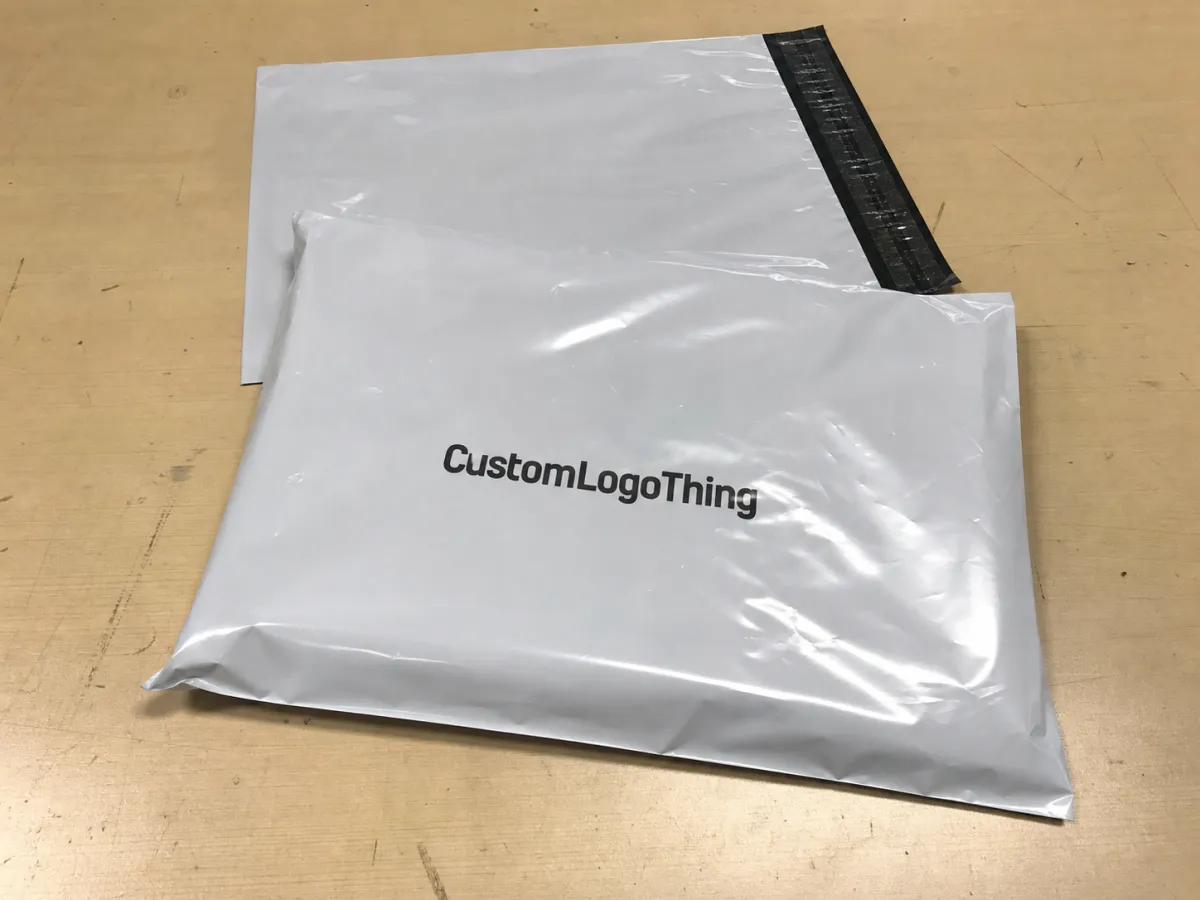
The checklist is a pre-order and pre-production control tool. It keeps the packaging buyer, designer, fulfillment team, and supplier from assuming that a label will magically stick, scan, and stay readable after filling, sealing, stacking, and shipping.
That assumption gets expensive fast. Beauty programs often run rotating monthly assortments with tiny SKU differences: one serum shade, one fragrance sample, one influencer insert, one retailer-specific barcode. A 0.75 oz tube and a 1 oz tube can look almost identical in a bin. The barcode is what stops the wrong item from landing in the wrong box.
Subscription beauty is exposed because the products are small, shiny, oily, powdery, seasonal, and frequently promoted on social. Returns are sensitive. Mis-picks create customer service tickets. A poor barcode can slow receiving, kitting, shipping, and reverse logistics in the same week. Very efficient, in the worst possible way.
A useful checklist covers practical details:
- Bag dimensions: width, height, lip, flap, gusset, and usable flat panel area.
- Film type: LDPE, HDPE, co-extruded PE, recyclable PE, frosted film, matte film, or compostable-style material.
- Closure: flap seal, resealable adhesive strip, zipper, tamper-evident seal, or wicketed format.
- Label zone: the exact safe area for the barcode, away from seams, folds, zipper tracks, and crush points.
- Barcode details: UPC, Code 128, QR code, GS1-style data, quiet zone, human-readable text, and scan grade target.
- Operational proof: scan testing on loose bags, filled bags, stacked bags, and carton-packed bags.
From a buyer’s point of view, branded bags still have to behave like inventory control equipment. The artwork can be polished. The label still needs to survive a warehouse shift without drama.
How Barcode Labels Work on Custom Beauty Poly Bags
The system is simple. The plastic bag carries the product. The barcode label carries the data. The scanner verifies movement through receiving, kitting, fulfillment, shipping, returns, or a retail handoff.
Common barcode choices depend on the job. UPC is typical for retail-facing units. Code 128 is common for internal fulfillment because it can handle letters, numbers, and longer ID strings. QR codes work well for customer-facing content, instructions, tutorials, shade charts, or reorder pages. GS1-style formats may be required by distributors, marketplaces, or larger retail partners, especially if batch, lot, or serialized data is involved.
Contrast matters more than brand mood. Scanners need dark bars on a light background with a clean quiet zone around the code. Beige bars on a blush label may look premium in a deck, but scanners are not browsing Pinterest. Use black on white, or very dark ink on a pale label, unless the warehouse has already tested and approved something else.
Surface finish changes the scan. Glossy plastic can glare under overhead lighting. Frosted film can soften edge contrast. Matte recyclable films may have enough texture to reduce label contact or print sharpness. Heavily textured compostable-style materials can need larger labels, stronger adhesive, or higher print density.
Label application changes the cost and risk profile. Small runs often use hand-applied labels, which is fine for 250 to 2,000 units if the team has a placement guide. Larger packouts may justify machine-applied labels for consistency. Some brands print a blank white barcode zone directly on the bag and apply variable labels later. If every bag uses the same static code, direct printing may work. Rotating monthly assortments usually need labels or a digital print workflow.
Static branding and compliance marks can often be printed directly on the bag. Variable SKU data, batch codes, expiration dates, routing IDs, and subscription month identifiers usually belong on a label. Make that decision before artwork approval, not after the bags are converted and sitting in cartons.
Key Bag Specs That Affect Label Scanning and Packout Speed
Start with size. A bag that barely fits the product leaves no flat area for a label. The barcode gets bent around a serum box, dragged into the seal zone, or wrinkled across a product corner. Then the warehouse hates everyone. Fair.
For beauty subscription use, film thickness usually falls into a few practical bands. Light sample bags may run around 1.5 to 2 mil for sachets, masks, and flat inserts. Mid-weight bags around 2 to 3 mil suit boxed cosmetics, small skincare cartons, and mixed beauty kits. Heavier 3 to 4 mil film is safer for palettes, tools, glass droppers, pumps, or anything with a sharp carton edge. Product geometry matters as much as weight.
Material choice affects durability, printability, and label grip:
- LDPE: soft, flexible, common for custom poly bags, and usually label-friendly with standard adhesives.
- HDPE: crisper feel, often thinner and noisier, good for lightweight use but less premium in hand.
- Co-extruded PE: useful when the bag needs better strength, opacity, or a specific inside/outside surface.
- Recyclable PE: a strong option if the structure stays within compatible polyethylene streams; confirm the exact claim with the supplier.
- Compostable-style films: attractive for sustainability messaging, but label adhesion, tear behavior, shelf life, and storage limits need testing.
- Frosted or matte finishes: good brand feel, though they can reduce contrast and make adhesive selection more sensitive.
Closure style matters too. A flap seal gives a clean front panel but may create a thicker folded area on the back. A resealable adhesive strip is useful for returns or product inspection, yet labels should not cover the strip or pull tab. Zippers add bulk and create a hard track that can bend labels. Tamper-evident seals help for premium kits but reduce usable label zones. Wicketed bags speed machine filling, although the wicket holes and top stack area need to stay clear.
Place the barcode on the flattest front or back panel. Keep it away from gussets, heat seals, hang holes, zipper tracks, folds, and areas crushed during carton packing. For a 2-inch-wide barcode, a label closer to 2.5 to 3 inches wide often gives the quiet zone enough room. Tiny labels are cute until someone pays people by the hour to key in codes manually.
Beauty-specific mess is real. Oils, lotions, powders, humidity, and refrigerated storage can weaken adhesive or smudge low-grade thermal labels. If products are filled near powder stations or handled with lotion residue, use a stronger permanent adhesive and consider thermal transfer printing instead of direct thermal. Direct thermal labels can darken with heat and abrasion, which is not ideal for longer storage cycles.
Cost, MOQ, and Quote Details Buyers Should Check Early
Pricing is not simply “how much per bag.” That question is too vague to be useful. A real quote depends on film type, thickness, size, print colors, finish, closure, barcode method, label stock, variable data needs, and whether the supplier applies the labels.
For simple Custom Poly Bags, buyers may see rough ranges like $0.08 to $0.18 per unit at larger volumes, but beauty subscription specs often push higher. Add frosted film, resealable closure, multiple print colors, small MOQ, and applied barcode labels, and a more realistic working range might be $0.18 to $0.45 per finished bag for mid-volume runs. Small test orders can cost more. Fully labeled, sorted, or serialized work can cost more again.
Setup fees matter. Flexographic printing may require plates, often somewhere in the low hundreds per color depending on size and supplier. Digital printing can reduce setup pain for short runs but may raise the unit cost. Variable barcode serialization adds data handling, proofing, label printing, and quality checks. Compostable-style films and specialty matte finishes also tend to carry premiums.
| Option | Typical Use | Cost Impact | Buyer Watchout |
|---|---|---|---|
| Bag only, no label | Brands applying labels in-house or at fulfillment | Lowest supplier cost | Labor and placement errors move to your team |
| Bag plus printed labels | Fulfillment teams that want ready label rolls | Moderate cost | Confirm adhesive, roll direction, printer compatibility, and barcode data accuracy |
| Fully labeled bags | Larger packouts needing consistent placement | Higher unit cost | Can save labor if scan testing and QC are included |
| Direct-printed static barcode | One code used across every bag | Efficient at volume | Poor fit for rotating SKUs or monthly assortments |
MOQ tradeoffs are straightforward. Lower minimums help test campaigns, influencer drops, and new subscription themes, but the unit cost is higher. Larger runs reduce unit cost but lock the buyer into forecasts, artwork, barcode rules, and storage space. If the monthly assortment changes often, ordering 100,000 pre-printed bags can turn into a very organized mistake.
A quote should include bag dimensions, material, thickness, print method, number of colors, closure, label size, barcode format, application method, carton pack quantity, lead time, proofing steps, freight, and overrun policy. Do not compare quotes unless these specs match. A cheap quote may quietly remove thickness, change material, skip label application, or exclude shipping. Cute trick. Not cute when invoices arrive.
Ask for separate pricing on bag-only, bag plus printed labels, and fully labeled bags. Also ask about Custom Labels & Tags if barcode data changes by month, SKU, batch, or retailer. Compare total handled cost, not just the lowest unit price.
Process and Timeline From Artwork to Scan-Ready Bags
A normal production flow has more steps than most first-time buyers expect. Confirm specs. Submit artwork. Submit barcode files or data rules. Receive dielines. Approve the digital proof. Approve a physical sample if the run or risk level justifies it. Print, convert, label, pack, and ship.
For domestic custom work, a simple printed poly bag may take about 10 to 20 business days after proof approval, depending on capacity and materials. Specialty films, complex printing, applied labels, or variable data can add another week or more. Overseas production can improve unit cost at volume, but freight, customs, and reorder timing need real calendar space. Air freight can rescue a launch, then punish the budget.
Proofing is not just checking whether the logo looks nice. Buyers should verify logo placement, barcode size, quiet zone, label position, color contrast, bag orientation, closure direction, carton count, and whether labels face the same way for fast picking. A reversed closure or rotated label can slow packout even if the bag technically matches the art proof.
Build scan testing into the process before full production. Test with the same scanners, lighting, and packing conditions the warehouse uses. A phone camera in a conference room is not the same as a handheld scanner under fluorescent warehouse lights while bags sit wrinkled in a bin. Use 25 to 50 sample bags if possible. Fill them with actual products, not air.
Practical rule: if the barcode only scans before the bag is filled, the test is not finished.
Version control is the quiet killer. Last-minute SKU changes, beauty box theme changes, influencer inserts, retailer barcode requirements, and batch coding can blow up a schedule if nobody owns the final file. One person should control approved barcode data and artwork releases. Not five people forwarding “final-final” PDFs. We all know how that ends.
Create a packaging spec sheet that follows each reorder. Include the approved dieline, label zone, barcode file, label stock, adhesive, carton count, supplier item number, and scan test notes. Standards such as ISTA transport testing can also help if bags are part of a larger shipping system with vibration, compression, or drop concerns.
Step-by-Step Checklist Before You Place the Bag Order
The beauty subscription Plastic Bags Barcode label checklist works best before purchasing issues a PO. After that, changes get slower, more annoying, and more expensive.
- Confirm the contents. List the largest product, sharpest edge, heaviest item, and whether each item is boxed, loose, glass, liquid, oily, or powder-based. A flat mask packet and a glass dropper bottle do not need the same bag behavior.
- Choose the bag size. Add enough flat panel space for the barcode label. Do not choose the smallest theoretical fit. Packing speed needs breathing room, usually at least 0.5 to 1 inch of practical clearance depending on product shape.
- Select material and thickness. Match film, gauge, finish, and closure to durability, brand feel, recyclability goals, and the way the customer opens the package. For recyclable claims, review current guidance from sources such as the EPA recycling resources and confirm local limitations.
- Define barcode label specs. Include barcode type, label dimensions, barcode size, quiet zone, adhesive type, print method, human-readable text, SKU name, batch code, and expiration data if needed.
- Mark the label zone on the dieline. Keep it away from seams, seals, gussets, zipper tracks, punch holes, major fold points, and areas that wrap around bulky products.
- Print and scan samples. Test loose bags, filled bags, stacked bags, and carton-packed bags. Scan at receiving, kitting, picking, shipping, and returns if those workflows use the code.
- Lock the spec in writing. If it is not written down, someone will improvise. Packaging improvisation is usually just expensive jazz.
For labels, specify more than the size. A 2 x 1 inch label printed direct thermal with general-purpose adhesive is not the same as a 3 x 2 inch thermal transfer label with permanent adhesive and resin ribbon. If the fulfillment team already uses a printer and scanner setup, ask for those model details before ordering Custom Labels & Tags.
Scan grade expectations depend on the workflow. Retail and distributor requirements may be stricter than internal warehouse use. If a partner provides barcode specs, follow them exactly. Close enough is not a standard.
Common Barcode and Label Mistakes in Beauty Subscription Packouts
Mistake one: making the label too small. The bag design looks cleaner, sure. Then the barcode fails at receiving, and the “clean” design becomes a labor problem. For most beauty poly bags, a label under 2 inches wide can be risky unless the barcode is short and already tested.
Mistake two: placing labels over curved or wrinkled areas. A barcode needs a flat read path, not a yoga pose. Filled bags change shape. Test the label after the thickest product is inside.
Mistake three: ignoring adhesive compatibility. Some labels lift from matte films, frosted PE, compostable-style materials, or bags exposed to oils, lotions, humidity, and cold storage. Ask for the adhesive type, then test it for at least 24 to 72 hours under the expected storage conditions.
Mistake four: using low-contrast brand colors. Barcode areas should be functional first and branded second. The scanner does not care about your mood board. Keep the code dark, the background light, and the quiet zone clean.
Mistake five: changing the assortment without retesting. Subscription programs change constantly. A bag that worked for flat sachets may fail with a boxed mascara and glass mini bottle. The checklist needs to follow the assortment, not just the artwork.
Mistake six: skipping warehouse input. The fulfillment team knows where bags jam, labels peel, scanners fail, and cartons crush the wrong corner. Ask them before production, not after 20,000 bags land.
This is the part many brands underestimate. Packaging is not approved because the founder likes the sample on a desk. It is approved after it survives the actual work: filling, labeling, scanning, stacking, shipping, and returns.
Build a Spec Sheet Before You Request Samples
Gather five items before contacting a supplier: packed product dimensions, monthly volume range, preferred material or sustainability requirement, barcode format, and packout method. Those details help a supplier quote the real job instead of guessing politely.
Create a one-page spec sheet with bag size, film thickness, color, finish, closure, artwork, label zone, barcode size, label adhesive, carton quantity, and receiving requirements. Add photos or sketches if the product shape is awkward. A palette corner, pump cap, or glass edge can change the right bag thickness fast.
Ask for samples in the closest real material and finish. Not whatever random poly bag is sitting in a sample drawer. If the final order will use frosted 2.5 mil LDPE with a resealable strip, test something close to that. If the final label will be thermal transfer with permanent adhesive, do not test a cheap office label and pretend the results mean anything.
Run a small pilot packout. Label 25 to 50 bags, fill them with actual products, scan them at each operational step, pack them into cartons, then check label condition after handling. If the brand ships in hot weather, cold storage, or humid regions, simulate that as much as possible. Not perfectly. Just enough to catch obvious failures.
Compare quotes by total landed and handled cost, not only unit cost. A bag that costs $0.06 less can still lose money if staff spend all month smoothing labels, rescanning codes, and fixing mis-picks. A slightly pricier scan-ready bag can be cheaper once labor, returns, and customer service are counted.
The beauty subscription plastic bags barcode label checklist should live with reorder files, proof approvals, artwork, barcode data, and fulfillment SOPs. Keep it controlled. Keep it boring. Boring packaging specs are how good-looking beauty drops ship without turning the warehouse into a complaint department.
FAQ
What should a beauty subscription bag barcode label checklist include?
Include bag size, material, thickness, finish, closure, barcode type, label size, label placement, adhesive type, print contrast, scan test results, carton packing method, and final approved artwork. Add the approved dieline and reorder notes so the next run does not depend on memory.
Can barcode labels stick well to frosted or matte plastic bags?
Yes, but test first. Frosted and matte films can need stronger adhesive or a larger label area, especially if bags face humidity, oils, powders, or cold storage during beauty fulfillment. Test after filling, not only on an empty flat bag.
Should beauty subscription plastic bags use printed barcodes or separate labels?
Use direct printing for static codes that never change. Use separate labels for variable SKUs, monthly assortments, batch data, retailer routing, or fulfillment workflows that change often. Most subscription programs need at least some variable label flexibility.
Where is the best place to put a barcode label on a beauty poly bag?
Place it on the flattest front or back panel, away from seams, zipper tracks, gussets, hang holes, heat seals, and areas that bend around bulky cosmetics or skincare boxes. Leave enough quiet zone around the barcode for reliable scanning.
How do I reduce scan failures on beauty subscription packaging?
Use high-contrast barcode printing, keep the quiet zone clear, Choose the Right label adhesive, avoid curved placement, test with warehouse scanners, and approve a packed physical sample before production. One controlled checklist gives the team a reference before every reorder.

