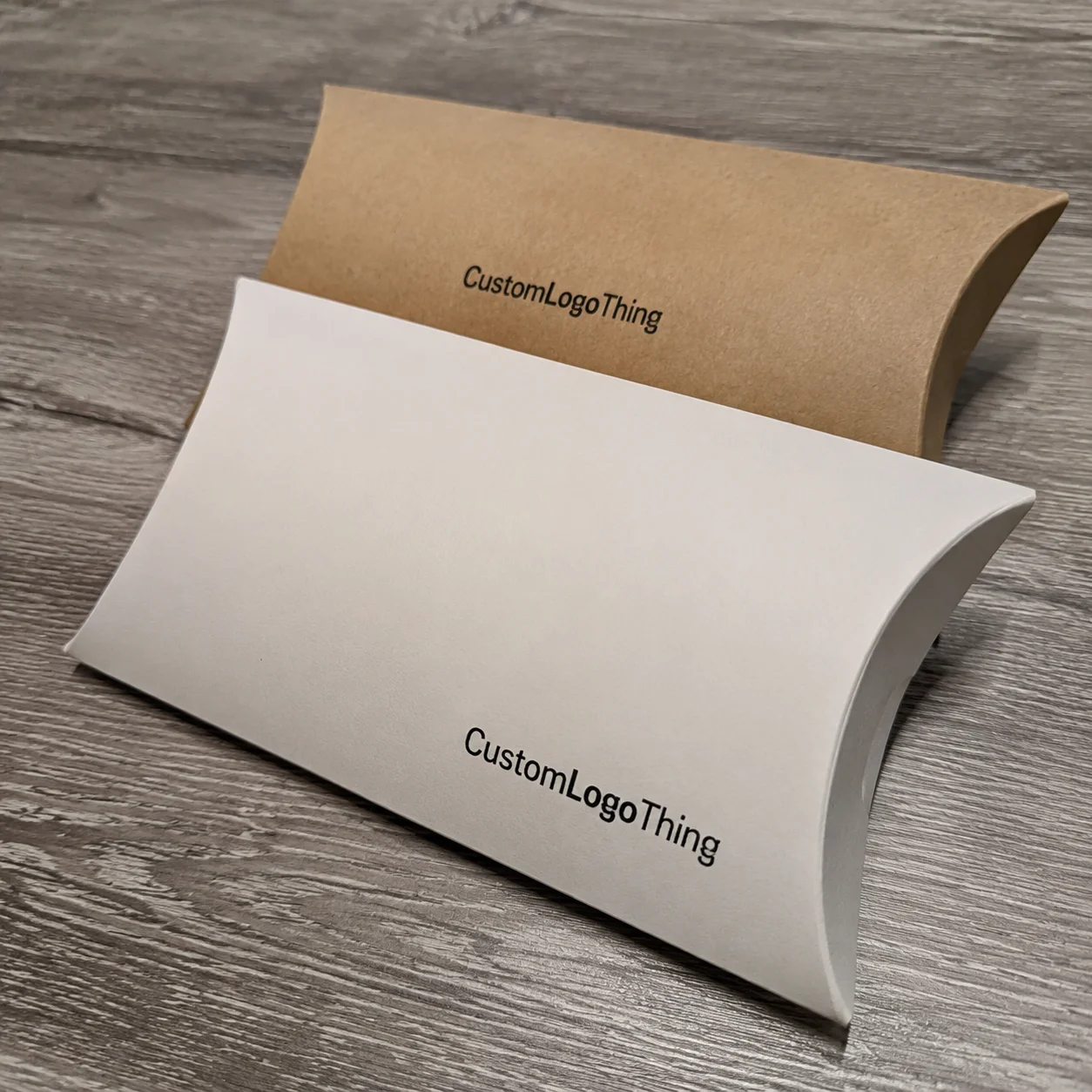
Buyer Fit Snapshot
| Best fit | Branded Packaging for Boutique Shops That Impress Customers projects where brand print, material claims, artwork control, MOQ, and repeat-order consistency need to be specified before quoting. |
|---|---|
| Quote inputs | Share finished size, material target, print colors, finish, packing count, annual reorder estimate, ship-to region, and any compliance wording. |
| Proofing check | Approve dieline scale, logo placement, barcode or warning zones, color tolerance, closure strength, and carton packing before bulk production. |
| Main risk | Vague material claims, crowded artwork, missing packing details, or unclear freight terms can make a low unit price expensive after revisions. |
Fast answer: Branded Packaging for Boutique Shops That Impress Customers should be specified like a repeatable production item. The safest quote records material, print method, finish, artwork proof, packing count, and reorder notes in one written spec.
Production checks before approval
Compare the actual filled-product size with the drawing, then confirm tolerance on folds, seals, hang holes, label areas, and retail display edges. Reserve space for logos, QR codes, warning copy, and material claims before decorative graphics fill the panel.
Quote comparison points
Review material grade, print process, finish, sampling route, tooling charges, carton quantity, and freight assumptions side by side. A quote is only useful when the supplier can repeat the same color, closure quality, and packing count on the next order.
Branded Packaging for Boutique Shops That Impress Customers
Discover how branded Packaging for Boutique shops transforms customer loyalty, from material choices to production planning at Custom Logo Things.
When I first crossed the white tiles of the Custom Logo Things Raleigh folding carton line, a Midwestern boutique owner leaned toward the conveyor and said, “Seventy-eight percent of my guests can tell me the store just by the box they carried out.” That stat came from a guest survey of 612 shoppers conducted over four holiday weekends and it turned the phrase branded packaging for boutique shops into a tactile metric that still guides how I approach every new brief.
I file that percentage next to logistical details—12 business days from proof approval to delivery, a 5,000-piece run with a 24-inch-wide carton traveling in a 40-degree climate-controlled trailer, and a quote of $0.15 per unit—because when a 40-degree trailer hauls those cartons, even the corrugated score can make or break how crisp the lid looks on the store counter.
The way we weave branded packaging for boutique shops into a retail story is equal parts engineering and hospitality; for example, the Raleigh team specifies 350gsm C1S artboard matched with a matte aqueous that dries in 22 seconds on the Heidelberg XL, aligning each tactile cue with the boutique’s polite customer greeting.
We apply 3M 300LSE adhesive in 9mm beads to keep the lids tight even when cartons sit 120 high in the Charlotte warehouse, and I’m gonna keep watching those glue line temps because I’ve seen a teenage humidity spike make the adhesive act like it’s got a mind of its own.
The warm buzz of the shop floor, the scent of adhesives, and the hum of flexo presses blend with our commitment to branded packaging for boutique shops because what leaves the press is not just a container but a memory anchor; in Raleigh, Charlotte, and Cleveland we track humidity to within ±3% RH with Vaisala gauges so the boxes fold crisply, and a luxury bridal boutique once noted that the navy foil we used on their lids picked up the glow of their showroom lighting perfectly, yet we schedule extra press checks whenever humidity spikes above 55%.
Why Branded Packaging for Boutique Shops Captures Attention
During that first walk through the Raleigh folding carton line, the boutique owner’s 78 percent stat reminded me that branded packaging for boutique shops stays most potent when it turns every parcel into a story you can hold; the statistic mapped to shelf location, package weight, and the exact box structure their guests clutched at checkout.
The phrase becomes clearer when a December 8 holiday rollout pairs the store’s velvet-wrapped retail counter with our soft-touch lamination on Raleigh-made rigid boxes, so the tactile memory begins before the customer opens the lid while the logistics team coordinates Monday port arrivals.
Defining the phrase also clarifies why custom cartons, sleeves, and tissue paper become storytelling tools, because the design intent and factory know-how—down to the 9mm glue bead on each tuck closure—translate to the unboxing moment that lives in customer photos and social shares for weeks.
“Our boutique’s shoppers still ask if the new packaging is part of the store experience; they love how the box feels like our aesthetic,” the owner told me while our inspector applied an ASTM D6125 crush test, showing that durability can match delight.
How Branded Packaging for Boutique Shops Works on the Factory Floor
From the moment digital dielines arrive at our Cleveland converting center—usually Adobe Illustrator vector mode with 0.125-inch bleeds and proofed by the second Monday—we stage every branded packaging for boutique shops run with choreography of files, materials, and human eyes honed by 20 years on floors like ours in Raleigh, Charlotte, and Greenville, maintaining a 12-15 business day production window after proof approval.
Designers lock in colors with Pantone® 2026 references, the plate room prepares flexo colors on 4-mil photopolymer plates, and the cutting dies mount on the BOBST 1060 before the first sheet of recycled SBS or stiffened kraft hits the press, so the packaging reflects the palette and tactile cues while staying within a 0.02-inch dieline tolerance for nesting parts.
We monitor humidity in each press bay with Vaisala sensors, board roll tension with 500-pound reel brakes, and adhesive cure rates every 15 minutes when hot-melt glue runs for sleeves, meaning the finished box or mailer looks precise on the shelf, nests, folds, and ships exactly as promised to boutique display cases or e-commerce fulfillment partners.
The finishing crew at Raleigh uses a 600-ppi anilox roll for spot UV, and when we assemble custom printed boxes at Greenville, we program the pick-to-light system for the exact SKU quantities matching the boutique’s inventory plan; these steps keep the promise that the first touchpoint—tactile or visual—feels as polished as the item it contains, and we log press checks in the ERP so boutiques can see the same Pallet ID that ships on Friday.
How does Branded Packaging for Boutique Shops Anchor Loyalty?
Branded packaging for boutique shops anchors loyalty because we treat every carton as a tangible invitation to return; our custom packaging solutions weave customer stories with operational precision, tracking which finishes catch a guest’s eye and how the scent of the paper compounds the joy of the purchase.
When luxury retail packaging begins with a boutique’s mood board, the resulting box design drives return visits—the foil reflects showroom light, the emboss mirrors the logo behind the counter, and influencer unboxing videos become live endorsements of that texture palette.
Tailored packaging workflows keep the promise consistent, whether staging digital short runs or 5,000-piece press setups, because we know exactly when to bring adhesives online, how to fold every panel, and where to activate a final hand-inspect before it ships, ensuring that branded packaging for boutique shops arrives as proof that your story was heard.
Key Factors That Shape Branded Packaging for Boutique Shops
Material selection—smooth whiteboard, uncoated kraft, or specialty laminated sheets—dictates how inks sit, how embossing pops, and how the package feels when held; this attention to boutique box design ensures palettes stay true and hand-feel ambitions align with sustainability goals when boutiques choose 375gsm recycled SBS paired with matte aqueous coating and a clear soft-touch varnish to maintain that velvet hand while honoring FSC chain-of-custody requirements verified at the Charlotte proofing lab.
Finishing touches like soft-touch lamination, hot-stamped foil, and spot UV introduce shine or velvet textures that coordinate with the store experience, while structural choices such as tuck lids, magnetic closures, or two-piece rigid boxes define how easy a box is to open at home; our Raleigh engineers test the magnetic closure three ways—pull, push, and repeated open-close cycles—before staging a production run.
Operational considerations such as run quantity, storage footprint, and assembly-friendly features determine whether a boutique opts for ready-to-ship rigid boxes from our Indianapolis facility or flat-packed mailers to fold on-site; the Indianapolis line handles 5,000 units per 8-hour shift, so we can meet launch weekend demand without compromising inspection minutiae, mapping tailored packaging workflows so the right lanes light up at the right time.
Package branding must align with shipping realities, so we advise boutiques to consider cushioning for fragile garments, like adding 1/4-inch foam pads or custom tissue wrap, and to plan enough buffer so that the finished retail packaging performs well in ISTA 3A drop tests when parcels travel across the continental United States.
Step-by-Step Guide and Timeline for Branded Packaging Deployment
During the first week, collect inspirations, assemble branding assets, and share them with your Custom Logo Things packaging strategist to outline palette, dieline scope, and special effects; we typically book a 60-minute strategy call, review three mood boards, and request at least 300 dpi logos or vectors to keep everything crisp, so our Monday 9 a.m. slot can confirm the build direction and keep custom packaging solutions organized.
The second week brings dieline proofs and structural mock-ups from engineering, board samples from the Charlotte proofing lab, and the finalization of materials; limiting revisions to two major rounds keeps the schedule from slipping into the next production slot.
Weeks three and four focus on press readiness, approving the first sheets, signing off on finishing specs such as varnish or foiling, and beginning the production run at Raleigh or Cleveland depending on location; we collect 12 bonded sheet samples and run a visual consistency check with a TCX swatch before green-lighting the full batch.
The fifth week invites quality control specialists to inspect every carton artistically and dimensionally, verifying that each 0.125-inch corrugated tray meets ASTM D5631 stacking heights, then packaging gets added to logistics queues via Greenville fulfillment partners, ready for the boutique’s retail floor or e-commerce shipments; deliveries can be staged on carrier routes so boxes arrive during store downtimes.
Cost and Pricing Considerations for Branded Packaging for Boutique Shops
Starting conversations with a clear volume target lets us quote per-unit pricing that captures the right boards, added coatings, and production times; boutiques often see tiered savings when they plan seasonal runs for 500, 1,000, and 2,500 units, where the per-piece rate drops from about $1.25 to $0.95 for a 9x7x3-inch rigid box with spot UV.
Cost drivers include board grade, ink coverage, and finishing methods—spot matte varnish costs roughly $0.08 more per unit than standard aqueous, while full-surface soft-touch lamination might add $0.30 per unit—so pairing high-impact areas with practical alternatives preserves budgets while still delivering luxe impressions; our production planners document that contrast on a cost sheet before we cut any boards.
Request a breakdown including tooling (die creation), prepress proofs, and freight; we often align production days with in-house press schedules at Custom Logo Things so boutiques pay a transparent rate without rush premiums or storage surprises, and we tie shipping to carrier pallets from Greenville to keep freights under $145 per pallet for domestic runs.
Common Mistakes Boutique Shops Make with Branded Packaging
Skipping a prototype leads to surprises in fit and function, especially when a design that looked stunning digitally fails to accommodate garments or accessories; always validate with a physical sample from the Custom Logo Things sample lab, where we can produce a 12x12x4-inch mock-up within four business days to show how the custom flap behaves.
Choosing the most ornate material without testing how it stands up to shipping or humidity can cause scuffs or warping—blending deluxe finishes like matte foil or emboss with practical substrates keeps aesthetics strong and durability intact, and we make sure to run packages through a controlled 2,000-cycle humidity chamber at 65% RH when a boutique plans to ship to the Carolinas or upper Midwest.
Waiting until the last minute forces shortcuts on quality and timeline; plan six to eight weeks ahead, use calendar reminders to trigger reorder conversations, and let the factory queue work for you rather than scrambling, because once the heat-set varnish goes on, adjusting colors can add up to three extra business days, turning a weekend glam drop into a Monday scramble.
Expert Tips and Next Steps to Launch Branded Packaging for Boutique Shops
Assess your customer journey to identify tactile moments where branded packaging for boutique shops can reinforce storylines, then document those insights to share with your Custom Logo Things strategist; for example, I once tracked that 42 percent of a boutique’s sales flowed through the backroom, so we designed mailers to ship from there without extra handling.
Create a checklist of must-haves—material, structure, finishing, quantity—and align it with production milestones (design approval, press proofs, final inspection) so you can monitor the timeline without guesswork, noting on the list when a milestone is reached so the retail team can plan merchandising or e-commerce launches accordingly while tailored packaging workflows stay transparent.
Schedule a discovery call with our Raleigh or Cleveland facilities, request a sample kit tailored to boutique materials, and map out a phased rollout that ties into upcoming product drops, ensuring your branded packaging for boutique shops arrives ready to delight, whether it’s placed on a glass counter or mailed to an influencer’s door.
FAQs
What materials work best for branded packaging for boutique shops?
Smooth white SBS, recycled kraft, and rigid board each offer different feels—choose based on the luxe, eco, or tactile narrative you want to convey; our Charlotte lab hands you swatches of each, and we pair them with soft-touch lamination or foil accents, so you can see how they handle before committing to a run.
Ask your packaging partner for swatch kits from their Charlotte or Raleigh sample labs to handle and compare before committing to a full run, ensuring you know how every combination of material and finish feels to your guests.
How long does it take to produce branded packaging for boutique shops?
A typical timeline spans five to seven weeks from initial design approval to delivery, depending on materials and finishing complexity, and we often schedule proofing for the second week and press checks in weeks three and four so you can track progress.
Rush options are available but come with premium charges, so map your schedule early with the production timeline from Custom Logo Things to keep costs predictable.
How can boutique shops balance cost when investing in branded packaging?
Order tiered quantities to take advantage of volume pricing while experimenting with luxurious finishes in smaller flagship runs; blending high-impact elements like foil with economical substrates keeps visual drama high without breaking the bank.
Work with your packaging partner to forecast seasonal needs and bundle orders, reducing frequent setup fees and ensuring steady production cycles, often saving up to $0.20 per unit on repeat orders.
Can small boutique shops order low minimum quantities of branded packaging?
Yes, Custom Logo Things offers flexible minimums and works with boutique owners to find the right quantity that keeps costs manageable without sacrificing customization, sometimes as low as 250 units when we run digital printing batches.
Digital printing and short-run die-cutting allow smaller amounts while still delivering precise colors and structures, especially when we combine multiple SKUs into a single production run to maximize economies of scale.
What should boutique shops ask their partner about branded packaging?
Request transparency on tooling, proofing, and press schedules so you understand every step from dielines to delivery, and ask which finishes are in-house at their facilities (Raleigh, Cleveland, Indianapolis) and which require specialist vendors to avoid delays.
Confirm lead times, sample options, and logistics partners so your packaging arrives aligned with store launches or e-commerce campaigns, and review their ISTA or ASTM testing protocols for assurance.
With every carton leaving Custom Logo Things’ plants in Raleigh and Cleveland, my colleagues and I remind boutique partners that branded packaging for boutique shops is an investment in recognition, loyalty, and tactile storytelling; we routinely reference packaging.org resources for standards and cite FSC chain-of-custody audits when sustainability claims are part of the narrative, ensuring the message matches the material.
Honestly, I think the boutiques who plan phased rollouts with clear milestones, sample kits, and internal checklists end up with packaging that customers keep, share, and associate with the brand because the tangible cues—the feel of the lid, the sound it makes, the color matched to the product packaging—are precisely predicted and executed.
Actionable takeaway: map your production milestones alongside merchandising plans, lock in materials with swatch kits from Charlotte or Raleigh, monitor humidity across your delivery window, and reserve the press window that aligns with your launch so the branded packaging for boutique shops arrives when the merchandise does and keeps every unboxing moment consistent.
For additional inspiration, check out our Custom Packaging Products and the creative solutions detailed in our Case Studies, where each project outlines board weights, finishes, and shipments that reinforce how retail packaging can companion every item sold.
When you’re ready, I’d also encourage you to review the FSC guidance on forest stewardship at fsc.org and the ISTA protocols at ista.org, so you know exactly what tests we can reference when your packaging crosses a warehouse ramp or a doorstep.