Buyer Fit Snapshot
| Best fit | Branded Packaging Bulk Order projects where brand print, material claims, artwork control, MOQ, and repeat-order consistency need to be specified before quoting. |
|---|---|
| Quote inputs | Share finished size, material target, print colors, finish, packing count, annual reorder estimate, ship-to region, and any compliance wording. |
| Proofing check | Approve dieline scale, logo placement, barcode or warning zones, color tolerance, closure strength, and carton packing before bulk production. |
| Main risk | Vague material claims, crowded artwork, missing packing details, or unclear freight terms can make a low unit price expensive after revisions. |
Fast answer: Branded Packaging Bulk Order: Cost, Specs, and Lead Times should be specified like a repeatable production item. The safest quote records material, print method, finish, artwork proof, packing count, and reorder notes in one written spec.
Production checks before approval
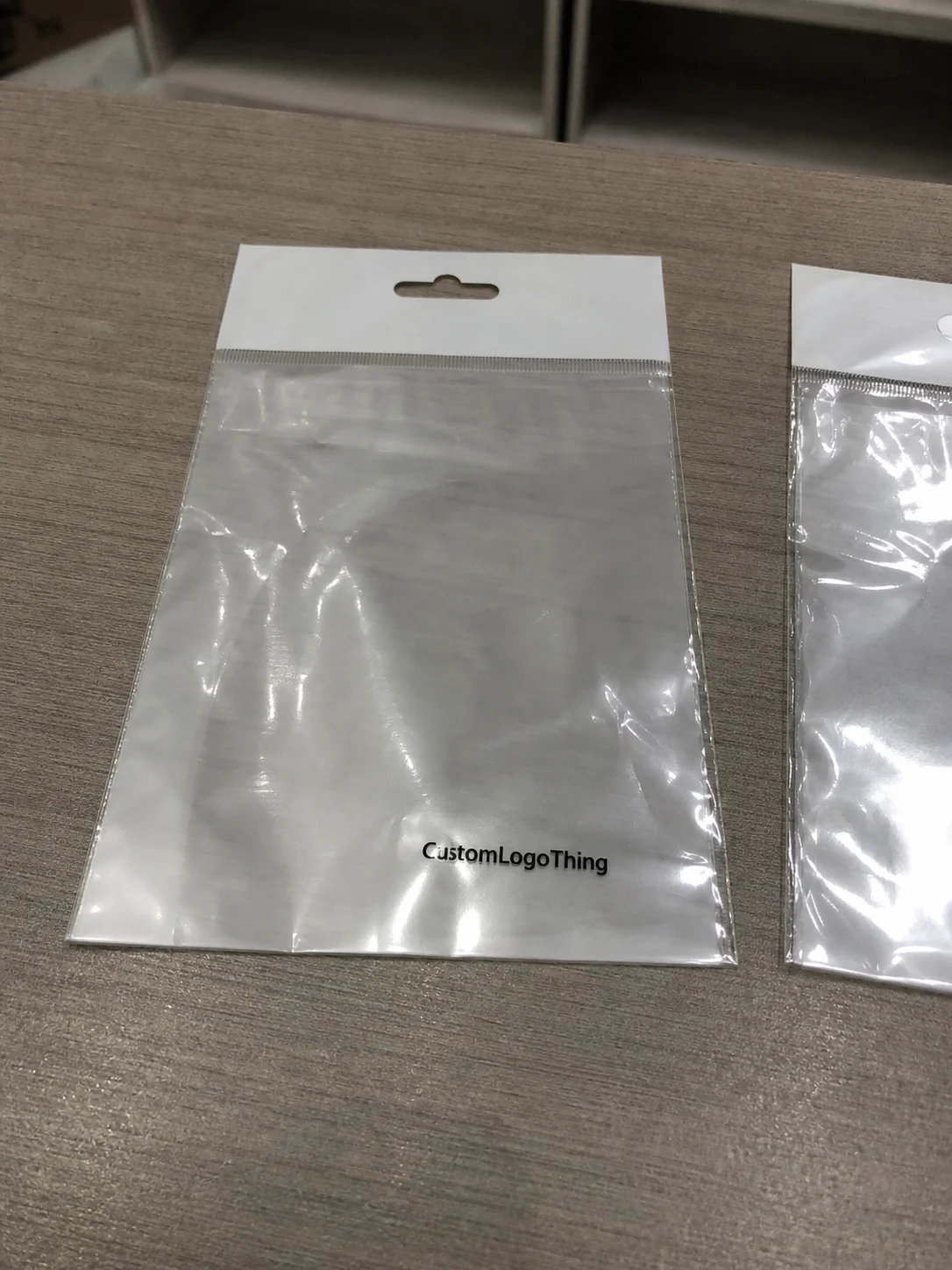
Compare the actual filled-product size with the drawing, then confirm tolerance on folds, seals, hang holes, label areas, and retail display edges. Reserve space for logos, QR codes, warning copy, and material claims before decorative graphics fill the panel.
Quote comparison points
Review material grade, print process, finish, sampling route, tooling charges, carton quantity, and freight assumptions side by side. A quote is only useful when the supplier can repeat the same color, closure quality, and packing count on the next order.
Ordering a branded Packaging Bulk Order is one of the most practical ways to bring unit cost down without making your product look cheap, and I’ve seen that play out on corrugated lines in Shenzhen, folding-carton presses in Dongguan, and rigid-box assembly tables in Jiaxing more times than I can count. The biggest savings usually come from setup efficiency, not just raw material volume, because once a print run is dialed in, a factory can spread plate making, make-ready, die cutting, and inspection over 5,000, 10,000, or even 25,000 pieces instead of a few hundred. If you’re planning a branded packaging bulk order for retail packaging, shipping cartons, or Product Packaging That needs to hold color from box to box, the details matter a lot more than most buyers expect, especially when the structure uses a 350gsm C1S artboard or E-flute corrugated board.
I remember a cosmetics client who kept reordering 250-box batches because they were nervous about storage space; by the third reorder, they had paid for three separate setup cycles on the same purple kraft mailer. We consolidated that into a single branded Packaging Bulk Order of 5,000 pieces, held the same Pantone 2685 C across the whole run, and cut their effective unit cost to about $0.42 per unit from roughly $1.18 per unit across the small reorders. That kind of savings is common, but only if you lock the structure, artwork, and finish before the press starts running. Honestly, I think people underestimate how much money gets burned by “just one more small run,” especially when each extra batch requires a new die-cut setup and another round of proofing in the factory.
“A bulk order is not just about quantity; it is about locking the process so the press, cutter, and gluer all stay on the same standard from the first carton to the last.”
Why bulk branded packaging lowers unit cost and risk
In my experience, the biggest financial gain in a branded Packaging Bulk Order comes from setup efficiency, and that starts on the floor long before the first finished carton lands in a shipper. A corrugated converter in Dongguan might spend 45 to 90 minutes on make-ready for a flexo run, while a paperboard line in Shenzhen may need plate mounting, ink balancing, and die adjustment before production really settles in. When you only order 500 or 1,000 pieces, those fixed costs get loaded onto each box, sleeve, or carton; when you order in bulk, the same costs are spread across far more units, which can pull a printed mailer down to around $0.15 per unit for 5,000 pieces on a simple one-color build.
I’ve watched this happen in a plant that was running E-flute mailers for a subscription brand and SBS folding cartons for a wellness company on the same shift in Guangdong Province. The subscription client placed a branded packaging bulk order of 12,000 mailers, and the operator could keep the same anilox, same ink viscosity, and same score settings far longer than with a short run. That stability matters because it reduces waste, reduces press stops, and usually gives you tighter color control across the lot, especially when the artwork includes a black logo on a natural kraft surface or a full-bleed CMYK panel on white board.
Bulk ordering also protects consistency across your brand packaging. If you split one campaign into five small orders, you risk seeing slight shifts in board caliper, gloss level, laminate feel, and even carton fit from one lot to the next. For branded packaging, that inconsistency can be surprisingly visible on shelf or in a fulfillment center, especially if you use a white-coated surface next to a natural kraft surface or mix board sourced from different mills in Zhejiang and Hebei. A single branded packaging bulk order keeps those variables tighter, which is exactly what you want if your boxes are moving through multiple distribution channels.
There is also a risk-control side that buyers sometimes overlook. Fewer reorders mean fewer design revisions between batches, fewer opportunities for file mistakes, and less chance that one run gets printed from an older dieline while the next run uses the updated one. Honestly, I think that is where bulk really earns its keep. One clean branded packaging bulk order often beats three “safe” small orders because the brand presentation stays steady, and your team spends less time chasing packaging exceptions. In practical terms, that can save one or two days of internal approvals and a full round of factory clarification emails.
If you want to see the packaging formats we support across different campaigns, take a look at our Custom Packaging Products and browse a few Case Studies from actual production runs. For buyers comparing channel strategies, our Wholesale Programs page can help frame volume expectations before you request a quote, whether your target is 2,000 units for a local launch or 20,000 units for a regional rollout.
Product options for branded packaging bulk orders
Most buyers asking for a branded packaging bulk order are choosing among a few common formats: mailer boxes, folding cartons, rigid boxes, tuck-top boxes, sleeves, inserts, and custom printed bags. Each one plays a different role. A mailer box in E-flute corrugated board gives you crush resistance for shipping, while a folding carton in 350gsm SBS paperboard is better for shelf presentation and lighter-weight products. Rigid boxes, usually built from grayboard in the 1.5 mm to 3 mm range, bring a premium feel that works well for gift sets, electronics, and high-margin consumer goods, and many factories in Shenzhen and Dongguan can wrap them with art paper, specialty texture paper, or matte-laminated printed sheets.
For shipping-heavy product packaging, I often recommend E-flute or B-flute corrugated depending on product weight and transit abuse. E-flute gives a finer print surface and still holds up well in e-commerce lanes, while B-flute can add more stacking strength for heavier items that need a better compression rating in warehouse storage. For retail packaging, SBS paperboard remains a dependable choice because it takes CMYK offset printing cleanly, folds sharply, and works well with aqueous coating or soft-touch lamination. A branded packaging bulk order should match the structure to the use case, not the other way around, whether the final destination is a boutique shelf in Los Angeles or a fulfillment center in Newark.
Print and finish choices change the feel of branded packaging more than many buyers expect. Offset printing handles fine detail and photographic work nicely on paperboard, while flexographic printing is often the better route for corrugated runs where speed and economy matter. I’ve seen foil stamping used on a rigid lid to elevate a beauty set, embossing used on a premium bottle sleeve, spot UV used to pull a logo forward on a matte carton, and soft-touch lamination used to create a velvety hand feel that customers remember. On a 3,000-piece run, those finishes can add anywhere from $0.08 to $0.65 per unit depending on the process, so they should be chosen with purpose and a clear retail payoff.
Factories also combine components to improve both function and presentation. A branded packaging bulk order might include a printed outer box plus a die-cut insert that holds the product in place, or a sleeve and tray combination that speeds packing on the assembly line. I worked with a supplement brand that kept seeing bottles loosen in transit until we switched them to a custom insert with a tighter insert tolerance and a deeper lock tab. The carton looked better, packed faster, and the damage rate dropped from 6.2% to under 1% in the first two outbound weeks.
For buyers who need clarity on structure and style, custom printed boxes are only one part of the decision. Good packaging design also considers how the box opens, where the logo sits, how the insert cradles the product, and whether the final package stacks well in a warehouse. If your order includes special retail packaging requirements, make sure the structure supports the whole journey from pallet to customer hands, especially if you are packing 24 units per master carton or shipping through a 3PL that re-labels every inbound case.
For standards and material basics, two useful references are the Packaging Machinery Manufacturers Institute and packaging resources and the FSC certification framework for responsibly sourced paper-based materials.
What is a branded packaging bulk order?
A branded packaging bulk order is a larger production run of custom printed packaging made to lower per-unit cost, keep branding consistent, and reduce repeat setup work. In practical terms, it usually means ordering enough mailer boxes, folding cartons, rigid boxes, or sleeves that the factory can spread tooling, plate making, die cutting, and inspection across thousands of pieces instead of a few hundred. For many brands, that is the point where custom packaging becomes much more efficient than repeated small orders.
The exact quantity depends on the structure, material, and finish. A simple corrugated mailer may qualify as a branded packaging bulk order at a few thousand pieces, while a rigid presentation box with foil stamping and insert assembly may need a higher minimum to make the economics work. What matters most is that the order is large enough to justify a production line setup and stable enough to keep the print, cut, and glue quality consistent throughout the run.
Specifications that matter before you place a bulk order
Before you place a branded packaging bulk order, confirm the exact specifications that will drive the production run. Start with dimensions, board thickness, flute type, print area, finish, closure style, and insert tolerance. A box that is 0.5 mm too tight can crush a product edge, while one that is too loose can let the item shift in transit. I’ve seen both issues on real jobs, including a skincare carton in Suzhou that looked perfect on screen but failed because the glass bottle neck was 2 mm taller than the approved sample.
Product weight and fragility should shape the structure. A 120 g lip balm can usually travel in a lightweight folding carton, but a 1.2 kg candle set or glass bottle kit may need corrugated protection, a stronger closure, or an internal corrugated pad. Shipping method matters too. If the order will move through parcel carriers, you should think about drop resistance and edge crush; if it is going to a retail pallet, stacking strength becomes a bigger concern. For this reason, the right branded packaging bulk order is not always the prettiest sample on the table; it is the one that survives your actual distribution lane, whether that lane runs through UPS parcel hubs or a regional warehouse in Illinois.
Artwork prep is another place where clean specs save money. Give the factory the dieline, bleed, safe zones, Pantone references, barcode placement, and any copy that must stay outside a fold or glue panel. Most plants want final artwork as outlined vector files with images at print-ready resolution, and they will check proof approval before plates or cutting rules move forward. A good proof process catches mistakes early, especially when the package branding includes small legal copy, recycling marks, or a barcode that must scan cleanly at the fulfillment center. In many plants, the final proof stage is signed off 12 to 15 business days before delivery on a standard run, so delays at this stage can ripple quickly.
Quality control should not be an afterthought in a branded packaging bulk order. In factory production, I always want to see board score accuracy, glue consistency, print registration, and compression testing checked before shipment. on Rigid Boxes, I look closely at corner wrap tension and lid fit; on corrugated mailers, I watch for flute crush and inconsistent slotting; on folding cartons, I care about cracking on folds and white lines along scored edges. These are small details, but they decide whether the finished product packaging feels deliberate or flimsy, and they are easier to catch when a line inspector checks every 200th unit instead of waiting until the pallets are wrapped.
For environmental guidance on packaging and waste reduction, the EPA has practical resources that are worth reviewing, especially if your brand wants to reduce excess material or improve recyclability claims. If you are working with paper-based stock, ask whether the plant can source FSC-certified board from mills in Vietnam or Jiangsu, because that can support both compliance and brand storytelling.
- Dimensions: product length, width, height, and any protruding components
- Material: corrugated, SBS, kraft, rigid grayboard, or specialty stock
- Print: CMYK, Pantone spot colors, flexo, offset, or digital
- Finish: matte, gloss, soft-touch, foil, emboss, spot UV, aqueous
- Fit: insert tolerance, tuck depth, closure style, and assembly method
Pricing, minimums, and what changes the quote
The price of a branded packaging bulk order is driven by quantity, material grade, print complexity, number of colors, finishing steps, box style, and shipping destination. If you choose a simple one-color kraft mailer, your quote may be much lower than a multi-process rigid box with foil stamping, embossing, soft-touch lamination, and a custom insert. That is not a trick; it is simply the way production costs stack up on the floor. Every added process means more labor, more machine time, or more risk of spoilage, and in some Shenzhen factories the difference between a basic mailer and a premium rigid presentation box can be $0.30 to $1.20 per unit.
MOQ works differently depending on the packaging type. Corrugated mailers may start at a lower threshold because they are faster to convert and easier to store flat, while rigid boxes often need a higher quantity because assembly and wrapping add more labor. A branded packaging bulk order generally gets better per-unit pricing as volume rises because the setup charge is spread over a larger lot. That is why a quote for 1,000 pieces can look very different from a quote for 5,000 or 10,000 pieces, even if the design is identical; the 5,000-piece price might land near $0.18 per unit, while 1,000 pieces could sit closer to $0.68 per unit.
Here is the tradeoff I explain to buyers all the time: a plain kraft package may save money upfront, but premium finishes can change buyer perception enough to support a higher retail price or better unboxing experience. A small line item for foil, embossing, or a specialty coating can make sense if the box is part of your brand story. I once negotiated with a supplier for a client who wanted to remove spot UV from a retail carton; after testing both versions in a factory showroom in Dongguan, the team kept the finish because the darker panel made the logo legible under store lighting. Sometimes the extra expense is the correct expense, especially if the carton is sitting beside competing products under LED shelf lighting for 10 to 12 hours a day.
When you compare quotes, compare apples to apples. Ask whether the number includes tooling, samples, freight, assembly, warehousing, or carton packing. A cheap-looking quote can hide a lot of add-ons. A well-structured branded packaging bulk order quote should show the material spec, print method, finish, box construction, MOQ, lead time, and delivery terms clearly enough that your team can make a real decision. If the quote says “custom box” without naming 350gsm C1S artboard, E-flute, or 2 mm grayboard, ask for the missing details before you approve anything.
Production process and lead time from file to delivery
The usual path for a branded packaging bulk order starts with inquiry, then moves to specification review, dieline confirmation, artwork proofing, sample approval, production, finishing, packing, and shipping. That sequence sounds simple, but each step can add time if details are missing. If your dimensions are not final, the dieline has to be revised. If the artwork is not print-ready, proofing can stall. If the sample needs a structural change, the schedule shifts again. In a well-managed run, the gap between proof approval and finished goods is typically 12 to 15 business days for a folding carton order and 18 to 25 business days for a more complex rigid box.
Timing depends on the packaging style. A straightforward printed folding carton can sometimes move from approved art to shipment in 10 to 18 business days depending on capacity, while a rigid box with foil, embossing, and a custom insert may need 20 to 30 business days or more after final approval. A branded packaging bulk order with custom cutting rules, special paper stock, or multiple finishing stages will usually take longer than a simple single-color mailer. I always tell buyers to think in terms of process stages, not just calendar days, because that is where most timing assumptions go wrong, especially if the board has to come from a mill in Fujian or the foil strip is coming from a separate supplier in Zhejiang.
Rush timelines are possible, but they are affected by material availability, print method, finishing complexity, and factory capacity. If a paper mill is late on a board shipment or a foil roll is backordered, even a well-planned run can slip. That is why I advise locking specs early and approving proofs fast. A client of mine once lost five days because their legal team sat on the final proof for sign-off, and those five days mattered because the packaging had to land before a trade show in Las Vegas. In bulk production, waiting is often more expensive than the actual print run, particularly when air freight is booked at $2.80 to $4.20 per kilogram and the deadline cannot move.
To keep a branded packaging bulk order moving, submit final artwork early, confirm the dieline before copywriting is locked, and keep one internal decision-maker close to the project. Ask for a sample if the structure is new, especially if the box includes an insert or a special closure. I recommend using a sample whenever the product is fragile, expensive, or likely to be packed by a third-party warehouse. Good samples catch problems before they become costly rework, and a one-piece prototype from a factory in Dongguan can save a 3,000-piece correction later.
If you want broader context on our process, you can review answers in our FAQ or compare order paths through our Case Studies. Those pages are useful if you are deciding whether a branded packaging bulk order should be built around retail display, e-commerce shipping, or wholesale distribution, and they help you estimate whether your order will fit a 14-day or 28-day production window.
Why Custom Logo Things is built for bulk packaging
Custom Logo Things is set up for teams that need more than a price sheet. We work with corrugated converting, paperboard folding, rigid box assembly, and finishing lines, so we understand how a branded packaging bulk order behaves from the first print pass through final packing. That factory-floor perspective matters because a design that looks elegant in a mockup can be a headache if the glue panel is too narrow, the insert is too tight, or the laminate cracks on a sharp fold. Our preferred specs often start with proven materials like 350gsm C1S artboard, 2 mm grayboard, and E-flute corrugated, because those boards have predictable performance in production runs out of Guangdong.
Quality control is where the real difference shows up. On bulk runs, I care about color management from sheet to sheet, die-cut precision at the crease, secure gluing on every corner, and carton-by-carton inspection before the pallets close. These may sound like basic tasks, but they are exactly where a run can go right or wrong. A well-run branded packaging bulk order should hold its shape, keep its print stable, and arrive ready to use without forcing your team to rework units at the warehouse. On a 10,000-piece run, even a 1% defect rate can mean 100 cartons pulled aside, so disciplined inspection matters a great deal.
We also support different order sizes and industry needs, from retail launches to subscription shipments to wholesale distribution. That means we can recommend a structure based on product weight, shipping method, and brand positioning rather than forcing every job into one box style. A candle brand, a clothing label, and a tech accessory company all need different product packaging, even if they all ask for a branded packaging bulk order. Honestly, that is the part I enjoy most: matching the structure to the actual use, not the trend, whether the final order is 2,500 units for a seasonal launch or 15,000 units for year-round replenishment.
What clients usually appreciate is straightforward advice on cost control before the order gets locked. If a premium finish is not pulling its weight, we say so. If a board upgrade will save damage claims, we say that too. A strong branded packaging bulk order should support package branding, protect the product, and stay within budget, and that balance only comes from asking the right questions early. A good recommendation might save $0.06 per unit on a mailer or avoid a $900 reprint on a folding carton run.
Next steps to start your branded packaging bulk order
Before you request a quote for a branded packaging bulk order, gather three things: product dimensions, target quantity, and preferred packaging style. Those three data points let a factory narrow down materials, estimate tooling, and propose a realistic construction. If you already know whether you want a mailer box, folding carton, rigid box, or printed sleeve, that helps even more, especially when the order needs to hit a specific cost target like $0.22 per unit at 8,000 pieces.
Send logo files, a rough sketch, or an existing box sample if you have one. I’ve seen simple reference samples save days of back-and-forth because they show how the lid closes, how the insert fits, and where the branding should sit. If your product is new, include weight, fragility, and shipping method so the material recommendation makes sense. A branded packaging bulk order for air-shipped retail cartons will not use the same board spec as a domestic fulfillment box that gets stacked eight high on a pallet in a warehouse outside Chicago.
Ask for a material recommendation based on your shipping lane and presentation goals. A good supplier should be able to explain whether corrugated, paperboard, or rigid board is the better fit, and whether you should add aqueous coating, spot UV, or a protective laminate. Once the proof is approved, move quickly to sample sign-off and production scheduling. That is the cleanest path I know for a successful branded packaging bulk order, and in many factories the schedule can be reserved as soon as the proof is marked approved and the deposit clears.
If you are ready, request a quote, review the proof, approve the sample, and schedule production once the specifications are finalized. That sequence keeps the order grounded in facts rather than assumptions, and it helps protect both your budget and your brand presentation. For a well-planned branded packaging bulk order, that discipline is what turns packaging from a cost center into a controlled, repeatable part of the customer experience, with fewer surprises in the 3PL and fewer reprints in the factory.
Branded Packaging Bulk Order: decision table
| Decision area | Best fit | What to verify | Risk if skipped |
|---|---|---|---|
| Quote scope | Comparing suppliers and order quantities | Tooling, sample, unit cost, packing, and freight assumptions | Lowest quote wins until missing line items appear |
| MOQ and repeat order | Launch orders, seasonal runs, and scaled reorder plans | MOQ breaks, lead time, storage, and SKU grouping | First order works but reorder cost jumps |
| Approval process | Avoiding rework before bulk production | Dieline, proof, sample, tolerance, and sign-off owner | Bulk production starts before the spec is truly locked |
FAQ
What is the minimum quantity for a branded packaging bulk order?
MOQ depends on the packaging style and print method; corrugated mailers often start lower than rigid boxes or specialty printed cartons. Higher quantities usually improve unit pricing because setup and tooling costs are spread across more pieces. Ask for MOQ by material and finish so you can match the order size to your launch plan, whether that is 1,000 pieces for a pilot or 10,000 pieces for a regional rollout.
How long does a branded packaging bulk order usually take?
Lead time depends on artwork approval, sampling, material availability, and production complexity. Simple printed cartons can move faster than rigid boxes with foil, embossing, or custom inserts. Approve proofs and samples quickly to avoid losing time before mass production, and expect roughly 12 to 15 business days after proof approval for many standard folding-carton runs.
What packaging material is best for bulk orders?
Choose corrugated for shipping strength, paperboard for lightweight retail packaging, and rigid board for premium presentation. The best option depends on product weight, protection needs, and your brand position. A factory can recommend a material after reviewing dimensions, fragility, and shipping method, and may suggest 350gsm C1S artboard, E-flute, or 2 mm grayboard depending on the use case.
Can I get a sample before placing a large branded packaging bulk order?
Yes, most buyers should request a sample or prototype before full production. A sample helps verify size, print placement, closure, finish, and insert fit. Sampling is especially useful when the packaging includes custom printing or premium surface treatments, and it can be completed in as little as 3 to 7 business days for a simple structure.
What information do I need to request an accurate quote?
Provide packaging dimensions, quantity, material preference, printing needs, and finish requirements. Include product weight, shipping method, and whether you need inserts, assembly, or special coatings. Supplying artwork files or a reference sample helps reduce revisions and improves quote accuracy, and it also lets the factory price freight, tooling, and packing more precisely.