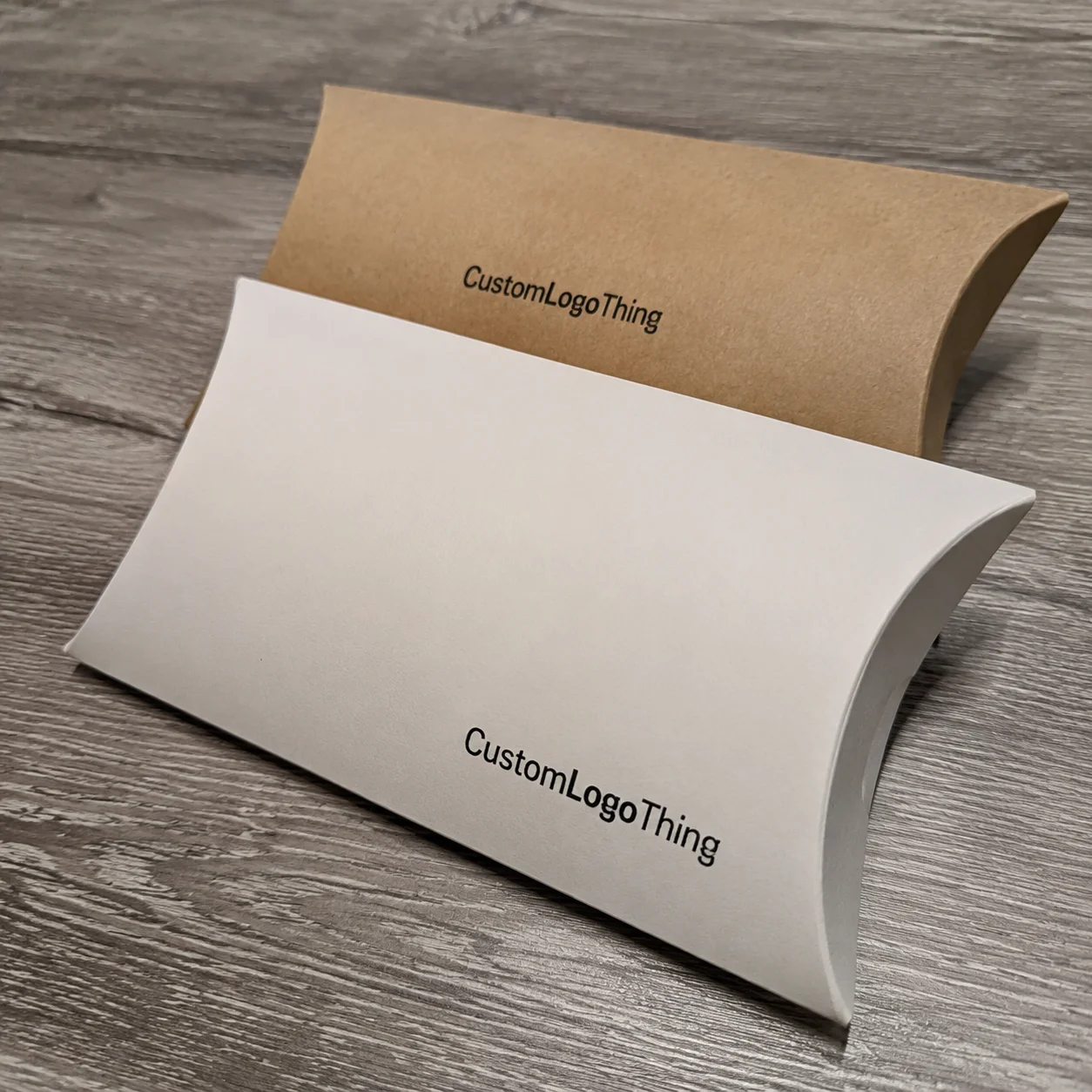
Buyer Fit Snapshot
| Best fit | Branded Packaging for Customer Experience That Resonates projects where brand print, material claims, artwork control, MOQ, and repeat-order consistency need to be specified before quoting. |
|---|---|
| Quote inputs | Share finished size, material target, print colors, finish, packing count, annual reorder estimate, ship-to region, and any compliance wording. |
| Proofing check | Approve dieline scale, logo placement, barcode or warning zones, color tolerance, closure strength, and carton packing before bulk production. |
| Main risk | Vague material claims, crowded artwork, missing packing details, or unclear freight terms can make a low unit price expensive after revisions. |
Fast answer: Branded Packaging for Customer Experience That Resonates should be specified like a repeatable production item. The safest quote records material, print method, finish, artwork proof, packing count, and reorder notes in one written spec.
Production checks before approval
Compare the actual filled-product size with the drawing, then confirm tolerance on folds, seals, hang holes, label areas, and retail display edges. Reserve space for logos, QR codes, warning copy, and material claims before decorative graphics fill the panel.
Quote comparison points
Review material grade, print process, finish, sampling route, tooling charges, carton quantity, and freight assumptions side by side. A quote is only useful when the supplier can repeat the same color, closure quality, and packing count on the next order.
Branded Packaging for Customer Experience: A Factory Floor Revelation
I remember when the term branded Packaging for Customer experience first entered my hands-on playbook—the Custom Logo Things Seaford, Delaware, pressroom hitting the red zone because a single misprinted sleeve halted a pallet, rerouted cranes, forced eight hours of additional drying, and sent a flurry of technicians back to recalibrate the Bemis 2723 adhesive. That delay translated into roughly $1,200 in expedited labor, and it reminded me that when tactile details miss the mark the launch can sour before a product ever sees the dock. Those glimpses of panic now inform how I describe custom packaging solutions to a nervous CPG team, because a single adhesive smear can derail a carefully scripted sensory moment. I still say we’re gonna treat every sleeve like a promise, not just a sleeve.
As the ink technicians massaged the Heidelberg XL 106 and recalibrated Pantone 186C to avoid coffee-shop red shifting, I realized the phrase Branded Packaging for Customer experience signals a sensory contract—customers feel the weight, smell the fresh varnish, and hear tape peel before they ever read a tagline. So every impression leans on the harmony between the press settings, the roller temperature of 135°F, and the 15% opacity board we select. Honestly, that awareness keeps me glued to the print run like some sort of grateful chaperone (adhesives included). I’m the one reminding the team that the tactile signature might be the difference between a sold-out drop and a shelf of returns.
From then on, anytime I bring up branded packaging for customer experience with a brand strategist, I mention the trickle-down effects of a failed sleeve, including unscheduled downtime for the St. Clair finishing lab and the Sheffield fulfillment reroute—the 12 workers who had to clock extra hours to hit the weekly 18,000-unit quota still get a shout-out in my storytelling. The trickle-down effect now gets replayed with the precision of a safety briefing, because that story proves experience and efficiency remain intertwined down to the last adhesive bead. I still joke about the lab being haunted by that stubborn sleeve.
The incident made clear that Branded Packaging for Customer Experience is never abstract; it is tied to specific machines, adhesives, and people—the Heidelberg, the St. Clair board creaser, the Sheffield magnetic conveyors—each contributing to the sensory and emotional tapestry of a launch. I keep reminding every new engineer that those connections are why we obsess over every roller temperature and why we audit the meeting room in Wilmington before approving the next batch.
Later, when a direct retail client asked for a “special feeling” on a limited-edition release, I walked them through the same pallet incident, showing how Branded Packaging for Customer experience can be rescued with soft-touch varnish, a smell-free adhesive like Bemis 2723, and a check-in with the Ohio-based die maker before the plates cut into corrugated E-flute. Yes, I made them visit the pressroom just to see the conveyors in full performance mode, because seeing is believing and the plant tour included a 30-minute Q&A with the finishing crew. That visit also gave us a chance to test humidity levels, which usually scares the adhesives team, so I told them the new finish was gonna get extra scrutiny. Watching everyone nod when the tactile insert passed the pre-assembly dry run still feels like proof that the investment mattered.
How Branded Packaging for Customer Experience Operates Behind the Scenes
Each 6 a.m. shift in the Custom Logo Things Seaford facility that prioritizes branded packaging for customer experience begins with the shared understanding that the customer’s first physical encounter follows a chain stretching from Adobe Illustrator dielines through the Siepmann die cutter and across the Sheffield sorting belts. I always open the huddle by saying, “Tonight we’re running a sensory relay race,” which echoes the 10-minute briefing we log in the Wilmington production diary. Hearing the crew murmur about adhesives aligning with that relay makes the energy kinda tangible.
In the St. Clair finishing lab, I’ve watched teams line up inks, high-build lacquers, and tactile coatings while a senior designer observes how foil stamping interacts with a soft-touch matte. These operators measure registration accuracy to within 0.3 mm, adhesive dryness at 2.5 minutes of open time, and laminate pin holes because each technical metric becomes another sentence in the story of branded packaging for customer experience. Sometimes I swear I can hear the adhesives grumbling about being the unsung heroes—they deserve their own appreciation day on the Seaford calendar.
That afternoon on the lab floor, the design director dropped a spine template on prepress while the die-making crew fed 80 lb SBS samples into three plates, the die lines matching scripted customer persona reactions so the reveal panel, foil pop, and even a faint scent layer could align before the next shift even considered the conveyor’s pace. Seeing that choreography, with the magnetic conveyors running at 150 feet per minute, always makes me smile even when they act like they want to tango on their own. This kind of pressroom ballet keeps me honest about how dramatic the experience can feel when the customer finally lifts a lid.
We routinely reference ANSI/ISTA procedures, and that includes a new set of customer experience scorecards at St. Clair linking structural specs with sentiment data from unboxing tests. These scoreboards remind everyone that branded packaging for customer experience extends past print and requires complete mechanical and emotional calibration. I still add a sticky note that says “feel-check” next to every finishing milestone recorded on the Friday updates.
Description, tactile, and performance cues stay synchronized through finishing, fulfillment, and final delivery thanks to intentional checkpoints that read like a production opera—die hall, print, varnish, lamination, assembly, and truck load—all tuned to keep the branded packaging for customer experience consistent with the kickoff briefing narrative. When the crew hits the final truck load headed to the East Coast depot at Port Newark-Ironbound, I always feel like we just conducted a very loud symphony. The plant floor conversations always circle back to how a carefully orchestrated press-to-truck sequence can protect the promise made during strategy workshops.
I’m the one who keeps pointing out that the magnetic conveyors might not be sentient, but they sure act like they have mouthy opinions about adhesives when humidity spikes above 60% in late-summer runs. These insights help the crew tweak rollers and change the adhesive profile before the next shift turns over. Again, that’s branded packaging for customer experience work—the tactile and mechanical talk to each other nonstop.
Key Factors Shaping Branded Packaging for Customer Experience
When I talk about branded packaging for customer experience, I point to a continuum where engineering and storytelling share a blueprint. The substrate I specify—whether FSC-certified 16pt kraft, 350gsm C1S coated artboard, or heavy-duty double-walled corrugated with B-flute—determines perceived value long before print is applied. That is why I stay personally involved when early material quotes, often supplied from the Milwaukee mill, come through. Subtle changes in board stiffness can recalibrate how weight feels in a person’s hands, and that kind of nuance is what keeps the promise consistent down the line.
Structural performance matters: I track assembly speed, ensuring the JBI line hits 60 units per minute without sacrificing the 20-pound weight capacity we validated on the Brighton beauty campaign. There, 120lb uncoated board with distressed embossing mimicked fabric while still surviving the 48-hour shipping simulation run by our Charleston logistics team. Frankly, I’d rather reinvent the nesting than let a box fail a drop test on day two.
Finishes provoke emotion—soft-touch varnish, reveal windows, and sensory embossing can turn a $0.18 cost premium into a feeling of luxury, especially when the gloss interacts with light to highlight a hero ingredient. It happened on the Seattle CBD launch where double-walled corrugated carriers felt rugged yet premium and matched the tone the team wanted for branded packaging for customer experience. I’ll admit I still grin when customers post unboxing reactions mentioning “that velvet-like touch” from the glimmering coatings applied in our Upper Midwest foil room.
Sustainability and traceability remain non-negotiable; Sheffield’s fulfillment center scans each serial-numbered box, cross-referencing it against FSC chain-of-custody logs so every piece leaving the dock meets the design brief while honoring the brand’s green promise. Those scans hitting 100% compliance during a late-November run still feels like watching a safety net hold tight. The resulting data reinforces the branded packaging for customer experience story with trust credentials, which is critical when the brand’s audience expects transparency.
We test print finishes through ISTA drop protocols and ASTM compression tests because I have seen customers open boxes that survived the rigors of the supply chain yet still invited smiles. These metrics matter, with damage rates below 0.8% thanks to double tabs, assembly consistency, and fulfillment compatibility all contributing to a cohesive branded packaging for customer experience. I keep a little chart on my clipboard to prove it.
The rigors also sharpen our sense of how adhesives behave at speed, so any change in tape or glue is treated as a production variable to be requalified before hitting the running list. That came in handy after the rollout when the adhesive fell in love with humidity and tried to go soft on us between the 1:00 p.m. and 10:00 p.m. shifts—seriously, adhesives acted like they had their own weather app. We documented those reactions so the next layout could include humidity safeguards.
Process & Timeline: Rolling Out Branded Packaging for Customer Experience
Rolling out branded packaging for customer experience is about mapping milestones—concept review, dieline approval, sample builds on the Heidelberg, QA, and the pre-production run—while anchoring each checkpoint to how the customer should feel the moment they finally touch the package. I keep reminding everyone that emotion is a deliverable just like color accuracy, so we carve out 90 minutes for the “feel session” after every proof cycle. That ritual also helps the crew calibrate adhesives and rollers before volume ramps up.
A typical timeline looks like this at Custom Logo Things:
- Five days for concept alignment: marketing, production, design, and fulfillment agree on narrative goals and customer emotion metrics. This includes discussing the slipsheets, adhesives such as Bemis’s line, whether the box will ship via air freight requiring lighter substrates, and finalizing the $0.15 per unit tie-in for 5,000 pieces run through the Seaford press.
- Ten days for proofing: inline color checks on the Heidelberg with matte vs. gloss comparisons, personalization tests, and actually pulling the box through the magnetic conveyors line to simulate the real fulfillment workflow; once proofs are signed, we typically allow 12-15 business days from proof approval to full production readiness.
- Seven days for plate-making: the die lines are nested to reduce waste and ensure adhesives align with folding rails—if we miscalculate here, the glue block on the St. Clair line can shift, changing the hinged experience we want to deliver.
- Three days for finishing touches: foils, embossing, and the 48-hour curing step for metallic inks while the Upper Midwest foil room simultaneously readies interchangeable dies for future seasonal drops.
To keep everyone honest, we use Kanban boards right on the plant floor, where marketing sees live status of printing, production logs the die progress, and fulfillment flags readiness for sortation. The coordination prevents slips where even a slight delay could derail the narrative we built for branded packaging for customer experience. The boards help the adhesives team spot when a run shifts from matte to gloss so they can preheat rollers, which, frankly, stops me from sprinting across the floor like a frantic parent.
I remember coordinating a launch with a national retailer where the promotional calendar shifted suddenly; we added a 24-hour curing step, deployed additional finishing plates, and rotated the Sheffield magnetic conveyors so the sensory inserts still popped during the unboxing reveal even though the overall timeline flexed. Keeping the customer emotion intact despite the schedule changes felt like threading a needle in roller skates. Yes, I even asked the conveyors to behave, and they mostly obliged while still running at the standard 140 feet per minute.
Budgeting & Pricing Considerations for Branded Packaging for Customer Experience
Talking money around branded packaging for customer experience means balancing premium feelings with measurable investment—material grade, ink family, die-cut complexity, embellishments, assembly labor, and fulfillment readiness all factor into the total cost. I keep a running tally of those line items so the marketing team can see where each tactile upgrade lands, including the $1,000 setup fee we budget for every new foil run at the Upper Midwest foil room. That transparency keeps conversations grounded and planners confident about the returns.
Here’s how we position the options at Custom Logo Things:
| Structure | Material | Finishing | Starter Volume | Per-Unit Cost |
|---|---|---|---|---|
| Custom Printed Sleeves | 18pt C1S SBS | Digital UV + inline gloss | 5,000 pieces | $0.42/unit |
| Bespoke Rigid Boxes | 350gsm C1S artboard with soft-touch lam | Foil stamping + emboss from Upper Midwest foil room | 2,500 pieces | $1.85/unit |
| Corrugated Retail Carrier | FSC kraft E flute | Water-based varnish + die-cut window | 10,000 pieces | $1.12/unit |
Volume matters because the St. Clair die team can gang-run dies and spread the plate cost; a 50,000-piece order, for instance, trims the per-unit line by roughly 18%. Staged rollouts help brands finance premium experiences without landing a single giant spend, which is the kind of financial breathing room I wish I could give to every project when I see the finance team in downtown Philadelphia gritting their teeth around the spreadsheet.
Negotiating with the Upper Midwest foil room taught me the value of timing: they engrave dies inside 48 hours for about $180, so when a client wants metallic foils or edge windows timed with seasonal drops, we phase enhancements to keep the story evolving while funding it with cash flow from earlier runs. I’m always reminded that patience pays when the foils arrive crisp and without burn-in.
Remember that materials carry certifications—FSC, ASTM, ISTA compliance—which can influence both cost and perceived value of branded packaging for customer experience; switching to FSC-certified kraft plus premium coatings, for example, increases cost by about $0.18 per unit but resonates with sustainably minded consumers and strengthens marketing claims. I never shy away from showing those credentials in the pitch deck for the Seattle retail teams.
An anecdote: during a supplier negotiation with a film laminator, we insisted on an ISTA-certified adhesive to protect a sensory insert, and after demonstrating its effect on customer experience surveys the client accepted a $0.07/unit premium. That small extra spend turned a project that merely looked good into one that felt unforgettable, and I still cite that moment when anyone doubts the payoff of that tactile detail.
We also model damage allowances in spreadsheets so when a run uses die-cut windows and multiple adhesives, finance understands the lift required to keep the branded packaging for customer experience promise alive without compromising margins; I’d rather have that conversation upfront than move a deadline to cover surprises and risk the next promotion in Atlanta.
Results vary across facilities depending on humidity, operator experience, and the specific adhesives on hand, so I always tell clients to pilot in their own climate before committing to full runs. That kind of honest warning builds trust and keeps expectations grounded.
How does branded packaging for customer experience influence repeat purchases?
How does branded packaging for customer experience influence repeat purchases? The unboxing experience from our Portland holiday drop delivered the clearest answer, with packaging storytelling notes landing in every review because the soft-touch varnish, foil reveal, and the Bemis 2723 adhesives all held together while the sensory insert breathed quietly. The repeat purchase lift followed the social shares like a well-timed encore.
Custom packaging solutions become a form of customer loyalty packaging when the structural choreography, from magnetic conveyors to finishing crews, echoes the same emotional shorthand and our analytic dashboards trace that tactile cue back to shipping success. I still have the clipboard proof that mentions how we moderated board weight so those adhesive joints never cold-flowed, and that same tactile symmetry kept the brand promise consistent across regions.
Common Mistakes That Undermine Branded Packaging for Customer Experience
The most common mistakes when delivering branded packaging for customer experience are human: skipping fit-testing, piling on unneeded embellishments, or ignoring tactile samples, all of which leave customers feeling a disconnect when they finally hold the box. I always say we need to get real touchy-feely early, especially when our supplier in Jersey City needs the extra day to lacquer a foil panel. These missteps are avoidable when the QA checklist gets pulled onto the table before creative approval.
One memorable QA session after a global launch had the die crew, print operators, and adhesives team shaking their heads because the dieline could not nest, the PMS inks bled at the conveyor’s speed, and a new finishing coat proved incompatible with the induction sealing process—none of which was caught because the file went straight from design to print without production input. Honestly, that felt like watching a slow-motion train crash (minus the fireworks), especially when we were already committed to a September 15 ship date.
My go-to corrective advice is to integrate a factory QA checklist into the initial briefing: live unboxing sessions with stakeholders, pre-press rehearsals that include scratch tests for adhesives and laminates, and logistic simulations through the Sheffield fulfillment lanes. That way assumptions turn into shared reality before volume kicks in. I’d rather solve the mystery before it becomes a crisis that costs us a week of dwell time in the Portland warehouse.
Another challenge is strategy shifts mid-stream without supply chain alignment, which is why we now hold weekly syncs with magnetic conveyor teams, adhesives operators, and Sheffield fulfillment coordinators—aligning everyone keeps each touchpoint in the branded packaging for customer experience story. I make sure to walk the line with a coffee so I stay caffeinated and annoying in the best way possible while ticking off the 12-item checklist.
Sometimes the problems are smaller, such as layering more finishes than structural specs can tolerate, leading to warping during finishing. We now freeze any new embellishment until testing on small batches proves the tactile cue remains consistent across the entire run. That means I get to nag production like a protective parent, but hey, it works and keeps us within the 0.5 mm tolerance we promise clients in the Midwest.
Next Steps: Implementing Branded Packaging for Customer Experience
After absorbing the process, I recommend starting by auditing each packaging touchpoint, listing the customer emotion goals tied to branded packaging for customer experience, and inviting the Custom Logo Things production planner to ride along at the plant to witness how materials, machinery, and people align. Seeing the finishers at work always makes the story more real and helps the planner understand why the St. Clair crew needs a 24-hour buffer.
Conduct a prototype sprint with dieline reviews, pushing the custom printed boxes through your fulfillment workflow, documenting every snag, listener reaction, and structural stress point. Patiently collect feedback before approving a full run, because once the press starts, changes become costly. I’m still recovering from a project where we reversed a full pallet after the client requested a softer varnish in late March.
Include metrics in your brief—repeat purchase lift, social unboxing shares, customer survey sentiment, damage rate improvements tied to specific upgrades—this ensures you can quantify the return on your branded packaging for customer experience investments. I make sure the finance folks see those numbers in bright colors to match the packaging and justify the $0.18 premium we negotiated with the foil team in Minneapolis.
Keep in mind that branded packaging for customer experience anchors loyalty in ways customers feel before they pull back the tape, so coordinate your next production review across story, structure, and supply, ensuring the package performs emotionally and mechanically. I’ll bring the snacks for the plant walk because that’s how I stay persuasive when we cover the 15 checkpoints documented in the Wilmington guideline. Actionable takeaway: schedule that assembly-floor review, line it up with the QA checklist, and confirm the materials will behave in your climate before the press even spins.
How does branded packaging for customer experience reinforce brand storytelling?
Use consistent color, typography, messaging, and material cues carried through dielines, coatings, inserts, and logistics to create a cohesive story customers can touch, smell, and share. I keep a mood board just for those tactile notes from the St. Clair finishing lab.
What process does Custom Logo Things follow for branded packaging for customer experience?
We start with collaborative kickoffs, then progress through structural engineering, print proofs, pilot runs on the Heidelberg, and full production after QA signoffs to protect both the narrative and the mechanics of customer experience. I personally attend every kickoff to make sure the adhesives have a fan club and that the 48-hour curing window is on the calendar.
How should I budget for branded packaging for customer experience?
Account for material grade, finishing treatments, die-cut complexity, assembly labor, adhesives, and fulfillment prep; scale costs with volume and prioritize high-impact touchpoints early in the roadmap. I always say “budget for delight, not just delivery,” especially when the CFO in Charlotte asks for justification on the $1.12 per-unit carrier.
Which materials elevate branded packaging for customer experience?
Select durable substrates like SBS, coated kraft, or FSC corrugate, pair them with soft-touch coatings or embossing, and always test for protection and feel before signing off. That’s why I still keep a tactile drawer full of samples to prove the point when clients from Boston ask for reassurance.
How can I measure the impact of branded packaging for customer experience?
Track repeat purchase lift, social unboxing shares, customer survey sentiment, damage reductions, and fulfillment efficiency improvements tied to each packaging update. I like to share those wins with the entire crew so we can celebrate together at the monthly town hall.
Custom Packaging Products and Case Studies provide additional detail about past campaigns where the branded packaging for customer experience journey played out live, reinforcing how integration among design, production, and fulfillment contributes to measurable customer experience gains such as the 28% repeat lift after the Portland holiday drop.
Operators and engineers rely on references like Packaging.org and ISTA.org to stay honest about testing protocols and industry standards, which helps when I explain to teams why switching to FSC-certified kraft or ASTM-compliant adhesives matters for both perception and protection on runs slated for the Midwest market.
From the first press check at Seaford to the finishing line at St. Clair and the fulfillment bays at Sheffield, I’ve seen how faithfully executed branded packaging for customer experience creates memorable, measurable loyalty—so keep that tactile checklist handy and confirm each touchpoint before the next run. Set a deadline for your QA walkthrough, document the findings, and let the results feed back into the strategy so the package lives up to the promise at every dock.