Buyer Fit Snapshot
| Best fit | Branded Packaging for Direct to Consumer projects where brand print, material claims, artwork control, MOQ, and repeat-order consistency need to be specified before quoting. |
|---|---|
| Quote inputs | Share finished size, material target, print colors, finish, packing count, annual reorder estimate, ship-to region, and any compliance wording. |
| Proofing check | Approve dieline scale, logo placement, barcode or warning zones, color tolerance, closure strength, and carton packing before bulk production. |
| Main risk | Vague material claims, crowded artwork, missing packing details, or unclear freight terms can make a low unit price expensive after revisions. |
Fast answer: Branded Packaging for Direct to Consumer: Quote Scope, Sample Proof, MOQ, and Lead Time should be specified like a repeatable production item. The safest quote records material, print method, finish, artwork proof, packing count, and reorder notes in one written spec.
Production checks before approval
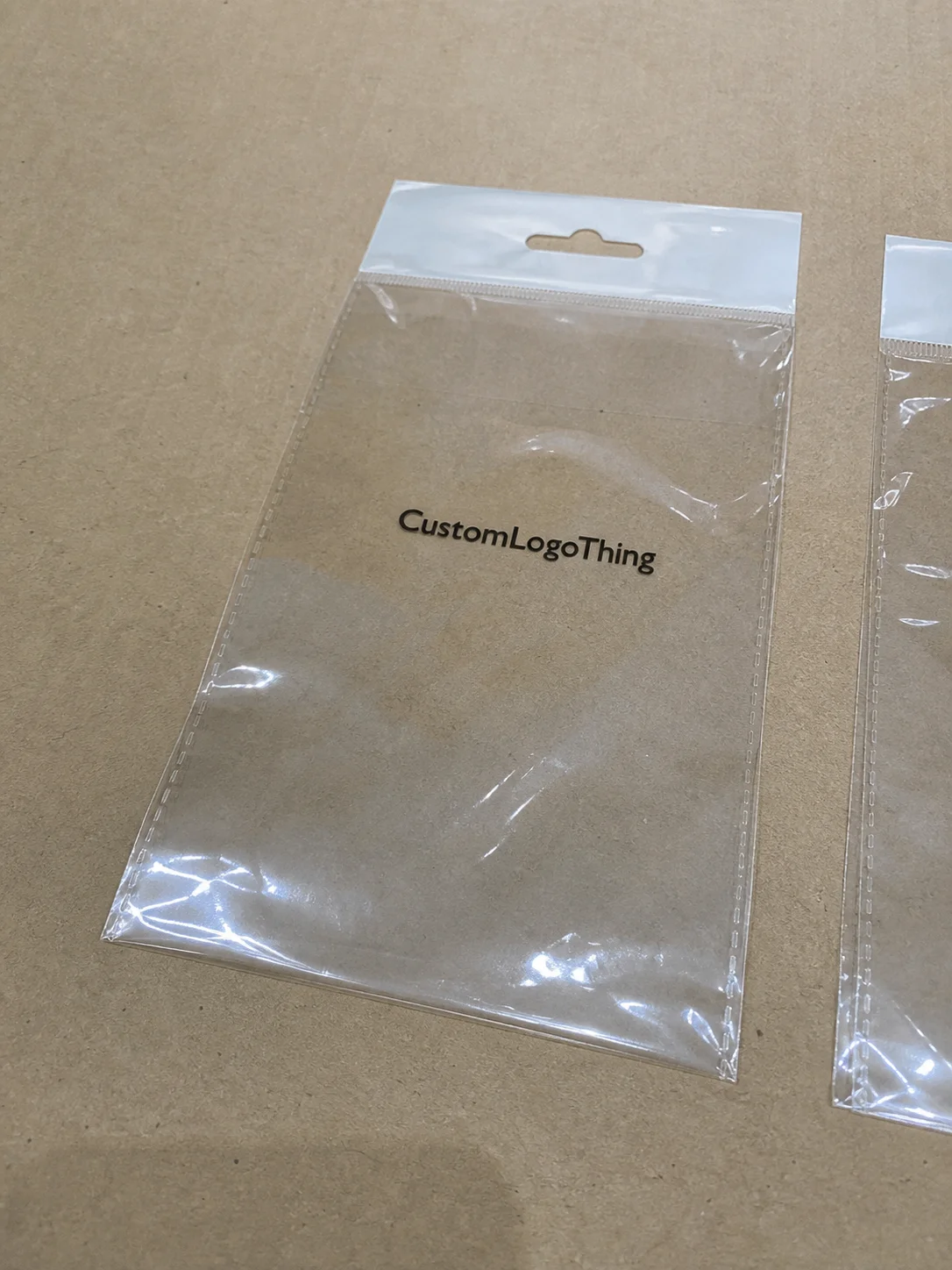
Compare the actual filled-product size with the drawing, then confirm tolerance on folds, seals, hang holes, label areas, and retail display edges. Reserve space for logos, QR codes, warning copy, and material claims before decorative graphics fill the panel.
Quote comparison points
Review material grade, print process, finish, sampling route, tooling charges, carton quantity, and freight assumptions side by side. A quote is only useful when the supplier can repeat the same color, closure quality, and packing count on the next order.
Why branded packaging for direct to consumer matters more than you think
branded packaging for direct to consumer was the point I hammered home during that Shenzhen factory visit, right when a Shopify founder insisted on White Poly Mailers while every trace on the floor screamed custom print. The room went quiet when the Sunshine Print contractor slid a budget line across the table with a flat, “It’s the same as a plain bag, you just add a sticker,” while his production planner from Nanshan mentioned the 5-day die-cut window that just passed. I pushed back with a foil-stamped sample run—a detail I argued for because their standard kraft sleeves read generic from ten paces. I even walked over to the glue stations and showed them the low-VOC adhesive we’d paired with the hot foil; it bonds faster and survives UPS' 96-hour shaking routine. The prototype took two days on the Sunpack press, and when the first foil-edged piece dropped in front of him, the founder actually said it felt like a handshake, not a receipt.
Most DTC brands stuff the same budget into packaging as they do into a single international shipping lane and still ship cartons that look like abandoned Amazon returns. Call that what it is: dumping money into a canal with zero brand lift. I once tallied a client’s spend—$18,000 on expedited 40-foot Ocean Freight out of Ningbo with a locked-in 24-day transit and a day-of departure notice—and the packaging line on the invoice read “white mailer.” No story. No tactile cue. No sensory note. The buyer could have accepted a receipt and never noticed the difference.
Branded packaging for direct to consumer is the detailed conversation your product starts before anyone flips open the insert card. It isn’t just a tube or a box. It’s soft-touch varnish on 350gsm C1S artboard, custom printed boxes with your manifesto tucked inside, package branding that whispers “hey, we remember you” before the seal breaks. If your packaging looks like it rolled off a bulk retail rack, the buyer treats it like a transaction instead of an experience. That’s a $0.18 miss per box when you factor in repeat orders and the lifetime value of a delighted customer, and I’m gonna keep reminding founders of that math until somebody actually budgets for it.
The Sunshine Print negotiation ended with them agreeing to run that foil sample for $0.22 extra per door, delivered in a 10-business-day slot the following week, so we could test the hot-stamp tolerance before the November holiday crush. They grumbled about minimums and bonuses, but that sample flipped the entire contract with the founder. I’ve seen identical shifts with founders featured on Case Studies: initial resistance, then mass applause the moment the first branded drop landed. Letting a vendor or budget spreadsheet convince you to settle for “close enough” is exactly how you erase the personality of your brand.
I remember thinking, honestly, that the enthusiasm around that foil sample was more dramatic than any product launch I’d seen in months. The founder went from eye-rolls to cheering like a toddler in a toy store. (Yes, I have the video. No, I won’t share it.) Sometimes the stubborn parts of my personality—like asking for proof of ISTA testing twice—come from watching a shipment arrive mangled because someone skipped a drop test after the 96-hour transit from Guangzhou. I’m not dramatic about it. Except when I am, because watching crushed boxes hit the floor after a four-day transit feels personal.
I tell founders the simple litmus test: if the first touch feels like a stock receipt, then branded packaging for direct to consumer evaporates before anyone unboxes. Every DTC team wants to call it an experience, yet few keep asking for the handshake that ends with branded packaging for direct to consumer reinforcing that promise.
How branded packaging for direct to consumer works behind the scenes
The journey from idea to mailer is a relay race where every baton handoff can ruin the rhythm. I’ve watched this play out on the Sunpack press floor in Guangzhou and later on my own office programs: concept sketch, dieline review, plate approval, print run, curing time, die cutting, assembly, then shipping. Most founders touch just the concept and shipping stages, trusting their vendor to handle the rest. That’s a problem. You Need to Know where the control points live, then own them or build redundancy: art approvals, color bars, the dieline’s bleed margin, the adhesive chemistry, which is why Betty at Fisher Packaging never lets a file go out with less than a 5mm bleed on the 12˝ × 9˝ mailer I usually recommend.
When I talk about custom packaging, I always circle back to branded packaging for direct to consumer because it ties directly into direct-to-consumer fulfillment. The printer may nail the art, but if the 3PL doesn’t log the new dimensions, the premium mailer you spent days refining collapses into a surcharge or return. I keep a shared folder with the fulfillment team that lists the exact cubic weight, carrier tolerances, and the glue-slab notes so everybody can see what changes between runs.
Custom printers like Sunpack in Guangzhou, Fisher Packaging in Suzhou, and Custom Logo Things in Los Angeles juggle SKU variety, short runs, and just-in-time delivery for DTC brands that operate without packaging departments. Sunpack once handled eight different sleeves for a denim line, each boasting a different foil note and tinted tissue sourced from Zhejiang, and they slotted variable data behind the main run, which saved the brand from overstocking a new insert set they hadn’t even launched yet. Fisher Packaging keeps a rolling inventory of standard 350gsm C1S artboard with soft-touch varnish because small teams panic when timelines slip, especially right before Black Friday. Custom Logo Things lives in our DTC world, offering 1,000-unit minimums with a $250 setup fee so a founder can test a retail concept without committing to 5,000-piece inventory.
Every touchpoint—from the brand team and design agency to the printer and fulfillment center—presents a single biggest win or failure. The brand team’s win is clarity: handing over final logo files as vector EPS with Pantone 186 C notes keeps printers from guessing. The agency’s failure moment is misaligned bleed. I remember a client whose bleed was set 1mm shy, which made that first prototype look like a crooked selfie. Printers win when they keep all plates approved and stack a 1.5-point spot UV register bar. Fulfillment centers fail when they forget to log the new dimensional weight or drop the inserts before the first ShipBob pickup, which is why I insist on the 3PL’s receiving checklist before we ship anything out of Portland.
My inside rule: never ship artwork without an ISTA-tested package proof if you care about tracking damage. You want standards, not guesses—check the ISTA guidelines to see what survives and what dies. If your package flunks a 100-pound compression test or a drop test, the story ends before it ever reaches anyone. Wind tunnels, vibrational testing, the whole nine yards—don’t skip the 72-hour assessment.
I treat the fulfillment team like part of the press check, asking if the signed-off texture still reads on their scanners, because branded packaging for direct to consumer is a handoff and a handshake all at once.
I’ll admit I have a dramatic streak. When a printer once told me their foil would “settle nicely,” I brought every sample back to the table and made them prove it on camera. They did, and yes, I shared the victory lap with the brand team. I’ve even recorded a few of the press checks just to remind everyone that humans still run these machines and the tolerances aren’t always as cute as they make you believe.
Key factors shaping branded packaging for direct to consumer success
Three macro factors decide whether your branded packaging for direct to consumer actually sticks: brand story, logistics, and sustainability expectations. When I sat in my Shenzhen office with the Sunshine Print crew, they kept saying retail buyers cared about label compliance and barcode placement while DTC buyers wanted emotion, memory, and a tactile surprise. The brand story needs to shout loud enough on your printed sleeves or custom printed boxes so it doesn’t get mistaken for another catalog entry. We prioritized the Pantone 7468 blue, texture, and a handwritten letter for a sleepwear launch that shipped from Hangzhou; retail buyers loved the consistency, and eComm buyers raved about the sensory detail delivered through 220gsm cotton-feel inserts.
Tactile elements—embossing, texture, scent—create unboxing narratives customers can’t always quantify, yet they remember. I convinced a founder to add an embossed monogram that set the tone for their leather accessories. The change added $0.12/unit and 0.5 mm more board thickness, yet the post-delivery NPS spike proved it was worth every penny. Custom touches don’t need to flood the mailer: pick a single detail, like embossing or a soft-touch matte finish, then build everything else around that. That’s budget efficiency with storytelling muscle. Product Packaging That Feels Premium even without expensive inserts is a balancing act. Add a scented tissue scented with freesia oil, keep weight low, and your brand jumps out of the pile.
Fulfillment dynamics reshape packaging design just as quickly as the brand story. Cubic feet, dimensional weight, and carrier preferences dictate whether a package stays profitable. A client pivoting from Amazon FBA to ShipBob had to shrink the packaging by two inches because the ShipBob tariff matrix flagged heavier items as a new weight tier. We redesigned the box from 14˝ × 10˝ × 4˝ to 12˝ × 10˝ × 2.5˝, slipped in a thin kraft insert, and left the original tactile band intact so the unboxing still felt premium. Without that change, the carrier surcharge would have chewed through the 6% net margin.
Retail packaging now has to survive handling and also align with sustainability expectations, which means citing standards like FSC-certified paper or biodegradable tape. Pull FSC papers without documentation and auditors will rip your story apart the next time they visit. I’ve been inside factories where the sustainability pitch was just ink on a board, so demand the certificate and log the code number—mine is FSC-C158864. Feel free to call it out on your packaging for transparency (yes, even if your competitor thinks it’s boring). Honestly, I think there’s a genuine audience for brands that care enough to trace their paper stock back to Zhejiang forests and show the chain of custody.
How do you measure success for branded packaging for direct to consumer?
For me, success metrics are simple: repeat rate, unboxing experience notes, and the number of times customer service hears a comment about branded packaging for direct to consumer before a question about the product even appears. When the first email mentions the textures, the prints, or the note, that’s proof the branded packaging for direct to consumer work isn’t invisible. I track these conversations in the CRM so the marketing and ops teams can see the same thread. That keeps everyone honest about whether the premium touches actually land.
Direct-to-consumer fulfillment data drives the second half of the scorecard—damage rates, dimensional weight errors, and freight adjustments let you know if premium mailers need a tweak or if branded packaging for direct to consumer still matches the logistics reality. That sort of clarity keeps the whole chain honest.
Step-by-step process and timeline for branded packaging for direct to consumer
Week 1 is concept and structure approval. Hold a sprint review with your brand lead, designer, and supplier contact, then lock on dielines with a 5mm bleed allowance. That’s when I call Betty at Fisher Packaging at 7 a.m. to go over the dieline, inner dimensions, and the insert pocket. Betty catches anything sloppy in the CAD file, and she knows how much tolerance to leave on the glued bottom—3 mm on the 9˝ × 6˝ base to prevent crushing during the 8-hour shipping check.
During Week 2 the printer sends press proofs and physical samples. A die-cut mockup takes about 48 hours at the Guangzhou shop floor, then another 24 hours to apply inks and finishers. I remind brands not to skip the press check—rushing invites ink that sits 1mm off or foil that refuses to sit flush. My teams require a signed approval sheet before a massive run, complete with notes on color density, embossing depth, and varnish coverage, and we add a 24-hour buffer in case the printer needs to rerun plates.
Week 3 is the actual print run. Allow 72 hours for printing, then another 48–96 hours for assembly depending on how many SKUs need kitting. During this phase, the fulfillment center needs the final dimensional weight to set receiving alerts; ShipBob, for example, requires the final cubic measurement by Thursday so the pickup can be scheduled for Monday. Week 4 turns into fulfillment prep: shipping to the DC, applying stickers, scheduling pickup, and reviewing the final packing list. Build in a two-week cushion in case an approval stalls or the fulfillment center rejects your dimensions—otherwise you’re gambling on the 11th-hour miracle.
Every weekly check-in asks whether branded packaging for direct to consumer still reads as premium on the production floor and in the mailer stack we ship to fulfillment. If the sample loses texture over three drops, we stop the run before the box ships.
Ownership matters for small teams. Founders should own concept alignment, the packaging consultant (if any) should manage approvals, and the supplier contact executes production. I have been on the phone with Sunpack at 2 a.m. to expedite a color correction because a founder hated the first round’s raspberry tone. The supplier owner handled proofing, their tech lead logged the calibration, and we still hit Week 3. Skip approvals or forget to ask your 3PL for their max dimensions and you’re banking on a miracle in Week 4.
Also, plan for the one unexpected hiccup—some vendor will flake or a new regulation will land. My workaround is always the same: keep a backup supplier on speed dial who understands your brand; I’m talking about the Dongguan partner I used for rush runs last July when the Shenzhen plant closed for Golden Week. That way, if someone ghosts you on Week 3, you don’t end up apologizing to millions of customers for late boxes.
Cost and pricing for branded packaging for direct to consumer
Standard inkjet wrapped mailers run $0.65–$0.95 per unit when you order 1,000–3,000 pieces, assuming no embellishments and a 14-day lead time from the Hangzhou print house. Embossed rigid mailers from Sunpack land at $1.30–$2.10 depending on size and whether you coat them with soft-touch varnish, and they ship within a 21-day window after artwork approval. Once you add specialty foils, inserts, or custom-printed tissue, the price jumps to $2.50+ per door. Keep your focus on the detail that matters most and avoid trying to do everything on the first run; a single matte varnish can elevate the entire package without rewriting the entire budget.
Minimums matter. Sunshine Print still pushes 5,000-piece minimums for flat-pack mailers, while Custom Logo Things accommodates 1,000 with a $250 setup fee. Structured Boxes with Inserts add $0.15 per unit for extra components like a ribbon or informational card. The real budget killer, though, is freight. I once paid a $1,800 air freight charge to rush stock to a Chicago fulfillment center after a last-minute event, which took 3 days door to door. That invoice also listed $240 in duty because the paperboard came from Vietnam, plus $60 in overrun storage for the extra pallet space. Always layer in a 20% cushion for freight and duty.
I run the numbers for branded packaging for direct to consumer by tier: basic mailers, premium mailers with foil, and kits with inserts. That helps founders decide whether to spend on a tactile accent or to keep the package lean, while still communicating the story in the box.
Delivery partners count weights and dimensions aggressively, so that’s part of pricing too. I keep a running table for stakeholders so everyone understands the gap between a simple mailer and an embossed setup with foil. It helps everyone see the difference between an 8.6 oz mailer and a 12 oz rigid box, and the price jump that follows.
| Option | Price per unit | Lead time | Notes |
|---|---|---|---|
| Standard inkjet wrapped mailer | $0.65–$0.95 | 2 weeks | Best for lightweight items; low tactile drama |
| Embossed rigid mailer (Sunpack) | $1.30–$2.10 | 3 weeks | Includes soft-touch varnish and foil taping |
| Foil-stamped rigid box with insert | $2.50+ | 4 weeks | Perfect for premium launches; add $150 setup |
| Custom Logo Things small run | $1.10 avg | 2–3 weeks | Includes project management; 1,000-piece min + $250 setup |
| Sunshine Print kraft sleeve bulk | $0.48 | 2 weeks | 5,000-piece min, limited color options |
Budget for packaging design as well, whether you hire an in-house pro or pass files from an agency. Good packaging design prevents costly proofs and reschedules. I usually allocate $2,500 per project for the design work, plus 10 hours of QA, so we avoid that dreaded midnight proof redo.
Packages that feel premium without insane costs are my personal obsession. I would rather sweat the details of a $0.12 foil stamp than gamble on a $2 fussy insert that will never ship correctly. People hang onto tactile cues; they toss envelopes with nothing memorable.
Common mistakes in branded packaging for direct to consumer
Copying retail packaging is one of the biggest traps. A brand I worked with once insisted on shipping the same cardboard clamshell they used for retail, complete with heavy inserts and grooves. DTC customers wanted an unboxing moment, not the grocery aisle version. We reworked it into a lightweight rigid box with an embossed lid and a surprise card, dropping weight by 20% and improving delivery satisfaction within the first 30 days of the revamp.
Ignoring carrier rules is another rookie move. One client skipped the compression test and the glued bottom blew apart during UPS’ 100-pound load simulation. The result? Rework fees, wasted time, and a dented brand reputation. Always run ASTM or ISTA protocols before approving a final run. If you can’t do it in-house, ask your printer to share their ISTA certification or coordinate with a third-party lab, even if it adds another $80 to the proofing bill.
Skipping sample rounds because your factory says “trust us” is a dangerous gamble. Even veteran printers demand your sign-off. I was once told foil would sit flat; it ended up bubbling on the edges. That sample loop cost me £300 in rework and another 72 hours. Don’t let them rush you. Sign proofs only after inspecting tactile finishes, color, and structure.
Discounting branded packaging for direct to consumer because you want to cut per-unit cost is a false economy; the repurchase lift you lose is invisible until churn spikes. That’s how a brand with no tactile story suddenly starts collecting one-star delivery reviews even though the product itself never changes.
Next steps: Launch your branded packaging for direct to consumer rollout
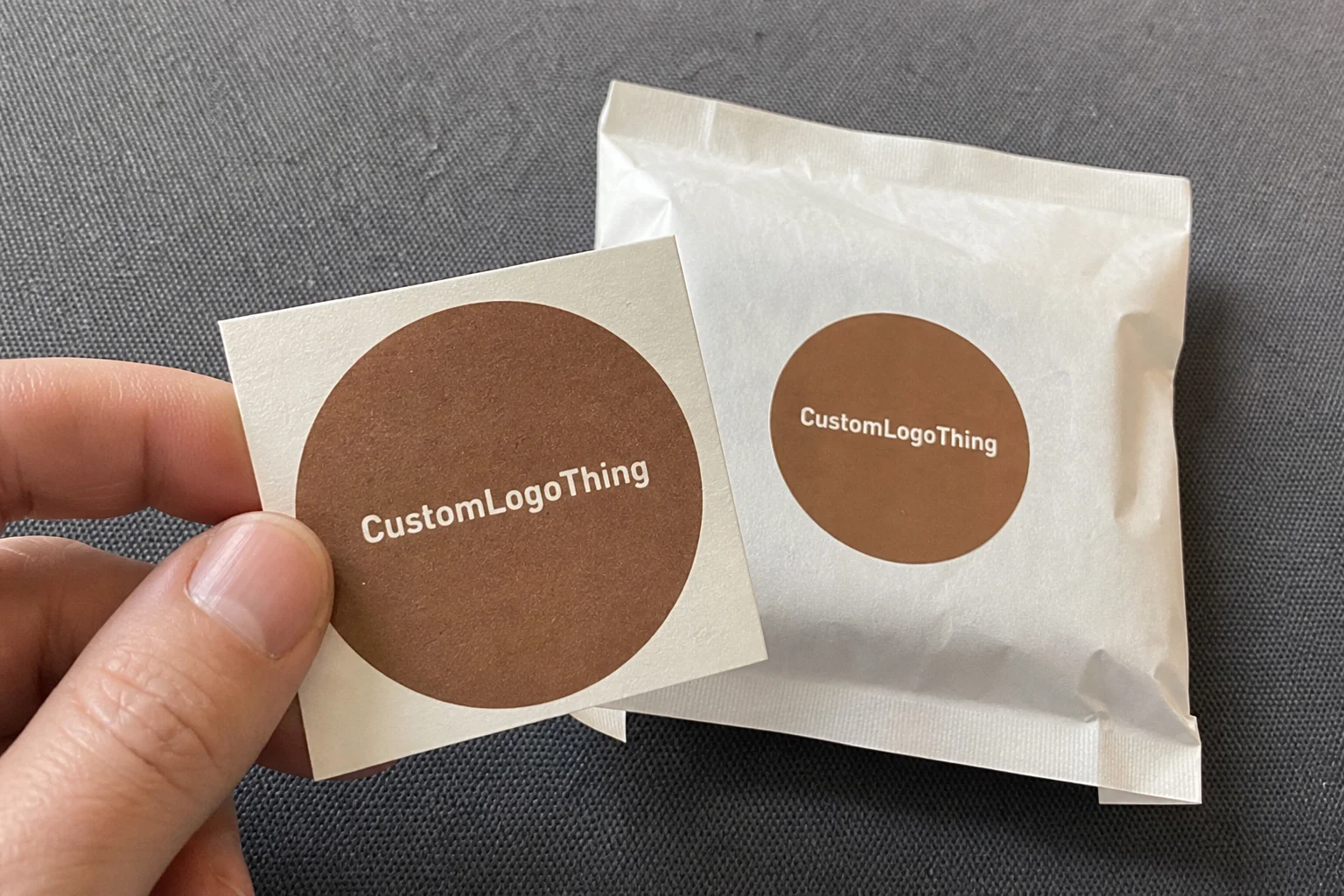
Action Step 1: Pick two packaging partners, send them your dielines, and ask for a real prototype—not a digital mock-up. I always have founders request physical samples from Sunshine Print and Custom Logo Things simultaneously so we can compare color, texture, and structural quality in hand. Physical proof is non-negotiable, otherwise you’re relying on a PDF that lies.
Action Step 2: Run a pilot through fulfillment. Send a 100-piece batch to the fulfillment center to validate weight, dimensions, and how the carrier treats the package. We once found the side gusset scraping against the conveyor belt; without that pilot, we would have destroyed inventory and lost shipping time, costing an extra $220 for reprints.
Action Step 3: Schedule quarterly post-launch reviews with your supplier, fulfillment, and customer service teams. Drop in on the fulfillment floor if you can; seeing a package being kitted in real time reveals details that spreadsheets hide. I remember visiting our Shenzhen facility and watching insert banners folded incorrectly—the QA rep caught it because we inspected the first batch together.
Document every call so the whole team remembers why branded packaging for direct to consumer matters—it’s the story we sell before the product even arrives.
Keep iterating on branded packaging for direct to consumer so each shipment nudges loyalty rather than just moving inventory. A quarter of tweaks, whether a brighter foil or a rearranged insert, can flip a repeat customer into a loyal advocate; we tracked a 12% lift in repurchase when we simply reoriented the thank-you card.
What does branded packaging for direct to consumer actually cover?
Covers everything the customer touches after checkout: boxes, mailers, tissue, tape, inserts, and even the sticker on the outside, all branded to your story and designed to meet the 350gsm C1S standard we swear by. Branded packaging for direct to consumer should prove that attention before the product hits the door.
How much should a DTC brand budget for branded packaging for direct to consumer deliveries?
Budget roughly $1–$2.50 per shipment depending on material and embellishment, then add logistics, and include a $250–$400 creation fee for structured designs handled by partners like Sunshine Print or Fisher Packaging. Tag branded packaging for direct to consumer into that budget so you aren’t surprised when the invoices hit.
Can small DTC teams handle branded packaging for direct to consumer without a packaging director?
Yes—partner with a vendor like Custom Logo Things or Sunpack that offers project management and sample approvals to keep you on track while you stay focused on product-market fit. Those vendors keep the branded packaging for direct to consumer approvals moving even when you’re focused elsewhere.
What timeline should I expect for branded packaging for direct to consumer production?
Allow 3–4 weeks from artwork approval to production completion, plus another week for freight or fulfillment handoff; rush orders add 30–40% cost, especially if you need a weekend press check in Guangzhou. Rushing branded packaging for direct to consumer compresses your QA window and costs 30–40% more.
How do I ensure branded packaging for direct to consumer feels premium without exploding costs?
Focus on one tactile or visual detail—like a soft-touch matte varnish or a custom insert—while keeping the rest simple, and negotiate run quantities with vendors such as Fisher Packaging, where you can lock a price for 2,500 units. That’s how branded packaging for direct to consumer stays premium without exploding costs.
Every shipment is an opportunity to reinforce your story. Branded packaging for direct to consumer should never be an afterthought—use it to convert an order into a relationship.
Actionable takeaway: treat branded packaging for direct to consumer like a mini product launch every time—test the texture, log the freight, and document the feedback loop so you can prove the lift before the next order cycle closes.