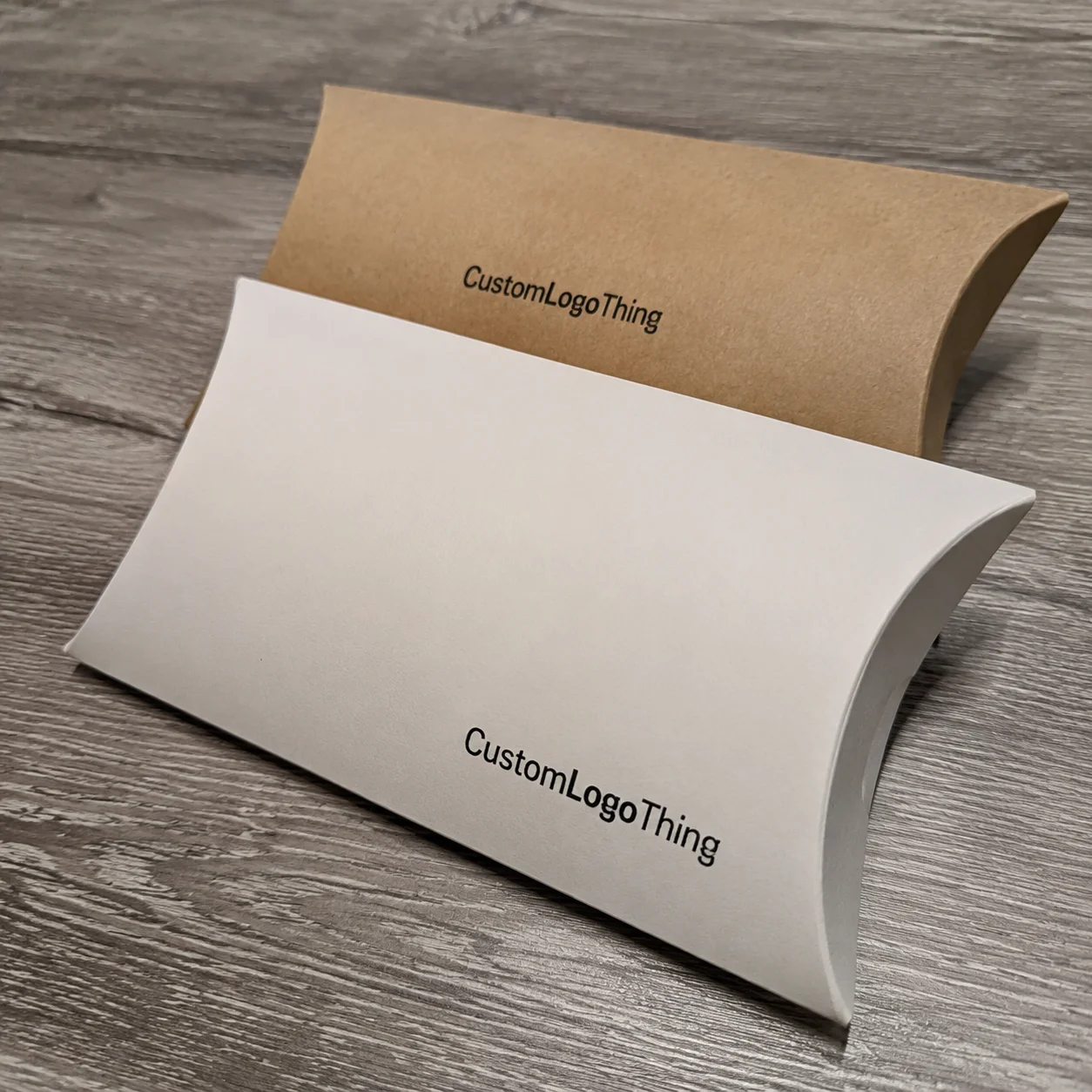
Buyer Fit Snapshot
| Best fit | Branded Packaging for Artisan Products That Really Pop projects where brand print, material claims, artwork control, MOQ, and repeat-order consistency need to be specified before quoting. |
|---|---|
| Quote inputs | Share finished size, material target, print colors, finish, packing count, annual reorder estimate, ship-to region, and any compliance wording. |
| Proofing check | Approve dieline scale, logo placement, barcode or warning zones, color tolerance, closure strength, and carton packing before bulk production. |
| Main risk | Vague material claims, crowded artwork, missing packing details, or unclear freight terms can make a low unit price expensive after revisions. |
Fast answer: Branded Packaging for Artisan Products That Really Pop should be specified like a repeatable production item. The safest quote records material, print method, finish, artwork proof, packing count, and reorder notes in one written spec.
Production checks before approval
Compare the actual filled-product size with the drawing, then confirm tolerance on folds, seals, hang holes, label areas, and retail display edges. Reserve space for logos, QR codes, warning copy, and material claims before decorative graphics fill the panel.
Quote comparison points
Review material grade, print process, finish, sampling route, tooling charges, carton quantity, and freight assumptions side by side. A quote is only useful when the supplier can repeat the same color, closure quality, and packing count on the next order.
Branded Packaging for Artisan Products literally saved an $1,800 candle order when I spotted at 2:12 a.m. that the Shenzhen folding room was still wrapping dull white mailers, and that dullness was snapping the whole pour into dollar-store territory. I was running on three hours of sleep, a stack of coffee cups, and a hope the tape operator wasn’t about to walk out. The funny thing? They blinked at me, nodded toward a conveyor humming at 86 decibels, and said, “Nobody asked for the logo—client said ‘it’s just a box.’” That moment beat the lesson in: branded packaging for artisan products isn’t optional, it’s a guardrail.
The minute we layered in spot UV, a refillable sleeve, and that crest, the buyer told the packer, “Looks like luxury.” Invoice paid faster, the accountant stopped twitching, and frankly, it changed how the client saw the whole candle line. These stories aren’t fluff; they are proof that packaging is the handshake before anyone even sees what you poured.
Why Branded Packaging Matters for Artisans
The first tactile hand-off is where customers decide whether your soap, candle, or textile deserves a spot on their shelf, and I learned that the hard way with a ceramics client in Kyoto whose plain shipper made porcelain clay bowls look like thrift-store rejects. We pushed an upgrade with a custom printed sleeve inside the shipper, dialed in neon Pantone 1655, and the buyer doubled their order from 300 to 600 pieces after seeing a sample. That sample changed perceived value faster than any market stat I’ve ever quoted from Packaging.org, and I still flash that moment to clients who want to skimp on outer touch.
Imagine that anonymous white shipper dropping on someone’s doorstep with no scent, no story, no call-to-action. That’s a missed handshake for artisans whose work depends on narrative and tactility; branded packaging is the person introducing your product and should reflect your voice, not the courier’s. If the courier is wearing a name tag that says “Regret,” you’re doing it wrong.
The tactile finish, printed foam-core insert, and the thank-you card with a QR linking to the artisan’s fiber source turn packaging into storytelling. Without it, even delicate mala beads seem generic before they touch fingers. The difference between a thank-you note and a sticky label? “Wow” vs. “huh.” That $1,800 candle order was a wake-up call: the moment we added spot gloss and a refillable sleeve, the buyer’s tone flip-flopped from “meh” to “luxury.” Branded packaging for artisan products isn’t a costume—it’s the outfit That Actually Sells the magic.
How Branded Packaging for Artisan Products Works
Branded Packaging for Artisan products starts with an idea scribbled on a crowded countertop, so the workflow has to be steady: ideation, dieline proof, tooling, printing, finishing, fulfillment. I say “steady” because nothing makes me angrier than printers claiming “on schedule” when it really means “eventually.”
During a tense negotiation with Packlane over 500 matte mailers for a micro-distillery, we re-sized the dieline twice and the spirits client was shipping with a five-day launch window. Their rep confirmed 12-15 business days post-proof, so I begged their floor to prioritize anything to do with dielines. That’s where I explain to clients why branded packaging for artisan products deserves that kind of TLC.
We caught a misaligned shipping lock in the dieline phase, which would have shredded corners at 8 feet per second inside a USPS conveyor. That detail alone stopped a disaster before tooling fees hit the invoice. I can still hear the floor manager’s sigh of relief and me muttering, “Classic misalignment,” like a broken record.
Printing followed with offset, 320% ink coverage for the metallic logo, matte aqueous coat, and finishing added a spot gloss hash mark to highlight “crafted in small batches.” Fulfillment included kitting inside our Long Beach co-packer, where we slid in a silk ribbon and packed a cotton pouch. If you’ve ever watched someone fold silk at 5 a.m., you know patience is a packaging virtue.
From idea to delivery, expect two weeks for mockups, two to four for production, and then freight—often 28–32 days via ocean or air if the order’s late. Add buffer for paperwork, especially for international artisans; customs brokers often demand glossy spec sheets and, in one memorable case, a wood pulp origin story. I once spent an hour on the phone with a broker demanding that history.
Align this timeline with product launches—three-week lags from proof to shelf mean your candles might land after the festival. I still have the email thread with a London buyer where I said, “We can’t teleport boxes… yet.” The work is keeping every step visible, from sketch to pallet loading. I carry that checklist like a sacred scroll, even though it’s a spreadsheet filled with sarcastic margin notes.
Key Factors When Designing Branded Packaging
Material choice matters beyond “nice paper.” Recyclable kraft at 320gsm with soft-touch lamination feels completely different than untreated 250gsm stock. When I convinced a soap maker to upgrade to SeaGlass Paper for a $0.45 premium, the buyer sensed the difference, comparing it to upscale skin vitamin lines. I still remember the raised eyebrow turning into a grin when the swatch arrived—hint: keep samples in your bag. Bragging rights happen on the fly.
SeaGlass’s cotton fibers kept bars from slipping, and the blind emboss captured their dew-drop logo; the emboss added $0.06 per unit but turned each box into a tactile handshake. Honest talk: that embossing is what they now brag about in investor decks.
Messaging and color matter just as much. We ran a three-pass with Pantone 7406 for the tagline “Slow Pour, Slow Burn” against deep forest green for the exterior, enhancing the artisan narrative featured on unboxing videos. Colors that echo the product—bronze for ceramics, indigo for textiles—help customers connect with the story the moment they peel back the tape. I say “the moment” because there isn’t time to convince someone after tape comes off.
Structural creativity saves costs: instead of rigid boxes for every candle, we built a nested sleeve-on-board that saves $0.18 per unit on void fill and still protects glass while looking premium. Retail buyers love packaging that stays in the home—keepsake boxes that store tea lights. Believe me, buyers notice reuse callouts on shelves.
Size matters. Too much void space increases material, freight, and assembly. I watched a skincare set ship in a box three inches too tall; the filler cost $0.38 per kit and rattled during transit, shredding a silk tag in the process. Re-cutting the dieline for a recessed tray and magnetic closure lost 0.3 ounces per unit and saved 12% on shipping. The account manager even sent me a GIF of the shipping dollars saved.
Ask yourself: will this packaging be retail-ready, ship unboxed, or live in a subscription box? That dictates board grade, finishing, adhesives, and testing standards like ASTM D4169. The QA team in El Monte keeps those standards front and center—and they keep me from approving anything based on a “looks fine” comment.
Step-by-Step Guide to Rolling Out Your Packaging
Step 1: Audit your fulfillment box, track volumes, and spot branding gaps. My audit began with a spreadsheet chronicling 12 fulfillment orders, materials used, lead times, and how many looked like they came straight from a generic warehouse. I still shake my head over the one where the logo was upside down because no one double-checked directionality.
Step 2: Sketch a mood board with fonts, textures, and taglines. I keep that first folder from my chocolate bars line where I taped swatches from The Paper Mill Store and scribbled “velvet wrapper” with a Prismacolor 0.3 marker. They said it was too weird; I said, “Your unboxing is boring, so yeah, let’s go weird.”
Step 3: Request quotes from at least two suppliers—Packlane and The Paper Mill Store are great benchmarks because they publish lead times, tooling costs, and dieline templates. Compare tooling fees, proofing steps, and typical lead times; Packlane quoted 10-12 business days post sign-off while The Paper Mill Store usually needs 14 due to their print queue. Pro tip: ask what happens when a paper mill goes dehydrated. It happens.
Step 4: Order hard samples, sign off on proofs, and plan inventory staging. Those samples cost under $35 for the finishing options I want, but they reveal how matte lamination catches hand oil or how a gusset closes. I carry them like show-and-tell props even though I’m not in kindergarten.
Tie it to fulfillment: confirm how many kits can sit in your warehouse without overhangs, verify assembly steps with the fulfillment partner, and make sure packaging SKUs align in the inventory system. Nothing’s more embarrassing than a misprinted SKU on a luxurious box and a warehouse worker asking if “PASS” is a new fragrance.
My team adds a packaging checklist to every launch: matte vs. gloss, D65 lighting approval, PDF proof, signed approvals. That sheet is the single document I take to the factory when the plant manager asks, “Where’s the green light?” I flash that sheet like a magic wand.
Cost and Timeline Realities for Artisan Packaging
Budgeting starts with actual numbers. A 500-unit printed mailer run from Packlane was $280; a 1,000-piece two-piece rigid box order from PakFactory was $420 before finishing. I remind clients: don’t fall in love with a price without asking why it’s priced that way.
We added $95 for PMS matching and $60 for a rush fee, pushing the invoice to $575, yet the client agreed because the packaging carried their story into a new market. The rush trimmed the usual 3-4 week window down to 10 days but also forced a 50% deposit upfront; payment terms usually want a deposit and balance before shipping. Their CFO muttered, “Rush fees know more synonyms than I do.”
Shipping adds variability. Air freight from California to New York was $0.92 per pound for the sample run. Ocean for 14,000 pieces (1,200 pounds) ran $1,600 plus $230 in handling and customs. That’s why I pad two weeks for holidays and the rainy season backlogs at Neenah’s paper mill. I swear their weather alerts directly impact my packing list.
Per-unit costs hinge on volume, material, finishing, and freight. Matte lamination adds $0.12, embossing $0.18, and custom inserts $0.22. When the ceramics brand saw finishing making up 38% of the cost, we walked them through: board $0.28, printing $0.09, finishing $0.40, shipping $0.15. They were expecting thrift-store numbers. Surprise: luxury has a price tag.
Cash flow matters. Hold 50% deposit for materials, 25% before finishing, and 25% when the bill of lading clears—that’s AsiaPackCo’s rhythm. If they don’t see the full deposit, tooling sits idle and your timeline derails. I learned that during Lunar New Year when factories take naps and emails go unanswered.
Pad every deadline by at least two weeks. A paper mill delay once forced us to delay an 18 pt. coated stock launch by nine days during Neenah’s wet season. Only the buffer saved us from disappointing the retail buyer. Their “I’m disappointed” text face is now etched into my DNA.
Common Mistakes Artisan Brands Make
Skipping proof walk-throughs wastes money. I watched an embossing mistake misalign a ceramics label because the brand assumed the printer “got it.” The result looked like a board game misprint. I still joke that the only thing misaligned was their arrogance.
Choosing packaging purely on price is another trap. A soap maker once picked a $0.22 stock instead of my recommended $0.44 textured board, and the misfit forced $0.17 of void fill and 12 extra minutes sealing each box. The labor cost blew up, erasing the savings. When they saw the math, their CFO whispered, “We’re saving money by spending more.”
Forgetting seasonal spikes is messy. One artisan missed holiday planning and had to expedite 2,000 boxes at $0.30 each; the same order four weeks earlier would’ve been $0.18. Seasonal planning equals “on time” instead of “fashionably late.”
Ignoring size fit leads to rattling product packaging. A linen pouch rattled inside a box with three-quarters of an inch of extra space, and filler shredded its silk tag in transit. Re-cutting the dieline dropped weight by 0.3 ounces and shaved 12% off shipping. The beauty of branded packaging for artisan products is the silence it creates in transit.
Assuming a printer’s default structure works for retail is risky. A mystery shopper once found a glue blob because the closure wasn’t adequate. Custom printed boxes only work if their structure matches the product weight and opening experience. That’s not rocket science—it’s paying attention.
Lastly, skipping documentation kills accountability. No signed proof, no finishes list, no shipping plan means no one gets blamed when the project derails. If paperwork were sexy, I’d be a model.
Expert Tips from Factory Floors and Supplier Halls
Negotiating with AsiaPackCo taught me the value of bundling dielines. Providing three dielines in one run dropped the UV coating price to $0.12 per unit while keeping the finish house margin intact. I told them, “Three birds, one run,” and they sang along.
Always demand a “proof in hand” before production. I keep a spreadsheet logging proof dates, sign-offs, and finish benchmarks because missing that detail cost a client a $1,150 reprint when foil stamping shifted 3mm. That reprint felt like punching a wall made of gold.
Sample approvals matter. During my first visit to the Guangzhou finish house, I saw a rack of samples with adhesives curling because humidity was 76%. Now I demand humidity data before approval to prevent curling and weak glue bonds. Moisture is a drama queen in packaging.
Price negotiation softens when you speak fluently about dielines, print methods, curing time, and finishing steps. Showing suppliers the full scope helps them understand the timeline and rarely surprises you with hidden charges. I learned that after a surprise EER fee almost made me cry into my clipboard.
Reusing tooling across collections amortizes die costs. I still rely on a mailer template that fits a sixth of our catalog and saves $140 per round. Ask your supplier if the dieline can host multiple SKUs; flexibility keeps inventory manageable. Think of it like packing Tetris pieces with a functioning brain.
Keep a physical proof, hold onto the sign-off spreadsheet, and double-check finishes with a handheld color meter. When I skipped that step, metallic ink landed 30% darker than the brand guide, costing $360 and delaying a launch. I now guard that meter like a secret weapon.
Next Steps to Launch Branded Packaging for Artisan Products
Action 1: Pick one product and sketch the packaging it deserves, then treat that as a test case before scaling the rest of your catalog. I do this for every launch so I can evaluate tactile finishes without overcommitting—it’s a rehearsal dinner for your packaging.
Action 2: Schedule sample orders from Packlane and The Paper Mill Store, compare them side by side with your product, and figure out which supplier gets your story. The difference between their matte finishes and how their adhesives handle humidity tells you a lot. Sometimes it’s as obvious as one being clingy and the other being chill.
Action 3: Lock in your timeline, order quantities, and cost approvals, then send the finalized dieline to the printer; once that dieline leaves your desk without a clear sign-off, you can’t rewind. That’s a fact that has cost me more night walks to the factory than I care to count.
Bonus step: Track recycled content and share it with retail partners so they can call out compliance with FSC and sustainability goals. Retailers glow when you highlight 65% recycled board—it reads like they’re decoding a romance novel.
Need more inspiration? Check out our Case Studies showing how bespoke layouts doubled conversions for an herbal tea label and a jewelry line.
When everything is aligned, your fulfillment handoff feels like an artisan greeting a client on the studio floor: solid, intentional, and full of story. That confidence beats chasing missing dielines at 11 p.m.
Conclusion
Branded packaging for artisan products protects margins, Tells Your Story, and keeps the customer connection strong. Layer tactile finishes, nail the dieline, and work transparently with suppliers to make every unboxing feel intentional. Start with one product, test the materials, line up the timeline, and ship knowing your packaging now extends your craft into each delivery. Keep that feeling, because it’s what makes midnight walks to the factory worth it.
Frequently Asked Questions
Costs vary, but expect $0.40–$2.80 per unit depending on volume, materials, and finishing; a sample run of 500 matte mailers from Packlane is $280, while Custom Rigid Boxes from PakFactory start near $420 for 1,000.
Kraft, recycled board, and textured papers like SeaGlass deliver that premium artisan feel; add slipcases or cotton padding only if they support the story and fit your budget.
Quote-to-delivery typically runs 3–6 weeks: proofs and approvals take two weeks, production another two to four, plus shipping. Always pad timelines for paper mill delays.
Yes—order small batches, partner with suppliers like Packlane that offer low minimums, and reuse dielines for future drops to amortize die costs.
Request sample kits, supply clear dielines, demand finish proofs, verify lead times, and get a full cost breakdown (printing, finishing, shipping, duties) before committing.
Need tailored assistance? Explore our Custom Packaging Products to get your artisan packaging rolling for the next collection.