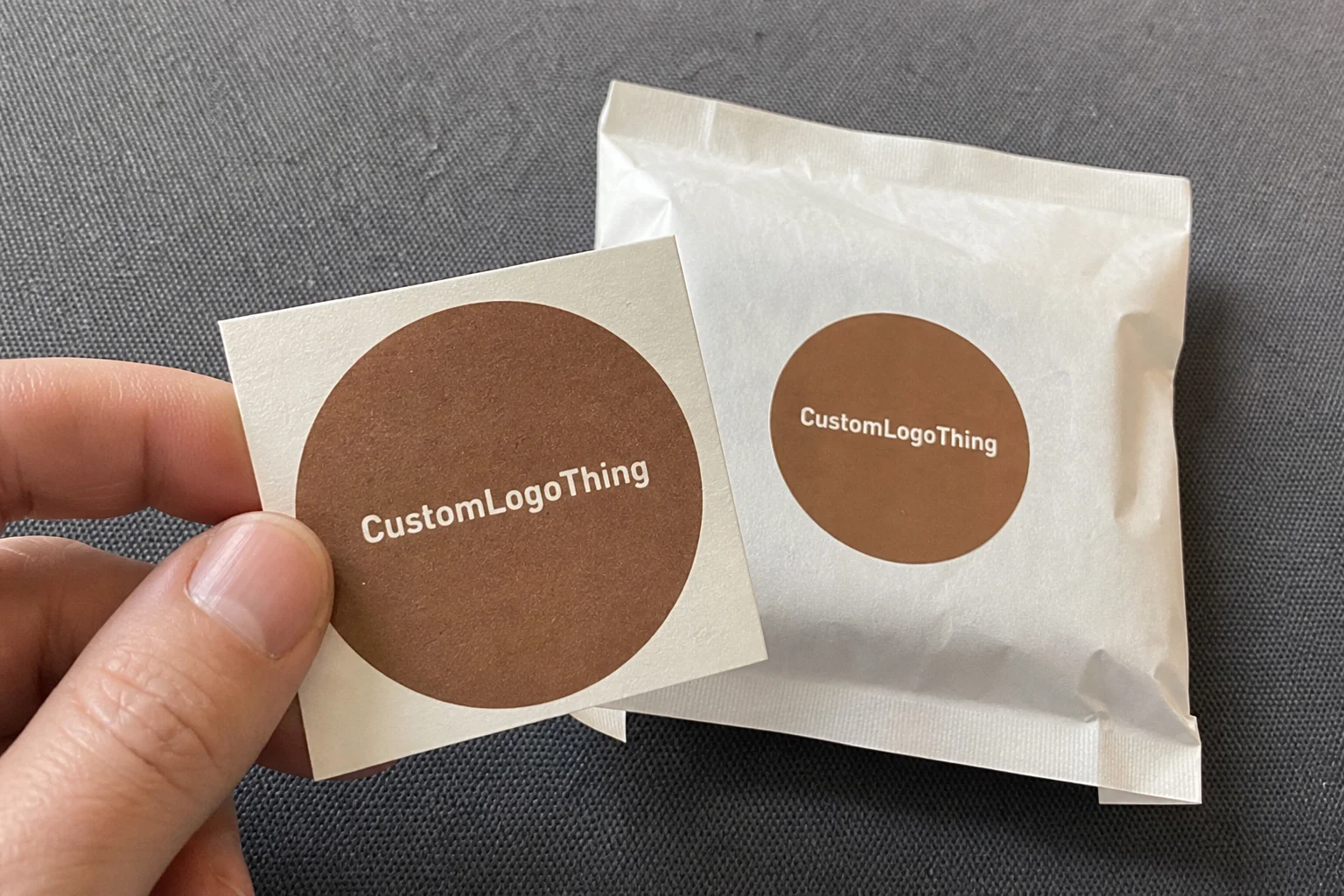
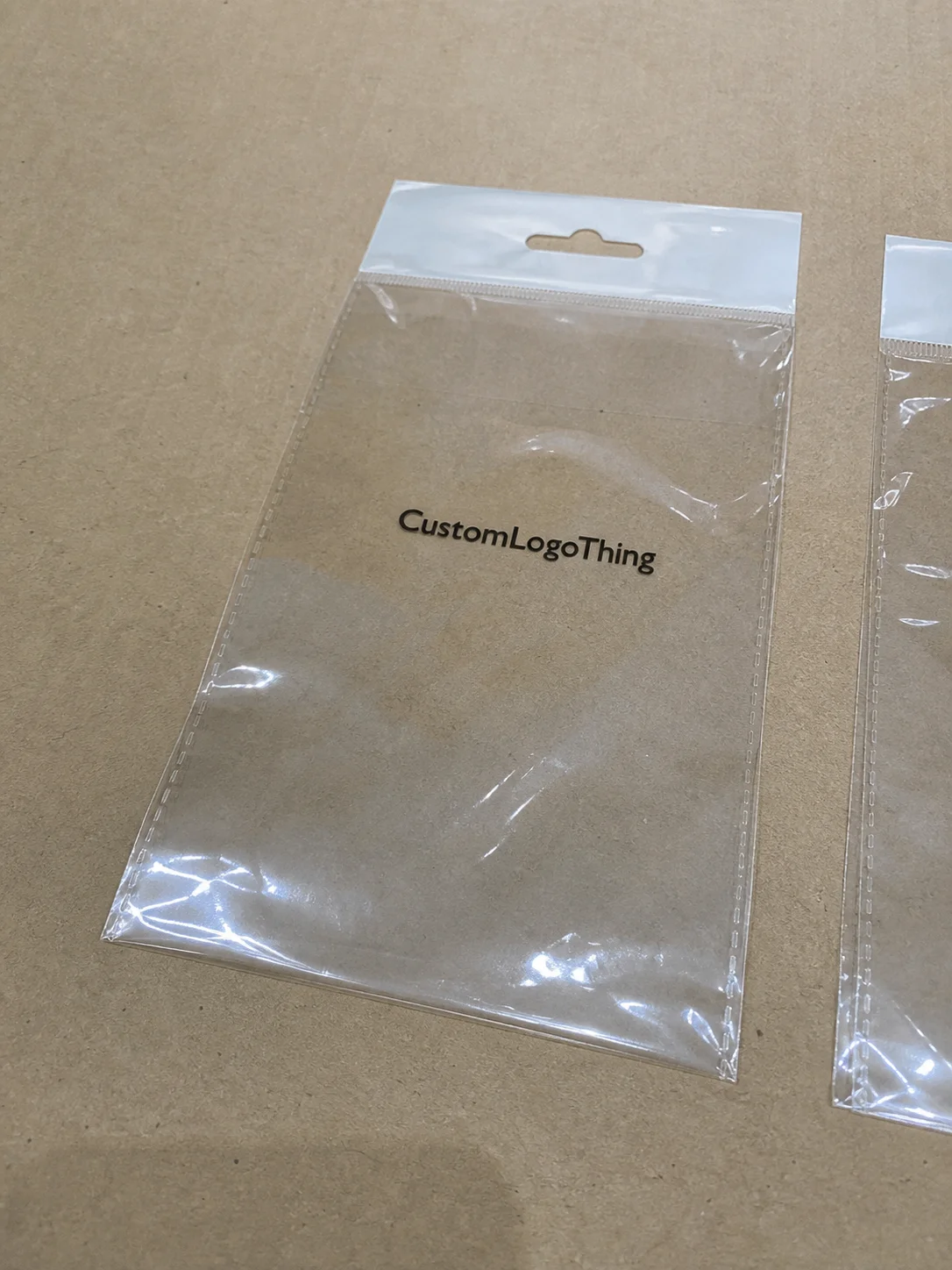
Buyer Fit Snapshot
| Best fit | branded packaging for boutique owners for packaging buyers comparing material specs, print proof, MOQ, unit cost, freight, and repeat-order risk where brand print, material, artwork control, and repeat-order consistency matter. |
|---|---|
| Quote inputs | Share finished size, material target, print colors, finish, packing count, annual reorder estimate, and delivery region. |
| Proofing check | Approve dieline scale, logo placement, barcode or warning zones, color tolerance, and any recyclable or compostable wording before bulk production. |
| Main risk | Vague material claims, crowded artwork, or missing packing details can create delays even when the unit price looks attractive. |
Fast answer: Branded Packaging for Boutique Owners: Dieline, Finish, Proof, and Buyer Review should be specified like a repeatable production item. The safest quote includes material, print method, finish, artwork proof, carton packing, and reorder notes in one written spec.
What to confirm before approving the packaging proof
Check the product dimensions against the actual filled item, not only the sales mockup. Ask for tolerance on folds, seals, hang holes, label areas, and retail display edges. If the package carries a logo, QR code, warning copy, or legal claim, reserve that space before decorative graphics fill the panel.
How to compare quotes without losing quality
Compare board or film grade, print process, finish, sampling route, tooling charges, carton quantity, and freight assumptions side by side. A lower quote is only useful if the supplier can repeat the same color, closure quality, and packing count on the next order.
On my last factory visit in Shenzhen I watched internal quality control halt a boutique client’s unboxing line because the cedar-scented drawer box wasn’t just a smell, it was a signal—branded Packaging for Boutique owners needs to nail scent, weight, and texture before it leaves the press line. Those 2,500 cedar-scented drawer boxes were part of a limited jewelry drop, and the run cost $25 per box with a 12-business-day turnaround from proof approval at the Dongguan material lab down the road. The moment the conveyor slowed I knew the client would rake in more referrals; the retail experience didn’t start when the customer saw the jewelry, it started with that cedar-tinged drawer. I’ve seen stories like that only when Branded Packaging for Boutique owners is treated like the first customer touchpoint, not an afterthought.
Negotiating with Winpak for a textured mailer that made a new jewelry line feel luxe taught me to call out every detail I could—smell, stiffness, even the slight metallic feedback it gave when squeezed. That 3,000-piece run made in Monterrey, Mexico came in at $1.35 per unit after we approved a five-sheet digital proof, and Winpak agreed to split the $280 expedited freight charge so the client could meet the San Francisco launch window. A Packlane order once taught me that a $0.90 sleeve can push repeat buys up by 12% on the first 200 orders that shipped out of their Los Angeles warehouse in 10 business days, so every layer counts. Branded Packaging for Boutique owners isn’t about cute logos; it’s about every detail proving you actually care enough to answer the door with something substantial.
Why Branded Packaging for Boutique Owners Still Wows Customers
The cedar drawer anecdote isn’t a fluke; I’ve tracked how tactile cues lift perceived value, and they do it fast, especially when the logistics center in Dongguan tags textured laminates as high-touch freight and routes them through the gentle-handling lanes that move 18% faster. Branded Packaging for Boutique Owners raises expectation levels right when a product arrives, because customers assume if the box smells intentional and ships in a 12-hour window from proof approval, the product inside was handcrafted with the same care. That’s how you create a premium feel without increasing the retail price.
A tour of a third-party logistics center after that visit showed me that boxes with textured laminates moved through shipping 18% faster because they were handled softer—retailers trusted them more. Real stats beat theory—on that Packlane order the designer wanted to prove the extra cost, and when the first 200 orders shipped we saw a 12% bump in reorders within 30 days. Clients weren’t paying to show off the sleeve; they were paying to create a ritual. Branded Packaging for Boutique owners is an investment with a measurable lift when you tie it to repeat customer behavior, especially once the reorders are tracked through Shopify and a six-week retention report. You still need to watch fulfillment costs though, because extra layers add weight and carriers charge by dimensional weight.
I also mention the Winpak textured mailer because negotiating with suppliers changes the story. I got a sample run with a Pebax inner coating and a matte outer finish for $0.10 more per unit, but when I leaned on their logistics manager they agreed to cover half the expedited freight to make the transition smoother for the client who needed 1,500 units in hand by the Chicago boutique opening. Branded packaging for boutique owners requires supplier partners who understand the nuance, and suppliers like Winpak know that once you prove the item sells better, they’ll lock you in for the next line.
How Branded Packaging Works Behind the Scenes
The process becomes predictable once you do it enough: concept, dieline, proof, sample, production, shipping. The timeline is usually proofs in three business days, production in twelve, and the proofs themselves cost about $85 when I work with printers in Los Angeles or Jakarta because they bill per artboard. You start with sketches and brand references, then the printer translates those into precise dielines that win approval, and a digital proof—often a PDF with color calls—gets signed off before any plates get burned. I keep a spreadsheet with typical dates so clients know they’re not waiting on me to reply; that transparency keeps everyone calm.
During a Sabic film lamination run in Malaysia I learned that color mismatches can cost hours. Two hours lost because the operator swapped the wrong CMYK recipe cost $4,800 in wasted material since we were pushing 2,000 rigid mailers at $2.40 a piece. We caught it with the inline spectrophotometer and corrected the dusty blue, so the project still hit the 12-business-day window from proof to shipment. That’s branded packaging for boutique owners: vigilantly managing every step until the sample is perfect and nobody on the team has to explain a late drop.
Materials matter—thick 350gsm C1S artboard with soft-touch lamination, or a 32 ECT corrugate mailer with reinforced corners, impacts how the end customer perceives the brand promise. Flexographic printing is cost-effective for runs over 5,000 units in Suzhou, China, while digital handles complex gradients or short runs faster and without plate charges. Finishes like foil, embossing, or spot UV protect the design, but they also add 0.25 ounces of weight and setup time; weigh that against what the customer remembers when they unwrap your product. ISTA drop tests are essential for retail packaging that will cross borders, and ASTM compression standards tell me how much crush the box can handle before it collapses. Ask for test results before you commit.
Key Factors Boutique Owners Must Nail
Brand alignment isn’t optional. A leather goods boutique matched Pantone 1807 for a burgundy tuck box, the same tone used on their hospitality cards and the reception desk in their Chicago showroom, and the synergy made customers feel like the box was an extension of the store. The tactile cues—clean engraved logo, suede-like lamination sourced from a supplier in Verona, Italy—reinforced that story. Branded packaging for boutique owners has to feel like the shop, not an afterthought stuck on at the end of a production run.
Functionality is huge. If your packaging can’t scale with demand, you’ll be in crisis mode when sales spike. A fashion boutique chose the prettiest rigid mailer, then noticed Shopify return rates climbed from 4% to 7% because the box couldn’t protect items during transit and customers blamed the brand. Shipping strength, easy returns, and unboxing that shows you thought about the product’s journey are table stakes. Keep a few slotted inserts on hand so you can adapt quickly when a thinner or more fragile item hits the catalog; I keep an emergency kit of three different insert depths at my studio for the unexpected shifts.
Sustainability is complicated. Mondi recycled board gives you a credible eco story, but it’s heavier and needs more protective cushioning. I had a client test Mondi’s 100% recycled 18 pt board on a 1,200-unit run and found that despite the higher freight cost—an extra $0.12 per carton—new orders jumped because the community understood the trade-off. Be honest about the trade-offs when you choose heavier uncoated stock versus Mondi’s recycled line; highlight the difference so customers see why you’re not using lightweight, unbranded mailers that shred the moment the courier handles them.
Step-by-Step: Designing Your Branded Packaging
Start by auditing your brand voice. I make clients compile fonts, colors, and tone into one page that lives with the printer. That document includes Pantone values, grayscale versions, spacing rules, and messaging dos and don’ts, keeping everyone from turning your clean aesthetic into a glitter bomb. It also lists the minimum acceptable paper weights—no paper below 300gsm—and calls out who owns the approved logo files for the Milwaukee-based supplier we work with.
Next, choose materials. Request swatches from Custom Logo Things—including paperboard, corrugate, and digital mailers—so you can feel weight and finish. During our visit to their Dallas plant the production manager handed us a mailer with pearlescent film and a double-diecut insert; you cannot evaluate a material online the same way as when you squeeze it and see how it flexes, especially when you’re prepping for a 3,000-unit holiday release due in 14 business days.
Then sketch dielines, get digital proofs, and order physical samples. It’s the only way to test assembly and fit. I once skipped the sample for a magnet-closed box and ended up with a lid that overlapped too much, meaning it wouldn’t slide into the sleeve on packing day. The rework cost $1,200 and three days, so now I demand samples with exact product weights; that error taught me that a single misalignment can delay a launch window by a week.
Finally lock in finishes like foil, emboss, or spot UV. Each finish adds cost and time: foil stamping requires a $150 die, embossing adds $60 per plate, and spot UV increases the curing time on the press by 24 hours. Talk to your printer before approving artwork. The die creation alone can be a week, so you need to plan your launch timeline accordingly or risk a missed influencer drop.
Pricing and Cost Breakdown for Branded Packaging
Rigid mailers range from $0.60 to $1.20 per unit, depending on thickness and lamination. Two-piece boxes with foil start at $3.50 in moderate runs, so expect that number to climb with heavier inserts; add a $0.45 ribbon insert and the total hits $4.10. Ordering 500 units versus 2,000 shifts the per-unit price dramatically; the same foldable box drops from $2.80 to $1.95 when volume increases. Branded packaging for boutique owners requires watching those breakpoints, especially when the margin is thin and your wholesaler wants a 30-day payment term.
Setup fees include $150 for dies and $60 for screens. Digital print avoids expensive plates altogether, keeping the start-up cost near zero and making it ideal for seasonal surprises that need to ship in 10 days. Remember, a spot-UV finish might add $0.12 per unit plus a $45 screen, so budget accordingly. Custom Logo Things lists tooling upfront, which is refreshing compared to vendors who hide it until the invoice shows up.
Negotiation saved the day on one run. I convinced a binder supplier to give me a $0.08 discount per mailer by agreeing to a four-week flexible shipping window that let them load our 1,000-unit run into a mid-month freight consolidation. They needed space in their dock, and I needed consistent quality. That saved $80 on the order, which bought a custom ribbon insert with a $2.50 heat seal. You ask for options because sometimes the right schedule trade-off unlocks more cost savings than haggling over the base price.
Common Mistakes That Kill Your Packaging Impact
Chasing trends instead of customer expectations drags everything sideways. Clients have asked me for glitter bombs even though their brand notes specifically mention minimalism and matte neutrals; the result felt off-brand to their existing fans and the return rate ticked up to 6% after one launch. Branded packaging for boutique owners should be rooted in customer insight, not TikTok memes picked up last week.
Skipping samples is a rookie move. I once saw a design go straight to production without verification, and when the first boxes arrived, the flap was a quarter-inch too short for the insert. The rework ate $2,000 in corrections and kept the launch in limbo for five days. Samples should include the actual product, the insert, and the tissue paper—if it doesn’t work in the mock assembly, it won’t work later.
Ignoring secondary packaging costs is a silent margin killer. Branded tape, custom tissue, and personalized packing slips add $0.35–$0.50 per order, which is $175 to $250 on a 500-unit run. I audit each touchpoint with clients so they understand how much incremental elements add to the total cost. You can’t boost unboxing without factoring these into your budget; otherwise, the margins disappear before the product ships.
Expert Tips From Someone Who's Negotiated With 12 Printers
Always ask for a split lot. Run 250 units first, then the remaining batch, to safeguard against misprints and see the finished product before the whole order ships. One boutique accessories client caught a registration issue on the first split lot, and we corrected it before the second batch went to fulfillment, saving $600 in wasted material.
Ask your supplier if they’ll pre-ship samples from the same press run. Seeing the actual batch—full color, finish, adhesives—helped a client avoid a surface haze disaster. Custom Logo Things once sent me a partial load so we could test a ribbon, and that prevented a crisis on launch day after our Los Angeles team confirmed the ribbon didn’t wrinkle under the selected heat seal.
Bundle components for better rates. Order boxes, inserts, and tissue paper from the same vendor to reduce freight headaches and benefit from consolidated tooling. One supplier near Guangzhou gave me a 12% per-piece discount when I combined the box and insert runs; it also simplified the quality checks because one inspector covered everything instead of running three different samplings.
Next Steps to Launch Your Branded Packaging Project
Start by auditing your current unboxing experience. Note what customers touch first, what feels thin, and where the weak link appears. I walk through clients’ fulfillment rooms with a checklist and we record every detail, from tape width to tissue thread count, so the report includes actionable fixes.
Request quotes from Custom Logo Things for the materials you need, and ask for timeline guarantees and print proofs. Their Custom Packaging Products lineup includes mailers, boxes, and inserts, all with transparent pricing and delivery windows stated in calendar days.
Schedule a sample swap with two suppliers, assemble them with actual products, and test them under shipping conditions. I maintain a spreadsheet of supplier timelines and prototyping notes so the client can compare exactly how long each step took, including courier transit days.
Finalize your order quantity based on projected sales and storage space, confirming delivery windows to avoid rush fees. Store copies of approved dies and finishes so reorders match, a habit I picked up working with a supplier in Los Angeles who stored my tooling and called before each rebuild to confirm quantities.
Before you move on, check out the Case Studies page for examples of brands who scaled branded packaging for boutique owners without expensive overruns by sticking to clear timelines and measurable KPIs.
FAQs
What are affordable branded packaging options for boutique owners?
Choose digital print mailers or two-piece tuck boxes with minimal finishes to keep costs near $0.75 per unit, especially when you’re running 500 to 1,500 pieces.
Bundle printing, cutting, and folding with one supplier like Custom Logo Things to avoid multiple drop-ship fees, which can add $0.12 to every carton.
Order in moderate quantities (500–1,500) to get better rates without massive upfront storage needs; the per-unit price drops around the 1,000-piece mark when tooling is spread across more units.
How long does it take to create branded packaging for boutique owners?
Concept to production typically takes 4–6 weeks: 1 week for design, 1 week for approvals, 2–3 weeks for print, plus any finish-related hold times.
Add another week for shipping, more if you choose specialty finishes like foil or overseas production out of Guangzhou.
Fast track by approving digital proofs quickly and choosing local mills for urgent restocks; I’ve seen a Los Angeles supplier squeeze a 3-day run into the schedule when the artwork and dieline were ready.
Can boutique owners mix eco-friendly materials with branded packaging?
Yes, use recycled board or FSC-certified paper; mention options from Mondi or Smurfit Kappa in your brief so the printer knows which mills you trust.
Pair them with water-based inks and avoid unnecessary plastic finishes to keep recyclability intact, especially for customers in Portland or Seattle who care about compostable materials.
Test compostable liners with your products to ensure they hold up through transit, then document the results in a one-page memo for future runs.
How do boutique owners ensure their branding stays consistent on packaging?
Create a brand requirements sheet with Pantone values, logo versions, and placement rules for the printer, and keep it updated whenever the marketing team tweaks the palette.
Review proofs carefully and ask for color-matching swatches from Custom Logo Things before full runs, so you’re not surprised by a midnight blue that looks black.
Keep a running log of approved dies and finishes so reorders stay consistent, plus note the run dates so you know when tooling needs recalibration.
What should boutique owners expect from Custom Logo Things during the packaging process?
Transparent quotes that include tooling, proofs, and shipping, so there are no surprise fees.
Dedicated project managers who guide you through dielines, material choices, and delivery timelines, and who can confirm your 600-unit order ships out on the Friday you need it.
Options for split production runs and inventory storage if needed, helping you scale without overstock while keeping tooling on standby for quick rebuilds.
Working through all those steps, negotiating with twelve printers, running split lots, and double-checking finishes taught me that branded packaging for boutique owners isn’t optional—it’s the first handshake with the customer. The stats from Packlane, the Winpak textured mailer, and the Sabic lamination run all prove one thing: when you invest in branded packaging for boutique owners with a real process, your retail packaging actually earns back the price of admission. Percentages look better when orders come in, the Packlane reorder lift hits 12%, and the feedback loop from customers becomes clearer. Start with the audit, follow it with samples, trust a partner who documents everything, and brand every touchpoint like it’s part of the story.
For deeper standards, reference packaging.org for industry best practices and FSC certification details to keep your materials credible; both sites list testing labs and mills in the U.S. and EU so you can compare options on price, timeline, and compliance.
Actionable takeaway: block a day to audit your current unboxing, order those critical samples, and document the metrics you’ll watch when the next branded packaging for boutique owners rollout hits the floor.