Candle Boutique Paper Bags Comparison for Smart Buyers
A practical candle Boutique Paper Bags comparison covering paper weights, handles, finishes, costs, timelines, testing, and ordering specs Before You Buy.
What a Candle Boutique Paper Bags Comparison Really Shows
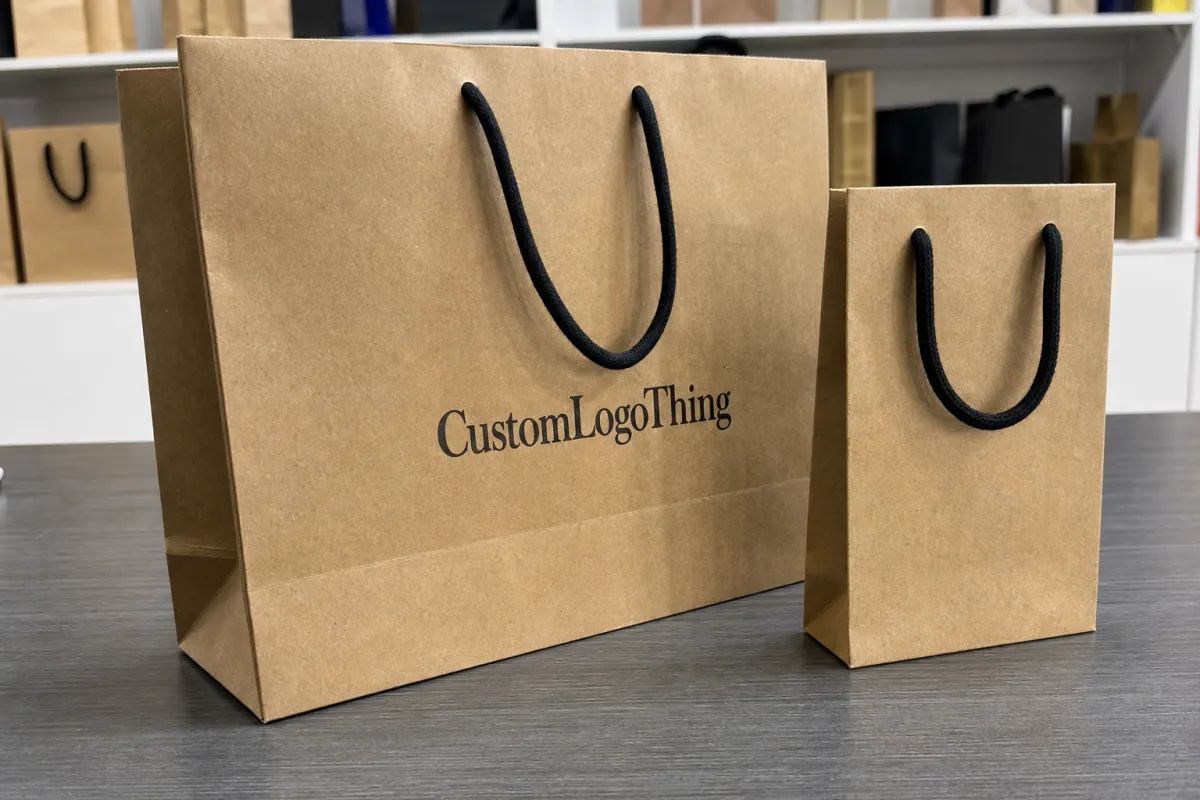
A candle bag usually fails for a plain reason: it was specified like a fashion retail bag instead of a carrier for a small, dense, breakable product. A useful candle boutique paper bags comparison is not a beauty contest between shopping bags. It is a check on paper strength, handle style, base construction, finish, and brand fit against the actual weight and shape of the candle.
Candles are awkward little loads. A 7 oz or 10 oz glass jar concentrates weight in a tight footprint, so the bottom panel, side gussets, and handle attachment work harder than they would for a scarf, cotton T-shirt, or greeting card set. A candle tin may be lighter, but it can dent if it slides around in a bag with too much empty space. Wax and paper can also absorb odor if storage cartons sit near fragrance oils, adhesives, or dusty backroom stock.
The usual options are kraft paper bags, white Paper Shopping Bags, coated art paper bags, laminated luxury bags, rigid euro tote-style bags, and recyclable uncoated boutique bags. Each serves a different purpose. Natural kraft can feel warm and handmade. White kraft gives clean contrast for simple logos. Coated art paper prints color sharply. Laminated bags and rope handles signal premium gifting, but they cost more and may complicate recyclability.
Function and feeling both matter. Can the bag carry a boxed candle safely from counter to car? Does it suit the scent story, price point, and visual identity of the boutique? A $38 candle in a weak, oversized bag feels underthought, even if the label and jar are beautiful.
The mistake is comparing bags flat on a screen. The better exercise is packed, handled, and inspected: material choices, construction details, pricing drivers, production lead time, testing expectations, and ordering specs. That is where a comparison stops being decorative and starts protecting margin, product quality, and the customer’s impression after purchase.
How Candle Paper Bags Work From Paper Stock to Carry Strength
A custom paper bag is a small engineered structure. It has front and back panels, side gussets, a folded bottom, glued seams, handle attachments, and sometimes reinforcement cards at the top turn-over or base. If one part is underspecified, the whole bag feels weaker, even when the paper itself is acceptable.
Paper stock sets the baseline. Kraft paper has visible fiber character and good toughness for everyday boutique use. White kraft is still practical, but it gives a cleaner branded surface for dark ink, soft neutrals, or minimalist candle labels. Coated art paper, often around 157 gsm to 250 gsm for lighter shopping bags and higher for premium constructions, improves color pop. Textured specialty papers add hand feel, which can make a gift candle feel more deliberate before the customer even reaches the box.
GSM should be tied to use, not treated as a magic number. A small tin in a single-candle checkout bag may work in lighter stock with twisted paper handles. A heavy glass jar, a boxed candle plus matches, or a two-candle gift purchase often needs heavier stock, a wider bottom, and a handle system designed for dense weight. The same paper weight can perform differently depending on bag size, grain direction, fold geometry, and glue coverage at the base.
Handle choice changes comfort, appearance, labor, and price. Twisted paper handles are practical for everyday Custom Paper Bags and align well with recyclable packaging goals. Cotton, ribbon, or rope handles feel more gift-forward, especially on laminated art paper bags, but they add mixed materials and extra handwork. Die-cut handles look clean and modern; under heavy glass, they are not always comfortable. Rope handles can support premium positioning, but only if the handle holes and top fold are reinforced properly.
Printing and finishing affect performance too. Heavy ink coverage can stiffen one face of the bag and requires more drying control. Matte lamination creates a soft, modern surface; gloss lamination makes color more vivid; foil stamping, embossing, debossing, spot UV, and varnish can lift shelf appeal while adding setup cost and lead time. Some finishes reduce end-of-life options, so brands with low-waste messaging should ask direct questions about recyclability instead of relying on broad supplier claims.
Size matters as much as material. Too much empty space lets candles shift, stressing seams and scuffing labels. Too tight a fit slows staff at checkout and can crush tissue, care cards, or box corners. A practical candle boutique paper bags comparison includes a packed test, not just a flat sample.
Key Specs to Compare Before Choosing Boutique Candle Bags
Start with the heaviest likely purchase, not the average sale. If most customers buy one 8 oz candle but gift buyers often leave with two jars and a matchbox, the stronger scenario should guide the bag choice. A bag that performs only under the easiest load will create problems during holidays, pop-ups, and gift seasons.
Measure the product before choosing the bag. Use width, depth, and height for candle jars, retail boxes, reed diffuser boxes, and common bundles. Then add enough clearance for easy insertion, tissue paper, a care card, or a small accessory. For boxed candles, 0.5 to 1 inch of usable room can make packing smoother without letting the product rattle around.
Bottom construction deserves attention. A square or rectangular bottom helps boxed candles stand upright, which protects labels and gives the customer a steadier carry experience. Narrow bags may look elegant, but dense glass containers can tip, twist, or press awkwardly against the side walls if the gusset depth is too shallow. For many single boxed candles, a gusset between 3.5 and 5 inches works better than a slim apparel-style profile.
Finish should follow brand position. Matte lamination feels soft and current, especially with quiet typography. Gloss is useful for saturated botanical artwork or bold color families. Uncoated kraft feels natural, apothecary-like, and honest. Textured paper can signal premium gifting without needing a loud logo or heavy decoration.
Candle brands often use subtle scent families, small botanical cues, metallic details, and restrained type. The bag should support that system rather than compete with it. Many boutique bags would look stronger with one confident logo placement, one accent color, and more breathing room.
Sustainability should be specific. Recyclable uncoated paper, paper handles, FSC-certified paper where available, and soy or water-based inks can improve the environmental profile, though actual recycling depends on local facilities and contamination. Mixed-material laminations, synthetic ribbons, and heavy foil areas may reduce recovery options. For certification basics, the Forest Stewardship Council explains how FSC sourcing is tracked through the paper supply chain.
Storage is the quiet spec many buyers forget. Bag cartons should stay clean, dry, and away from fragrance oils, wax residue, high humidity, and heat. Paper can absorb odor and moisture. A beautiful bag that smells like a spilled fragrance concentrate will not help a premium candle feel fresh.
| Bag Type | Typical Use | Strength Notes | Brand Feel |
|---|---|---|---|
| Natural kraft with paper handles | Everyday single-candle sales | Good toughness when sized correctly | Warm, handmade, low-waste |
| White kraft printed bag | Clean boutique checkout packaging | Works well with moderate loads and proper gussets | Modern, crisp, flexible |
| Coated art paper bag | Color-forward candle labels | Needs correct paper weight and handle reinforcement | Polished, retail-ready |
| Laminated euro tote-style bag | Gift sets and premium launches | Strong with rope handles and reinforced top cards | Luxury, structured, keepsake-like |
Cost and Pricing Factors for Custom Candle Boutique Bags
Paper bag pricing is built from moving parts: paper grade, paper weight, bag size, handle type, print method, ink coverage, finishing, order quantity, packing method, and shipping volume. Two bags that look similar in a photo can price very differently once paper thickness, lamination, handle reinforcement, and carton cube are included.
An economical route might be a one-color kraft bag with twisted paper handles. Depending on quantity, size, and supplier setup, a simple custom bag can sometimes fall around $0.18 to $0.45 per unit at higher quantities such as 5,000 pieces, though smaller runs often land higher. A premium laminated bag with rope handles, foil stamping, embossing, custom PMS color matching, and a reinforced base may move into the $0.90 to $2.50+ range, especially at lower quantities.
Minimum order quantity, or MOQ, is the production floor’s way of spreading setup effort across enough units. Smaller runs reduce inventory risk, which helps a new candle line, but the unit cost usually rises because artwork setup, machine preparation, and proofing do not shrink much. Larger runs spread those fixed costs, but they require storage space and confidence that the design will stay relevant.
Print setup can include plates, screens, digital proofing, dies for special shapes, hot-stamp tooling, or embossing dies. A one-color flexographic print on kraft is usually simpler than full-color offset printing on coated stock. Digital printing can be useful for short runs or seasonal artwork, although the paper choices, ink behavior, and unit economics need to be checked carefully.
Freight is another real cost. Bags are mostly air and folded paper, so carton dimensions matter. A rigid euro tote-style bag with rope handles often ships bulkier than a flat-packed twisted-handle kraft bag. If domestic and imported options are both on the table, ask for landed cost, not just unit cost. Duties, port fees, trucking, delivery surcharges, and storage constraints can change the real number quickly.
Compare quotes by forcing the same specification. Ask each supplier to price the same bag size, paper weight, handle, print coverage, quantity, and packing method. If one quote says “premium paper” and another says “190 gsm white kraft with one-color print,” the offers are not equal. A clean comparison needs apples-to-apples specifications, or the cheapest quote may simply be a thinner bag with weaker handles.
Budget should also account for waste. Staff may double-bag heavy purchases if the first bag feels weak. Damaged bags get discarded. Customers may ask for a second bag for gifting if the first one looks too plain. A slightly better bag can reduce those hidden costs, but not automatically. The right answer depends on average order value, candle weight, retail presentation, and how often customers buy gifts.
Production Steps and Timeline From Artwork to Delivery
Most custom bag projects move through the same sequence: specification, quote, artwork setup, proofing, sampling if needed, production, quality checks, packing, freight, and receiving. A stock-size kraft bag with one-color logo print may move quickly. A fully custom laminated bag with rope handles, foil, and embossing needs more coordination.
For a typical custom paper shopping bag, artwork proofing may take 2 to 5 business days after the supplier receives usable files. A pre-production sample, if requested, may add 7 to 15 business days, sometimes longer for specialty materials or hand-finished bags. Mass production often runs 12 to 25 business days after proof approval for many common bag types, although peak season, paper availability, and finishing complexity can stretch that schedule.
Build in time for corrections. Logo placement can look too low once the bag is folded. A color that looked soft on screen may print too warm on natural kraft. Foil may need more spacing from fold lines. None of these issues are unusual; they become expensive when the launch calendar has no breathing room.
Artwork should be supplied as vector files where possible, usually AI, EPS, or print-ready PDF. Include Pantone references for brand colors if color control matters. Convert fonts to outlines or package fonts correctly. Keep fine type, QR codes, and thin line art away from fold lines, gussets, and handle holes. A beautiful layout can still print poorly if it ignores the bag’s physical structure.
Ask what proof you are approving. A digital PDF proof checks layout, size, and spelling, but it does not prove paper texture, exact color, handle feel, or load strength. A printed strike-off can help with ink and color. A finished sample is better for structure, although it costs more and takes longer. For premium candle packaging, that extra sample step is often cheaper than discovering a structural problem after several thousand bags arrive.
Receiving matters too. Count cartons, inspect outer packaging for moisture or crushing, and open a few cartons from different parts of the shipment. Check print registration, glue seams, handle attachment, odor, scuffing, and size. If there is a problem, photos taken during receiving are more useful than complaints made weeks later after cartons have been moved around the storeroom.
Testing, Quality Checks, and Practical Performance Standards
Formal lab testing is not necessary for every boutique bag, but basic performance checks are smart. ASTM and ISTA standards are more commonly discussed for transport packaging, yet the same mindset applies: define the load, simulate handling, and look for failure points. A retail bag may not need a full distribution test, but it should survive the way customers actually carry it.
Do a simple packed carry test. Load the bag with the heaviest likely purchase, then carry it by the handles for several minutes, set it down, pick it up again, and repeat. Swing it gently, because customers do. Leave it loaded for an hour. Check for handle tear, top edge distortion, bottom sag, side seam separation, and scuffed candle boxes. This is not sophisticated testing, but it catches a surprising number of weak choices.
Drop testing should be modest and realistic. A boutique shopping bag is not a shipping carton, so the goal is not to survive warehouse abuse. Still, a 6 to 12 inch set-down drop onto a counter-height surface or car floor can reveal whether the candle tips, the base buckles, or the box corner dents. Glass candles need primary packaging protection first; the bag is the carrier, not the shock absorber.
Check handle comfort. Rope can feel premium but stiff. Twisted paper handles can bite into fingers if the load is dense and the handle diameter is too small. Die-cut handles may look beautiful on a flat mockup but become uncomfortable with two glass jars. From a packaging buyer’s point of view, comfort is part of brand experience, especially if the customer is walking through a market or carrying multiple purchases.
Odor checks are especially relevant for candle brands. Open a carton and smell the bags before placing candles inside. Paper, ink, glue, lamination film, and storage conditions can all leave odor. A slight production smell may air out, but a solvent-like or musty odor deserves attention. Scented products make customers sensitive to competing smells, and the bag should not interfere with the fragrance impression.
Also check carton labeling and batch consistency. If a supplier sends multiple production lots, compare them. Small variation is normal in paper and print, especially with natural kraft, but large shifts in color, stiffness, or handle attachment should be documented. A serious comparison includes sample-to-bulk checks, not just supplier promises.
Step-by-Step Guide to Comparing Bag Options for Your Candle Line
Begin with your product matrix. List each candle format, including jar candles, tins, boxed candles, refill pouches, diffusers, wax melts, matches, and gift cards. Note the weight and dimensions of each. Then list common purchase combinations: one candle, two candles, candle plus accessory, and gift set.
Next, choose two or three bag sizes rather than trying to make one bag do everything. One compact bag can serve single candles and small purchases. A medium bag can handle gift bundles. A larger bag may be needed only for holiday sets or multiple-box orders. Too many sizes create operational clutter; too few sizes make checkout awkward.
Request physical samples in the closest stock and handle style before committing to decoration. Pack your real products. Add tissue if you use it. Add the receipt, care card, and any matchbox or sample vial. Then hand the bag to someone who has not seen the spec sheet and ask what it feels like. Plain feedback can be useful because customers judge packaging physically before they analyze it.
Compare branding at arm’s length. A customer rarely studies a bag flat on a table. They see it hanging from a hand, sitting on a counter, or appearing in a gift exchange. Logo scale, contrast, and negative space matter more than filling every panel. If you sell through wholesale accounts, avoid artwork so specific to your own shop that it feels odd in another retailer’s environment.
Ask the supplier for tolerances. Paper bags are converted products, not machined metal parts. Small dimensional variation is normal. Still, you should know whether the finished bag may vary by 2 mm, 5 mm, or more. For tight candle boxes, that tolerance can determine whether packing feels smooth or frustrating.
Finally, score the options. Use simple categories: load strength, product fit, brand match, sustainability, unit cost, MOQ, lead time, storage space, and customer feel. Give each category a score from 1 to 5. The highest score is not always the fanciest bag. Often, the best result in a candle boutique paper bags comparison is a disciplined mid-range bag that looks good, carries safely, and does not trap cash in excessive inventory.
Common Mistakes That Make Candle Bags Look Good but Perform Poorly
The first mistake is buying too large. Oversized bags may feel generous, but dense candle boxes shift and lean inside them. That movement can scuff labels, crease corners, and make the customer think the package was not planned. A snug, stable footprint usually feels more premium than empty space.
The second mistake is choosing handles only by appearance. Thin ribbon handles can look refined in product photos, but they may not feel secure under real weight. Die-cut handles can be clean and inexpensive, but heavy glass can make them uncomfortable. Rope handles need reinforced holes and a strong top fold, or the paper around the handle can tear.
The third mistake is overdecorating. Candle packaging already has scent names, label typography, warning labels, jar finishes, and sometimes outer boxes. If the bag repeats every visual idea, the total presentation can become noisy. A calm bag can make the candle feel more expensive.
The fourth mistake is ignoring moisture. Paper hates damp storage. High humidity can soften bags, reduce stiffness, and make flat-packed cartons curl or wave. Outdoor markets add another variable. Extra bags should stay in closed cartons or protected bins rather than exposed under a table all day.
The fifth mistake is treating sustainability as a single claim. “Eco-friendly” is too vague. Better language is specific: uncoated recyclable paper, FSC-certified paper, paper handles, reduced ink coverage, plastic-free construction, or water-based inks where available. Not every option is perfect. A laminated gift bag may be the right brand choice for a luxury launch, but it should not be described as easy to recycle unless the construction truly supports that claim in the intended market.
The sixth mistake is approving artwork without a dieline review. Handles, folds, gussets, and bottom panels change how artwork appears. A logo centered on the flat front may look low once the top turn-over is formed. Fine lines can disappear on textured kraft. Metallic foil can crack if placed across a fold. Production teams notice these details because they have seen them fail.
Actionable Next Steps Before You Request Samples or Place an Order
Write a short performance brief before asking for quotes. Include product weights, packed dimensions, average and maximum purchase combinations, brand position, preferred materials, sustainability goals, order quantity, target budget, and required delivery date. A supplier can give better guidance when the job is defined clearly.
For most candle boutiques, compare at least three paths. First, a natural or white kraft bag with twisted paper handles for everyday sales. Second, a heavier printed kraft or coated paper bag for a more polished retail presentation. Third, a premium laminated or textured bag for gift sets, limited releases, or high-value purchases. That spread gives a practical view of cost and customer impact.
Ask direct questions. What is the paper weight? Is the paper FSC-certified or available with certification? Are the handles paper, cotton, polyester, ribbon, or rope? Is the lamination recyclable in my market? What is the safe carrying weight? Can I see a sample packed with a similar load? What are the tolerances? What happens if the bulk order does not match the approved sample?
Do not skip the internal checkout test. Have staff pack the bag during a normal sales flow, not slowly at a desk. If tissue catches, boxes jam, handles tangle, or the bag will not stand open, the design may slow the counter. Packaging should make the sale feel finished, not fussy.
Keep records. Save the final specification sheet, dieline, approved proof, Pantone references, sample photos, carton count, and supplier communication. Reordering becomes easier, and if a later batch changes, you have a clean baseline for comparison. That simple discipline saves real time.
If cash is tight, prioritize structure over decoration. A plain kraft bag with good proportions and a clean one-color logo will outperform a weak bag covered in premium finishes. The customer may admire foil for a second, but they will remember a torn handle much longer.
FAQ
What paper weight is best for candle boutique bags?
There is no single best weight, because candle size and bag construction matter together. For light single tins or small boxed candles, many brands start with kraft or white kraft in a moderate retail bag grade. For heavier glass jars or two-candle purchases, thicker stock, stronger gussets, and reinforced handles matter more. Always test the packed weight rather than relying only on GSM.
Are kraft paper bags strong enough for glass candles?
Yes, they can be, if the bag is sized correctly and the handles are appropriate. Kraft has good fiber toughness, but a poorly sized kraft bag can still fail. Check bottom sag, handle pull, and side seam strength with the heaviest realistic purchase.
Should candle brands use laminated luxury bags?
Laminated bags can make sense for premium gift sets, high-ticket candles, launch events, and boutiques where the bag is part of the gift presentation. They are not always the best everyday choice. They cost more, take more storage space, and may reduce recyclability depending on the material mix.
How much do custom candle paper bags usually cost?
Simple kraft printed bags may fall roughly around $0.18 to $0.45 per unit at higher quantities, while premium laminated bags with rope handles, foil, embossing, and reinforcement may run around $0.90 to $2.50+ per unit. These are broad planning ranges, not guaranteed prices. Quantity, size, paper, finishing, freight, and supplier setup all change the final quote.
How long should I allow for production?
For common Custom Paper Bags, allow time for quote review, artwork proofing, sampling if needed, production, freight, and receiving inspection. A straightforward order may move in a few weeks after proof approval, while a premium custom bag can take longer. If the bags are needed for a launch or holiday period, start earlier than feels necessary.
What is the most practical bag style for a small candle shop?
For many small shops, a well-sized kraft or white kraft bag with twisted paper handles is the practical starting point. It is usually cost-effective, easy to store, brandable, and suitable for recyclable packaging goals. Add a premium option only if your gift sets or price point justify it.
A smart candle boutique paper bags comparison should leave you with more than a pretty mockup. It should tell you which bag carries the real product safely, fits the checkout process, supports the scent and brand story, meets your budget, and avoids claims you cannot back up. Start with the candle, test the packed bag, ask for precise specs, and choose the option that still feels good in a customer’s hand after the sale is complete.

