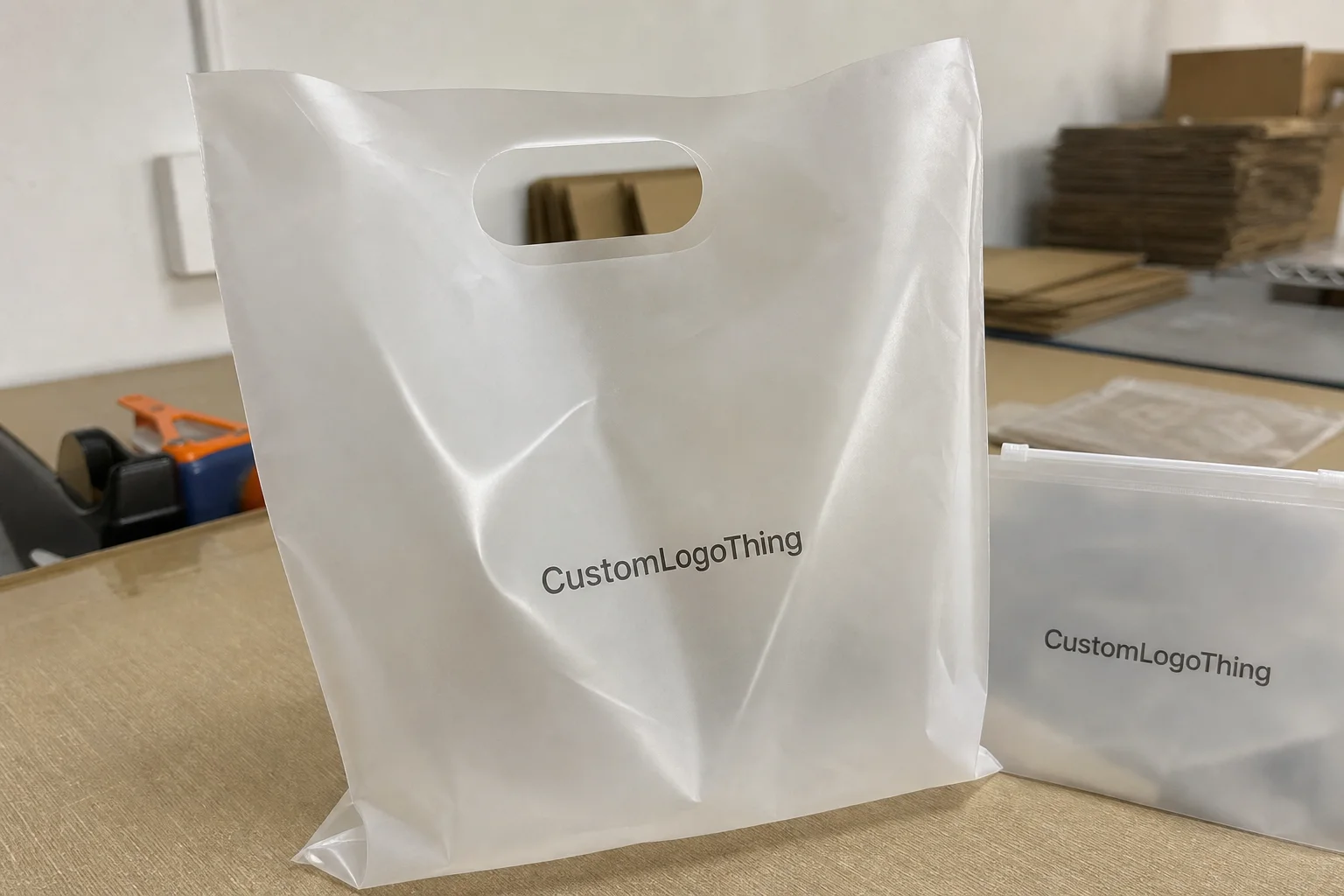
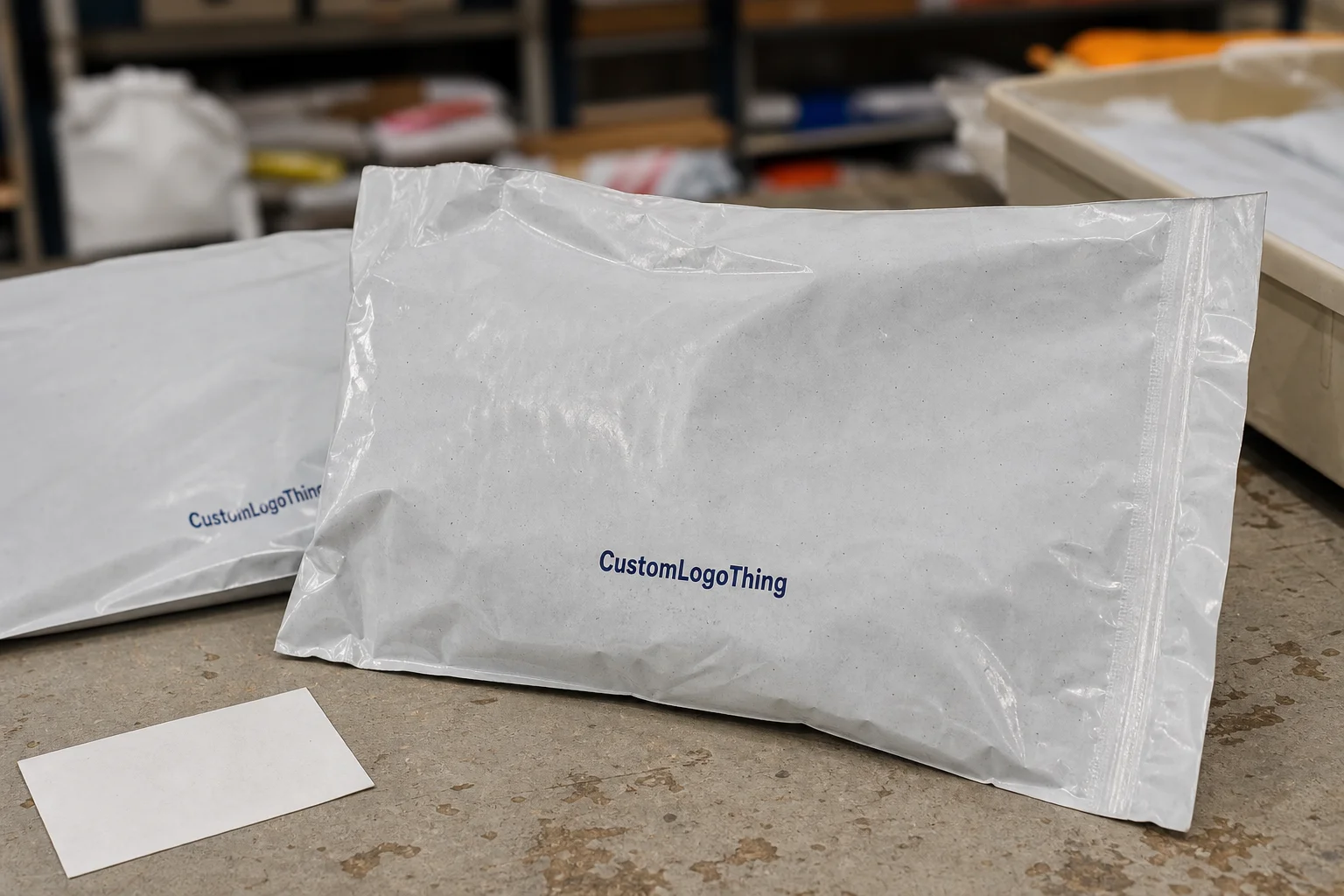
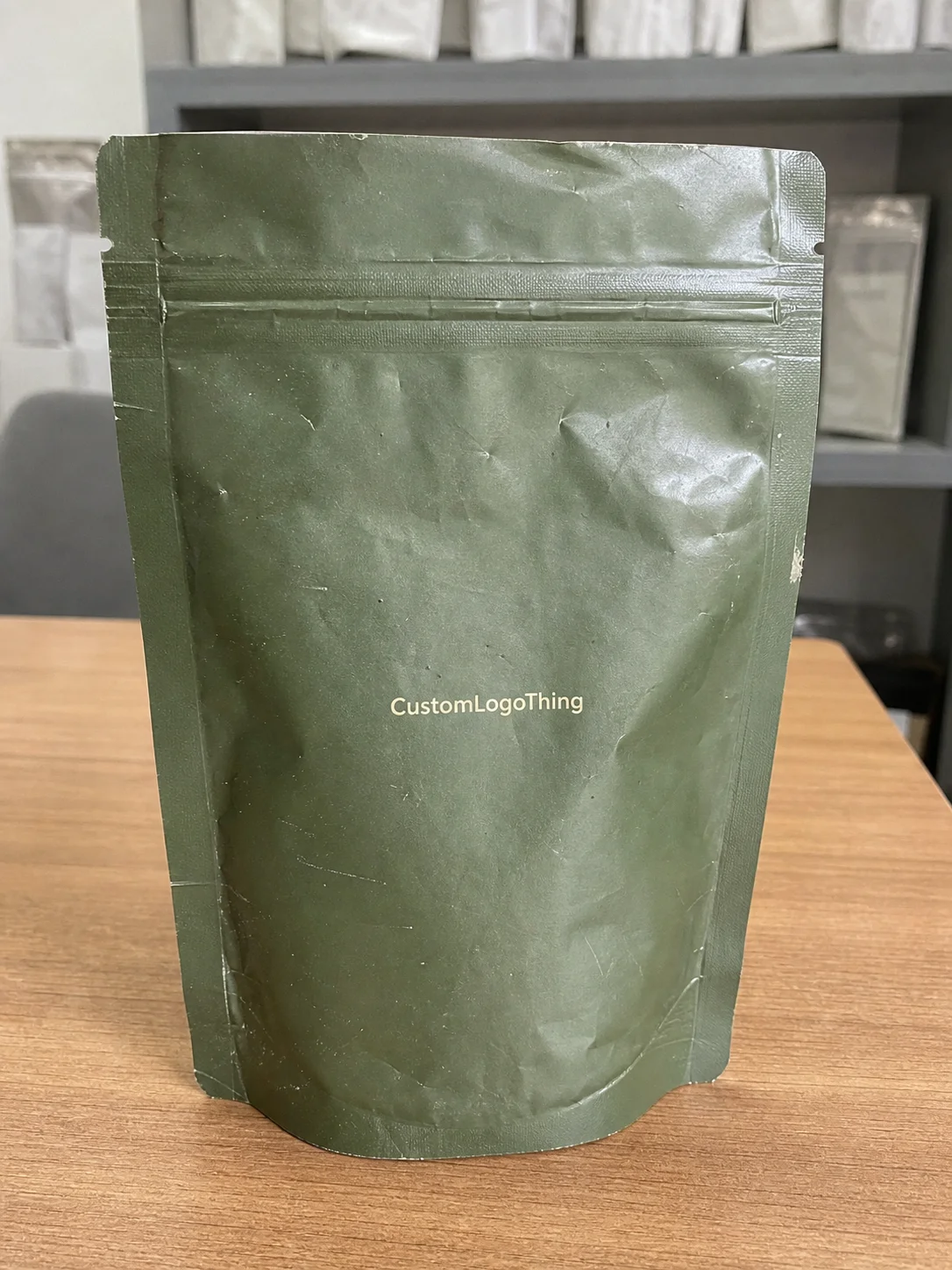
Buyer Fit Snapshot
| Best fit | branded packaging for etsy shops buyer review for packaging buyers comparing material specs, print proof, MOQ, unit cost, freight, and repeat-order risk where brand print, material, artwork control, and repeat-order consistency matter. |
|---|---|
| Quote inputs | Share finished size, material target, print colors, finish, packing count, annual reorder estimate, and delivery region. |
| Proofing check | Approve dieline scale, logo placement, barcode or warning zones, color tolerance, and any recyclable or compostable wording before bulk production. |
| Main risk | Vague material claims, crowded artwork, or missing packing details can create delays even when the unit price looks attractive. |
Fast answer: Branded Packaging for Etsy Shops Buyer Review: Dieline, Finish, Proof, and Buyer Review should be specified like a repeatable production item. The safest quote includes material, print method, finish, artwork proof, carton packing, and reorder notes in one written spec.
What to confirm before approving the packaging proof
Check the product dimensions against the actual filled item, not only the sales mockup. Ask for tolerance on folds, seals, hang holes, label areas, and retail display edges. If the package carries a logo, QR code, warning copy, or legal claim, reserve that space before decorative graphics fill the panel.
How to compare quotes without losing quality
Compare board or film grade, print process, finish, sampling route, tooling charges, carton quantity, and freight assumptions side by side. A lower quote is only useful if the supplier can repeat the same color, closure quality, and packing count on the next order.
I've spent the past decade watching Etsy shops either vanish into obscurity or explode into six-figure businesses. The difference rarely comes down to product quality alone. More often than not, it comes down to what happens when a customer rips open that brown shipping box.
Three years ago, I visited a ceramicist in Portland, Oregon whose handmade mugs were genuinely beautiful. Her glazes were stunning, her photography was excellent, and her prices were competitive at $32 per mug. But her packaging? Cardboard boxes with no padding, a generic thank-you slip, and shipping tape that barely held. She couldn't understand why her review-to-purchase ratio was so low.
I showed her what her packaging looked like next to a competitor's—the soft pink tissue from a supplier in Los Angeles, the tissue paper sealed with a custom wax seal stamped with her logo, the handwritten note on 350gsm C1S artstock cardstock. Her jaw dropped. "That's what I'm competing with?"
Yes. That's exactly what you're competing with.
What Is Branded Packaging for Etsy Shops (And Why It Changes Everything)
Branded Packaging for Etsy shops refers to any materials used to ship and present your products that carry your brand identity. This includes custom printed boxes (typically 32ECT corrugated cardboard for durability), tissue paper with your logo, branded stickers, thank-you cards printed on 350gsm cardstock, and even the tape you use to seal shipments. It's the difference between receiving a product that arrived in a random cardboard box versus opening something that feels like a gift.
Honestly, I get tired of reading about "the unboxing experience" like it's some revolutionary concept. But here's the thing—the statistics are genuinely staggering. The unboxing experience has become a $71 billion annual driver for e-commerce brands. That's not small change. That's a fundamental shift in how consumers relate to the products they buy online.
Once a customer tracking number shows "delivered," your marketing budget basically disappears. Your Instagram ads stop running. Your Etsy ads pause. But branded packaging for Etsy shops? That keeps working. It sits on customers' shelves for weeks. It gets photographed and posted to Instagram without you asking. It creates a memory that drives repeat purchases.
I worked with a jewelry maker in Austin, Texas who spent $340 on her first branded packaging run in Q3 2022. Tissue paper with her logo ($48 from a supplier in Shenzhen), custom boxes ($220 for 250 units from Packlane in San Francisco), and printed inserts ($72 for 500 cards from a local print shop). Her average order value was $48. Within four months, her repeat purchase rate jumped from 8% to 23%. The math isn't complicated: she spent $340 and generated roughly $1,200 in additional revenue from returning customers alone. (And no, she didn't do anything else differently—I asked repeatedly. The packaging was the only variable.)
Product packaging for Etsy sellers isn't just about protection during shipping. It's about creating an emotional experience that transforms a transactional exchange into a relationship. Your packaging design becomes an extension of your product, your brand values, and your attention to detail.
Why Branded Packaging Matters More for Etsy Sellers
Etsy operates fundamentally differently than Amazon, Walmart, or even your own Shopify store. The platform attracts buyers who are specifically seeking personalized, artisanal, and thoughtful shopping experiences. These aren't customers who want to spend 45 minutes comparing specifications. They want to feel a connection to the maker and the product.
Most Etsy sellers undersell themselves here. They assume that because Etsy brings the traffic, their job is just to ship the product. But consider this: when someone buys a handmade candle from an Etsy shop versus grabbing one from Target, they're paying a premium—often 40-60% more. That premium doesn't just cover the product—it covers the entire experience, including how that candle arrives at their door.
Social sharing has changed the economics of branded packaging for Etsy shops. Approximately 40% of consumers share unboxing content on social media. For Etsy, where the demographic skews younger and more socially active, that number climbs even higher to an estimated 47%. When your customer posts a photo of your beautiful packaging, you're getting free advertising to their 500, 1,000, or 5,000 followers.
I've watched this happen in real-time. A ceramics studio in Burlington, Vermont started using hand-stamped tissue paper and kraft boxes with printed inserts. Within six weeks, they had 14 user-generated Instagram posts tagged with their brand. Those posts reached an estimated 28,000 people. At typical advertising rates of $0.10 per engagement on Instagram, that would have cost $2,800 in sponsored content. They spent $180 on their packaging order from a supplier in Montreal. The ROI on that is just absurd, and it happens all the time if you're paying attention.
Buyers on Etsy have evolved. They assume (and often demand) thoughtful, artisanal experiences that reflect the handmade nature of what they're purchasing. Your packaging is often the first physical touchpoint with your brand—before they even open the box, they're already forming opinions based on the exterior.
Investing in package branding for your Etsy shop means buying a marketing channel that works while you sleep, that converts one-time buyers into brand advocates, and that differentiates you in a marketplace with over 4.3 million active sellers.
Essential Elements of Branded Packaging for Etsy Shops
Let me break down what actually goes into effective branded packaging for Etsy shops. Not the theoretical stuff—the practical elements I've seen work in real orders, real shipping scenarios, and real customer feedback.
Custom Boxes: Size, Material, and Print Quality
The foundation of your branded packaging is the box itself. For Etsy shops, this typically means either a Custom Printed Mailer box or a branded shipper that fits your product dimensions precisely.
Material matters enormously. I always recommend at least 32ECT corrugated cardboard for anything shipping fragile items. That's the rating that means your box won't crush when a postal worker drops it from waist height (which happens more than suppliers admit—I've received enough crushed packages to know it happens constantly). For apparel or soft goods, you can often get away with lighter 200# chipboard mailers, but the print quality needs to be exceptional to compensate for the "cheap mailer" aesthetic.
Custom printed boxes from suppliers like Packlane in San Francisco, California or Noissue in Austin, Texas typically require minimum orders of 250 to 500 units. At that volume, you're looking at $1.50 to $3.50 per box depending on size, print method (offset vs. digital), and material grade. This is where many Etsy sellers make their first mistake—they see the per-unit cost and panic. But if you're shipping 50+ orders per month, the math starts working in your favor almost immediately.
Tissue Paper, Stickers, and Tape
If custom boxes aren't in your budget yet, this is where you start. Branded tissue paper and stickers deliver 80% of the visual impact at roughly 20% of the cost.
Custom printed tissue paper runs as low as $0.08 per sheet at high volumes (5000+ sheets) from suppliers like Custom Globes or Paper Source Pro in Chicago. For a typical jewelry or small goods order, you need 2-3 sheets per package. Add a custom sticker (think $0.12-$0.25 each from Sticker Mule in New York for 250-500 units) to seal the tissue, and you've got branded packaging for under $1.00 per order.
Branded tape is an underrated element. It shows up in photos constantly, it's visible throughout the shipping process, and it signals professionalism. Custom printed packing tape from suppliers like Copy Cop in Portland typically runs $0.35-$0.65 per roll, and one roll lasts for roughly 100-150 packages depending on your sealing method.
Thank-You Cards and Care Instructions
I've seen cards go both ways in terms of effectiveness. Done wrong, they feel generic and corporate. Done right, they create genuine emotional connection.
The key is making them personal. A 350gsm C1S artboard card with a handwritten note on top transforms it from mass-produced to artisan-made. I've had clients who swear by this: they print 500 cards with their logo and a brief message, then write a personalized thank-you on each one. At scale, this takes about 90 seconds per order. That investment pays dividends in reviews and repeat purchases.
Care instructions, when branded and thoughtfully designed on 16pt cardstock with soft-touch lamination, reduce return requests and customer confusion. Include washing instructions, storage recommendations (like "keep away from direct sunlight for hand-dyed textiles"), and material information. This positions you as an expert in your craft and reduces the "but I didn't know how to care for this" returns. (Pro tip: if you're getting a lot of returns for "defective" items that aren't actually defective, your care instructions probably need work.)
Eco-Friendly Options
For Etsy sellers specifically, sustainable packaging often aligns perfectly with brand values and customer expectations. Many handmade product makers naturally gravitate toward recycled content, soy-based inks, and compostable materials.
The Forest Stewardship Council (FSC) certifies paper and wood products from responsibly managed forests. Look for suppliers who offer FSC-certified materials—they're out there, and the certification carries weight with eco-conscious buyers. The EPA also provides guidance on recyclable and compostable packaging standards if you want to make environmental claims. Look for seed paper from suppliers like Botanical PaperWorks in Winnipeg, Manitoba for inserts that customers can actually plant.
Eco-friendly doesn't mean boring. I've seen recycled kraft paper (60# basis weight, 100% post-consumer content) look more premium than glossy lamination. The key is intentionality. When your packaging choices reflect your values, customers notice.
The Branded Packaging Process: From Concept to Customer
Here's what the actual timeline looks like when you're developing branded packaging for Etsy shops. I've walked dozens of sellers through this process, and it generally follows the same path regardless of product type.
Weeks 1-2: Define Brand Elements and Gather Inspiration
Before you contact a single supplier, you need your brand elements locked down. This means your logo in print-ready format (vector files, typically AI or EPS at minimum 300 DPI), your brand colors with specific Pantone or CMYK values, and a clear sense of your aesthetic direction.
Collect inspiration. Create a Pinterest board. Take screenshots of packaging you love. Note what you hate. This becomes your creative brief when you're working with designers or suppliers. I recommend gathering 15-20 examples minimum before you start reaching out to vendors.
Weeks 3-4: Source Suppliers and Request Samples
This is where patience saves you money. Every reputable supplier offers physical samples. Use them. Order samples from at least three suppliers before committing to any production run.
When evaluating suppliers, look beyond price. Consider: Do they respond to emails within 24 hours? Do they offer digital proofs before production? What's their error rate on orders? A supplier who charges 15% more but delivers on time and gets colors right is worth their weight in gold. I've learned this the hard way—I once chose a supplier because they were cheapest and spent three weeks dealing with misprinted boxes that had my logo 3mm off-center on every single unit. Never again.
For custom boxes, expect to pay $15-$50 for physical samples depending on complexity. Yes, this is an upfront investment. Consider it the cost of not receiving 500 boxes with your logo printed in the wrong shade of blue. (Spoiler: the wrong shade of blue happens more than you'd think—color matching to Pantone 286 C is notoriously difficult with CMYK printing.)
Weeks 5-6: Finalize Designs and Place Production Orders
Once you've approved samples, finalizing designs typically takes one to two rounds of revisions over 5-10 business days. Most suppliers include two rounds of proofs in their pricing. Be decisive here. Don't go back for a third or fourth revision unless there's a genuine error—the time spent revising is time your packaging isn't shipping.
Production timelines vary significantly by product type:
- Custom stickers from Sticker Mule in New York: 3-5 business days production, typically 12-15 business days from proof approval to delivery
- Branded tissue paper from suppliers in Shenzhen, Guangdong Province: 7-10 business days production, 4-6 weeks for ocean freight shipping
- Custom printed boxes from domestic suppliers: 14-21 business days production
- Full branded kit (boxes, tissue, cards): 4-6 weeks total from domestic suppliers, 8-10 weeks if ordering from overseas manufacturers
Factor in shipping time from China or domestic production facilities. If you're ordering from overseas suppliers, add 2-4 weeks for freight shipping via ports in Los Angeles or Long Beach. Domestic suppliers like Packlane in San Francisco, Noissue in Austin, and The Drafting Department in Denver offer faster turnaround but at premium pricing—expect to pay 40-60% more for domestically produced boxes versus Shenzhen manufacturing.
Understanding the Real Cost of Branded Packaging for Etsy Shops
Let me be direct: you need to understand the full cost picture before you commit to anything. I've seen too many Etsy sellers get halfway through a production run and realize they've miscalculated.
| Packaging Element | Typical Per-Unit Cost | Minimum Order Quantity | Best For |
|---|---|---|---|
| Branded tissue paper (5000+ sheets) | $0.08 - $0.25 | 500-1,000 sheets | Any product type |
| Custom stickers (kiss-cut, 250-500 units) | $0.12 - $0.35 | 250-500 units | Seals, labels, freebies |
| Branded tape (36-72 roll minimum) | $0.35 - $0.65 | 36-72 rolls | High-volume shippers |
| Printed thank-you cards (350gsm C1S) | $0.25 - $0.75 | 250-500 cards | Building customer relationships |
| Custom mailer boxes (32ECT, 6x6x4") | $1.50 - $3.50 | 250-500 boxes | Premium products, gift items |
| Full branded kit | $2.00 - $5.00 | Varies by component | Complete unboxing experience |
The minimum order quantities can feel intimidating if you're just starting. Here's the reality: most Etsy sellers with monthly order volumes under 50 should start with stickers and tissue paper only. As your volume grows, you can add boxes and more complex elements.
Hidden costs that surprise people:
- Design time: If you're hiring a designer to create print-ready files, budget $100-$500 depending on complexity
- Shipping: Freight shipping for boxes from overseas suppliers can add $200-$800 to your order depending on volume and shipping method
- Storage: Your spare bedroom isn't free—factor in the real cost of space taken up by 500 boxes (approximately 12 cubic feet)
- Wasted units: Plan for 2-5% waste due to printing errors, damage, or design changes
Now, the ROI calculation that actually matters. If you spend $500 on branded packaging and that investment converts even 10% more of your one-time buyers into repeat customers, what's that worth? If your average order value is $50 and customers make 2-3 repeat purchases per year, you're looking at $100-$150 in additional revenue per converted customer. You only need 4-5 conversions to break even.
The International Safe Transit Association (ISTA) provides testing protocols if you want to scientifically validate that your packaging protects your products through their ISTA 3A testing procedure. Most Etsy sellers don't need formal testing, but knowing it exists helps you understand why proper materials matter.
Common Mistakes When Creating Branded Packaging
I've watched Etsy sellers stumble through the packaging development process, and certain mistakes show up again and again. Let me save you from making them.
Ordering before testing samples. This is the cardinal sin. I cannot stress this enough. Colors look different on screen than they do printed (sRGB vs. CMYK conversion can shift hues by up to 15%). Materials feel different in person than they appear in product photos. A box that seems perfect online might arrive looking cheap or wrong for your brand. Always, always order physical samples before committing to production.
Ignoring shipping durability. Your packaging looks stunning in your photography studio. Then it arrives to your customer crushed like an accordion because you didn't test it for the rigors of shipping. I recommend the "drop test"—drop your packaged product from waist height onto concrete. If the box survives without damaging your product, you're good. If not, upgrade your materials before your first batch ships. (I once watched a soapmaker's gorgeous custom boxes arrive at a wholesale buyer completely destroyed. The soap was fine. The packaging was not. She had to refund the entire $480 order and redesign from scratch with 32ECT corrugated cardboard instead of 26ECT.)
Overbranding. More isn't always better. I've seen Etsy packaging where the logo appears on the tissue paper, the box exterior, the box interior, the sticker, the card, the card envelope, and the packing slip. This doesn't look professional—it looks desperate. Choose 2-3 key elements and use them consistently.
Choosing cheapest suppliers. I understand the temptation. You see a supplier offering Custom Boxes at $0.89 per unit versus $2.40 per unit, and the math looks obvious. But cheap suppliers often cut corners: inferior materials (26ECT instead of 32ECT), color inconsistencies (delta E of 5+ instead of under 3), missed deadlines, poor customer service when things go wrong. The difference between $0.89 and $2.40 is irrelevant if you receive 500 boxes that don't match your approved proof or arrive three weeks late. Trust me, I've been there. I once waited six extra weeks for a "rush" order that was supposed to arrive in two. The boxes came, but half the tissue paper was the wrong PMS color—magenta instead of burgundy. I still have 200 sheets of useless magenta tissue sitting in my closet. (In case anyone needs magenta tissue paper. Just saying.)
Failing to factor in your time. Your time has value. Designing packaging, managing supplier communication, reviewing proofs, and handling logistics all take time. If you're spending 15 hours on packaging development at $25/hour opportunity cost, that's $375 in hidden expenses. Factor this into your budget calculations.
Your First Steps Toward Branded Packaging This Week
Here's what I want you to do in the next seven days. Not eventually, not when you have more time—these are concrete actions you can take right now.
Step 1: Audit your current packaging. Open a recent order you shipped. Examine it critically. What would a customer think? Take a photo of it. Now imagine that photo appearing on Instagram with your competitor's branding instead of yours. How would you feel? Identify three specific improvements, no matter how small. Maybe it's adding tissue paper. Maybe it's printing a thank-you card on 350gsm cardstock. Maybe it's switching from generic tape to branded tape at $0.45 per roll.
Step 2: Research three suppliers. Don't just Google and pick the first option. Create a comparison. For custom boxes, look at Packlane in San Francisco, Noissue in Austin, and The Drafting Department in Denver. For stickers, check out Sticker Mule in New York, Printify in Las Vegas, and Zazzle in Los Angeles. Request samples from all three. Compare the quality, communication responsiveness, and pricing.
Step 3: Calculate your per-unit cost today. How much do you currently spend on packaging materials per order? Include boxes ($0.85 for generic 6x6x4"), tissue paper filler ($0.05), tape ($0.08), and any inserts. Now calculate what that would look like with one branded element added. If you add Custom Tissue Paper at $0.15 per order and it helps you retain just one additional customer per month, the investment pays for itself many times over.
Step 4: Design one branded element. Pick the easiest, fastest, cheapest thing you can implement. For most Etsy sellers, that's a custom sticker. Design it in Canva (free), upload it to Sticker Mule, and order 250 units at $0.18 each. By next week, you could have branded packaging for Etsy shops flowing out of your studio.
The gap between amateur and professional packaging isn't about money—it's about intention. I've seen $5,000 packaging orders that looked cheap because of poor design choices. I've seen $150 investments that felt premium because everything was considered and cohesive.
Your packaging tells your customer who you are before they even experience your product. Make it count.
Frequently Asked Questions
What's the minimum investment needed for branded packaging on Etsy?
You can start with branded tissue paper and stickers for under $50 total if you're strategic about suppliers. A 500-sheet order of tissue paper from Custom Globes runs approximately $0.12 per sheet ($60 total), and 250 kiss-cut stickers from Sticker Mule cost around $45 with standard shipping. Custom printed boxes typically require $100-300 minimum orders depending on quantity and specifications—Packlane's 250-unit minimum on their smallest mailer boxes starts at $375. Many suppliers offer no-minimum options for paper-based materials like tissue and cards, which lets you test quality before scaling up. Starting small lets you validate what works without overcommitting your budget.
How long does it take to get custom branded packaging?
Standard production runs take 2-4 weeks (typically 12-15 business days) after design approval. Rush orders can reduce this to 1-2 weeks but typically cost 25-50% more. Factor in 1-2 weeks for design revisions and proofs before production begins. From your first concept meeting to receiving your first package, plan for a total timeline of 5-8 weeks from domestic suppliers like Packlane or Sticker Mule. If you're ordering from overseas manufacturers in Shenzhen, the total timeline stretches to 8-12 weeks due to production (14-21 business days), ocean freight (2-4 weeks), and customs clearance (3-7 days). If you're launching for a holiday season, start your packaging development 3+ months in advance. (I cannot tell you how many sellers have DMed me in a panic in November asking if they can get custom boxes in two weeks. The answer is almost always "yes, but it'll cost you 60% more and the quality might suffer." Plan ahead. Please.)
Where should Etsy sellers buy branded packaging supplies?
Several suppliers specialize in serving small businesses and Etsy sellers specifically. Printful in Charlotte, North Carolina and Packlane in San Francisco offer custom boxes with low minimums for smaller operations. Sticker Mule in Staten Island, New York produces high-quality stickers with quick turnaround times and reasonable MOQs of 250 units. Noissue in Austin, Texas and Artefactual in Vancouver, British Columbia provide eco-friendly packaging options if sustainability is central to your brand. Local print shops often beat online prices for simple designs like cards and tissue paper, especially at lower volumes under 1000 units. Honestly, don't sleep on local suppliers—I've gotten incredible results from a print shop three blocks from my studio in Portland that I never would have found if I'd only searched online.
Does branded packaging actually increase repeat purchases?
Yes, the data supports this consistently. Studies show that approximately 40% of consumers share unboxing content on social media, amplifying your brand reach to an average of 2,200 impressions per shared post. Premium packaging increases perceived product value by roughly 30%, which supports higher price points on Etsy where handmade premiums average 45-65% over mass-market alternatives. Customers who have positive unboxing experiences spend about 25% more on repeat orders compared to customers who receive generic packaging. The emotional connection created through thoughtful packaging on materials like 350gsm C1S artboard and 32ECT corrugated boxes justifies the per-unit investment for most product categories.
What branded packaging elements work best for small Etsy shops?
Custom stickers with your logo rank as the highest-impact, lowest-cost option for most Etsy sellers—a 250-unit order from Sticker Mule runs approximately $45-55. Branded thank-you cards create personal connection even at lower volumes when printed on 350gsm cardstock. Color-coordinated tissue paper (500 sheets minimum, typically $0.12-$0.18 per sheet) unifies the unboxing experience without requiring significant investment. Quality tape with your branding (36-roll minimum from most suppliers at $0.35-$0.65 per roll) demonstrates attention to detail and appears in every customer photo. I recommend starting with stickers and tissue paper, then adding cards and boxes as your volume grows and budget allows.
What Makes Great Branded Packaging for Etsy Shops?
If you're wondering what separates memorable branded packaging for Etsy shops from forgettable packaging that gets tossed in the recycling bin, here's what I've observed working with hundreds of sellers over the years.
The best Etsy packaging tells a story. Your tissue paper color, your box texture, your handwritten note style—all of these elements should feel like extensions of your brand personality. A minimalist jeweler in Seattle uses matte black boxes with white tissue and silver foil stickers. A playful soapmaker in Nashville wraps everything in colorful patterned paper with bright yellow stickers. Both work beautifully because everything is intentional and cohesive.
Durability isn't optional—it's foundational. Your packaging design could win awards, but if your products arrive damaged, you've failed your customer. The best custom printed boxes I've seen use 32ECT corrugated cardboard rated for packages up to 40 pounds. They include interior protection (foam inserts, crinkle paper, or tissue) that cradles the product during transit. I've tested dozens of packaging configurations, and the difference between adequate and excellent protection is often just 25 cents in material cost.
Photography potential matters more than most sellers realize. Roughly 40% of consumers share their unboxing experiences on social media platforms. When your branded packaging looks good in photos, you get free advertising every time a customer posts. This means considering how your packaging looks under indoor lighting, how it photographs against different backgrounds, and whether your logo reads clearly in thumbnail images. The best Etsy Packaging for Small businesses often features bold, high-contrast designs specifically optimized for Instagram and Pinterest visibility.
Here's the thing: you don't gotta spend a fortune to look professional. I've watched sellers with tiny budgets outdesign competitors who dropped thousands. The secret isn't how much you spend—it's how thoughtfully you execute. Start with one element, measure what happens, then build from there.
The shops that succeed on Etsy aren't necessarily making better products. They're creating better experiences. And it starts the moment your customer picks up that package from their porch.