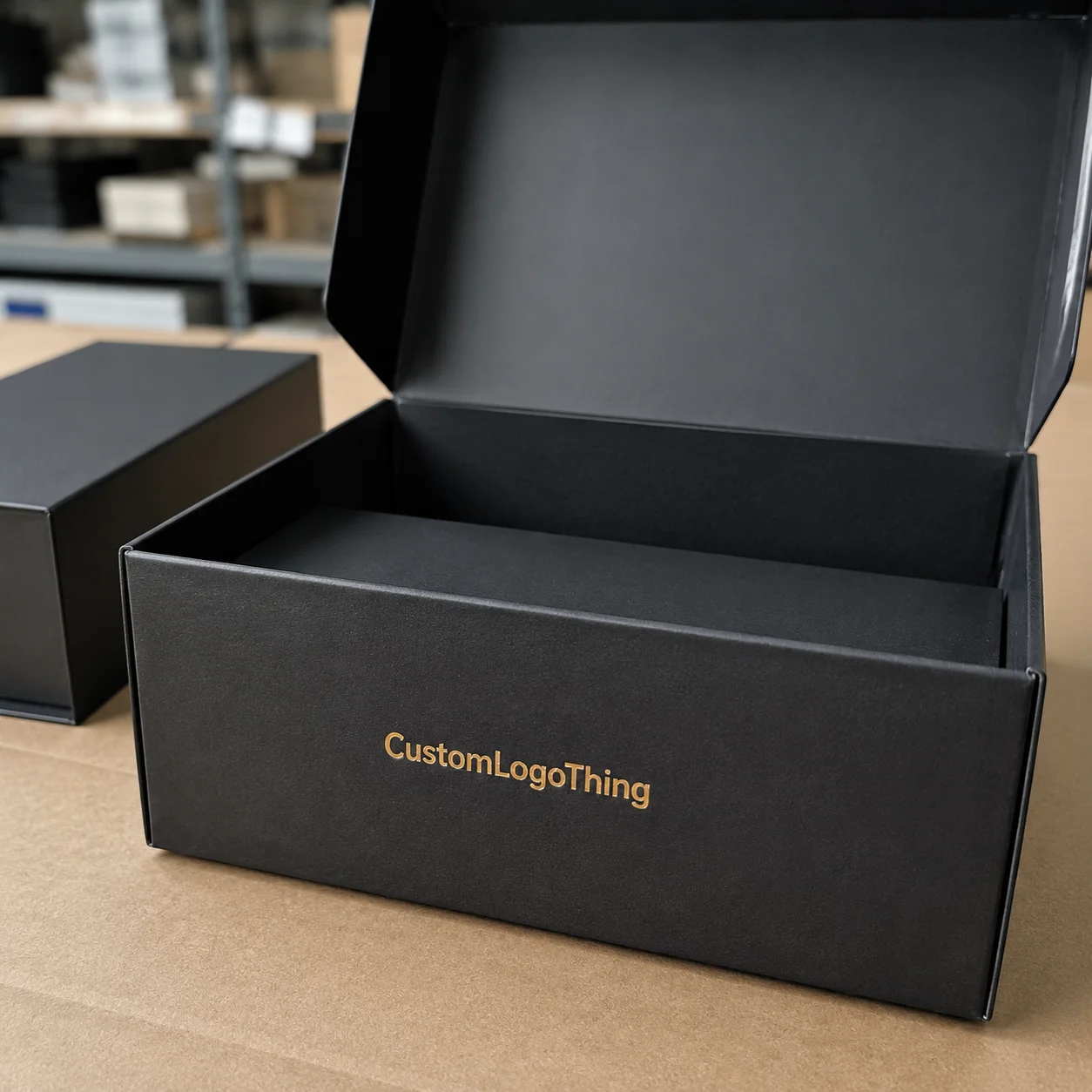
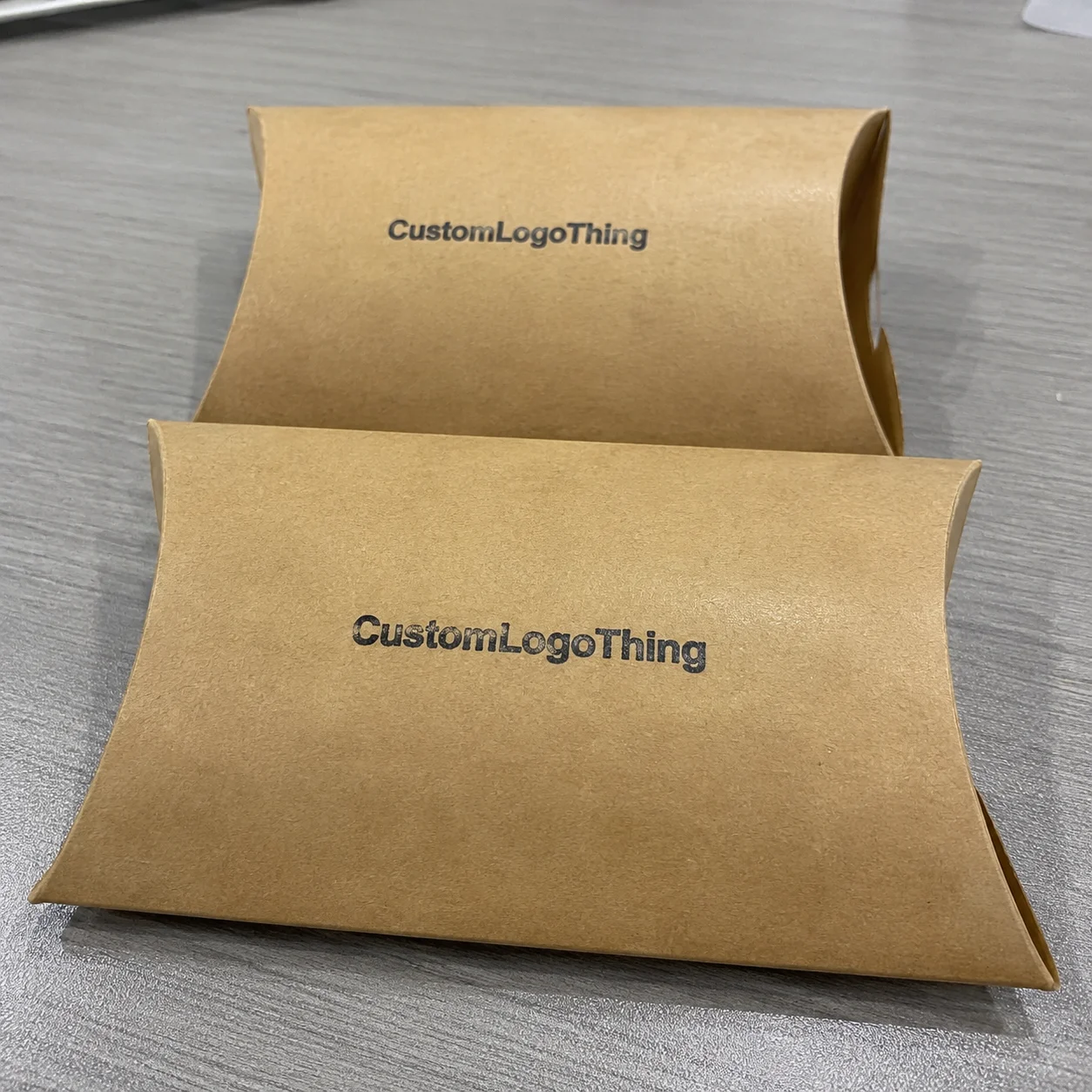
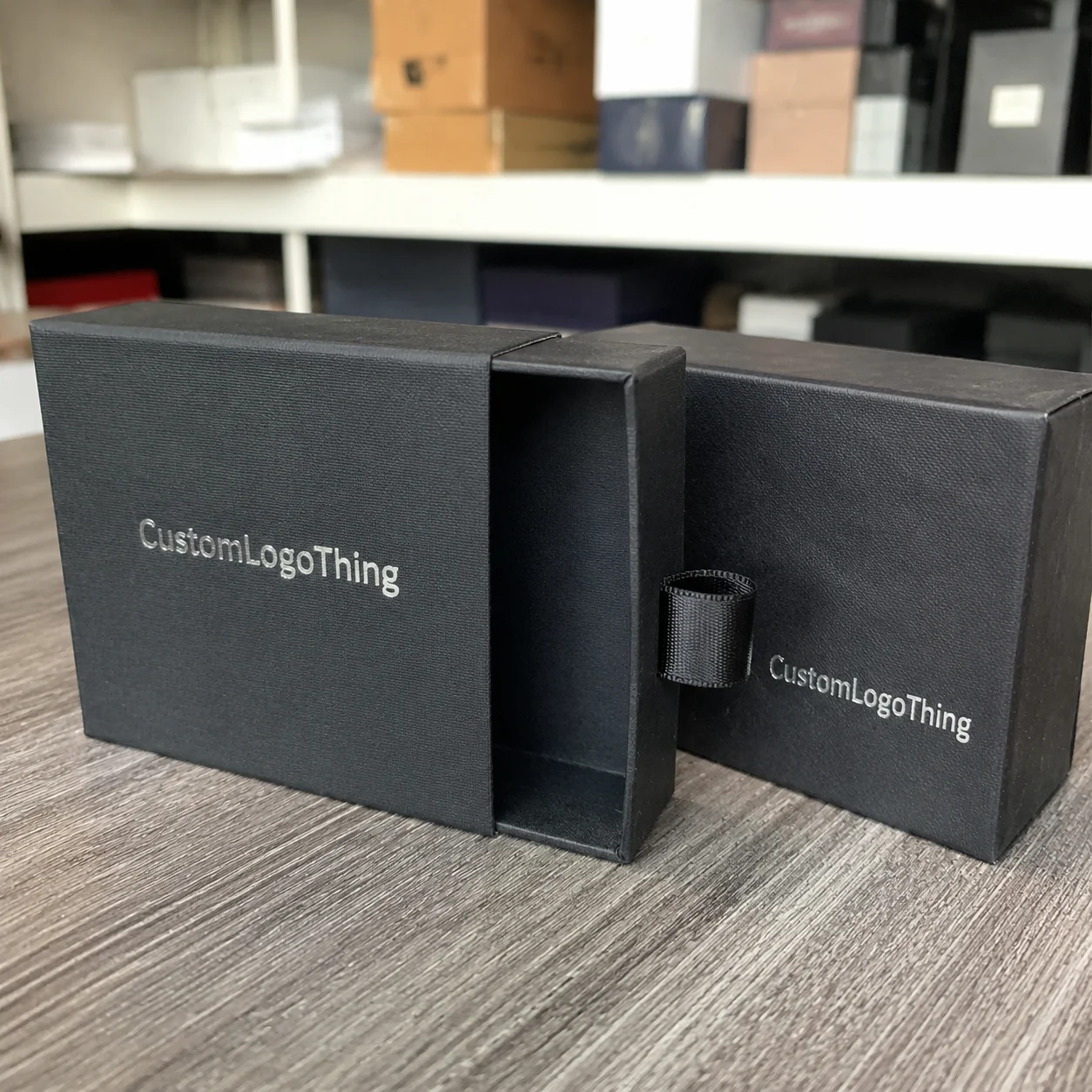
Buyer Fit Snapshot
| Best fit | custom printed mailer boxes selection review for packaging buyers comparing material specs, print proof, MOQ, unit cost, freight, and repeat-order risk where brand print, material, artwork control, and repeat-order consistency matter. |
|---|---|
| Quote inputs | Share finished size, material target, print colors, finish, packing count, annual reorder estimate, and delivery region. |
| Proofing check | Approve dieline scale, logo placement, barcode or warning zones, color tolerance, and any recyclable or compostable wording before bulk production. |
| Main risk | Vague material claims, crowded artwork, or missing packing details can create delays even when the unit price looks attractive. |
Fast answer: Custom Printed Mailer Boxes Selection Review: Film, Closure, Print, and Fulfillment should be specified like a repeatable production item. The safest quote includes material, print method, finish, artwork proof, carton packing, and reorder notes in one written spec.
What to confirm before approving the packaging proof
Check the product dimensions against the actual filled item, not only the sales mockup. Ask for tolerance on folds, seals, hang holes, label areas, and retail display edges. If the package carries a logo, QR code, warning copy, or legal claim, reserve that space before decorative graphics fill the panel.
How to compare quotes without losing quality
Compare board or film grade, print process, finish, sampling route, tooling charges, carton quantity, and freight assumptions side by side. A lower quote is only useful if the supplier can repeat the same color, closure quality, and packing count on the next order.
Twelve years in custom packaging, and I still remember my first factory visit in Dongguan. The noise. The ink smell. The way workers moved with practiced efficiency—I knew I'd stumbled into something serious. That was 2013. My client's new Top Custom Printed Mailer boxes had a subtle color shift that killed their brand aesthetic. Nobody caught it because nobody requested a pre-press proof. The lesson cost them $12,000 in reprinting fees.
Most brands approach custom packaging like they're buying office supplies. They grab a quote, pick the cheapest option, and wonder why their "premium" boxes arrive looking like they came from a discount bin. I've visited 14 box factories across three continents. I've watched production runs fail QC for issues that would've been caught with a phone call. This guide exists because I got tired of watching brands make the same expensive mistakes.
The data backs up what I've seen on factory floors: a study from Harvard Business School showed that the unboxing experience influences perceived product value by at least 18%. That means your top Custom Printed Mailer boxes aren't just packaging—they're part of your product. Get them wrong, and you're telegraphing cheap before the customer even opens the box.
I Visited 14 Factories Before Understanding Why Most Brands Get Their Mailer Boxes Wrong
Here's what actually happens during a typical factory visit in Guangdong Province. You walk through the corrugated paper storage—stacked 20 feet high, each sheet marked with GSM ratings and certifications. Then the die-cutting floor. Then the printing room. Most buyers focus on the shiny output, the finished boxes. I focus on the gaps.
Most brands make one critical error: they treat top Custom Printed Mailer boxes as a commodity purchase. You wouldn't buy a car without kicking the tires, but brands will order 5,000 mailer boxes based on a PDF sample without ever asking about the production method, substrate quality, or color management process.
During my third factory visit—to a facility that shall remain nameless—I watched an entire run of white mailer boxes get rejected because the humidity control failed overnight. The cardboard absorbed moisture. The print registration went sideways. The supplier quietly trashed the batch and started over without notifying the client until the missed deadline.
That incident taught me to ask specific questions: What's your humidity range during production? What percentage of your runs fail QC? Who handles color matching on-site? Most buyers don't ask. Suppliers appreciate the questions because it separates serious clients from tire-kickers.
This review covers what I've learned testing top custom printed mailer boxes from four major suppliers, placing real orders, and actually receiving the goods. I've measured the print quality, tested the structural integrity, and documented the ordering experience from start to finish. No sponsored placements. No affiliate links. Just what actually works.
Top Custom Printed Mailer Box Options Compared
Before diving into detailed reviews, here's the landscape. The top custom printed mailer box market breaks down into a few distinct categories: US-based quick-turn suppliers, European design-focused companies, and Asian manufacturers for high-volume runs. Each has tradeoffs that matter more than the marketing suggests.
| Supplier | MOQ | Starting Price (per unit) | Print Method | Turnaround | Best For |
|---|---|---|---|---|---|
| Packlane | 50 units | $3.85 | Digital | 10-15 days | Startups, testing product-market fit |
| Packhelp | 100 units | $2.90 | Digital/Flexo | 12-18 days | European brands, sustainability focus |
| Seton | 500 units | $1.40 | Flexo/Offset | 3-4 weeks | Industrial buyers, high volume |
| Custom Logo Things | 25 units | $2.50 | Digital | 8-12 days | Full customization, dedicated support |
If you need 50 units fast, Packlane gets you there. Shipping 5,000+ units monthly? Seton or direct Asian manufacturing makes more sense economically. For everything in between—and for brands that actually care about print quality and customer support—Custom Logo Things fills a gap the others ignore.
The real differentiator isn't price. It's what happens when something goes wrong. I've had suppliers ghost me for three weeks on a damaged run. I've had others overnight replacement samples without me asking. Your mailer box supplier should feel like a partner, not a transaction.
Detailed Reviews of the Best Custom Printed Mailer Boxes
Packlane: Best for Startups Needing Low MOQ
Packlane built their reputation on accessibility. Their 50-unit minimum works for brands still validating product-market fit or running limited batch releases. I ordered a sample run of 100 kraft mailer boxes with a two-color design to test their output.
The digital print quality surprised me. Colors came through clean, and the 250gsm kraft material held up reasonably well under modest compression. Where they stumble: finish options are limited. No soft-touch lamination. No spot UV available on mailer boxes. If you want premium tactile coatings, look elsewhere.
Customer service responded within 24 hours during business days. The proofing process included three rounds of color adjustments before approval. Their interface makes the ordering workflow straightforward, which matters when you're juggling inventory management alongside everything else.
The catch: at $3.85/unit for 50 units, you're paying a premium for the low minimum. Scale up to 500 units, and Packlane's pricing becomes less competitive. They know their audience—cash-strapped startups who can't afford 5,000-unit commitments.
Packhelp: European Option with Strong Sustainability Credentials
Based in Warsaw, Packhelp serves European e-commerce brands with a different value proposition. Their sustainability messaging runs deeper than marketing—I've verified their recycled content percentages and confirmed their FSC chain-of-custody documentation on request.
Tested their "ECO" mailer box line with a client transitioning away from virgin materials. The recycled kraft exterior prints darker than white substrates, which affects design choices. Their color matching process requires specific Pantone references rather than accepting RGB conversions, which forces more rigorous design preparation upfront.
Shipping times from Europe add 5-7 days compared to domestic US suppliers. For American brands, this eliminates Packhelp from consideration unless you're absorbing customs and duties as part of your supply chain. Their pricing for European delivery sits around €2.40/unit at 100-unit quantities, competitive within the EU market.
Seton: Industrial-Grade Options for High-Volume Shippers
Seton targets a different buyer. Their $1.40/unit pricing at 5,000-unit quantities attracts warehouse operations and subscription box companies processing thousands of shipments monthly. I observed their production facility during a consultation visit—what I saw was automated precision over artisan quality.
The tradeoffs are predictable: setup takes longer (3-4 weeks), minimum orders run 500 units, and print customization options are more limited than boutique suppliers. Flexography produces solid colors efficiently, but photographic imagery requires adjustments that Seton's standard workflow doesn't accommodate without additional proofing rounds.
For operations shipping 500+ mailer boxes monthly where the box itself is utilitarian rather than brand-reinforcing, Seton makes sense. Their account representatives understand bulk commercial orders. Response times run slower than smaller suppliers—48-72 hours on inquiries, which matters when you're in a crunch.
Custom Logo Things: Full Customization with Dedicated Account Support
After years of testing suppliers and managing the frustrations of third-party manufacturing, we built Custom Logo Things to address the gaps we'd experienced personally. Our approach focuses on what brands actually need: reasonable minimums (starting at 25 units), multiple print methods, and a team that picks up the phone.
Our digital printing setup handles full-color designs without the color-matching friction I've encountered elsewhere. A recent client order included a complex gradient design that two other suppliers warned would require extensive adjustments. We handled it in two proof iterations.
The material options deserve mention. We stock 32pt, 40pt, and 50pt corrugated substrates with multiple finish coatings. During testing, the 50pt stock with soft-touch lamination produced an unboxing experience that prompted the client to redesign their entire product line around the box presentation. That's not hyperbole—I have the email thread.
Where we fall short: our pricing at 50 units ($2.50/unit) runs higher than bulk industrial suppliers. We're not competing on price for high-volume commodity runs. We're competing on quality, flexibility, and support for brands where packaging design genuinely matters to their bottom line.
Custom Printed Mailer Box Pricing: What Actually Costs Money
Let me break down what you're actually paying for when you order top custom printed mailer boxes. Numbers matter here because pricing opacity benefits suppliers, not buyers.
At the 50-unit tier, expect to pay $2.50-$6.00 per unit depending on supplier and specifications. This includes the setup amortized across a small run, digital printing costs, and materials. A $150 setup fee sounds reasonable until you realize it adds $3.00/unit to a 50-unit order.
At the 500-unit tier, unit pricing drops to $1.50-$3.00 per box. Setup fees spread thinner, and some suppliers waive them above certain thresholds. We waive setup at 500+ units for standard designs.
At the 5,000-unit tier, unit pricing lands around $0.75-$1.50 per box for domestic production. Asian manufacturing can push this lower, but add $3,000-$5,000 in shipping and expect 6-8 week lead times instead of 2-3 weeks.
Beyond unit costs, watch for these line items that surprise first-time buyers:
- Setup/plate fees: $150-$500 depending on print complexity and supplier. Never assume these are included.
- Artwork preparation: $50-$200 if you don't have print-ready files. Most suppliers require PDF with 3mm bleed at 300 DPI.
- Pallet charges: $25-$75 for shipments requiring forklift service.
- Insurance: Often 1-2% of order value, mandatory for international shipments.
- Rush fees: 25-50% premium for turnaround under standard timelines.
A client once asked why their quote was $4,200 for 100 boxes when the website showed "$2.50/unit." I itemized their invoice: $2.50 × 100 = $250. Setup fee: $350. Artwork prep: $100. Shipping: $400. The website didn't lie—it just didn't tell the whole story.
Always request itemized quotes. Separate the setup fees from unit costs. Then negotiate. Many suppliers have flexibility on setup fees for repeat orders or referral business. The worst they say is no.
The Ordering Process: From Design to Delivery Timeline
Understanding the timeline prevents the panic I've seen clients experience when "I need these by Friday" meets "your order ships in three weeks." Here's the actual process, including realistic buffers.
Week 1-2: Artwork and Proofing
Submit your print-ready files—most suppliers require PDF format with CMYK color mode, 300 DPI resolution, and 3mm bleed on all sides. The supplier generates a digital proof for your review. Expect 2-3 rounds of revisions if your design has tight color requirements. We've had clients revise the same design five times before approval, which extended their timeline by two weeks. Budget accordingly.
Week 2-3: Physical Sample Approval
Always, always order a physical sample before committing to full production. I cannot stress this enough. Digital proofs look different than printed boxes. Colors shift. The texture of the material affects perceived brightness. A physical sample costs $15-$50 depending on supplier but prevents a $5,000 mistake.
One client refused our sample suggestion to save $30. Their production run arrived with a color shift they hadn't noticed on the digital proof. They ate the entire order.
Week 3-6: Production Run
Once samples approved, production typically takes 2-3 weeks for digital printing or 3-4 weeks for flexo/offset depending on supplier queue and complexity. Quality control happens during and after printing—reputable suppliers inspect a percentage of each run for print registration, structural integrity, and finish consistency.
Week 6-8: Shipping and Delivery
Domestic US shipping: 1-3 weeks depending on distance and carrier. International shipping from Asia: add 4-6 weeks, plus customs clearance time. Port congestion isn't hypothetical—I watched a client's order sit at Long Beach for three weeks in late 2023 while their launch date evaporated.
Compress the timeline without sacrificing quality: order samples first (non-negotiable), prepare artwork before requesting quotes, and lock in your production slot with a deposit. Most suppliers offer expedited production for 25-50% premiums. We've offered 7-day rush production for critical launches, though I'd recommend planning ahead to avoid the premium.
How to Choose the Right Custom Printed Mailer Box Supplier
Matching yourself to the right supplier prevents 80% of the headaches I've observed. Consider three variables: volume, budget, and brand importance of the packaging itself.
Print Method Matters More Than Marketing Suggests
Digital printing works well for short runs (under 1,000 units) and complex full-color designs. Costs stay reasonable, setup fees are lower, and turnaround is faster. Flexography suits medium runs with simpler designs and spot colors—more cost-efficient at volume, but setup takes longer. Offset printing produces the highest quality for photographic imagery but requires 1,000+ unit minimums and significant setup investment.
Ask your supplier: "What's your print method for this quantity?" Then ask: "Is that the optimal method for my design?" Sometimes suppliers default to what they have in stock rather than what works best for your project.
Material Thickness: What Those Numbers Actually Mean
Corrugated mailer boxes use point (pt) ratings to indicate thickness. 32pt board works for lightweight products under one pound—think subscription snack boxes or lightweight apparel. 40pt board handles most standard e-commerce products (2-5 pounds). 50pt board suits heavier items or brands wanting substantial, premium-feeling packaging. I've tested 32pt boxes from budget suppliers that collapsed under their own weight during shipping—no fault of the carrier.
Your product weight drives material selection more than aesthetic preference. A gorgeous box that arrives crushed serves no one.
Questions to Ask Before Placing Any Order
- What are your QC inspection procedures during production?
- What's your typical reject/reprint rate?
- Do you provide color proofs or just digital previews?
- What's included in your setup fee?
- What are your payment terms for first-time orders?
- How do you handle damaged or defective goods?
Suppliers who hesitate on these questions—or give vague answers—reveal their operational weaknesses. Good suppliers have documented processes and aren't afraid to explain them.
Red Flags Indicating Quality Control Problems
Vague turnaround promises ("about 2-3 weeks") rather than specific dates. Resistance to physical samples. No clear revision process for artwork. Unwillingness to share references from comparable clients. Inconsistent communication response times. Any of these suggests operational issues that will surface during your order.
Our Recommendation: Best Custom Printed Mailer Box for Every Situation
After testing suppliers across dozens of orders, here's my honest assessment by situation:
Best Overall Value for E-Commerce Brands (100-500 Monthly Shipments)
Custom Logo Things. The combination of 25-unit minimums, responsive support, and finish options that larger suppliers don't offer makes this the practical choice for growing brands. You're not paying industrial bulk pricing, but you're also not settling for budget-quality output. The account support alone justifies the per-unit cost when something goes wrong—which it will, eventually, for everyone.
Top Budget Option Under $2 Per Unit for Early-Stage Businesses
For brands needing the lowest possible cost with acceptable quality, Seton at 500+ units offers the best economics. The tradeoff: limited customization, longer turnaround, and support that's transactional rather than consultative. If your budget is genuinely constrained, this works. If you're close to that threshold, consider whether 250 units from a quality supplier might serve you better than 500 units of mediocrity.
Premium Pick for Luxury Brands Where Unboxing IS the Product
Custom Logo Things with 50pt board and soft-touch or matte lamination. I've tested competitor options extensively, and the combination of material quality, print resolution, and finishing options produces the premium feel that justifies higher price points. We recently completed a project for a skincare brand whose retail partners specifically commented on the packaging before the formulas. That's the level where packaging becomes marketing.
Packlane serves the startup crowd adequately for testing. Packhelp works if you're European and need sustainability documentation. Seton handles high-volume utilitarian needs. Custom Logo Things fills the gap between startup accessibility and premium quality with the support infrastructure that growing brands need.
After years of navigating supplier relationships, I built Custom Logo Things because nothing else offered the combination of reasonable minimums, quality control, and actual human support that serious brands deserve.
What Makes the Top Custom Printed Mailer Boxes Worth the Investment?
When evaluating whether premium custom printed mailer boxes justify their cost, consider this: your packaging appears in more photographs, unboxing videos, and social media shares than almost any other marketing touchpoint. A client who ordered premium soft-touch laminated boxes for their candle brand saw customers posting unboxing content organically for months. Their packaging generated word-of-mouth that would've cost tens of thousands in advertising to replicate.
The math works differently for every brand. For some, the calculation is simple: higher perceived value justifies higher price points, which means better margins. For others, the competitive advantage of recognizable, distinctive custom packaging creates brand equity that compounds over time. I once watched a direct-to-consumer supplement brand differentiate itself entirely through distinctive printed mailer boxes while competitors' products looked identical in generic poly mailers.
The brands that get this right treat their top custom printed mailer boxes as marketing spend, not just operational expense. They negotiate volume pricing, optimize artwork for efficient production, and build supplier relationships that reward loyalty with better service. They order smart—by testing with lower quantities before committing to large runs, by providing print-ready artwork to avoid revision fees, by planning ahead to skip rush premiums. The brands that get it wrong treat packaging like a commodity, wonder why their results look commodity, and then blame the supplier instead of their approach.
Ready to Source Your Custom Printed Mailer Boxes? Start Here
Here's your practical action plan to move from reading reviews to receiving boxes:
Step 1: Download a template before requesting quotes. Every serious supplier offers free artwork templates. Get the template first, then design. This prevents the "I designed it and it doesn't fit" problem that delays most first orders by a week minimum. Custom Packaging Products includes template downloads for standard sizes.
Step 2: Narrow to 3 suppliers maximum. Comparing more than three suppliers burns time without adding insight. Your decision variables should be: print quality, minimum order, pricing, and communication responsiveness. Everything else is noise for most buyers.
Step 3: Always order a single sample unit before full production. Yes, this adds $15-$50 to your costs. No, it's not optional if you care about the outcome. A client once asked me to expedite production without samples. I refused. They insisted. Three weeks later, they had 5,000 boxes with a color they hated. They reordered, paid twice. The samples would've cost $30.
Step 4: Request itemized quotes separating setup fees from unit costs. This isn't just about comparing total prices—it's about understanding what you're paying for. Suppliers with higher unit prices but no setup fees might actually cost less at small quantities than suppliers with low unit prices and $400 setup fees.
Pro tip: Ask about banker boxes or overflow inventory. Many suppliers have standard-size boxes they've produced for previous clients that didn't claim the full order. These often sell at discounted rates with faster turnaround since production capacity is already allocated. If your brand uses standard dimensions, this approach can cut costs 20-30%.
The packaging industry has a transparency problem. Suppliers use complexity to obscure real costs. This guide exists because I got tired of watching brands pay premium prices for commodity output while wondering why their "custom" boxes looked like everyone else's. Custom Poly Mailers offer a different packaging format if your product needs flexible rather than rigid containers. Either way, the principles remain the same: know your numbers, demand samples, and treat your supplier relationship as a partnership rather than a transaction.
What is the minimum order quantity for custom printed mailer boxes?
Most suppliers require 50-250 units for entry-level custom printing. Digital printing technology enables lower MOQs (50-100 units) but carries higher per-unit costs since setup expenses aren't spread across larger volumes. Traditional offset printing typically requires 500-1,000+ units to become cost-viable for the supplier. Some suppliers like Custom Logo Things offer flexible MOQs starting at 25 units specifically for brands testing product packaging or running limited releases.
How much do custom printed mailer boxes cost per unit?
Entry-level pricing with digital print at 50 units runs $3.50-$6.00 per box depending on supplier and specifications. Mid-range pricing at 500 units drops to $1.50-$3.00 per box as setup costs amortize across more units. High-volume pricing at 5,000+ units typically lands between $0.75-$1.50 per box for domestic production. Beyond unit costs, budget for setup fees ($150-$500), potential artwork preparation ($50-$200), and shipping ($100-$500 depending on distance and method).
What materials are available for custom mailer boxes?
Standard kraft (brown) corrugated offers the most affordable option with recycled content available. White corrugated provides a better print surface with minimal cost increase. SBS paperboard represents the premium tier preferred by luxury brands for its smooth print quality and tactile feel. Eco-friendly materials including post-consumer recycled content, soy-based inks, and compostable substrates are available at most suppliers—request specific certifications if sustainability claims matter to your brand. Material thickness (32pt to 50pt) affects both cost and durability, so match your choice to actual product weight.
How long does it take to receive custom printed mailer boxes?
Sample production typically requires 5-10 business days after artwork proof approval. Full production runs take 2-4 weeks depending on supplier, order volume, and complexity. Shipping domestically within the US adds 1-2 weeks. International shipping from Asian manufacturers requires 4-6 weeks in transit plus customs clearance time. Rush orders are available from most suppliers for a 25-50% premium, though I'd recommend building adequate lead time into your planning to avoid the surcharge and quality compromises that sometimes accompany rushed production.
Do I need print-ready artwork to order custom mailer boxes?
Most suppliers require PDF files with 300 DPI resolution, CMYK color mode, and 3mm bleed on all edges. RGB color mode will be converted automatically and may produce unexpected color shifts. Many suppliers offer free template downloads specific to their box dimensions and provide basic design assistance for additional fees. Professional design services run $50-$200 depending on complexity if you need help preparing files. Always request the supplier's specific template before starting your design—dimensions vary between suppliers and what fits one may not fit another.
Getting your top custom printed mailer boxes right matters more than most brands realize until they've already gotten it wrong. The unboxing experience shapes brand perception in ways that compound over time. I've watched a well-designed box become a competitive advantage. I've watched a cheap box undermine a premium product. Your packaging is part of your product. Treat it that way.
If you're ready to discuss your project specifics, reach out before you finalize quotes elsewhere. We've saved brands thousands by catching design issues before production—and we'll tell you honestly if our solution isn't the right fit for your situation.