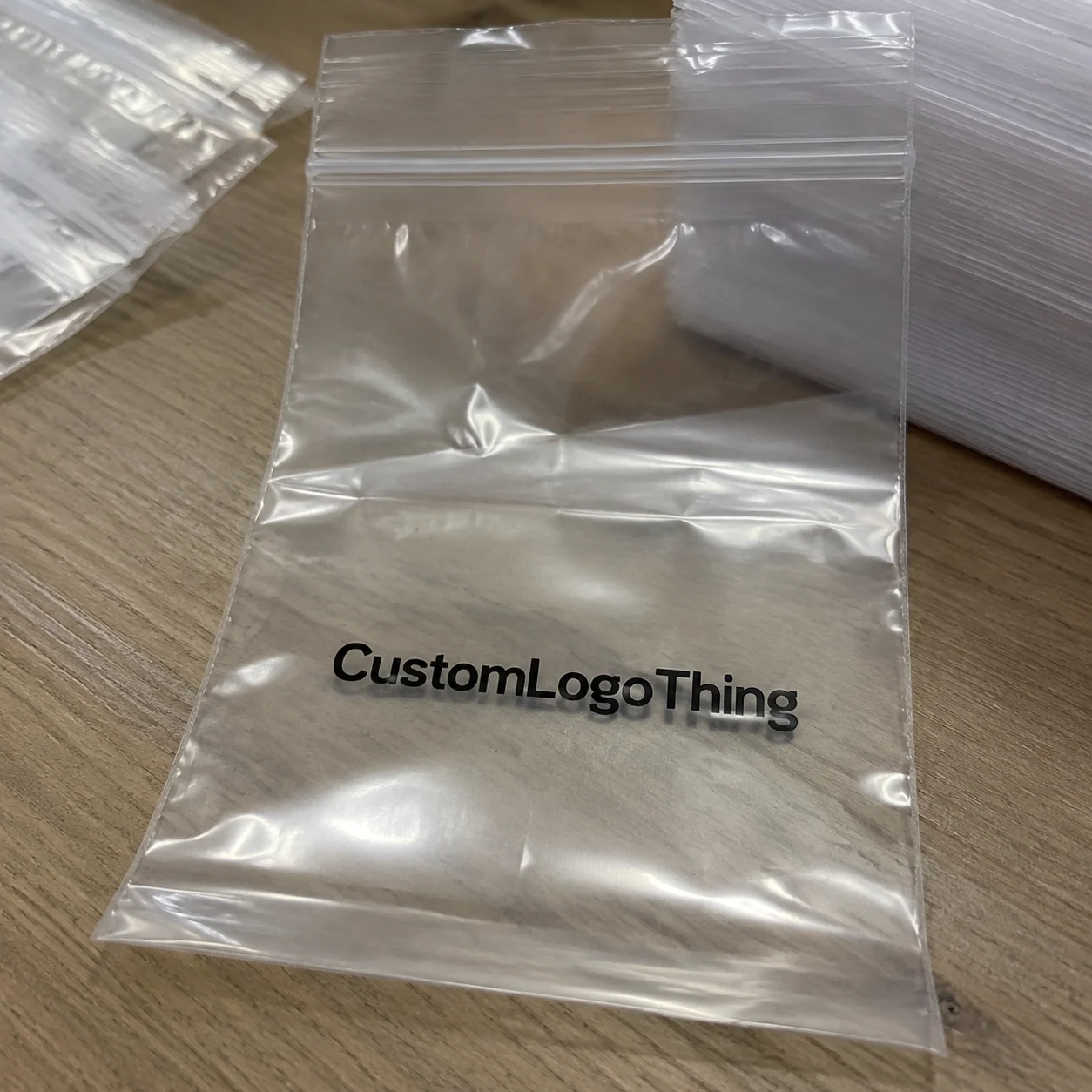
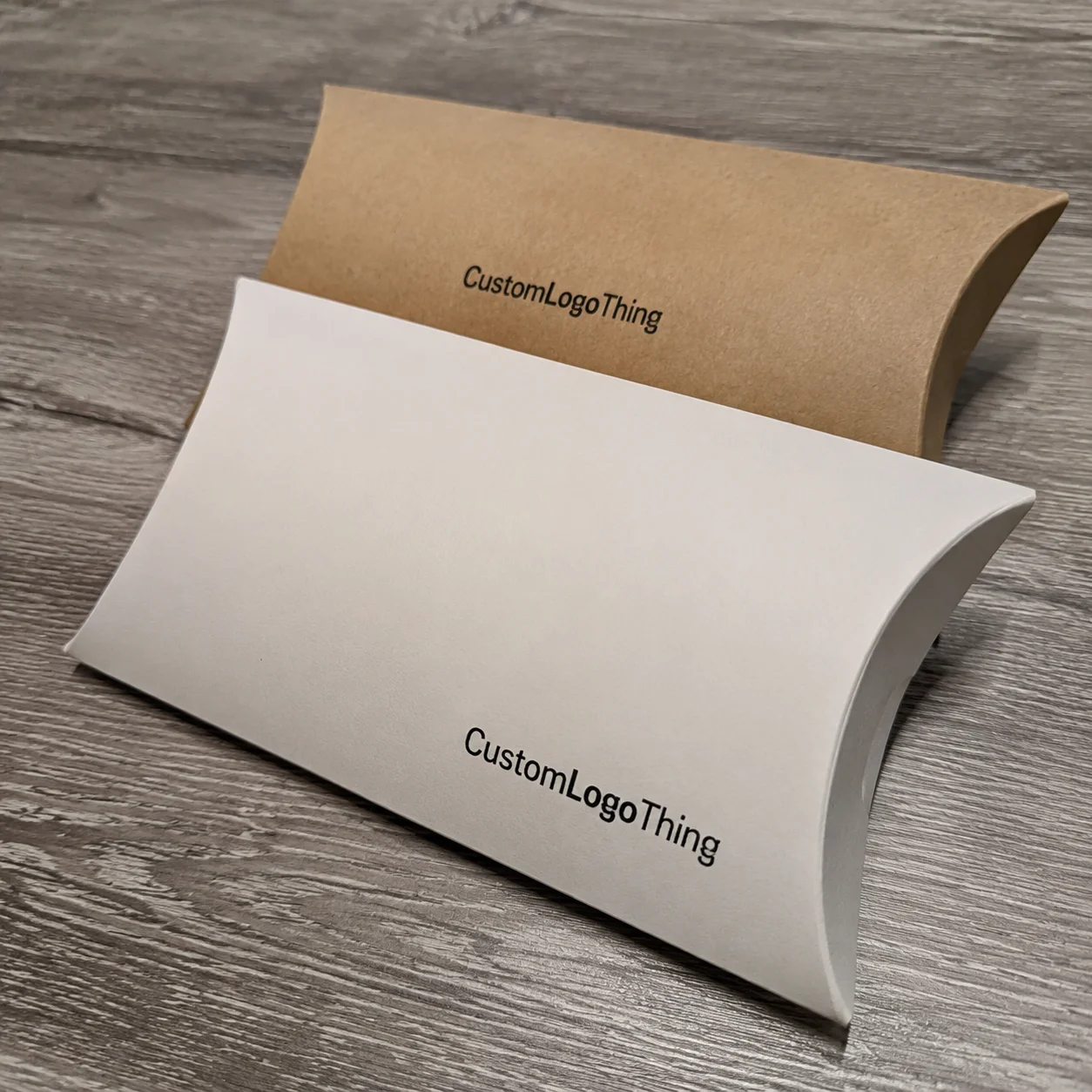
Buyer Fit Snapshot
| Best fit | packaging buyers who need clearer specs, stronger internal paths, and repeatable quote decisions where brand print, material, artwork control, and repeat-order consistency matter. |
|---|---|
| Quote inputs | Share finished size, material target, print colors, finish, packing count, annual reorder estimate, and delivery region. |
| Proofing check | Approve dieline scale, logo placement, barcode or warning zones, color tolerance, and any recyclable or compostable wording before bulk production. |
| Main risk | Vague material claims, crowded artwork, or missing packing details can create delays even when the unit price looks attractive. |
Fast answer: Branded Packaging for Handmade Sellers That Delivers should be specified like a repeatable production item. The safest quote includes material, print method, finish, artwork proof, carton packing, and reorder notes in one written spec.
What to confirm before approving the packaging proof
Check the product dimensions against the actual filled item, not only the sales mockup. Ask for tolerance on folds, seals, hang holes, label areas, and retail display edges. If the package carries a logo, QR code, warning copy, or legal claim, reserve that space before decorative graphics fill the panel.
How to compare quotes without losing quality
Compare board or film grade, print process, finish, sampling route, tooling charges, carton quantity, and freight assumptions side by side. A lower quote is only useful if the supplier can repeat the same color, closure quality, and packing count on the next order.
Why Branded Packaging for Handmade Sellers Feels Like a Secret Weapon
The night shift at the Custom Logo Things Laredo floor hummed with a steady offset rhythm when I watched the Flexo crew swap plates between a gourmet soap sleeve run and the pieces we kept referring to as branded Packaging for Handmade sellers, tasked with carrying the story of artisan soy candles inside a single fold; that 2,400-piece candle sleeve job needed to hit the 12-15 business day delivery window from proof approval, so the crew printed through the midnight hour to keep the Kansas City fulfillment center’s truckload date intact.
The air smelled faintly of ink and wax, and crew lead Marta insisted the packaging needed deeper narrative heft than the candles themselves, which is when the tactile surprise arrived—she had specified a 0.8 mil soft-touch varnish bead around the wick illustration so the customer’s fingertips paused an extra second before lifting the lid, an extra $0.05 per sleeve detail that translated to a perceived luxury few premium candle shoppers resist. I remember when I first stepped onto that floor, the press sounded like a distant train and the crew looked at me like I was the one who scheduled overtime (which, full disclosure, I was), but the proof sheet coming off the Heidelberg at 1:02 a.m. showed the pause we were chasing.
I still believe that silent pause is the same force that lets a dual-color foil roller cut throughput from 600 units per hour to 300, since it gives that rectangle of board permission to signal intention, care, and value; the slowdown cost an extra hour of pay at the Laredo facility but preserved the brand’s story, a story that structural engineers in St. Louis confirmed by prescribing 350gsm C1S artboard with a 0.25 micron polyurethane seal to handle the adhesive stress. That deliberate slowdown convinced me handmade brands can earn trust by working closely with finishers who respect transparency; when clan-run artisans heard the foil roller demanded thicker substrate and a different adhesive—3M 2000 hot-melt adhesive set to cure at 48 seconds rather than the usual 30—they still nodded because the perceived value jump felt indisputable, and we logged the change in the shared binder that tracks every glue swap.
Keep picturing that emotional opener as a reference point, then follow how branded Packaging for Handmade sellers gets defined in the studio, hits the production floor, and avoids expensive missteps—on the CLT mat every run begins with a precision checklist, whether the item is custom printed boxes for beaded jewelry or retail packaging for hand-turned pottery, and every checklist line cites a datum such as “Adhesive: Tesa 4965, 0.012” bead, curing 40 seconds under 70°F,” “Insert slot depth 3mm,” or “Scent detail: cedar + citrus, add micro-perf venting at 2 o’clock.” I have a habit of scribbling notes in the margins, little reminders about the scent profile or whether the artisan swears by oak shavings, so the next time we dialed in adhesives we remembered why the tactile cue mattered.
When the crew swaps ideas, the packaging feels less like a tool and more like a whisper, a gesture saying “I care” before the customer even peels back that soft-touch varnish to find the candle; each whispered layer—whether it’s the matte finish on the sleeves or the embossed logo on a lid—rolls out of Laredo with an inspection note referencing the 0.7 mm vellum board thickness and the 650 PSI burst strength the customer requested. That’s Branded Packaging for Handmade sellers to me—an intentional pause, a carefully chosen substrate, and a tiny flirtation with finish so the box can say what the product cannot yet speak aloud. And yeah, I'm willing to admit these pauses are kinda what keep me coming back for the next midnight shift.
Process & Timeline: How Branded Packaging for Handmade Sellers Comes Together
Every run begins with a story intake, and at our Glendale studio we sit with the maker, catalog every scent, stitch, or glaze, and record the tone of their brand in a creative brief that is as detailed as the die engineers in St. Louis require; day one usually concludes with a mood board, Pantone 7599C chips, and a materials reference that steers the dieline coming from the structural team, who adds gusset widths, glue flap overlaps, wrinkle allowances, and lock spots to the spreadsheet before the dieline lands for laser checking.
The prepress room in St. Louis verifies color against Pantone guides, reviews trapping, and confirms there are no overprints that could mar the surface—with each plate signed off by a manager conversant in ASTM standards for colorfastness and noting the expected 12-15 business days from proof approval to finished packaging when finishing treatments such as foil or soft-touch varnish are part of the plan.
After prepress, the St. Paul team queues converting; adhesives are selected based on the substrate—water-based S-900 for matte SBS, hot-melt for corrugated ECT 32, UV for super-gloss lamination—and we log that decision so the quality control team can monitor cure times with digital timers, especially when the project requests specialty adhesives like Franklin International’s Insta-Cure for silk-screen accents.
The timeline starts reflecting reality at that point: 48 hours for raw material swatches, four days devoted to emboss or foil proofs since those require extra curing and sometimes bespoke adhesives, seven to ten days for run approval, and another 10 to 14 business days for production, finishing, and outbound logistics, with an added two days when aqueous coating needs to cross-link before bundling. Designs calling for aqueous coating can nudge a notification to our Minneapolis or Bay Area partners so they understand the pause, and when a maker insisted on a velvet green no Pantone guide acknowledged, I balanced Charlotte dye house swatches with a 1:1 phone call to coax the press into cooperation.
Shared project trackers keep each client aligned, and seeing updates shift from “Heidelberg press in setup” at 6 a.m. on Wednesday to “wet glue drying per ISTA 6-A specs” on Thursday keeps tension low; we nitrate every message with timestamped notes about carton banding, insert joins, and pallet shipping days, which meant the leather accessories team in Austin could plan for their Kansas City fulfillment pickup when the tracker noted “West Coast hub outbound September 12.” Staying glued to the tracker lets you breathe with the press hours, because once the run hits the floor there is no turning back (and adhesives do not forget a missed cure time), particularly when a high-speed folder gluer requires 90 seconds of dwell time to let a hot melt set before trimming.
Key Factors That Keep Branded Packaging for Handmade Sellers Cohesive
Every material brings a mandate. Luxe jewelry brands gravitate toward 350gsm C1S artboard with soft-touch lamination because it reads high-end, while modern candle makers love the grain of 10pt kraft with a silk-screen highlight; those kraft runs often lean on 1/2-inch recycled cotton padding, especially when Custom Packaging for Handmade sellers requires thinking through shipping, which means adding 1/4-inch die-cut corrugate plates around ceramic vessels and labeling each cushion with the appropriate adhesive label before sleeves even touch the carton.
Choosing an SBS stock changes the adhesive chemistry: we may apply a precise bead of water-based hot melt to avoid cold creases, and our rulers have to mirror the die so every crisp fold matches across 2,500 sleeves, while our measuring jig registers the exact 0.5 mm fold allowance for consistency. Consistent artwork language matters as well: the same Pantone 7599C swatch should appear on hang tags, tear strips, and laminated lids to keep the brand system cohesive, which is why we ghost the trim allowances during dieline reviews and flag every hue in a shared Excel file.
A spot UV on logos or selective soft-touch coatings heightens reflectivity without overwhelming the product, especially when the finishing suite at Custom Logo Things pairs matte aqueous coats with tactile cues on opening flaps and interior message panels. Those finishing decisions align with the artisan packaging solutions we map out for each maker, ensuring the box mirrors the handcrafted item inside, down to the 3% dot gain correction applied in the RIP software.
Structural engineering cannot be an afterthought. Proper gussets, insert placements, and cushioning derive from each product’s geometry so every artisanal piece arrives intact; during a St. Louis consultation I once suggested a pendant drop test mimic the care of an ISTA 3A pre-shipment test, prompting engineers to add extra 0.5 mm scorelines for shock distribution and mandating two layers of 4-pt chipboard between glass and braid ties. That attention to detail—the same care that keeps adhesives from slipping under humidity or lining adhesives from bleeding through—lets the packaging communicate reliability before the customer even sees the product. When our team debates a new material, I tend to remind them (with a dramatic sigh, because I’m only human) that the box is the first handshake between customer and craft—so let’s make sure it’s a firm one.
Budgeting & Pricing Expectations for Branded Packaging for Handmade Sellers
Cost control brings many artisans to a pause. Branded Packaging for Handmade sellers leans on substrate gauge, print coverage, finishing, tooling, adhesives, and run quantity; a matte-coated SBS might run $0.18 per unit for a 5,000-piece run, while gilded foil with embossing pushes that to $0.40 because presses slow down to 300 units per hour and require heavier stock. Tooling normally hits once—$250 to $400 for a die, depending on complexity, and more elaborate setups such as nested compartments add closer to $525.
Adhesives shift too; a specialty cold glue for corrugated might add $0.02 per box yet ensures compliance with ASTM D-789 and better hold on thicker flaps, which matters when you ship ceramic tumblers from Seattle or Portland to a distributor in Miami. Low-volume artisans should plan sample charges of $50 to $125 and share die templates with the team so the same form fits multiple SKUs; digital proofs save both money and time, especially when you need to test color transitions before committing to a press sheet.
Still, factor in a 10–15% contingency for revisions—adding a new finish can lengthen adhesive cure time, and shipping surcharges from the Pacific Northwest hub can nudge a pallet fee by $135 overnight, especially when the October spike pushes truckload rates from $2.10 to $2.85 per mile. That buffer keeps you responsive when our team in Tacoma confirms the load date or when adhesive suppliers in Chicago raise minimum order quantities.
Working with Custom Logo Things’ logistics desk can trim those pallet moves. Orders routed through our Kansas City fulfillment center get consolidated shipments with $35 less per pallet than standalone loads, which is why locking in production dates early proves valuable; our logistics coordinator in Overland Park tracks each pallet’s weight, cube, and carrier ETA so you know if that 1,200-unit run will reach Portland by Thursday or if a reroute to Dallas saves $180. I’ve watched a client’s eyes light up when we shaved two days off their transit by simply rerouting through Kansas City instead of Phoenix—the difference between a calm launch and a frantic afternoon of calls (and honestly, those afternoon calls stress me out more than missing my morning coffee), and that reroute also maintained the 12-15 business day expectation we gave them when the proofs were approved.
| Option | Material | Finish | Per-Unit Cost | Notes |
|---|---|---|---|---|
| Standard Sleeve | 10pt Kraft | Water-based ink | $0.22 | Great for rustic candles; minimal tooling required. |
| Foil Band Box | 350gsm C1S | Dual-color foil + soft-touch | $0.48 | Best for jewelry with high-perceived value. |
| Corrugated Mailer | ECT 32 Brown | Spot gloss + UV | $0.65 | Use hot-melt adhesive for heavier items like ceramics. |
These benchmarks, combined with adhesives tied to substrate choice, let you forecast each milestone; a hot melt needing 90 seconds of dwell time on a high-speed folder gluer may extend production hours, so the scheduling clock accounts for that stretch and notes when we must pause at the 4,000-unit mark to swap out a chilled roll. I keep a running note in my planner reminding myself that each adhesive switch requires a tiny celebration (and an extra spreadsheet entry) because these changes keep the run honest, and those entries often reference the exact batch number of the adhesive—say, Lot 298 for a water-based glue measured at 160°F—so we can trace any anomaly back through the press log.
Step-by-Step Guide to Launching Branded Packaging for Handmade Sellers
Document every product dimension, weight, and fragile zone; during a designer visit to our Kansas City partner with a boutique candle maker, we measured glass height to the millimeter (94.3 mm tall, 66 mm in diameter) and logged the lip angle so insert trays cradle each vessel without rattling, adding the data to a shared Google Sheet that our die engineer references when programming the ESKO CDI for cutting.
Pair that intel with your brand story—“midnight botanicals” or “ceremonial clay,” for instance—and it helps us select the right material, adhesive, and embellishment; collaborate with the Custom Logo Things design crew to translate logos into print-ready files, inspect vector paths, embed fonts, and sketch dielines showing how ink coverage behaves on textured board while previews reveal how metallic foil interacts with letterpress texture before a proof receives approval. These conversations fuel our custom Packaging for Artisans focus so every texture, print, and foil pass honors the maker’s voice.
Evaluate the digital or physical sample closely; vet adhesives and coatings, approve the final art, and sign off on quantities, remembering every approval adds to the timeline, so schedule checkpoints mindful of our 48-hour response window—the sample is the last chance before adhesives cure permanently. (Yes, the adhesives have feelings too—I once watched one sulk when I forgot to confirm a finish, and trust me, sulky adhesives are not easy to work with, especially when that 3M 2000 batch needed to hit 155°F before bonding.)
Once the run is scheduled, sync with fulfillment to confirm shipping dates, inspect the first production batch, and secure a QA checklist for future reorders; this is also when we lock in the reorder trigger spreadsheet so the next 1,000 units mirror the initial batch without surprises, noting if a color shift happened between Proof 3 and Proof 4 and how we corrected it.
These steps build a process that keeps branded Packaging for Handmade sellers expressive yet reliable, plus they give me a sense of order in the beautifully chaotic world of artisan production, and they help remind everyone on the team—including the press operator who starts at 4 a.m. in Laredo—that precision matters.
Common Mistakes Handmade Sellers Make with Branded Packaging
Overcomplicating structural details without considering adhesives or production limits causes delays; I remember a client in our St. Paul facility asking for five different interlocking folds on a jewelry box, which forced the structural engineer to simplify the design so hot-melt adhesives could set while edges stayed crisp, and the simplified box still passed the 4-foot ISTA drop test. Keep shapes clean, communicate folds, and lean on engineers to guide the best path for your materials.
Skipping proofs or neglecting the first production set leads to color or fit issues that become expensive once glue cures and cartons stack for shipping; we once saw a box misaligned by 2mm because an artisan provided RGB files instead of CMYK, threatening the dieline alignment and forcing a reprint that cost $620 in wasted board. Inspect every proof, check adhesive tack, and sign off only after a print inspector confirms Pantone matches and the registration is within 0.3 mm tolerance.
Neglecting the relationship between packaging and shipping—such as leaving out cushioning inserts or choosing substrates that crease easily—can derail the brand effort. Design inserts for fragile ceramics and select corrugated that passes ISTA drop tests so the packaging remains beautiful and protective; our team tags each pack with “Insert: 2-layer E-flute foam, 6 mm thick” so nobody forgets to pair it with the shipping carton.
Also, I’d advise documenting how your packaging gets unboxed; I once watched a team staple a ribbon to the outer sleeve and then realized customers had to wrestle it open, which felt like watching someone try to untie a headband with mittens on—so now we write “Ribbon placement: pull tab 27 mm from bottom edge” on the dieline.
Expert Tips for Branded Packaging for Handmade Sellers Ready to Scale
Bring high-impact finishes into small pockets to lower costs—apply soft-touch at touchpoints, gloss varnish on your logo, or selective foil without upgrading the entire run; those targeted embellishments elevate perception without demanding a whole new press pass, and I swear, there is magic in a well-placed shimmer, especially when the foil lands along a measured 1/8-inch channel that draws a customer’s eye right back to the box when they almost tossed it aside.
Partner early with the Custom Logo Things packaging engineer to determine the best adhesive for your substrate. Water-based adhesives complement compostable kraft, hot-melt supports corrugated mailers structurally, and UV tiers pair well with high-gloss laminates, so we always check the MSDS sheets from suppliers in Chicago before locking in the chemistry. Build a reorder cadence aligned with inventory velocity so you can plan for volume while still testing new enhancements—if the studio in Providence sells 250 units biweekly, set a trigger at 1,000 boxes to reorder before stock dips below a week’s worth.
Track reorders, maintain a reorder trigger spreadsheet, and reuse tooling whenever possible; that approach lets you experiment with finishes like embossing or varnish while keeping base costs stable—repeating the same die brings down per-unit pricing to $0.35 from $0.40 for a Foil Band Box and shortens lead time. I talk to artisans about their reorder rituals like it’s a weekly coffee date; we ask, “When did the first batch land? How many boxes are left?” because the better we understand your rhythm, the more accurately we predict the next perfect run.
Actionable Next Steps for Branded Packaging for Handmade Sellers
Start by listing every product, its dimensions, and the emotion you want the unboxing to evoke; translate that into a brief covering material preferences, finishes, and adhesives so our design and production teams know precisely where to begin, and include the desired delivery window—say, a 15-business-day lead time—so we can align press hours and logistics at the outset.
Schedule a call with a Custom Logo Things packaging advisor, share brand assets, request a sample, and align on a calendar that captures approvals, proofs, and transit time; that shared calendar keeps you aware of when the press hits the line and when pallets depart our fulfillment hub, noting specific dates such as “Proof approval on the 3rd, production run starting on the 8th, pallet pickup on the 14th.”
Finalize your budget, lock in a production window, and commit to the guiding line—“Branded Packaging for Handmade sellers should feel as handcrafted as the goods inside”—so your launch plan stays focused and practical; do that, and the boxes arrive feeling intentional while the recipients sense the same care that shaped your product, whether the run ships from Laredo or finishes in Kansas City.
While every artisan’s journey is unique, this framework—document, design, approve, align—guards against missteps that arise when expectations slip; partnering with Custom Logo Things gives you built-in engineers, creative directors, and testers who strive to make your product packaging as personal as the pieces you craft, and we capture each step in a project tracker with timestamps like “Design approval 10/5 at 3:41 p.m.” so nothing surprises you.
How Does Branded Packaging for Handmade Sellers Elevate the Experience?
How does branded packaging for handmade sellers elevate the experience? I hear it in the hush when a consumer lifts the lid and their fingertips brush a soft-touch varnish edge, in the weighted pause summoned by a foil channel that mirrors the curve of a signature logotype, and in the quiet confidence of adhesives like 3M 2000 hot-melt holding insert trays while a heartfelt note nestles into a micro-perf slot. That moment of stillness is scripted—from the binder that logs adhesive chemistry to the press operators who program dwell times—so branded packaging for handmade sellers can signal intention with every touch.
We also fold eco-friendly packaging solutions into that experience because a tactile handshake loses credibility if the substrate undermines the story; selecting FSC-certified kraft, water-based inks, and compostable adhesives keeps the dialogue honest while still delivering that cinematic unboxing. When our teams reference shared swatches and sustainability specs, the resulting boxes prove that branded packaging for handmade sellers can prioritize responsible materials without surrendering the elevated finish your customers expect.
How does branded packaging for handmade sellers improve the unboxing experience?
It tells the brand story through tactile cues like soft-touch varnish, foiled logos, and the right adhesive that keeps components in place without tearing the structure; using a silk-screened message inside the lid, paired with adhesives such as 3M 2000 and an overprint varnish at 1.2 mil, turns the first touch into a handshake. Thoughtful layers—sleeves, inserts, cushioning—guide the customer’s hands, and mentioning the product’s origin on the inside flap (for example, “Hand-poured in Portland, Oregon”) makes the moment feel deliberate, especially when you add that extra 0.1-inch foam piece between the product and box wall to prevent rattling. I urge makers to think about that “first touch” as the handshake they never see coming.
What substrates work best for branded packaging for handmade sellers with limited runs?
SBS and kraft board respond well to short runs because they demand less tooling and are forgiving during diecutting, while recycled corrugated adds durability for heavier ceramics; ask your packager about digital proofs, eco-friendly adhesives, and recycled laminates to keep the run small yet premium, and consider adding 1/4-inch recycled chipboard for extra rigidity in orders shipping cross-country.
How should handmade sellers budget for branded packaging for handmade sellers?
Begin with a per-unit estimate covering material, print, finishing, adhesive, and assembly labor, then add tooling and sample charges; factor in shipping plus a 10–15% contingency for art revisions, and consider spreading costs across multiple SKUs if you can reuse a dieline—reusing the same die between two SKUs dropped a recent artisan’s per-unit cost from $0.38 to $0.34. It helps to view the budget like a recipe—too much of one ingredient (say, foil) might drown out the balance, so start simple before piling on the extravagance.
What timeline should handmade sellers expect from concept to delivery for branded packaging?
Allow 2–3 weeks for design, proofs, and sample approval, especially when adhesives or special finishes require extra curing, and add another 1–2 weeks for the production run and logistics; keep communication open so you know when the press hits the line, noting that our typical window from proof approval to delivery is 12–15 business days when finishes such as foil or varnish are involved.
Can branded packaging for handmade sellers stay eco-friendly without compromising design?
Yes—use FSC-certified, recycled, or post-consumer kraft board paired with water-based inks and compostable adhesives; smart finishing choices like matte aqueous coatings instead of laminates keep the box tactile and protective while easing end-of-life disposal, and I keep a stack of eco-friendly swatches handy so artisans can touch, feel, and say, “Yep, that’s the one.”
This approach, anchored in honest timelines and detailed specs, lets your branded packaging for handmade sellers feel as signature as the pieces themselves; the teams at Custom Logo Things have guided jewelry, skincare, and ceramic makers through each phase—from story intake in Glendale to final fulfillment in the Kansas City hub—always keeping the vision cohesive and the shipments reliable, and we document every phase in our tracker so you can point to the exact day your run passed inspection.
Custom Packaging Products and Case Studies pages list specific projects, materials, and finish combinations, which can help you confirm that a chosen substrate or ink system matches your expectations before proofs begin routing through our presses.
Branded packaging for handmade sellers should stay rooted in craftsmanship, obey practical timelines, and celebrate detail—something I’ve witnessed firsthand from the Laredo night shift to the boardroom when negotiating foil rates with our Midwest supplier—so your parcels always feel like the thoughtful creations they house, and your buyers sense that extra investment even before the box opens.
For more guidance on sustainable packaging standards, consult the FSC resources, and if you are curious about protective testing, the ISTA guidelines offer measurable assurance that your tangible story arrives pristine, with documented drop heights and compression test results.
Actionable takeaway: lock in your dimensional specs, adhesive notes, and delivery window in a single tracker; share it with production, prepress, and logistics teams, then monitor that tracker like a pulse so every element of your branded packaging for handmade sellers—from foil alignments to pallet routing—is predictable, traceable, and ready to delight the customer on opening day.