Buyer Fit Snapshot
| Best fit | branded packaging for market positioning for packaging buyers comparing material specs, print proof, MOQ, unit cost, freight, and repeat-order risk where brand print, material, artwork control, and repeat-order consistency matter. |
|---|---|
| Quote inputs | Share finished size, material target, print colors, finish, packing count, annual reorder estimate, and delivery region. |
| Proofing check | Approve dieline scale, logo placement, barcode or warning zones, color tolerance, and any recyclable or compostable wording before bulk production. |
| Main risk | Vague material claims, crowded artwork, or missing packing details can create delays even when the unit price looks attractive. |
Fast answer: Branded Packaging for Market Positioning: Dieline, Finish, Proof, and Buyer Review should be specified like a repeatable production item. The safest quote includes material, print method, finish, artwork proof, carton packing, and reorder notes in one written spec.
What to confirm before approving the packaging proof
Check the product dimensions against the actual filled item, not only the sales mockup. Ask for tolerance on folds, seals, hang holes, label areas, and retail display edges. If the package carries a logo, QR code, warning copy, or legal claim, reserve that space before decorative graphics fill the panel.
How to compare quotes without losing quality
Compare board or film grade, print process, finish, sampling route, tooling charges, carton quantity, and freight assumptions side by side. A lower quote is only useful if the supplier can repeat the same color, closure quality, and packing count on the next order.
Branded packaging for market positioning changes how people judge a product before they ever use it. Not after. Before. A box, pouch, sleeve, or mailer quietly tells buyers what kind of brand they are dealing with, how much care went into the product, and whether the price feels fair. The structure, the board, the print, the finish, the opening sequence. All of it gets read fast, usually in a few seconds, and usually without anyone realizing they are doing it.
That is why branded packaging for market positioning matters far beyond decoration. It is part of the product story, and it has to support the promise the brand is making. I have sat through enough packaging reviews to know the pattern: if the pack looks underbuilt, the product gets treated like a bargain item even when it is not. If the pack looks overdone, people start expecting a premium product, and the product better be ready to back that up. Otherwise the whole thing feels fake. And buyers are not stupid. They can smell that from across the room.
What Branded Packaging for Market Positioning Really Does
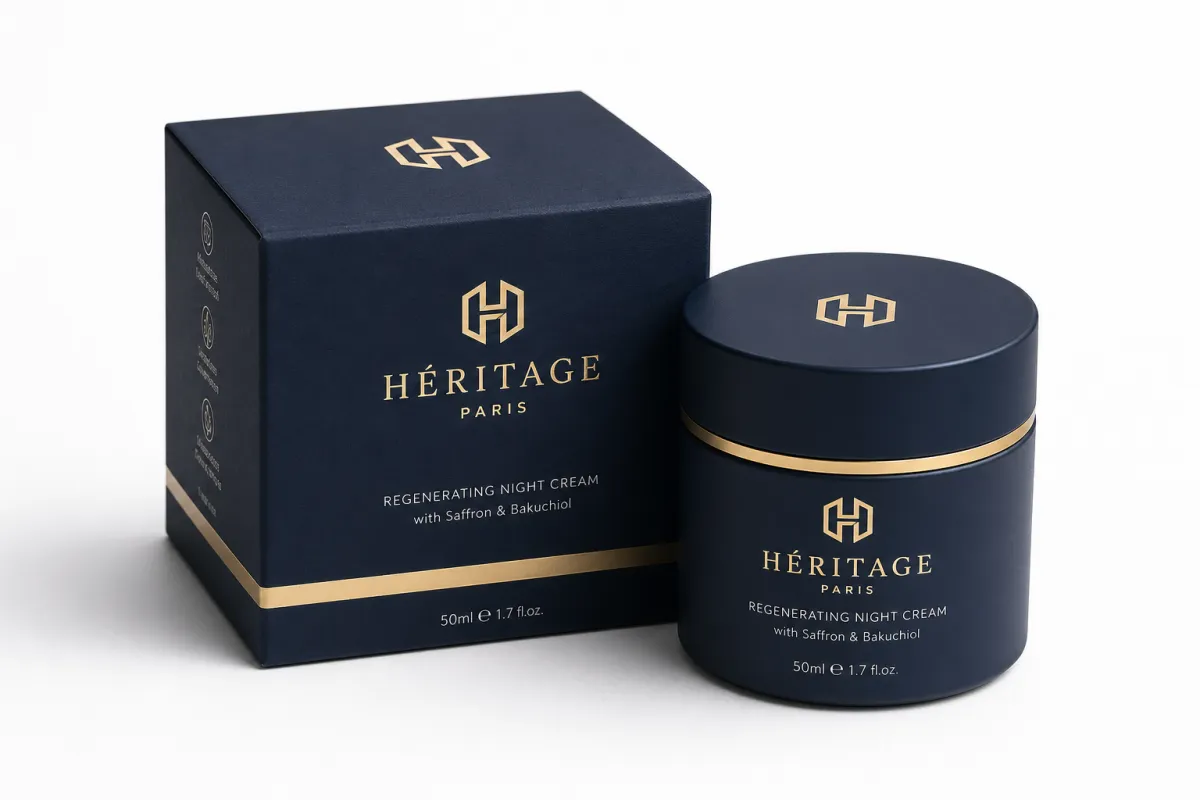
At its core, branded packaging for market positioning tells the market where your product belongs. That can mean premium, technical, clean, eco-conscious, giftable, efficient, or value-driven. The message starts with structure, then moves through materials, print quality, color control, and the way the package opens and closes. A 350gsm folding carton with a matte aqueous coating sends a very different signal from a rigid setup box wrapped in printed paper and finished with soft-touch lamination.
People read packaging through shortcuts. Weight suggests substance. Tight folds suggest control. Clean edges suggest a manufacturer that pays attention. Crooked inserts, fuzzy registration, and weak ink density do the opposite. They drag down perceived value whether the product inside is brilliant or not. That is the practical side of Branded Packaging for Market Positioning: it shapes the first assumption before any copy or sales pitch gets a chance to do its job.
Packaging also tells buyers which category the product seems to sit in. A minimalist carton with one-color ink and uncoated stock can feel editorial and modern. The same bottle inside a glossy, foil-heavy box feels louder and more luxurious. Neither one is automatically better. They simply create different expectations. That expectation is the point. Branded packaging for market positioning works by aligning the physical pack with the price point and the brand personality.
From a packaging buyer's point of view, consistency is where the real value shows up. The outer shipper, the inner carton, the label seal, the insert, and the unboxing sequence should all point in the same direction. If one component says technical and precise while another says playful and casual, customers feel that mismatch even if they cannot name it. Strong branded packaging for market positioning keeps the system coherent across every touchpoint.
And yes, it matters online too. A shopper may first see the pack in a thumbnail, then in a social post, then at their front door, then again when they reorder. If those moments all feel like they belong to the same brand family, the product starts to feel established. If they do not, the brand feels younger than it wants to be. Kind of obvious, but companies still miss it all the time.
Short version: when structure, material, and finish line up, the market reads the product as more intentional, and intentional usually looks more valuable.
How Branded Packaging for Market Positioning Works
Branded packaging for market positioning works because buyers use packaging as a stack of clues. Texture, thickness, closure style, print sharpness, and finish all feed a quick judgment about quality and care. Soft-touch coating can suggest premium positioning. Uncoated kraft can communicate natural materials, less processing, or an eco-conscious story. Those cues are not universal, but they are readable. That is enough.
There is a physical side to it too. Pick up a box with real heft and people assume the product has substance. Open a mailer with a tight fit and the brand reads as planned rather than thrown together at the last minute. Even small details, like the sound of a magnetic closure or the way a tuck flap seats into the panel, land in memory. Branded packaging for market positioning is not just graphics on paper. It is how the whole system feels in use.
Consistency matters because buyers rarely see packaging once. They see it in a search result, a retail shelf, a fulfillment video, an unboxing post, and maybe a repeat order months later. Repeating the same color palette, logo treatment, hierarchy, and structural logic helps the brand feel familiar. Familiarity builds confidence. Confidence is what sells the second purchase, and sometimes the first one too.
Channel changes the rules. Retail packaging needs to grab attention fast because the shelf is crowded and the competition is close. Ecommerce packaging needs protection first, then a satisfying opening moment once the shipper lands on a desk or kitchen table. B2B product packaging often needs the plainest version of all: clear labeling, simple hierarchy, and a finish that says reliable instead of theatrical. Branded packaging for market positioning shifts shape depending on where the product is being sold.
There is also a long-game effect. A customer may not remember every design choice, but they do remember whether a brand felt coherent. After enough exposure, that coherence turns into trust. Trust supports conversion, repeat purchase, and price tolerance. That is why branded packaging for market positioning can influence commercial outcomes even when packaging is only one line item on the budget.
"If the box looks cheaper than the product, buyers will assume the product is cheaper too."
That sounds blunt because it is. It also matches what packaging teams see every week. Buyers usually judge the whole presentation as one promise. They do not split the product from the pack and grade them separately. They just decide what feels right, or not.
Key Factors That Shape Packaging Positioning
Several variables push branded packaging for market positioning in one direction or another, and color is not the biggest one. The real driver is the combination of substrate, format, and finish. A 16pt folding carton with a clean matte varnish says something different from a 24pt rigid board wrapped in litho-laminated art paper. Add embossing, foil, spot UV, or a custom die-cut window, and the message shifts again. Packaging design should be tied to the positioning goal before artwork goes final.
Audience fit comes next. A luxury buyer expects a different visual language than a buyer who values utility and price. Cost-sensitive audiences can read ornate packaging as wasteful or suspicious. Premium buyers can read plain commodity packaging as a letdown. Branded packaging for market positioning only works when the material truth matches the audience's expectation and the price architecture behind it.
Format is another major lever. Rigid boxes communicate structure and permanence. Folding cartons suggest efficiency and scale. Sleeves add another layer of branding without fully changing the pack. Corrugated mailers bring stronger ecommerce protection and still carry a branded story through print and inserts. The form itself is part of the message, and branded packaging for market positioning gets stronger when the format supports the story instead of fighting it.
Sustainability matters too, but only when the claim is real. Recycled board, FSC-certified paper, reduced ink coverage, and water-based coatings can support an eco-conscious position if they are used honestly. The Forest Stewardship Council is a useful reference point for responsibly sourced fiber, and their standards are worth reviewing before making sustainability claims; see fsc.org. The catch is simple: if the pack looks green but arrives damaged, the story falls apart fast.
Supply chain reality matters just as much as the look of the pack. If a design cannot survive transit, cannot be packed at the required speed, or cannot be repeated at the needed volume, it is not a positioning tool; it is a headache with a nice render. Good branded packaging for market positioning has to fit the filling line, the fulfillment process, and the storage conditions the business actually uses. That includes board caliper, glue points, dimensional tolerance, and whether inserts seat correctly under pressure.
If you are comparing structures, it helps to review real examples before committing. The range of Custom Packaging Products available for different use cases makes it easier to match a structure to the market position you want to own. If you want to see how other brands handled similar problems, the Case Studies page is a useful place to study the gap between concept and production result.
For performance testing, many packaging teams use drop and transit methods associated with the International Safe Transit Association. Their material on distribution testing is a practical reminder that presentation and protection need each other; see ista.org. Branded packaging for market positioning should not just photograph well. It should survive the trip, the sort of boring detail that saves a lot of money later.
Packaging factors that move perception most
- Board grade and caliper - thicker stock usually signals more substance, but it still has to convert cleanly and close correctly.
- Print method - offset, flexographic, and digital printing each create a different level of sharpness, cost, and setup effort.
- Finishes - matte varnish, soft-touch lamination, foil, embossing, and debossing can raise perceived value, but each one should earn its place.
- Insert design - a well-fitted insert keeps the product centered and makes the opening experience feel deliberate.
- Closure style - tuck flaps, magnets, sleeves, and adhesive seals all carry different expectations for value and use case.
All of that comes back to one practical point: branded packaging for market positioning is strongest when the visible cues and the hidden engineering support the same story. A beautiful box that fails in transit is not premium. A recyclable mailer that protects the product while keeping the print clean may be the smarter strategic choice, even if it looks less dramatic on the mockup screen.
The Process and Timeline From Brief to Delivery
The cleanest packaging projects start with a brief that says more than "make it look high-end." A useful brief defines the product dimensions, audience, channel, budget range, sustainability goals, retail or ecommerce environment, and the brand personality the packaging needs to express. Without that foundation, branded packaging for market positioning turns into guesswork, and guesswork usually produces revisions. Lots of them.
Once the brief is clear, the packaging system should be mapped in layers. There is the primary pack that touches the product directly, the secondary pack that carries the branding, the shipper that protects the order in transit, and any insert, label, or seal that keeps the experience tidy. Good packaging design matters here. A well-built system looks simple to the buyer, but behind the scenes it is usually a chain of linked decisions.
Structural planning comes next. Dimensions, opening style, board thickness, and panel layout all begin to matter. A small product can still need careful layout if it must sit upright, avoid movement, and look centered when opened. Branded packaging for market positioning often gets stronger at this stage because the structure itself starts supporting the brand story instead of just carrying the logo.
Prototypes are the point where many teams learn what the render hid. A flat proof can mask fit issues, color shifts, and awkward handling problems. A physical sample shows whether the closure is too tight, whether the product shifts inside the tray, or whether the finish picks up fingerprints more than expected. Sampling is not a luxury. It is one of the most valuable steps in branded packaging for market positioning.
The approval flow usually runs through dieline review, artwork proofing, material confirmation, and production signoff. After that comes printing, converting, finishing, packing, and freight. If the project uses special effects such as foil stamping, window patching, custom inserts, or multi-component assembly, lead time grows because each step adds variables. Simple printed cartons can move faster than complex rigid packaging, but branded packaging for market positioning usually benefits from enough time to get the details right.
Typical production timelines depend on the format and finish, but a straightforward printed carton project may move from proof approval to delivery faster than a rigid presentation box with multiple finishing passes. The honest answer is that complexity drives schedule more than marketing ambition does. If the structure is custom, expect more room for prototypes and adjustments. That is not a delay so much as the normal cost of making branded packaging for market positioning work in the real world.
One way to reduce friction is to approve the packaging system in stages rather than all at once. Confirm the format first. Lock the artwork next. Approve the final sample after that. That sequence makes it easier to catch a problem before it turns expensive, and it keeps branded packaging for market positioning tied to the actual product instead of an imagined version of it.
What Branded Packaging Costs and Why Prices Change
Pricing for branded packaging for market positioning is shaped by a handful of core variables: material choice, print coverage, structure complexity, finishing, order quantity, and whether the design needs custom tooling. The more a pack depends on specialty converting or hand assembly, the more the price moves upward. That does not automatically make the project too expensive. It just means the cost structure needs to match the business goal.
Setup costs are easy to miss. Dies, plates, proofing, prepress checks, and structural sampling all add cost before the first sellable unit ships. Small runs feel expensive because those setup expenses are spread across fewer pieces. Larger runs usually bring the unit price down, but they also raise inventory commitment and storage needs. Branded packaging for market positioning is not just a unit-cost decision. It is a planning decision.
Minimum order quantities can change the math faster than most buyers expect. A 1,000-piece run of a custom printed carton may carry a much higher per-unit cost than a 5,000-piece run, even if the materials are identical. That is normal. The better way to judge the project is to look at the full landed cost, not just the quoted piece price. Freight, damage risk, warehousing, and replacement runs all belong in the budget if the brand wants branded packaging for market positioning to stay profitable.
Here is a simple way to compare common formats. These ranges are illustrative only, because final pricing depends on size, finish, color count, and print method, but they still give a useful sense of how the market usually behaves:
| Packaging format | Typical use | Approximate unit cost at 5,000 units | Positioning signal |
|---|---|---|---|
| Printed folding carton | Retail goods, cosmetics, supplements, small consumer items | $0.18-$0.45 | Efficient, scalable, polished when print is clean |
| Custom mailer with insert | Ecommerce shipments, subscription kits, direct-to-consumer orders | $0.65-$1.60 | Brand-forward, protective, strong unboxing value |
| Rigid presentation box | Premium goods, gifts, launches, higher-ticket products | $1.40-$4.00 | High perceived value, strong shelf and gift appeal |
| Corrugated shipper with print | Heavy items, fragile goods, ecommerce fulfillment | $0.45-$1.20 | Practical protection with room for strong brand graphics |
Those numbers matter because they make the tradeoff visible. A rigid box usually creates a stronger presentation, but it also costs more and may not fit a value-driven line. A folding carton is often the smarter move for scale and speed. A custom mailer can be the best middle ground for DTC brands that want branded packaging for market positioning without overbuilding the pack.
Another cost issue is reprint risk. If the dieline is off by a few millimeters, the product may not seat correctly. If the artwork has not been checked on the actual board, colors may look darker or flatter than expected. If the finish is too ambitious for the budget, the pack may look busy instead of refined. Those mistakes are expensive because they often force rework, and rework can erase the margin benefit of choosing branded packaging for market positioning in the first place.
The honest buyer mindset is to budget for the pack, the freight, the sample stage, and a little contingency. That keeps the project from getting squeezed when a change order shows up, and it gives the design team room to make better decisions. Smart branded packaging for market positioning is never just the cheapest quote; it is the strongest fit between perception, performance, and margin.
Common Mistakes That Undercut Market Positioning
The biggest mistake is designing for looks alone. A box can photograph beautifully and still fail in a warehouse, in a fulfillment center, or on a truck. If the board crushes, the print scuffs, or the insert tears during packing, the customer will remember the damage long after they forget the mockup. Branded packaging for market positioning should always be judged against the real distribution path, not just the studio render.
Mismatch is another common problem. Premium-looking packaging can work well, but only if the product promise, pricing, and target audience support that level of presentation. If the product is sold as practical and accessible, a heavily embellished box can feel disconnected. If the product is positioned as elevated, plain stock packaging can suppress the value story. Branded packaging for market positioning has to match the commercial level the brand is actually trying to occupy.
Too many finishes can also create trouble. Foil, embossing, spot UV, specialty coatings, and complex die-cuts all have their place, but stacking them without a clear reason can blur the brand idea. It can also drive up cost quickly. A more restrained package often feels more confident because the hierarchy is easier to read. That clarity is one reason branded packaging for market positioning often performs better when the design team edits harder, not louder.
Inconsistency across SKUs is another quiet problem. If one size uses a different color standard, another uses a different logo treatment, and a third uses a different insert style, the brand starts to feel fragmented. Customers may not name the issue, but they feel it. The same is true across channels. Retail packaging, ecommerce packaging, and B2B shipper packs should not be identical, but they should feel like they belong to the same system. Branded packaging for market positioning loses power fast when the family resemblance disappears.
Testing is the final area where teams cut corners. A pack that has not been checked for drop resistance, shelf visibility, legibility at arm's length, or ease of opening is still a theory. Real testing does not need to be fancy, but it should be honest. Try the pack in the exact context where it will live. Put it on a shelf. Ship it through the fulfillment path. Open it with one hand. Take a photo of it in bad light. Those simple checks often reveal what branded packaging for market positioning is doing well, and what needs correction before full production.
The pack should make the product feel easier to trust, not harder to understand.
That is a good filter for every design choice. If an effect, structure, or message adds confusion, it is probably weakening the positioning rather than supporting it. Fancy is not the same thing as effective. The market can tell.
Expert Tips and Next Steps for a Stronger Packaging System
Start with a one-page packaging brief. Keep it plain and specific. List the product dimensions, the target buyer, the channel, the budget range, the sustainability priorities, and the single most important positioning goal. If the team cannot summarize branded packaging for market positioning in a paragraph, the production team will probably end up guessing at the details. And guessing is how you buy expensive surprises.
Ask for physical samples or material boards whenever possible. Side-by-side comparison is still one of the best ways to judge board weight, finish, texture, and ink response. A render can help, but it will not tell you how a laminated surface catches light or how a kraft stock changes the color temperature of the artwork. Those subtleties matter more than most teams expect, especially when the packaging is meant to support a premium or eco-conscious story.
Test the pack in its real environment. Put a retail carton on a shelf next to competitors. Open an ecommerce box from the front seat of a car or with one hand occupied. Run a few pieces through the fulfillment path. Check whether the product shifts, whether the insert holds, and whether the outer print still reads clearly after handling. These simple exercises often reveal whether branded packaging for market positioning is actually doing its job.
It is usually smarter to start with one hero SKU or one format rather than rolling out a full system immediately. That approach gives the team room to refine dimensions, finishes, and handling details before scaling. It also keeps risk lower if the brand is still learning how buyers respond. Strong package branding grows better when it is improved in stages instead of launched all at once with too many moving parts.
After launch, measure the result with real signals. Look at conversion, damage claims, returns, repeat purchase behavior, customer photos, and comments about unboxing quality. Compare those results to the old pack if one existed. If the new system is working, branded packaging for market positioning should make the product feel clearer, easier to trust, and more memorable without making fulfillment harder.
If you want a practical next step, review your current packaging against three questions: Does it fit the price point, does it survive the channel, and does it tell the same story every time? If the answer is no on any of those, the package is probably leaving money on the table. Tighten the system, simplify the weak spots, and keep the packaging aligned with the market you actually want to win.
That is the standard That Holds Up. Every choice should reinforce the story you want buyers to remember. When branded packaging for market positioning is done well, it does not shout for attention; it makes the product feel like it belongs exactly where it is being sold. That is the goal, and it is a lot harder to fake than people think.
FAQ
How does branded packaging for market positioning affect perceived value?
It changes the cues buyers use to judge quality, such as structure, finish, closure style, and print precision. A more intentional pack can justify a higher price expectation when the product and brand promise support it. It also helps customers remember the brand, which matters when they compare similar products side by side.
What materials work best for branded packaging for market positioning?
The best material depends on the product and channel, but rigid board, premium folding carton stock, corrugated mailers, and molded inserts are common choices. Heavier board and specialty finishes usually signal premium positioning, while recycled or natural-finish stocks can support an eco-conscious message. The material should still protect the product in storage and transit, not just look good on a mockup.
How long does the packaging process usually take?
Simple printed packaging can move faster than custom structural packaging, especially if the dieline already exists. Timeline usually stretches when there are prototypes, specialty finishes, multi-part packs, or several rounds of approval. The safest approach is to build time for briefing, sampling, proofing, production, and freight before you need inventory in hand.
How much should I budget for branded packaging?
Budget depends on material choice, order quantity, print coverage, and whether you need custom tooling or specialty finishes. Small runs often carry higher unit costs because setup work is spread across fewer pieces. A useful budget includes packaging itself, freight, sampling, and a little room for revisions or replacements.
How do I know if my packaging is actually improving positioning?
Compare how customers react before and after the packaging change, including perceived value, shelf attention, and unboxing feedback. Look for practical signals such as better conversion, fewer damage claims, and stronger repeat purchase behavior. If the packaging is doing its job, the brand should feel clearer, more consistent, and easier to trust.


