Buyer Fit Snapshot
| Best fit | Branded Packaging for Product Differentiation projects where brand print, material claims, artwork control, MOQ, and repeat-order consistency need to be specified before quoting. |
|---|---|
| Quote inputs | Share finished size, material target, print colors, finish, packing count, annual reorder estimate, ship-to region, and any compliance wording. |
| Proofing check | Approve dieline scale, logo placement, barcode or warning zones, color tolerance, closure strength, and carton packing before bulk production. |
| Main risk | Vague material claims, crowded artwork, missing packing details, or unclear freight terms can make a low unit price expensive after revisions. |
Fast answer: Branded Packaging for Product Differentiation: Quote Scope, Sample Proof, MOQ, and Lead Time should be specified like a repeatable production item. The safest quote records material, print method, finish, artwork proof, packing count, and reorder notes in one written spec.
Production checks before approval
Compare the actual filled-product size with the drawing, then confirm tolerance on folds, seals, hang holes, label areas, and retail display edges. Reserve space for logos, QR codes, warning copy, and material claims before decorative graphics fill the panel.
Quote comparison points
Review material grade, print process, finish, sampling route, tooling charges, carton quantity, and freight assumptions side by side. A quote is only useful when the supplier can repeat the same color, closure quality, and packing count on the next order.
Introduction: Why branded packaging for product differentiation matters
On a bottling line I walked in New Jersey, two skincare products sat side by side on a pallet, and they were nearly identical in formula, fill weight, and price point. One had Branded Packaging for Product differentiation that felt heavier in the hand, printed cleaner under the lights, and looked more expensive before anyone opened the carton. That first impression mattered more than the lab sheet, because the buyer at the retail chain made a decision in about ten seconds, not ten minutes. Ten seconds. Which is frankly rude, but that’s retail.
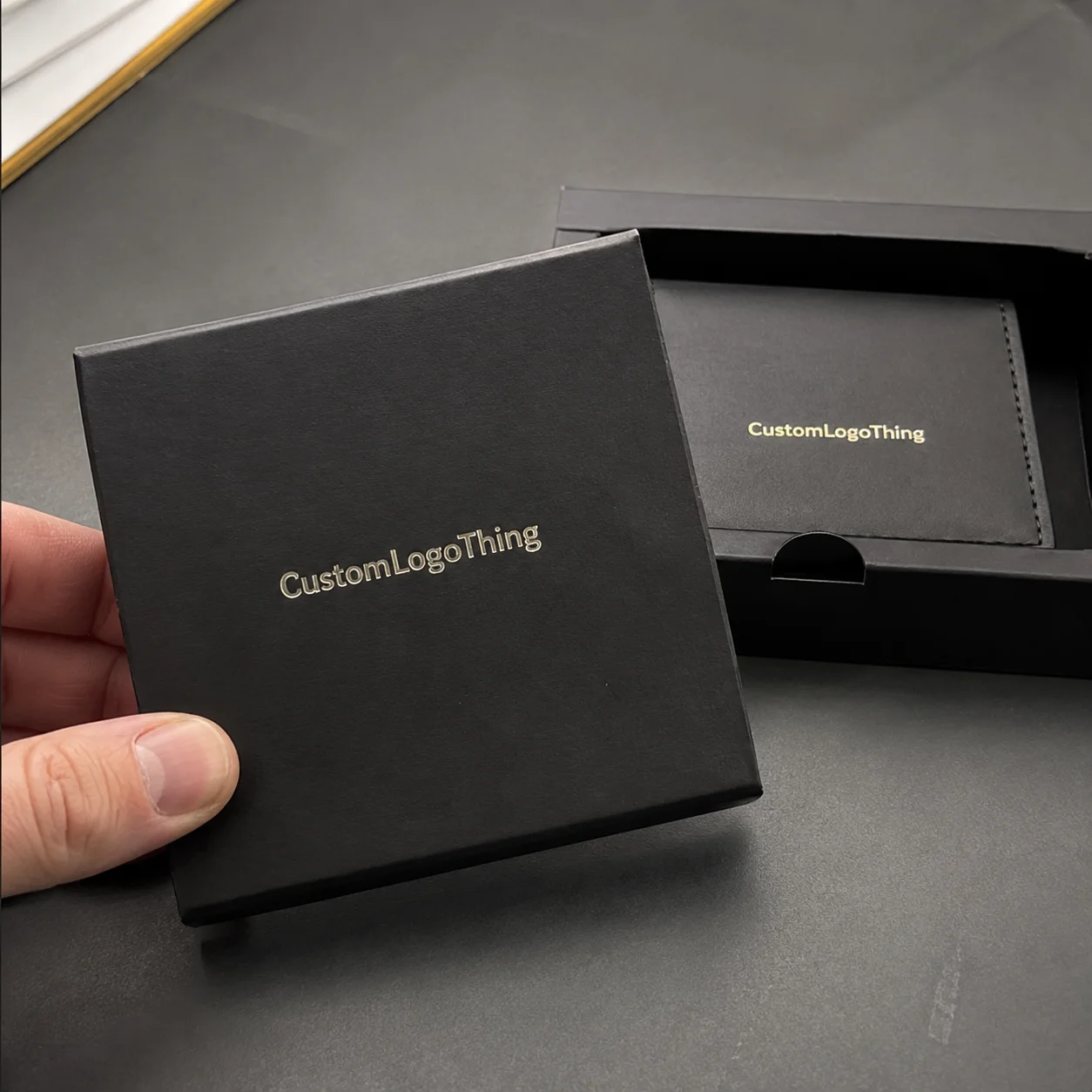
People miss that part all the time. Branded Packaging for Product differentiation is not just decoration, and it is not simply “making the box pretty.” It is the mix of structure, print, color, texture, and unboxing details that turns a container into a brand signal, whether you are using folding cartons, corrugated shipper boxes, rigid boxes, or specialty inserts. When I say brand signal, I mean the package is doing real selling work before the customer even touches the product. The box is the opening pitch, and a $0.12 printed carton can outperform a $1.50 unbranded one if the design and finish are right.
Product differentiation, in plain business terms, means making your product easier to notice, remember, trust, and choose over similar options. In crowded categories like supplements, cosmetics, coffee, electronics accessories, and apparel, the product itself often competes in a narrow band of quality and price. That is where branded packaging for product differentiation becomes one of the few tools that can change perception fast, without changing the formula or the BOM. A lotion in a 350gsm C1S artboard carton with matte aqueous coating reads differently from the same lotion in a plain kraft tuck box, and the shelf price perception changes with it.
I have seen this across factory floors from Shenzhen to Ohio. A folding carton line running 18,000 cartons an hour can still produce a box that feels luxurious if the board caliper is right, the ink density is consistent, and the matte laminate does not scuff in transit. A rigid box line with hand assembly, by contrast, can create a premium cue through a magnetic closure, a foil-stamped logo, and a precision-cut insert even when the actual product is small and relatively inexpensive. I remember one plant manager in Dongguan telling me, “People buy with their eyes first, and their hands second.” He was not being poetic. He was being correct.
Honestly, the biggest mistake brands make is treating packaging like a final step instead of a commercial asset. If you plan branded packaging for product differentiation early, you can shape shelf impact, unboxing experience, price perception, and repeat recognition without burning money on unnecessary embellishment. In the sections ahead, I’ll break down how it works, what drives the cost, what the timeline usually looks like, and how to avoid the production mistakes that slow projects down by two or three weeks.
How branded packaging for product differentiation works
Shoppers judge quickly. I watched it happen in a pharmacy aisle in Chicago, where a buyer picked up three vitamin brands and compared the carton weight, the typography, and the finish before reading a single claim on the side panel. That is branded packaging for product differentiation in action: color, material weight, print quality, and surface finish create an instant quality cue, and the customer often decides whether the product feels trustworthy before they compare specs. Not fair? Sure. Real? Absolutely.
The psychology is simple but powerful. A cleaner visual hierarchy makes a package easier to read. A tactile coating like soft-touch lamination changes the hand feel. A foil mark or blind emboss adds perceived value. A structural detail, such as a custom tuck flap or a rigid lid-and-base box, tells the buyer the brand made deliberate choices. Those cues add up, and together they shape how customers interpret the product packaging. Your package is basically doing body language for the brand, and a 0.3 mm emboss can be the difference between “basic” and “oh, this is nice.”
Branded packaging for product differentiation also works because it creates recognition in crowded channels. On retail shelves, a package has to compete with thirty other boxes in a tiny visual field. In DTC shipping, it has to Create a Memorable first opening moment when the customer pulls a mailer box out of a corrugated outer shipper. In wholesale fulfillment, it may be the inner carton label or the shipper overpack that carries the brand’s tone. Every one of those touchpoints can reinforce package branding if the system is consistent from the first carton to the last pallet.
One of my favorite examples came from a client selling mid-priced headphones out of Austin. The product itself was fine, nothing wild, but the packaging changed the buying conversation. We moved them from a plain E-flute mailer to a black printed mailer with a one-color interior pattern, a folded insert, and a matte aqueous coating. The unit cost rose by about $0.27 on 8,000 pieces, yet the perceived value jumped enough that the brand held a higher retail price for the next season. That was branded packaging for product differentiation doing real commercial work, not just looking nice on a mood board. And yes, the sales team suddenly acted like they had invented the concept. Classic.
Consistency matters across all formats. If your mailer box says “premium,” but the retail carton looks generic and the shipper overpack is a brown blank box with a different logo treatment, the story falls apart. Good branded packaging for product differentiation is built as a system: mailer boxes, labels, inserts, internal cartons, and shipper artwork all pulling in the same direction. One weak component can drag the whole thing down, which is annoying, but also true.
Here’s the short version: the box is not just a container, it is a preview of the product experience. When I visited a folding carton plant near Guangzhou, the production manager put it plainly: “If the carton feels cheap, the customer assumes the fill is cheap.” That line has stuck with me for years, because it sums up what branded packaging for product differentiation really does. It turns invisible quality into visible quality, usually with a 350gsm board, a clean die line, and finish choices that do the heavy lifting.
Key factors that influence packaging differentiation
Material selection is usually the first lever. Paperboard, corrugated, rigid chipboard, kraft, and specialty stocks all send different signals, and each one has a different cost profile and shipping behavior. A 350gsm C1S artboard folding carton with aqueous coating is a very different proposition from a 2mm rigid box wrapped in printed art paper, and both are different again from a kraft mailer designed for light ecommerce fulfillment. In branded packaging for product differentiation, material choice is not a styling detail; it is part of the value proposition. A 5,000-piece carton run in Shenzhen can come in at $0.15 to $0.22 per unit before freight, while the same size in a 2mm rigid format built in Ningbo can jump to $1.25 or more once wrapping and assembly are included.
Paperboard is common for cosmetics, supplements, and small consumer goods because it prints sharply and dies cleanly. Corrugated board, especially E-flute or B-flute, is better for protection and shipping strength, and it gives more room for direct print on retail packaging or e-commerce outer cartons. Rigid chipboard has the strongest premium cue because of its thickness and structure, although labor and freight costs rise quickly. Specialty stocks, like textured uncoated papers or recycled kraft liners, can support an earthy, natural brand position when the product story calls for it. All of those choices affect branded packaging for product differentiation in different ways, from shelf visibility in Toronto to parcel performance in Phoenix.
Print and finish choices come next. Offset printing is still the workhorse for high-volume custom printed boxes where color consistency matters. Digital printing can work well for shorter runs, regional launches, and test markets. Foil stamping, embossing, debossing, spot UV, soft-touch lamination, and aqueous coatings each change the way the package catches light and feels in the hand. I have seen a simple white carton with one gold foil line outperform a much busier design because the finish was cleaner and the composition felt more disciplined. Honestly, the design looked like it had gotten a good night’s sleep, which is more than I can say for most launch decks.
Structural design is where a box becomes memorable. A standard tuck end may be efficient, but a sleeve box, two-piece rigid box, or custom mailer with an insert creates more drama in the opening sequence. Inserts matter more than most people think. A paperboard insert holding a serum bottle, a molded pulp tray securing a charger, or a corrugated divider protecting glass jars can turn the opening into a neat reveal instead of a jumble. That kind of detail supports branded packaging for product differentiation because the customer experiences the brand order as much as the brand artwork. A good insert can shave 90 seconds off pack-out time and save a broken bottle, which is a nice little miracle.
Cost is where planning gets real. MOQ, plate charges, die costs, finishing complexity, labor intensity, and freight volume all affect unit economics. For example, a 5,000-piece run of a printed folding carton might land around $0.18 to $0.42 per unit depending on board, print coverage, and finish, while a two-piece rigid box with foil and custom insert can move into the $1.10 to $2.80 range very quickly. If you add hand assembly, the price climbs further. That is not a scare tactic; it is just how the factory math works. Branded packaging for product differentiation should be judged against margin, not against a mood board alone. Beautiful is nice. Profitable is nicer. In my experience, the brands that know their landed cost to the penny make better packaging decisions by Tuesday, not three weeks later after the emergency call.
Brand fit and channel fit also matter. Cosmetics can tolerate delicate finishing because the product often ships in smaller formats and lives in retail packaging or influencer-driven DTC boxes. Supplements may need stronger legal copy space and clearer barcode placement. Electronics may need ESD considerations, insert protection, and more durable shipper overpacks. Food packaging has compliance and shelf-life issues that can change material choices fast. In each category, branded packaging for product differentiation has to respect the reality of the channel, not fight it. A wellness brand selling into Whole Foods in California will not need the same panel layout as an ecommerce gadget brand shipping out of Dallas.
I also encourage brands to think about print economy. A full-coverage dark flood coat can be beautiful, but it shows scuffs more easily on corrugated mailers. A white-on-kraft design can feel honest and modern, but it may not communicate the same premium tier if your audience expects gloss or metallic cues. There is no universal “best” package; there is only the best fit for your product, budget, and route to market. That is why I keep coming back to branded packaging for product differentiation as a strategic decision, not a cosmetic one. The wrong finish can add $0.08 and subtract $8.00 in perceived value. That is a bad trade, and yes, people still make it.
| Packaging option | Typical use | Approx. unit cost at 5,000 pieces | Perceived value | Notes |
|---|---|---|---|---|
| Folding carton, printed C1S board | Cosmetics, supplements, small retail goods | $0.18–$0.42 | Moderate | Fast to produce, good for crisp graphics and barcodes |
| Kraft mailer, 1-color or 2-color print | DTC shipping, subscription kits | $0.45–$0.95 | Moderate to high | Good for shipping, lighter premium feel |
| Two-piece rigid box | Premium gift sets, electronics, luxury goods | $1.10–$2.80 | High | Strong premium cue, higher labor and freight cost |
| Corrugated retail shipper | Ecommerce protection and retail replenishment | $0.38–$1.10 | Moderate | Best when structural strength matters as much as graphics |
For brands that want more inspiration from actual projects, I often suggest reviewing Case Studies that show how structure, printing, and finishing choices changed customer response. If you are still mapping format options, the range of Custom Packaging Products can help you compare carton styles, mailers, and specialty structures before you lock in tooling. That comparison step saves money later, especially when the project grows from one SKU to six and the art team starts asking for “just one more version.”
Branded packaging for product differentiation: process and timeline
Every solid branded packaging for product differentiation project starts with discovery, and if that part is rushed, the rest of the job tends to wobble. I want to know product dimensions, target audience, sales channels, target unit cost, annual volume, and the exact brand impression the box should create. A brand selling at $24.99 is not asking the same thing of its packaging as a brand selling at $124.99, and the structure should reflect that difference. A $0.22 folding carton can be perfect for one and laughably underpowered for the other.
The discovery brief should include the practical stuff too: product fragility, drop test concerns, shelf display orientation, fulfillment process, and whether the box needs to survive parcel transit or only retail handling. On a DTC project for a candle line in Columbus, we once learned the hard way that a pretty insert failed a basic fit test because the glass vessel had a wider base than the prototype sample. We fixed it by changing the insert tolerance by 1.5 mm and adjusting the board grade, which cost only $0.06 more per unit, but it saved the brand from a lot of breakage. That kind of detail matters in branded packaging for product differentiation because performance and presentation have to work together.
After discovery comes dieline and structural development. This is where the packaging engineer or box manufacturer creates the box template, checks dimensions, and makes sure folds, locks, and glue areas work on the converting line. Prototype rounds are normal. I usually expect at least one structural sample and, for more complex projects, a second round after fit testing. Inserts should be tested with the actual product, not a foam mockup that “kind of matches.” If you are using a rigid box or a multi-component insert, the prototype stage is where small dimensional errors get caught before they become expensive waste. Strong branded packaging for product differentiation begins with a box that actually fits the product, whether the run is made in Dongguan, Los Angeles, or Monterrey.
Artwork and prepress are where many delays happen. Bleed, resolution, line thickness, barcode placement, legal copy, and color profile all need to be checked before production. I have watched good designs get pushed back because a barcode sat too close to a fold or because the artwork did not leave enough room for a legal claim on the side panel. If the printer has to guess, the schedule slips. A clean proof process protects the project and the budget, and it keeps branded packaging for product differentiation from turning into a correction cycle. One missing 3 mm bleed can cost you a week, which is a dumb way to lose a week.
Then the factory side starts. Material procurement, printing, finishing, die cutting, gluing, folding, packing, and quality inspection happen in sequence, and each step can create a bottleneck. On a corrugated line, print and die cut may be fast, but folding and gluing can slow down if the pattern is complex or the adhesive temperature is off. On a rigid box line, hand assembly adds labor time, especially for wrap alignment and insert installation. If you have ever stood near a sheeter or a folder-gluer at full speed in a plant outside Suzhou, you know one small issue can ripple through the whole batch. That is why branded packaging for product differentiation needs a realistic schedule, not an optimistic one.
A practical timeline depends on complexity. Standard digital-printed cartons with ready artwork can sometimes move in 12 to 15 business days from proof approval, while rigid boxes with specialty finishes and custom inserts often need 20 to 35 business days, sometimes more if material sourcing is unusual. Freight adds another variable. Air freight can save time but raises landed cost sharply, while ocean freight is better for volume but requires planning. I always tell clients that the lead time is not just manufacturing time; it is manufacturing plus proofing plus transit plus any correction buffer. That is the honest way to manage branded packaging for product differentiation. If the line promises 10 days for a foil-stamped rigid box in peak season, they are either miracle workers or lying.
If you want to see how that plays out across different packaging jobs, comparing real examples in Case Studies is usually more useful than looking at mockups alone. You can also browse Custom Packaging Products to understand which formats are standard, which require custom tooling, and where the trade-offs start. The more concrete the reference, the faster the project moves, especially when the supplier is quoting out of Vietnam, Shenzhen, or New Jersey and everyone needs the same spec sheet.
Common mistakes that weaken branded packaging for product differentiation
The first mistake is designing for looks only. I have seen gorgeous boxes fail because they crushed in transit, required too much hand assembly, or took too long to pack on the line. A package that looks premium but breaks product protection is not premium at all. Strong branded packaging for product differentiation has to survive the actual shipping lane, not just the studio photo. If a carton can’t survive a 30-inch drop test or a 200-mile truck ride from Atlanta to Charlotte, the gloss finish does not matter much.
The second mistake is visual clutter. Too many colors, too many fonts, too many messages, and too many badges can make the package feel noisy instead of distinctive. I once sat in a client review where the design team had added seven claims to a small supplement carton, and the brand manager said, “It looks like it is shouting.” He was right. The better solution was to cut the copy by half, keep one strong icon, and let the print finish do more of the work. Clean hierarchy almost always helps branded packaging for product differentiation. A 2-point type disclaimer at the bottom is usually better than cramming three claims onto one panel like it’s a ransom note.
Third, brands underestimate production realities. Artwork that ignores bleed, tolerances, glue tabs, machine direction, or carton thickness can force redesigns after proofing. On a folding carton, a 2 mm shift might not sound like much on screen, but on the die line it can ruin alignment near a panel edge or barcode zone. On a rigid box, a wrap that is too tight can cause corner pull-back after the adhesive cures. These are not theoretical problems; they show up on the floor, usually right when the schedule is already tight. Good branded packaging for product differentiation respects manufacturing limits. A spec written for a 350gsm board in Shanghai will not magically behave the same on a 300gsm board in Ohio.
Fourth, some teams overspend on premium finishes when a structural change would have delivered more impact. A foil stamp on a plain box may look expensive, but sometimes a better board grade, a more confident box shape, or a well-designed insert creates a stronger premium cue at a lower unit cost. I am not ضد finish upgrades; I use them all the time. I just think brands should ask which change will be noticed most by the customer. That is the smarter way to spend packaging dollars in branded packaging for product differentiation. If the lift from spot UV is $0.09 and the lift from a stronger lid structure is $0.04, the lid usually wins.
Fifth, inconsistency across formats weakens the brand story. If the mailer box feels playful, the inner carton feels clinical, and the label system feels generic, the customer reads mixed signals. Consistency does not mean every package must be identical. It means the same brand personality should show up in typography, color, icon system, and material choice. Without that, branded packaging for product differentiation loses its impact after the first touchpoint. And once the first touchpoint feels off, the customer starts doing mental math you do not want.
I remember a meeting with a beauty brand that had three suppliers making three different package components, and none of them were working from the same color standard. The carton looked warm gray, the mailer leaned blue, and the insert skewed pink. On paper the palette was “neutral luxury.” In the warehouse it looked off. We fixed it by setting a tighter Pantone target, standardizing paper stock, and requiring one print reference sample to travel to every vendor. That kind of coordination can save a whole launch. Or, if you prefer the dramatic version, it can save you from a warehouse full of boxes that all look like they came from separate planets.
Expert tips to make branded packaging for product differentiation more effective
My first recommendation is simple: pick one hero element and let it carry the opening impression. Maybe it is a signature color, maybe it is a distinctive opening flap, or maybe it is a tactile finish that customers remember immediately. If everything is trying to be the star, nothing stands out. In branded packaging for product differentiation, one memorable cue usually outperforms five competing ones. A single foil logo on a 350gsm carton often does more than a full panel of decorative clutter.
Test with real users and real shipments before a full rollout. I do not mean one internal review with the marketing team in a conference room; I mean actual handling by people who will receive the package, open it, and maybe toss it into a recycling bin or travel with it on a wet day. For DTC brands, ship a sample through parcel carriers and inspect the corners, the tape, the inserts, and the scuff resistance. For retail programs, place the cartons on a shelf with competing products and ask which one they notice first. Branded packaging for product differentiation gets much stronger when the feedback comes from real conditions, not just a pretty render at 2 p.m. on a Tuesday.
Balance premium cues with manufacturing practicality. A great box should be beautiful, repeatable, and cost-controlled at scale. That means thinking about the full production picture: print method, material availability, glue performance, fold memory, assembly labor, and freight volume. I have seen brands fall in love with a package that was gorgeous in a sample room but painful in the plant because it required too many manual steps. If a design cannot be repeated 10,000 times without drama, it is not ready for scale. That is a hard truth in branded packaging for product differentiation. I’ve watched a six-step insert turn a 12-minute packing task into a 28-minute one. Nobody cheers for that.
Build packaging systems, not one-off boxes. If you expect line extensions, seasonal kits, or size variations, create a modular system with consistent typography, color rules, and structural family traits. That keeps new SKUs aligned while still allowing some flexibility for bottle height, product count, or channel-specific shipping. A coherent system makes branded packaging for product differentiation easier to maintain over time, and it reduces the chance that the tenth SKU feels disconnected from the first one. It also saves procurement from having to chase six different dielines from four suppliers in three time zones, which nobody enjoys.
Collaborate with the packaging manufacturer early. I cannot stress this enough. When structural design, print method, and finishing choices are discussed at the same table before artwork is locked, the chances of a clean launch go way up. The manufacturer can flag issues like weak board selection, poor coating compatibility, or a glue flap that is too narrow for the line. That kind of early input is exactly what helps branded packaging for product differentiation stay aligned with budget, lead time, and production reality. I’ve had suppliers in Xiamen catch a bad insert spec before the first sample was even cut, and that saved two weeks. Not glamorous. Very effective.
For brands building out new formats, I often suggest browsing Custom Packaging Products first, then narrowing the direction before asking for quotations. It saves rounds of revision. And if you want to see how design decisions played out for other companies, Case Studies can be a fast way to learn what worked, what did not, and what the final unit economics looked like in the real world.
Two authority references I respect in this space are the ISTA testing standards for shipment performance and the FSC system for responsible fiber sourcing. If sustainability claims matter to your market, those references help keep the conversation grounded. For broader packaging and materials context, the Packaging Institute also publishes useful industry information. Those outside references do not replace supplier testing, but they do support smarter decisions around branded packaging for product differentiation.
Next steps: turning packaging strategy into a working plan
If you want branded packaging for product differentiation to do real work for your business, start by gathering the basics: product dimensions, product weight, current packaging photos, target audience, sales channels, budget range, and the top three problems you want to solve. Maybe the current box is too plain. Maybe it ships poorly. Maybe it feels too expensive for the margin. Get specific, because specific problems lead to better packaging decisions. A 200-gram jar in a 4.25-inch carton needs a different answer than a 48-count supplement bottle in a 6-inch tuck box.
Next, request samples. Ask for board swatches, print references, structural mockups, and finish examples so you can feel the differences instead of guessing from a screen. A matte soft-touch sample feels different from a gloss aqueous sample, and a 2mm rigid sample behaves very differently from a folding carton when you open and close it twice. Those sensory details matter in branded packaging for product differentiation, and they are much easier to judge in hand than in a PDF. If your supplier is in Dallas, Suzhou, or Barcelona, the sample still has to pass the same thumb test.
Then write a one-page packaging brief. Include quantity, target cost, lead time, shipping method, channel requirements, and brand goals. I like when brands also include one or two “do not want” examples, because that saves everyone time. If your goal is premium but not flashy, say that. If your shipper must survive parcel handling and still look clean, say that too. A clear brief keeps branded packaging for product differentiation from drifting into guesswork. It also gives the quote team something concrete to work from instead of three Slack messages and a vague mood board.
Once you have options, compare them using a simple scorecard. Rate shelf impact, shipping protection, unit cost, lead time, and brand consistency on a 1-to-5 scale. This is not fancy, but it works. The best concept is not always the cheapest or the most ornate; it is usually the one that balances brand lift and operational reality. That is the point of branded packaging for product differentiation in the first place. A package that scores 5 on beauty and 1 on fulfillment is not a winner. It is a problem with glitter on it.
One last practical reminder from the factory floor: design, manufacturing, and logistics should be planned together from the first draft. If those three teams are not talking early, the packaging tends to get more expensive, more fragile, or more generic than it needs to be. The brands that win with branded packaging for product differentiation are the ones that treat the box as part of the product strategy, not as a decoration after the strategy is finished. I’ve seen launches in Illinois and Guangdong move faster simply because someone got the supplier, the freight forwarder, and the designer in the same call before proof approval. Revolutionary stuff, I know.
And if you ask me what separates a package people forget from one they remember, it is usually not some dramatic trick. It is a careful stack of choices, from board weight to ink density to the way the lid lifts off the base, all working together so branded packaging for product differentiation makes the product easier to notice, easier to trust, and easier to choose again. That stack might include a 350gsm C1S artboard carton, a $0.18 die-cut insert, and a 12- to 15-business-day production window from proof approval. Not flashy. Effective.
FAQ
How does branded packaging for product differentiation help a product stand out?
It creates immediate visual and tactile cues that help customers notice and remember the product faster, especially in crowded retail aisles or busy ecommerce deliveries. It can also signal quality, premium positioning, or niche fit before the product is even opened, which is one reason branded packaging for product differentiation often affects conversion faster than copy changes alone. A 350gsm carton with foil, emboss, or a custom insert can change perception in the first five seconds.
What packaging features matter most for product differentiation?
Material choice, print quality, and finish usually create the strongest first impression, especially when the board weight and coating feel intentional. Structural details like opening style, inserts, and box shape also help the package feel more distinctive, while consistent color, typography, and brand marks reinforce recognition across SKUs. In practice, a clean dieline, a good coating, and a measured amount of decoration usually beat random embellishment.
How much does branded packaging for product differentiation usually cost?
Cost depends on quantity, material, print method, finishes, die cuts, and assembly complexity, so two packages that look similar on a screen can land very differently in production. For example, a 5,000-piece folding carton run might be $0.18 to $0.42 per unit, while a two-piece rigid box with foil and a custom insert can range from $1.10 to $2.80 per unit before freight. Premium treatments like foil, embossing, or rigid construction raise unit cost but may improve perceived value, and freight size, labor, and minimum order quantities also affect the total project cost.
How long does a custom branded packaging project take?
Simple packaging can move faster if the structure is standard and artwork is ready, while custom structural designs, specialty finishes, and insert development usually add time for prototyping and approval. A standard digital carton can sometimes move in 12 to 15 business days from proof approval, while a rigid box with inserts can take 20 to 35 business days, depending on the factory in places like Shenzhen, Ningbo, or Ohio. Timelines depend on sampling, prepress review, production queue, and freight method, so it is smart to build in a cushion of several business days for revisions.
What is the biggest mistake brands make with differentiated packaging?
Many brands focus on style but forget protection, cost, or manufacturing limits, which can create problems once the box gets to the line or the carrier network. Others overload the design with too many messages, which weakens the brand story, and the best results usually come from balancing brand impact with practical production needs. If the packaging looks good but cannot survive a 30-inch drop or a normal pallet route from the plant to the warehouse, it is not doing its job.