Buyer Fit Snapshot
| Best fit | Branded Packaging for Product Marketing projects where brand print, material claims, artwork control, MOQ, and repeat-order consistency need to be specified before quoting. |
|---|---|
| Quote inputs | Share finished size, material target, print colors, finish, packing count, annual reorder estimate, ship-to region, and any compliance wording. |
| Proofing check | Approve dieline scale, logo placement, barcode or warning zones, color tolerance, closure strength, and carton packing before bulk production. |
| Main risk | Vague material claims, crowded artwork, missing packing details, or unclear freight terms can make a low unit price expensive after revisions. |
Fast answer: Branded Packaging for Product Marketing: Material, Print, Proofing, and Reorder Risk should be specified like a repeatable production item. The safest quote records material, print method, finish, artwork proof, packing count, and reorder notes in one written spec.
Production checks before approval
Compare the actual filled-product size with the drawing, then confirm tolerance on folds, seals, hang holes, label areas, and retail display edges. Reserve space for logos, QR codes, warning copy, and material claims before decorative graphics fill the panel.
Quote comparison points
Review material grade, print process, finish, sampling route, tooling charges, carton quantity, and freight assumptions side by side. A quote is only useful when the supplier can repeat the same color, closure quality, and packing count on the next order.
I’ve spent enough time on factory floors in Ohio, Guangdong, and northern Illinois to know that Branded Packaging for Product marketing starts selling long before anyone reads a spec sheet or scans a barcode. I remember standing next to a folding carton line in Dayton and watching a shopper pick up two nearly identical skincare boxes, turn each one over once, and choose the one that felt more intentional. She never opened either package. She never checked the ingredient list. She still made a decision. Packaging is rude like that. It judges you first, usually in under 5 seconds.
That is the quiet power of branded Packaging for Product marketing. It is not just a logo on a box. It is the mix of custom printed boxes, inserts, labels, wraps, mailers, and retail-ready displays that shape how a product feels before the product itself gets a chance to speak. If you are launching a new item, trying to protect shelf share, or simply hoping your shipment arrives looking polished instead of beaten up, branded packaging for product marketing becomes part of the sales team. Honestly, I think it often does a better job than some sales teams, and I’ve sat through enough meetings in Chicago and Shenzhen to say that with confidence.
Branded Packaging for Product Marketing: Why It Matters
Shoppers judge quality fast. Usually faster than the brand team likes to admit. In retail packaging tests for candles, supplements, and electronics accessories, I’ve seen the same pattern again and again. The package is doing silent selling before the label copy gets a chance. That first impression lands in a few seconds, and yes, people absolutely notice when a box looks cheap. A carton with 300gsm SBS and a dull finish reads very differently from a 350gsm C1S artboard with foil stamping and a matte lamination. They may not say it out loud, but their hands tell on them.
In plain terms, branded packaging for product marketing means packaging that carries the personality of your brand, not just the mechanics of containment. That can be a Custom Printed Mailer for an e-commerce launch, a rigid gift box with foil stamping, a corrugated shipper with a clean brand panel, or a simple kraft sleeve with a strong one-color mark. The format changes, but the job stays the same: shape perception, support recall, and improve conversion. A run of 5,000 folding cartons at $0.32 per unit can do that work just as well as a $4.20 rigid box if the design matches the channel.
Too many teams treat packaging like a late-stage operations task. That’s lazy thinking dressed up as process. If your product is new, crowded by competitors, or sold in a category where consumers compare visually in under a minute, branded packaging for product marketing can influence trust faster than a paid ad ever will. I saw that firsthand in a client meeting for a beverage startup in Columbus. The formula was solid. The shelf-ready carton looked generic next to three competing brands using heavier board and stronger color blocking. The team had spent six months perfecting the liquid and almost no time thinking about the box carrying it. Classic. Expensive, but classic. The fix was a 4-color printed carton, a spot UV brand mark, and a tighter sleeve structure that added $0.11 per unit at 10,000 pieces.
Consistency matters too. When the outer shipper, inner carton, and insert all speak the same visual language, the customer senses control and competence. When they do not, the experience feels improvised. That gap can hurt a launch, especially in subscription boxes, DTC fulfillment, and seasonal retail packaging where the unboxing moment becomes part of the brand story. Good branded packaging for product marketing creates continuity from warehouse to doorstep to countertop, whether the package leaves a facility in Nashville, Los Angeles, or Suzhou.
“The box is often the first product experience, and sometimes it is the only physical brand touchpoint before a customer decides whether to reorder.”
There is also a practical business angle. Strong branded packaging for product marketing can support launch campaigns, influencer kits, retail resets, and limited-edition promotions without requiring a full product redesign. That matters because packaging is both a marketing asset and a production decision. Design choices affect lead time, material usage, freight cost, and unit economics. I’ve seen brands win attention with a beautiful package and lose margin because they never modeled what a 4-color print job plus embossing would do to their cost structure. A small change like moving from a two-piece rigid set to a folding carton can shave $1.60 per unit off a 3,000-piece run. That hurts twice: once in finance, once in ego.
How Branded Packaging for Product Marketing Works
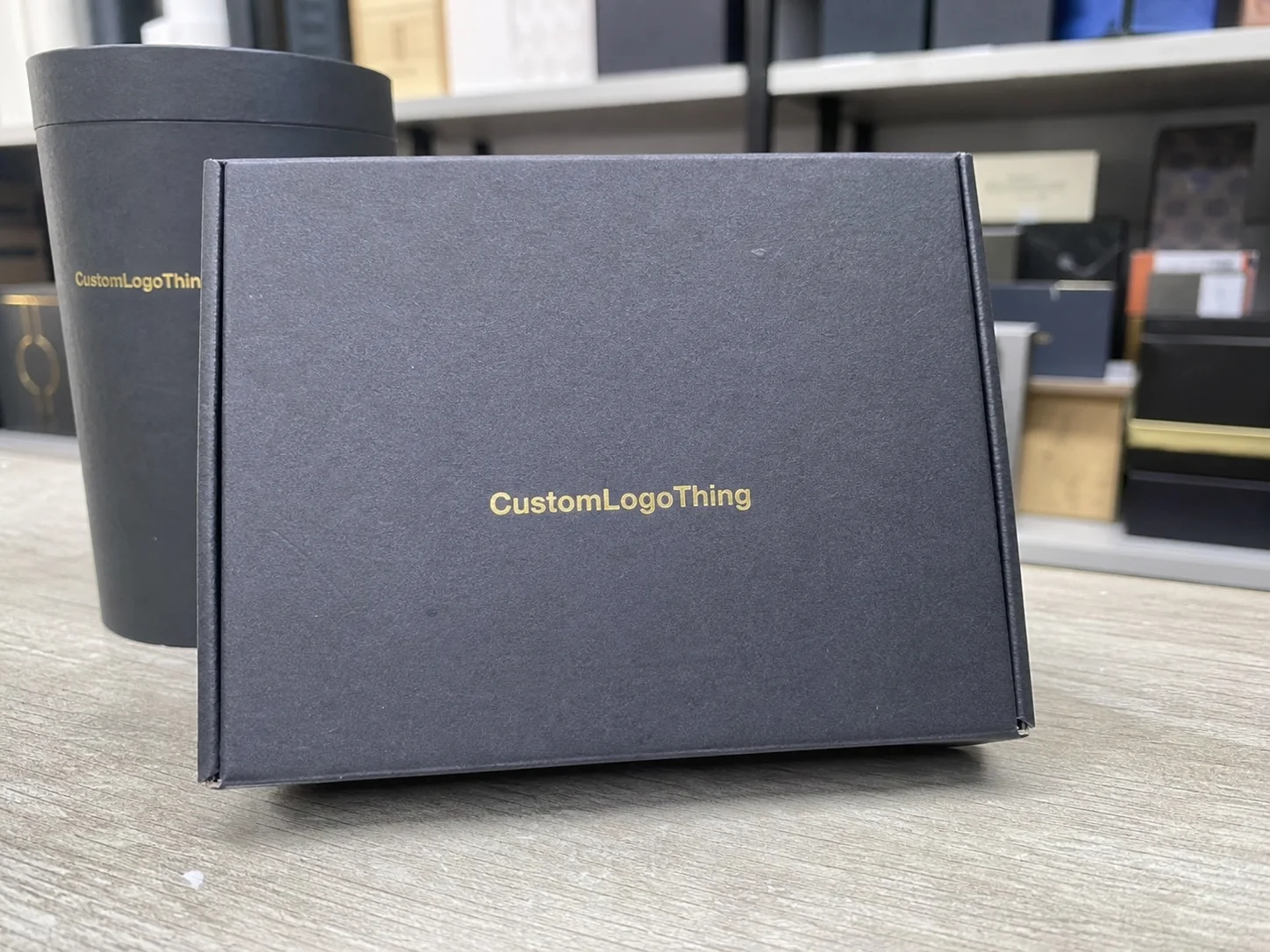
Think of the package as a journey, not a static object. The first impression might happen on a pallet in a warehouse in Dallas, on a shelf under fluorescent lights in Atlanta, or at a customer’s front door after a carrier scan and a few rough turns in a truck. Then the package does a second job during unboxing, and a third job while the product sits on the desk, vanity, or kitchen counter. Effective branded packaging for product marketing supports each of those moments without falling apart in transit. A mailer built from E-flute corrugated with a 32ECT rating behaves very differently from a decorative sleeve over 400gsm paperboard, and the customer can feel that difference instantly.
Packaging has four basic roles. First, it protects. Second, it presents. Third, it communicates. Fourth, it differentiates. A well-built carton or mailer gives the product enough crush resistance for handling, enough visual clarity for brand recognition, enough space for legal copy and barcodes, and enough distinction to stand apart from a shelf of similar items. That combination is the real engine behind branded packaging for product marketing. A 2mm rigid board with wrapped paper can make a premium set feel worth $48 instead of $28, even before the customer opens it.
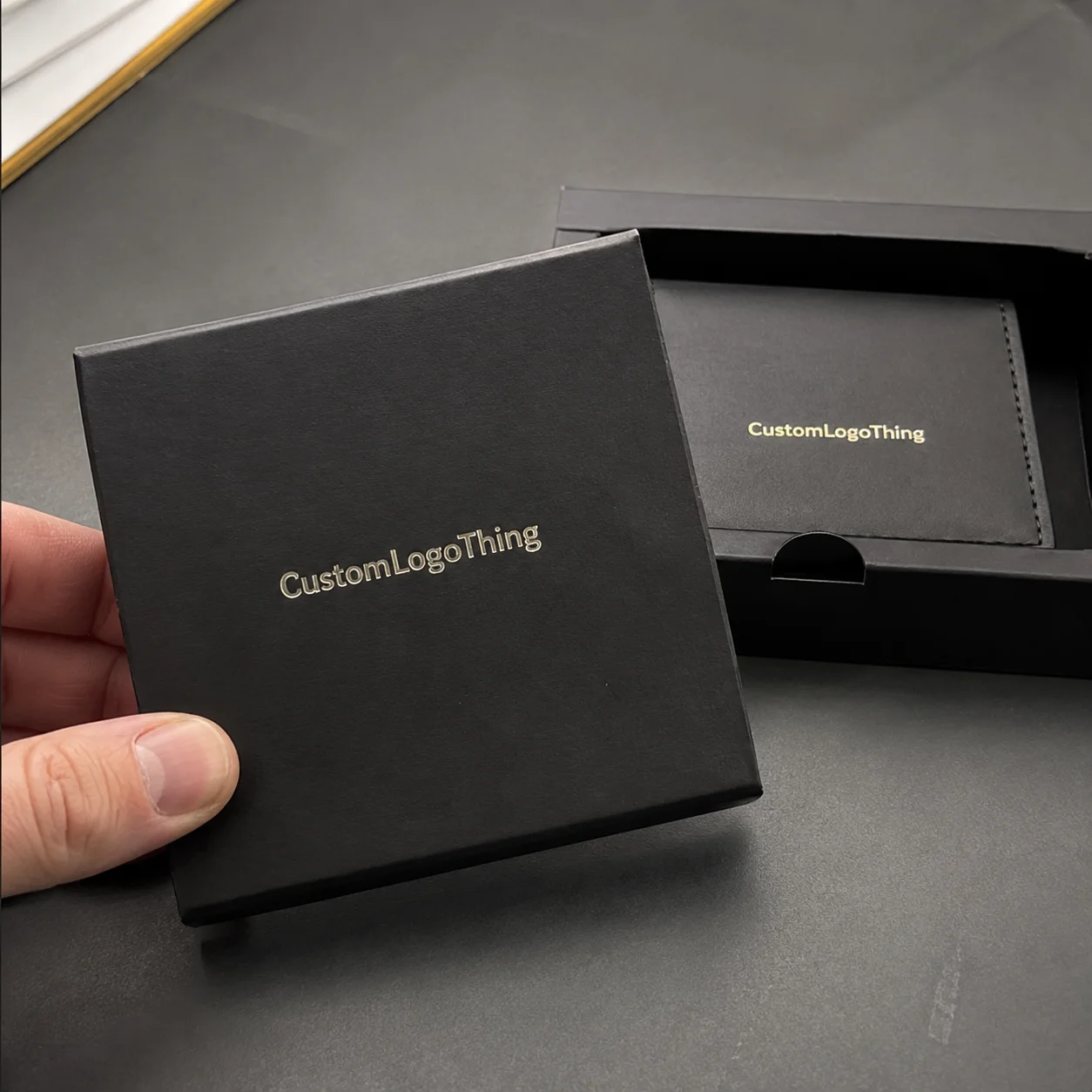
On the production side, common methods include offset printing for crisp color and detail, digital printing for shorter runs and rapid iteration, flexographic printing for corrugated and mailer work, and die-cutting for custom shapes and windows. Specialty finishing can add tactile or visual impact through foil stamping, embossing, debossing, matte or gloss lamination, and spot UV. I’ve walked lines in Kunshan and Milwaukee where a small change from standard aqueous coating to soft-touch lamination changed the entire feel of a premium skincare carton, and the sales team noticed the shift right away in buyer meetings. Funny how “just a finish” can suddenly become the thing everyone wants to talk about. A soft-touch coat may add $0.05 to $0.09 per carton at 5,000 units, but if it moves the product from “mid” to “premium,” that is money well spent.
Structural design matters just as much as artwork. A beautiful box that crushes in a 36-inch drop test is not marketing. It is disappointment with a print layer. Good package branding respects geometry, compression strength, fluting direction, and the way a carton loads on automated equipment. If your shipper is going through fulfillment centers, your branded packaging for product marketing has to survive conveyor turns, pallet stacking, and warehouse humidity, not just a photo shoot. In practical terms, that means testing a sample packed with the real 1.8 lb product, not a foam dummy that weighs less than a paperback.
Marketing teams also use packaging as a tactical tool. I’ve seen branded packaging for product marketing used for holiday bundles, influencer seeding kits, in-store retail resets, and launch-day press mailers. A cosmetic brand may want a vivid unboxing experience with a magnet closure and custom insert, while a tool company may need a tougher, more utility-driven retail box with clear product specs on the panel. Different goals, different constructions, same core principle: the packaging must sell the story while doing the job. A launch kit sent to 150 creators in Austin can use a $2.95 rigid box if it drives coverage; a 25,000-unit retail run in Mexico City probably needs a $0.27 folding carton instead.
Key Factors That Shape Effective Branded Packaging
Material choice is where many projects win or lose. Corrugated board works well for shipping strength and e-commerce protection, paperboard is common for folding cartons and shelf appeal, rigid boxboard supports premium presentation, kraft gives a natural or artisanal look, and molded pulp can fit sustainability goals while cushioning fragile items. Each one sends a different signal, and each one changes what branded packaging for product marketing can do visually and physically. A 350gsm C1S artboard carton with aqueous coating will feel light years different from a 24pt rigid wrapped box, even if both carry the same brand mark.
Color consistency is another big factor. If your brand red shifts from a carton to an insert to an outer shipper, the package starts feeling patchwork. In one supplier negotiation I sat through in Ningbo, a client rejected a batch of printed sleeves because the brand blue leaned green under store lighting, and they were right to do it. Nobody wants to explain to marketing why “close enough” is not actually close enough. Good package branding often depends on approved Pantone references, press checks, and realistic expectations about substrate absorption, varnish, and coating. I’ve seen a Pantone 186C shift by enough to matter just because the board had a different clay coat and the ink sat too heavily on the surface.
Structure should always support the product fit. If the item rattles, bulges, or slides around, the perceived value drops fast, even if the print work is excellent. That is why structural drawings, fill weights, and real product samples matter early in the process. The best branded packaging for product marketing usually comes from a box that fits well, stacks correctly, and opens in a way that feels deliberate. If your product is 112 mm wide, 46 mm deep, and 18 mm tall, the insert should be designed for those numbers, not a designer’s guess and a prayer.
Sustainability expectations now shape nearly every conversation, and not always in the same way. Some brands want recycled content, FSC-certified paper, and water-based inks. Others want right-sized corrugated mailers to reduce freight volume and dunnage. The smart move is not to chase every eco claim at once, but to choose materials that support both performance and the brand message. If you want a standard to reference, organizations like FSC and EPA recycling guidance can help frame responsible material choices without turning packaging into a slogan. I’ve quoted recycled paperboard jobs in Vietnam, Illinois, and Portugal where the sustainability story worked only because the specs were actually documented.
Market position also matters. A premium skincare label, a DTC candle brand, and a hardware supplier do not need the same visual cues. Premium may mean heavy board, restrained typography, and soft-touch coating. Natural and handmade may call for kraft, one-color print, and visible texture. Utility-driven retail packaging may need bold claims, damage resistance, and easy shelf scanning. In all three cases, branded packaging for product marketing works best when the package matches the customer’s expectation of price and category. A $68 serum in a 2-piece rigid box can justify a different build than a $14 vitamin bottle in a folding carton.
Here is a simple comparison I often use with clients deciding between common options:
| Packaging Option | Typical Use | Visual Impact | Protection | Typical Cost Range |
|---|---|---|---|---|
| Digital-printed mailer | DTC launches, short runs | Moderate to high | Good for lightweight goods | $0.85 to $2.10 per unit at 1,000 pieces |
| Folding carton | Retail shelves, cosmetics, supplements | High with premium finishes | Moderate | $0.22 to $0.75 per unit at 5,000 pieces |
| Rigid box | Luxury, gift sets, PR kits | Very high | Moderate to good | $1.80 to $6.50 per unit at 3,000 pieces |
| Corrugated shipper | E-commerce and transit-heavy products | Low to moderate | High | $0.60 to $1.90 per unit at 5,000 pieces |
If you want to see how these choices play out in real programs, our Case Studies page is a good place to compare outcomes across categories and budgets. The key lesson is simple: the strongest branded packaging for product marketing is not always the fanciest; it is the one that matches the product, the channel, and the customer’s expectation. A $0.15 per unit insert can change the perceived value of a $22 product if it keeps the unboxing clean and the product centered.
I also recommend watching actual handling conditions, not just proofs on a desk. The board that looks excellent under a designer’s lamp may scuff badly under freight wrap. The print that looks crisp on a monitor may read too busy at 18 inches on a shelf. Factory reality changes everything, and that is why sample approval matters so much. In a plant outside Dongguan, I watched a white carton fail because the gloss coating picked up a conveyor mark after only 200 units. A proof does not tell you that. A line test does.
Branded Packaging for Product Marketing: Cost and Pricing Factors
Cost usually comes down to six things: material grade, box style, print process, order quantity, finishing effects, and the number of unique SKUs. If any of those change, the quote can move quickly. A 1-color kraft mailer and a 4-color rigid gift box with foil and custom insert are not even close to the same job, and the difference shows up in tooling, labor, and freight. A 5,000-piece folding carton in Shanghai with no foil may land near $0.28 per unit, while the same carton with embossing and spot UV can jump to $0.41 or more.
Setup costs matter more in smaller runs. Plates, dies, cutting rules, and proofing can make offset or specialty finishing expensive when the quantity is low. Digital printing can help reduce setup pressure for test launches or limited seasonal drops, though the per-unit price may be higher than a long-run offset order. That is why branded packaging for product marketing needs to be priced with volume strategy in mind, not just unit price in isolation. A 500-piece pilot run at $1.10 per carton might be smarter than a 10,000-piece order at $0.34 if you are still validating the product-market fit.
Custom inserts, windows, multi-piece sleeves, and foil patches all add cost, but they can also add perceived value and reduce damage in transit. I once helped a client in the personal care space remove a loose paper insert and replace it with a die-cut board tray, and the result was a small increase in unit cost with a measurable drop in return claims. That is a fair trade if the packaging is part of the marketing promise. The board tray added $0.07 per unit at 8,000 units, while breakage claims dropped by 18% over the next quarter. That is the kind of math finance actually likes.
There are practical ways to hold the line on budget without flattening the design. Use fewer print colors. Standardize dimensions across product lines. Limit exotic finishing to the hero SKU. Choose a structure that cuts well on common equipment. Avoid special coatings unless they earn their keep in feel, durability, or display impact. Good branded packaging for product marketing usually comes from disciplined choices, not from stacking every premium effect onto one box. A black one-color carton with a matte finish can look more expensive than a four-color box trying too hard.
Here is a simple pricing example from the kind of quoting I see regularly:
- Standard digital mailer: $0.95 to $1.40 each at 1,000 units
- Printed folding carton: $0.28 to $0.62 each at 5,000 units
- Rigid setup box with insert: $2.25 to $4.80 each at 3,000 units
- Corrugated retail shipper with 2-color print: $0.72 to $1.25 each at 5,000 units
Those numbers vary with board grade, geography, freight, and current raw material pricing, so I would never promise them as fixed. Still, they show why teams should balance margin and marketing impact together. A box that lifts conversion by even a small amount can justify a higher unit cost if the customer lifetime value is strong enough. That is the kind of math smart brands use for branded packaging for product marketing, especially when the purchase cycle repeats every 30 to 90 days.
For broader industry context, the Packaging Corporation / packaging industry resources are helpful if you want to understand material trends, print methods, and sustainability pressure from a sector-wide perspective. I like pointing clients to outside standards because packaging decisions feel less subjective once the technical frame is clear. A supplier in Shenzhen may call something “premium” when the spec sheet says 300gsm; the spec sheet wins every time.
Step-by-Step Process and Timeline
The cleanest projects begin with a tight brief. I want product dimensions, fill weights, shipping method, target retail or DTC channel, branding files, required copy, and the launch date. If someone gives me only a logo and says, “make it premium,” I already know we will spend extra time chasing details that should have been settled in week one. Solid branded packaging for product marketing starts with real inputs, not vague inspiration boards. Give me a 96 mm x 142 mm bottle, a 220 g fill weight, and the retailer’s barcode requirements, and now we can actually work.
The process usually moves through discovery, structural concepting, artwork prep, sampling, approval, production, finishing, packing, and shipping. Discovery tells the supplier what the package must do. Structural concepting decides how it folds or holds. Artwork prep cleans up dielines, bleed, and type placement. Sampling reveals sizing or color issues. Approval locks the job. Production and finishing turn the plan into cartons, mailers, or inserts. Shipping closes the loop. For a supplier in Shenzhen, a U.S. East Coast delivery can add 12 to 18 days of transit on top of production, so the calendar matters as much as the design.
Timelines depend on the packaging type and how many custom steps are involved. A straightforward digital run may move in 10 to 15 business days from proof approval. A custom die-cut folding carton with premium coating may take 18 to 28 business days. Rigid boxes or multi-component kits can run longer, especially if you need imported specialty paper or a custom insert. I’ve seen a launch slip by two weeks because a client assumed the insert foam could be sourced locally, only to find the color and density had to be matched through an overseas supplier. Packaging can be a tiny drama queen if you let it. From proof approval to delivery, a typical folding carton order in South China usually lands in 12 to 15 business days if the artwork is locked and the board is in stock.
Prototypes are worth the time. A sample can reveal a box that is 4 mm too tight, a gloss finish that reflects too harshly under retail lighting, or a barcode that sits too close to a fold. Those are small fixes on a sample, but expensive mistakes in a full production run. If your goal is strong branded packaging for product marketing, testing before mass production is cheaper than explaining a misfit carton to a warehouse manager. A pre-production sample may cost $45 to $180 depending on structure, but a reprint on 10,000 units can cost thousands.
I’ve also learned that marketing calendars and factory calendars rarely line up by accident. If your campaign launches on a fixed date, your packaging schedule needs buffer for print correction, transit delays, and possible rework. In one client meeting for a direct-to-consumer candle brand in Portland, we moved the packaging approval date forward by 10 days, and that single adjustment kept the campaign from stalling when a foil color came in slightly off on the first proof. Good scheduling is part of good package branding. It is also the difference between a neat launch and a Slack channel full of panic.
Here is a practical timeline framework that often helps:
- Days 1 to 3: brief, dimensions, and quoting
- Days 4 to 7: structural concept and artwork setup
- Days 8 to 12: sample or proof review
- Days 13 to 20: revisions and final approval
- Days 21 to 35: production and finishing
- Days 36 to 42: packing, freight, and receiving
That schedule is not fixed, of course. Specialty laminations, export freight, holiday congestion, and vendor capacity can stretch any timeline. Still, the process above gives teams a realistic structure for planning branded packaging for product marketing without building their launch on wishful thinking. If you need a foil-stamped rigid box from Dongguan to arrive in Los Angeles by a fixed date, I’d still add a 7-day buffer. I like sleeping at night.
Common Mistakes Brands Make with Product Marketing Packaging
The biggest mistake is designing for looks only. A box can photograph beautifully and still fail a drop test, crush on a pallet, or make fulfillment painfully slow. I’ve seen elegant retail packaging arrive at a distribution center with a top panel that buckled because the board caliper was too light for the stacked weight. Nobody cares how nice the foil looks if the package cannot do its job. A carton built from 280gsm board might be fine for a sample set, but not for a 12-unit shelf shipper leaving a warehouse in Phoenix.
Another common problem is brand inconsistency across layers. The shipper says one thing, the inner carton says another, and the insert feels like it belongs to a different company entirely. That fragmented experience weakens trust, especially in categories where the buyer is still deciding whether to repurchase. Strong branded packaging for product marketing depends on visual discipline from outer shell to inner wrap. If the exterior uses navy and copper but the insert arrives in bright teal, somebody made a decision in a rush and nobody stopped them.
Overcomplicated artwork causes trouble too. Tiny copy, too many badge shapes, and crowded claims often become muddy in print. Designers sometimes build packaging for a large screen instead of a 4-inch shelf view. Good packaging design respects real viewing distance. If your claim can’t be read at 3 feet or your icons shrink into noise at 20 percent reduction, the graphic system needs simplification. A clean two-color carton with a single product benefit can outperform a noisy six-color layout every time.
Premature premiumization is another trap. A brand may choose heavy rigid board, multi-level inserts, and metallic foil because it “feels luxe,” but the product price point and channel may not support that cost structure. Sometimes a cleaner matte carton with one foil accent does more for credibility than an overbuilt package with too much decoration. That is especially true for branded packaging for product marketing in categories where value and honesty matter more than opulence. A $19 item in a $5 box sends the wrong signal before the customer even opens it.
Compliance gets ignored more often than people admit. Barcode space, ingredient lists, recycling marks, legal copy, country-of-origin statements, and retailer requirements can force layout revisions late in the process. Once you are locked into a die line, every change gets more expensive. This is why the smartest teams bring compliance into the packaging conversation early instead of treating it as a final proofing chore. I’ve had retailers reject a carton over a 1.5 mm barcode quiet zone issue. That kind of mistake is avoidable, and embarrassing.
One more thing: many brands underestimate how packaging behaves in real handling. A carton that looks fine on a design bench can scuff on automated packing equipment, and a mailer that feels sturdy in the office can crease badly when stacked beside a pallet jack lane. If you want branded packaging for product marketing to hold up, test it where it will actually live. Put 20 units in a tote, stack them at 48 inches, and drag the outer case through a real fulfillment path in a warehouse in Atlanta or Louisville. Reality is not polite.
Expert Tips to Improve Branded Packaging Results
Build systems, not one-off boxes. That is probably the best advice I can give after two decades around converters, print plants, and co-packers. A good packaging system lets you scale from launch quantities to retail programs without reinventing the visual language every time. It also keeps your custom printed boxes, inserts, and shipper formats aligned so the brand feels coherent across channels. If you can standardize one dieline across three SKUs and change only the insert and outer sleeve, you save time and usually cut tooling costs by a few hundred dollars.
Test with real people, not just internal teams. I like seeing 2 or 3 packaging versions go out to actual users before a full run. Ask what they noticed first, what felt premium, what felt confusing, and what they would expect the product to cost. Those answers are often more useful than a slide deck. In my experience, customers can tell you within 20 seconds whether branded packaging for product marketing feels trustworthy. They are not gentle about it either, which is refreshing in a brutal sort of way. A consumer in Denver will tell you if the box feels worth $32 or $12, and they usually do it without trying to spare your feelings.
Use material and finish choices strategically. Kraft can signal natural or handmade authenticity. Rigid board can support luxury and gifting. Soft-touch lamination can add a tactile premium feel, but it should be used with restraint because it can also show fingerprints and scuffing depending on handling. A single well-placed spot UV panel can elevate a carton without blowing the budget. This is where packaging design becomes a real commercial tool instead of decoration. On a 5,000-unit run, a spot UV accent might add $0.03 to $0.06 per box and still change how the shelf reads from 6 feet away.
Bring operations into the room early. Marketing knows the story, but operations knows what can be filled, stacked, sealed, and shipped without surprises. I’ve sat through supplier meetings where a brand wanted a beautiful insert that added 45 seconds to pack time per unit; the co-packer immediately flagged it, and the project was saved by switching to a simpler tray layout. That kind of early alignment is priceless for branded packaging for product marketing. If a line in Monterrey can pack 600 units per hour with one insert style and only 380 with another, the faster layout usually wins.
One factory-floor lesson sticks with me. The best packaging is the one that survives handling in the real world, prints cleanly at scale, and still makes the brand feel intentional when the customer opens it. That sounds simple, but it takes discipline to pull off. Start with the product itself, the shipping path, and the customer’s first 10 seconds with the box before you make aesthetic decisions. I’ve watched a $0.38 carton outperform a $1.90 box because the cheaper-looking one was clearer, sturdier, and easier to open. Nobody likes admitting that, but there it is.
If you are still deciding what to order, our Custom Packaging Products page can help you compare structures and formats that work for retail packaging, e-commerce, and subscription use. The goal is to choose a package that supports the marketing message while staying realistic for production, lead time, and unit economics. A mailer built in Chengdu can be the right answer if your landing cost lands under $1.05 and the product arrives without denting.
For brands that want stronger results from branded packaging for product marketing, I usually suggest a short checklist:
- Confirm product dimensions and fill weight with actual samples
- Define the channel: shelf, shipper, subscription, or promo kit
- Pick the primary customer emotion: trust, luxury, speed, natural, or value
- Choose a structure that protects the product through real handling
- Approve artwork only after checking barcodes, claims, and dielines
- Request a pre-production sample before full run approval
That kind of discipline helps package branding do more than look good in a render. It gives the box a job, a budget, and a measurable role in the marketing funnel. And that is where branded packaging for product marketing becomes genuinely useful. Not pretty for the sake of pretty. Useful. Sellable. Measurable.
FAQ
What is branded packaging for product marketing, and why does it matter?
It is Custom Packaging Designed to communicate brand identity while protecting the product. It matters because it affects first impressions, shelf appeal, unboxing, and customer trust, often in the first 3 to 7 seconds. A carton printed on 350gsm C1S artboard with a matte lamination can shape that perception before the customer ever sees the product itself. In other words, branded packaging for product marketing is doing sales work while everyone else is busy arguing about ad budgets.
How much does branded packaging for product marketing usually cost?
Cost depends on material, print method, finishes, structure complexity, and order quantity. Simple digital runs cost less upfront, while premium rigid or specialty finishes raise the unit price but can also increase perceived value. For example, a 5,000-piece folding carton might run $0.32 to $0.48 per unit, while a 3,000-piece rigid gift box could land at $2.10 to $4.75 per unit depending on foil, insert style, and freight from China or Vietnam.
How long does the branded packaging process take from concept to delivery?
Timelines vary by packaging type and production method. Plan extra time for sampling, revisions, specialty finishes, and freight, especially if your launch date is fixed and your packaging uses custom dies or imported materials. A typical folding carton order often takes 12 to 15 business days from proof approval, while rigid boxes can take 18 to 28 business days depending on finishing and shipping from manufacturing hubs like Shenzhen or Dongguan.
What materials work best for branded packaging in product marketing?
Corrugated, paperboard, rigid board, kraft, and molded pulp are all common choices. The best option depends on product weight, shipping method, branding style, and sustainability goals, plus the level of protection your supply chain demands. For a lightweight serum, a 350gsm paperboard carton may be enough; for a gift set traveling through a fulfillment center in Ohio, a 32ECT corrugated shipper usually makes more sense.
How do I make branded packaging for product marketing more effective?
Keep the design clear, consistent, and aligned with your target customer. Use the right structure and finishes for your price point, then test samples before full production so the final package performs as well as it presents. A pre-production sample, a real product insert, and a barcode check can save you from reprinting 10,000 units because the artwork sat 2 mm too close to a fold.
If you want branded packaging for product marketing to do real work for your brand, treat it like part design project, part manufacturing project, and part sales tool. That mindset changes the conversation fast. It keeps the focus on materials, timing, cost, and customer perception, which is exactly where the best packaging decisions get made. And yes, it also saves everyone from that lovely moment when a gorgeous box falls apart in the warehouse and sends the whole launch into a tailspin. I have seen that happen in Indianapolis, and trust me, nobody wants that email. The takeaway is simple: start with the product, prove the structure, and only then polish the look. That order keeps your packaging honest and your launch on track.