Buyer Fit Snapshot
| Best fit | branded packaging for product presentation decision review for packaging buyers comparing material specs, print proof, MOQ, unit cost, freight, and repeat-order risk where brand print, material, artwork control, and repeat-order consistency matter. |
|---|---|
| Quote inputs | Share finished size, material target, print colors, finish, packing count, annual reorder estimate, and delivery region. |
| Proofing check | Approve dieline scale, logo placement, barcode or warning zones, color tolerance, and any recyclable or compostable wording before bulk production. |
| Main risk | Vague material claims, crowded artwork, or missing packing details can create delays even when the unit price looks attractive. |
Fast answer: Branded Packaging for Product Presentation Decision Review: Dieline, Finish, Proof, and Buyer Review should be specified like a repeatable production item. The safest quote includes material, print method, finish, artwork proof, carton packing, and reorder notes in one written spec.
What to confirm before approving the packaging proof
Check the product dimensions against the actual filled item, not only the sales mockup. Ask for tolerance on folds, seals, hang holes, label areas, and retail display edges. If the package carries a logo, QR code, warning copy, or legal claim, reserve that space before decorative graphics fill the panel.
How to compare quotes without losing quality
Compare board or film grade, print process, finish, sampling route, tooling charges, carton quantity, and freight assumptions side by side. A lower quote is only useful if the supplier can repeat the same color, closure quality, and packing count on the next order.
Branded Packaging for Product presentation is often the quiet reason one product gets the first click, the first touch, and the first repeat order. In launch reviews, technically stronger items sometimes lose momentum when the pack feels uncertain at a glance. A mid-range product can outperform a better-engineered rival when the package creates confidence in seconds, because buyers judge quality before they finish reading the fine print. That is how shelves, thumbnails, ecommerce images, and unboxing all work: each touchpoint asks, does this feel intentional? If the answer is yes, trust forms quickly and the sale follows more smoothly. If no, even a superior feature list can struggle to catch up.
Teams sometimes treat branded Packaging for Product presentation like branding garnish, and that is the first strategic mistake. A polished logo on a flimsy carton may pass a cursory glance, then fail at handoff, shipping, or first use. Product presentation is a system, not an ornament. Structure, print, opening sequence, tactile cues, and durability have to cooperate if a package is expected to persuade, protect, and endure. That is why packaging design deserves the same rigor as product engineering and messaging strategy, especially when one SKU has to perform in retail, DTC, and gift channels at the same time.
Branded Packaging for Product Presentation: The 3-Second Buying Signal
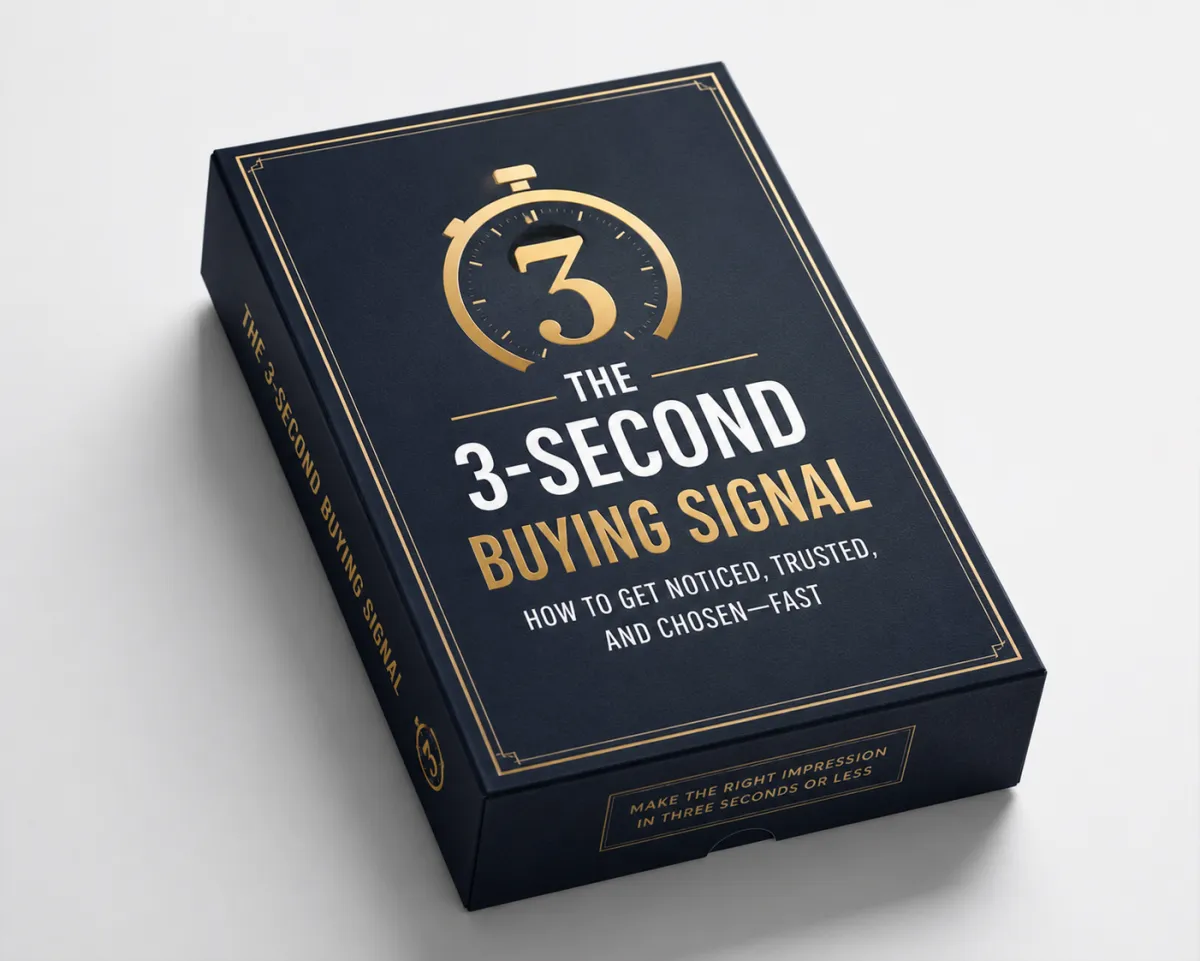
Picture six similar products lined up in a store lane. One carton is flat, pale, and thin, with creases that show through. Another package uses stronger stock, a tighter palette, and a finish that catches light in controlled bursts. The second package usually wins attention, even when both products score similarly on product specs. That is the practical edge of Branded Packaging for Product presentation: it reduces ambiguity into an early quality assumption.
The first contact with a product does two jobs at once. It frames the value offer, and it calms uncertainty. When confidence is low, a shopper may still buy, but with a smaller wallet and stronger readiness to doubt. If the same package reduces hesitation, it can lift full-price conversion and improve gift-worthiness. That makes Branded Packaging for Product presentation a margin driver, not just a styling choice. In categories where return rates are often in the 20% to 30% range, even a small confidence lift can matter more than a louder claim.
The psychology is straightforward, and often underestimated. Color sets emotional tone, contrast enables reading under imperfect light, shape hints at category and cost band, and texture signals whether care was invested. A matte soft-touch skincare carton and a glossy electronics box can both look premium, and both can still feel wrong if they do not match the product promise. The win comes from coherence, not from volume. That is why folding cartons, rigid boxes, and mailer boxes should each carry a different kind of authority instead of one generic visual formula. A package can be restrained and still feel expensive; it just has to be disciplined.
One system governs performance here: shelf visibility, ecommerce recognition, and unboxing perception. Shelf-facing graphics need bold distance readability. Mobile thumbnails need legible silhouettes. The opening motion and first reveal must feel intentional. When these moments align, branded Packaging for Product presentation behaves like a single commercial system instead of three disconnected assets.
Premium-looking packaging pays for itself when it lowers hesitation, damage, and returns, not when it merely appears expensive.
A practical question in buying committees is not “does it look good?” It is “does it sell the promise fast, and does it protect while it sells?” A package that answers both becomes an active revenue tool. A package that tries to do both and does neither becomes noise dressed in color.
The opening action is part of commercial performance too. An awkward flip, a stiff tab, or a jammed tear-open can quietly sabotage perceived value. A clean sequence can make a moderate-price SKU feel justified and worth trying. This effect repeats across custom printed boxes used for gifts, subscriptions, beauty launches, and accessories bundles, where the box itself becomes part of the product story. Done well, the opening almost feels like a reveal; done badly, it feels like homework.
How Do Buyers Read Branded Packaging for Product Presentation in Real Time?
Buyers do not consume packaging in neat, linear stages. They scan, compare, and narrow options in moments. In that compressed window, branded Packaging for Product presentation must answer practical questions quickly: What is it? Is it credible? Is it worth the price? Will it survive arrival? The strongest packages answer all of that before the hand reaches the box.
Front panels carry the headline decision. Product name, key benefit, and identity should lead the eye without forcing effort. The side faces and vertical edges can carry proof points such as size, material, certifications, or compatibility notes. Back panels should handle compliance, legal lines, barcode strategy, and deeper context. Broken hierarchy is what causes most packaging to feel vague. Correct hierarchy creates effortless readability and a premium impression even before unboxing.
Retail formats and ecommerce displays impose different visibility constraints. A physical shelf rewards width management, contrast, and recognition distance. An online listing rewards strong silhouette and low visual entropy. Gifts and subscription drops reward tactile and ceremonial cues as much as print clarity. The mark can stay consistent across all three moments, but the framing should shift to match each context. That is a good place to use one master identity and several packaging variants, not a single design forced to do every job.
Three checkpoints expose Packaging That Works versus decorative filler:
- Readability at distance: Can shoppers identify type and benefit in around two seconds from a normal viewing distance?
- Material honesty: Does the finish and stock align with category expectations and expected price point?
- Consistency: Are colors, marks, and claims coherent across carton, insert, label, and ship box?
Take the same product in two forms. Version A uses a plain tuck with a tiny symbol, one flat color, and little structural thought. Version B adds a stiffer board, cleaner top-line communication, a restrained accent, and a composed interior reveal. Neither changed product quality. Version B tends to score better on perceived value, especially in gift situations and among first-time buyers. That is how branded packaging for product presentation alters expectations before trial.
Trust erodes quickly when execution has small defects: a barcode shifted, a misspelled line, weak seal tension, or a random font style that feels improvised. Regulated categories make this more visible, but every category notices. When a package feels rushed, buyers often assume the product was rushed too, and that mental shortcut drives churn.
A launch plan that performs in one channel rarely performs identically in another. DTC shipping prioritizes stronger structure and controlled unboxing. Retail exposure demands immediate recognition and compliant visibility. Gift-ready SKUs need emotional and tactile cues. Branded packaging for product presentation can support all three, but it cannot be one generic master file copied without adaptation. The package has to be translated, not simply resized.
How Branded Packaging for Product Presentation Is Built
Production sequence determines perception, because each stage affects what arrives at the customer. Teams that wait until the last minute for print direction often lose both margin and credibility. Branded packaging for product presentation follows a dependable flow: brief, artwork, dieline, mock-up, prepress, print, die-cut, coating, assembly, quality control, and fulfillment prep. Skip one stage and the package may ship, but it usually ships with less commercial force than expected.
Material selection determines tone long before color. Kraft board suggests natural, grounded positioning and works well for restrained brands. Coated white board pushes sharper image fidelity and stronger front-of-shelf cues. Rigid board increases perceived value and suits premium gifting or collectible categories. Flexible formats reduce freight and storage burden. Hybrids can blend protection with lower weight. None of these is universally superior. The right answer maps to handling needs, print intent, and the narrative the package must carry. In many paperboard programs, teams often start with 250–350 gsm for folding cartons and 1,200–1,500 gsm board for rigid builds, then adjust after a prototype handling round.
Print and finish choices are where branded packaging for product presentation becomes tangible. Matte can communicate control. Gloss can drive visual saturation. Spot UV draws the eye to specific elements. Embossing and debossing create depth without adding more words. Foiling can help with premium cues, but too much of it ages quickly. Window cutouts can improve confidence by showing the product early, as long as the structure has enough strength around the opening. In beauty and wellness, a single well-placed finish often does more work than a crowded panel of claims. The finish carries much of the premium signal, much like stage lighting.
Digital and offset printing share the map, not one ruling the other. Digital helps with short runs, faster iteration, and localized variation. Offset rewards longer cycles with consistency and broader color control. Hybrid methods can compress time while retaining visible standards if the design plan includes them from the start. That is why mature teams treat branded packaging for product presentation as a manufacturing strategy, not merely a graphic exercise. It is closer to industrial planning than to a mood board.
Proofing tolerance
Proofing stops costly errors from multiplying. A first proof should validate size, fold geometry, barcode placement, and copy accuracy. A second proof should lock color direction, finish hierarchy, and structural inserts. The final proof should be judged against both an approved dieline and a physical sample, not a flattened PDF alone. In practice, tolerance windows around registration, line-screen, and color delta often decide whether a package feels premium or sloppy.
Tolerances look tiny, yet they carry expensive consequences. A logo shifted a few millimeters is often invisible on-screen but obvious on a production carton. Misplaced folds, bleed errors, and imperfect cut windows all become credibility failures at the shelf. Suppliers who cannot define acceptance limits are effectively passing risk to the buyer. A disciplined branded packaging for product presentation strategy treats these tolerances as non-negotiable, with clear acceptance rules from the start.
For teams moving quickly, pre-approved dielines and a curated material library are strategic assets. A proven structure shortens time in technical review and frees art decisions for hierarchy and differentiation. That is one reason Custom Packaging Products can help: not as a final answer, but as a practical way to compare structure and finish behavior before artwork hardens.
For transport performance, the ISTA transit test procedures offer practical language around compression, vibration, and drop stress before claims become incidents. If sustainability claims are central to the narrative, the FSC standard system can strengthen credibility beyond generic environmental phrasing. Those references are helpful, but they are not a substitute for actual line testing and supplier documentation.
For real launch examples of structure and channel adaptation, review how teams have applied these principles in our Case Studies.
Below is a directional view of common structures at roughly 5,000 units. These are planning references, not fixed quotes, and region, sheet size, color coverage, and vendor setup can move them up or down:
| Package Type | Typical Use | Approximate Per-Unit Range at About 5,000 Units | Strengths | Trade-Offs |
|---|---|---|---|---|
| Kraft folding carton | Natural, value-led retail packaging | $0.18-$0.32 | Low visual clutter, recyclable feel, good for simple branding | Less color pop, fewer premium cues |
| White coated folding carton | Beauty, wellness, consumer goods | $0.24-$0.45 | Sharp print, strong shelf presence, flexible graphics | Can show scuffs if finish is not chosen well |
| Rigid setup box | Giftable or luxury product packaging | $1.20-$3.50 | High perceived value, strong opening experience | Higher freight, storage, and assembly cost |
| Mailer box with insert | DTC shipping and unboxing | $0.65-$1.80 | Protective, reusable, good for ecommerce branding | Costs rise with custom inserts and print coverage |
Comparing options should not stop at aesthetics. The central question is whether branded packaging for product presentation supports brand intent, operational constraints, and margin targets simultaneously. In many launches, a clean custom printed carton with better structure outperforms more ornate alternatives that are expensive to run and difficult to ship. That outcome is common because the market rewards clarity more often than ornament.
Cost and Pricing: What Branded Packaging for Product Presentation Really Costs
People often freeze on unit price and ignore the fixed cost block behind it. Artwork build, tooling, sample iteration, and prepress all sit in the fixed layer. Variable costs add paper grade, coverage density, finish complexity, labor, freight, packing, and waste. branded packaging for product presentation can drop cost per unit as volume rises, while total spend still surprises teams that only monitor the final line.
A simple model keeps teams grounded. Total cost equals fixed cost plus variable unit cost times quantity, then adjusted for freight, quality control, and expected waste. A quote with $900 setup, a $0.72 variable cost, and an 8% waste buffer at 5,000 units is not the same as a smaller run with identical graphics. That arithmetic explains why planning discipline matters as much as design taste.
Complexity adds measurable expense. More colors require more production control. Special finishes add processing steps. Emboss, foil, and custom inserts can move a pack from practical to premium quickly, but the upgrade should match what the market will pay for. In some cases a 20 to 40-cent lift per unit can justify a 5 to 10-dollar retail increase. In other cases, buyers reject it and the spend never returns. The same logic applies to branded sleeves, spot varnish, and layered inserts, where each addition should earn its place.
Teams usually undercount hidden costs. Oversized parcels increase freight and warehousing burdens. Weak structures increase damage and returns. Last-minute copy edits can trigger tooling updates or reprints. A cheaper-looking sample can become the costly option in motion when failure rates rise. That is why branded packaging for product presentation must be analyzed against return behavior and fulfillment realities, not in isolation. A box that looks premium but ships badly can cost more than it saves.
Before a sample gets approved, gather these five numbers in writing:
- Total landed packaging cost, including freight and packing.
- Minimum order quantity and any overrun allowance.
- Change-ticket limits for artwork edits after proof approval.
- Quality control scope, including defect thresholds and color tolerances.
- Storage and fulfillment impact, especially for bulky formats.
This checklist looks procedural, and it is. It also aligns marketing, operations, and procurement around the same economics. That alignment reduces internal friction and avoids the “why is this so expensive?” surprise after launch.
Use a simple value test for each upgrade. If stronger branded packaging for product presentation reduces breakage by even 2% in a high-replacement category, the savings can outweigh the finish cost. A modest investment in perceived quality can preserve full-price purchase behavior and reduce discount dependency in ways that spreadsheet summaries often miss. The hard part is not proving that packaging matters; it is proving which upgrade matters enough to keep.
Process and Timeline: From Brief to Shelf-Ready Branded Packaging for Product Presentation
Packaging schedules do more than create calendars; they influence release windows, influencer drops, retail resets, and holiday demand. A practical path for a custom project often looks like this: one week for discovery, one to two weeks for design and structure sign-off, one week for prototype sampling, three to five days of proofing, five to fourteen days for production, and three to five days for fulfillment prep. Compliance-heavy categories and slow approvals can extend that path.
Speed is rarely about cutting steps. It comes from running tracks in parallel without losing control. Visual design can progress while legal review runs. Structural testing can validate while copy is refined. Pre-approved dielines create hard savings in days. A shared material library can create larger savings because design decisions are anchored in known behavior. Teams that treat branded packaging for product presentation as a coordinated sequence beat teams waiting on handoffs.
Bottlenecks nearly always come from unclear ownership. Marketing can prioritize visual identity, operations can prioritize damage prevention, and legal can prioritize claim compliance. Without a clear final decision rule, every checkpoint becomes debate. A practical process sets revision windows and a single final sign-off point; that structure keeps momentum alive. Nobody likes the meeting that keeps circling back because nobody knows who owns the last call.
A go/no-go checklist keeps the project moving and measurable:
- Concept locked: Visual direction and customer promise are approved.
- Dieline locked: Dimensions, folds, and insert geometry are fixed.
- Structural test passed: Handling and shipment simulation meet risk expectations.
- Color proof approved: Intended appearance is matched on approved samples.
- Final pre-ship sign-off: Quantity, labeling, and packing instructions are confirmed.
Multilingual packaging almost always extends timelines because each line carries legal and cultural risk. Sustainability documentation can also add time, especially for recycled content claims, chain-of-custody, or coating statements. Food and cosmetic categories introduce additional checks for formulation and ingredient presentation. In these settings, branded packaging for product presentation behaves as a regulated deliverable rather than a creative token.
A sample library helps teams scale cleaner launches. Approved structures become a reference catalog for merchandising and operations, so each new SKU does not restart structural problem-solving from scratch. Teams that adopt this discipline retain clearer brand systems while moving faster through seasonal cycles.
Returns reveal whether the structure worked. A package that reaches the customer crushed, split, or deformed often destroys the experience instantly, even if the contents survive. That mismatch can be difficult to explain to customers, and easy for them to feel. branded packaging for product presentation sits at the boundary of logistics, marketing, and quality, which is why one weak link can undermine the whole launch.
Common Mistakes That Undermine Branded Packaging for Product Presentation
Information overload is the top failure pattern. Teams keep adding claims to the front panel, then discover the message disappears behind clutter. Type size drops, hierarchy breaks, and the buyer cannot parse what matters. That is where branded packaging for product presentation fails hardest: when it cannot communicate fast.
Visual-first decisions without performance testing cause a second kind of damage. A beautiful render can hide board weakness, awkward closures, or fragile inserts. If even 3% to 5% of units require replacements, the apparent premium quickly turns into margin erosion. That is why packaging has to perform before it can impress. A package that looks ready for a photoshoot but fails in transit usually creates more work than revenue.
Color management errors quietly ruin trust. Screen output, proof output, and print output differ in predictable ways, but unmanaged drift creates confusion. Brand reds, blacks, metallics, and skin-tone photography reveal these shifts sooner than most teams expect. Retail buyers read shelf consistency like a scorecard. If a brand color shifts across print runs, planogram impact and shelf confidence both weaken.
Changing designs after tooling is expensive and risky. Small moves—window geometry, barcode position, fold line shifts—can trigger tooling updates, reproof cycles, or partial reprints. On short runs, those fixes can erase gains from quick approvals. Once the structure is approved, design changes should be disciplined and made for clear customer or compliance reasons.
Another frequent trap appears in fulfillment environments. A package that performs in a styled shoot can fail in motion through picking, packing, and transit. If the pack does not stack, corners crush, or inserts shift, the experience promised by design collapses. Only real-world handling reveals whether branded packaging for product presentation can sustain the claim it makes. That is the difference between a nice render and an asset that can survive contact with operations.
Use this release audit before approval:
- Brand fit: Does the appearance match pricing and audience expectations?
- Structural performance: Can it withstand shipping and storage without failure?
- Legal and compliance: Are claims, barcodes, and disclosures accurate and complete?
- Logistics fit: Can it be packed, stored, and shipped without wasteful handling?
- Quality control: Are inspection tolerances documented and enforced?
The audit sounds mechanical, but discipline here prevents expensive reputational damage. Good aesthetics catch eyes. Good systems keep the package from becoming a liability in mass.
Action Plan: Next Steps to Upgrade Your Branded Packaging for Product Presentation
If the current format underperforms, a complete redesign is rarely the first best move. Begin with the commercial objective: premium pricing support, gift desirability, damage reduction, or retail visibility. Then define required protection level, brand narrative, and operational constraints. The sequence matters because materials and finishes should follow strategy, not the reverse.
A practical upgrade route typically follows five moves:
- Write a one-page brief covering promise, audience, and fulfillment path.
- Shortlist two or three materials with different cost and tactile profiles.
- Compare side-by-side samples under identical lighting and viewing distance.
- Score each option on legibility, protection, shelf visibility, unboxing behavior, and total cost.
- Lock structural specs before polishing secondary graphics.
Four weeks can work for a focused sprint if approvals are kept strict. Week one defines brief and requests samples. Week two confirms design and structure. Week three handles proof and corrections. Week four secures final approval, production release, and fulfillment readiness. This cadence limits revision loops without sacrificing quality. For more reference points, review what has worked before in our Case Studies.
Testing does not need complexity to be useful. Capture shelf photos at expected distances. Record a phone unboxing to mimic real perception. Run drop and compression checks before mass launch. Review image quality on both mobile and desktop. These basic checks expose issues sooner than full market feedback does. They also show whether the package reads as a premium object or just another printed shell.
Track these KPIs on the first live production batch:
- Damage rate: monitor for measurable improvement over the previous package generation.
- Sample-to-sale uplift: compare conversion around packaging refresh windows.
- Return reason reduction: track shifts in “damaged on arrival” and “not as expected” complaints.
- Reorder readiness: verify that the process and supplier can scale without redesign.
If sustainability is part of the goal, keep promises measurable. Recyclable mono-material solutions, lighter board, fewer laminates, and verified sourcing can help materially. The story holds only if the package still survives real transit. Otherwise it becomes marketing language with little operational backing.
From a commercial perspective, the strongest payoff is not superficial polish. It is a measurable increase in confidence, fewer post-purchase frictions, and better unit economics. Those outcomes appear when design, structure, printing, and logistics all serve one objective. During the next launch review, branded packaging for product presentation remains one of the few levers that can influence shelf appeal, digital performance, and return rates at once.
For the next release, compare your existing pack against a cleaner structural build, a clearer opening flow, and a tighter information hierarchy. Those decisions usually outscore decorative micro-adjustments. branded packaging for product presentation is not decoration. It is an active selling system, and brands that run it this way gain trust, conversion, and repeat purchase much faster. If one change has to happen first, make it the hierarchy: say less, show the right thing sooner, and let the package prove the rest.
How do you calculate the true cost of branded packaging for product presentation before printing?
Use a total-cost frame: fixed setup and tooling plus variable material, print, finish, labor, QC, freight, and waste estimates multiplied by quantity. Collect at least three quotes using the same specification, because converters and packaging vendors allocate fixed charges differently. Add an 8% to 12% contingency whenever artwork and dieline are not fully frozen at sign-off.
What affects the final pricing of branded packaging for product presentation at small runs?
Small-volume projects are usually shaped by fixed cost pressure, so die-cut complexity, color count, and finish choices can dominate the unit figure. To hold pricing in check, simplify structure where possible, limit hard-to-match colors, and keep material families consistent across related SKUs. If premium feel is needed, request small incremental upgrades first and compare them against conversion impact before a full redesign.
What is a typical process and timeline for branded packaging for product presentation?
Most custom projects can land in a 2 to 4 week window when digital workflows and approvals are well synchronized. Offset-heavy production or compliance-heavy categories can move into 4 to 8 weeks due to extended checks. The major time benefit appears when one owner leads design, one owner drives operations, and one owner governs merchandising and compliance.
What are the most common mistakes that sabotage branded packaging for product presentation performance?
Weak hierarchy, unreadable copy, and structural stress points that break under transport are the biggest failure drivers. Avoid late churn by freezing measurements and structural specs before art finalization, because post-tooling changes are expensive and slow. Test one variable at a time—finish, material, or structure—to identify what truly improved the outcome.
Can branded packaging for product presentation stay sustainable without breaking the budget?
It can, when the brief uses recyclable mono-materials, simplified lamination, and restrained adhesive use. Teams often test lighter stocks against added protective inserts instead of assuming lower weight automatically means lower cost. Verify material claims through supplier documentation so the sustainability narrative stays credible in production and transport.