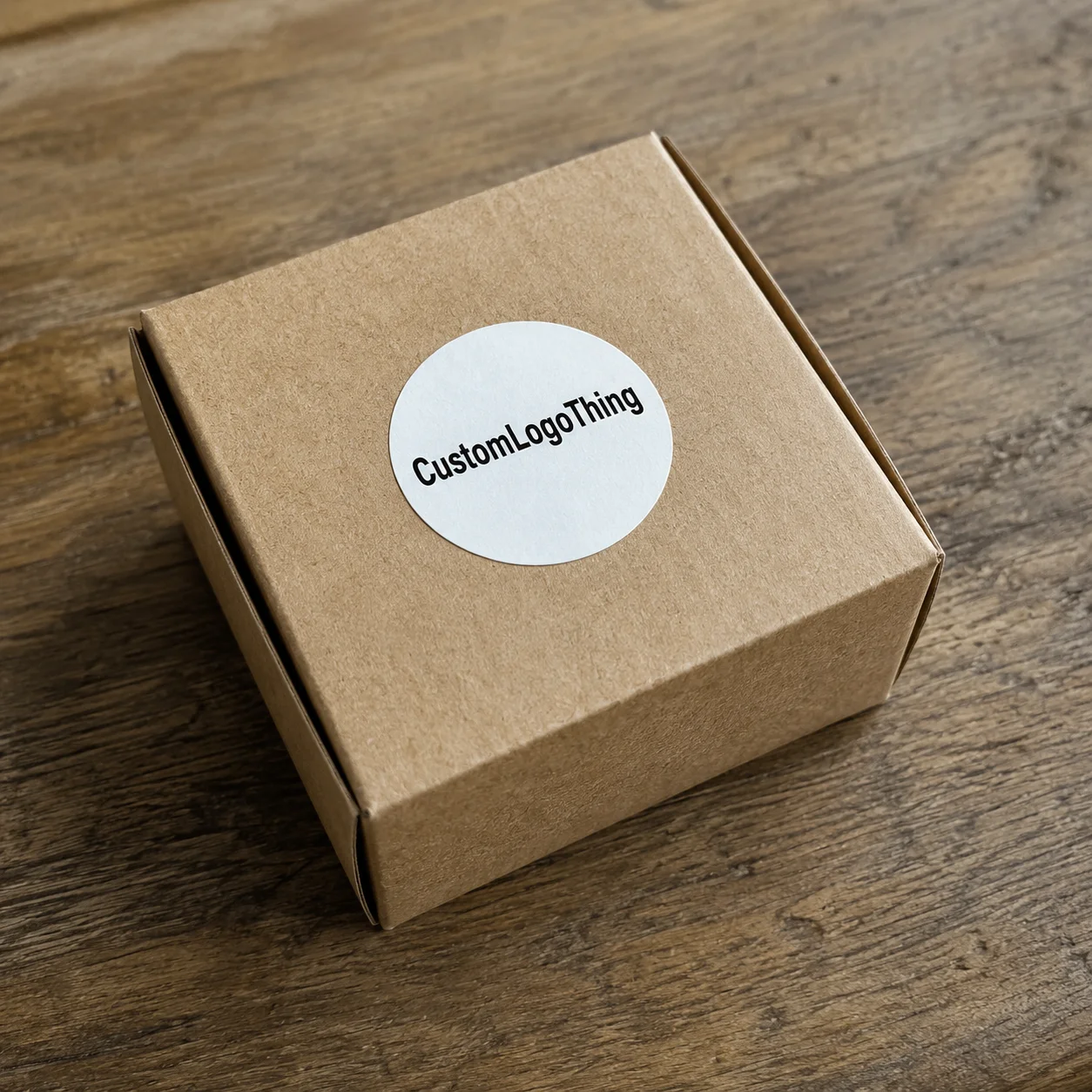
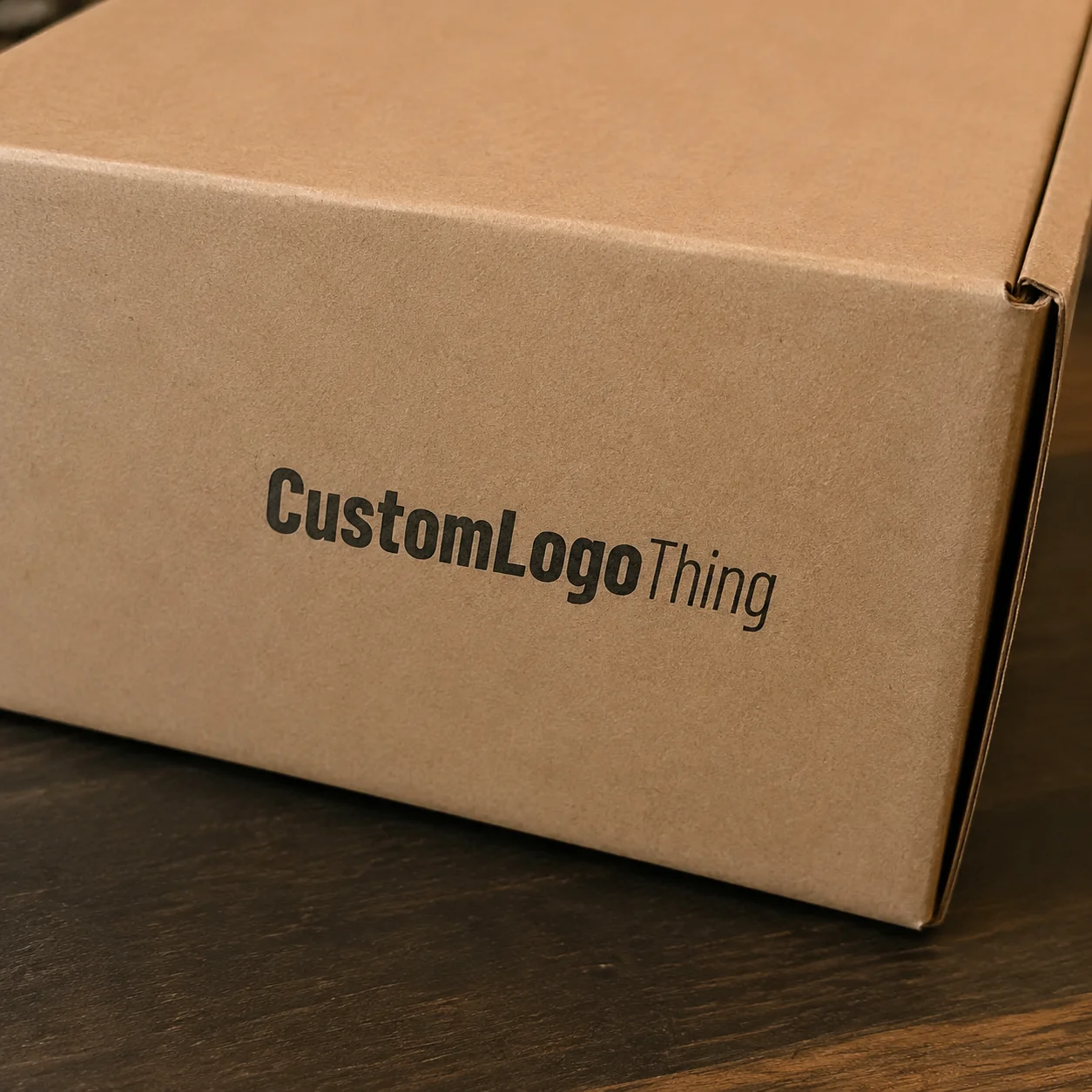
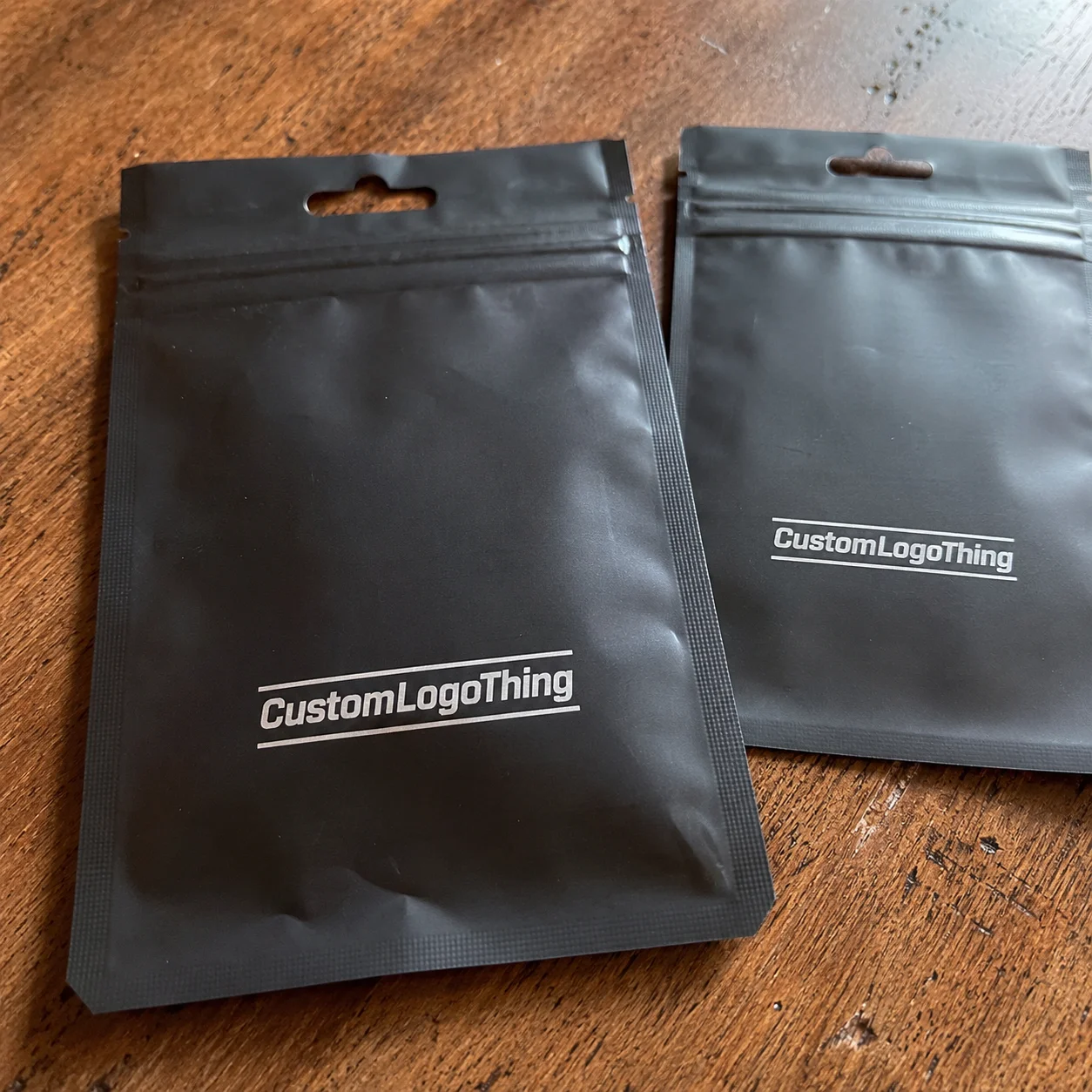
Buyer Fit Snapshot
| Best fit | personalized packaging for product launches bulk for packaging buyers comparing material specs, print proof, MOQ, unit cost, freight, and repeat-order risk where brand print, material, artwork control, and repeat-order consistency matter. |
|---|---|
| Quote inputs | Share finished size, material target, print colors, finish, packing count, annual reorder estimate, and delivery region. |
| Proofing check | Approve dieline scale, logo placement, barcode or warning zones, color tolerance, and any recyclable or compostable wording before bulk production. |
| Main risk | Vague material claims, crowded artwork, or missing packing details can create delays even when the unit price looks attractive. |
Fast answer: Personalized Packaging for Product Launches Bulk: MOQ, Samples, Lead Time, and Quote Checks should be specified like a repeatable production item. The safest quote includes material, print method, finish, artwork proof, carton packing, and reorder notes in one written spec.
What to confirm before approving the packaging proof
Check the product dimensions against the actual filled item, not only the sales mockup. Ask for tolerance on folds, seals, hang holes, label areas, and retail display edges. If the package carries a logo, QR code, warning copy, or legal claim, reserve that space before decorative graphics fill the panel.
How to compare quotes without losing quality
Compare board or film grade, print process, finish, sampling route, tooling charges, carton quantity, and freight assumptions side by side. A lower quote is only useful if the supplier can repeat the same color, closure quality, and packing count on the next order.
Personalized Packaging for Product launches bulk was never a theory exercise for me. It started on a humid evening in Longhua beside a corrugated press line, when a simple carton looked so ordinary I wondered if it even deserved to be in a launch conversation. Then someone opened it, checked the insert, and the atmosphere changed instantly. The buyer spun it, examined the die seam, and said the outside already did part of the convincing before the serum was exposed. That moment stayed with me: a box that costs a few cents can do the kind of strategic heavy lifting a huge promo deck cannot, if board, tolerances, and print are in harmony.
Here is the ugly truth teams underestimate: the box often acts as first salesperson before the product speaks. Retail teams in New Jersey, influencers in Los Angeles, and distributors in Rotterdam all meet packaging before the item itself. That shifts the first impression from storefront to loading dock, press table, or scanner gate. For personalized Packaging for Product launches bulk, that means brand meaning has to survive movement, timing pressure, and handoffs, not just photos.
In one recent launch plan, a plain carton flattened excitement in under ten seconds; a small, well-engineered mailer made an unknown label feel as if it had always been around. In launch logistics, visual maturity matters more than decoration, and consistency does the heavy work of credibility.
Compared with building separate retail cartons, press kits, and distributor shippers, personalized Packaging for Product launches bulk gives one visual system that can stretch across channels without forcing redesign fragmentation. It creates continuity from e-commerce to retail floor to B2B drop, and continuity is what stops people from feeling they are seeing three versions of the same brand. That is usually the thing operations cares about, because an inconsistent first impression quickly turns into an expensive loop of corrections.
On the practical side, bulk launch packaging smooths color and structural behavior across quantities like 500, 5,000, and 25,000 units. I have watched teams freeze while one missing art approval sat unresolved while finished stock sat in a warehouse outside Suzhou. On another job, a ready-to-run carton spec released three days earlier than expected and reduced chaos at receiving. A 5,000-piece run landing at $0.15 per unit often beats a $0.27 correction run because the freight window, not the sketchbook, is what kills most schedules.
That said, price pressure is only one reason. The bigger reason is that bulk execution protects team attention from being spent on avoidable rework. Once operations has a clear structure and a realistic timeline, the brand can stay focused on launch story instead of damage reports. That is why this topic keeps surfacing when teams think they are “done with packaging” and then discover they were never really done.
Why does personalized packaging for product launches bulk win attention?
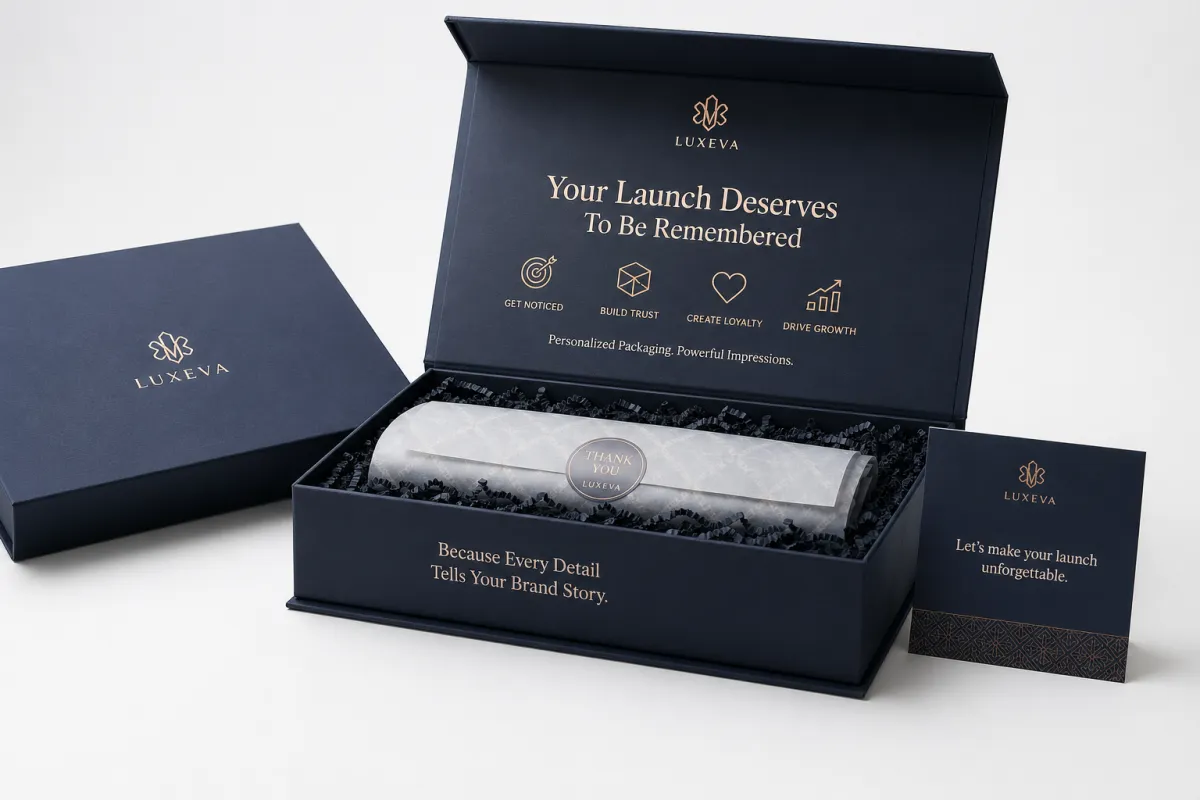
Personalized Packaging for Product Launches bulk is not just about looks. Launches are multi-owner systems where every team touches the same first contact point: packaging. Box size, print repeatability, closure behavior, and stack load all have to align during pallet build, not during final marketing edits in Manhattan. A fault in one area creates one shared weakness, and that weakness repeats across channels faster than anyone can correct it. I have seen months of product storytelling become irrelevant because the outer package looked rushed.
In one consumer-electronics program in Dongguan, everyone obsessed over color naming, tone families, and key visuals for two full weeks. The finished shipment still arrived in plain brown shippers with weak internal support and looked improvised on first handling. Same product, same core value proposition, but the outer package broadcast uncertainty. The team later switched to fully specified launch cartons with matching size, opening motion, and transit load behavior. The product was still good, but now the package stopped fighting the story.
Costs also favor a serious bulk approach much earlier than teams expect. A 3,000-unit order smooths prepress setup and die cutting overhead and usually opens practical upgrades that seem impossible at sample level. One fragrance launch I worked on moved from 2,500 to 5,000 units and dropped unit shell cost from $0.34 to $0.19, because the same tooling was amortized across more cartons. I remember the team laughing at the spreadsheet for a second, then realizing that “better” had become “cheaper” in the same lane.
Personalized Packaging for Product launches bulk also blocks channel drift. DTC punishes inner movement, retail punishes shelf readability, and media kits punish reveal sequence. One coordinated specification lets teams avoid three independent redesign cycles, each with separate proof dates, legal checks, and approval fatigue. If a launch touches Toronto, Berlin, and Singapore, one common carton architecture usually compresses reconciliation by days while keeping brand logic steady.
"The box was the proof point," one launch manager told me after a beverage rollout with 2,400 retail units. "The product was good, but the packaging made the sales team feel like the brand had already arrived."
That statement captures the practical reality. Personalized Packaging for Product launches bulk is not a decorative add-on. It reduces friction, protects inventory, and carries brand intent where people touch it first. If board grade and closure reliability are off, the market notices before your own internal checks do. You can often sense this difference immediately with a 350gsm C1S artboard and a precise 0.5 mm tuck compared with a cheaper thinner alternative.
For teams debating launch formats, I usually begin with our Custom Packaging Products family and then narrow by product dimensions and logistics reality. In all the projects where teams said “we’ll decide structure later,” delays followed because structure is not late-stage design; it is the launch backbone. A line already shipping in 20 x 12 x 4 inch cartons will almost always adapt faster than a team inventing a first-run footprint in week nine. And yes, this is kinda the difference between sounding prepared and being prepared.
Personalized packaging for product launches bulk: box types and formats
Format choice is where many launches quietly burn budget. One wrong structure can inflate freight, drag assembly, and still miss the shelf test, leaving teams to patch problems under pressure. In most launch programs, practical options come down to folding cartons, corrugated mailers, rigid presentation boxes, sleeves, inserts, and retail-ready kits, each with different appearance and mechanical behavior. The warehouse question is blunt and useful: “How many fit on a pallet?”
That question becomes financial reality quickly. In one program, a carton nesting 144 units per pallet layer in Ningbo saved roughly 18% on outbound freight versus a taller, less stackable design. For Personalized Packaging for Product launches bulk, this is why format is never just a creative decision. It is a logistics decision with marketing consequences, and the sooner teams accept that, the calmer procurement gets.
Folding cartons continue to lead for lightweight lines with stable handling. Cosmetics, accessories, supplements, and compact electronics often run well on 18 pt SBS or 24 pt CCNB with controlled thickness and stable offset print. They ship flat, stack predictably, and stay readable in point-of-sale conditions. It is rarely exciting packaging, which is exactly why it often works: consistency and repeatability win scale battles. A 24 pt carton with matte aqueous coating can hold through repeated shelf pulls in Miami, Phoenix, and Dallas with less corner whitening than thinner stock alternatives.
Corrugated mailers are usually the pragmatic choice when vibration, compression, or mixed handling is unavoidable. E-flute and B-flute structures with custom inserts absorb shocks better for heavy parcel routes where 40 to 60 pounds can stack across lower pallet zones. I have seen one program push for the cleaner light shipper in mockups and then spend the next week dealing with crushed corners and escalating carrier complaints. On comparable lanes, moving from light to stronger wall often shifts damage rates in meaningful ways.
Rigid presentation boxes sit at the higher-cost, higher-signal end for a reason. Magnetic or lift-off lids plus stronger lock geometry deliver immediate premium cues for press, gifting, and fragrance campaigns. They cost more, yet in categories where first-touch matters, that incremental cost can protect margin and press legitimacy. I have seen teams use a 1200gsm chipboard shell with printed wrap and soft-touch lamination and keep the perceived value high while still landing near target cost after supplier consolidation.
Inserts and sleeves often determine whether a launch feels like design theater or engineered execution. A proper insert controls movement and orientation; a sleeve can carry SKU-specific messaging without requiring a total structure change. I use the word “managed” a lot here, because it describes what works: packaging that performs under transport, not just under review. A die-cut paperboard insert can drop internal movement by a large margin versus loose fill, which changes opening confidence and lessens field complaints.
Which format fits which launch
If a SKU stays under roughly 12 oz and needs quick retail intake, folding cartons are frequently the fastest and cleanest path. Corrugated mailers usually prevail when parcel impact risk is higher or transit is unpredictable. VIP and press workflows generally need rigid packaging because the unboxing itself is part of brand communication. So format is route-first, not mood-board-first. A beauty line shipping from Suzhou to Paris by air has very different risks than a local Brooklyn media sample program, and pretending they are the same only creates avoidable rework.
Use the format matrix as an early decision tool, not a late reaction. In launch plans with uncertain inbound handling, conservative structure usually beats a “lighter and prettier” preference, because one failed pallet can create a full week of recovery work. No one likes that. A few teams I worked with adopted this logic early and avoided both cost creep and embarrassment.
| Format | Typical Use | Factory Ballpark at 5,000 Units | Notes |
|---|---|---|---|
| Folding carton | Retail SKUs, cosmetics, supplements | $0.18 to $0.42 per unit | Best for lightweight product packaging and flat-shipped volume |
| Corrugated mailer | DTC launches, media kits, sample sets | $0.62 to $1.25 per unit | Stronger transit protection with more exterior print area |
| Rigid presentation box | Premium reveals, VIP kits, executive gifts | $1.80 to $4.50 per unit | Higher perceived value, more hand assembly |
| Corrugated kit with insert | Multi-item launch bundles | $0.95 to $2.10 per unit | Good for personalized packaging for product launches bulk when items must stay fixed in transit |
The table above is directional, not a contract. Thickness, finishing, insert depth, and freight class can move price in both directions. Teams using these ranges as planning markers rather than fixed promises usually avoid shock revisions. I have lost count of programs where one overlooked board change increased total cost more than expected and wiped planned savings. Even a 4-point jump in board can matter at 10,000 pieces, even if it only means four to eight cents each.
If the launch repeats across distributors or regions, standardized dimensions and artwork templates make subsequent cycles faster. I often point teams to our Wholesale Programs page early, because the second campaign exposes operational friction the first campaign hides. A 300 x 220 x 80 mm template can often be translated across regions without full retooling, and that can be the difference between a calm quarter and a scramble quarter.
Material, print, and structural specifications
Material behavior decides whether Personalized Packaging for Product Launches bulk performs after shipment begins or fails in the first distribution wave. SBS, CCNB, kraft-lined corrugated, E-flute, B-flute, and rigid chipboard each respond differently to print and handling. SBS can hold crisp art detail; CCNB is often effective for practical interiors; corrugated still earns trust in repeated stacking and scanning environments. The difference rarely shows on a render. It shows when boxes are wedged, stacked, and moved by people who only have forty minutes to pack a lane.
Print method is less about branding taste and more about consistency. Digital is efficient when quantity is small or artwork is volatile. Offset gives tighter color repeat and line stability at larger scale. Flexographic remains practical for corrugated where run time and cost profile matter. In many production plans, mixed workflows make sense: offset where the brand-first surface matters most and digital or flexo for secondary pieces sharing the same file logic. That reduces the classic complaint of “my blue is different everywhere,” which still happens when production discipline is loose.
A practical print note: Pantone 286 C can stay within roughly 1.5 Delta E on controlled offset in good conditions; a rushed digital proof without calibration can drift further. The delta value is not marketing poetry—it is a direct reason your packaging might look brand-compliant in one city and off-tone in another.
Finish selection is equally technical. Matte varnish reduces glare and helps shelf legibility under fluorescent lighting, gloss can improve campaign photography, soft-touch supports premium feel, and spot UV directs eye movement to key graphics. Embossing and debossing can outperform broad color in tactile memory, especially when the unboxing rhythm depends on touch. A subtle emboss on a 24 pt carton can outperform a dense full-color look because it remains legible when opening speed rises and light is unpredictable.
Structural details to lock before quoting
Personalized packaging for product launches bulk starts with clean data: length, width, height, board caliper, closure style, insert depth, and packed weight. Those six numbers feel boring until one becomes a pallet problem. Too much side clearance invites vibration damage; too little causes compression pressure damage. A kit at 215 x 145 x 38 mm with a 2 mm cavity buffer behaves materially different from a same-style kit with 0.5 mm. I now ask these details before anything else.
Mechanical standards such as ISTA and ASTM drop guidance are not compliance theater—they are a common language for risk. They force conversations into measurable tolerances. I prefer quantifiable acceptance to enthusiasm as proof that structure is ready. A carton that clears an ISTA 3A-type load expectation at 17-inch corner drop gives procurement a lot more leverage in approval meetings than a beautiful one-off render.
One launch I observed failed a drop test because the cavity offered only 2 mm of side support. The correction turned an emergency reroute into a controlled schedule fix. Without physical testing, no one would have seen the issue, because it looked fine at sample review. Later, dropping the product 3 mm lower and tightening lid scores cut bounce and avoided an 8,000-unit reprint in a subsequent run. That is where structure and timing meet, and where teams usually pay for optimism.
Sustainability language should be locked early, ideally before artwork freeze. If FSC chain-of-custody language is required, request the exact certification wording and documentation during specification review. I have seen requests arriving late and adding two to four days of delay, enough to miss initial shelf windows. A correction in Rotterdam can trigger additional freight changes, so this is not a bureaucratic detail; it is part of execution quality.
The FSC portal remains the practical source for the right current language in most cases, but every market has extra claims and regional language rules. In one 5,000-piece program, a 48-hour hold happened because one sleeve sentence had to change after legal review, which cost less money than the extra stress but more than the lesson was worth.
Personalized packaging for product launches bulk wins when warehouse reality outranks visual ambition. A coating that powders, scratches, or marks during transit is not premium no matter how rich it looks on launch day. A balance of protection and clarity usually performs better than “more sheen” for routes with repeated handling. A matte, fingerprint-resistant finish on a 24 pt carton often survives three hubs better than high gloss when movement and humidity are real.
Pricing and MOQ for bulk launch packaging
Six levers usually shape unit cost for personalized packaging for product launches bulk: structure, board grade, print coverage, finishing, insert complexity, and quantity. Freight class is the wildcard, especially for corrugated where board and fill changes can shift class faster than expected. Without specification detail, quoted ranges become broad and teams get trapped by revisions.
For example, a 5,000-piece folding carton from Dongguan may sit near $0.15 to $0.24 per unit, while a similar art direction in rigid form can run much closer to $2.10 before freight. The gap is why early spec discipline is essential. Finance teams are rightfully skeptical; giving them exact structure and assumptions is the only way to win approval without surprises.
MOQ also follows process. Digital tends to handle smaller batches cleanly, while offset and advanced die-cut configurations are economically better once setup cost is spread over higher volumes. In repeated programs, a 1,000-piece pilot reveals technical risk, while 5,000 usually offers better per-unit predictability for multi-channel use. That middle zone is often the sweet spot: enough scale to stabilize cost, not so much that a first-pass defect becomes a major incident.
I once reviewed a 2,000-piece proposal for rigid boxes with foil, embossing, and soft-touch. The visual quality was strong, but hidden costs pushed landed price 28% over initial intent. Simplifying foil area, reducing insert complexity, and balancing lamination kept the identity while removing margin drag. The final result felt premium and was materially safer to scale. On most launches, preserving function and timing beats adding one more decorative layer.
Where cost efficiency usually appears, these themes recur:
- Reduce non-visible print area by 30% to 50% and keep ink where the eye and camera actually need it.
- Use normalized cavity geometry so one insert architecture supports multiple SKUs.
- Pick matte aqueous coatings when high friction, humidity, and finger handling are expected.
- Use premium visual effects selectively and preserve budget for closure reliability and structural consistency.
- Stay in volume bands near 3,000 to 5,000 for better tooling amortization and less cost variance.
A useful quote should split cost into shell, insert, print, finishing, labor, and freight. When teams can see each layer, assumptions become visible and decisions get easier. If an insert adds $0.07 but lowers estimated damage from 2.8% to something lower, that tradeoff is usually easy to defend.
Pricing remains directional until final artwork and destination profile are confirmed, and that is a trust boundary teams should state up front. I prefer no hidden contingencies in launch planning: transparency is often the only way to keep momentum when procurement is reviewing with legal, marketing, and logistics at once. For recurring campaigns, planning across multiple launches through Wholesale Programs usually cuts repetition in both artwork and tooling by 15% to 20% once the base spec is stable.
Production process and timeline from proof to pallet
For personalized packaging for-product-launches bulk, the workflow works best when it stays disciplined: intake, structural check, dieline, proof, material lock, production, finishing, kitting, pallet build, and release. Skip or swap steps, and you are usually buying rework. A small proof delay can cascade across material, press, and dock slots quickly. I have seen one 36-hour hold on approvals become a 7-day storage penalty with no one in control of the delay source.
Files that are production-ready speed the clock. Vector art with accurate Pantone references and finish notes supports a digital carton run in around 12 to 15 business days once proof approval is final. Rigid structures with magnets or multi-part inserts usually move in 18 to 28 business days, largely depending on response speed and change control. The fastest projects are typically not the polished ones; they are the ones where the team responds quickly and clearly. A producer in Dongguan can only solve what is provided, and unresolved files are deadweight.
Prototype evaluation is where assumptions fall apart. In one skincare launch, a short shift of 2 mm and a 1 mm widening in cavity width solved lid impact risk after shake simulation. The fix cost little because it happened early; making that change after full production would have been expensive and public. A 1.2-meter drop and 90-minute vibration profile are hard truths nobody can fake through render files.
Freight planning needs to be in the production conversation from day one. Pallet split patterns, destination constraints, and liftgate requirements are not “logistics footnotes,” they are part of production scope. When a first pallet miss arrives by 24 hours, campaign sequencing starts to unravel fast. Trying to “just make it work” at that point usually adds cost and schedule risk; planning it correctly from the start usually avoids that trap.
"The samples made the difference," a brand manager told me after a supplement rollout. "When insert fit and pallet counts lined up with the warehouse window, everything from approval to delivery moved more calmly."
That calm is the real performance bar. Personalized packaging for product launches bulk should reduce operational ambiguity by resolving structure and timing before production starts. A 14-business-day carton schedule is useful only if proof is approved early; if it arrives on day six, the calendar no longer helps. Predictability is the product people buy when they ask for launch packaging and not “artwork favors.”
Why choose Custom Logo Things for bulk launch packaging
Custom Logo Things is set up for repeatable execution where launch teams need dependable outcomes at scale. Conversion, carton production, rigid build, and insert fabrication in one rhythm lowers revision loops and keeps standards stable from first unit to 10,000th unit. I have worked with suppliers that impress in render quality but stumble in sequence stability; that mismatch hurts launches more than color drift does.
In practical terms, what matters is precision in what you cannot see in concept stage: registration consistency within 0.5 mm, die cut durability at fold points, and coatings that hold through stacked movement. These are unromantic details, but they directly determine whether a launch is still alive by the time it reaches the shelf or a warehouse bay. A carton surviving humid storage without edge curl in Shenzhen says more about execution than a perfectly lit mockup shot.
Clients often begin with premium finishes and later discover that structure, speed, and labor burden matter more under live conditions. A precise 24 pt carton with a tuned insert can outproduce a heavily ornamented rigid option if shipping velocity is the real constraint. I am not anti-premium; I am just not willing to confuse premium appearance with premium logistics.
What you should expect from the floor
A mature partner should provide dieline support, color reviews, mockup checkpoints, and preflight controls before production starts. At 10,000-plus units, defects become visible in aggregate and quality variance becomes both a brand and cost event. When preflight catches a misaligned bleed before plate output, teams usually recover schedule and budget at the same time. It is not glamorous, but it is why reliable suppliers get repeated work.
Material guidance should be practical and specific. Dense products often need heavier board or alternate closures, while lighter launches can use lighter substrate to protect freight economics. Coating choices should match handling: soft-touch for premium unboxing programs, matte for high-contact retail routes. I have seen a 1200gsm rigid board be perfect for hand-delivered VIP kits in Los Angeles, yet inefficient for a 40,000-piece shelf program passing through multiple wholesalers.
Here is the practical checklist I keep seeing work:
- Repeatable execution for campaign scale and replenishment cycles.
- Channel-capable packaging across retail, DTC, and press routes.
- Engineering feedback on inserts, closure geometry, and compression behavior before approval lock.
- Clear communication around proofs, pallet targets, and freight windows.
- Quality decisions that protect premium intent without turning cost into a runaway variable.
When teams want scale and cost discipline, the partner matters more than the concept. For personalized packaging for product launches bulk, execution quality at each sheet, cut, and fold is what keeps momentum from collapsing. A carton leaving Shenzhen at dawn and landing in Chicago two weeks later has to be built for that journey, not for the showroom.
Next steps for ordering personalized packaging for product launches bulk
The fastest way to get an accurate quote is still a simple discipline: share real numbers up front. Include exact product dimensions, target quantity, required channels, and ship-to timing linked to receiving windows. “Premium, maybe blue” is too open-ended for production teams and usually creates avoidable delay. A clear brief with 148 x 92 x 38 mm dimensions, 5,000 units, and a firm date gives everyone a place to start.
Artwork prep should follow production logic, not just graphic style. Vector files, confirmed color references, legal text, and clear finish notes reduce proof cycles. Special finishes and interior graphics should be labeled by layer, including foil and spot UV instructions, so the proof team can check quickly. Guessing at proof time is expensive, even when intentions are good.
Before scale, run one controlled proof sequence. A short pilot reveals closure behavior, insert clearance, and finish readability under practical light. Correcting structure at pilot stage usually costs little compared with full-quantity changes. A 200-piece run at about $0.35 per unit can prevent reprint exposure that quickly crosses $2,800 in many real programs, and no one enjoys explaining that later.
Use this sequence to keep teams aligned and avoid avoidable slippage:
- Review dieline and confirm closure architecture.
- Approve board type, structure, and finish performance.
- Clear proofs with final color, text, and placement checks.
- Lock freight plan, destination limits, and pallet allocation.
- Release production only after cross-functional approval is complete.
Once date certainty is set, the path becomes operationally straightforward: request dieline, lock quote structure, secure the production calendar, and keep the review loop tight for personalized packaging for product launches bulk. It is not glamorous work, but it is the kind that prevents launch turbulence. A schedule with proof approval on Monday and pallet release by week three has a real chance of hitting launch windows.
Personalized packaging for product launches bulk is not just a wrapper. It is risk management, brand continuity, and delivery reliability in one system. I have seen enough launches to say this plainly: packaging either helps the product arrive with authority, or it quietly undermines it at every handoff. If your launch can survive from carton to first unbox without surprises, you are not done with marketing—you are finally done with preventable chaos.
How much personalized packaging for product launches bulk should I order?
Base quantity on channel mix, not only on forecasted sales. Retail sell-in, media kits, distributor samples, and reserve stock all need separate allocation, and the final pile is usually larger than expected. I usually recommend adding 5% to 10% for sample pulls, handling variation, and late requests, especially on multi-shipment launches. In one campaign, a team planning 4,600 retail units plus 240 press kits did better with a 5,000- to 5,500-unit order than an “exact” 4,840-unit run because it protected momentum when rework and sampling happened. This is one of those practical spots where a little margin in volume saves big headaches later.
What is the fastest turnaround for bulk launch packaging?
Turnaround depends on artwork completeness, structural complexity, and production method. A clean digital run with approved dieline can move in about 12 to 15 business days, while rigid jobs with magnets, multi-part inserts, or specialty finishes usually need 18 to 28 business days. Clean files are everything. A Guangdong facility completed a 3,000-unit carton run in 13 business days when proofs were stable; the same job expanded to roughly 18 days after multiple proof changes. Freight planning has to be built in early, otherwise schedule claims become theoretical.
Which materials work best for personalized packaging for product launches bulk?
Start with product behavior and route risk. Folding carton board is usually best for lighter items and higher shelf frequency. Corrugated is stronger when stacking and carrier handling are severe. Rigid board makes sense for premium reveal-driven launches, especially when handling and retention are critical. You want durability and stack strength to dominate when distance, compression, and multiple touchpoints are part of the route.
That is not a hard rule, and this is where practical testing helps. A 350gsm C1S carton can work perfectly for a 6 oz cosmetics item, while a B-flute shipper might be the better compromise for a multi-point route. If the product has to survive mixed carriers, pick the structure for the route first.
Can I add custom inserts and still keep bulk pricing under control?
Yes, if insert design is standardized around one cavity architecture and stays tooling-efficient. Paperboard and simple corrugated inserts usually scale better than complicated multi-part systems that increase defects and setup. The biggest savings comes from matching insert geometry to exact product shape before pricing starts. When fit is stable, an $0.06 paperboard insert can replace a $0.22 molded variant in many contexts without harming brand performance.
What artwork files do you need for personalized packaging for product launches bulk?
Send editable vector files whenever possible, plus logo usage rules, color callouts, legal/ regulatory copy, and any finish notes. If interior print or special effects are included, label those layers clearly for proof control. Missing layer labels are a known source of delays, and in fast timelines, that delay compounds quickly. A clean file set with Pantone references, 0.125-inch bleed, and separated layers for foil or UV effects helps press and approval teams move faster in factories in Shenzhen or Dongguan.