Buyer Fit Snapshot
| Best fit | branded packaging for subscription boxes buyer review for packaging buyers comparing material specs, print proof, MOQ, unit cost, freight, and repeat-order risk where brand print, material, artwork control, and repeat-order consistency matter. |
|---|---|
| Quote inputs | Share finished size, material target, print colors, finish, packing count, annual reorder estimate, and delivery region. |
| Proofing check | Approve dieline scale, logo placement, barcode or warning zones, color tolerance, and any recyclable or compostable wording before bulk production. |
| Main risk | Vague material claims, crowded artwork, or missing packing details can create delays even when the unit price looks attractive. |
Fast answer: Branded Packaging for Subscription Boxes Buyer Review: Dieline, Finish, Proof, and Buyer Review should be specified like a repeatable production item. The safest quote includes material, print method, finish, artwork proof, carton packing, and reorder notes in one written spec.
What to confirm before approving the packaging proof
Check the product dimensions against the actual filled item, not only the sales mockup. Ask for tolerance on folds, seals, hang holes, label areas, and retail display edges. If the package carries a logo, QR code, warning copy, or legal claim, reserve that space before decorative graphics fill the panel.
How to compare quotes without losing quality
Compare board or film grade, print process, finish, sampling route, tooling charges, carton quantity, and freight assumptions side by side. A lower quote is only useful if the supplier can repeat the same color, closure quality, and packing count on the next order.
Branded Packaging for Subscription boxes carries more weight than many teams want to admit. It ships the product, repeats the brand message, and shapes the first physical impression every month. A box that looks careless makes the whole offer feel careless. A box that looks intentional changes the tone before the lid is even lifted. That is why branded Packaging for Subscription Boxes deserves real planning, not a rushed file and a hopeful sign-off.
Most brands start with the wrong question. "How do we make it look premium?" sounds useful, but it skips the harder part. A better question is: "How do we make branded Packaging for Subscription boxes protect the product, fit the budget, and still feel worth opening?" That is the job. Visual polish matters, but only if the structure survives shipping and the numbers still work. Custom Printed Boxes, corrugated mailer boxes, and the unboxing experience all have to pull in the same direction.
What Branded Packaging for Subscription Boxes Really Is
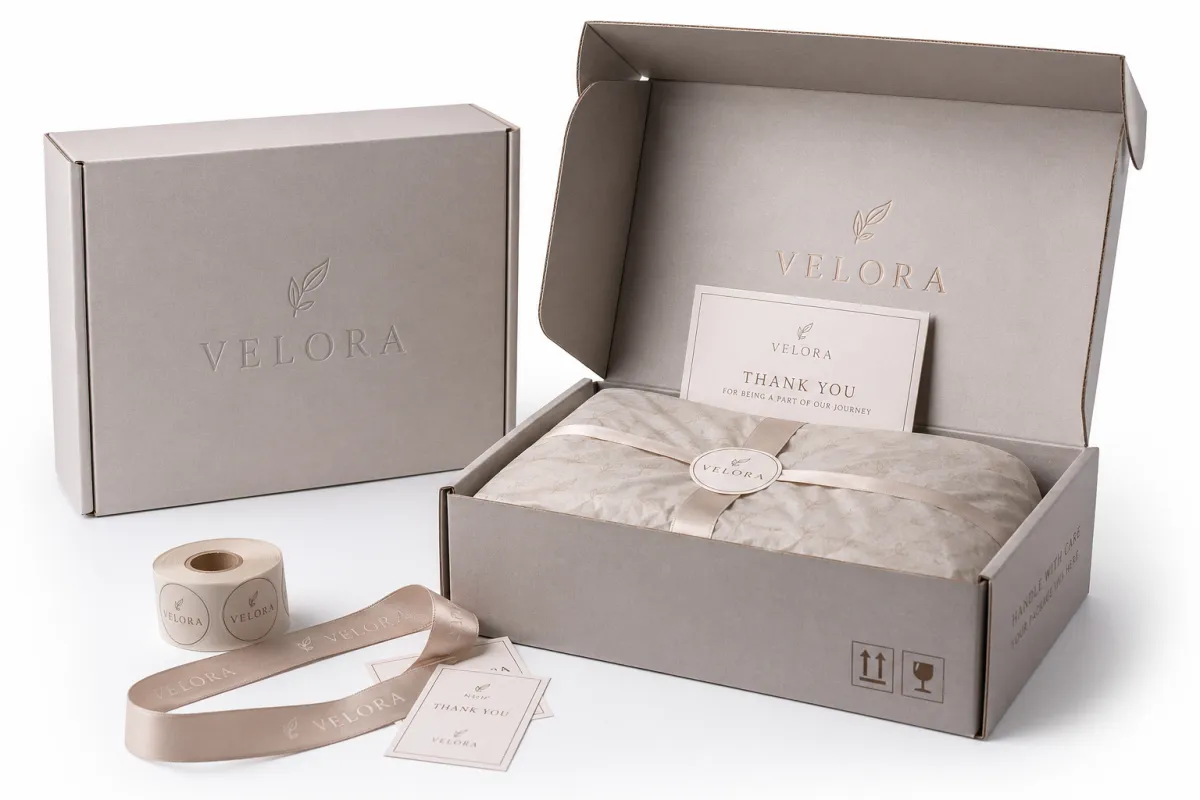
Subscription packaging is repeated advertising with fingerprints on it. Customers see it again and again, which means it can either fade into the background or become part of the habit they associate with your brand. Plain packaging teaches indifference. Branded Packaging for Subscription boxes works best when it creates a small ritual, something the customer recognizes before they have even touched the product.
Branded packaging for subscription boxes is the whole system, not just the printed outer shell. It includes the mailer or shipping box, internal protection, labels, inserts, tissue, printed messaging, and the order in which everything appears once the package opens. Sequence matters. It is the difference between a box that feels assembled and a box that feels accidental. The best Subscription Box Packaging behaves like a script: every layer has a purpose, and nothing shows up by accident.
A strong package on a screen can still fail in the real world. Warehouses move fast, carriers are rough, and customers do not forgive dents or crushed corners. Real branded packaging for subscription boxes has to pack quickly, fit the product load, hold up in transit, and still look clean after the journey. Structure comes before finish because structure is what keeps the whole thing from falling apart.
Small brands can still look expensive without chasing a dozen effects. They need consistency more than spectacle. Matching color choices, stable typography, deliberate logo placement, and a format that fits the product can do more for perception than a pile of print upgrades. In branded packaging for subscription boxes, repetition often reads as confidence.
Think of it this way: packaging is not one object. It is a system that affects expectation, shipping damage, labor time, and repeat purchase behavior. If that system feels loose, the customer feels it. If it feels disciplined, the customer rarely talks about board weight or print coverage. They just keep the subscription.
From a buyer's perspective, the challenge is narrow and tricky at the same time. The box has to look good, protect the contents, and avoid eating too much margin. That balancing act is the real center of branded packaging for subscription boxes.
I have seen teams spend weeks debating foil colors and then discover the insert lets the product slide around like loose change in a pocket. That kind of miss is expensive, and it is also avoidable. The physical build has to earn its keep before any finish gets a vote.
If you want a sense of what can be built into a branded system, browse Custom Packaging Products. For examples of how packaging choices perform in actual projects, the Case Studies page gives a clearer picture than any render.
How Branded Packaging for Subscription Boxes Works
Branded packaging for subscription boxes begins with the product, not the artwork. Start with dimensions, fill weight, fragility, and any odd shapes that need support. Then choose the box style, insert plan, and print method. Only after those decisions does the visual concept make sense. Skip that order, and you get a beautiful box that does not fit the contents.
The unboxing sequence works like choreography. The lid opens. A message appears. Tissue comes off. The insert lifts. The product reveals itself. Each step either strengthens the brand or makes the experience feel random. Good branded packaging for subscription boxes uses that sequence with intent, not guesswork. It is the difference between a tidy reveal and a package that feels like a warehouse assembly line left half-finished.
The practical workflow usually follows this path:
- Dieline - confirm the structure and exact dimensions.
- Artwork - place brand graphics on the correct print template.
- Proofing - check bleeds, folds, copy, and print placement.
- Sampling - review a physical prototype with real product.
- Production - run the approved quantity with quality checks.
- Kitting and pack-out - test assembly speed and filling flow.
The sequence looks plain because it is plain. Plain is useful. It means the warehouse can move through the box without friction and the customer gets a package that arrives intact. In branded packaging for subscription boxes, the glamorous part gets the attention, but assembly time and fulfillment setup usually decide whether the project stays profitable.
Most failures happen where digital thinking meets physical reality. A design can look elegant on a laptop and still collapse when a product shifts in transit, tissue wrinkles, or tape catches on a flap. Prototypes expose those problems fast. If the product rattles, the customer hears it. If the insert is too tight, the packer feels it long before the buyer does.
There is another layer that gets missed too often: branded packaging for subscription boxes is also an operations decision. More complicated pack-outs slow the line. Slower packing increases labor cost. A design that saves a few cents on board can create a larger cost on the floor. That tradeoff hides in plain sight because it does not show up in the mockup.
For monthly or seasonal programs, consistency matters a great deal. Customers should recognize the same package language from one shipment to the next, even when the contents change. That kind of repetition builds memory. It also explains why many subscription businesses keep the outer structure stable and vary inserts, sleeves, or internal messaging instead of redesigning the entire format every cycle.
What Makes Branded Packaging for Subscription Boxes Effective?
Effective branded packaging for subscription boxes does three things at once: it protects the product, supports the brand, and keeps fulfillment from turning into a bottleneck. If one of those pieces fails, the whole system feels weaker. That is why the best boxes are rarely the most complicated ones. They are the ones that balance presentation with practical handling.
The quickest way to judge a concept is to ask whether it still works after a carrier has handled it twice and a warehouse team has packed it a hundred times. If the answer is yes, the structure is probably sound. If not, the brand may be paying for decoration that cannot survive the route to the customer.
Another reason branded packaging for subscription boxes performs well is consistency. The customer learns what to expect, and that expectation becomes part of the subscription value. A repeatable structure with controlled visual cues can feel more premium than a different design every month. Familiarity is a quiet kind of luxury.
There is also the matter of memory. A box that arrives with the same color rhythm, the same opening logic, and the same internal hierarchy trains the customer faster than a design that reinvents itself every cycle. I have watched subscription brands chase novelty and accidentally erase recognition. The better move is usually steadier than that.
The Key Factors That Shape Subscription Box Packaging
Structure comes first. That rule solves a lot of bad packaging decisions before they start. The main formats for branded packaging for subscription boxes include corrugated mailer boxes, folding cartons, rigid boxes, and custom insert systems. Each one solves a different problem. None of them is magic.
Mailer boxes fit cases where shipping protection matters most. They are familiar, efficient, and easy to stack in fulfillment. Rigid boxes create a more premium presentation, but they weigh more and usually cost more. Folding cartons are lighter and often fit internal retail packaging or nested product sets. Corrugate usually handles rough shipping conditions better than lighter formats. Fragile or irregular products often need a custom insert system because a standard box cannot hold them properly.
Print and finish choices matter too, though they should support the structure instead of competing with it. A one-color print can feel smart and controlled. Full-color digital print makes sense for smaller runs or frequent changes. Offset printing fits higher volumes where repeatability matters. Foil, embossing, matte lamination, and soft-touch each have a place, but only when they actually fit the brand direction. Otherwise the budget disappears into decoration that adds noise rather than value.
Material choice is where tradeoffs stop being theoretical. Cost, durability, sustainability, and perceived value do not always point in the same direction. Kraft board can feel honest and natural, while SBS often prints with sharper color. Recycled corrugate supports waste-reduction goals, though it may not look as polished as coated board. If FSC-certified paperboard matters to your brand, specify it early and make sure the whole structure supports it. If less waste is the goal, avoid decorative extras that undermine the point.
Standards help here. Brands that want a better framework can review packaging guidance from Packaging Corporation resources and shipping test standards from ISTA. Shipping simulation is not glamorous. It is still cheaper than replacing damaged inventory.
Customer experience is the last filter. Easy opening matters. Product protection matters. So does the way the box looks after it has been handled by a carrier. A package that tears during opening or arrives dented kills the moment. A box that opens cleanly and reveals a tidy interior makes branded packaging for subscription boxes feel more expensive, even with simple materials. In many cases, the inside matters more than the outside print.
Here is a practical comparison that narrows the field:
| Packaging option | Typical use | Approx. cost range per unit | Strength | Brand impression |
|---|---|---|---|---|
| Corrugated mailer box | Standard subscription shipments | $0.45-$1.20 | High | Clean, practical, versatile |
| Folding carton | Inner retail packaging or light items | $0.18-$0.75 | Medium | Light, polished, efficient |
| Rigid box | Premium gifting or high-value sets | $2.50-$8.00+ | Very high | Luxury, heavy, memorable |
| Mailer with custom insert | Fragile or multi-item kits | $0.85-$2.50 | High | Structured, intentional, controlled |
Those numbers are starting points, not rules carved into stone. They shift with quantity, print coverage, board grade, and freight. Even so, they are much more useful than the usual vague answer that says nothing and helps nobody budget branded packaging for subscription boxes.
Branded Packaging for Subscription Boxes: Cost and Pricing
Cost comes up early for a reason. Branded packaging for subscription boxes can stay affordable or climb fast enough to make everyone wince. The invoice depends on a stack of variables that all hit at once.
Box style, board grade, print coverage, special finishes, inserts, quantity, and shipping weight drive the price. A simple printed mailer at scale can stay modest. A rigid setup with magnets, foam, foil, and custom inserts can add several dollars per unit without much effort. That is not a design flaw. It is manufacturing.
Short runs cost more per unit because setup charges get spread across fewer pieces. That is why the first 500 boxes often look expensive while the 10,000-unit quote looks much healthier. If you are pricing branded packaging for subscription boxes, ask for tiered pricing at several quantities. One number tells you very little.
Here is a practical view of common pricing logic:
- Simple printed mailer - low-to-moderate unit cost, best for volume and speed.
- Custom insert system - adds cost but can reduce damage and improve presentation.
- Special finishes - foil, embossing, and soft-touch usually raise cost faster than expected.
- Rigid packaging - premium impression, premium price, higher freight and storage impact.
- Complex artwork coverage - heavy ink coverage or multiple print stations can raise setup and production costs.
Hidden costs quietly damage budgets. Samples cost money. Freight costs money. Storage costs money. Rework costs money. If artwork changes after proof approval, the bill gets worse. If dimensions shift late, that can trigger a new sample cycle and new setup fees. One of the least glamorous parts of branded packaging for subscription boxes is also one of the most important: lock the specs before the design gets too far.
Freight is often the surprise villain. Large boxes may be cheap per unit and still expensive to move because they take up space. If you are shipping product and packaging together, a bulky format can change landed cost in a hurry. That is the point where packaging design and logistics stop acting like separate departments.
Another assumption deserves a second look: premium packaging is not automatically profitable packaging. A better box can raise retention, gifting appeal, and social sharing, but only if the economics of the subscription support it. If the box increases packaging cost by $1.80 and does nothing for repeat rate, it is not a smart move. It is a costlier habit.
To judge branded packaging for subscription boxes properly, build a simple cost sheet with these line items:
- Unit price by quantity tier.
- Setup or tooling charges.
- Sample and proof costs.
- Freight to warehouse or kitting site.
- Storage fees if inventory sits.
- Assembly labor for pack-out.
- Replacement or reprint risk allowance.
That sheet tells the truth faster than a polished quote. It also keeps the team honest when the design starts drifting toward luxury territory without a matching margin. People can get carried away here, kinda fast, so the math has to stay visible.
Step-by-Step Process for Launching the Packaging
The cleanest way to launch branded packaging for subscription boxes is to treat it like a production project, not a creative guess. Start with a packaging brief. Write down product dimensions, fill weight, target cost, brand feel, shipping method, and the number of items in each box. That brief prevents expensive confusion later.
Move into structural design and sampling before artwork. That order saves time and money because the box dimensions control nearly everything else. Changing the size after the design is approved creates extra work for everyone involved and stretches lead times for no good reason. In package branding, structure mistakes are harder to recover from than color mistakes.
Once the sample arrives, test it like a real shipment. Check drop resistance, fit, assembly speed, and opening experience. Does the insert hold the product in place? Does the lid close without bulging? Does the box still look premium after a few scuffs? A render will not answer those questions. A physical sample will.
Then run a fulfillment trial. That step gets skipped too often. A box can look beautiful and still be awkward to pack. If the team has to fight the structure every day, labor cost rises and morale dips. For recurring subscription programs, assembly speed becomes part of the business model, not just an internal detail.
What to test before you approve production
Real-world testing keeps branded packaging for subscription boxes from becoming a pretty failure. I would test these five things at minimum:
- Drop and crush resistance - make sure the structure holds under normal shipping abuse.
- Product fit - confirm nothing shifts, rattles, or rubs.
- Openability - verify the customer can open it without tools or frustration.
- Assembly speed - time the pack-out with the actual warehouse team.
- Visual consistency - check print alignment, color, and finish under normal light.
If your brand ships more than one product variation, test the worst-case configuration, not the easiest one. That is where packaging failures usually show up.
At the approval stage, ask for written confirmation of board specs, finish details, insert dimensions, and approved artwork files. That sounds tedious because it is tedious. It is also how you avoid the classic "we thought the matte finish was included" conversation after the order is already running. For more examples of how production decisions play out, the Case Studies page is worth a look.
When the first production lot lands, inspect it before everything goes into the warehouse. Check for print variation, crushed corners, glue issues, and anything else that could slow fulfillment. The goal is not perfection. The goal is catching problems before they multiply across thousands of units. That is the difference between a manageable fix and a very expensive lesson.
Common Mistakes With Branded Subscription Packaging
Overdesign is the first trap. Some brands keep adding layers until branded packaging for subscription boxes costs more than the product inside. Fancy finishes can help, but they do not replace a clear idea. A box does not need every premium trick in the catalog. It needs a point of view.
Ignoring shipping conditions is next. A package that looks elegant on a shelf may crush, scuff, or tear in transit. Subscription boxes live a rough life. They get stacked, tossed, stored, and sometimes handled badly by carriers. If the packaging cannot survive that trip, it is not a good package. It is an expensive disappointment.
Treating the inside as an afterthought is another mistake. Teams often focus on the outer print and forget the insert, tissue, and product arrangement. That is backwards. The interior is where the unboxing experience becomes memorable. In many cases, the inside matters more than the outside because that is where the reveal happens. Strong branded packaging for subscription boxes uses both layers well.
Changing size, artwork, or finish too late causes damage in more ways than one. Late changes affect samples, proofs, timelines, freight, and sometimes the pack-out method. If you change dimensions after approval, you often restart the slowest part of the process. Disciplined packaging design saves money even when the planning phase feels tedious.
What usually goes wrong in practice
In practice, the failures tend to look familiar from brand to brand:
- Too much decoration - the box looks busy and expensive but does not feel clear.
- Weak structure - the box warps or dents before it reaches the customer.
- Poor fit - products shift, crush, or require extra filler.
- Late approval cycles - deadlines slip because nobody locked specs early.
- Unrealistic budget expectations - the brand wants rigid-box luxury on mailer-box money.
There is also the mismatch between marketing and operations. Marketing wants drama. Operations wants repeatability. Good branded packaging for subscription boxes gives both sides something they can live with. Not perfect, just workable and durable enough to support the business.
Another issue shows up when brands talk about sustainability without checking the material spec. If you want recyclable, recycled, or FSC-backed paperboard, the packaging should be designed around that goal from the start. Otherwise the structure ends up mixed in ways that sound better than they perform. For broader environmental context, the EPA has useful packaging and waste reduction resources at epa.gov.
Restraint deserves more credit than it gets. A controlled color palette, clean typography, and a well-sized logo often outperform a loud box packed with gimmicks. That may sound less dramatic, but it ages better. Aging well matters in subscription programs because the customer sees the same brand language over and over again.
The honest truth is that some packaging fails because the brand tried to make the box do the work of the product. It cannot. Packaging can sharpen the promise, but it cannot rescue a weak offer. That line is worth keeping in sight before the team signs off on a fancy concept that is mostly decoration.
Expert Tips and Next Steps for Better Packaging
Start with three questions: does it protect the product, fit the margin, and make the brand easier to remember? If the answer is no to any of those, the packaging needs work. That simple filter stops a lot of vanity decisions. Branded packaging for subscription boxes should strengthen the business, not just prettify it.
Order samples from at least two or three options and compare them under normal conditions. Not under perfect lighting on a white desk. Under real shipping conditions, with real product, real tissue, and real handling. A sample that looks fine in a styled photo can feel cheap when the lid flexes or the insert rattles.
Build a decision sheet before you request quotes. Keep it short and concrete:
- Target unit cost.
- Minimum order quantity.
- Desired lead time.
- Must-have brand elements.
- Optional upgrades if budget allows.
That sheet helps suppliers give you useful pricing instead of vague assumptions. It also keeps the team from falling in love with features that do not fit the math. A nice-looking foil stamp is not worth much if it kills your margin.
Use the next production round to test one improvement at a time. Change the insert layout, the print coverage, or the opening sequence, but not all three at once. Otherwise you will not know what actually moved customer perception. Packaging decisions should be testable, not mystical.
When you compare branded packaging for subscription boxes, look beyond the quote and ask about production risk. What is the sample timeline? What happens if the artwork needs a revision? Are inserts included? Does freight land separately? Is the finish available at your quantity? These questions are boring. They also save money.
My practical rule: spend first on structure and fit, second on print clarity, and only then on premium finishes. A box that opens cleanly and protects the product will outperform a flashy box that fights the pack line. That is especially true for custom printed boxes used in subscription programs, where every recurring shipment repeats the same experience.
If you are building or refreshing branded packaging for subscription boxes, start with the format that fits the product, then build the story around that structure. Keep the system consistent. Keep the cost honest. Keep the opening experience clean. That is how branded packaging for subscription boxes earns its place instead of becoming another budget line that looks better in a presentation than it does in the warehouse.
The most useful next step is not a mood board. It is a sample that has been packed, shipped, opened, and inspected by the people who will handle it every month. That is the real test. Everything else is commentary.
How much does branded packaging for subscription boxes usually cost?
At scale, simple printed mailers can stay relatively low per unit, while rigid boxes, inserts, and premium finishes raise the price quickly. Short runs usually cost more per piece because setup and sampling get spread across fewer boxes. Freight, storage, and sample costs also matter more than people expect, especially if the packaging is large or heavy.
What materials work best for branded packaging for subscription boxes?
Corrugated mailers work well when shipping protection matters most. Rigid boxes are better when the unboxing experience is the priority and the item is heavier or premium-priced. Kraft, SBS, and specialty boards each have tradeoffs in print quality, strength, and perceived value, so the best choice depends on the product and the target margin.
How long does branded packaging for subscription boxes take to produce?
Simple, standard structures move faster than fully custom formats with inserts and premium finishes. Sampling, artwork proofing, and revisions often take as much time as the actual production slot. If you are on a launch deadline, build in extra time for shipping, approval delays, and a final assembly test.
What should I ask a supplier before ordering subscription box packaging?
Ask for unit pricing at several quantities, not just one number that looks good in an email. Confirm lead time for samples, production, and freight separately. Also ask whether the quote includes inserts, finish options, and any setup or tooling charges, because that is where surprises hide.
How can I make subscription packaging feel premium without overspending?
Use one strong visual idea instead of layering on every finish available. Spend on structure and fit before expensive decoration, because a box that opens cleanly feels more premium than a flashy one that fails. A controlled color palette, good typography, and thoughtful insert layout often beat gimmicky extras.
Branded packaging for subscription boxes works best when it is treated like a system, not a decoration problem. If you get the structure right, keep the costs visible, and test the pack-out before production, the box will do its job month after month. That is the point of branded Packaging for Subscription Boxes: protect the product, support the margin, and make the brand easy to remember.

