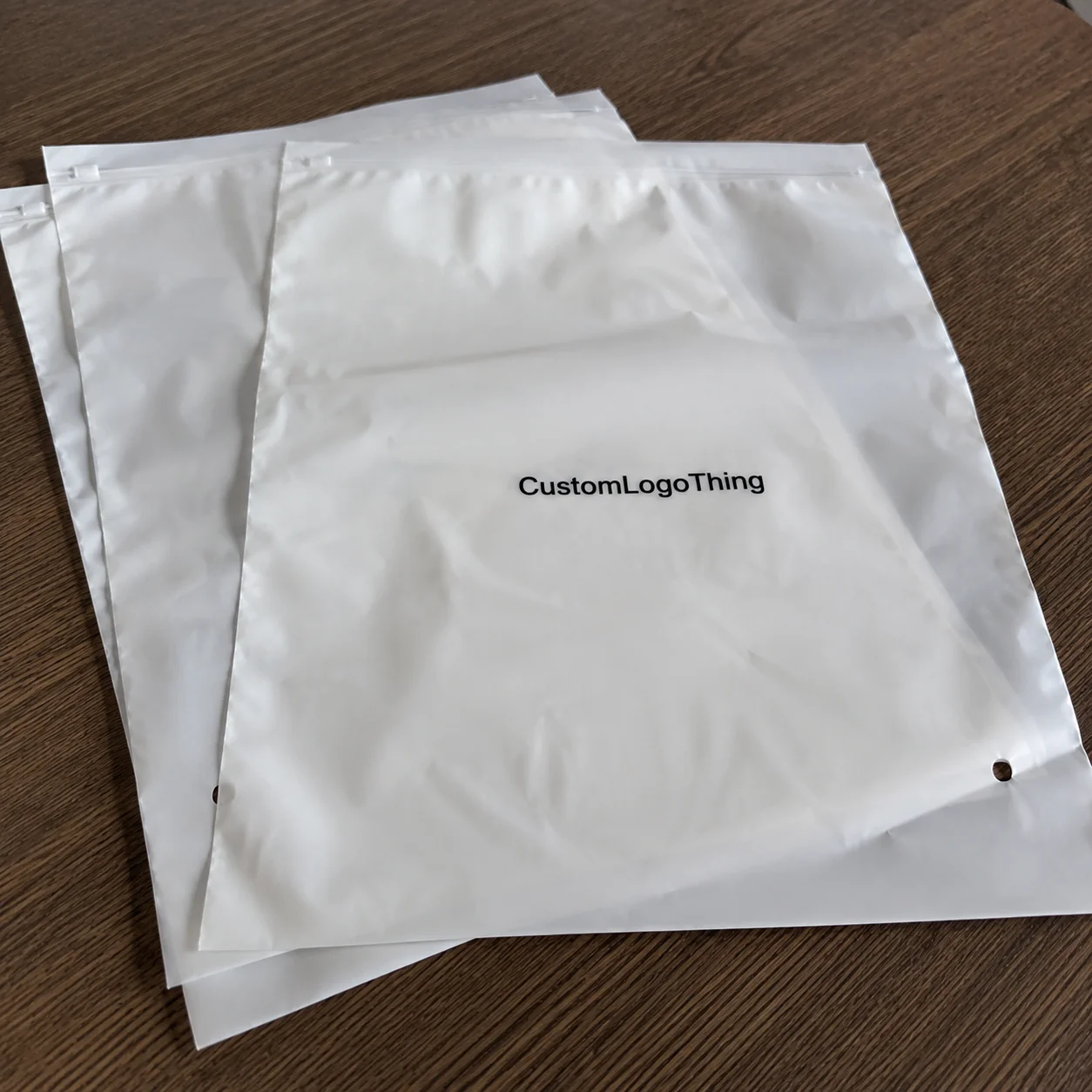
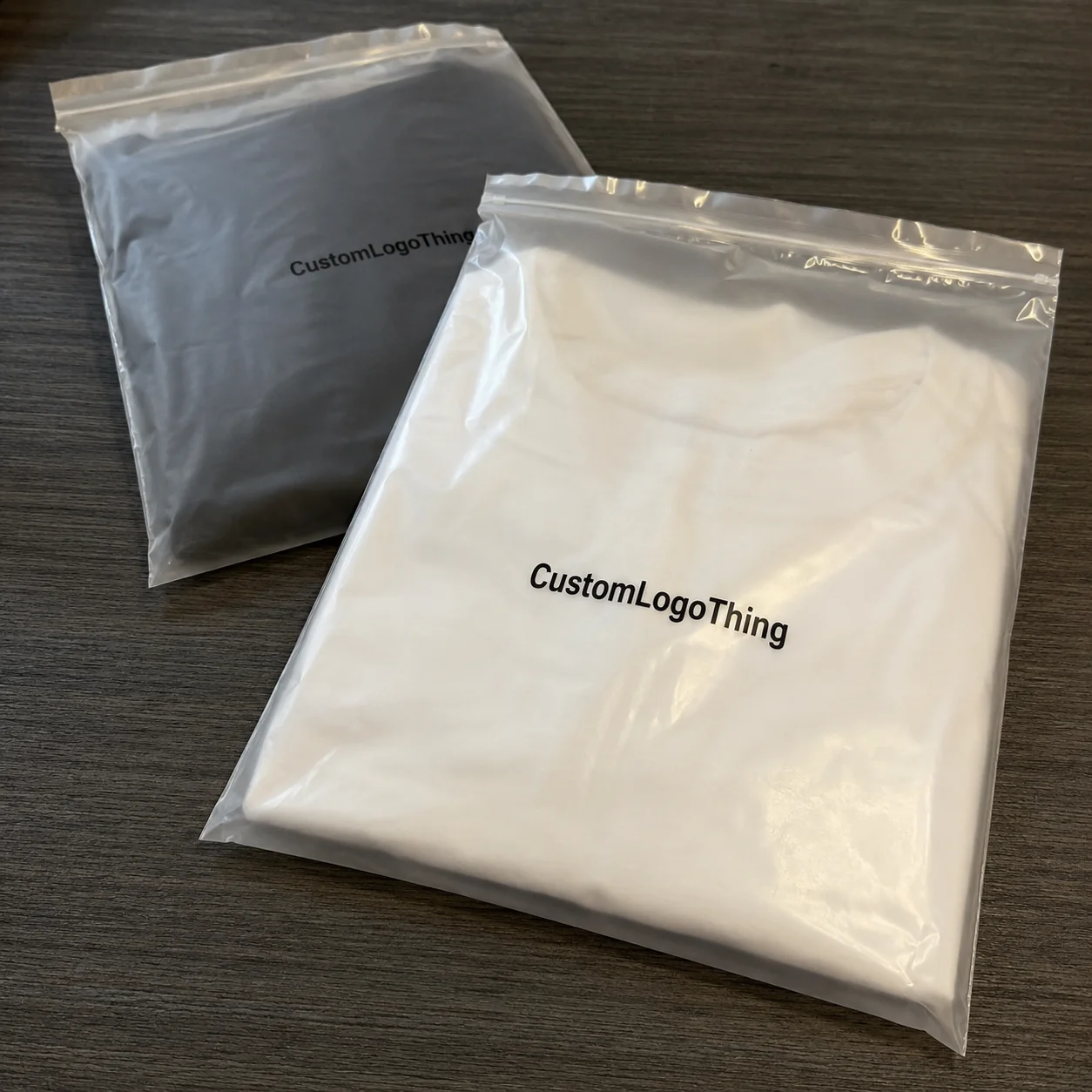
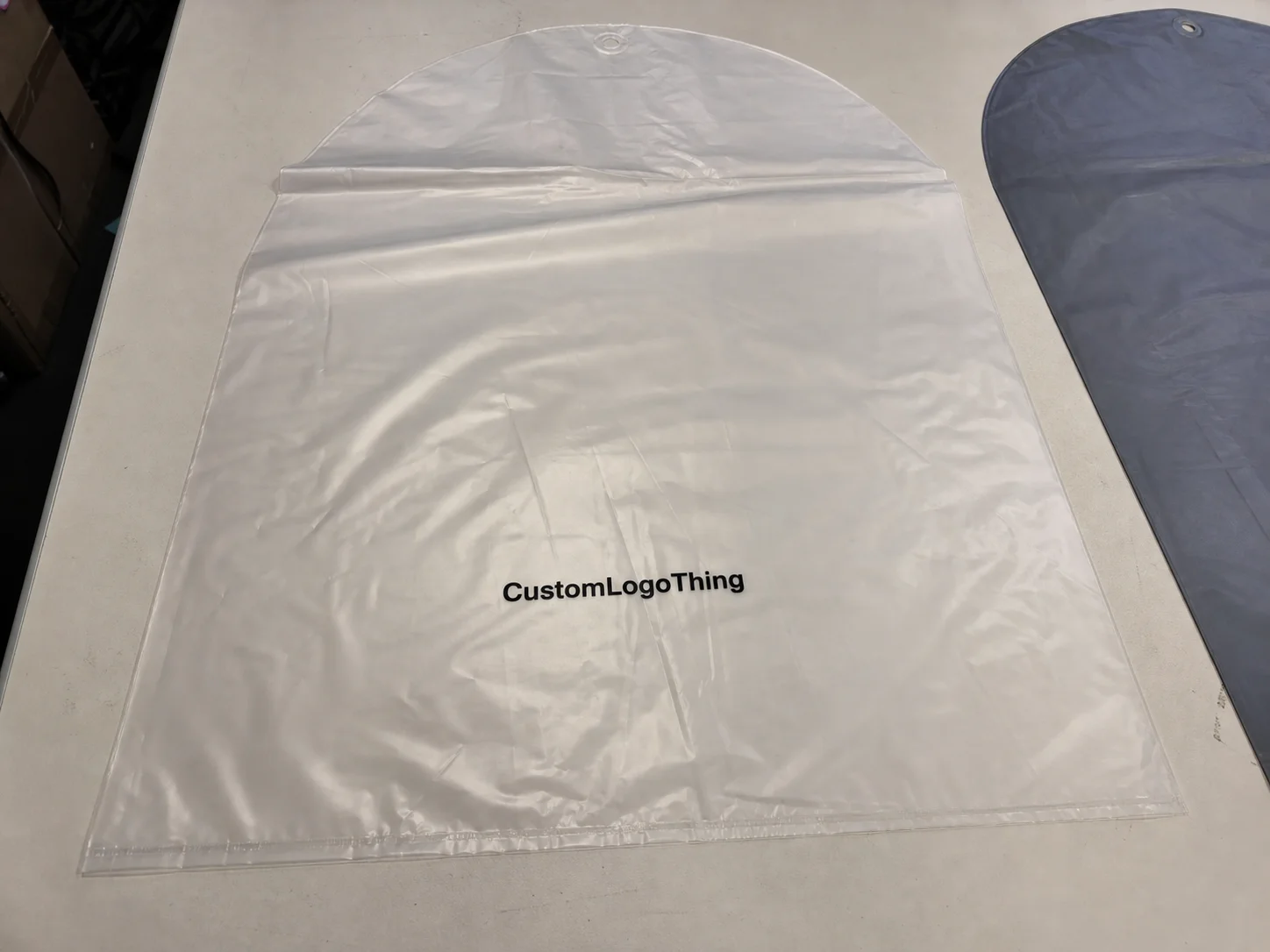
Buyer Fit Snapshot
| Best fit | Branded Packaging Selection Fit projects where brand print, material claims, artwork control, MOQ, and repeat-order consistency need to be specified before quoting. |
|---|---|
| Quote inputs | Share finished size, material target, print colors, finish, packing count, annual reorder estimate, ship-to region, and any compliance wording. |
| Proofing check | Approve dieline scale, logo placement, barcode or warning zones, color tolerance, closure strength, and carton packing before bulk production. |
| Main risk | Vague material claims, crowded artwork, missing packing details, or unclear freight terms can make a low unit price expensive after revisions. |
Fast answer: Branded Packaging Selection Fit: Material, Print, Proofing, and Reorder Risk should be specified like a repeatable production item. The safest quote records material, print method, finish, artwork proof, packing count, and reorder notes in one written spec.
Production checks before approval
Compare the actual filled-product size with the drawing, then confirm tolerance on folds, seals, hang holes, label areas, and retail display edges. Reserve space for logos, QR codes, warning copy, and material claims before decorative graphics fill the panel.
Quote comparison points
Review material grade, print process, finish, sampling route, tooling charges, carton quantity, and freight assumptions side by side. A quote is only useful when the supplier can repeat the same color, closure quality, and packing count on the next order.
Branded Packaging How to Choose: Why the First Box Matters
The first box tells the truth faster than the sales page ever will. I use that line a lot because it is painfully accurate, and I still believe it after standing on a pack-out line in a Secaucus, New Jersey fulfillment center at 6:40 a.m. That is usually the moment I explain branded Packaging How to Choose the right fit. I watched a simple mailer, printed in two colors on 18pt SBS and finished with aqueous coating, decide whether customers kept a product on the counter or shoved it into a junk drawer after one glance. That reaction happens in seconds, not minutes. No one is sitting there admiring your “brand story” if the box feels cheap or arrives bent like it fought a forklift and lost.
Branded packaging is the whole system around the product: custom printed boxes, mailers, rigid boxes, sleeves, inserts, tissue, tape, and labels all working together as one package branding experience. If one piece is off, the whole presentation feels cheaper than it should. If it all fits, the product feels intentional, even if the structure itself is simple. Honestly, I think that’s the part brands underestimate the most. They obsess over the logo and forget the box has to do an actual job. A logo printed on 350gsm C1S artboard means nothing if the corner crushes in transit from Indianapolis to Atlanta.
I think people make branded packaging how to choose far more complicated than it needs to be. The real question is not “What looks nicest in a mood board?” It is “What protects the product, fits the shipping path, supports the brand position, and still leaves a decent margin after freight, labor, and waste?” That tradeoff is where good packaging design starts. Fancy is nice. Profitable is nicer. On a 5,000-unit order, a difference of $0.15 per unit looks small until it becomes $750 in extra spend and a week of supplier back-and-forth in Guangzhou.
In one client meeting for a skincare line, the marketing team wanted a rigid box with foil, embossing, and a soft-touch wrap, but the logistics manager showed me their parcel damage reports and the numbers were plain: 7.8% of units had scuffed corners because the outer shipper was too thin. We changed the structure before we changed the artwork, and the brand still looked premium because the product arrived intact. That is the kind of real-world decision branded packaging how to choose should be built around. I remember the marketing lead making a face like I’d personally insulted the mood board. Two months later, she was the one asking for more ship tests. Funny how that works when the return rate drops from 4.1% to 1.3%.
So here is the short version: the best packaging choice depends on product fragility, order volume, shipping channel, and brand positioning. The rest is detail, and detail matters, because a box that looks good on a screen can fail on a conveyor belt, in a humidity chamber, or during a 36-inch drop test under ISTA methods. And yes, boxes can fail in ways that make everyone in the room stare at the table in silence. Very exciting. Very humbling. In Dongguan, I watched a well-printed mailer buckle after 14 minutes in a 90% humidity room, which is a very expensive way to learn that coatings matter.
How Branded Packaging Works in the Real World
When I walk a production floor, I do not start with graphics. I start with board stock, glue lines, machine speeds, and whether the die-cut is fighting the converting equipment. That is how branded packaging how to choose gets real fast. A package is not just a visual object; it is a manufacturing object that has to be printed, cut, folded, packed, shipped, and opened without creating problems for the warehouse team. If it slows the line, people will remember your “beautiful packaging” for all the wrong reasons. I’ve watched a line in Shenzhen stop for 22 minutes because one tuck flap was 1.5 mm too tight. Beautiful is not the same as buildable.
The typical stack begins with substrate selection. For branded packaging, the common options include corrugated cardboard for shipping strength, paperboard for retail presentation, kraft for a natural look, SBS for a bright printable surface, rigid chipboard for premium unboxing, and molded pulp when protection and sustainability need to work together. I’ve seen molded pulp inserts save a fragile electronic accessory line from 18% breakage to under 2% just because the product stopped moving inside the box. That was not magic. That was basic engineering, which apparently feels miraculous when it finally shows up. A 0.8 mm pulp wall can outperform a decorative foam tray if the cavity is designed correctly.
Printing method matters just as much. Flexographic printing works well for high-volume corrugated mailers, especially when the artwork is bold and the turnaround needs to stay disciplined. Offset printing gives beautiful image detail on paperboard and rigid wraps, but the setup cost is higher and the press schedule usually needs more lead time. Digital printing is a strong fit for smaller runs and personalized product packaging, while foil stamping, embossing, and spot UV add texture and reflection that can make retail packaging feel more refined. The tradeoff is simple: every finish adds time, cost, or both. Usually both, because packaging loves a surprise fee almost as much as accounting hates one. I’ve seen a foil plate alone add $180 to a run before the first carton even left the factory in Foshan.
Here is the production flow I’ve seen work most often in factories from Shenzhen to Ohio: concept brief, dieline creation, structural sample, graphic proof, production approval, manufacturing, packing, and delivery. If the customer skips the structural sample, the odds of trouble rise quickly. If the proof is rushed, barcode placement and fold alignment can turn into a warehouse headache. One cosmetics brand I supported had to reprint 12,000 folding cartons because the barcode sat 6 mm too close to the fold, which made scanning unreliable at intake. Six millimeters. That tiny. That expensive. The reprint added two weeks because the cartons had already been scheduled behind a 9,000-unit run of folding carton sleeves.
Branded packaging how to choose also affects fulfillment labor. A mailer that folds in three seconds is not the same as a rigid box that needs ribbon, tissue, and a custom insert. On a 500-unit daily pack-out, even 20 seconds extra per unit can turn into nearly three hours of added labor per shift. That is not a theory; I watched a subscription client in a Dallas co-packing facility lose an entire lane of throughput because the box style was too complex for the line speed they were running. The team did not need “premium.” They needed a box that didn’t act like it had personal beef with the packing table. Their pack rate dropped from 240 units per hour to 168 until we simplified the closure.
Material choice also changes the damage profile. Corrugated board with the right E-flute or B-flute can absorb shock much better than a thin paperboard carton. Paperboard is elegant and efficient for shelf-ready packaging, but it needs a shipper if the product is going through parcel networks. Rigid boxes feel premium, yet they are heavier, costlier to freight, and often overbuilt for products that will never leave a direct-to-consumer box. That is why branded packaging how to choose is never only a design question. It is a supply chain question wearing nicer shoes. A 300gsm tuck box can look polished in Milan and still be the wrong answer for parcel delivery in Phoenix.
For readers who want to compare actual product categories and packaging formats, I always point them toward a practical starting point at Custom Packaging Products, because the right structure usually becomes clearer once you look at the available box families side by side. Seeing a corrugated mailer next to a rigid setup makes the cost difference obvious in about 30 seconds.
Key Factors in Branded Packaging How to Choose
The smartest branded packaging how to choose process starts with product protection. A 1.2-pound candle in a glass vessel needs a different construction than a 4-ounce serum bottle or a folded apparel item. Weight, fragility, temperature sensitivity, leak risk, and the need for inserts all matter. If the product can slide, rattle, or crush, the packaging should be designed to stop that before anyone starts talking about foil. I know foil is fun. So is not replacing broken goods. A glass candle jar shipped from Los Angeles to Chicago in January behaves very differently from a cotton tee going from Nashville to Charlotte.
Brand goals come next. Some brands want a premium unboxing moment with tissue, magnetic closure, and a foil-stamped logo. Others want retail shelf appeal, where legibility at 6 feet matters more than luxury finishes. Subscription businesses often care most about retention and repeat opens, while e-commerce brands usually want packaging that arrives looking good after 400 miles in a truck. That difference changes the entire package branding strategy. A luxury gift box and a box that survives a carrier’s idea of “careful handling” are not the same species. In London, I saw a fragrance brand choose a 2-piece rigid box for retail and a separate 32 ECT shippable outer shipper for DTC. Two structures. One product. Much less drama.
Cost deserves a lot more honesty than it usually gets. Unit cost is only one line on the invoice. You also have setup fees, tooling, print plates, die charges, freight, assembly labor, and in some cases a minimum order quantity that locks up cash. I’ve seen a client choose a box at $0.42/unit and then spend another $0.19/unit on insert assembly because the structure was beautiful but not production-friendly. That is why branded packaging how to choose should always include total landed cost. Not just the pretty quote. The whole messy bill. A supplier in Xiamen once quoted a rigid set at $1.08 per unit at 3,000 pieces, then the freight, wrap, and hand-assembly pushed the landed figure to $1.46 before the cartons even reached the U.S. warehouse.
Here is a simple comparison I often share with buyers who need to weigh options quickly:
| Packaging Type | Typical Use | Approx. Unit Cost | Strength | Brand Impact |
|---|---|---|---|---|
| Corrugated mailer | DTC shipping, subscription kits | $0.28–$0.85 at 5,000 units | High | Medium to high with print |
| Paperboard folding carton | Retail shelves, lightweight products | $0.16–$0.48 at 10,000 units | Medium | High with coating or foil |
| Rigid box | Premium gifts, luxury product packaging | $1.20–$4.80 at 3,000 units | Medium | Very high |
| Molded pulp insert | Protection for fragile components | $0.22–$0.70 at 10,000 units | High | Low to medium |
Order volume changes the math fast. Small runs usually favor digital print because there are no expensive plates to amortize, and revisions are cheaper when artwork changes. Larger runs often justify offset or flexographic economics because the per-unit cost drops once the setup is spread across enough pieces. A 2,500-unit launch usually needs a different answer than a 50,000-unit national rollout, even if the product itself is identical. That part drives people nuts, because they want one “best” answer. Packaging, annoyingly, prefers context. For example, a 2,500-unit digital run at $0.38 per box can be smarter than a 10,000-unit offset run at $0.24 per box if the brand expects a label change in 60 days.
Sustainability is no longer a side note, especially in retail packaging and e-commerce packaging. Buyers look for FSC-certified paper, recycled content, reduced material use, and easy recyclability. I also tell clients to be careful with claims; if a box includes a laminated film or heavy metallic finish, it may not fit the same recycling stream as plain kraft or uncoated board. For Product Packaging That is supposed to signal responsibility, the materials need to match the message. The Forest Stewardship Council is one of the main certification references I use when a brand wants chain-of-custody proof. A 350gsm C1S artboard sleeve with soy-based ink and no plastic lamination will usually tell a cleaner sustainability story than a glitter-coated carton that “feels eco” because it is beige.
Compliance and channel rules matter more than many founders expect. USPS and UPS size constraints can drive carton dimensions, and Amazon-style shipability rules often punish oversized packaging with extra fees. Retail shelf dimensions, barcode placement, labeling requirements, and country-specific warnings all have to be checked before production begins. I’ve sat with operations teams who discovered, after approval, that a great-looking carton was 3 mm too tall for their shelf tray system, which turned a good packaging design into an expensive retool. Three millimeters. Enough to ruin everyone’s mood before lunch. In Toronto, one client had to trim a tray insert by 2 mm to fit a pharmacy shelf planogram, and that tiny change saved them from a full reprint.
If you want to see how those choices show up in real client outcomes, our Case Studies page is a useful place to study different structures, volumes, and finishing choices in a practical setting.
Branded Packaging How to Choose: Step-by-Step Process and Timeline
When teams ask me for branded packaging how to choose without getting lost, I give them a process with five checkpoints. It keeps everyone honest, especially when marketing wants more decoration and operations wants fewer touches. The process also keeps the package from becoming an art project that cannot be run efficiently on a real line. That kind of art project is fun for about four minutes and then turns into a problem for six different departments. I learned that during a supplier review in Ho Chi Minh City, where a pretty rigid box took 11 extra seconds to assemble and doubled the complaints from the packing team.
Step 1: Audit the product and shipping path
Start with dimensions, weight, breakage risk, and shipping path. A 12-ounce lotion bottle in a parcel shipper is not the same as a folded shirt in a retail carton. Ask whether the packaging has to survive parcel, pallet, or retail handling, because each path changes the material choice. I’ve seen 32 ECT corrugated work beautifully for apparel, while a fragile skincare jar needed a stronger board plus a molded pulp insert to pass repeated transit tests. If the product is 9 inches tall and the shipper is only 9.25 inches deep, that 1/4 inch matters more than the logo placement ever will.
Step 2: Define the role of the package
Decide whether the package is protection-first, gift-ready, subscription-ready, or shelf-ready. That answer shapes everything from print coverage to closure style. A subscription box can tolerate a little more assembly time if it increases the “wow” factor, while a warehouse-facing shipper should probably stay simple and quick to fold. This is one of the biggest truth tests in branded packaging how to choose. If you are trying to make one box do four jobs, expect a compromise. Packaging is very polite about telling you no. A 16-ounce candle brand in Austin learned this after trying to use the same box for retail, gifting, and parcel fulfillment; we ended up splitting the format into two SKUs and the returns dropped within one quarter.
Step 3: Select structure and substrate before final artwork
Do not finalize artwork before the dieline is confirmed. Structural samples reveal real fold behavior, tuck depth, glue flap width, and how the insert sits. If you are using a custom insert, test the actual product, not a foam dummy. That mistake cost one beverage startup 6 weeks when their bottle shoulder was 2 mm taller than the prototype, forcing a redraw of the insert cavity. I still remember the face on the founder when we opened the sample and the bottle sat there like a rebellious little tower. Not ideal. The final board spec was 24pt SBS for the carton and 1.6 mm greyboard for the insert, which finally gave the bottle a real seat instead of a hopeful one.
Step 4: Review proofs with a production eye
Check color, barcode placement, copy, finish compatibility, and assembly sequence. A beautiful proof can still fail if a QR code is too close to a crease or if a spot UV layer overlaps a fold line. I always tell teams to print the proof at 100% scale and physically fold it before approval. What looks centered on a screen can drift on a real board blank once die-cutting tolerances enter the picture. Screens lie. Paper is brutally honest. On a 4-color offset proof in Taipei, I once watched a logo shift 1.8 mm off-center because nobody checked the fold line against the live area. That tiny shift was enough for the client to reject 8,000 units.
Step 5: Approve production with a real timeline
Simple digital jobs can move fast, often in 10–15 business days after proof approval, while rigid boxes, specialty finishes, and custom inserts may need 20–35 business days or more, depending on factory load and freight routing. On one project in our Shenzhen facility, a foil-stamped rigid box took an extra week because the lamination had to cure before the wrap could be assembled without surface defects. That sort of delay is normal, not a sign of failure. It is just manufacturing doing what manufacturing does: reminding everyone that wishes are not schedules. If the vendor quotes 8 business days for a foil-stamped two-piece box with ribbon, I’d ask what part of reality they skipped.
Here is a practical way to think about timeline expectations:
- Digital printed mailers: often best for short-run launches and seasonal testing, with many jobs moving in 10–12 business days from proof approval.
- Offset folding cartons: usually best when artwork quality matters and quantities justify the setup, with typical production taking 12–15 business days after sign-off.
- Rigid boxes with inserts: usually require more sampling, assembly planning, and freight coordination, often landing in the 20–35 business day range.
- Special finishes: foil, embossing, and spot UV add production steps and often add 3–7 business days.
Branded packaging how to choose is easier when the timeline is treated as a manufacturing schedule, not a wish list. The difference between “we need it soon” and “we need 8,000 units by the 14th business day after approval” is the difference between a quote that can be executed and one that merely sounds good in a meeting. I have literally watched a buyer say “ASAP” and then act surprised when the factory asked for artwork, dieline confirmation, and a deposit before lunch.
Common Mistakes When Choosing Branded Packaging
The first mistake is choosing for looks alone. I’ve seen gorgeous boxes collapse in transit because the board grade was too light or the closure was too shallow. A package can photograph beautifully and still fail the customer the moment it hits a sortation belt. That is a costly way to learn that branded packaging how to choose needs a protection test before a design award. I’m not saying ugly packaging wins. I am saying pretty packaging that arrives in pieces is just expensive regret. A 300gsm carton with a glossy wrap can still fail a 30-inch drop if the insert does not lock the product in place.
The second mistake is ignoring total landed cost. A $0.31 printed carton may become a $0.68 solution after inserts, tape, manual assembly, extra freight, and waste. If a package needs one person to hand-fold every unit, the labor line can swallow all the savings from cheaper board. In one fulfillment audit I helped on the West Coast, the client discovered their “budget” box was actually their most expensive packaging once labor was counted correctly. That kind of surprise tends to get very quiet in meetings after the spreadsheet is opened. A 7-minute assembly time per unit on 6,000 units is not small; it is 700 hours of someone’s life and a lot of payroll.
The third mistake is overdesigning. Too many finishes can create registration issues, color drift, and inconsistent folding. A package with matte lamination, foil, embossing, and spot UV can look stunning in a presentation, but it can also become a production headache if the vendor’s equipment is not tuned for that combination. I think some brands use every finish available simply because they can, not because they should. More effects do not automatically mean more value. Sometimes they just mean more chances to mess up. I saw a 2,000-piece run in Chicago where the soft-touch lamination fought the foil, and the rework cost more than the original print by 18%.
The fourth mistake is ordering too much too soon. Artwork changes, compliance updates, and product line shifts happen. If you print 30,000 units before testing, you may end up with obsolete packaging or the wrong fit for a slightly revised SKU. A lower first run is often smarter, especially for new branded packaging programs that are still being tuned. On a first run of 1,500 units, the learning is cheap. On a first run of 25,000 units, the learning is a warehouse full of regret.
The fifth mistake is forgetting fulfillment workflow. Can staff pack it in under 20 seconds? Does it store flat? Does it need adhesive tabs, corner locks, or a separate sleeve? Does the packaging jam in a machine or snag on the conveyor? These questions sound boring until the shipping floor is backed up and 900 orders are waiting to be closed. Then suddenly everyone becomes very interested in “boring.” At a facility near Memphis, one extra flap added 14 seconds per pack and created a 3-day backlog. Nobody was laughing when the pallets started stacking up.
“A package that slows the line is not premium; it is expensive.”
I heard that from a plant manager during a supplier review in Atlanta, and it stuck with me because it is brutally true. The best branded packaging is the one that supports the customer experience without punishing the people who have to build and ship it every day. If your unboxing moment requires three hands and a prayer, it is too much.
Expert Tips for Better Packaging Decisions
My first tip is simple: start with a sample run. Test the actual product in the actual box with the actual filler, then ship it through the actual channel. A hand-delivered prototype tells you almost nothing about performance in real life. A small run of 100 or 250 units can reveal compression issues, scuffing, ink rub, and assembly delays before the full order is committed. I would much rather catch a problem on 100 boxes than discover it after 10,000 are already sitting in a warehouse like a very expensive apology. One beverage brand in Newark found a liner issue on a 150-unit pilot, which saved them from scrapping a 20,000-unit production batch.
Second, use a packaging hierarchy. I like to think in four layers: one primary structure, one protective layer, one branded touchpoint, and one optional premium detail. For example, a kraft mailer, molded pulp insert, branded tissue, and a foil sticker can look polished without requiring a fully rigid build. That kind of packaging design often gives better economics than a single oversized luxury structure. You still get a brand moment. You just do not need to mortgage the product margin for it. A setup like that can land around $0.62 to $0.94 per unit at 5,000 pieces, depending on print coverage and insert complexity.
Third, keep the design system flexible. If the box has a small variable panel, or if the sleeve can be updated independently, seasonal promotions become easier. I’ve worked with apparel brands that saved thousands by changing only the outer sleeve instead of reprinting the full carton for every campaign. That is a quiet but powerful part of branded packaging how to choose. Less reprint drama. More room in the budget for the stuff customers actually notice. In Seattle, one clothing label saved a full 14-day reprint cycle by swapping a sleeve instead of a full folding carton.
Fourth, ask vendors for manufacturing recommendations, not just mockup approval. A good factory will tell you whether a design is press-friendly, die-friendly, and assembly-friendly. I trust a supplier more when they point out a weak glue flap or a difficult insert fit than when they simply agree with every aesthetic request. Production-friendly packaging usually looks better because it is made consistently. The suppliers who say “yes” to everything usually create the kind of surprises nobody puts in the presentation deck. A supplier in Dongguan once told me a 1.2 mm glue flap was too narrow for the line, and that blunt answer saved us from a 4,000-unit disaster.
Fifth, build a decision matrix. Rank protection, cost, sustainability, brand impression, assembly time, and freight impact on a 1-to-5 scale. This sounds almost too basic, but it stops opinions from taking over the room. When a team sees that rigid boxes score high on brand impression but low on freight and assembly, the right choice often becomes obvious. Or at least less argument-filled, which is basically a victory in packaging meetings. I’ve seen a matrix save a team two rounds of revision and about $1,200 in sample fees because everyone stopped pretending that “premium” was the same as “practical.”
For brands that want a starting point for materials and formats, our Custom Packaging Products catalog is a helpful reference, especially if you need to compare printed cartons, mailers, or inserts before requesting quotes. It is much easier to compare a 24pt carton and a 32 ECT mailer when they are sitting next to each other instead of floating around in a PowerPoint deck.
One more practical note: if sustainability is a major selling point, keep the construction as simple as possible while still protecting the product. A well-designed paper-based solution with FSC-certified board and minimal ink coverage can communicate responsibility better than a heavily decorated package that is hard to recycle. If you want a starting point on sourcing and material standards, the EPA recycling guidance is a useful resource for understanding how consumers actually handle packaging after purchase. A plain kraft mailer with a water-based coating often does more for the message than a flashy structure with three hard-to-recycle layers glued together.
How do you choose branded packaging for your product?
Start with the product, then work outward. Measure the item, define how fragile it is, decide where it will ship, and set a budget before you fall in love with finishes. That is the practical answer to branded packaging how to choose. If a box cannot protect the product, fit the channel, and stay within margin, the rest is decoration. A prettier failure is still a failure. I’ve seen brands spend weeks choosing foil colors before checking whether the carton could survive parcel shipping, which is exactly backward.
Then compare a few structures side by side. Look at corrugated mailers for shipping, paperboard for shelf presentation, and rigid boxes for premium gifting. If you need inserts, test the actual product inside the actual insert. That one step catches more problems than any mood board ever will. In practice, branded packaging how to choose means making a few blunt decisions early so the factory does not make them for you later. And factories are very creative about making decisions you did not ask for.
What to Do Next After You Narrow Down Your Packaging
Once you narrow down branded packaging how to choose, the next step is to write a one-page brief. Keep it tight: product specs, shipping method, target budget, quantity, print preferences, sustainability requirements, and the customer experience you want the package to create. If the brief takes three pages, it probably contains two or three decisions that still need to be made. I have seen teams write four pages to say “we want something premium but affordable,” which is not a brief. That is a shrug with headings. Put the numbers in there too: 5,000 units, 12x9x4 inches, 32 ECT corrugated, and a target landed cost under $0.85 if that is the real goal.
Then collect two or three material and structure options. Compare them side by side for durability, appearance, assembly effort, and freight weight. A 24pt folding carton might look great on a shelf, while a 200# corrugated mailer may be the better answer for transit. If you do not compare them directly, it is easy to fall in love with the wrong option because it looks more polished in a PDF. PDFs are excellent at making mediocre ideas look very well dressed. I’ve seen a 14pt box win a presentation and lose on the warehouse floor in the same week.
Request samples or prototype builds and test them with real products, real fillers, and real labels. I like to see at least one drop test, one compression check, and one pack-out trial before signing off. You do not need a laboratory for every project, but you do need enough evidence to know the box will survive the route it is actually taking. Your carrier certainly is not going to baby it for you. A 30-inch corner drop and a 45-minute vibration test can tell you more than ten optimistic emails from a supplier in Shenzhen.
Review the final dieline, artwork, and timeline with operations, marketing, and fulfillment before approving production. That cross-functional review prevents surprises like a barcode placed under a tape seam or a branded insert that blocks the flap from closing. If the team is split between aesthetic and operational priorities, let the shipping path decide. The shipping path is rude, but it is honest. In one Toronto launch, one 4 mm fold line adjustment saved the entire campaign from a tray-fit problem in pharmacy retail.
Document the chosen packaging standard so future reorders stay consistent across seasons, product launches, and team changes. This matters more than people expect. I’ve watched companies lose months because a new buyer could not find the old vendor spec and had to recreate the entire box from scratch. A good packaging standard sheet should include board grade, print method, dimensions, finish, acceptable color tolerance, and approved vendor notes. I also recommend listing the actual factory city, whether that is Dongguan, Ningbo, or Monterrey, because that detail saves time the next time someone asks, “Who made the good one?”
If you need more examples before locking in a direction, the best next move is to study a few real packaging programs and then compare them to your own needs. That is exactly where our Case Studies library can help, because seeing the material choices, unit economics, and production choices in context makes branded packaging how to choose much less abstract. You can compare a rigid box built in Shenzhen against a corrugated mailer produced in Ohio and see why the answers are rarely the same.
So if you remember only one thing, make it this: branded packaging how to choose is not about picking the fanciest box; it is about choosing the right system for the product, the shipping lane, the budget, and the customer you want to keep. Shortlist the options, test them, check the numbers, and move forward with confidence. And if a supplier tells you every finish is “easy,” ask them to put that in writing. I always do. Usually that is when the real timeline appears.
Frequently Asked Questions
How do I choose branded packaging for a small business?
Start with product size, shipping method, and budget, then choose the simplest structure that protects the item and still reflects your brand. For small businesses, digital printing and lower-MOQ materials often make the most sense because they reduce upfront risk, and they let you test branded packaging how to choose without tying up cash in 10,000 units you have not validated yet. I’d also keep the first run small enough that you can learn something useful before you scale. A first order of 500 or 1,000 pieces is often enough to catch the major issues.
What matters most when deciding on branded packaging materials?
The top three factors are protection, cost, and customer experience, with sustainability and print quality close behind. Match the material to the product: corrugated for shipping protection, paperboard for retail presentation, and rigid for premium unboxing. If those three factors are aligned, branded packaging how to choose becomes much more straightforward. If they are not, the box will tell on you pretty quickly. A 32 ECT corrugated mailer might be perfect for apparel, while a 350gsm C1S carton is usually better for shelf presentation.
How long does custom branded packaging usually take to produce?
Timeline depends on structure, print method, finishing, and sampling needs, but prototype approval and production scheduling can add significant time. Simple printed mailers may move faster, while custom rigid boxes, inserts, and specialty finishes usually require longer lead time, especially if the factory needs curing or extra proof revisions before release. I usually tell clients to expect more time than they hope for, because hoping is not a production plan. A typical range is 10–15 business days for simpler digital runs and 20–35 business days for more complex rigid packaging after proof approval.
What is the biggest pricing mistake in branded packaging?
Focusing only on unit price instead of total landed cost is the most common mistake. Labor, freight, assembly, inserts, waste, and setup charges can change the real cost more than the printed box price itself, so branded packaging how to choose should always include the full operational picture, not just the quote line. The cheap-looking option can become the expensive one very fast. A $0.24 carton that needs $0.17 of hand assembly is not really cheap; it is just hiding the bill.
Can branded packaging be both affordable and premium-looking?
Yes, if you prioritize one or two high-impact details like print quality, structure, or an insert instead of overusing expensive finishes. A smart packaging mix can look polished without requiring the most expensive board, coating, or decoration, and that is often the best balance for a growing brand. Honestly, that balance usually works better anyway because it feels intentional instead of crowded. A clean 24pt paperboard carton with a well-cut insert and one foil hit can look more expensive than a box packed with every finish in the catalog.