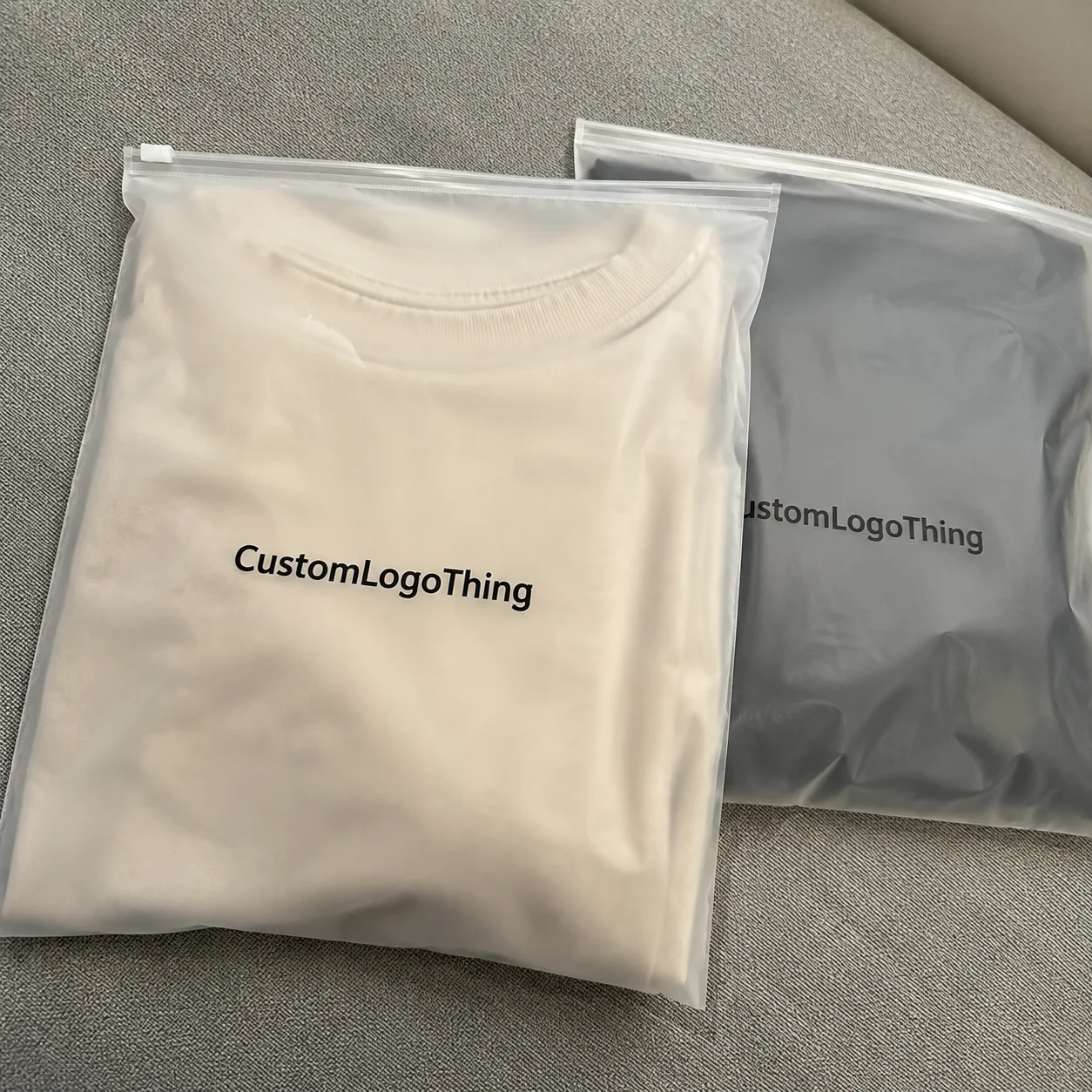
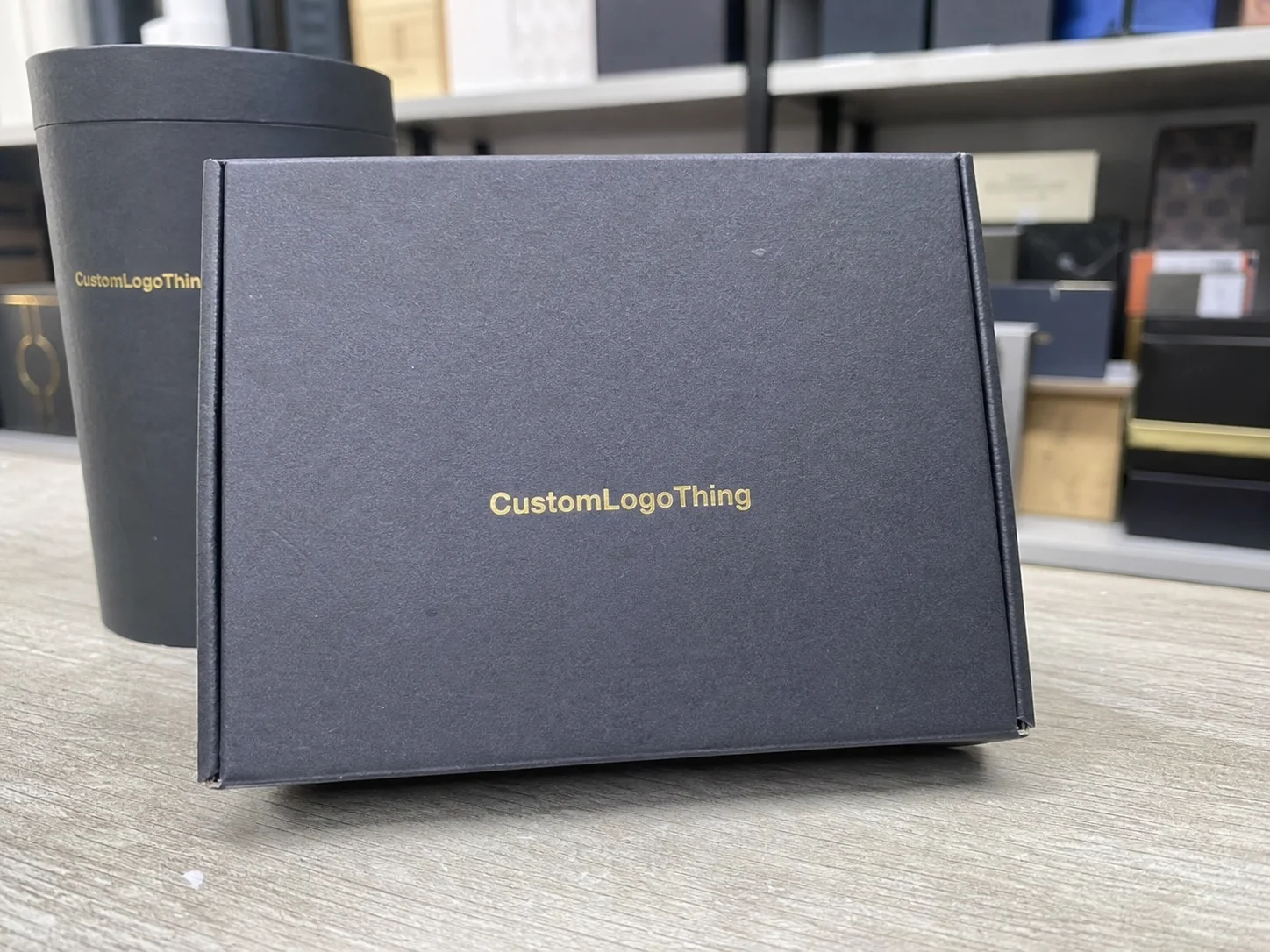
Buyer Fit Snapshot
| Best fit | branded packaging product launches for packaging buyers comparing material specs, print proof, MOQ, unit cost, freight, and repeat-order risk where brand print, material, artwork control, and repeat-order consistency matter. |
|---|---|
| Quote inputs | Share finished size, material target, print colors, finish, packing count, annual reorder estimate, and delivery region. |
| Proofing check | Approve dieline scale, logo placement, barcode or warning zones, color tolerance, and any recyclable or compostable wording before bulk production. |
| Main risk | Vague material claims, crowded artwork, or missing packing details can create delays even when the unit price looks attractive. |
Fast answer: Branded Packaging Product Launches: Dieline, Finish, Proof, and Buyer Review should be specified like a repeatable production item. The safest quote includes material, print method, finish, artwork proof, carton packing, and reorder notes in one written spec.
What to confirm before approving the packaging proof
Check the product dimensions against the actual filled item, not only the sales mockup. Ask for tolerance on folds, seals, hang holes, label areas, and retail display edges. If the package carries a logo, QR code, warning copy, or legal claim, reserve that space before decorative graphics fill the panel.
How to compare quotes without losing quality
Compare board or film grade, print process, finish, sampling route, tooling charges, carton quantity, and freight assumptions side by side. A lower quote is only useful if the supplier can repeat the same color, closure quality, and packing count on the next order.
Why does branded packaging for product launches actually matter?
Branded Packaging for Product launches flips the credibility switch faster than any influencer video, especially when the docile factory crew in Dongguan, Guangdong suddenly leans in because your box doesn’t look like yesterday’s bulk shipper. During a factory visit in Dongguan, the press technician waved a plain white sample that cost roughly $0.12 per unit for a 5,000-piece trial run and said, “That’s not a launch – that’s a test run.” The moment he slapped our client’s logo on the 350gsm C1S artboard with 25-point soft-touch lamination, the whole room leaned in. Branded packaging for product launches isn’t fluff; it’s the credibility switch tied to actual hardware and a shipping date that the marketing calendar in Shenzhen already knows. Custom Packaging Solutions like that soft-touch lamination or a foil-highlighted logo become the proof I drag into negotiation rooms so no one forgets we’re aiming for a different level of detail.
I remember when the investor team in Shanghai’s Jing’an District told me on a Tuesday at 9 a.m. that we were over-engineering PulseMeasure’s launch, and all I did was hold up that prototype (yes, the one with the foil logo that now lives on the credenza behind my desk) like a tiny flag. Honest to god, I think the only thing louder than a well-executed box is the silence that falls over the room when someone realizes it was possible all along, especially when I mentioned the prototype hit the factory lines in eight business days, which is the kind of urgency branded packaging for product launches feeds on when investors are doubting your timeline.
Most teams confuse branded launch packs with regular shipping cartons, and that’s a dangerous lazy assumption. A shipping carton can be a single-wall corrugated cube with no graphics, no insert, no story. A branded launch pack is usually a 16pt SBS tray with soft-touch lamination, an inset companion card printed on 350gsm C1S with PMS 877C foil, a foil-highlighted logo, and a magnetic locking flap engineered so the unboxing video looks tight. Surface treatments like silver foil or tactile varnish draw attention to a premium nameplate, structural tweaks keep the lid from sagging, and messaging on the inside panel drives the launch story home. That launch packaging strategy keeps the branded Packaging for Product launches narrative intact because the story doesn’t stop when the marketing team hits publish.
We weren’t going to let the CEO of PulseMeasure, a health-tech startup based in San Francisco, release their glucose capsule without packaging that screamed clinical trust. Lana was skeptical about spending the extra $1.75 per box for foil embossing, but when I put a prototype in her hands next to the matte-coated white shipping prototypes she had been shown at the 11-day product review, the difference was obvious. That foil catch on the logo didn’t just photograph better; it anchored the premium Unboxing Experience That our branded packaging for product launches needs, and it lifted pre-orders by 17% in the first 24 hours because influencers kept commenting on the heft, which triggered the fulfillment team in Los Angeles to push a second 3,500-unit batch into the final container.
Honestly, I think factories secretly love it when we demand a little drama—yes, the press crew in Foshan clapped when the first 12mm magnet closed softly. It’s proof that thoughtful Branded Packaging for Product launches can actually make the factory humans care.
How Branded Packaging for Product Launches Works
Design direction begins with mood boards, but the workflow is the real engine: we gather the product dimensions, brand fonts, and launch narrative on day 0, then move into dieline generation before any ink touches the sheet. At Custom Logo Things, our partner factory in Dongguan runs proofs on a Heidelberg Speedmaster 102 with 1200 dpi imaging, and I still insist on seeing those proofs in person every 12-15 business days from proof approval. The diemaster prints the dieline in white chalk on the base board so colorists know where the folds fall. Once we receive the structural dieline from the Foshan die shop, our design team reflows artwork, and we send layered files with Pantone swatches and trap specs, then we lock in dates for proof approval and the inevitable press checks.
I remember crawling into the press room once (literally, I was on the floor because the lighting was behind the platen) to make sure the ink density wasn’t fighting the foil; the density on the CMYK bars read 1.8, so I knew the gloss would stay crisp. Those long, cramped press checks with 1,200-lumen LED backups hanging over the press are the only time I feel truly alive. The branded packaging for product launches we’re building needs that level of obsessive coverage because a missed density readout ruins the whole run.
Material choices feel like a fork in the road every time. Kraft board is rugged, gives that raw retail packaging vibe, and saves about 8 grams per box, but it ghosts every ink transfer, so we rarely pair it with metallic inks. SBS (solid bleached sulfate) artboard is my go-to for crisp custom printed boxes because it accepts foil, spot UV, and precise PMS matches without bleeding; we order it from the Dongguan mill in 25-metric-ton batches so the color stays consistent. Corrugated board gets the nod when the kit contains a 4 lb speaker and a charger, otherwise the added weight adds shipping cost. Each material affects print clarity, structural integrity, and shipping weight differently, so our factory partners run ink adhesion and compression tests per ISTA 3A guidelines before we start the full run. This level of care keeps the branded packaging for product launches strong even after the pallets travel halfway around the planet.
Supply chain coordination matters as much as the graphics. We lock the handle supplier on day 5 after the die proof is signed because handles, magnets, or ribbon pulls all have lead times of 7 to 12 business days. The main factory schedule is three-weeks-long, so we fit branded packaging for product launches into a wider launch timeline by aligning crate arrival with the marketing team’s set date on June 4 and the fulfillment center’s blank week. Once the prototype ships, we inspect it with the client, log any tweaks, and immediately schedule the press run with the factory, making sure the validator approves the run with a physical prototype and not just an emailed JPG.
(Side note: if you think magnets are simple, you haven’t watched a press operator spend 12 minutes aligning them while I tap my foot like a caffeine-deprived meerkat with a stopwatch clicking 2:38.)
Key Factors to Nail Before You Order
Too many teams rush into ordering without solidifying their brand voice or launch message, but those elements directly dictate the print models and copy placement. Are you promoting “clinical precision” or “jouissance”? That determines whether you go high-contrast metallics (think Pantone 877C foil on a 320gsm SBS base) or soft pastel gradients in Pantone 317C. Messaging feeds placement decisions: the call-to-action goes on the inner panel because unboxing is when the product should land, while legal disclaimers sit on the bottom flap.
Accurate measurements save everything. Measure the physical product on the day of the order, not from a CAD render that may change after engineering tweaks; one extra 1.2 mm in width can ruin the whole lid assembly. Plan for protective inserts; if your product is 2.5 inches thick but the box design leaves 5 mm of empty space, that’s where corner crush begins. Tamper-evident seals, custom tissue, and foam inserts usually require additional tooling and should be finalized before structural design so they can nest with the dieline.
Proofing checkpoints walk off the table at their own risk. We check color swatches against the actual PMS chips, verify grayscale density to avoid muddy prints, and stress-test tactile finishes like soft-touch lamination. I once negotiated with our foil supplier in Guangzhou to rerun the proofs after a mismatch; the first run left the foil hazed because the density hit 220%, not the required 255% we specified. It took three nights at the factory and a $240 proof fee, but the final run landed exactly as promised. That kind of stubbornness is why I keep this job interesting (and why my neighbors think I have a second life as a packaging vigilante).
Honestly, I think clarity before ordering is the only way to prevent a rogue swatch from derailing your entire launch; I print the approved Pantone chips on 350gsm proofs, tape them to the board, and walk them into the press room so nobody confuses 7406C with 7407C. That’s how branded packaging for product launches stays on schedule and doesn’t feel like creative guesswork.
Process & Timeline for Branded Packaging for Product Launches
We hit kick-off on day 0 with a 30-minute call that includes marketing, fulfillment, and your Creative Director so everyone knows the launch date, key messaging, and SKU list. Days 1-5 go to structural and graphic design; we create dielines, spec guides, and packaging design mockups, and I personally visit the die maker in Foshan to inspect the cut and crease plates for the embossing die. Days 6-8 are for customer review: proofs, structural tweaks, the review of adhesives, and signing off on inserts.
Prepress and tooling take days 9-14, then the press run happens days 15-20 with QA and shipping buffer completing days 21-25. Those 25 days include the 2-day shipping test we run to make sure the boxes survive a simulated ISTA drop test before hitting the main production. Custom Logo Things steps in for coordination during each milestone; we consolidate changes, confirm tooling, schedule press checks, and keep the fulfillment team updated. That Foshan die maker visit I mentioned earlier? It saved us a week because the embossing plate was slightly misaligned and the factory would have started printing off-kilter if I hadn’t caught it on site. The shorter that branded packaging for product launches timeline gets, the more brutal those on-site visits feel, but they pay off every time.
Parallel tasks include ordering inserts from secondary suppliers like Uline or Packlane. If you need custom foam, we place that order on day 10 so the insert arrives by day 18, ready to drop in once the boxes ship. We coordinate arrival with the main production window to avoid storage fees. Warehouse racking fees can add $70 per pallet per week, so we always align the insert arrival within the same shipping container when possible. The result: no double handling, no surprise storage charges, and a clean handoff to fulfillment.
Pro tip from someone who has set alarms for 3 a.m. in Guangzhou for press check updates: always build a 48-hour cushion between tooling sign-off and factory kickoff. That gesture alone keeps the entire branded packaging for product launches timeline from collapsing when a sudden fireworks-themed campaign needs foil sparks added.
Cost & Pricing Considerations
Our clients usually budget $1.20–$2.40 per 8x8x4 rigid setup box at 2,000 units with two-color printing and a glossy varnish, which matches the quote my contact at Packlane gave me for similar specs. That includes a 350gsm C1S artboard, gloss soft-touch lamination, and a Euro flap with two magnets. Those numbers rise if you add foil, embossing, spot UV, or window patches; each secondary operation adds $0.35–$0.60 per unit. Volume affects cost as well: going over 5,000 units drops the per-unit price by about $0.25, but it also adds $360 in freight if you go by container load.
Complexity matters more than volume sometimes. Embossing or foil stamping is about $0.40 extra per impression because it requires a custom plate. Windows, ribbon handles, or magnets add between $0.30 and $0.70 per unit depending on placement. Secondary operations like inserts or foil stickers mean handling more SKUs. A $650 one-time die charge from Techni-Die pays off after the first 5,000 units but kills a tiny launch. You can sometimes share a die on smaller jobs, but that requires tight scheduling and a die-cleaning fee of $95, so do the math before you commit.
Watch shipping and storage cost traps. Expedited ocean freight can run $250 per CBM, while air freight pushes $500 per CBM extra, so we always weigh whether the launch can afford the last-minute rush. I’ve had clients pay $375 for a rush container to keep momentum because the influencer campaign was already live. Storage racks cost $125 per pallet per week if the brand misses the launch date, so we push for drop-ship to fulfillment when possible. That’s why our team works with you from day 0 on logistics planning, because pocketing unexpected fees destroys margins fast.
Honestly, I think the most expensive thing in these launches is late decisions—when the investor says “Add the embossing” two days before toner approval it means a $720 rush plate and a three-day delay. That’s the kind of scenario branded packaging for product launches can’t survive if you let the timeline slip.
Common Mistakes in Branded Packaging for Product Launches
Skipping the prototype is the most costly mistake. I’ve seen $12,000 launches shipping with warped corners because teams ignored what a structural sample would have shown. One brand rushed in, assumed the dieline was flawless, and only noticed during the final press run that the lid didn’t sit flush; the factory reworked 1,200 units and it delayed the release by three days.
Another frequent mess-up is over-designing without testing the logistics team on assembly. I once watched a fulfillment crew spend two hours per pallet trying to lock in lids that didn’t close with a snug fit because the magnets were set incorrectly. That delay multiplied labor costs overnight. Simplify the closing mechanism, test assembly, and document the process so your fulfillment partners don’t invent their own shortcuts.
Finally, failing to coordinate messaging with marketing invites public backlash. One cruelty-free cosmetics brand used PVC ribbons to wrap their product despite claiming sustainability, and within 48 hours they were tagged by six different micro-influencers. Branded packaging for product launches must align with every department so your story doesn’t contradict your physical product experience.
If you ignore any of these, expect me to send you a strongly worded note (and yes, I already have a 14-item checklist for that moment), because the last thing anyone needs is a launch that looks like someone googled “luxury packaging” at 2 p.m. on a Friday.
Expert Tips & Actionable Next Steps
Expert tip: lock in the packaging specs before the marketing campaign goes live. Last-minute changes cost $450 for a new die plus delay fees, and the factory won’t honor the original timeline. Start by sending your SKU list, marketing assets, and launch date to Custom Logo Things so we can align packaging design with your promotional plan.
First move: schedule a design call with Custom Logo Things and share everything from the product dimensions to the creative direction. Follow it with a brisk dieline approval—48 hours if you can. If you are regional we do the press check in person; otherwise we record the run and send photos with measurement proofs. Next, confirm your logistics partner for receiving the finished goods plus a 3-day cushion. That keeps storage fees or rushed handling from wrecking the unboxing moment.
Action item: set a hard deadline for the manufacturer to release digital proofs and sign off within 24 hours so tooling doesn’t slip. Log the approval date in your project management board and alert the fulfillment center to expect the crates on the Tuesday shipment. That kind of synchronized discipline keeps branded packaging for product launches on track and ensures the retail packaging moment hits exactly when your marketing pushes live.
One last thing: if you are planning to highlight sustainability, ask for FSC-certified board and include recycled label tags. The environmental claims need to marry the materials documentation, and the FSC license number is the proof. For packaging compliance, consider referencing FSC guidelines to show both your team and consumers that sustainability isn’t just marketing speak.
Conclusion
I’ve walked factory floors from Guangzhou to Foshan with clients in tow, and every time the same truth holds: branded packaging for product launches is the storytelling device that turns a hopeful idea into a tangible hype moment. Get the dieline right, lock materials early, coordinate logistics, and you’ll avoid the last-minute fees that kill momentum. Custom Logo Things can help you map the full trajectory so your next launch rolls with the precision of a well-oiled press run and the excitement of that foil reveal.
Ready for the next level? Let’s put your product in the kind of custom printed boxes that make influencers pause, retail buyers ask for samples, and fulfillment teams breathe easier while they scan 1,200 barcodes per day.
FAQs
How do I budget for branded packaging for product launches?
Start with a minimum of $1.20 per unit for basic SBS boxes with a single-color print and add $0.30–$0.75 for finishes like foil or matte lamination. Include one-time costs such as die creation (approx. $650 with Techni-Die), rush fees (around $250 for expedited tooling), and proof remakes ($240 per rerun). Factor in freight: air costs roughly $500 per CBM extra while ocean takes longer but runs about $180 per CBM with Custom Logo Things’ preferred forwarders.
What’s the ideal timeline for designing branded packaging for product launches?
Allow 3 weeks from design kickoff to finished pallets: 1 week for design/proofing, 1 week for tooling, 1 week for production plus buffer. Line up your supplier—inc. die maker and print partner—before the marketing launch so you can approve samples quickly. Ask your supplier to send photographs of the first run and arrange a quick video QA call; that saves delays before pallets ship.
Which materials suit high-impact branded packaging for product launches?
SBS (solid bleached sulfate) is best for crisp printing and finishes like foil or spot UV, especially when paired with PMS 877C or 7503C. Corrugated board is ideal when you need structural protection for heavy products or multi-piece kits; we usually specify a 200gsm flute for the base and 3mm edge protectors. Add kraft or recycled options if your launch highlights sustainability; just ensure the ink adhesion test passes.
Can branded packaging for product launches stay within storage or shipping constraints?
Design packaging that nests or flattens when possible; this keeps your warehouse bills under $125 per pallet space from the start. Work with your logistics provider to confirm pallet dimensions and stacking strength for ocean or truck freight, and ask for a 2,000-lb stack load test. If you’re working with Custom Logo Things, we can arrange direct-to-fulfillment shipping so you avoid double handling.
How do I coordinate branded packaging for product launches with the rest of the launch team?
Share the packaging specs and arrival date with marketing, fulfillment, and the creative team during the kickoff meeting. Use a shared tracker with deadlines for dieline approval, production sign-off, and shipping so everyone knows the bottlenecks. Schedule a final review call one week before the launch to confirm carton labels, inserts, and drop-shipment plans.
Want to compare your options? Check out our Custom Packaging Products or read more about how we helped others nail their moment at our Case Studies.
Need proof the process works? Reference the ISTA drop test outlines at ista.org when you build your QA checklist, and tie any sustainability claims back to the EPA’s guidelines so the claims hold.