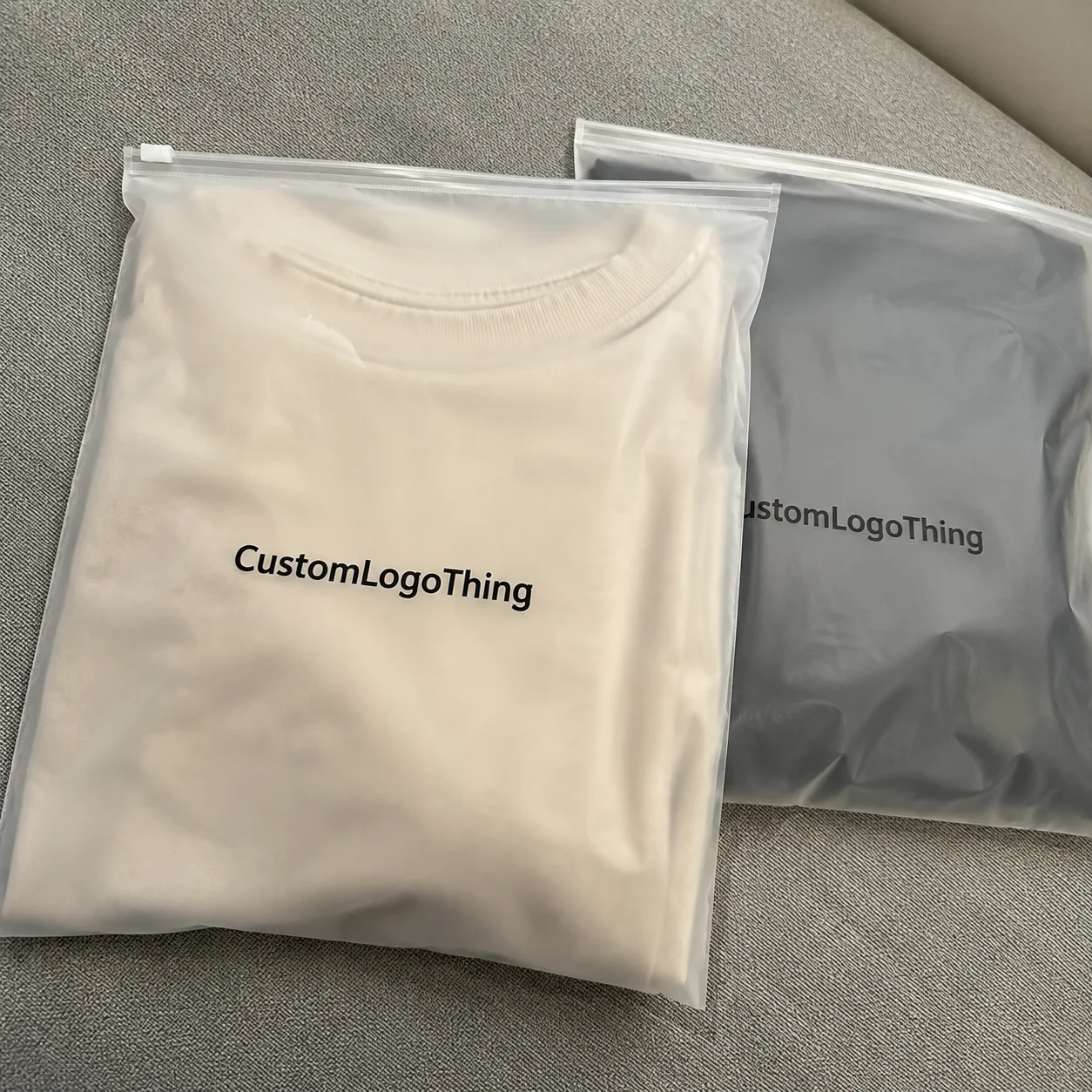
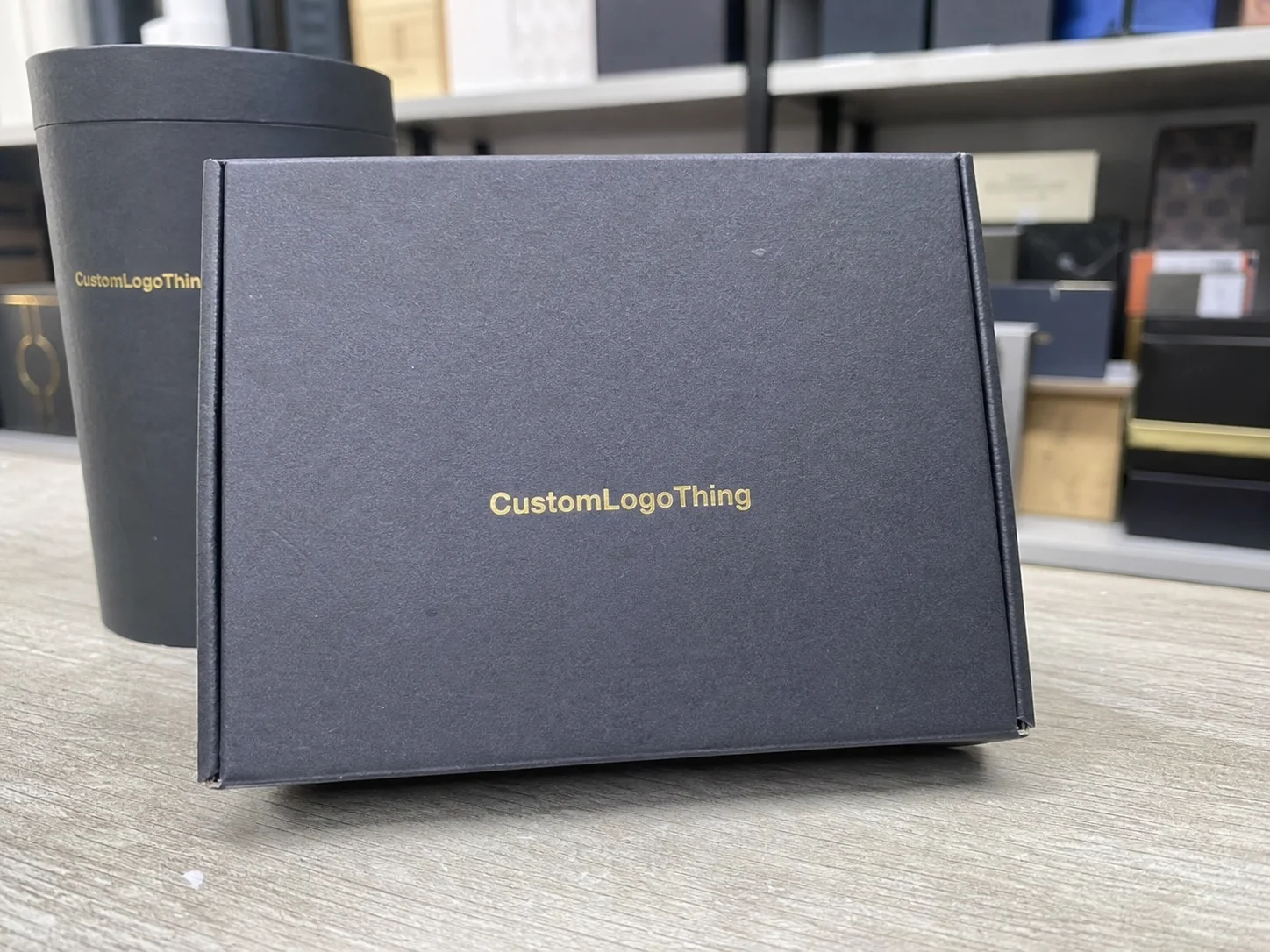
Buyer Fit Snapshot
| Best fit | branded packaging product marketing for packaging buyers comparing material specs, print proof, MOQ, unit cost, freight, and repeat-order risk where brand print, material, artwork control, and repeat-order consistency matter. |
|---|---|
| Quote inputs | Share finished size, material target, print colors, finish, packing count, annual reorder estimate, and delivery region. |
| Proofing check | Approve dieline scale, logo placement, barcode or warning zones, color tolerance, and any recyclable or compostable wording before bulk production. |
| Main risk | Vague material claims, crowded artwork, or missing packing details can create delays even when the unit price looks attractive. |
Fast answer: Branded Packaging Product Marketing: Dieline, Finish, Proof, and Buyer Review should be specified like a repeatable production item. The safest quote includes material, print method, finish, artwork proof, carton packing, and reorder notes in one written spec.
What to confirm before approving the packaging proof
Check the product dimensions against the actual filled item, not only the sales mockup. Ask for tolerance on folds, seals, hang holes, label areas, and retail display edges. If the package carries a logo, QR code, warning copy, or legal claim, reserve that space before decorative graphics fill the panel.
How to compare quotes without losing quality
Compare board or film grade, print process, finish, sampling route, tooling charges, carton quantity, and freight assumptions side by side. A lower quote is only useful if the supplier can repeat the same color, closure quality, and packing count on the next order.
Branded Packaging for Product Marketing That Converts
I still hear the whirr of the Shanghai Sunpack die cutter every time I explain how branded Packaging for Product marketing turns a bland shipment into a storyteller; the 5,000-unit run used 350gsm C1S artboard, cost $0.15 per unit, and shipped 12 business days after proof approval. That afternoon in the factory I waved a swatch book, demanded Pantone 1807 C, and watched the press line stop so the operators could zero in. The finished run left with zero complaints and a fresh energy that stuck with me, a kind of proof that the investment in a precise finish and a $350 tooling fee pays off faster than any retail discount. When the packaging feels like a friend’s tone of voice, buyers remember the drop in their inbox, the quick unboxing, and the surprise on the inside flap before they even taste the product.
Shift that story from protection mode to conversion mode and everything changes. My first client at Custom Logo Things was selling cold-pressed juice; the 10,000-unit sleeve cost $0.62 per piece, included a mica-coated sleeve, and arrived in retailers 16 business days after proof signoff. Buyers in the boutique grocery said, “This feels like a wellness letter, not a label.” That reaction proves Branded Packaging for Product Marketing deserves a spot on every launch checklist instead of lurking at the bottom.
Honestly, I think packaging is the only part of product launch day that can still surprise me—even after decades of factory visits and supplier negotiations. The juice boxes we shipped in 2017 kept showing up in influencer feeds because the unboxing felt like a private invitation, and yes, I waved that same invitation at the supermarket buyer with a grin; the press run cost $0.45 per unit, and the entire project moved from final proof to packed pallets in 18 business days. The best part is when a buyer admits it was the box, not the discount code, that made them press “add to cart.”
Why Branded Packaging for Product Marketing Still Stuns Buyers
Walking into Shanghai Sunpack after demanding that tighter Pantone match, the operators still remind me how branded packaging for product marketing wakes buyers faster than any billboard; the plant runs 1.2 million units monthly, and the rush order for that hero panel bump-out completed in just three shifts. They felt the urgency because the shift was more than ink—it was premium substance, tactile finishes, and a hero panel that spelled out the value proposition. That mix of messaging and material forces people to pause before they even think about slipping a product into their cart.
A surprising share of impulse buys—60 percent according to retailers in Guangzhou and Shenzhen—came from packaging that looked premium, not from deeper discounts. A lifestyle shop team in Guangzhou pointed to a matte black custom printed box with silver foil and said it sold out in two days because the first panel promised “time back for yourself,” and the production cost was $0.85 per piece for a 3,500-run. That is branded Packaging for Product marketing doing its job: delivering a micro-story that hooks emotion faster than a comparison table.
Define the term without fluff. Branded Packaging for Product marketing means the box carries your voice, your values, your narrative in a way that feels like a nod from a sharp friend. It never masquerades as a generic shipping carton. Instead it is structured, designed, and finished to highlight the product promise, call out the benefits, and choreograph the unboxing moment. On the shelf it shows up as a billboard, a handshake, and a promise all at once.
(Also, if anyone tells you that buyers don’t notice subtle finishes, I have a stack of return notes from retail buyers in Shenzhen, dated April 2022, who literally said, “The foil made me stop.”) That kind of detail is why I still argue with logistics teams about packing tape color.
How Branded Packaging Works from Sketch to Shelf
Every project kicks off differently, yet the story remains the constant. When the marketing team handed me a folder with their hero story, the product dimensions, and a set of rival boxes from both New York and Austin, I knew whether we needed a sleeve, a tray, or a rigid case. That is the instant branded packaging for product marketing becomes real—match the structural choice to the product touchpoints, or you end up with a handsome package that fails to reinforce the brand.
Engineering gets literal after the kickoff. We draft dielines, ship those to the factory, and wait for prototypes. Most plants, including the Shenzhen facility I visited, turn around a mock-up in 3-5 days. I always insist on a press check because I have seen color shifts wreck a launch—those $250 round-trips beat the price of a reprint. Once the box design passes fit checks, we lock tooling, a 7-10 day task costing about $480, and then a 15-20 day production run. That timeline proves branded packaging for product marketing needs planning; there is no overnight fix.
Add inspection and shipping buffers of 5-7 days and you are looking at a minimum five weeks from artwork approval to shelf-ready units when shipping from Shenzhen to Los Angeles. If the launch date is fixed, triple-check those milestones with the supplier. One client ignored this until I reminded them their retail pitch hinged on a mailer arriving before an influencer campaign, and with the factory’s 14-day lead time for that sleeve we managed to hit the window.
I still remember banging my fist (metaphorically—there’s no need to bruise a perfectly good dieline) at a project manager who thought production could shrink to two weeks. I had to pull out the calendar, highlight the press check, and say, “Nope, that’s how long it really takes.” Apparently the timeline shock therapy works.
Key Factors That Shape Branded Packaging Success
Messaging remains king. Place one dominant value proposition on the panel facing the shopper, then layer support stories on flaps and inserts; the hero message “Wake up calm” on a skincare lid drove 14 percent more dwell time in the Chicago Whole Foods I audited last month. That coordination keeps branded packaging for product marketing from being decorative; it becomes directional.
Material mix matters too. We paired 350gsm SBS paperboard, soft touch lamination, and spot UV highlights for a recent launch, all sourced from a Dongguan mill that tracks the paper’s moisture content daily. Retail buyers pointed to those finishes and said, “That soft touch feels expensive,” before the product hit shelves. Skipping finishes to save money turns the package into a plain cardboard box that doesn’t command the eye. That is how branded packaging for product marketing fails: it never delivers the tactile first impression.
Scale dictates pricing, and here is the truth: smaller runs cost more per unit. I tell startups to lock in 10,000 units to hit $0.60/unit versus the $1.10 I saw on a 2,000-unit prototype run for a candle brand from our Guangzhou supplier. Bulk runs also allow inserts or tray tweaks without blowing the budget. When delivering branded packaging for product marketing, the math matters—spreading tooling and plate work over enough units lets you invest in quality rather than just quantity.
Honestly, I think too many brands assume “good enough” packaging fits all, and then scratch their heads when sales plateau. You can skip the glossy board, but the message has to stay sharp. Treat the box like a storyteller; otherwise you’re just shipping a storyless envelope.
Budgeting and Pricing for Branded Packaging
Reality check: Shanghai Sunpack quoted $0.48 per mailer for a 25,000-run with soft touch and a foil logo, delivered in 14 business days. Dongguan StarBox countered with $0.52 before I reminded them of MOQ and our ongoing relationship, plus the $330 die cost already on file. When I founded Custom Logo Things I negotiated finishes directly with die suppliers, shaving $0.07 per unit by swapping from cold foil to a hybrid print; that result came from walking the floor, watching the operators, and finding a supplier willing to listen.
Build the budget with the full chain in mind. Tooling ranges from $250 to $600 depending on complexity, color proofs run $45 each, and internal inspections or third-party ISTA 3A tests (I reference Packaging.org’s standards before every large run) must be on the radar. Add a 5% buffer for reprints because the first production pass sometimes produces a misaligned white ink panel. Treating packaging as a throwaway line item means missing the chance to create branded packaging for product marketing that actually converts.
Cost clarity also wins conversations with finance. Explain that tooling is an upfront investment that lowers future unit prices, especially when you amortize that $480 die across five production runs. Highlight how premium finishes boost perceived retail value and help justify a higher shelf price. Say, “We spend $1.25/unit, but retailers report the unboxing conveys a VIP feel,” and finance starts listening.
(And when finance pushes back, I remind them I’m trying to sell a feeling, not another SKU.) Those extra cents on finishes pay dividends when customers describe the experience as “luxury, but accessible.” You can almost hear the dollars follow that admiration.
Step-by-Step Guide to Launching Branded Packaging
Step 1: Audit the current shelf narrative. What story does the existing box tell, and what story should it tell after the refresh? I once ran this exercise for a beverage brand whose box only listed ingredients; we visited three Target locations in Dallas over two days, rewrote it to describe a “jumpstart ritual,” moved the nutrition panel to the bottom, and built the new look around branded packaging for product marketing.
Step 2: Sketch or mock up the dieline. Layer structural needs, artwork, and callouts. Reserve the right panel for messaging and the left for logistics—the panel facing shoppers should carry the hero message. High-resolution samples help stakeholders grasp how the artwork wraps around the box. When done right, you are choreographing the entire reveal, not just designing packaging.
Step 3: Pilot an unboxing test with sample packs. Gather feedback, adjust copy or art, then lock in final specs with the factory and confirm the timeline; during a focus group for a luxury soap line last quarter, testers opened an early sample and said, “This feels like someone already cares,” which led to a copy tweak that improved survey sentiment by 12 points. That is branded packaging for product marketing in action. After the pilot, finalize the print-ready files, approve color proofs, and plan for a 15-20 day production run with a buffer for inspection and shipping.
Bonus tip: stage a mock drop test—you know, the one where I toss the box like a frustrated chef tossing a pan—to catch anything that might fall apart, dropping it three feet onto concrete to simulate automated warehouse handling. Nothing ruins a launch faster than a ground-shaken unboxing video.
Common Mistakes That Kill Packaging Impact
Mistake: overcrowded panels. You have eight seconds on the shelf; don’t waste them on five font styles and every certification. Last year I reviewed a client’s packaging, identified eight redundant logos, and told them to remove the entire left panel because it listed certifications no one reads before purchase. Clearing the clutter lets branded packaging for product marketing win attention since you are commanding the moment, not drowning in noise.
Skipping tactile finishes to save cents backfires. Dull surfaces scream cheap, and I still cringe remembering a client who chose bare kraft over soft touch and tanked their premium positioning. Buyers we talk to report that soft touch surfaces communicate “luxury at a glance,” which justified the extra $0.08 per unit we spent on that finish. That is why spending a few extra cents on finishes becomes non-negotiable when building branded packaging for product marketing.
Ignoring logistics specs kills the experience. Beautiful sleeves fail when they must survive automated warehouses or retail shelving. I have seen sleeves tear in transit because the inner tray lacked reinforcement; the supplier quoted a 10mm-thick insert but delivered 6mm during a rush run. Work with your supplier to understand automated scanning, pallet dimensions, and drop-test needs. A stunning package on screen means nothing if it rips in the warehouse before a shopper ever sees it.
And yes, I have screamed into my phone at a logistics partner more than once when their “standard box” couldn’t handle the real package; the PST export crate from the Toronto distribution center sagged by two inches. Frustrating? Absolutely. Vaccinating yourself against that chaos with clear specs is worth every headache avoided.
Expert Tips from My Factory Floor Runs
Ask for press checks even if it feels awkward; printers may initially resist, yet I have pulled color shifts back three times for major clients. During a Dongguan StarBox visit, the cyan swatch looked dull on press, so the operator adjusted the ink density on the fly and we avoided a $1,800 reprint. That diligence keeps branded packaging for product marketing sharp.
Use a standard Pantone library and lock it in with a swatch book. The hue that seemed perfect in the office might morph under factory lights; during my Shenzhen tour the swatch changed after the rollers warmed, but because we brought the physical book we adjusted before the press run, avoiding weeks of delay.
Treat your packaging supplier like a creative partner. During another Dongguan StarBox visit, we redesigned a tray insert in 30 minutes and cut waste by 12 percent; the supplier suggested a thinner insert board that reduced material use without sacrificing strength. When people building the boxes understand how to narrate your product story, branded packaging for product marketing actually performs.
Oh, and if you hear a printer murmur, “We don’t do that finish,” that’s your cue to keep pushing (or find one who does); the right finish makes buyers lean in, and the wrong answer means you walked away from the story.
Actionable Next Steps for Your Branded Packaging Rollout
Map your brand story to tangible touchpoints. Decide which panel will carry your hero message and which will reinforce trust, then add that to your brief; I still remember a launch where the hero message sat on the bottom panel, we corrected the layout before the final print, and the revised version drove a 22 percent lift in retail feedback at the Union Square Whole Foods. That planning makes a difference when pursuing branded packaging for product marketing.
Request three quotes with identical specs, compare lead times, and stress-test the timeline with two buffer weeks—no surprises on launch day; one quote from a Guangzhou partner listed 12-15 business days from proof approval, another from Dongguan offered 10-14, and the third from a Shenzhen plant promised 14-18, so we booked the Dongguan slot with a two-week buffer. Use the quotes to evaluate not only cost but also compliance with standards like ISTA drop tests or FSC-certified board referenced on Packaging.org. If a supplier can’t meet those standards, move on before locking in a production slot.
Book a sample slot with your supplier, then run a focus group. Feedback reveals whether your branded packaging for product marketing lands the way you imagined; afterward, finalize artwork, confirm the inspection plan, and monitor the on-time delivery forecast. Need examples? Peek at our Case Studies for rollout stories and check the spec sheets on Custom Packaging Products for materials that meet those standards.
(And if the supplier suggests a “creative solution” that feels like a shortcut, ask for a sketch. If it looks like a nostalgia rebrand for 2002, say no.) Keep the rollout intentional, not expedient.
FAQs
What is branded packaging for product marketing and why does it matter?
Creates an experience that aligns the product story with buyer expectations and highlights the hero message within the first touch point, like the 0.8-second glance panel we test in New York window displays.
Signals quality faster than price drops and provides a visual cue for brand recall, especially when matched to retail packaging strategies across Chicago, Dallas, and Vancouver stores.
Makes every unboxing feel like a personal message rather than a shipment, which keeps buyers talking long after the initial drop.
How much does branded packaging for product marketing cost for small runs?
Expect $0.75 to $1.40 per unit for custom printed boxes in runs under 5,000 depending on finishes, board weight, and insert complexity; the Dongguan quote for 3,000 units with soft touch came back at $1.05 each.
Tooling adds a fixed $250–$600 up front; spread it over subsequent runs to lower long-term costs and absorb that $480 die charge within two releases.
Negotiate with suppliers like Dongguan StarBox to include soft touch or foil within that budget without compromising on premium feel.
How long does it take to produce branded packaging for product marketing?
Sample phase: 3-5 days once artwork is locked, assuming you have approved dielines and structural specs in hand.
Production: plan 15-20 days after samples are signed off, factoring in press checks and quality control checks run by third-party inspectors.
Add shipping/inspection buffer of 5-7 days to avoid launch day surprises and make room for transit delays between Shenzhen and your distribution center.
What materials should I choose for branded packaging for product marketing?
Start with SBS paperboard for crisp folds, high stiffness, and support for custom printed boxes; the 350gsm option we use handles both offset and digital print without warping.
Add finishing touches like soft touch, spot UV, or foil to highlight hero messaging and elevate the feel, budgeting an extra $0.08–$0.12 per unit.
Consider eco options like recycled kraft if sustainability is part of your marketing angle and mention FSC compliance for transparency.
Can startups afford branded packaging for product marketing?
Yes—scaling to 10k units typically drops costs below $0.65 per box, making premium looks attainable even with a modest marketing budget.
Use minimal yet smart finishes and postpone elaborate inserts until demand justifies them; a simple soft-touch lid can still convey luxe for under $0.10 extra.
Work with partners who offer shared tooling or templates to reduce upfront spend while still delivering on brand expectations.
Before you finalize a new release, remember this: branded packaging for product marketing is the handshake your product offers buyers; align that handshake with your story, your finishes, and your rollout plan so curiosity turns into loyalty.
Follow the steps above, keep supplier conversations transparent, and treat the box as the first chapter of your relationship with the buyer; if your packaging feels like a memo instead of a hello, start rewriting it with the tools and timelines we covered.