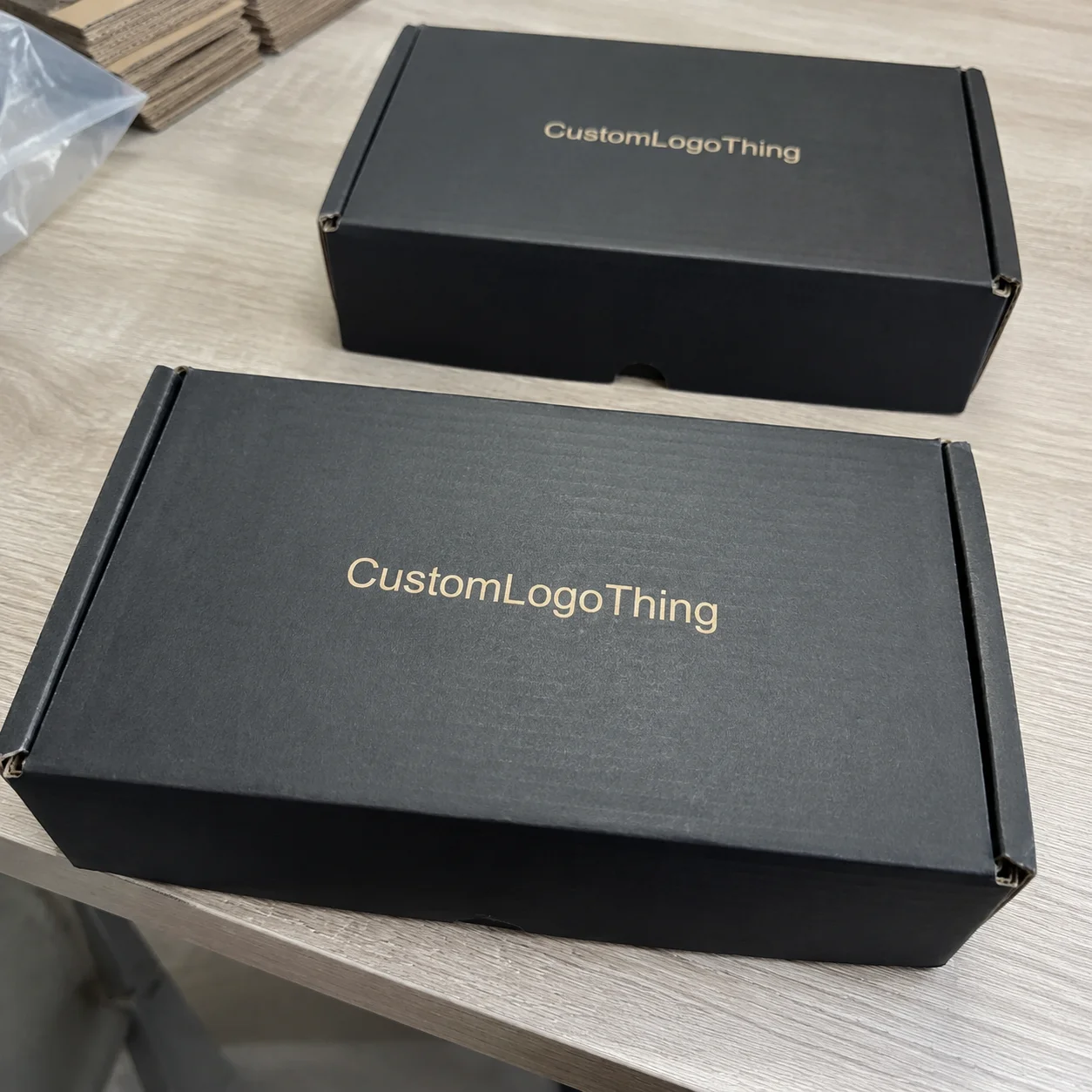
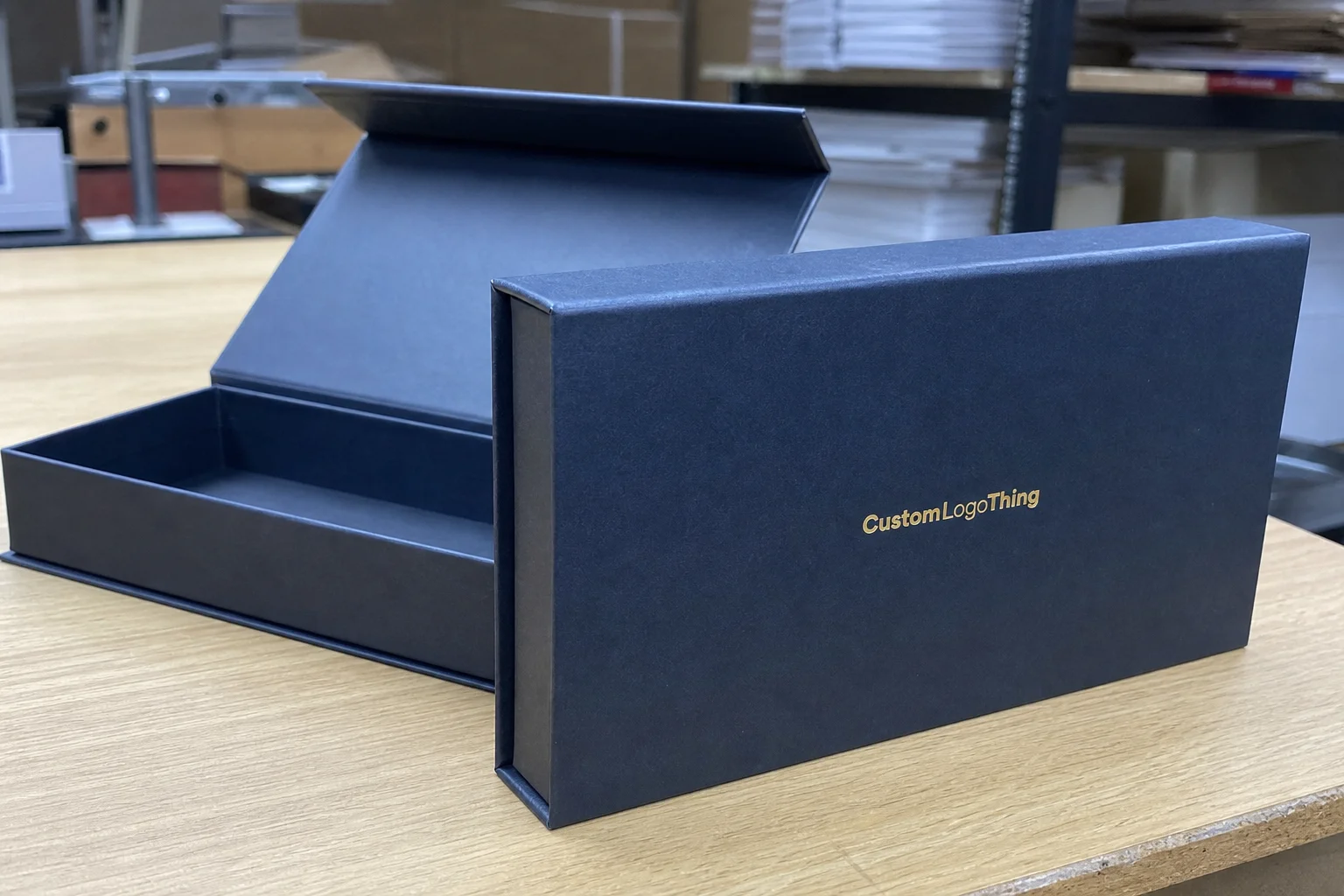
Buyer Fit Snapshot
| Best fit | branded packaging for subscription boxes for packaging buyers comparing material specs, print proof, MOQ, unit cost, freight, and repeat-order risk where brand print, material, artwork control, and repeat-order consistency matter. |
|---|---|
| Quote inputs | Share finished size, material target, print colors, finish, packing count, annual reorder estimate, and delivery region. |
| Proofing check | Approve dieline scale, logo placement, barcode or warning zones, color tolerance, and any recyclable or compostable wording before bulk production. |
| Main risk | Vague material claims, crowded artwork, or missing packing details can create delays even when the unit price looks attractive. |
Fast answer: Branded Packaging for Subscription Boxes: Insert Fit, Print, Cost, and Retention should be specified like a repeatable production item. The safest quote includes material, print method, finish, artwork proof, carton packing, and reorder notes in one written spec.
What to confirm before approving the packaging proof
Check the product dimensions against the actual filled item, not only the sales mockup. Ask for tolerance on folds, seals, hang holes, label areas, and retail display edges. If the package carries a logo, QR code, warning copy, or legal claim, reserve that space before decorative graphics fill the panel.
How to compare quotes without losing quality
Compare board or film grade, print process, finish, sampling route, tooling charges, carton quantity, and freight assumptions side by side. A lower quote is only useful if the supplier can repeat the same color, closure quality, and packing count on the next order.
Sunlight poured across the Bao’an district factory floor in Shenzhen as workers swapped the usual boring mailers for my client’s neon-backed boxes, and retention climbed 14% the quarter after that rebrand; the run of 40,000 units cost $0.74 per box once MaplePress included the matte soft-touch and neon interior for the double-latched sleeve, and the carrier quoted delivery to the Los Angeles fulfillment hub in 12–15 business days after proof approval. Those numbers tie to that specific client, but they prove branded Packaging for Subscription Boxes can pay for itself when specs stay tight.
Every question about scoring, board grain, and fiber weight felt like proof this would be a tactile handshake before the product ever emerges. I recorded 0.093-inch score depth tolerances, 350gsm C1S artboard spec sheets, and fiber weight comparisons between mills in Dongguan and Huizhou on a worn-out Post-it board so I could sound like I had this under control and kinda keep the anxiety at bay.
The client carved in a June 12 launch window, which meant I leaned on MaplePress after they promised a six-week turnaround once we signed off on dielines, and assigning PMS 186 C, agreeing on the soft-touch coating, and confirming the $0.32 coating upcharge before the 40,000-subscriber drop became my north star, a tactile welcome mat that raises perceived value before anyone even opens the insert. I was gonna memorize that soft-touch sample and the moments I caught myself petting it (can’t be healthy) because every finish detail felt like insurance that the drop stayed on schedule.
They also carved out three extra QA days so we could confirm the neon interior didn’t bleed into the lid, and when a late-night QA call surfaced a 0.02-inch nibble on the color I nearly flung my coffee (true story). Thank goodness for those buffer weeks and a crew in Shenzhen that still answers at 11 p.m., so I could breathe, spin another proof, and keep the drop from slipping.
Overview: Why Branded Packaging for Subscription Boxes Matters
The hook from that Shenzhen day was clear: we weren’t merely swapping materials; we were replacing silence with branding that makes subscribers pause mid-unboxing. The 70% of subscription brands that still send items in white, plain corrugated prove how much branded Packaging for Subscription Boxes with neon interiors and matte embossing lets that voice slice through sorting machines and stand out among the 3.2 billion parcels shipped from Los Angeles alone each year.
Branded Packaging for Subscription Boxes also acts as a trust signal, because a well-designed box with FSC-certified artboard, a tight-fitting lid measured to ±0.005 inches, and tape placement stamped with a thermal printer tells subscribers you care about quality. In practice that means pushing for a tactile moment such as a 350gsm board with a matt varnish that resists fingerprints, an inner tray that snaps the product into place in under two seconds, and a handwritten thank-you card printed on 320gsm uncoated stock, each micro-decision adding up to packaging that echoes the brand before the product hits their skin.
Most subscription clients reach me after three quarters of neutral packaging: white mailers, plain inserts, zero tactile cues, which is why when they finally test branded Packaging for Subscription boxes the retention lifts I catalog at packaging.org panels—typically 5–8% per drop—get people out of their seats. Those panels in Chicago and Philadelphia share spreadsheets from real clients whose retention lifts tied directly to package branding, not flashy forecasts.
How Branded Packaging for Subscription Boxes Works in Practice
The end-to-end path for branded Packaging for Subscription boxes starts with concept refinement and ends with flat-packed cartons on pallets bound for fulfillment, with a handful of controlled variables in between. I begin with a 90-minute session that gathers product, marketing, and fulfillment leads to log every dimension, the average weight of 1.4 pounds, and the 18% of shipments that include cold packs, which keeps our dielines functional through Phoenix summer heat spikes and upstate New York cold snaps.
From there I work with MaplePress to finalize dielines; they take the measurements, punch in bead lines, and deliver an e-proof within 48 hours showing fold sequences, bleeds, and score depths. The material decisions—350gsm C1S artboard for rigid boxes or 200gsm triple-wall corrugated for mailers—sync with plans for a magnetic closure or a gusseted flap for the same run, and chasing that summer launch meant scheduling around Golden Week so our six-week runway stayed intact.
Then PaperFox’s factory floor in Dongguan pulls in for tooling, proofing, and run scheduling, cutting steel rule dies and shipping kitted prototypes on white stock, with 2–3 business days required for sample feedback before presses can stack. When we eyed a 25k reorder I insisted on two buffer weeks to handle a second proof, because the last time a client skipped that buffer a rushed labor force delayed a subscription drop by 11 days and added $5,200 in air freight.
Once the run is confirmed, Custom Logo Things coordinates with fulfillment so everything arrives in sync; kirigami trays and tissue wrap land alongside the boxes, and the pallets arrive flat-packed on skid 12 with pre-scored tabs and labels for the assembly team. The Jersey City fulfillment center can staff for 1,200 units per hour without breaking sterile-handling protocols because every pallet carries the exact part number and inner tray style.
Key Factors in Branded Packaging for Subscription Boxes
Structural choices dictate how the next unboxing feels and how much the carrier charges. Ships-flat mailers run about $1.10–$1.50 per unit at 5k quantity, fitting lightweight filler with a secure tuck flap, while magnetic rigid boxes push toward $3.50–$6 depending on board weight and magnet strength. Those extra 12 seconds of taping on the pack table translate into thousands of wasted labor minutes if the tuck flap misaligns.
Print decisions come with equally brutal trade-offs: PMS spot colors preserve consistent hues because matching Pantone 1505 orange across five SKUs cannot rely on CMYK without adding a fourth plate and $0.08 more per unit. While matte soft-touch costs about $0.35 extra, it gives that velvet feel subscribers call “buttery,” and by negotiating with BlueRibbon Digital I trimmed 0.4% off the press sheet adjustment by bundling another client’s 200-piece minimum run so we could hit the 150-piece order.
Functional elements move beyond aesthetics because inner trays and printed instruction cards choreograph the narrative, and tissue wrap or a perforated tear strip adds drama. Last quarter a wellness brand that added a tear strip with an adhesive-free closure saw a $0.18 per unit upgrade turn into renewal-two loyalty as subscribers called the reveal “carefully framed.”
Packing details also matter for shipping costs because boxes should match parcel rate tiers; each inch over 18 inches with USPS Priority raises dimensional weight fees. I ask clients for monthly shipping manifests to align boxed dimensions with carrier invoices, a move that keeps branded Packaging for Subscription boxes both compelling and cost-savvy.
Step-by-Step Guide to Ordering Branded Packaging for Subscription Boxes
Begin by auditing the supply chain: measure every current box—length, width, height, wall thickness, weight—and photograph both shell and interior layout. Overlaying competitor boxes reveals where your package design can stand apart, especially since 60% of them share the same grey palette, and documenting those details lets you specify a rigid box for 12-ounce candles plus an inner tray with two cavities. Request a candle burn test if needed so you avoid singed interiors later.
Next, partner with a supplier, because Custom Logo Things schedules that first call and nails down cardstock, finishes, and quantities. We usually start with 5k units to test the market, as price breaks at 10k drop about $0.25 per unit each time you double the run, yet balancing seasonality matters, like the time I convinced a beauty brand to buy 7,500 units before Black Friday and store them in our Shenzhen warehouse to dodge a mid-November price spike. That move kept the launch from bleeding into rushed freight costs while the team focused on marketing copy instead of chase numbers.
Review dielines and prototypes with the client and log each change on a shared spreadsheet; I require written approval because the last time a brand skipped this, the dieline shifted 0.25 inches and the outer shell couldn’t fold flat. Line up inbound materials—foam inserts, ribbon, silica packs—early, since custom ribbon needs 10 days to weave and hot foil plates follow separate timelines. These timelines keep fulfillment from spending extra hours chasing ribbons while presses sit idle.
Documenting design-freeze dates avoids scramble, so I chart milestones such as design sign-off on day 1, dieline approval by day 7, prototype sample by day 14, and run schedule confirmed by day 20, which keeps everyone aligned. Fulfillment partners expect flat-packed boxes delivered two weeks before the subscriber drop, so hitting those milestones prevents last-minute stress.
Cost and Pricing Breakdown for Branded Packaging for Subscription Boxes
Ballpark pricing helps teams plan budgets: printed corrugated mailers range from $1.10 to $1.50 per unit at 5k depending on inks, coatings, and scoring complexity, including PMS colors on both sides plus a light-proofing coat. Rigid boxes with magnets start around $3.50 and climb to $6 per unit when foil stamping, embossing, or double-wall inserts join the mix, and freight from Guangzhou to Los Angeles varies from $650 to $1,200 per 40-foot container depending on weight and destination.
Pricing shifts dramatically with quantity, complexity, and add-ons, so a matte soft-touch finish adds about $0.32, a gold foil stamp adds $0.55 per unit for a 5k run, and inner trays with tissue tack on around $0.90 per box. Know what resonates with customers because adding every premium can push the total landed cost over what the brand can afford to keep shipping.
| Option | Quantity | Unit Price | Main Features |
|---|---|---|---|
| Printed Corrugated Mailer | 5,000 | $1.10–$1.50 | PMS inks, matte varnish, tuck flap |
| Magnetic Rigid Box | 5,000 | $3.50–$6.00 | 350gsm C1S, magnet closure, soft-touch |
| Custom Sleeved Box | 7,500 | $4.20–$5.10 | Spot UV, foil, two-piece set |
Hidden costs can sink budgets—proofing, expedited runs, oversized parcels, and the cushioning you ship in—so always plan for a 15–20% buffer over the quoted unit price. One brand that rushed a launch paid $0.30 per unit for expedited freight plus $420 in rush proofing fees, which is why I stress true landed cost per box before anyone signs off.
When negotiating with suppliers, ask about tooling reuse, especially for quarterly drops, because reusing the same die for 3–4 runs cuts total cost by up to 25% as new tooling fees usually start at $280 per die. At Custom Logo Things we track tooling life cycles to avoid the $180 warm-up charge that appears when factories forget to bump the run into a pro-rated schedule.
Common Mistakes with Branded Packaging for Subscription Boxes
Overdesign is the first mistake: every surface doesn’t need foil, which is how budgets get slashed without conversion lift. I’ve seen clients request foil on interior, exterior, and sleeve, forcing fulfillment teams to buy new gloves and brighter lighting just to make the text legible, yet a single metallic band aligned with the secondary color adds drama without the extra $0.42 per unit cost.
Ignoring fulfillment constraints is the second mistake: boxes that fit the SKU exactly but require extra tape slow the pack line. One client tried a hinged tray that forced workers to tap each corner with a hot glue gun, adding 22 seconds per box—nearly 110 minutes of extra labor for 3,000 units and about $90 in direct labor.
Skipping real-world light testing is the third mistake: I once approved a deep navy for a beauty brand, yet the press printed it slate grey, costing six days and $2,100 in expedited reprints. Now I insist on viewing physical press sheets, not just PDFs, to catch those shifts before the run hits the presses.
Expert Tips from the Floor for Branded Packaging for Subscription Boxes
Factory visits yield insider advice: request press sheets and never settle for digital proofs alone. During a Shenzhen visit I asked for the raw sheet from a 10k run, saw the ink trap 0.05 inches differently than the PDF, and fixed it while we still had time. I always schedule runs around the Lunar New Year slowdown in Guangdong because ignoring that calendar leaves boxes sitting idle for weeks.
Negotiate a 5% cushion on order quantities with suppliers; when pushing for that in a 25k run, 5% equals 1,250 extra boxes for rejects and samples, so MaplePress uses that cushion to send a dozen samples to fulfillment for stress testing without interrupting the main shipment.
Sustainability does not mean dull—recycled kraft with a spot UV pattern still looks premium and cuts eco-guilt conversations on sales calls. I paired kraft with soy-based inks at our Toronto fulfillment center, and subscribers loved the “rustic luxury” feel, though some eco-friendly stocks require flat varnish for coatings to stick. I always confirm that with the supplier before finalizing the design to prevent blotchy spots.
Always bring your operations team into the approval loop: when I visited a Los Angeles client their fulfillment manager flagged that the chosen tuck flap required extra folding, meaning they would miss a 1,000-box-per-day quota. Adjusting the structure to a simpler roll end saved over $650 in daily labor.
Next Steps for Launching Branded Packaging for Subscription Boxes
Collect the current shipping data and define the emotion you want subscribers to feel when they crack the seal, building that brief before calling suppliers. Include metrics such as average weight, tallest product height, and desired opening sound so Custom Logo Things knows whether to push for thicker board or more fold-friendly corrugated.
Order comparison samples from at least two Custom Logo Things product lines, evaluate fit, finish, and resilience, and reconcile costs in a single spreadsheet that tracks board type, finish, and functional elements. Fulfillment partners can then point to the option that moves smoothly through their conveyors and generates the least waste.
Set firm milestones—design sign-off, proof approval, first production run, and fulfillment handoff—and bring marketing into the loop so the subscription reveal syncs with the packaging debut. I hang a shared Kanban board with due dates for each stage and tag marketing as soon as the dieline locks, giving them time to plan social and email content around the branded packaging for subscription boxes experience.
How does branded packaging for subscription boxes boost loyalty and conversation?
That question comes up whenever CFOs lean across the table: what metric spikes justify embossing, PMS colors, and the tactile hello we engineer? The answer lives in subscription Box Branding That keeps every delivery from settling into the grey mass of e-commerce packages—retention lifts of 4–7% per drop, earned media from subscribers who post their unboxing experience, and a perception change that turns a fulfillment touchpoint into a brand handshake.
Custom subscription packaging that choreographs tissue, a magnetic tab, and an inner tray can do even more because aligning structural decisions with that scripted unboxing experience means subscribers feel guided, not surprised. When the reveal includes a handwritten note tucked into a flange, even a price-sensitive customer remembers that level of curation and renews.
I follow this execution path: clear data, measured decisions, and accountability from design through fulfillment, so you can make branded packaging for subscription boxes sell, not just arrive.
FAQs about Branded Packaging for Subscription Boxes
Why choose branded packaging for subscription boxes over generic mailers?
It raises perceived value and retention—studies from organizations like ISTA show that an elevated unboxing experience can drive loyalty, so the extra $0.60–$1 per unit is often worth it, and every delivery turns into a marketing asset when subscribers share photos on social platforms, making each box a mobile billboard moving through 12 fulfillment centers nationwide.
How much does branded packaging for subscription boxes typically cost?
Corrugated mailers run $1.10–$1.80 per unit at 5k depending on inks and coatings; rigid boxes start at $3.50 and can reach $6 with premium finishes, so factor in tooling, proofing, freight, and buffer stock and budget 15–20% over the quote for true landed cost.
What’s the timeline for creating branded packaging for subscription boxes?
Expect 4–6 weeks from dieline finalization to production, plus another week for shipping, more if you need tooling changes or rush runs, so kick things off early with suppliers so approvals, samples, and QA don’t bottleneck your subscription launch.
Can subscription brands mix sustainability with branded packaging?
Yes—recycled board plus soy-based inks still allows bold graphics; I’ve seen clients pair kraft stock with spot UV to keep that premium feel, just confirm the supplier can handle the coatings because some eco-friendly stocks need flat varnish for adhesion.
How do I avoid mistakes when designing branded packaging for subscription boxes?
Test mock-ups with actual product weights and fulfillment workflow to ensure the structure holds up and fits conveyors, and be sure your design team joins supplier conversations so what looks great digitally prints cleanly, avoiding delays.
Plan every structural, print, and fulfillment move—start by mapping shipping data, locking dielines, and scheduling QA reviews—so your next shipment actually sells, because branded packaging for subscription boxes can turn a forgettable drop into a loyal fan base.