Buyer Fit Snapshot
| Best fit | Branded Padded Mailers for Jewelry projects where brand print, material claims, artwork control, MOQ, and repeat-order consistency need to be specified before quoting. |
|---|---|
| Quote inputs | Share finished size, material target, print colors, finish, packing count, annual reorder estimate, ship-to region, and any compliance wording. |
| Proofing check | Approve dieline scale, logo placement, barcode or warning zones, color tolerance, closure strength, and carton packing before bulk production. |
| Main risk | Vague material claims, crowded artwork, missing packing details, or unclear freight terms can make a low unit price expensive after revisions. |
Fast answer: Branded Padded Mailers for Jewelry: Shipping Checklist should be specified like a repeatable production item. The safest quote records material, print method, finish, artwork proof, packing count, and reorder notes in one written spec.
Production checks before approval
Compare the actual filled-product size with the drawing, then confirm tolerance on folds, seals, hang holes, label areas, and retail display edges. Reserve space for logos, QR codes, warning copy, and material claims before decorative graphics fill the panel.
Quote comparison points
Review material grade, print process, finish, sampling route, tooling charges, carton quantity, and freight assumptions side by side. A quote is only useful when the supplier can repeat the same color, closure quality, and packing count on the next order.
Branded Padded Mailers for Jewelry packaging shipping durability checklist decisions are not about making the mailer look nice first. They are about getting a small, high-value order to the customer without scuffed presentation boxes, split seams, or a return email that starts with, “The packaging arrived damaged.” Jewelry is small, which tempts brands to treat shipping risk as small too. That is usually where the trouble starts.
A boxed pair of earrings can survive the carrier network and still arrive looking tired. A bracelet sleeve can crease. A necklace box can rub through at the corners. None of that requires a dramatic impact. It only takes enough motion, pressure, and abrasion to expose a weak outer layer or a poor seal. The mailer is doing more work than most buyers give it credit for.
This piece is written as a practical buying tool. It compares protection, print quality, cost, and lead time without pretending packaging is magic. If you are also reviewing Custom Packaging Products, comparing notes against Case Studies, or weighing mailer formats against Custom Poly Mailers, the goal stays the same: choose a structure that protects the jewelry, protects the margin, and still feels like your brand.
Why Tiny Jewelry Orders Still Get Damaged
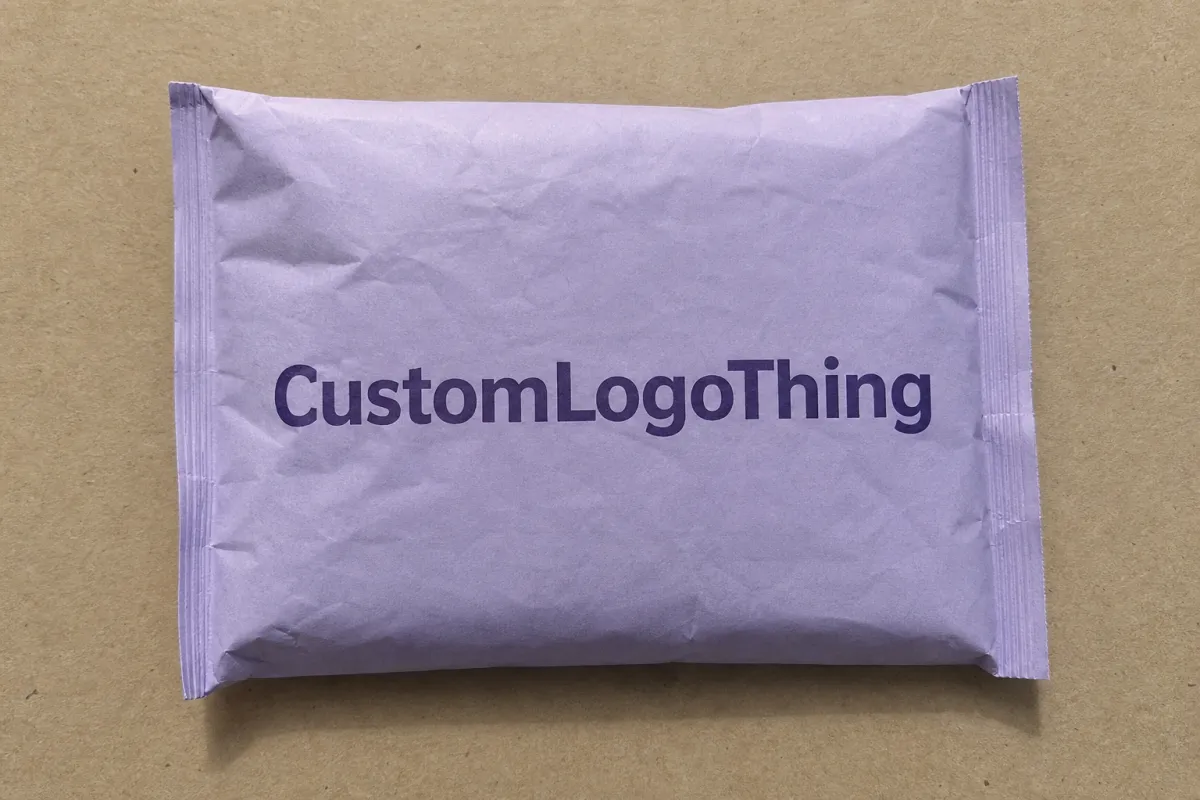
Most jewelry damage complaints do not start with a shattered pendant. They start with a bent corner, a weak seal, or a box that looks used before it has been opened. That matters because buyers make judgments fast. If the ring box is rubbed at the edges or the bracelet sleeve is crushed, the order feels less valuable even when the item inside is perfect.
Small parcels take a beating in ways that are easy to underestimate. They slide on conveyors, get squeezed into sacks, drop into bins, and stack under heavier freight. A mailer that looks fine on a packing table can behave very differently once it enters a sort center. If the seam is weak or the shell flexes too much, the package stops acting like a barrier and starts acting like a sleeve.
Jewelry adds its own hazards. Metal edges, prongs, clasps, and rigid inserts create pressure points that can abrade the inside of the mailer. A small boxed necklace can turn into a rubbing test if there is too much empty space. The right mailer is built around controlled movement, not just a clean printed face.
"A jewelry mailer should survive distribution first and look premium second. If those two goals fight each other, the spec is wrong."
From a packaging buyer's point of view, the real question is not whether the mailer can hold the product on a desk. It is whether the mailer can hold the product through real handling and still look intentional when the customer opens it. That is the difference between a shipping consumable and a piece of retail packaging.
How Branded Padded Mailers Protect Jewelry in Transit
A padded mailer works because it spreads force over a wider area. Instead of letting a shock land directly on one corner of a jewelry box, the cushioning layer absorbs part of the impact and slows the energy transfer. The outer shell gives the parcel enough structure to resist abrasion, while the closure keeps the contents from working loose during transit.
Most Branded Padded Mailers have four core parts: an outer film or kraft layer, a cushioning layer inside, a seal or adhesive closure, and sometimes a tamper-evident strip. Each part affects performance. A pretty print on a weak shell is still a weak shell. A strong seal on a thin body can still fail if the package tears at the side seam. Good branding should support the structure, not fight it.
For jewelry, the best use case is usually a small, relatively rigid retail unit such as earrings, dainty chains, charm sets, samples, or boxed pieces that do not need full corrugated protection. That does not mean the mailer replaces every other format. Rigid boxes still win when the piece is brittle, expensive, or packed with a delicate insert. Plain poly mailers are lighter and often cheaper, but they offer far less cushioning. For higher-value orders, a brand may decide the extra unit cost is worth the lower risk of claims and reships.
There is a branding angle here too, and it deserves a serious look. Print quality, finish, and color should elevate the unboxing experience, but not at the cost of crack-prone coatings or unreliable adhesion. A high-gloss finish can look sharp, yet it may show scuffs more visibly. A soft-touch laminate can feel premium, but it may add cost and complicate recyclability. The right choice depends on the product line, the margin, and how the package is handled at fulfillment.
Common paper-backed jewelry mailers often use a face stock such as 350gsm C1S artboard or a similar coated board paired with 2-3 mm bubble, EPE foam, or paper padding. A typical peel-and-seal strip is about 25-35 mm wide. That combination is not glamorous. It just works well enough for boxed studs, slim necklaces, and gift orders that need a clean exterior and a bit of shock absorption.
| Format | Typical Cost Position | Protection Level | Best For | Main Tradeoff |
|---|---|---|---|---|
| Padded mailer | Moderate | Light to medium | Small boxed jewelry, earrings, chains, samples | Less rigid than a box |
| Plain poly mailer | Lowest | Low | Soft goods, low-risk items, secondary overwrap | Minimal cushioning and edge control |
| Rigid shipping box | Higher | Medium to high | Premium sets, fragile inserts, higher-value orders | More material, more cube, higher freight |
| Padded mailer + inner box | Highest | Highest | Luxury presentation, delicate items, gift orders | More pack steps and higher landed cost |
If your line needs a lighter shipper, a mailer may be the right first layer. If the piece is especially fragile, the stronger route may be a box in a mailer, or a full custom printed box with outer overwrap. That call should come from test results, not habit or a nice render.
For sustainability-minded programs, ask whether paper components can be sourced with FSC certification and whether the full structure can be recycled through the channels your customers actually use. For standards-based validation, carriers and brands often look at distribution testing frameworks such as the procedures described by the International Safe Transit Association at ISTA, while paper sourcing questions can be informed by the Forest Stewardship Council at FSC.
Branded Padded Mailers for Jewelry Packaging Shipping Durability Checklist
The durability checklist starts with materials, because materials decide how much stress the mailer can absorb before it fails. On a spec sheet, the details that matter most are outer layer thickness, cushioning density, side seam strength, adhesive performance, and print durability. If any one of those is weak, the whole package can become the weak link in the shipping lane. That is not dramatic. It is just how packages fail.
Outer shells are easier to compare than vague labels like “premium.” For film-based mailers, buyers usually look at thickness in mils or microns. For paper-based mailers, they look at paper weight, kraft grade, and coating type. A common printed jewelry mailer spec might use 350gsm C1S artboard with 3 mm bubble lamination, or a 120-150 gsm kraft face with a padded liner. Stronger does not always mean better. A shell that is too stiff can crack at fold lines if the design does not match the material.
The cushioning layer matters just as much. Bubble, paper, and fiber padding all behave differently. Bubble padding gives spring and impact absorption. Paper padding often keeps the brand look consistent and can be easier to recycle in some setups. Fiber-based liners can bring stronger sustainability credentials, but they still need enough thickness to reduce point loads from clasps, pins, and corners. If the inner layer is too thin, the jewelry can still mark the surface of the mailer during vibration or compression.
Print durability is another place where a beautiful design can hide a functional weakness. Ink that cracks when the mailer flexes, varnish that scuffs during label application, or foil effects that separate at the edges can make a premium mailer look cheap after one shipping cycle. Branding and performance have to be reviewed together. Packaging is part visual, part mechanical.
The most useful test plan includes the kinds of abuse real parcels actually see: drop testing, vibration, corner crush, moisture exposure, and rub resistance. You do not need a lab coat to learn something useful. A small in-house test using packed samples can reveal whether the closure stays sealed, whether the box shifts inside the mailer, and whether the print layer survives handling.
| Checklist Item | Why It Matters | What to Look For |
|---|---|---|
| Seam strength | Prevents splits under conveyor pressure and stack load | Even bonding, no lifting at the edges, no tearing at fold lines |
| Adhesive closure | Keeps the package sealed through sorting and delivery | Strong initial tack, no peel-back after compression, clean tamper strip release |
| Padding density | Reduces impact transfer and abrasion | Even cushioning, no dead spots, no collapsing under light squeeze |
| Print resistance | Protects branded appearance during transit and label application | No cracking, no smudging, no visible rub-through after test handling |
| Moisture response | Helps the mailer hold shape in humid or wet conditions | No warping, no adhesive failure, no fiber lift or ink bleed |
| Fit to product | Controls movement and stops corner abrasion | Minimal empty space, no forced compression, no rattling |
Carrier lane matters too. A parcel moving through an automated sort network faces different hazards than one hand-delivered on a local route. Conveyor belts create rubbing and edge stress. Sacks create compression and twist. Loose parcel handling creates drops. If your order fulfillment mix includes multiple carriers, test against the roughest realistic path, not the easiest one.
For brands that want a more formal benchmark, map your internal test to a recognized distribution profile such as ISTA procedures. That does not mean every small business needs a full lab program. It means your evaluation should be repeatable and documented, so the next reorder is compared with evidence instead of memory. If the package needs to support premium retail packaging expectations, the test bar should be higher, not lower.
Cost, Pricing, and MOQ: What Changes Your Unit Cost
Mailers look inexpensive until the hidden drivers show up. The biggest cost levers are material grade, print complexity, size, padding type, finishing, and minimum order quantity. A plain stock mailer can be cheap because the supplier spreads setup and tooling over a large run. A fully branded version with multiple print colors, custom sizing, or premium finish layers can move into a different cost tier quickly.
Typical pricing for branded Padded Mailers for Jewelry can vary widely, but useful planning ranges might look like this: about $0.15-$0.24 per unit for 5,000 pieces for a simple printed mailer in a common size, depending on size and print coverage; about $0.22-$0.45 for lower-volume branded versions; and about $0.40-$0.85 for custom constructions with special finishes, heavier board, or tamper features. Smaller quantities sit toward the high end of those ranges. Larger runs can reduce unit cost, but they also increase storage needs and the risk of sitting on outdated artwork or a size that turns out to be wrong.
MOQ tradeoffs are straightforward on paper and messy in real life. If you order too little, the unit cost rises and reorders may interrupt shipping. If you order too much, cash gets locked up, shelf space shrinks, and a packaging spec mistake becomes expensive to unwind. The better answer usually sits between “cheapest unit price” and “lowest inventory risk.”
Buyers also miss several soft costs. Artwork setup can be billed once per design change. Sampling may involve a few rounds of proofing before the spec is approved. Freight can change the landed cost more than the unit quote suggests. And when a bad spec slips into production, the correction cost is not just replacement mailers. It includes repacking labor, customer service time, damage claims, and sometimes a brand hit that is hard to quantify.
The smarter comparison is total landed cost per successful shipment. That means measuring the quote, the freight, the damage rate, and the cost of reshipment. A cheaper mailer that creates one extra damage claim for every few hundred orders can end up more expensive than a sturdier option that costs a few cents more. That is especially true in jewelry, where the item value is often much higher than the packaging value.
| Buying Choice | Unit Cost Trend | Inventory Impact | Risk Profile |
|---|---|---|---|
| Small MOQ, branded print | Higher | Low stock commitment | Good for launches, but higher per-unit cost |
| Large MOQ, branded print | Lower | More storage and cash tied up | Best for stable SKUs and predictable volume |
| Stock mailer, no print | Lowest upfront | Easy to reorder | Lower brand impact and often weaker presentation |
| Custom size and finish | Highest | More planning required | Best fit and strongest brand control, but more coordination |
If you are comparing pricing across vendors, ask for the exact variables behind the quote: size, wall construction, print coverage, closure type, and carton pack count. Two quotes can look similar and still reflect very different packaging design assumptions. That is how a buyer accidentally compares apples to unfinished corrugate.
Process and Timeline: From Proof to Delivery
Production starts with file review. Good vendors check dielines, bleed, safe areas, and image resolution before anything is printed. That sounds routine, but it saves time. A clean file can move to proofing quickly. A messy file can push the project back by days, sometimes longer if there are multiple rounds of corrections.
The usual sequence is simple enough: artwork review, proof approval, sample confirmation, manufacturing, quality control, and shipment. The part that stretches most often is the approval loop. A company may have three stakeholders touching the design, each with their own comments. One person who can sign off fast is worth more than a stack of opinions that arrive one at a time.
Lead time expands further when the order includes custom colors, unusual finishes, specialty adhesives, or holiday demand. It also stretches if a sample round is needed after the first proof. A practical planning window for many custom mailer programs is often 12-15 business days from proof approval, but that can grow if the specification is complex or if freight is slow. Overseas transit adds another layer of uncertainty. Build in buffer time, not optimism.
Fast-track orders usually share a few traits. The artwork is print-ready. The size is already known. The material spec has been used before. And there is one internal owner who can say yes or no without routing the file through five departments. If your launch depends on custom printed boxes or matching mailers, the schedule should be treated as a packaging project, not a side task.
Timeline planning also protects inventory health. A jewelry SKU can be in stock while the correct mailer is not. That creates an awkward bottleneck: the product is ready to ship, but the packaging is not. In ecommerce shipping, that is enough to delay fulfillment and turn a healthy sales week into a service problem.
One useful habit is to treat the packaging reorder like a production milestone. Do not wait until the last carton is almost empty. Create a reorder trigger that includes proof time, sample time, transit time, and a small safety margin. That margin is not wasted inventory. It is insurance against a sales spike, a printer delay, or a carrier hiccup.
Step-by-Step Shipping Durability Checklist for Jewelry Brands
The best durability checklist starts before the first sample arrives. Measure the finished jewelry box, not just the jewelry item itself. Add the weight of inserts, tissue, sleeves, and any protective wrap. A ring may be tiny, but a rigid presentation box with a magnetic flap can behave more like a hard object than a soft parcel.
Next, test with the real shipping configuration. Do not judge an empty mailer. A mailer that looks acceptable without product may fail as soon as the boxed item creates pressure against a seam. Put the actual packed unit inside, close the adhesive, apply the shipping label where it will really go, and handle it the way a fulfillment team would.
A useful in-house checklist can be simple and still revealing:
- Shake test: Hold the packed mailer and shake it lightly for 15-20 seconds. Listen for movement.
- Drop test: Drop the packed sample from a desk-height equivalent on multiple faces and corners.
- Rub test: Slide the mailer against a rough surface or stack it with other parcels to check print wear.
- Seal test: Press the closure, wait, then try to peel it without tearing the surface.
- Moisture check: Expose one sample to humid air or light mist and inspect adhesive and print behavior.
- Compression check: Stack a few similar parcels on top for a set period and inspect seam integrity afterward.
Those steps are not a substitute for lab testing, but they tell you more than a spec sheet alone. If the package fails in a simple warehouse test, it will not improve in the carrier network. That is why many brands use both a practical internal check and a recognized distribution standard such as an ISTA procedure for more formal validation.
Unboxing matters too. A mailer can pass every shipping test and still fail the brand test if the print looks scratched after label application or if the adhesive tears the surface when opened. Jewelry customers are often buying sentiment as much as metal, stone, or finish. The package should still feel premium after the trip. That means the branding should survive the same handling that the protection was built to absorb.
Document your pass/fail criteria. Write down what counts as acceptable scuffing, acceptable compression, acceptable movement, and acceptable seal strength. Do not rely on “it looked fine.” That phrase is where reorder mistakes hide. A clear record makes future buying easier and gives your supplier something concrete to improve against.
Common Mistakes That Make Jewelry Mailers Fail
Buying by appearance is the first trap. A mailer can look elegant and still perform poorly under pressure. Shiny surfaces, special textures, and heavy ink coverage may suggest quality, but the real test is whether the structure survives the route from pack table to doorstep.
Weak adhesive is another silent problem. It often shows up only after the parcel has already moved through sorting equipment. A closure that peels under low stress or loses tack in humid conditions can create a package that looks sealed but is not. Thin seams behave the same way. They can split without dramatic failure, which is why a parcel may reach the customer with damage that is hard to trace back to the exact moment of failure.
Oversized mailers create their own trouble. Extra space lets the item shift, rub, and strike the corners. It can also make the parcel feel loosely packed, which suggests poor craftsmanship even when the jewelry itself is fine. If the finished unit does not fill the mailer in a controlled way, the right answer may be a different size or a different structure altogether.
Label placement is easy to overlook. Some surfaces do not accept thermal labels well, and some finishes show adhesive residue after removal or repositioning. Carrier restrictions can also matter more than people expect. A mailer that is technically strong but awkwardly shaped can still attract more handling than a compact, stack-friendly design. That affects the full journey, not just one checkpoint.
Skipping sample approval is the final and most expensive mistake. It is tempting to green-light a design from a render or a digital proof, especially when the artwork looks good. But a real sample tells you whether the closure sticks, whether the cushioning is enough, and whether the print survives flexing. One untested run can create a long tail of replacement cost.
If you want a shortcut to better decisions, compare the sample against your current packout, not against an imaginary perfect package. Ask a simple question: does this solve a real shipping problem better than what we already use? That keeps the decision grounded in product packaging performance instead of wishful thinking.
Expert Tips and Next Steps for Better Orders
Start with a side-by-side scorecard. Rate each sample on protection, print quality, closure strength, fit, and total landed cost. Use the same packed product in each sample so the comparison stays fair. A simple 1-5 score on each line often reveals more than a long internal debate.
Ask the supplier for material data, test notes, and any performance claims that can be verified. If a vendor says the mailer passed a drop test, ask for the conditions. How high was the drop? How many drops? What was inside the package? What environment was used? Those details matter because a claim without context is not much better than a guess.
Create a reorder spec sheet and treat it as a living document. Record the size, outer material, padding type, print colors, finish, adhesive style, carton count, and any history of failure or scuffing. Save the shipping lane details too. A mailer that works for direct-to-consumer orders may not be the right answer for wholesale sample packs or subscription shipments.
Re-test whenever something meaningful changes. If the product line shifts from lightweight earrings to boxed pendants, the packaging needs may change. If the carrier mix changes, the handling profile changes. If order volume spikes, pack speed and stacking pressure can change. Durability is not absolute. It depends on context, and context changes faster than many packaging calendars do.
For brands that want a simple next move, the sequence is clear:
- Sample at least two constructions.
- Pack the real jewelry order inside each one.
- Run a short durability check.
- Document the result.
- Lock the spec before the next reorder.
That process sounds basic because it is. Basic is often what protects margin. It also keeps branded packaging aligned with the actual customer experience instead of the imagined one. If you need to compare alternative formats, Custom Shipping Boxes may outperform a mailer for fragile sets, while lighter direct-to-consumer programs may still favor a padded format. The right answer is the one that passes the test and fits the economics.
The practical takeaway is simple: choose the mailer based on the real packed order, not the jewelry alone. Measure the finished size, test the closure, check print wear, and compare the result against the carrier lane you actually use. If the sample survives that checklist, lock the spec and reorder with confidence. If it does not, fix the structure before you buy volume.
FAQ
What makes branded padded mailers for jewelry more durable than standard poly mailers?
The padded layer absorbs impact and reduces abrasion against boxes, clasps, and inserts. Stronger seams and a better adhesive closure help the parcel stay sealed through sorting and delivery. Branding should be added in a way that does not weaken the structure or make the surface crack when flexed.
How do I choose the right size for branded padded mailers for jewelry packaging?
Measure the finished jewelry box, not just the product, because inserts and tissue change the fit. Leave enough room to avoid compression, but not so much that the item shifts during transit. Test the actual shipping configuration, including labels and any protective wrap, before you place the order.
What should be on a jewelry mailer durability checklist before ordering?
Check seam strength, adhesive quality, padding density, and print resistance to rubbing. Run simple tests for drops, compression, moisture, and vibration with a packed sample. Record pass or fail results so you can compare suppliers and reorders consistently.
How does MOQ affect pricing on branded padded mailers for jewelry?
Lower MOQs usually increase the per-unit price because setup costs are spread across fewer mailers. Higher MOQs reduce unit cost but tie up cash and storage space. The best decision balances unit price with inventory risk, not price alone.
How long does production usually take after artwork approval?
Lead time depends on material, print complexity, and whether samples still need approval. Custom colors or special finishes usually add time compared with standard stock options. Build in extra buffer time for transit and any revision cycle before launch.


