Buyer Fit Snapshot
| Best fit | Branded Return Mailers Wholesale projects where brand print, material claims, artwork control, MOQ, and repeat-order consistency need to be specified before quoting. |
|---|---|
| Quote inputs | Share finished size, material target, print colors, finish, packing count, annual reorder estimate, ship-to region, and any compliance wording. |
| Proofing check | Approve dieline scale, logo placement, barcode or warning zones, color tolerance, closure strength, and carton packing before bulk production. |
| Main risk | Vague material claims, crowded artwork, missing packing details, or unclear freight terms can make a low unit price expensive after revisions. |
Fast answer: Branded Return Mailers Wholesale: Pricing, Specs & Buy should be specified like a repeatable production item. The safest quote records material, print method, finish, artwork proof, packing count, and reorder notes in one written spec.
Production checks before approval
Compare the actual filled-product size with the drawing, then confirm tolerance on folds, seals, hang holes, label areas, and retail display edges. Reserve space for logos, QR codes, warning copy, and material claims before decorative graphics fill the panel.
Quote comparison points
Review material grade, print process, finish, sampling route, tooling charges, carton quantity, and freight assumptions side by side. A quote is only useful when the supplier can repeat the same color, closure quality, and packing count on the next order.
Branded Return Mailers Wholesale are not a side purchase. They sit inside the return process like a hinge: small, easy to overlook, and responsible for keeping the whole motion aligned. A return mailer needs to identify the item, protect it while it moves back through the carrier network, and reduce the friction that makes customers hesitate before sending something back. A weak spec creates confusion. A well-made one removes it.
For apparel, accessories, soft goods, and mixed-SKU orders, the return parcel may be the last package a customer handles after the sale. That gives it unusual weight. A plain bag can flatten a brand into something generic, while a branded return mailer can keep the experience coherent from checkout to warehouse receipt. The difference is not cosmetic alone. It changes sorting, routing, and the amount of labor a team spends trying to interpret what arrived.
Buyers comparing branded return mailers wholesale usually discover that the lowest unit price is not the real story. Material choice, print method, dimensions, closure style, and landed cost all alter the total spend. A mailer that looks cheap on a quote sheet can become expensive once freight, reorders, and handling mistakes enter the picture. A 3-cent difference per unit barely registers on a mockup. At 25,000 units, that is $750 before a single box is opened.
The better starting point is the workflow. Define what the return mailer has to do, then work backward. If the package must survive damp porches, pass through multiple hands, and still present a clean brand mark when it reaches receiving, the spec should be built for that route rather than selected from a catalog at random.
Why Branded Return Mailers Wholesale Matter for Returns
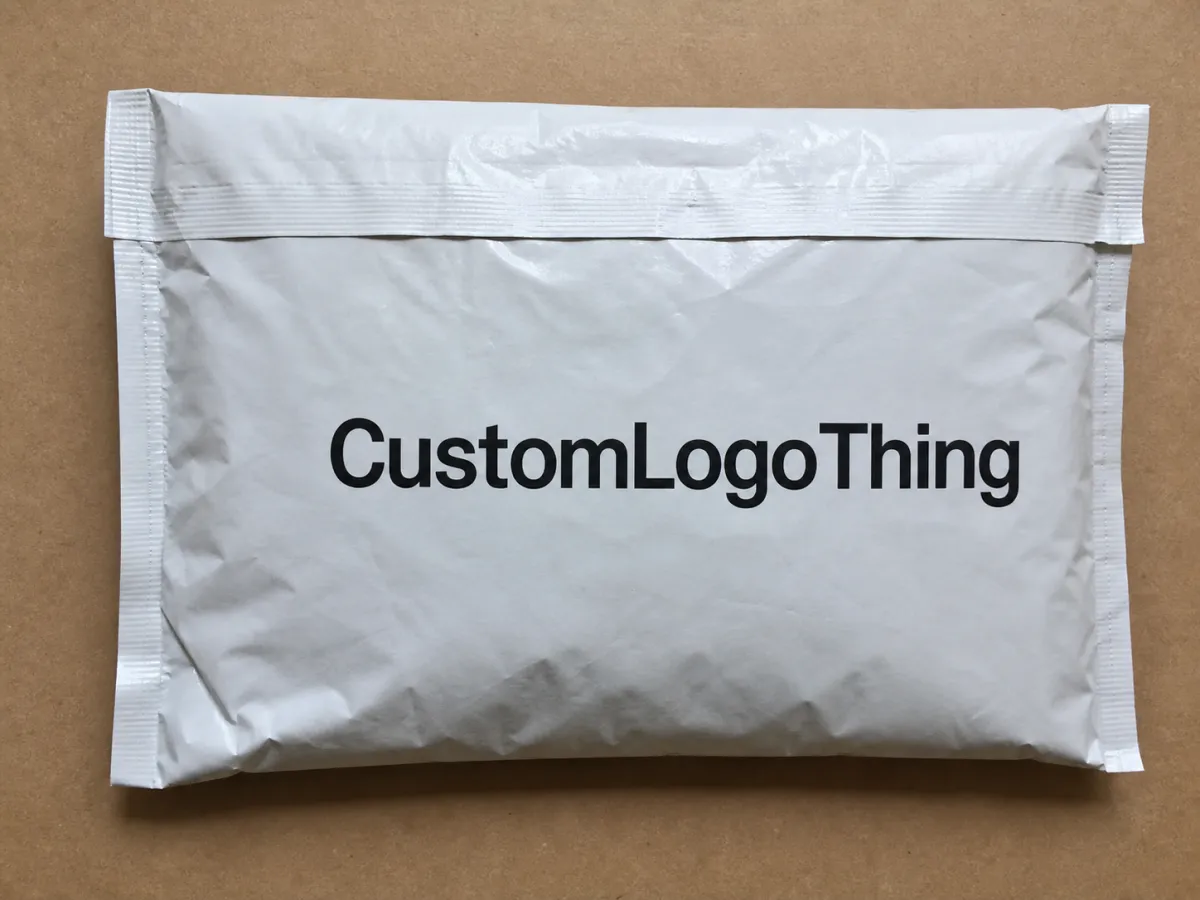
Returns are costly enough without adding uncertainty to the packaging. Every extra decision in reverse logistics gives the process another place to slow down: an item gets mislabeled, routed to the wrong dock, or set aside because the package format was unfamiliar. A branded return mailer reduces that ambiguity by giving the shipment a recognizable visual identity and, in many cases, a standardized structure that staff can sort quickly.
That matters in busy receiving environments. Teams processing dozens or hundreds of returns in a day do not have time to decode every parcel from scratch. Size, color, print placement, and closure style all become useful signals. A custom return mailer can include a return-facing panel, a designated barcode area, and a clear address zone so the package is easier to route the moment it arrives. The value is practical. It saves motion, not just attention.
Wholesale buying changes the economics in a useful way. Once a brand has repeatable return volume, a bulk order lowers the per-unit price and creates a stable spec that can be reordered across sites without reopening the same debate every quarter. That consistency matters for operations that span stores, 3PLs, and central warehouses. One facility should not be receiving a slightly different bag than another and then wasting time reconciling the mismatch.
There is a customer-facing side too. A branded return mailer can make the return feel like part of the brand, not a makeshift workaround. That does not require loud graphics or expensive finishes. In many cases, the strongest result is a clean mailer with a clear logo, simple instructions, and enough structure to survive transit without splitting at the seam.
A return package is not the place to improvise. Brands usually save money over time by standardizing one or two proven specs instead of chasing the lowest price every time volume shifts.
Sticker price can be misleading. A mailer that costs a little less but arrives with weak seals or inconsistent print can generate extra labor, replacement shipments, and customer service calls. That is why branded return mailers wholesale should be judged as a small operating system, not as a line item that can be trimmed in isolation.
For brands comparing formats across the full packaging program, our Custom Packaging Products page shows how different structures support outbound and return use cases. If you are mapping recurring packaging purchases, the Wholesale Programs page gives a useful view of how repeat orders are typically organized.
Product Details: Materials, Print Options, and Closure Styles
Material choice sets the floor for performance. Most return programs rely on poly mailers, recycled-content films, paper-based mailers, or heavier constructions for sharper edges and more demanding routes. Each format carries a different feel, print behavior, and failure point. A mailer that works beautifully for a folded T-shirt can fail fast once a bulkier item or a rougher distribution path enters the picture.
Poly mailers remain the workhorse for apparel and soft goods. They are light, moisture-resistant, and usually cost-effective at scale. Film thickness is often expressed in mils or gauge, and the right number depends on product weight, seam stress, and puncture risk. For standard garment returns, a lighter film may be enough. For heavier or more irregular contents, the thicker wall usually earns its keep.
Recycled-content films appeal to brands trying to balance presentation and material goals. Post-consumer recycled content can support sustainability messaging, but the spec still has to pass the practical test. Seal strength, print adhesion, and resin consistency all matter. A recycled-content bag that looks responsible but tears too easily becomes a cost problem, not an environmental win.
Paper-based return mailers can work well in dry lanes and for lighter products, especially when recyclability messaging is part of the brand story. They tend to feel stiffer than film-based options and can create a more natural visual impression. That said, paper structures are not always the right answer for humid routes, sharp corners, or returns that will be handled roughly in transit. Testing against the actual return path matters more than assumptions about appearance.
Print method is the next decision with real cost implications. A one-color logo can look sharp and keep production simple. Multi-color artwork creates a stronger retail presentation, but it raises setup complexity and can affect minimums. Full-wrap printing delivers the biggest visual impact, yet it also asks for tighter artwork control and a more disciplined proofing process. A design that reads beautifully on screen can behave very differently on film or paper.
Closure style matters just as much. A peel-and-seal strip is common because customers understand it immediately. Dual-adhesive return features allow the same package to be reused for the return leg, which cuts down on separate materials and makes the process more convenient. Tamper-evident seals can be useful for higher-value items or for brands that want stronger package integrity through transit.
Layout details shape the experience in ways buyers often underestimate. Flat mailers store easily and fit compact apparel well. Gusseted styles give more room for folded garments, boxes, or bundled items. Tear strips can make opening easier for the customer and reduce handling time for fulfillment teams. Address-panel placement, barcode space, and return label alignment all matter because the package has to serve both the shopper and the warehouse.
Finish changes perception too. A matte surface can feel restrained and modern. A glossier finish often makes dark logo colors read more vividly under retail lighting. The right choice depends on whether the brand wants minimal, premium, or promotional presentation. That choice should be deliberate, because finish also affects ink appearance, fingerprint visibility, and how the mailer holds up after repeated handling.
For brands pairing custom return packaging with other apparel mailers, it can help to coordinate with Custom Poly Mailers so outbound and return pieces feel like they belong to the same system instead of two unrelated purchases made in separate cycles.
Specifications That Affect Performance in Transit
Specifications are where a buyer earns real value. The mockup may look fine, but performance depends on details that are easy to gloss over during sourcing. Dimensions come first. Inside capacity, outside size, folding allowance, and any insert or polybag all affect whether the mailer fits the product cleanly. A bag that is too tight can burst at the seam. One that is too loose can make resealing awkward and increase the chance that the return is rejected or damaged in transit.
Thickness and strength follow closely behind. Film gauge, puncture resistance, and seam strength matter more than many buyers expect until a zipper edge pulls through the wall or a heavier item strains the seal. Moisture protection becomes important too, especially for parcels moving through rain, snow, or cross-dock environments. If the mailer is only touched once by the customer, a weaker spec might survive. If the same package is reused for the return journey, the tolerance needs to be higher from the start.
Artwork specs are often the reason a project slows. Clean files, correct bleed, stable color references, and minimum line weights all affect the final piece. Fine type, thin borders, and complex gradients need to be checked against the print method before anyone approves the design. Flexographic printing and digital printing behave differently. Good packaging work respects those differences instead of pretending every press can produce every effect with equal quality.
Operational details matter just as much as the visible spec. Warehouses prefer consistent cartons, stackable pack-outs, and predictable reordering. If a brand stores mailers on standard pallets, carton count and dimensions should stay stable enough to reduce wasted space. If multiple facilities reorder the same item, the spec should be locked tightly enough that one site does not receive a slightly different version and create a receiving discrepancy.
Sustainability requirements belong in the spec conversation, but they need precision. Brands often ask for recyclable or recycled-content packaging without defining which claim they plan to make or how the material will be handled locally. That distinction matters. FSC certification can be relevant for paper-based structures. Film-based mailers require a different discussion around content, disposal, and regional recycling streams. Industry references such as packaging.org and testing guidance from ista.org are useful starting points when those details need a firmer frame.
Local recycling access varies, and that is the part many packaging claims quietly skip. A mailer can be technically recyclable and still be difficult for households to process if the region lacks the right collection stream. Honest copy beats optimistic copy here. Buyers should ask suppliers what the material is, what the claim means, and what testing or documentation supports it.
In some cases, it helps to think about distribution testing the way ISTA methods frame shock, vibration, and compression risk. Not every return mailer needs formal lab certification, but the logic is useful. A package that will travel through a rough lane or carry mixed products should be chosen with the same caution you would use for any item that has to survive pressure and motion without losing shape.
| Mailer Type | Typical Use | Common Unit Range | Strength Profile | Best Fit |
|---|---|---|---|---|
| Standard Poly Return Mailer | Apparel, accessories, soft goods | $0.18-$0.42 at 5,000+ units | Light to medium-duty | High-volume returns where moisture resistance matters |
| Recycled-Content Film Mailer | Brand-forward return programs | $0.22-$0.48 at 5,000+ units | Light to medium-duty | Brands balancing sustainability and print visibility |
| Paper-Based Return Mailer | Low-moisture lanes, lighter products | $0.25-$0.55 at 5,000+ units | Medium-duty, moisture-sensitive | Natural look with clear recycling messaging |
| Heavy-Duty Gusseted Mailer | Bulkier or slightly rigid returns | $0.30-$0.70 at 5,000+ units | Higher puncture and seam resistance | Returns with higher abuse risk or variable contents |
The table gives a working frame, not a fixed quote. Costs move with dimensions, print coverage, color count, and volume. Even so, it shows something useful: price and performance move together, often more tightly than buyers expect. Saving a few cents is not a win if failure rates climb and customer service has to absorb the damage.
Cost, Pricing, MOQ, and Quote Factors
Pricing starts with the obvious variables: size, material, thickness, and print coverage. Each added detail pushes the quote in a new direction. A small logo on one side in a single ink color will usually price better than full-wrap art with several colors and a specialty finish. Registration demands, extra production steps, and tighter artwork tolerances all end up in the final number.
Volume is the biggest swing factor. At lower quantities, setup and production overhead are spread across fewer units, so the per-piece cost stays high. At wholesale quantities, those same costs are diluted across a larger run. That is one reason branded return mailers wholesale make the most sense once a brand has repeatable return volume. The math improves, but only if the company can actually use the inventory before the spec changes or the packaging refresh begins.
MOQ depends on the material and the print method. Digital production often allows smaller quantities, which is useful for pilot programs, new launches, and seasonal collections. Flexographic production usually favors larger runs because plate setup and machine time are easier to absorb at volume. A lower MOQ is not automatically the better choice. A small run with a higher per-piece cost can still be smart if it reduces inventory exposure or supports a test campaign.
Quote requests should include more than unit price. Ask for setup fees, tooling or plates if they apply, freight, shipping packaging, and any storage or split-shipment charges. A cheap piece price can disappear quickly once freight is added or the supplier has to send multiple partial shipments. The clearest comparison is total landed cost divided by expected use. That view shows what the packaging actually costs the business, not just what it costs to print.
One clean way to think about order strategy is this:
- Short-run test order: higher unit price, lower inventory risk, faster validation.
- Wholesale run: lower unit price, higher commitment, better fit for steady returns.
- Large annual buy: strongest unit economics, but only if specs stay stable and storage is available.
To get a quote that can actually be used, send exact dimensions, quantity, print sides, number of colors, material preference, and ship-to location. If artwork has already been approved internally, include it. Every missing detail forces the supplier to make an assumption. Assumptions look efficient at first. They become expensive once the order reaches proofing or production.
Buyers should also compare the hidden cost of overbuying. Inventory sitting in a warehouse ties up cash and can become obsolete if branding, barcode requirements, or return instructions change. The risk is real for companies with active packaging refreshes. Buying too little carries the opposite problem: emergency purchases tend to cost more and often look less consistent. The better balance is usually a reorder plan tied to actual usage, not a guess pulled from last quarter's hopes.
Requesting two options can make the decision clearer. Ask for one spec optimized for price and another for durability. A small spread between the two can reveal whether the upgrade is worth it. In many cases, the stronger choice adds only a modest amount per unit while reducing return failures, and that is where the real cost lives.
Process, Timeline, and Lead Time for Wholesale Orders
The order process should feel predictable. Wholesale packaging works best when the sequence is clear: discovery, quote, artwork review, proofing, approval, production, quality check, shipment. Buyers should not have to guess what stage the project is in or why it is stuck.
The part that slows things down most often is pre-production review. A missing dieline, an unconfirmed size, or artwork that still has unresolved issues can stretch the proof cycle. That delay is avoidable. Clean files and clear direction can cut days off the schedule, and sometimes more if the design is simple and the production slot is already open.
Lead time depends on print method and order size. Straightforward jobs with final artwork and standard construction move faster than complex jobs with multiple colors, custom seals, or special finishes. Production is only part of the timeline. Freight can matter just as much, especially if the order is crossing long distances or needs to hit a fixed receiving window at a 3PL.
Planning usually follows a familiar sequence:
- Quote and spec confirmation.
- Artwork review and dieline alignment.
- Proof approval.
- Material prep and printing.
- Converting, sealing, and pack-out.
- Quality check and shipment.
Seasonal brands should plan with extra caution. If returns spike after a promotion or holiday push, a warehouse can move through a stock of mailers far faster than expected. Multi-site operations should also build transit time into the plan for every receiving point. Central inventory can work well, but only if reorder triggers are set before stock gets thin.
Teams managing several packaging programs at once usually benefit from a standard checklist. One person may be ordering custom boxes, another inserts, another return mailers. Without a single source of truth, the process fragments fast. Clear approvals prevent that. So does a defined owner for the packaging schedule.
A pilot order is worth the time if the brand is testing a new return experience. A small run reveals issues with print quality, seal performance, handling, and customer reaction before the company commits to a much larger quantity. It is far cheaper to catch a design flaw on 1,000 units than on 50,000.
Why Choose Us for Branded Return Mailers Wholesale
Wholesale buyers do not need packaging theater. They need repeatability. The same size, the same seal performance, the same print result on every reorder. A return mailer is part of an operating system, and operations notice variation quickly. So do customers when the package finally reaches their hands.
Packaging experience changes the quality of the decision. Better guidance on material, print coverage, and closure style helps buyers avoid specs that look fine in a mockup but fail in daily use. It also shortens revision cycles. A supplier that understands how returns move through fulfillment can ask sharper questions and reduce guesswork before the order is locked.
There is real service value in working with a team that asks the right questions early. Does the mailer need dual adhesive strips? Is there a return label area? Will the package be stored flat or cartoned in volume? Does the brand need exact color matching, or is a close visual match enough? Each answer changes the production path, and each one should be settled before the proof is approved.
Practical customization matters too. Some brands need multiple sizes to handle different product categories. Others need a strong brand-color match and a simple layout. Some need a stronger closure because returns pass through more hands than the average package. There is no universal answer. A strong wholesale program is built around the customer journey, the warehouse workflow, and the economics of replenishment.
The best buying decision often looks plain on paper and intelligent in operation. The spec should ship well, store efficiently, print cleanly, and reorder without friction. If you are comparing suppliers, look for one that talks in terms of lead time, tolerance, conversion options, and landed cost rather than only mockups and style choices.
Our Case Studies page shows how packaging decisions map to business outcomes, while our Wholesale Programs page explains how recurring orders are structured for brands that need steady supply and tighter control.
What to Send Before You Request a Quote
The fastest quote requests arrive with complete information. Before asking for pricing, gather exact dimensions, quantity, product type, print requirements, target delivery date, and destination address. If the order is going to one site or several, include that as well. It reduces back-and-forth and keeps the packaging purchase from stalling in email threads.
It helps to define the use case first. Start with the job the mailer must perform. Does it need to survive wet weather? Does it need dual adhesive strips for reuse? Does it need to look polished enough to support the brand in the customer's home? Once that is clear, material and closure style become decisions, not open-ended debates.
Artwork is another common bottleneck. Have the files ready and identify the approval contact before the quote goes out. If brand color is important, send the reference early. If there is a logo lockup, include the preferred version. Those small details save time because the supplier does not have to guess which file is final or which shade is acceptable.
Reorder planning should happen before the first shipment lands. Set a threshold based on usage rate and lead time. A brand with stable return volume may reorder when stock reaches a fixed floor. A seasonal business may want a larger buffer. Storage space matters too. There is little benefit to buying intelligently if the cartons cannot be stored efficiently once they arrive.
If you are deciding between formats, compare two or three spec options rather than one. A thinner, lower-cost version may be fine for low-risk returns. A heavier version may suit mixed-SKU orders or products with sharper edges. Seeing both helps buyers understand the tradeoff between unit cost and protection instead of guessing at it.
The next step is straightforward: request a formal quote, review the spec sheet carefully, and approve the proof only after the return process is mapped end to end. That is the most reliable way to buy branded return mailers wholesale without unnecessary surprises.
For brands building a broader packaging system, this is also a good moment to align the return mailer order with other Custom Packaging Products so visual standards and operational standards stay consistent across the full customer experience.
Frequently Asked Questions
What is the usual MOQ for branded return mailers wholesale orders?
MOQ depends on size, material, and print method, with digital runs often allowing smaller quantities than flexographic production. Higher-volume orders usually reduce the unit price, but the right MOQ is the one that matches your monthly return volume and storage capacity.
How do I get an accurate quote for branded return mailers wholesale?
Send exact dimensions, quantity, print colors, material preference, and shipping destination. If artwork is ready, include the file type and the proof requirements so the quote reflects real production conditions instead of a rough estimate.
Can branded return mailers wholesale include two adhesive strips for returns?
Yes, many return mailers can be built with dual adhesive strips so the same package works for outbound use and the return journey. That option is useful when you want to simplify customer returns without adding separate labels or extra packing steps.
What material is best for branded return mailers wholesale in wet shipping conditions?
Poly-based or film-based mailers usually handle moisture better than paper-only options. For heavier goods or sharper edges, ask about thickness, seal strength, and puncture resistance before placing the order.
How long does branded return mailers wholesale production usually take?
Lead time varies by print method, order size, and how quickly artwork is approved. The fastest projects are the ones with final specs, clean files, and a clear ship date before production starts.
Branded return mailers wholesale can do more than carry a returned item. They can reduce handling mistakes, support customer confidence, and bring order to reverse logistics without inflating packaging costs. Choose material, closure, print method, and quantity with the actual workflow in mind, and the mailer becomes a useful part of the operation instead of another SKU waiting to be noticed. For most brands, that is where the value sits.
The most practical takeaway is simple: lock the spec before you lock the price. If you start with the return path, the storage plan, and the real handling conditions, the packaging choice becomes clear much faster. That is the point where branded return mailers wholesale stop being a sourcing exercise and start acting like an operational advantage.