Buyer Fit Snapshot
| Best fit | Custom Return Mailers Wholesale Order projects where brand print, material claims, artwork control, MOQ, and repeat-order consistency need to be specified before quoting. |
|---|---|
| Quote inputs | Share finished size, material target, print colors, finish, packing count, annual reorder estimate, ship-to region, and any compliance wording. |
| Proofing check | Approve dieline scale, logo placement, barcode or warning zones, color tolerance, closure strength, and carton packing before bulk production. |
| Main risk | Vague material claims, crowded artwork, missing packing details, or unclear freight terms can make a low unit price expensive after revisions. |
Fast answer: Custom Return Mailers Wholesale Order: Pricing & Specs should be specified like a repeatable production item. The safest quote records material, print method, finish, artwork proof, packing count, and reorder notes in one written spec.
Production checks before approval
Compare the actual filled-product size with the drawing, then confirm tolerance on folds, seals, hang holes, label areas, and retail display edges. Reserve space for logos, QR codes, warning copy, and material claims before decorative graphics fill the panel.
Quote comparison points
Review material grade, print process, finish, sampling route, tooling charges, carton quantity, and freight assumptions side by side. A quote is only useful when the supplier can repeat the same color, closure quality, and packing count on the next order.
Custom Return Mailers Wholesale Order: Pricing & Specs
A custom return mailers wholesale order saves money in the places buyers usually miss. Fit, closure, and repeatability do more for budget control than a flashy print run ever will. A mailer sized to the product cuts postage waste, lowers pack time, and reduces damage on the way back. A bad fit does the opposite and still somehow gets approved too often.
From a packaging buyer's point of view, the brief is simple: protect the item, make returns easy, and keep the brand presentation clean. Print matters. So do structure, seal strength, and dimensions. The strongest branded packaging is the one that ships the same way every time and does not send customers to support with a problem that should have been solved by the spec sheet.
If your team manages several SKUs, stores, or fulfillment centers, wholesale buying matters even more. You lock in repeatable specs, reduce packing mistakes, and stop staff from improvising with whatever mailer happens to be nearby. That is one reason brands pair return mailers with broader product packaging programs, including Custom Packaging Products and, in some cases, matching Custom Poly Mailers.
The sections below cover what you are buying, which specs deserve attention, what wholesale pricing usually looks like, and how to place an order without wasting half a week on back-and-forth. If you already know your quantity and dimensions, request a quote through our Wholesale Programs. If you need to confirm terminology first, the FAQ clears up the basics fast.
Buyer rule: the lowest quote is not always the lowest cost. The cheapest mailer is the one that fits, seals, prints cleanly, and does not create rework for the team.
Custom Return Mailers Wholesale Order: Why It Pays Off
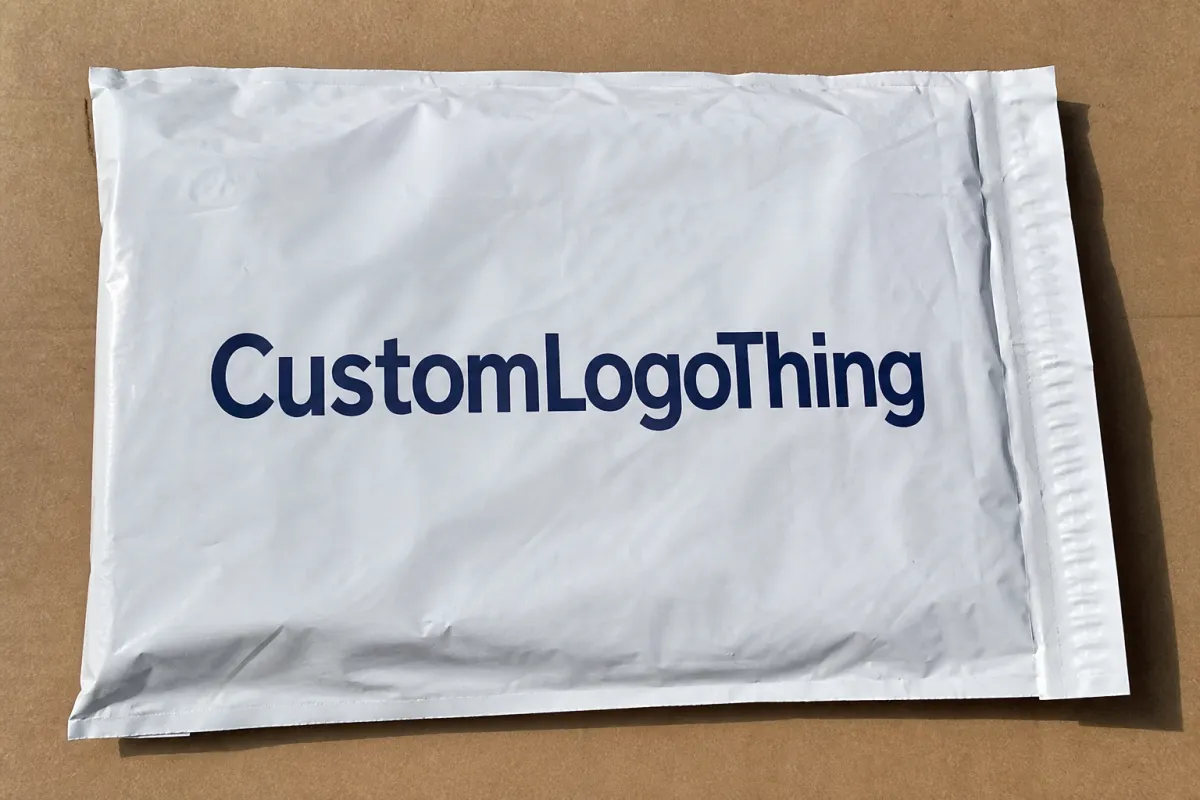
A custom return mailers wholesale order pays off first through fit. Oversized mailers create extra movement and extra shipping cost. Undersized mailers tear, crush, or fail at the seal. Neither option is smart. A mailer built to the right size reduces wasted corrugate, film, or paper, and that matters more than a giant logo on the front.
That sizing issue is not cosmetic. It affects mailing rates, dimensional weight, pack-out speed, and the chance that an item arrives damaged or comes back damaged. Apparel, accessories, small electronics, sample kits, and other light-to-midweight products all feel the difference. A few millimeters can change how a package moves through fulfillment. Scale that across hundreds or thousands of units and the problem stops being small.
Wholesale buying also cuts variation. One approved spec means the team is not guessing between mailer sizes, adhesive types, or printed instructions. That consistency helps training, speeds handling, and keeps returns from turning into a patchwork of random supplies. Teams with several locations usually notice the benefit immediately because one weak spec multiplies fast.
The customer side matters too. Returns already create friction. If the return mailer is easy to open, easy to reseal, and clear about where the label goes, support calls drop. Fewer calls mean fewer replacements, fewer refund disputes, and fewer headaches for the service team. A clean return experience also supports package branding because the customer sees a deliberate system instead of a bag pulled from the back room.
I have seen this most clearly in apparel and subscription programs. A retailer shipping folded knits into a paper mailer does not need the same structure as a cosmetics brand sending glass vials, and a reusable return pouch for a high-volume reverse logistics program has different requirements again. The right wholesale order is the one that matches the actual handling path, not the one that looks good in a quote email.
For brands with recurring shipments, wholesale procurement helps planning as well. You can forecast replenishment, hold steady inventory, and avoid last-minute rush buys. Predictable supply is not exciting. It is useful. Fancy print is nice, but stable supply and repeatable specs pay the bills.
Product Details: What You Are Actually Buying
Return mailers are not just bags with a logo. They are pre-sized or custom-sized shipping packages built to protect outgoing or return goods while keeping branding consistent. Depending on the product, a return mailer may be a simple poly bag, a paper envelope, a padded mailer, or a reinforced pouch with a second seal for reuse.
The material choice depends on what ships inside. Poly mailers are common for apparel because they are light, flexible, and affordable. Paper mailers suit brands that want a paper-based presentation or a lower-plastic profile, though they are not right for every product. Padded mailers add cushioning for delicate items. Reinforced return pouches make sense where repeated opening and resealing are part of the workflow.
Closures matter more than most people expect. A peel-and-seal strip can speed packing. A tamper-evident closure can show whether the package has been opened. A tear strip makes opening cleaner, which helps customers who dislike fighting with packaging. Some programs add a second adhesive strip so the same mailer can be reused for returns. That is a practical feature, not decoration.
Branding options usually include exterior logo print, color blocking, inside printing, QR codes, return instructions, and barcode-friendly white panels. That last piece matters. If the package design does not leave a clean label area, the fulfillment team wastes time and the final result looks messy. Good branded packaging has enough visual presence to feel intentional, but not so much coverage that it interferes with shipping labels or compliance text.
Common use cases include e-commerce returns, subscription apparel, small accessory kits, cosmetics, sample shipments, and retail reverse logistics. If the item needs reliable protection and the brand wants a cleaner presentation than a plain off-the-shelf mailer, Custom Printed Mailers fit the job well. They also sit nicely between generic shipping supplies and more structured Custom Printed Boxes when full carton protection is not required.
One detail buyers sometimes overlook: the return journey is not always the same as the outbound shipment. A store return mailed from a customer home may face a different mix of weather, pressure, and handling than a warehouse-to-warehouse transfer. That is why the same mailer style can work beautifully in one program and fail in another. Context decides more than trend charts do.
- Poly mailers: lightweight, cost-efficient, good for soft goods and low-bulk returns.
- Paper mailers: better for paper-based branding, decent for lighter products, not ideal for moisture-heavy routes.
- Padded mailers: useful for small fragile items that need surface protection and shock absorption.
- Reinforced return pouches: best for reusable return workflows and higher handling stress.
Specifications That Protect Mailability and Branding
Before you ask for pricing, lock down the core specs. Size comes first. Then thickness. Then material, seal type, print area, finish, and any special requirements such as tamper evidence or extra strength. If those are vague, the quote is just a guess wearing a tie.
Size tolerances deserve real attention. A difference of a few millimeters can change how the mailer feeds, folds, or stacks during packing. That sounds minor until the fulfillment team starts fighting every tenth unit. Tight tolerances are especially useful for recurring programs because they reduce the chance that a product shifts inside the package or forces the seal to sit awkwardly.
Structural design affects performance too. Edge seals help hold shape. Bottom gussets add capacity for bulkier items. Multi-layer construction can improve tear resistance. Recycled-content films or paper can support sustainability goals if the handling environment is compatible. Water resistance matters for routes that see rain, snow, or damp loading docks. Puncture resistance matters whenever corners, zippers, hardware, or sharp edges are involved.
On the print side, the details get technical fast. PMS matching matters if brand color accuracy is non-negotiable. Bleed area matters if artwork runs to the edge. Ink coverage limits matter if the surface is hard to print on or if heavy coverage slows production. One-color print can be the right call when the budget is tight or the design is minimal. Full-color print can work well for package branding, but only if the artwork has enough contrast and the material supports it cleanly.
Compliance and distribution should be checked before production, not after. Label placement, barcode zones, return addresses, and carton pack-outs all need to be clear. If the team plans transit testing, packaging standards from ISTA are the right starting point, and material or chain-of-custody claims for paper-based options should be checked against FSC guidance. That part is boring. It also prevents expensive mistakes.
From a packaging design standpoint, the best spec sheet answers these questions without drama:
- What exact size does the product need?
- How much weight and thickness must the mailer handle?
- Does the seal need to be tamper evident or resealable?
- Where does the shipping label go?
- Which print areas are safe for logos, instructions, or QR codes?
If sustainability is part of the brief, be careful with claims. A paper mailer may be recyclable in theory, but local recycling access, coatings, inks, and adhesive construction all matter. A recycled-content film may be useful, but only if the product still survives the route. Real-world performance beats slogans every time.
Cost, Pricing, and MOQ for Wholesale Orders
Pricing for a custom return mailers wholesale order usually comes down to five things: material, size, print complexity, quantity, and whether the mailer is stock-based or fully custom. Add special finishes and the price climbs. Add a tighter timeline and it climbs again. That is normal. There is no magic discount fairy hiding in the warehouse.
Lower MOQ helps if you are testing a new product line, launching a seasonal program, or comparing design options. The tradeoff is unit cost. Setup, proofing, and production prep get spread across fewer pieces, so the per-unit price stays higher. Larger recurring orders usually unlock better pricing because those fixed costs get diluted across more mailers.
Here is the practical way to think about wholesale pricing ranges for common return mailer builds. These are planning numbers, not promises, because artwork coverage, thickness, and freight will move the final quote.
| Mailer Type | Typical MOQ | Estimated Unit Range | Best Use | Main Tradeoff |
|---|---|---|---|---|
| Printed poly return mailer | 3,000-5,000 pcs | $0.09-$0.22 | Light apparel, soft goods, routine returns | Lowest cost, less cushioning |
| Paper return mailer | 2,500-5,000 pcs | $0.18-$0.38 | Paper-forward brands, light retail packaging programs | Better sustainability story, less moisture resistance |
| Padded return mailer | 2,000-3,000 pcs | $0.28-$0.55 | Accessories, fragile small items, premium presentation | More material, higher freight and storage cost |
| Reinforced reusable pouch | 5,000+ pcs | $0.35-$0.80 | Reverse logistics, repeat return cycles, high-touch programs | Better reuse, higher upfront cost |
Those numbers move quickly if you change the print method, add a second adhesive strip, increase thickness, or request a more exact PMS match. A buyer comparing quotes should line up the same size, same material, same closure, same print coverage, same carton count, and same delivery terms. Otherwise the quotes are not comparable. They are just different ways to confuse yourself.
Ask about hidden costs before approval. Setup fees, plate charges, sample charges, freight, carton pack configuration, and rush fees can swing the real landed cost more than the unit price alone. For smaller orders, freight can matter almost as much as print. For larger orders, storage and replenishment planning start to matter more. That is why a fair comparison should include delivered cost to your destination, not just the factory number.
One more point from actual procurement behavior: the cheapest quote is often the quote with the weakest spec sheet. Thin material, loose tolerance, vague print details, and unclear delivery terms are how low numbers appear. Then the problems start. A clean wholesale quote should make the tradeoffs obvious, not hide them.
If you are building a broader supply program, it can help to quote return mailers alongside Custom Packaging Products so the team can compare related packaging design choices at the same time. That works especially well if your line also uses branded boxes, inserts, or mailer bags across different product categories.
Process, Timeline, and Lead Time for Approval
The order process should be straightforward. Request a quote. Confirm the specs. Submit artwork. Review the proof. Approve a sample if the job needs one. Then move into production. If the supplier turns that into a six-email scavenger hunt, the process is bloated, not sophisticated.
Lead time depends on the build. Stock-based mailers with standard printing can move faster than fully custom dimensions or special finishes. A simple order may land in roughly 10-15 business days after proof approval. More complex jobs, or orders that need a physical sample first, can run 15-25 business days or more. Freight time is separate. A lot of people quote production time as if the truck does not exist.
Artwork revisions are one of the most common delays. So are unclear dimensions. So is last-minute uncertainty about print coverage or closure style. Buyers who send a clean spec sheet usually move faster than buyers who ask the supplier to figure out the product from a vague screenshot and a sentence that says “make it look premium.” Premium is not a spec.
Here is the short list of information that saves the most time upfront:
- Exact mailer dimensions, including gusset if needed
- Target quantity and any reorder forecast
- Product weight and shape
- Material preference: poly, paper, padded, or reinforced
- Artwork files, preferably vector format
- Delivery location and timeline
- Any label, barcode, or compliance requirements
A good approval flow should also tell you what happens if the proof needs correction. You want to know whether color tweaks can be made, how many revision rounds are included, and whether a sample is required before full production. That is not nitpicking. It is how you prevent timeline drift.
From a purchasing perspective, the cleanest orders are the ones where shipping, print, and fit are agreed before the production slot is reserved. If the brief is vague, the order drags. If the brief is precise, the project moves like a normal wholesale job instead of a rescue mission.
For brands that already know their volume, the fastest approvals usually happen when the buyer sends one file with dimensions, target use case, artwork, and ship-to details. The supplier should not have to reconstruct the order from scattered messages. Good data saves time. Bad data creates a mess and somehow calls itself urgency.
Why Choose Us for Wholesale Return Mailers
Buyers do not need hype. They need predictable results. That is the real value of a supplier who handles wholesale return mailers properly: consistent dimensions, repeatable print quality, and replenishment support that does not force you to restart the process every time you reorder. Stability matters more than a glossy sales pitch.
We also keep the advice practical. If a lighter material will do the job, say so. If a thicker gauge is worth the extra cost because the return path is rough, say that too. A packaging-first mindset is not about maximizing material. It is about choosing the least expensive spec that still protects the product and ships cleanly. That approach fits product packaging, retail packaging, and branded packaging programs alike.
For recurring orders, the real win is speed and consistency. Artwork stays on file. Key specs stay documented. Reorder quantities can be compared against previous runs. That means less time chasing details and more time managing inventory. In a decent setup, the next order should feel easier, not harder.
There is also the practical value of reduced risk. A supplier worth using should help verify mailability, recommend the right thickness, check seal strength, and steer you away from overbuilt options that chew up budget. Too many brands buy a heavier spec because it sounds safer, then discover they are paying for material they never needed. That is not smart packaging. That is just expensive optimism.
We also understand that not every program should chase the same finish or the same sustainability message. A high-volume apparel return mailer needs different economics than a premium sample kit. A white-label reverse logistics pouch may need a very plain exterior. A direct-to-consumer brand may want the logo and return instructions front and center. Good packaging choices start with the customer journey, not a mood board.
If your team is balancing multiple formats such as custom printed boxes, poly mailers, inserts, and return packaging, the benefit of a single well-run vendor is obvious. Fewer handoffs. Less confusion. Better continuity across the brand experience. That is how package branding becomes a system instead of a pile of disconnected purchases.
Our job is to make the wholesale side less annoying. Clear quote. Clear proof. Clear spec. Clear reorders. If the order fits the product, the shipping profile, and the budget, then it is doing its job. Nothing more dramatic is required.
Next Steps to Place a Wholesale Order
Start with the basics: target quantity, mailer dimensions, product weight or contents, preferred material, and print artwork. If you already know whether you want poly, paper, padded, or reinforced, include that. If you are unsure, tell us what the product is and how it is handled in transit. That is enough to narrow the choices quickly.
Ask for a side-by-side quote if you want to compare stock versus custom options, different quantity breaks, or alternate freight methods. That comparison is usually the fastest way to see where the real cost sits. Sometimes the lower MOQ makes sense for a test run. Sometimes the higher quantity pays for itself in unit savings within one cycle. There is no universal answer; the math decides.
The approval sequence should be simple: confirm specs, review the proof, approve a sample if needed, then lock the production slot. If your timeline is tight, say so at the start. If the mailer has to fit a specific product, send those measurements. If you need barcode space or return instructions printed in a certain place, include that too. The more exact the brief, the less time gets burned on correction.
Here is the shortest decision checklist I can give you:
- Does the mailer reduce waste and shipping friction?
- Does it survive normal handling without tearing or opening early?
- Does the print support the brand without blocking labels?
- Does the unit cost stay inside budget at your target quantity?
- Can the order be repeated without rebuilding the spec from scratch?
If the answer is yes across those points, you probably have the right structure. If one answer is no, fix that before printing thousands of pieces. It is cheaper to adjust a spec than to move a warehouse full of mailers that do not quite work.
For a first order, the smartest move is to approve the fit before you approve the print. A good-looking mailer that ships badly is just expensive decoration. If the size, seal, and label panel are right, the rest is simpler.
Ready to move forward? Send the specs for your custom return mailers wholesale order and request a quote with quantity, size, material, and print details. That is the cleanest way to get a number that actually reflects your shipment, not some imaginary standard job no one ships in real life.
Frequently Asked Questions
What is the minimum custom return mailers wholesale order quantity?
MOQ depends on the material, print method, and whether the mailer is stock-sized or fully custom. Smaller test runs are possible, but the unit cost is usually higher than a standard wholesale tier. If you need a repeat program, ask for pricing at two or three quantities so you can see the breakpoints clearly.
How much does a custom return mailers wholesale order cost per unit?
Unit cost is driven by size, material thickness, print coverage, and total quantity ordered. Setup fees and freight can matter as much as print cost on smaller runs, so compare the full landed price. The fastest way to get a real number is to share exact dimensions and the quantity you want to reorder.
What do I need to place a custom return mailers wholesale order?
Have the final mailer size, material preference, artwork files, and target quantity ready before requesting a quote. If the mailer must fit a specific product or box, send those dimensions too so the supplier can verify fit. Include your delivery location and timeline so the quote reflects actual freight and production timing.
How long is the lead time after approval?
Lead time depends on whether the order uses stock materials or a fully custom build. Proof approval delays are common, so fast sign-off usually matters as much as production speed. Ask for the full timeline in writing: proof, production, packing, and freight transit.
Can I order eco-friendly custom return mailers wholesale?
Yes, recycled and paper-based options are common if the product and shipping conditions allow it. Eco-friendly materials still need to be checked for strength, moisture resistance, and print quality. If sustainability is the goal, compare material content, recyclability claims, and actual performance, not marketing language.
The simplest takeaway is this: choose the mailer by fit first, then confirm the seal and label area, then compare price at the same spec. That order keeps the wholesale quote honest and keeps the finished mailer from becoming someone else’s warehouse problem.

