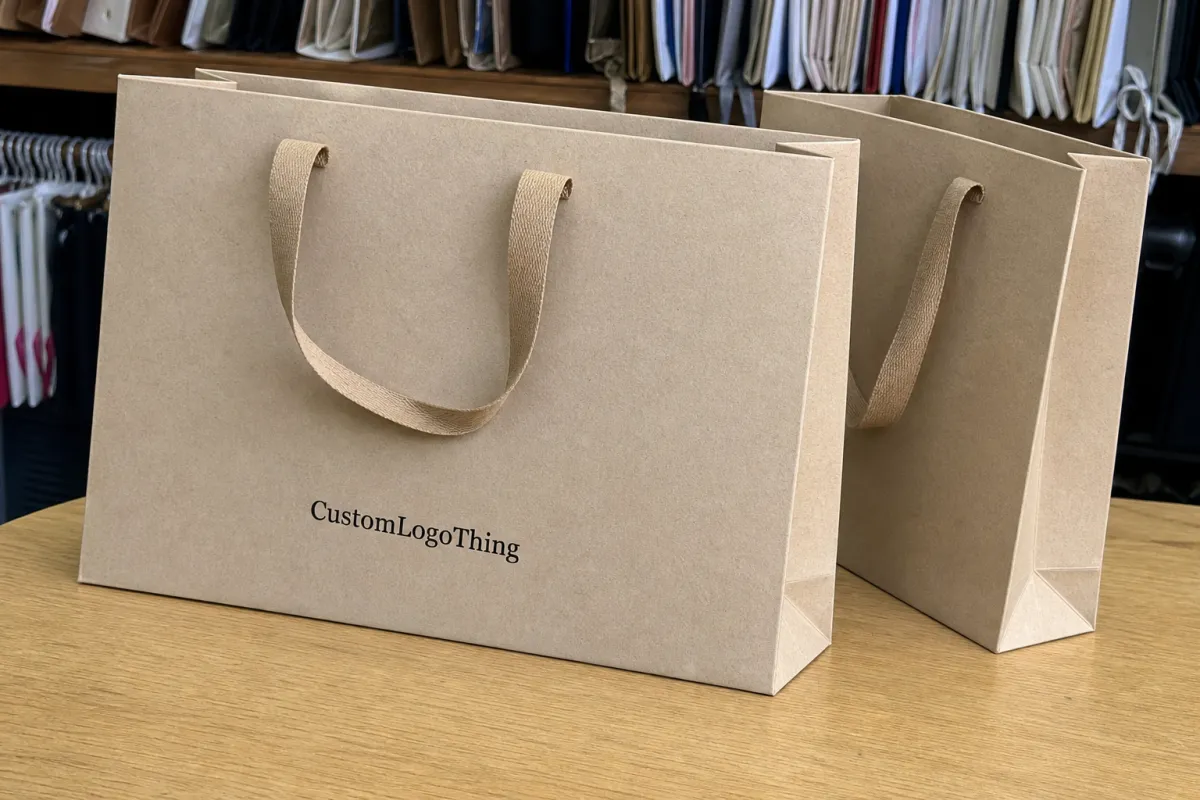
Why branded shopping bags get kept, carried, and seen
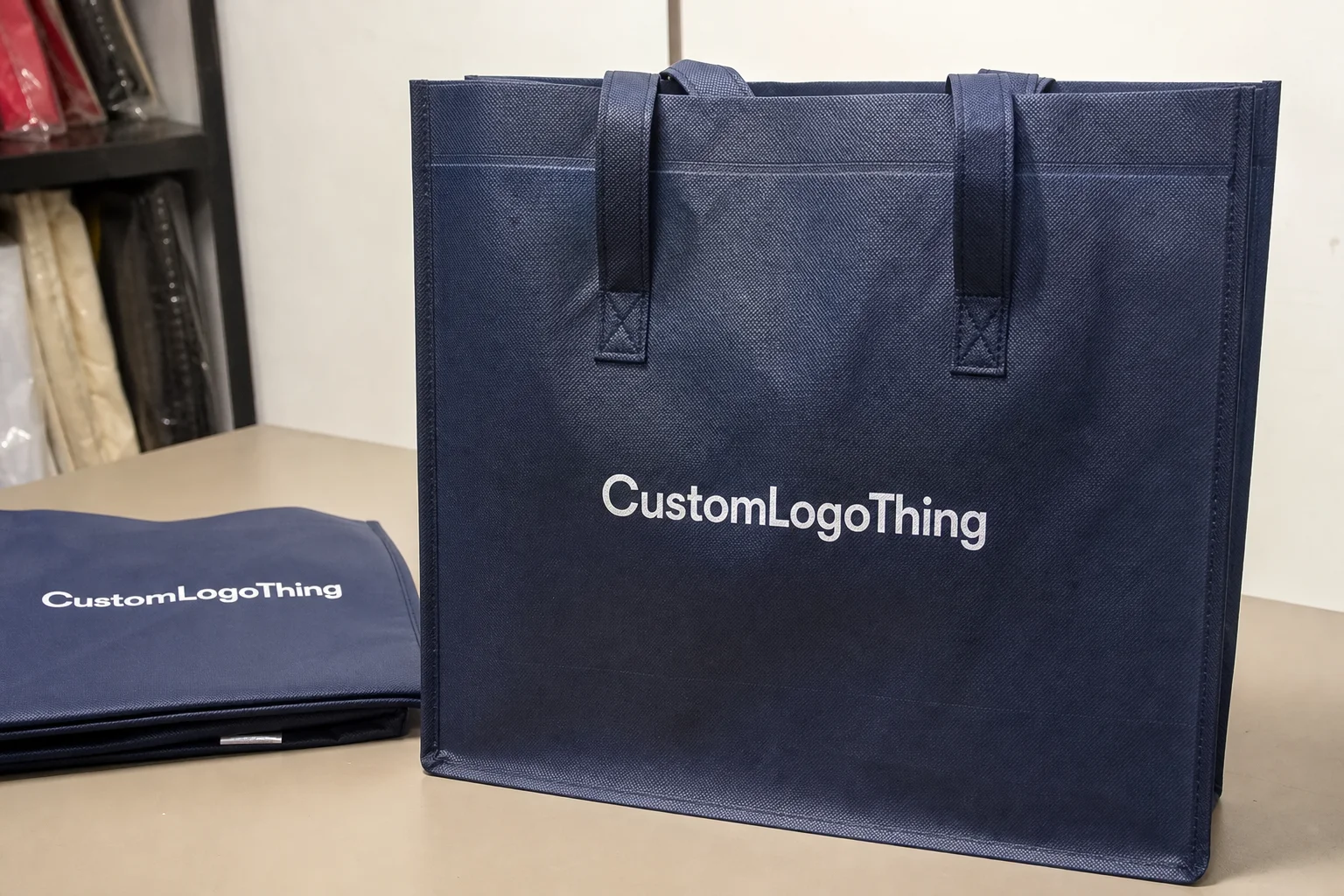
branded Reusable Grocery Bags have a practical advantage that most print products never get close to: they do a job people actually need done. A flyer is handled once. A bag that can carry milk, canned food, produce, and a box of pasta can be used week after week if the build is right. That difference turns one unit into a rolling display surface with a long service life.
For a packaging buyer, that makes the category unusually efficient. It is still packaging, but it also functions as merchandise, media, and a customer experience touchpoint. A good bag can move through parking lots, kitchens, break rooms, and car trunks without requiring any extra ad spend. That is not hype. It is just repeated use.
The category is broader than it first appears. Buyers can choose from nonwoven polypropylene, woven PP, RPET, cotton, canvas, and insulated constructions for chilled goods. Some styles are built for mass distribution at checkout. Others are designed as structured grocery totes with heavier seams and stronger handles. The right choice depends on what the shopper carries, how often the bag is reused, and whether the brand wants a low-cost promo item or a higher-end retail piece.
The first test happens in seconds. Does the bag feel stable when lifted? Do the handles cut into the hand? Does the bottom sag once a few heavy items go in? If the answer is yes, the bag usually gets demoted to the trunk or forgotten in a cupboard. If it feels balanced and easy to carry, it becomes the default bag. That is the outcome buyers want, because frequent reuse is what drives repeated visibility.
Cost matters, but only in context. A cheap bag that fails after a few trips becomes a poor investment. A slightly better build that stays in circulation for months tends to create more impressions per dollar. The economics are simple once the product is used in the real world rather than judged only on a quote sheet.
“A reusable bag only earns its place if it survives routine use. Construction, material, and handle comfort decide whether it becomes a habit.”
How reusable bag construction affects daily performance
A shopping bag looks basic from a distance, but small structural decisions change how it behaves under load. Body panels, gussets, handles, stitching or heat seals, and print application all affect the user experience. In practice, these details decide whether the bag survives the week or frays before the customer gets used to it.
Nonwoven PP is usually the lowest-cost entry point. It is light, easy to fold, and suitable for broad promotion. Typical programs often use material in the 80 to 120 GSM range, though that depends on size and intended load. Woven PP is more structured and generally offers better tear resistance, which is useful when the bag needs to handle heavier groceries or repeated folding. RPET helps support sustainability positioning when the recycled content story is part of the brand message. Cotton and canvas deliver a more premium feel, but they add weight, raise freight costs, and may require more careful planning for storage and distribution.
Print method changes more than decoration
Screen printing remains a strong choice for bold logos, simple line art, and solid brand colors. Heat transfer handles more detailed designs and can be a better fit when artwork includes gradients or multiple small elements. Flexographic and digital options may work well for specific substrates or higher-detail runs. The right method depends on run size, artwork complexity, and how the bag surface accepts ink or film.
Bag shape matters just as much. Box-bottom styles sit upright and are better for groceries because they resist tipping in the trunk or on a store floor. Tote-style bags fold down more easily, which makes them practical for events, giveaways, and loyalty programs. Insulated bags are in their own category. They need attention to lining, closure, seam integrity, and thermal performance, because the decoration is secondary to the job of keeping cold items cold for as long as possible.
These choices affect how the brand is perceived. A limp bag that twists under moderate weight makes the whole program look underdeveloped. A crisp, well-structured bag signals care before anyone reads the logo. That effect is subtle, but it is real. Customers do not separate the object from the brand that handed it out.
Key factors that shape cost, quality, and unit cost
Pricing is never just pricing. It reflects material choice, dimensions, fabric weight or GSM, print colors, print coverage, handle reinforcement, finish, and cartonization. Two bags that look similar in a proposal can behave very differently once they are in customers’ hands. A lower quote is only useful if the spec behind it is clear.
MOQ is one of the biggest levers. Lower quantities usually carry a higher unit price because setup costs, proofing, and labor are spread across fewer pieces. That is especially visible when a project requires multiple colors or custom construction. A run of 500 pieces can feel expensive per unit; a run of 5,000 often drops sharply because setup is diluted. That does not mean bigger is always better. It means the math needs to match the campaign.
Shipping can change the economics fast. A bulky bag may be cheap to make but expensive to move. Folded volume, carton count, and pallet configuration all matter. For many buyers, landed cost is the number that counts, not factory cost alone. If the bag takes up more truck space than expected or requires more cartons than the receiving team planned for, the cheap unit stops being cheap.
| Bag type | Typical use | Relative unit cost | Strength / feel |
|---|---|---|---|
| Nonwoven PP tote | Promotions, grocery basics | Low | Light, budget-friendly |
| Woven PP bag | Heavier groceries, repeat use | Moderate | More durable, structured |
| RPET tote | Sustainability-led programs | Moderate to higher | Good balance of performance and story |
| Cotton / canvas | Premium retail, lifestyle branding | Higher | Premium look, heavier fabric |
| Insulated bag | Frozen or chilled foods | Higher | Functional, specialized build |
The hidden tradeoff is usefulness. A low unit price can look attractive, but if the handles are too narrow, the gusset is too shallow, or the body stretches after a few uses, the program underperforms. Buyers are not only purchasing fabric. They are buying load capacity, durability, and the chance that the bag will stay in service.
Line up quotes on identical specifications before comparing them. Same dimensions. Same material. Same handle style. Same print count. Same finish. If those elements differ, the quotes are not truly comparable. They are just attached to products that happen to sit in the same category.
Process and turnaround: from artwork to delivery
The production path is straightforward, but delays usually come from missing information rather than machine time. A typical order moves through quote, spec confirmation, artwork submission, proof approval, sampling if needed, production, inspection, and shipment. The earlier the details are settled, the fewer surprises appear later.
Artwork is a common bottleneck. Vector files are easier to work with than low-resolution images. Precise dimensions matter, as do bleed, safe zones, and color targets. If the design uses thin lines, small type, or multiple Pantone colors, proofing becomes more important. The cost of a bad proof is usually not just time. It is also rework, and sometimes a full reprint if the issue is caught late.
Lead time depends on complexity. Simple stock-style orders can move faster than custom runs with extra colors, specialty handles, or laminated surfaces. A plain bag may ship in roughly 10 to 15 business days after proof approval, while more customized builds often take longer. Seasonal demand, port congestion, and freight capacity can push dates around even when production itself is on schedule.
For campaigns tied to store openings, trade events, or holiday traffic, schedule buffer time. One extra week can prevent a missed launch. If the bags arrive late, the problem is bigger than inventory. The campaign loses momentum, and the distribution plan becomes harder to execute cleanly.
Quality control deserves more than a quick glance at a mockup. A solid production check usually includes handle attachment strength, seam alignment, print registration, color consistency, dimensions, and carton count. If the bags are intended for grocery use, a loaded test with realistic weight is useful. A bag that looks fine empty can fail under a practical load if reinforcement is weak or stitching is too sparse.
For buyers who need a neutral reference point on materials and packaging claims, the EPA’s sustainable packaging resources are a useful starting point. They do not replace supplier specs, but they help keep sustainability language grounded.
Step-by-step ordering plan for branded reusable grocery bags
The best bag programs start with use case, not artwork. A grocery shopper loading heavy items needs a different build than someone carrying a few takeaway containers or event handouts. The use case sets the right size, material, handle style, and print approach.
- Define the carry load. Estimate weight, item shape, and how often the bag will be reused.
- Choose material and structure. Decide whether the bag needs to fold small, stand upright, or help hold temperature.
- Set budget and quantity together. That gives the supplier enough context to recommend a realistic specification.
- Prepare artwork properly. Use vector files, confirm color targets, and verify the imprint area.
- Review sample or proof. Check comfort, logo clarity, seam quality, and actual dimensions.
- Plan distribution. Make sure receiving, storage, and handout timing are ready before the boxes arrive.
That last step is often overlooked. Bags that sit in storage do not create impressions. Bags that move quickly into customer hands do. In retail programs, timing distribution around a launch, weekend traffic, or a loyalty push usually matters more than shaving a small amount off the unit cost.
Receiving instructions should be part of the order, not an afterthought. Confirm carton count, pallet plan, labeling, and storage location before shipment. Large bag runs can arrive in multiple cartons, and the receiving team needs to know how to stage them without slowing the launch.
A more disciplined ordering process also reduces disputes later. If the spec is vague, buyers and suppliers end up talking past each other about what “good” means. If the spec is clear, the sample check becomes a real quality gate rather than a guess.
Common mistakes that make custom bags underperform
The most common mistake is choosing the cheapest material and then expecting grocery-grade performance. Low cost is fine when the bag carries light items or serves a short promotion. It is a poor fit when the bag must hold a week’s worth of groceries without stretching or tearing.
Another problem is overloading the design. Tiny text disappears once the bag is in motion. Dense layouts look tidy on a screen and cluttered in real use. Strong bag graphics usually rely on one clear logo, one short message, or one dominant visual element. Simplicity is not a lack of ambition. It is often what makes the brand readable at a glance.
Handle comfort gets neglected more often than it should. That sounds minor until the bag is full. Handle width, length, attachment method, and reinforcement all affect whether the user likes carrying it. A good-looking bag with poor handles gets used less often, which weakens the entire campaign.
Another mismatch happens when the bag style does not fit the shopping pattern. A shallow tote is awkward for bulky produce or frozen goods. An insulated build is unnecessary for quick dry-goods distribution. Oversized formats can feel clumsy for small daily purchases. The wrong form factor turns convenience into friction.
Proofing is where avoidable mistakes get caught. Bleed, color shift, logo placement, and panel alignment should be checked before production starts. If that stage is rushed, the result can be a costly reprint or a bag that looks slightly off in every customer hand.
- Do not assume a cheaper bag is suitable for repeated grocery use.
- Do not approve a crowded design that only works on a flat digital mockup.
- Do not skip handle testing with realistic load weight.
- Do not rely on eye judgment alone if brand color consistency matters.
Expert tips for selecting a bag customers actually reuse
If the goal is repeated visibility, prioritize structure. Bags that stand upright in carts, on counters, and in car trunks stay visible longer and feel easier to use. That matters because visibility is the point. A soft bag that collapses into a heap may still function, but it does less brand work every time it is carried.
Keep the message simple. One strong logo usually outperforms a busy front panel. Customers do not need a paragraph on the side of the bag. They need quick recognition. Clean branding reads better in motion and survives more awkward angles.
Functional details are what turn a one-time giveaway into a habit. Reinforced handles reduce failure risk. A laminated surface can make cleaning easier after produce spills or wet weather. A smaller folded footprint makes the bag easier to keep in a car door pocket, backpack, or handbag. None of those details are decorative. They affect repeat use.
Sustainability claims should match the build. If the bag uses RPET, say that clearly. If the material is not recyclable in a standard local stream, do not hint otherwise. Buyers are more skeptical now, and for good reason. Accurate claims last longer than inflated ones.
For larger or recurring orders, a real-world sample test is worth the time. A bag can look excellent on a desk and still fail with groceries loaded in it. Practical checks reveal whether the seam spacing, gusset depth, and handle attachment are adequate. That is the kind of test that protects the budget.
The ISTA test standards are a useful reference if you want a formal framework for thinking about shipping stress and durability. Not every order needs lab testing, but the logic is sound: simulate the abuse before customers do.
Premium does not always mean more decoration. Often it means tighter fabric weave, cleaner print registration, and a finish that holds shape. A matte lamination, a denser textile, or stronger handle reinforcement can communicate quality more effectively than a crowded design with extra colors.
Next steps: compare specs, request quotes, and lock timing
The cleanest way to buy branded Reusable Grocery Bags is to narrow the field to two or three realistic constructions and force the decision onto the factors that matter: material, print method, MOQ, unit Cost, and Lead Time. Too many options create noise. Too few details create assumptions that later become problems.
Ask for itemized quotes. That makes it easier to see whether the difference is coming from fabric weight, color count, finishing, or freight. A single all-in number can hide the reason one offer is higher. An itemized quote is easier to compare and harder to misread.
Request a proof or sample before approving production. Color accuracy, handle strength, seam quality, and overall dimensions deserve a real check. A mockup can help with layout, but it cannot tell you how the bag feels with actual grocery weight inside it. That is the difference between a design and a product.
Then line up the logistics. Confirm the delivery window, receiving location, storage plan, and who will distribute the bags. If the handout plan is vague, the launch slows down. If it is clear, the bags start working immediately.
The strongest bag programs are not the flashiest. They balance budget, branding, and carry performance without forcing the customer to compromise. That balance is what turns a basic tote into a useful piece of packaging that keeps doing its job long after the first checkout.
FAQ
What makes branded reusable grocery bags worth the cost?
They combine everyday utility with repeated brand impressions. A durable bag can circulate in cars, kitchens, checkout lines, and storage bins for months, sometimes much longer than disposable packaging. Value depends on real reuse, so comfort and build quality matter as much as artwork.
How do I choose the right material for custom reusable grocery bags?
Match the material to the job. Nonwoven PP usually fits budget promotions, woven PP handles heavier use, RPET supports sustainability messaging, and cotton or canvas gives a more premium feel. The right choice depends on load weight, structure, and how the bag will be handed out.
What affects the pricing of branded reusable grocery bags the most?
Material, size, thickness or GSM, print colors, print coverage, handle reinforcement, and order quantity drive most of the cost. MOQ matters because setup expenses are spread across the run. Freight and carton volume can also change the final landed cost.
How long is the typical production timeline for reusable grocery bags?
It depends on complexity. Simple orders can move faster, while fully customized bags with multiple colors or specialty construction usually take longer. Artwork revisions, sample approvals, and shipping conditions can all add time, so buffer planning is smart.
What should I check before approving a sample or proof?
Check logo placement, color accuracy, handle strength, seam quality, and overall dimensions. The bag should feel comfortable when loaded with realistic grocery weight. Also confirm the print still reads clearly at normal viewing distance, not just on a flat mockup.