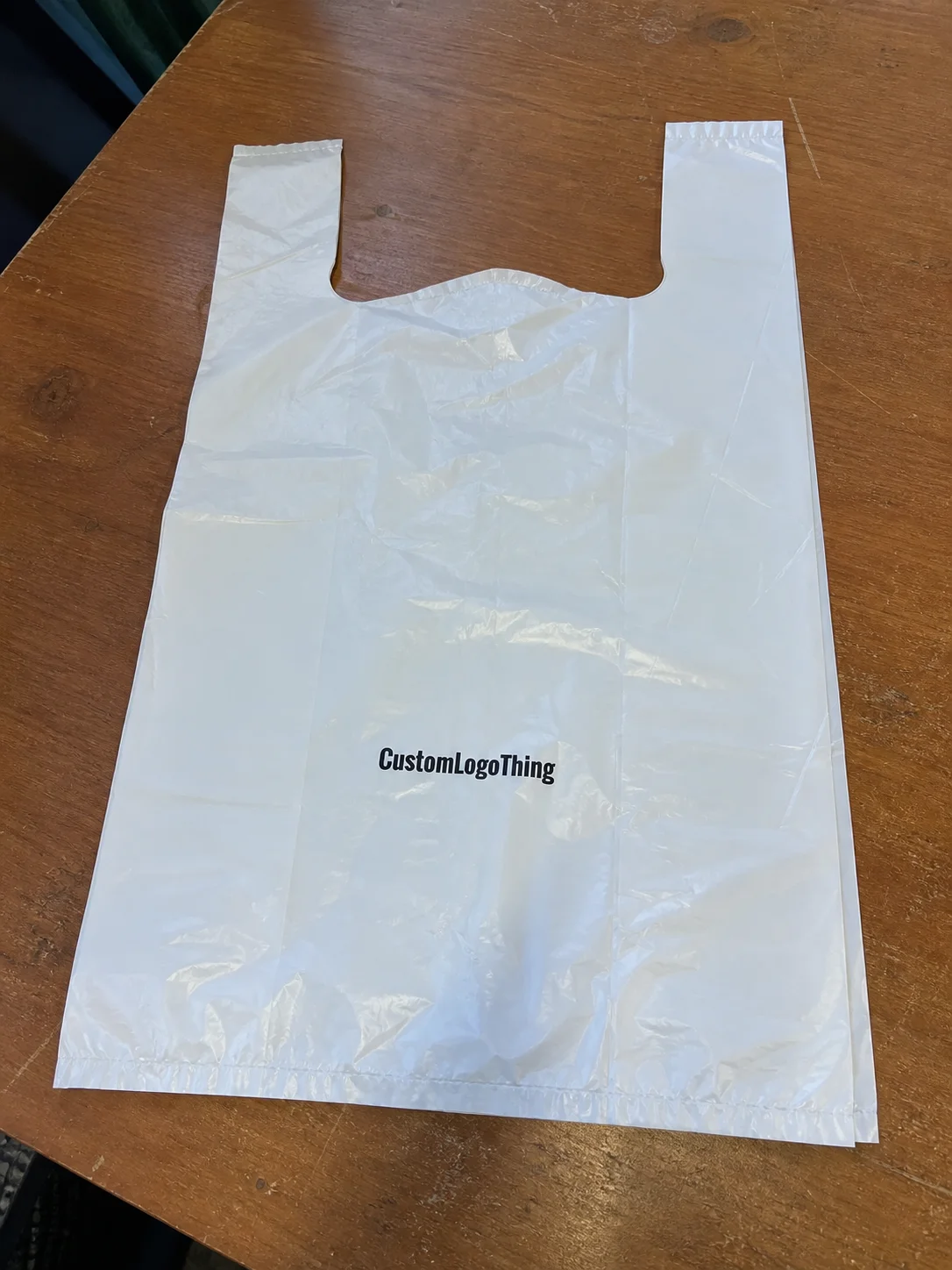
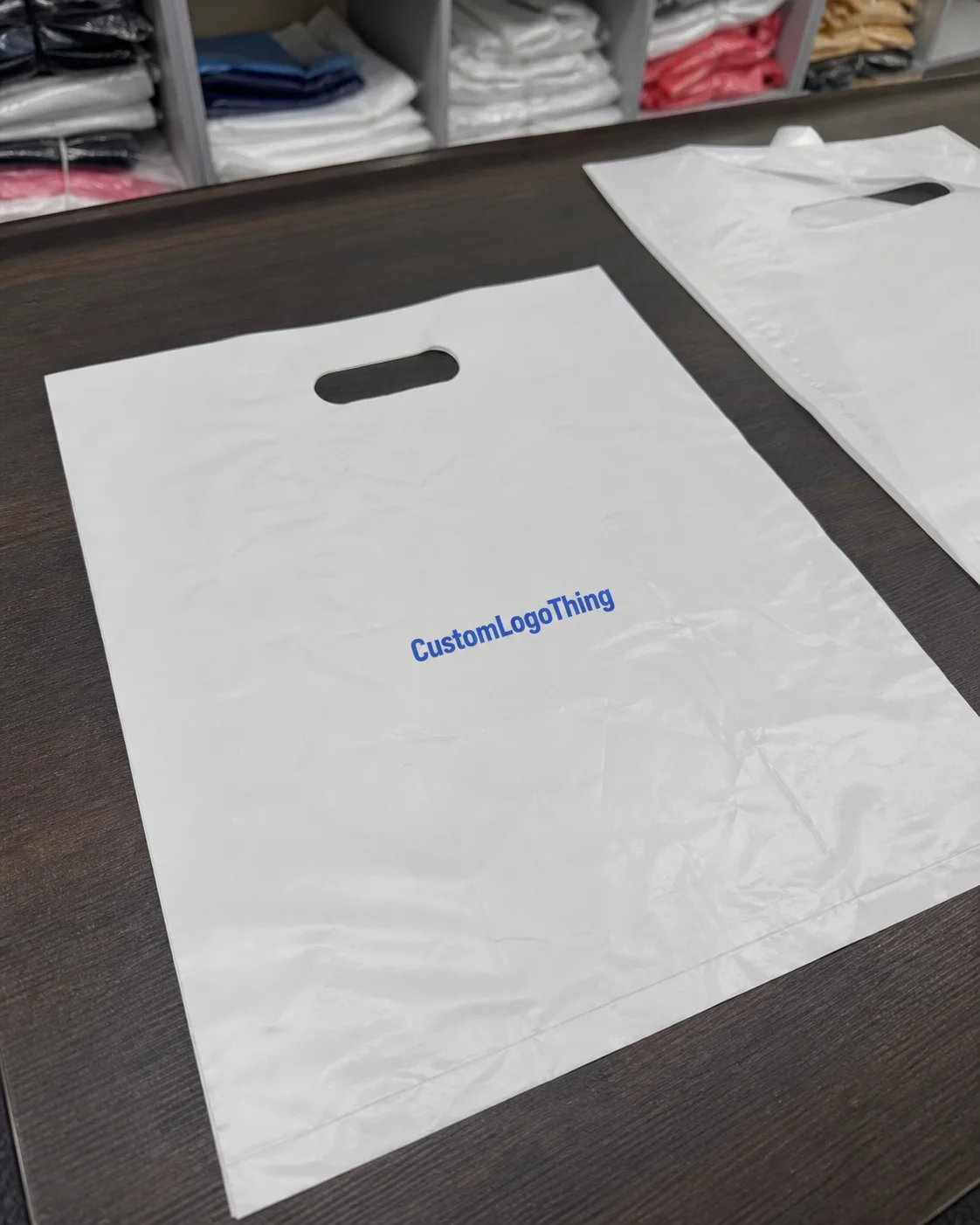
Buyer Fit Snapshot
| Best fit | Branded Self Seal Poly Mailers projects where brand print, material claims, artwork control, MOQ, and repeat-order consistency need to be specified before quoting. |
|---|---|
| Quote inputs | Share finished size, material target, print colors, finish, packing count, annual reorder estimate, ship-to region, and any compliance wording. |
| Proofing check | Approve dieline scale, logo placement, barcode or warning zones, color tolerance, closure strength, and carton packing before bulk production. |
| Main risk | Vague material claims, crowded artwork, missing packing details, or unclear freight terms can make a low unit price expensive after revisions. |
Fast answer: Branded Self Seal Poly Mailers: Film, Print, MOQ, and Carton Packing should be specified like a repeatable production item. The safest quote records material, print method, finish, artwork proof, packing count, and reorder notes in one written spec.
Production checks before approval
Compare the actual filled-product size with the drawing, then confirm tolerance on folds, seals, hang holes, label areas, and retail display edges. Reserve space for logos, QR codes, warning copy, and material claims before decorative graphics fill the panel.
Quote comparison points
Review material grade, print process, finish, sampling route, tooling charges, carton quantity, and freight assumptions side by side. A quote is only useful when the supplier can repeat the same color, closure quality, and packing count on the next order.
Branded Self Seal Poly Mailers: How to Choose the Right Fit
Branded self Seal Poly Mailers look simple on paper. A printed film bag, a peel-and-stick closure, a shipping label, done. But that simplicity is exactly why they deserve a closer look. In packing operations, the plain-looking materials are often the ones doing the most work. They shave seconds off each order, keep soft goods clean, and turn a package into something that feels like it came from a real brand instead of a warehouse outlet. That last part matters more than people admit.
I have watched teams spend a lot of energy polishing the website, the email flows, and the insert cards, then send products out in generic sacks that undercut the whole effort. The disconnect is obvious the moment the parcel lands on a desk. A branded mailer fixes that mismatch without asking the operation to slow down. It is not magic, just good packaging discipline.
For apparel, accessories, subscription products, and other non-fragile goods, branded self seal poly mailers usually sit in a very useful middle ground. They cost less than corrugated boxes, pack faster than taped cartons, and create a cleaner presentation than plain courier bags. In some warehouses, that difference translates into real labor savings. I have seen pack-out lines trim a few seconds per unit simply by removing tape and moving to self-seal closures. Multiply that by thousands of orders and the math stops being small.
The logo is only one part of the story. Film gauge, adhesive strength, seal geometry, print method, and the route the package takes after it leaves the dock all shape performance. A mailer can look tidy in a mockup and still fail if the seam is weak or the bag is sized poorly. The customer does not see the proof file. They see the package after a sort belt, a truck ride, and a porch drop.
What branded self seal poly mailers are and why they stand out
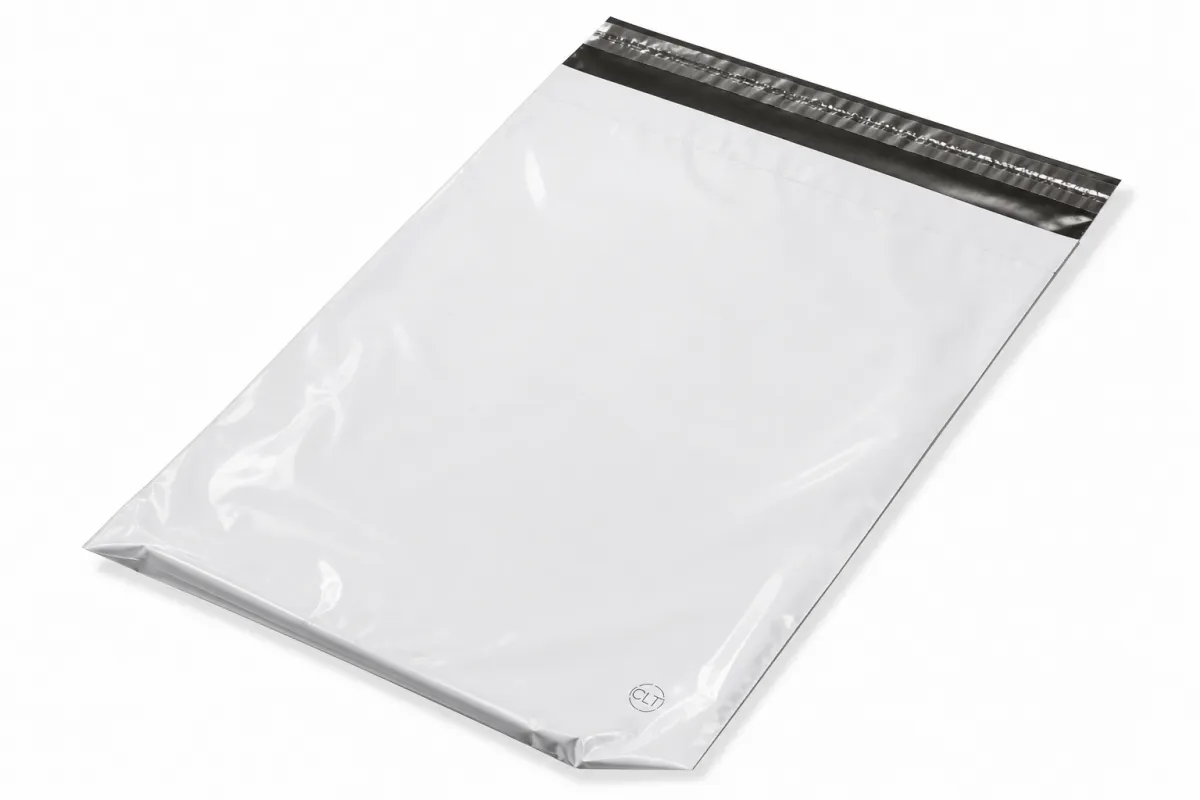
At their core, branded self seal poly mailers are polyethylene shipping bags with custom exterior printing and a pressure-sensitive closure. The structure is straightforward: a flat or lightly expandable body, sealed side seams, and a flap that locks once the release liner is removed. The format is basic enough to run at scale, which is one reason it shows up so often in e-commerce.
Packaging buyers sometimes treat mailers like a pure commodity. That mindset misses how much presentation changes perception. A restrained one-color logo, a clean negative-space layout, or a sharp brand mark on a matte bag can completely alter how the shipment feels. The parcel reads as intentional. It reads as designed. For first orders especially, that impression can set the tone before the customer even opens the product.
Branded self seal poly mailers stand out because they solve three problems at once:
- They protect soft goods from dust, light moisture, and handling marks.
- They reduce pack-out time by removing tape and extra closure steps.
- They turn the shipping bag into a visible brand surface.
That combination is hard to beat for folded apparel, socks, scarves, knitwear, flat accessories, and many subscription inserts. The phrase “properly sized” does a lot of heavy lifting here. A product that bends safely is a good fit. A product that needs rigid corners, crush resistance, or a luxury reveal usually needs a box, an inner carton, or a hybrid system.
That is why experienced teams compare mailers against cartons, padded formats, and internal wraps before locking in a spec. If you are weighing more than one packaging format, our Custom Packaging Products page is a good starting point for comparing options side by side. For a closer look at the category itself, our Custom Poly Mailers page shows how size, finish, and print style affect the final result.
My strongest case for branded self seal poly mailers is not that they are cheap. It is that they deliver speed without making the package feel rushed. That is a pretty rare balance.
Most packaging failures are not dramatic. They are tiny mismatches: a bag that is slightly too tight, an adhesive that behaves differently in a cold dock, or a logo that disappears once the film flexes.
That kind of mismatch is easy to miss in a sample room and very hard to miss after 2,000 units are already in transit.
How branded self seal poly mailers work in shipping
The closure system is simple, but the details matter. A typical branded self seal poly mailer uses a peel-and-stick adhesive strip under the flap, protected by a release liner. Pull the liner, press the flap, and the bond begins. Compared with tape, that saves handling steps and lowers repetitive strain for packers. On high-volume lines, those saved motions add up fast.
Film thickness and seam construction matter just as much as the adhesive. A 2.5 mil bag may be fine for light apparel or low-risk routes. A 3.0 to 4.0 mil build gives more puncture resistance and more margin for products with zippers, buttons, rivets, or crisp folds that press into the film. Side seams should be even and consistent, because the closure is not the only place a bag can fail. Corners, seams, and the body of the mailer all share the load.
That is the piece many buyers overlook: branded self seal poly mailers are not just a branding choice, they are a material choice. The visible print gets the attention, but the film underneath decides whether the package resists handling wear and light moisture. If the product slides around inside the bag, the mailer is too large. If the seam strains, the bag is too small. Neither outcome is subtle once the packages start moving.
Printed branding also works as a trust signal. Carrier systems do not care, obviously, but the customer does, and so does anyone who sees the parcel in a mailroom or lobby. A readable logo at arm's length makes the shipment feel deliberate instead of generic. That is one reason a clean layout usually outperforms a crowded one. There is a limit to how much visual noise a flexible bag can carry before it starts looking busy.
In the packing line, branded self seal poly mailers usually come in after the item has been folded and protected, but before the final label or any external seal is added. For soft goods, the mailer can be the outer layer. For more delicate items, it may sit around a polybagged product, a tissue bundle, or a protected inner carton. A mailer is efficient, not magical. If the product needs corner strength, stacking resistance, or a gift-style reveal, a box still earns its place.
The best way to think about branded self seal poly mailers is as a shipping skin. They work when the product already has the protection it needs and the outer layer only has to stay light, clean, and quick to close. That sounds modest. It is also why the format holds up so well in real operations.
For validation, many teams use packaging and transit testing rather than relying on appearance alone. If you want a disciplined baseline, the ISTA standards are a useful reference for vibration, drop, and handling expectations. That matters most when branded self seal poly mailers will move through mixed carrier routes or warehouse systems where handling is rougher than the sample table suggests.
Key factors that shape branded self seal poly mailers performance
The biggest mistake buyers make is staring at the printed face and ignoring the film spec. Print matters, but material decides how the bag behaves once it is loaded, stacked, tossed, and sorted. Gauge comes first. Thinner film lowers unit cost, yet it leaves less room for puncture resistance and seam strength. Thicker film usually costs more, but it makes sense for products with hardware, tighter folds, or shipping lanes that are hard on parcels.
Material choice matters too. LDPE is common because it flexes well and runs cleanly through production. Some bags use co-extruded film to balance strength and appearance. Others include recycled content. That part is kinda messy in the market, because sustainability claims only mean something if they match the actual construction and the actual recovery stream. A package is not meaningfully recyclable if local facilities do not accept it or if its layered structure makes recovery impractical. Public guidance such as EPA recycling guidance is a better reality check than marketing copy.
Print method sits just behind material. Flexographic printing works well for straightforward branding and repeat production. More complex color work may require another process depending on volume, finish, and the number of colors. Ink coverage affects cost, but it also changes how the surface behaves under scuffing. Matte and gloss each tell a different story. Gloss tends to read brighter and sharper. Matte feels quieter and often more premium. Neither is automatically better. The right choice depends on the product and the brand voice.
Size selection sounds simple until you account for folding, inserts, and shipping behavior. A bag that is too tight can strain the seam or distort the flap. A bag that is too large looks careless and lets the contents shift, crease, or rub against themselves. Expansion depth helps with bulkier folds, but only up to a point. Many teams test the top-selling SKU in two or three sizes before settling on a standard, because the spreadsheet version and the real-world version are often not the same thing.
Closure reliability deserves more attention than it usually gets. Adhesive performance can change with temperature, humidity, warehouse dust, and the amount of time the parcel sits before pickup. A seal that feels solid on a clean sample table may behave differently in a cold dock or a busy packing room. A supplier worth listening to should talk about adhesive behavior, not just say the strip “sticks well.”
Here is the practical rule: the more demanding the route, the more honest you need to be about film and seal spec. A mailer that looks excellent on a short local run can underperform on a longer multi-node route if the product is heavy for its footprint or the adhesive is marginal.
Design choices affect performance too. Dark film can swallow a light logo if the contrast is weak. Small type can blur once the bag flexes. Artwork placed too close to a seam can clip or warp. Good print design starts with the structure of the bag, not with a blank-canvas fantasy.
Think in layers: film strength, seal reliability, size tolerance, artwork placement, and route conditions. Branded self seal poly mailers are only as dependable as the weakest link in that chain.
Branded self seal poly mailers process and timeline: from artwork to delivery
The production path for branded self seal poly mailers is more orderly than many buyers expect, but only if the front end is disciplined. It starts with specs: product dimensions, target quantity, film gauge, print count, color targets, and the closure style the team needs. The buyer should also say whether the mailer will ship single items, bundled SKUs, or seasonal promotions, because the size recommendation can change from one use case to the next.
Artwork preparation comes next. The cleanest jobs start with vector files, clear brand colors, and a layout that respects the seam, flap, and bleed area. Low-resolution files slow everything down because they need to be rebuilt or cleaned before proofing. The artwork should be treated as part of the manufacturing file, not just as decoration. A logo placed too close to an edge may land awkwardly once the mailer is formed and folded.
Proofing is where schedules often slip. A proper proof should show placement, color separation, size, finish, and any special instructions. If the buyer changes direction after approval, the timeline usually moves. That is normal. It is still time-consuming. A revised proof can send the job back into queue, and the lead time may stretch by several days depending on the run and the factory calendar.
Production time varies with order size. Small custom runs can move faster, while larger orders need more setup, more print time, more inspection, and more packing before shipment. The delay is not mysterious. The bag still has to be printed, cured or dried if the process requires it, counted, stacked, and packed so the seals and graphics arrive intact.
For a typical branded self seal poly mailers order, a realistic schedule often looks like this:
- Specification review and quote: 1 to 2 business days.
- Artwork setup and proofing: 2 to 4 business days if files are ready.
- Production: often 12 to 15 business days after proof approval, depending on quantity and print complexity.
- Freight and delivery: variable by destination and shipping method.
That range is not universal. Heavy ink coverage, multiple SKUs, special finishes, or unusually complex features can stretch it. Still, it is a useful planning frame, and far better than a vague promise of “fast turnaround.” If a launch date is fixed, share it early and ask what can be compressed without turning quality into a casualty.
What buyers should prepare before requesting a quote:
- Final product dimensions, packed dimensions, and any inner packaging details.
- Preferred quantity, or a realistic forecast split across sizes.
- Logo files in vector format if possible.
- Color references or Pantone targets if brand matching matters.
- Notes about tear strips, gussets, recycled content, or tamper evidence.
The smoother the handoff, the faster the run. Good branded self seal poly mailers programs depend on clear specs and proofing that catches errors before material is committed.
Branded self seal poly mailers cost, pricing, and MOQ considerations
Pricing for branded self seal poly mailers comes from several levers, and most are easy to identify once you know where to look. Film gauge is one of the biggest. A heavier gauge uses more resin and usually performs better under stress, which pushes the price up. Size matters too. Larger bags need more material and more print area, so both substrate cost and press time rise. Print complexity changes the quote as well, especially when the design uses multiple colors, large ink coverage, or special placement rules.
Finish and extra features add another layer. Matte lamination, tear strips, gussets, reclosable features, and security printing all affect cost. Quantity does too. MOQ exists because setup work, plate or cylinder preparation, proofing, and line changeovers have to be spread across the run. If the order is too small, setup can overwhelm the unit price. That is why a supplier may quote one price at 5,000 pieces and a very different one at 25,000 pieces.
Budgeting works better when you look past unit price. A low quote can hide freight, sampling, or revision costs. A higher quote may include better film, sharper print, or lower waste during pack-out. The real question is landed cost plus operating behavior. A bag that saves a few cents but slows packers or creates more damage is rarely the bargain it appears to be on paper.
Here is a practical pricing range for many branded self seal poly mailers programs, assuming a custom printed run with standard specifications:
| Option | Typical Use | Approx. Unit Price at 5,000 Pieces | Notes |
|---|---|---|---|
| Standard 2.5 mil, one- or two-color print | Light apparel and soft goods | $0.18-$0.24 | Good for simple branding and lower-weight shipments |
| 3.0 mil, mid-coverage print | Apparel, accessories, subscription packs | $0.22-$0.30 | Better puncture margin and more visual impact |
| 4.0 mil, higher coverage or premium finish | Heavier soft goods, stronger route protection | $0.28-$0.40 | Often chosen when transit stress or presentation is more demanding |
| Mailer with specialty features | Multi-SKU or branded launch programs | $0.35-$0.55+ | Pricing varies widely with tear strips, gussets, or special structure |
Those numbers are planning guidance, not a promise. Freight, destination, order timing, and raw material markets can move the final figure. The cleanest quote separates unit cost, setup, sampling, and shipping so you can compare offers without guessing where the money goes.
MOQ is also a strategic decision. A smaller MOQ can make sense for seasonal launches, limited editions, or test runs. A larger MOQ usually improves pricing and inventory stability, but only if the design is settled and the sizing has already been proven. The right answer depends on turnover, storage space, and how many SKUs the team is juggling.
Some brands treat branded self seal poly mailers as a high-rotation utility. Others treat them as a visible brand asset that needs controlled inventory. Both approaches can work. The trick is to buy for the business you have, not for the number on the quote sheet.
Common mistakes to avoid with branded self seal poly mailers
The first mistake is choosing size from product dimensions alone. A flat T-shirt and that same T-shirt with a folded insert, tissue wrap, or barcode card are not the same package. If the bag is selected from the product's base size only, it can end up too tight once everything is packed. That stress shows up at the seam, the flap, or the corners after a few touches in transit.
The second mistake is treating artwork as an afterthought. Branded self seal poly mailers can look sharp when the logo is placed with intention, but they can look cheap if contrast is weak or the elements are too small. Dark film can swallow fine detail. A logo that sits too close to the seal can warp when the flap folds. Text that reads clearly on a monitor can turn muddy on flexible film.
The third mistake is trusting the adhesive without testing it in the actual environment. Cold docks, humid warehouses, and dusty packing tables all affect closure performance. If the strip does not bond well in those conditions, the package may open or loosen before it reaches the customer. Branded self seal poly mailers should be tested where they will actually be used, not only in a clean sample room.
The fourth mistake is using a mailer where a box is the better engineering choice. Poly mailers work well for soft, flexible goods, but they do not provide crush protection. They do not preserve corners. They do not create a rigid reveal. If a product can bend without damage, the mailer may be the right answer. If the product needs structure, a box or padded system is usually the better fit.
The fifth mistake is skipping the sample run. A sample is not just a look at the print. It shows how the product folds, how the closure behaves, how the film feels in the hand, and how long it takes to pack one order versus another. If the team ships multiple SKUs or expects seasonal changes, a sample set can uncover fit issues that a spreadsheet will never catch.
Before approving a full order, test these points:
- Seal strength after the bag sits for a few minutes, not just immediately after closing.
- Abrasion resistance where the product touches the film during movement.
- Drop behavior from the height your team actually sees.
- Readability of the logo from arm's length and from a carrier-sort angle.
- Pack-out time with real warehouse staff, not only with design mockups.
A good cross-check is simple: compare the sample against your best-selling product and your roughest shipping lane. Branded self seal poly mailers should be judged by the route they will actually travel, not by the cleanest possible scenario. That is the line between a nice sample and a dependable shipping system.
For teams building a wider packaging program, it also helps to review other format choices alongside mailers. Our Case Studies page shows how different packaging choices have been applied in real buying scenarios, which can help you decide whether branded self seal poly mailers should stand alone or sit inside a broader system.
Expert tips and next steps for branded self seal poly mailers
The smartest way to buy branded self seal poly mailers is to build the decision around actual SKUs, not a generic shipping category. Start by mapping the top sellers, then create a simple sizing matrix that shows which bag fits which item after folding, inserts, and final packaging. That one document can prevent a lot of packing confusion later, especially if more than one team member touches the line.
From there, test the closure and the film in real handling conditions. A small pilot run can show whether the adhesive is strong enough, whether the ink scuffs, and whether the bag is too tight or too loose. I like to see a team compare at least two sizes and one backup gauge before it commits to volume. That may sound cautious. It usually costs less than fixing fit issues after a full run is already on the shelf.
Keep branding readable. Readable from arm's length. Readable when the bag curves slightly. Readable when the parcel moves quickly on a carrier belt. A layout that disappears in motion does not help the brand much. Simple, confident graphics often outperform busy artwork on branded self seal poly mailers because the bag itself is already carrying enough visual weight.
It also helps to tie the packaging choice to a rollout plan. Here is a practical sequence that works well for many teams:
- Approve a sample and verify the fit with real products.
- Run a small pilot order with the packing team.
- Track pack-out speed, mispacks, and damage reports for the first wave.
- Review customer feedback on appearance and unboxing.
- Scale the winning size and gauge once the data is clean.
That rollout is not flashy, but it is dependable. It respects the fact that branded self seal poly mailers sit at the intersection of presentation, protection, and operating efficiency. Ignore one of those three pieces and the package feels weaker, even if the logo looks good.
For sustainability claims, keep the language narrow and precise. If the mailer is mono-material, say that. If it is recyclable only in some programs, say that too. If you add paper inserts or shipping documents, avoid mixing claims in a way that confuses the customer. Clear language is safer than broad promises that do not survive contact with the mailbox.
Finally, review the packaging from the buyer's side. Does it feel intentional? Does it protect the product? Does it hold up in transit? Does it speed packing instead of slowing it down? If branded self seal poly mailers answer yes to those questions, the spec is probably close.
Used well, branded self seal poly mailers are a practical brand asset, not just a shipping bag. If you are comparing options or narrowing a build, the best next move is usually to work from product size, route conditions, and print goals together, then choose the branded self seal poly mailers format that fits the business instead of forcing the business to fit the packaging.
FAQ
What products work best in branded self seal poly mailers?
They work best for soft, flexible items such as apparel, accessories, linens, and lightweight non-fragile goods. If a product has sharp edges, fragile parts, or crush-sensitive corners, it usually needs inner protection or a box instead. The real test is whether the item can move inside the film without tearing, puncturing, or distorting the closure.
How do I choose the right size for branded self seal poly mailers?
Measure the product in its packed form, not only in its flat dimensions, because folds, inserts, and tissue change the footprint. Leave enough clearance for the seal to close without stretching the seam or crushing the contents. The most reliable method is to order samples in the top two or three sizes and test them with the people who will actually pack the orders.
How much do branded self seal poly mailers usually cost?
Price depends on film thickness, bag size, print complexity, quantity, and whether there is a setup charge. Unit cost usually falls as quantity rises, but freight, sampling, and design revisions can change the true landed price. Ask for a quote that separates unit cost, setup, and shipping so you can compare offers on equal footing.
How long does production take for branded self seal poly mailers?
Lead time depends on artwork readiness, proof approval speed, order volume, and the print method being used. Fast approvals usually shorten the schedule more than anything else, because production cannot begin until the proof is signed off. If you have a launch date, share it early and ask what can be expedited without risking quality.
Are branded self seal poly mailers recyclable?
It depends on the film structure and your local recycling program, because not every facility accepts every type of poly film. Mono-material options can be easier to explain to customers, but the claim should always match the actual material construction. Clear disposal guidance on inserts or product pages helps customers know what to do after delivery.
Branded self seal poly mailers work best when they are chosen with the same care you would give any other production material: the right gauge, the right size, the right adhesive, and the right print layout for the route they need to survive. Built that way, branded self seal poly mailers can carry the product, the brand, and the packing operation without forcing anyone to compromise on the three things that matter most. The most actionable takeaway is simple: test the mailer against your real SKU, real pack-out conditions, and real shipping lane before you commit to volume. That is where the useful answers show up.