Bucket hats packing requirements for resort retail orders sound simple until a soft brim picks up a crease, a crown flattens in transit, or a polybag holds moisture long enough to leave a mark. Packing is not just transport. It protects shape, keeps the product looking right on arrival, and keeps receiving from turning into a mess. For a basic 100% cotton twill bucket hat with a woven label, single-color embroidery, flat pack, and carton marks, the ex-factory cost often sits around $2.50-$4.00 per unit at 500 MOQ, with production lead times commonly running 18-22 business days after approved samples for standard programs.
Shape is the whole game.
For bucket hats packing requirements for resort retail fulfillment, the part that gets missed most is shape control. A hat can survive freight and still fail on the floor if the brim memory is wrong, the crown shifts, or the pack leaves pressure marks. Resort buyers care because these programs are display-led and usually sit beside other presentation-sensitive goods. If the fabric is organic cotton, recycled polyester, or a recycled blend, the paperwork should match the material chain, with certifications such as GOTS for organic cotton, GRS for recycled content, and OEKO-TEX Standard 100 for finished-product chemical testing where relevant.
The pack spec affects labor, freight cube, carton count, store readiness, and rework after receiving. A slightly more expensive pack-out can still cut total cost if it avoids damage claims, manual reshaping, or intake delays. Buyers should look at the landed result, not just the packaging line item. On smaller resort runs, packing can cost more to prepare than to sew, which is why the decision belongs in the line review instead of the last email before shipment.
Bucket hats packing requirements for resort retail fulfillment: what buyers miss

Most buyers start with decoration, color, and unit price, then treat packaging like a warehouse detail. That usually backfires. For bucket hats, the real spec includes fold method, insert or shaper choice, polybag type, carton count, barcode placement, moisture control, and pallet build. Miss one piece and the shipment may still arrive, just not in retail-ready condition. In practice, the pack spec often lands at 1 hat per polybag, 10-20 hats per inner carton, and 40-80 hats per master carton depending on brim width, brim stiffness, and whether an insert is used.
Resort programs add pressure because they are seasonal, smaller than mass apparel runs, and much more sensitive to presentation. A generic ecommerce parcel can take a rougher trip than a retail floor can. The difference shows up fast when a wrinkled hat sits next to crisp folded goods and clean accessory stacks. If the assortment uses premium cotton twill, washed canvas, or lightweight recycled nylon, the protection level needs to match the fabric hand and the shelf display the buyer expects.
- Folding method: flat, semi-folded, or nested packing changes how quickly the brim recovers.
- Protection level: tissue, board, soft insert, or no insert changes crush risk.
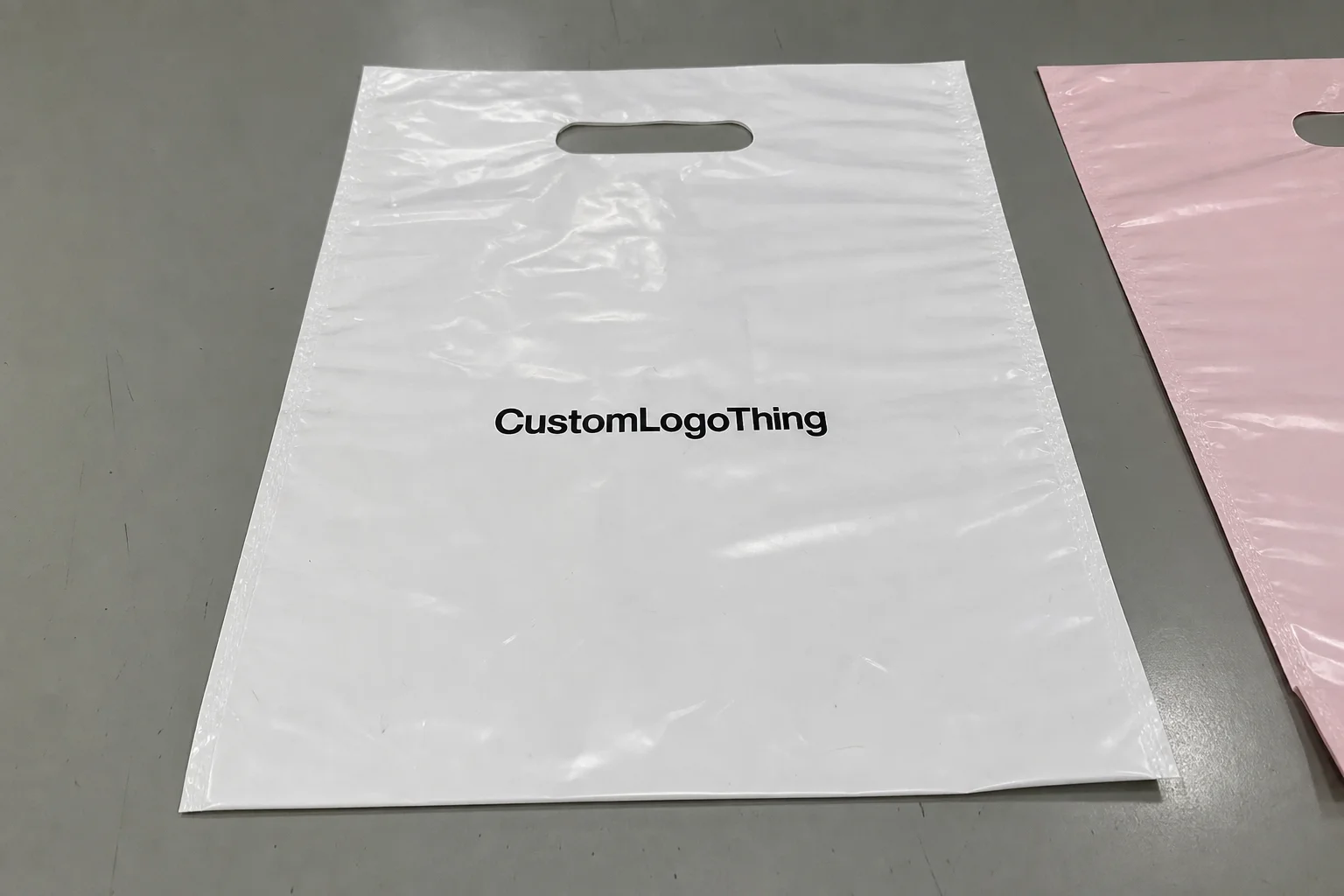
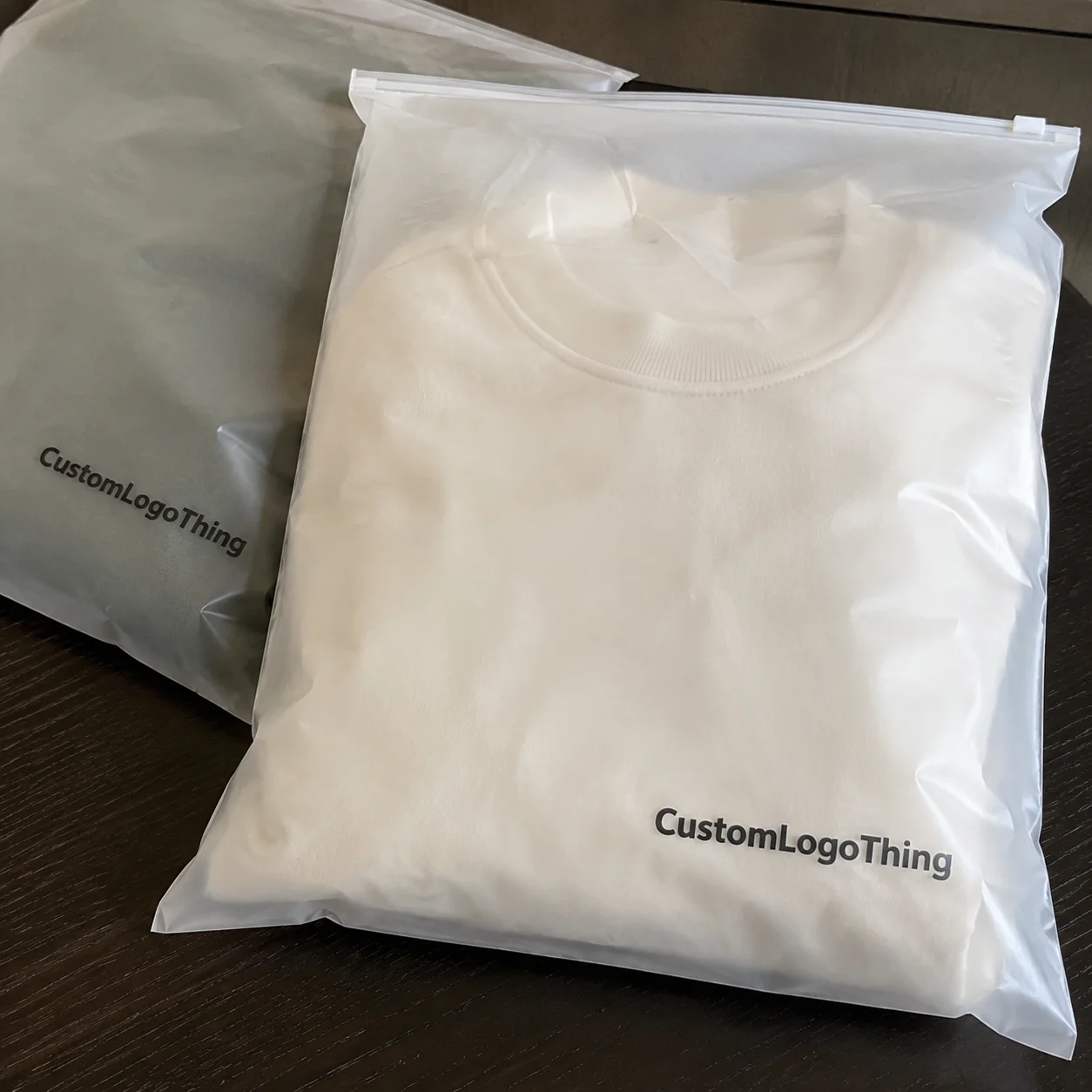
- Polybag spec: film thickness, venting, and seal quality matter in humid lanes.
- Carton logic: inner packs, master counts, and mixed-SKU rules affect receiving speed and repack labor.
- Labeling: barcode placement, country-of-origin, and carton marks need to match inbound requirements.
- Pallet build: stack height, wrap pattern, and overhang can decide whether cartons arrive clean or damaged.
A hat that lands cheap but misshapen is not cheap. It is a markdown waiting to happen.
That is why pack-out should sit in the buying decision, not on the sidelines. A small saving on packaging can vanish if the store team spends time reshaping product or if receiving holds cartons for inspection. The real landed cost includes the work needed to make the product look right again. For many resort buyers, a better yardstick is cost per shelf-ready unit after unpacking, steam recovery, and replenishment labor.
Put simply: the buyer is not buying a shipper. They are buying a shelf-ready shape.
How the process and timeline work from sample to store
The smoothest programs move in a fixed sequence: pack spec intake, material selection, sample build, approval, production, quality control, and outbound shipping. That order matters because packaging choices are hard to unwind once the line is moving. A late change to the fold method can shift carton size, labor planning, and freight assumptions at the same time. For a standard program, a proto sample can be ready in 5-7 business days, a preproduction sample in 7-10 business days, and the first bulk shipment can leave in 18-22 business days after PP approval if printed components are not holding things up.
Lead time grows fastest when the program includes custom inserts, printed polybags, sewn labels, embellishments, or mixed-size and mixed-color carton rules. Each one adds a dependency. If the bag art is late or the insert is wrong, the hats may be finished while the order waits for packaging parts or approval. The most common packaging components are 2-3 mil LDPE polybags, 350-400 gsm SBS or CCNB paperboard inserts, 40-60 gsm tissue, and 125-150 gsm corrugated master cartons.
Good suppliers flag those limits early. They should confirm whether the chosen fold fits the hat body, whether the barcode still scans through the bag, and whether the carton count still works once the insert is added. Finding out during preproduction that the packed hat is too tall or too wide is one of the quickest ways to lose a week. If the program uses certified materials, the supplier should line up the paperwork early too, such as GOTS for organic cotton fabrics, OEKO-TEX Standard 100 for finished goods, GRS for recycled textiles or trims, and social audits like WRAP or BSCI when a buyer asks for them.
Transit testing is worth the time because it replaces guesses with evidence. Many buyers use ISTA methods or similar distribution checks to see whether the hat still recovers after drop, vibration, and compression exposure. The point is not paperwork. It is proving that the approved pack-out survives a realistic lane. A practical validation set usually includes carton compression, 6-sided drop checks, barcode scanning, unpack/repack review, and a visual check for brim distortion after 24 hours out of the carton.
- Request stage: define the hat style, fabric, target presentation, and resort lane.
- Sample stage: build one or two packing options and inspect the hat after unpacking.
- Packing sign-off: lock fold method, inserts, label placement, and carton count.
- Production stage: run the approved method and spot-check random cartons during pack-out.
- Outbound stage: confirm master carton labels, pallet configuration, and ship dates before dispatch.
Simple flat-pack programs can move quickly. Once you add a printed bag, an insert, and mixed-SKU carton rules, the schedule usually stretches by several days. That is why the sample should be approved first, then the packing spec, then the carton and pallet plan. Reversing that order creates avoidable friction. For a straightforward resort order, a total calendar of 25-30 business days from sample request to vessel booking is common if approvals stay on track.
Bucket hat packing cost, MOQ, and unit cost drivers
Packaging cost is easy to underestimate because it is spread across several small decisions. A plain polybag looks cheap until you add an insert, a printed warning, a hangtag, a carton label, and the labor to fold and bag each hat. MOQ matters because setup costs get divided across the run. At 500 MOQ, a custom pack may add a noticeable amount per unit. At 5,000 units, the same pack usually feels much lighter.
The biggest cost drivers are the ones that change labor time. A flat fold is faster than a shape-held fold. A printed insert takes longer than plain tissue. Mixed-color or mixed-size packs slow the line because workers have to sort more carefully. Carton count also matters. Smaller inner packs can reduce damage, but they may raise carton count and shipping volume. The right answer depends on where the product is going and who handles it after arrival.
For resort retail, the lowest-cost option is rarely the best option. A buyer who saves a few cents on the pack but creates repack labor at store level is not saving much. The smarter move is to compare the extra pack cost against the cost of markdowns, returns, and staff time. That tradeoff is usually visible by the second or third sample.
Retail-ready packing specs that matter most for resort assortments
The specs that matter most are the ones that protect the hat without making it annoying to unpack. A good resort pack should open quickly, keep the brim true, and leave the product looking saleable after a short recovery. That usually means choosing the lightest protection that still holds shape. Too much material adds cost and slows down receiving. Too little leaves the buyer with a box of wrinkled hats.
In humid markets, the polybag and carton matter as much as the hat itself. A poor seal can trap moisture. A weak carton can crush at the corners. If the hats are going into stores near the beach, moisture control is not a nice-to-have. It is part of the product spec. For those lanes, buyers often ask for venting, desiccant where appropriate, and tighter carton rules to keep the stack stable.
Barcodes and carton marks should be boring. If the store team has to hunt for the label or decode the pack, the receiving process slows down immediately. Clear labeling saves more time than a fancy insert ever will.
Step-by-step production steps for resort retail packing
First the team confirms the hat body, the fold, and the protection plan. Then the sample is built and unpacked to check whether the brim springs back cleanly. Once that passes, the supplier locks the packaging parts and starts bulk production. Quality checks happen during the run, not after the cartons are already on the dock. That is how small problems stay small.
During production, the packing line should check fit, scan the barcode, and inspect a few units from each batch. If the hats are being nested or folded, the team should also watch for pressure marks around the crown and brim edge. The wrong insert or a loose polybag can be enough to create a visible line. Those issues are easier to catch early than to explain after arrival.
Before shipping, the carton build should be reviewed one more time. Master carton labels, pallet height, stretch wrap, and overhang all affect the final outcome. A clean pack can still arrive badly if the pallet is unstable. That is why the outbound check matters as much as the sewing line.
Common mistakes that damage product and profit
The first mistake is choosing the fold by habit instead of by the hat body. Some bucket hats recover well from a flat pack. Others need a little support or the brim stays bent. The second mistake is using a generic carton count because it looks efficient on paper. If the hats arrive crushed, the math was wrong.
Another common miss is skipping the humidity question. Resort goods do not move through dry, climate-controlled lanes all the time. If the bag film, carton strength, or closure method is weak, the product shows it fast. Buyers also run into trouble when they approve the sample and then change the carton spec late in the process. That kind of change looks harmless until the pallet plan, freight cost, and labor assumptions all shift.
The last mistake is treating packing as a separate department conversation. It is not. The best programs bring merchandising, production, and logistics into the same review early enough to catch the obvious problems while they are still cheap.
What to lock before the first carton ships
Before the first carton leaves, lock the fold method, insert type, polybag spec, carton count, barcode placement, and pallet build. If the order uses certified materials, lock the paperwork too. If the buyer wants special store-ready handling, write that into the spec rather than relying on a verbal note.
It also helps to confirm the recovery standard in plain language. How flat should the brim be? How much time is allowed before the product looks presentable? What counts as acceptable marking? Those are not glamorous questions, but they prevent arguments later.
If the shipment is going to a resort chain, the receiving team may have limited time and limited patience. A pack that opens cleanly and stacks well saves everyone time. That is the real goal.
FAQ
What is the best packing method for bucket hats in resort retail?
It depends on the hat body and the lane. Flat pack works for some styles, but a light insert or shaper is safer when the brim needs help holding its shape.
How many bucket hats fit in a carton?
Most programs land somewhere between 40 and 80 units per master carton, though the final count depends on brim width, packing method, and whether there is an inner pack.
Do bucket hats need special testing before shipping?
They should. Drop, compression, and unpack/repack checks catch most of the problems that show up in transit or at receiving.
Which certifications come up most often?
For organic cotton, buyers often ask for GOTS. For recycled content, GRS is common. Finished-goods chemical testing often points to OEKO-TEX Standard 100, and some buyers also ask for WRAP or BSCI.
Why does packing affect cost so much?
Because packing changes labor time, freight cube, carton count, and the chance of damage. A cheaper pack on paper can turn into a more expensive order once rework is added.