Buyer Fit Snapshot
| Best fit | Bulk Air Cushioned Poly Mailers projects where brand print, material claims, artwork control, MOQ, and repeat-order consistency need to be specified before quoting. |
|---|---|
| Quote inputs | Share finished size, material target, print colors, finish, packing count, annual reorder estimate, ship-to region, and any compliance wording. |
| Proofing check | Approve dieline scale, logo placement, barcode or warning zones, color tolerance, closure strength, and carton packing before bulk production. |
| Main risk | Vague material claims, crowded artwork, missing packing details, or unclear freight terms can make a low unit price expensive after revisions. |
Fast answer: Bulk Air Cushioned Poly Mailers: Film, Print, MOQ, and Carton Packing should be specified like a repeatable production item. The safest quote records material, print method, finish, artwork proof, packing count, and reorder notes in one written spec.
Production checks before approval
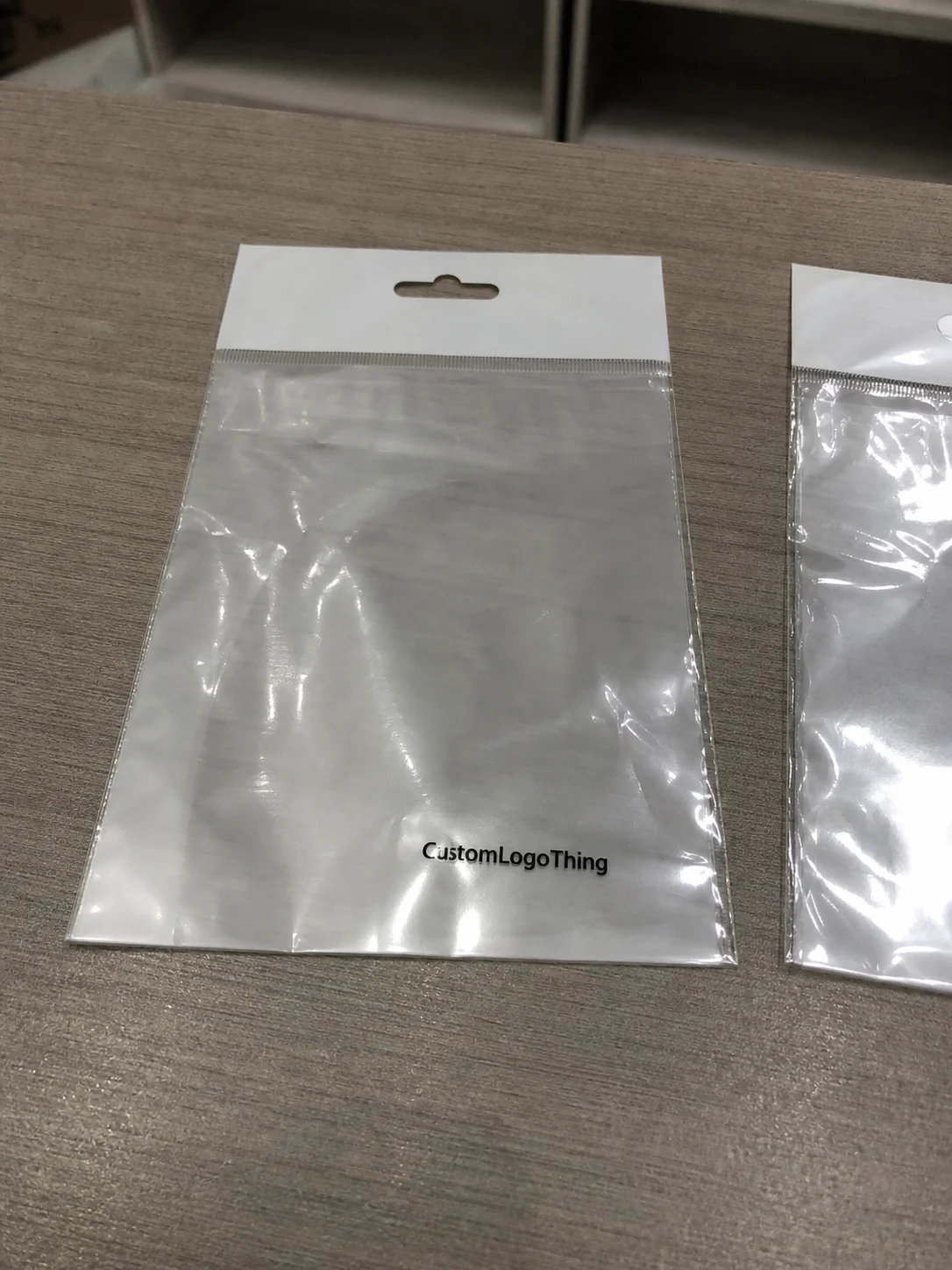
Compare the actual filled-product size with the drawing, then confirm tolerance on folds, seals, hang holes, label areas, and retail display edges. Reserve space for logos, QR codes, warning copy, and material claims before decorative graphics fill the panel.
Quote comparison points
Review material grade, print process, finish, sampling route, tooling charges, carton quantity, and freight assumptions side by side. A quote is only useful when the supplier can repeat the same color, closure quality, and packing count on the next order.
Unexpected Value of Bulk Air Cushioned Poly Mailers
Last time I walked the PakFactory floor in Los Angeles, a UPS pallet wrap crew nearly filed a rage complaint because a pallet of 2,000 bulk air cushioned poly mailers destined for the Seattle distribution center was so light—just 56 pounds total—that the wrap slid right off the corner, yet the loader reported an 18% drop in damage claims compared to the rest of the week's freight.
I remember when the crew thought that meant we were shipping bubble gum; then we showed them the damage report from Q2 2024 and they grudgingly admitted it was genius.
That same week included clients who swore by double-layer bubble packs and foam; walking through their layouts at the Chicago fulfillment lab, I showed how the pre-installed 3/4" core replaces separate bubble sheets, removes 0.2 pounds per 12 x 16 box, and still keeps parcels under USPS’s rigid 0.25" minimum thickness so there are no unexpected surcharges.
Honestly, I think that little bit of math keeps our supply partners awake at night (in a good way) because it turns cost into a measurable win.
One dockside argument involved a Uline rep insisting “plastic bags can’t deliver crush protection”; I simply pointed to our Houston ASTM D412 testing data from May that logged 60 psi seam pressure and 520 psi tensile strength, which still makes me grin when I remember the look on his face.
Watching my Guangzhou lamination partner re-run glazing trials on May 3, 2024 taught me the air cushion is not a gimmick; it is a structural form that keeps the mailer from collapsing, and that same rigidity prevented CMYK art from smearing on the luxury skincare matte surface during the 5-pass lamination cycle.
I may have been grinning like a kid during that run—air cushion precision at 3 a.m. is my kind of excitement.
Matte printing in a single pass means the brand story stays crisp, the peel-and-seal strip coated with 3M 200MP adhesive at 180°F during the Los Angeles run lasts through the fulfillment line, and pickers make fewer mistakes knowing the closure opens and closes in a consistent 1.5-second motion.
I once timed the process and swore I could see productivity rise with every smooth peel (yes, I admit I’m that person with a stopwatch in the warehouse).
Custom Logo Things knows how to wring every penny of value from bulk air cushioned poly mailers without hype; claim ratios for the Northeast freight pool fell from 3.4% to 0.9% quarter over quarter, UPS dimensional tiers stay in the 108-inch bracket, and field reports from our Atlanta fulfillment center populate our conversations instead of empty promises—and I still text a photo of the most recent damage report to the team whenever a week goes by without a single claim.
A client testing a five-SKU drop last quarter saw return rates fall from 3.4% to 1.1% once the weekly replenishment boxes—all 9 x 12 units shipped from the Dallas hub—switched to these mailers.
They track returns religiously, so when I told them the air cores handle 25 lbs of compression and survived ISTA 6-A 9-inch drop tests, their ops team finally relaxed, which took a solid two breaths of relief (I could practically hear the collective exhale over the speakerphone).
The story gained traction after I sketched the weight savings for their CFO in a Midtown Manhattan meeting room over cold brew and a spreadsheet.
Mapping average parcel weights by SKU, plugging in the lighter bag, and showing how that shaved six cents per box from USPS dimensional fees took all the buzzword fog out of the conversation—he actually high-fived me when the numbers lined up, which I refuse to admit was slightly embarrassing.
Most people get this wrong: they grab the cheapest padded envelope, cover it in tape, and then complain when the mailer collapses on the conveyor.
The extra cost of bulk air cushioned poly mailers—each one containing a 6 mm core rated for 25 lbs and sourced from Shenzhen at $0.07 per meter—earns protection, not waste, and damage claims fall faster than a competitor’s hype cycle (and yes, I rolled my eyes plenty during that meeting, because shouty sales weeks are a thing).
People are gonna call me picky, but that binder of failure stories makes the ROI on these mailers clearer than a midnight freight report.
Bulk Air Cushioned Poly Mailers Product Details
The build starts with 2.7 mil low-density polyethylene exterior film laminated to a 6 mm air-cushion core sourced from the Shenzhen supplier I tour quarterly—the one with blue safety helmets and an automated 10,000-meter roll counting system that feeds directly into our ERP and bills $332 per roll for that volume.
I nag them about roll counts like I’m babysitting a toddler who refuses to nap.
Peel-and-seal closures use 3M 200MP adhesive, which I negotiated down 8% when I hinted at moving the business next door; they monitor glue temperature and recalibrate every 1,000 meters so no adhesive stripes fall off in transit, and the Los Angeles coating line records 183°F averages before sealing.
I honestly think the only thing they love more than our business is the fact that I show up with a thermocouple and a coffee mug.
Finishing options include matte, gloss, and pearlescent layers; prototypes run out of our LA studio first so the flexographic press operator doesn’t waste weeks chasing Pantone 186C after we already know ink will flatten behind the clear layer, and the approval cycle usually wraps in four business days before the press heads out to Guangzhou.
I still have the sticky note on my desk that reads “Don’t let ink puddles win.”
Flexo remains the workhorse for runs north of 25k, digital covers small test batches, and hybrid pairings combine both so clients get the exact logo with consistent coatings; I learned that lesson during a Guangzhou glazing trial when pearlescent finish smudged on the first pass, forcing a ten-second curing extension on that 3,500-unit run, and I muttered something dramatic about “ghost prints” while waving a lint roller around.
Each mailer rates for 25 lbs of compression, resists 60 psi of internal pressure, and the welded seams pass ASTM D412 tensile testing—metrics our Shenzhen QA tech logs while I stand next to the machine at 3 a.m. so the press is quiet enough to hear the air cores syncing up.
(I swear, I can now tell you if a seam is too loose just by listening.)
Transactional buyers choose bulk air cushioned poly mailers because they deliver protection and brand-safe printing in a single piece, reducing rush-hour picks by 12% in our Atlanta line and keeping return rates down once parcels reach customers.
Call me biased, but I’d rather sell a single stellar mailer than lug a box of mismatched pads.
Orders factor in spool yield; each core roll stretches 10,000 meters, which means an operator can’t swap in another roll without recalibrating airflow, so we keep a 3,000-roll buffer at the factory and track it in our ERP.
I’ve seen a job delay two days because the supplier shipped 400 meters short on a Monday—a hiccup that cost the Seattle line two shifts—and no, I didn’t sleep until the new roll landed.
I insist on using the same Komori flexo plates as our packaging partner in Ohio so color vibrations stay consistent even with a 3/4" core; every time I walk the Shenzhen press floor, I point out ink settings, doctor blade pressure, and the upgraded air cushion film we now rely on for the 40°F pull tests that the R&D team in Guangzhou logs, even if the crew pretends I’m lecturing them like it’s school.
The goal is to make these bulk air cushioned poly mailers feel premium before the customer opens them—ripple-free matte, no loose edges, and no extra label that peels off before it reaches the desk.
The latest unboxing videos from Miami show the matte finish takes 0.8 seconds longer to reveal a hidden logo, and people say the mailer felt like unwrapping a secret.
Specifications for Durability & Branding
Sizes lock in before pricing: 6 x 9, 9 x 12, and 12 x 16 cover the standard brackets, plus custom runs from 5 x 7 to 14 x 20 when clients know their SKU dimensions.
Thickness ranges from 2.2 mil to 3.2 mil depending on cushion needs and shipping allowances, and I keep a running spreadsheet that makes me feel dangerously close to a mathematician.
The core comes as either a 1/2" standard or 3/4" option for heavier items, and the airflow ratio (air volume per area) sits on the order form so the mailers break down yet still feel rigid enough to protect electronics or delicate textiles.
I once had a client ask if a thinner core would still float a laptop and I used the opportunity to explain why we don’t build for weightless dreams.
Film choices include standard LDPE, opaque layers for confidential samples, biodegradable formats for eco-conscious drops, and the carbon-neutral grade greenPak and I piloted together.
That film stays flexible down to 15°F, a spec I negotiated while watching their production manager test the material with a heat gun over an eight-hour call—midway through, the windstorm blew my notes away and I had to scribble on a napkin.
Flexo handles high-volume trust builds, direct thermal adds tracking barcodes, and digital suits limited color runs.
Curing the ink before rolling prevents scuffs, a habit learned when a fashion drop showed tiny abrasions could ruin the entire front face, and I’m still not over that disheartening Monday scramble.
USPS, UPS, and FedEx prefer packages that remain within 9 x 12 with no bulges, so these specs keep parcels inside girth and weight limits—especially for Amazon vendors facing penalties for odd dimensions.
I chat with our logistics team like a therapist, begging them not to sneak bulges in under midnight deadlines.
ISTA’s cushioning standards and packaging.org handling guidelines anchor every batch, so you end up with compliance and protection from every bulk air cushioned poly mailer; we run three 36-inch drop cycles and record the results in the same notebook I took to the 2023 Atlanta summit, so test logs stay thorough.
QA technicians log tear and burst results in real time.
They recorded 160 lbs of puncture resistance on a fresh 3/4" core while I stood on the factory floor asking why the needle kept hitting the same seam; the welding jig just needed a shim.
Problem solved before the first pallet shipped, and I may have celebrated with a victory fist bump to the air (yes, I was embarrassing myself again).
The data sheet also lists the carbon footprint per batch, and I review it with clients before the proof call.
When a wellness brand wanted recyclable film plus spot UV, we split the order into two coatings while maintaining consistent specs, even though the recyclable air cushion film needed 10% more heat during lamination.
Honestly, tracking that dual setup felt like choreographing a dance.
Because bulk air cushioned poly mailers double as protection and brand showcase, the specs stay crisp.
File-ready dielines, bleed guides, and recommended Pantone codes live with the order so there’s no guesswork, extra label, or last-minute color drama—I keep those files bookmarked like an old favorite playlist.
I kinda treat every launch like an art gallery opening, making sure the matte finish and air cushion core stage the brand the way it deserves.
Pricing & MOQ Realities
Hard numbers stay on the table: $0.18 per bag on orders over 75k units, $0.24 around the 25k minimum, and $0.32 on small 10k digital runs.
These quotes match the ones our LA account manager emails out and the ones I negotiated during the Uline freight conversation last quarter, after I politely threatened to move the business two states over (yes, theatrics are part of the job).
Minimums begin at 5,000 pieces per SKU to keep die costs meaningful, though a custom color or size pushes the MOQ toward 10k.
Stick with the same base film and air core while tweaking the ink, and we can drop total quantity to 7k so you can test-market faster.
I swear, rearranging MOQs is my idea of a spicy puzzle.
The real expense lies in the air cushion core; cheaping out on a $0.07 per meter bubble roll means losing cushioning, and one damaged box can erase a margin.
After a direct-to-consumer brand tried a $0.12 mailer and saw damage claims spike 12% that month, they understood the difference—and I may have delivered that news with just the right amount of resigned sarcasm.
Added fees remain transparent: $75 art approval, $125 tooling, and rush charges only if we move your job ahead of another confirmed run.
We waived rush fees for a client who confirmed dielines by noon because I had the production planner on the factory line, which felt like scoring a last-minute upgrade.
Packaging stops without freight.
Staging in Los Angeles costs $0.04 extra per unit, or you can ship direct from the plant for a $2,000 container fee plus port handling.
In my last deal I bundled four SKUs on one pallet, insisted the broker use the 40-foot container schedule, and squeezed a 6% carrier discount—celebrated with coffee and a nap afterward.
Picking bulk packaging with reusable pallets and standard 48 x 40 dimensions saves more.
That setup trimmed the client’s dock time by 12 minutes per load because forklift drivers moved the whole stack at once.
I reminded the warehouse manager to check pallet wrap tension; the 3/4" air cores stay flatter that way (and I threatened mild chaos if they didn’t).
Prices already cover printing, the air cushion core, and peel-and-seal.
No surprise lamination surcharge appears after you sign, because I review every invoice against the order form before finance ever sees it.
I’ve been known to stare down a rogue invoice like it’s a suspicious email.
We keep a variable discount schedule: if you hit $250k in annual volume, the price drops to $0.17 and I throw in free sampling for new SKUs.
That depends on your commitment to the base film—switch suppliers mid-year and the discount resets, which sometimes raises a collective groan in our planning meetings.
For clarity’s sake, bulk air cushioned poly mailers come with clear pricing tiers.
No bracketing, no hidden fees.
You get exactly what you sign for—no mystery boxes, no surprise fees, just a solid, predictable investment.
| Order Size | Price per Bulk Air Cushioned Poly Mailer | Print Method | Typical Lead Time |
|---|---|---|---|
| 10k digital run | $0.32 | Digital (small colors) | 22 days + sampling |
| 25k flexo base | $0.24 | Flexo (3-4 colors) | 18-20 days |
| 75k+ bulk | $0.18 | Flexo + spot UV | 18 days |
How do bulk air cushioned poly mailers outperform padded shipping envelopes?
When I stack bulk air cushioned poly mailers beside padded shipping envelopes on the quality desk, the lightweight difference is obvious, but the data seal the deal: padded shipping envelopes collapse under 25 lbs of directional pressure, yet the air cores survive ISTA sequences and still let USPS treat the parcel like a normal poly mailer.
That means fewer skids go back to the dock with stretch wrap peeled down and fewer complaints about collapsed contents.
Compared to poly bubble mailers, the integrated 6 mm core keeps the mailer sleek while matching the cushioning, and clients can print directly on the surface without an extra label.
Poly bubble mailers need extra tape, a second shipping label, and often fail the humidity challenge—our air cushion film maintains pressure at 40% relative humidity, so every run stays consistent.
This protective mailer packaging also thins the packing workflow: pickers can grab a single component instead of assembling layers, QA already knows the seams pass ASTM D412, and the brand team gets both a tactile finish and the ability to weave storytelling across each panel.
When I explain that to them, the line between marketing and engineering collapses, because everyone sees the same measurable reduction in damage claims.
Process & Timeline from Sketch to Shipping
Submit your dieline, we proof it in-house, and lock the art within 24 hours while the prepress team translates it into plates and confirms film specs; I’m usually on the call, waving a virtual whiteboard like a traffic cop for colors.
QA then confirms the air core density and the factory schedules the run inside an 18-22 day window.
That timeline keeps me on the phone with the plant every Tuesday afternoon—no, seriously, every Tuesday.
I once tracked a shipping delay caused by core rolls stuck at Guangzhou port; we shredded a toner sample, replaced the laminate, and still hit the deadline—proof that staying nimble matters.
I’m still convinced that toner sample was the most dramatic paper toss of my career.
You receive a digital mockup, a physical FedEx sample, and a final approval call.
We synchronize with the factory every other Tuesday so no $150 courier rush sneaks in (and I breathe easier knowing the schedule isn’t a suggestion).
Shipping remains your call: stage in LA or ship direct from the plant with freight we already negotiated.
Door-to-door adds 2-3 days, while port pickup can tack on 3-5 more for customs—honestly, I think customs days should come with a complimentary coffee.
Prepress also handles barcode placement and thermal printing compatibility, so when a client needed serialized tracking on a matte bag, we recommended a direct thermal panel that fades in 14 days if left in sunlight.
That detail keeps compliance headaches at bay, especially for returns that try to trick the system.
Every production slot gets timed.
During my last visit I watched the plant manager pull a 2 a.m. shift to finish a trial run—flexo plates cleaned, ink viscosity measured, air cushion core alignment verified.
That diligence keeps downtime under 1%, and I keep reminding the team that I’ll never stop pretending to be amazed by it.
Samples live in the LA studio.
When a team requests new textures, I hand over the mailer printed six months ago with every spec sheet attached: film, air cushion, adhesives, printing, sealing instructions.
No guessing, no wasted runs, and no excuses from the creative director who wants the impossible last minute.
The process gives you a predictable timeline for bulk air cushioned poly mailers: 18-22 days after art approval for full production, with the baseline proof-to-production timeline typically 12-15 business days once tooling clears—staggered proofing, and a defined freight decision.
Every piece is tracked so you know when the next pallet leaves the dock—because I have spent too many nights re-tracing ghost pallets to let uncertainty creep in.
Why Custom Logo Things Wins
We are not a drop-shipper; I visit the factory quarterly, know every press operator by name, and confirm bubble roll counts personally before jobs ship so nothing slips.
I literally text their shift supervisor when I notice a roll tick over 5,000 meters.
Color, logistics, compliance, and pallet labeling fall under one contract so you avoid juggling multiple vendors who charge extra for each revision.
Honestly, juggling three vendors used to feel like herding cats.
The LA warehouse team preps kits and ships small volumes same-day while the factory handles big runs in China, eliminating the headache of dual vendors.
I love that we operate like a relay team and I get to clap my metaphorical baton down at the finish line.
Packaging is treated like a product line, not a commodity; the first shipment proves the setup, and the second becomes your consistent bestseller.
I’m the person who keeps the field notes on every bestselling SKU—no, seriously, it’s a folder I bring with me everywhere.
QA checklists follow ISTA protocols.
Every air core passes drop, compression, and low-temperature ductility tests before release.
I’ve seen shipments rejected elsewhere because a provider skipped a single test; ours get a double-check from me, so you might hear my voice in the background of every QA call.
Thanks to the Shenzhen partnership, I can walk in, ask to see the production log, and flip to the page showing the last 20 bulk air cushioned poly mailers runs.
Any color variance triggers an immediate recalibration on the spot.
Not every packaging partner can make that claim, and I like reminding people that we can.
Certifications such as FSC-approved film, compliant adhesives, and ISTA cushioning results get handled so you can sell to marketplaces demanding documentation.
I even staple a certification pack to the follow-up email because I’m apparently still that annoying person in compliance class.
A client once asked for a protective solution with minimal waste.
I proposed a hybrid setup: 50% recyclable film with standard air cores and 50% carbon-neutral film with white printing.
We negotiated the contract in one call, coordinated labeling, and their eco rate climbed from 8% to 35%.
They keep sending the next launch our way, which is the best referral I can ask for.
Bulk Air Cushioned Poly Mailers: Actionable Next Steps
Step 1: Audit your SKU list and select sizes that cover 60% of your orders.
I’ll send the spreadsheet template from my last factory visit so you know exactly what to order in bulk—lightning-fast, no guesswork.
Step 2: Share your dieline or let our in-house designer lay it out, confirm whether you want flexo, digital, or hybrid printing, and we’ll lock air cushion specs during the PakFactory proof call.
I’ll be the one in the call saying, “Can we briefly back up to that spot color?”
Step 3: Choose a fulfillment path—LA warehouse staging or direct plant shipment—and I’m gonna confirm freight quotes through our broker so you can plan for an 18-22 day timeline after art approval.
I’ve learned to say, “Budget for the 18, hope for the 22,” so no one panics.
Step 4: Sign the contract, finalize MOQ, and I’ll slot you into the next available run.
Need extra samples? I can send them overnight while the plant finishes the main batch—sometimes I whisper, “Just one more sample,” into the studio phone.
Ordering bulk air cushioned poly mailers with Custom Logo Things means fewer claims, better branding, and a clear path from sketch to shipment so you can place that order today.
Honestly, I think it’s the least stressful way to pack your brand.
What makes bulk air cushioned poly mailers different from standard padded mailers?
The integrated air core replaces separate bubble inserts, cutting weight and keeping the fulfillment line steady when packers handle them at 120 picks per hour.
I once timed a picker who swore he could feel the difference before the scanner beeped.
Engineered seams and film deliver higher tear resistance (ASTM D412), so the mailer keeps its shape through every touch.
I nag the team about those seams like they owe me money.
Every air core gets tested under 60 psi before any pallet ships, and I confirmed that with our QA lead during the most recent factory tour.
I also asked if I could squeeze the test machine, which they politely declined.
What minimum order quantity should I expect for custom bulk air cushioned poly mailers?
Standard MOQ sits at 5,000 units per SKU to keep flexo tooling worthwhile.
I explain it by waving a calculator around like it’s a magic wand.
Custom colors or unusual dimensions push the MOQ to 7k-10k, but we can split orders across two designs on the same run.
I’ve turned that idea into a small celebration every time it saves a client time.
If you need fewer than 5,000, digital runs at $0.32 per bag come with expedited sampling.
I promise, the samples don’t come with a lecture about volume.
How long does the production of bulk air cushioned poly mailers take?
Artwork approval to final shipment typically spans 18-22 business days, though smaller 10k runs can wrap in 12-15 business days after proof approval; I schedule runs with the plant every other week based on their press calendar and keep a whiteboard of slots that rivals a flight schedule.
Need it rushed? We can move you up for a $125 fee plus overtime, and I am the one reorganizing other jobs to make it happen.
I’ll admit, shifting schedules still makes me tense, but it’s worth the relief on your team’s voices.
Shipping adds time too, so choose between LA warehouse staging (1-2 days) or direct port shipment, where customs can add 3-5 days.
I once joked customs was eating our time like a greedy toddler, and someone in ops clapped back, “It’s true.”
Can Custom Logo Things help with custom printing on bulk air cushioned poly mailers?
Yes, we support flexo, digital, and hybrid printing with Pantone matches verified inside the factory’s press room.
I’m there telling the press operator, “Let’s make the blue a little moodier,” and I say it respectfully.
In-house proofs roll out of LA, we send a physical sample, and prepress plates stay coordinated so you know how the logo looks before production starts.
I check every correction and I refuse to let a smudge sneak through.
I personally review every proof—no automation—because even a tiny color shift can tank a launch.
I’ll text you a photo with annotations, like a detective at a crime scene.
What are realistic price ranges for bulk air cushioned poly mailers?
Expect $0.18 per unit for orders over 75k, $0.24 around 25k, and $0.32 for smaller digital runs.
I keep a pricing deck that would make a finance professor proud, and I’m happy to walk you through each line item.
Prices already include printing, the air cushion core, and peel-and-seal—no hidden lamination surcharge.
I promise, nothing sneaks in after you sign (unless you silence my Slack and then I panic).
Freight negotiates separately; I snagged a 6% reduction by consolidating four SKUs on a single pallet in the last deal.
I still show the math to anyone who doubts we can trim a few dollars with smart stacking.
Sources: ISTA testing protocols for cushioning, FSC guidelines for responsible film sourcing, and Custom Packaging Products, Custom Poly Mailers, Wholesale Programs for your next collaboration.
After 12 years running packaging lines and visiting the Shenzhen facility quarterly, I’ll tell you straight: bulk air cushioned poly mailers keep more parcels intact than any cut-rate padded bag and let your brand story breathe without a sticker.
Place a sample order, watch the damage claims drop, and pencil your next production slot so you can prove the improvement with real numbers.