If you are sourcing from a Custom Printed Poly Bags china factory, the first quote can look attractive on paper and still miss the real cost of production. The bag still has to survive packing, shipment, storage, and handling without splitting, smearing, or looking off-brand. That gap between a neat sample and a reliable production run is where a lot of the hidden expense lives.
Poly bags are not a single commodity. They are built around dimensions, film structure, seal style, print coverage, and the way your team actually packs product. A good brief saves money. A vague one usually creates reproofs, thicker film substitutions, and delays that show up after the order is already moving.
For buyers, the hard part is not finding someone who can print a logo. The hard part is getting a bag that still performs after it is loaded, stacked, shipped, and opened at the other end.
Why the Lowest Quote on Poly Bags Usually Costs More Later
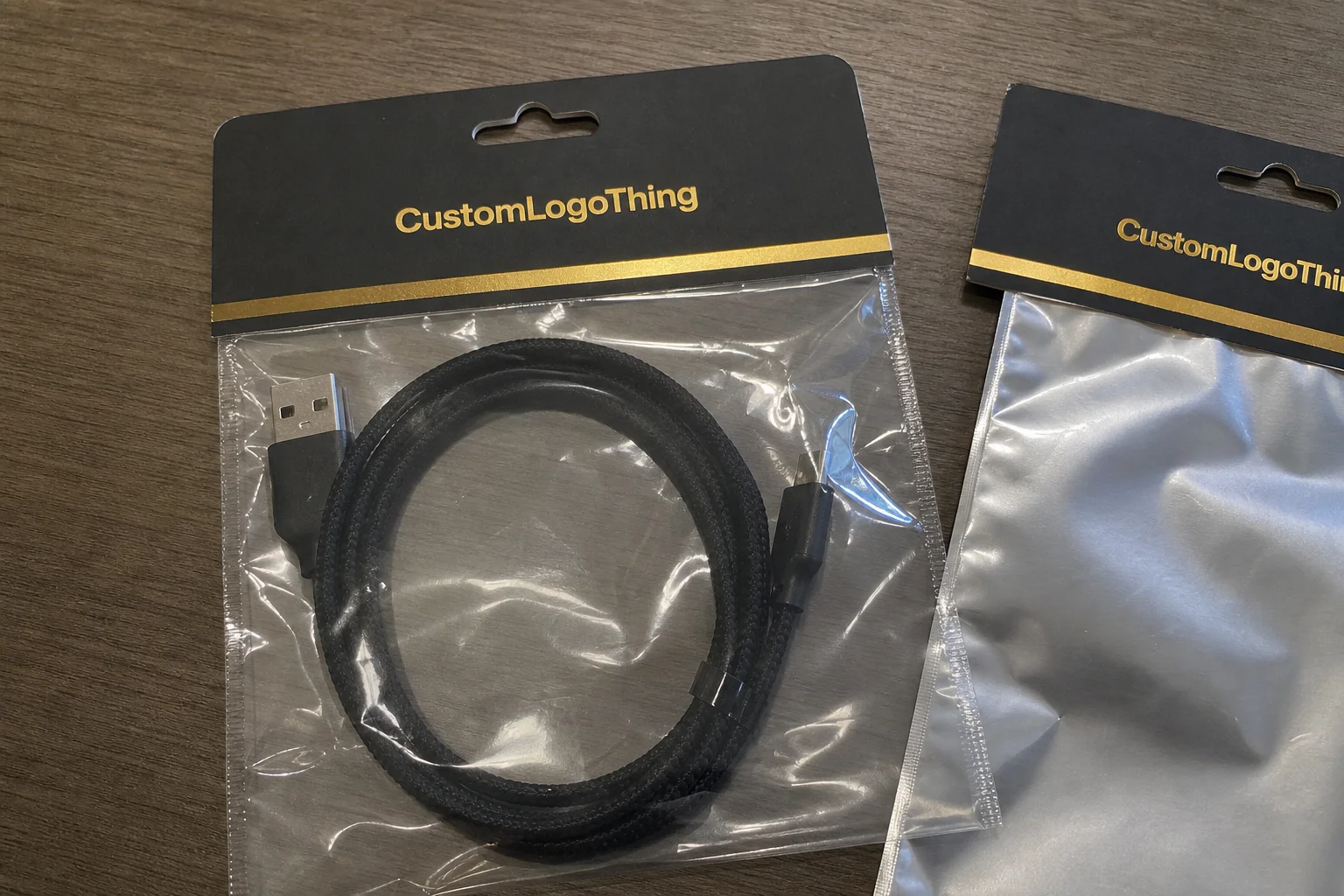
A sample can look perfect on a desk and still fail in the warehouse. The print may be sharp, but if the seal is too narrow, the film gauge is too light, or the bag dimensions were interpreted differently, the run can become a problem as soon as real product goes in. That is the part buyers sometimes miss: the sample only matters if it reflects the actual production spec.
The first mistake is treating poly bags like a simple printed sleeve. In practice, they behave more like a small engineered package. The bag has to match the product weight, corner shape, closure method, and the way it will be filled. A 2 mil LDPE bag that works for folded apparel is a poor choice for a kit with sharp plastic edges. A glossy print means little if the film creases badly or tears on the line.
Rushed briefs create real downstream cost. You may need to redo artwork because the print area was smaller than expected, change the film thickness because the product punctures the bag, or replace a bag that looked acceptable but split during sealing. Those are not theoretical risks. They are common outcomes of under-specifying the job.
Some buyers also compare only the unit price and ignore what sits behind it. A lower quote can hide a weaker film grade, fewer QC checks, higher scrap risk, or a tighter tolerance that is cheap only because the factory expects the buyer to absorb the variation. That is especially risky on branded packaging, where a bad bag affects protection and presentation at the same time.
From a packaging buyer’s point of view, the best brief starts with four basics:
- Exact inside dimensions, not a rough guess.
- Film type and thickness, in microns or mil.
- Closure and seal style, including any zipper, adhesive strip, or heat seal requirement.
- Handling conditions, such as heavy cartons, moisture, stacked pallets, or retail display.
That is the minimum a factory needs to turn an idea into a usable product packaging spec. If you already buy Custom Packaging Products, you know the difference between a shape that looks right and one that runs cleanly in production.
How a custom printed poly bags china factory reviews the job before printing
A serious factory does not jump straight to print. The front-end review should cover artwork, dimensions, bag style, closure method, and packing format before any plates or cylinders are approved. That review is where the job is either set up cleanly or set up for trouble.
The first technical check is the artwork file. The factory needs logo size, bleed allowance, color count, and the actual print area on the bag. On a small bag, one extra logo panel or one oversized block of color can crowd the usable space quickly. A design that looks balanced on a screen may run too close to the seal line or the fold line in real production.
Then comes the manufacturing path. A normal run may move through film selection, printing, slitting, converting, sealing, and final inspection. Each step can protect quality or damage it. Ink adhesion matters. Registration matters. Film tension matters. If the bag is intended for form-fill-seal equipment, the factory also needs to know that early because machine compatibility changes the usable seal geometry and the allowable tolerance.
Flexographic and gravure-style production decisions usually come down to volume, repeatability, and print detail. Flexo is often the practical choice for many custom bag runs because it handles moderate volumes well and is easier to adjust when artwork changes. Gravure tends to make more sense on larger repeat programs where the setup cost is justified by the volume and the print requirements are stricter. The right choice depends on the run size and how stable the design will be across reorder cycles.
A good factory should also check ink coverage, edge quality, and bag consistency before full production starts. That means looking at registration, color match, and whether the seal area stays clean. A small problem caught there saves a lot of money compared with stopping a completed run or reworking cartons after inspection.
“A printed bag is only as good as the weakest production step. If the spec is loose, the plant cannot guess its way into quality.”
For buyers comparing packaging design options across formats, it helps to think of poly bags alongside Custom Poly Mailers and even Custom Packaging Products more broadly. The bag style you pick should match the shipment method, not just the artwork.
Materials, Thickness, and Print Specs That Change Performance
Material choice shapes the whole job. LDPE is the common flexible option, and it feels soft, folds easily, and gives good clarity for many retail packaging uses. HDPE is stiffer, crisper, and can work where a lighter-feeling bag is acceptable but strength still matters. CPP has more clarity and a smoother hand feel, which can matter for premium presentation or layered film structures.
Thickness is where many buyers under-spec the bag. A few microns can change puncture resistance, seal strength, and how the bag behaves in packing. For light apparel, a 40 to 60 micron bag may be enough. For denser items or sharp-edged products, 70 to 100 micron or more is often safer. Exact numbers depend on the product, but the point is simple: thickness should follow the load, not the quote sheet.
Useful construction details can matter as much as material choice. Gussets improve fill volume. Bottom seals affect how the bag sits on a shelf or inside a carton. Zippers and resealable closures help for product packaging that will be opened and reused. Punch holes can support retail hanging, while vent holes can reduce trapped air in certain applications. Even the placement of the print, inside or outside the usable area, changes how the bag handles in real use.
Ink coverage and color count also influence appearance and durability. A simple one-color logo has different cost and durability behavior than a full-coverage print with dense blocks of ink. Heavy coverage can look strong, but it also needs better control over drying, rub resistance, and registration. That matters in branded packaging, especially if the bag is part of a customer-facing retail package.
There is also a practical limit to what one bag can do well. If a buyer wants strong print, high clarity, strong puncture resistance, and very low cost, the factory usually has to compromise somewhere. That is not a sales line; it is how film physics and converting work.
| Material | Typical Feel | Common Uses | Main Tradeoff |
|---|---|---|---|
| LDPE | Soft, flexible, good clarity | Apparel, accessories, general retail packaging | Can need more thickness for sharp edges |
| HDPE | Crisper, lighter hand | Basic shopping-style bags, utility packaging | Less premium appearance, lower clarity |
| CPP | Smooth, cleaner optics | Premium presentation, layered film structures | Often higher cost, more spec coordination |
For buyers who care about package branding and shelf presentation, it is worth checking whether the print should live on the outer layer only or whether a laminated structure is needed. That is not always necessary, but it becomes important if the bag needs better scuff resistance or a more premium finish.
Standards matter too. For distribution testing, it is reasonable to ask whether packaging will be evaluated against ISTA methods for transit performance, especially if the bag is part of a larger mailer or packed unit. If your brand has sustainability targets, the FSC framework matters for paper-based components, while the plastic film itself should be discussed separately and honestly.
Cost, MOQ, and Unit Price Drivers to Check First
Unit price is only useful if the quotes are built on the same spec. A bag can look 10 percent cheaper and still cost more once the real details are added. The main drivers are material grade, bag size, thickness, print colors, bag style, order quantity, packaging method, and any finishing step such as zipper assembly or perforation.
Tooling and setup often hide in the background. A low quoted unit price can be misleading if plate charges, cylinder charges, artwork revisions, testing, or freight are not included. When buyers compare offers from a Custom Printed Poly Bags china factory, the best approach is to compare on a single written spec sheet and ask for the quote to separate the components clearly.
MOQ works the same way. A small order usually carries a higher unit price because setup time is spread over fewer pieces. Once quantities rise, the unit cost often drops. Sometimes the landed cost improves enough that a slightly larger order is smarter, especially if the product will reorder on a steady cycle. That said, do not overbuy just to chase a lower per-piece number if the design is still under review.
For print-heavy jobs, setup cost matters almost as much as material cost. One-color artwork may be easy to adjust and cheaper to reproduce. A multicolor design with gradients, fine text, or large solid blocks may need more trial work and tighter registration control, which pushes cost up even before the first carton is packed.
Here is a practical comparison of how price drivers usually move:
| Spec Change | Effect on Price | Effect on MOQ | Buyer Risk |
|---|---|---|---|
| More print colors | Raises cost | Often raises MOQ | Artwork and color match take longer |
| Thicker film | Raises material cost | Usually neutral | Can improve durability if correctly specified |
| Special closure or zipper | Raises cost | Often raises MOQ | More points of failure if not tested |
| Larger quantity | Lowers unit price | Higher total order | Storage and cash tied up in inventory |
For a realistic quote comparison, I like to see the same dimensions, the same thickness, the same print coverage, and the same packaging count per carton. If one supplier quotes 60 microns and another quotes 75 microns, those are not comparable prices. They are different products.
Process, Timeline, and Production Steps From File to Shipment
The cleanest orders usually follow a predictable path. It starts with inquiry and specification review, then moves to artwork confirmation, sample or proof approval, mass production, inspection, packing, and shipment. Every one of those steps can add time if the brief is incomplete or the artwork keeps changing.
Delays usually come from a few repeat causes. Late artwork edits are common. So is back-and-forth on color approval. Missing dimensions can stop the job before it starts. Waiting on sample sign-off also stretches schedules, especially when the buyer is comparing multiple versions or asking for changes after the first proof.
First-time custom work normally takes longer than a repeat order. That is not a factory excuse. It is the reality of setup. The first run needs more review because the plant has to confirm specs, make printing decisions, and verify how the bag will run. Repeat orders move faster because the tooling, art, and dimensions already exist. A typical first-time order may need 12 to 18 business days after proof approval, while a repeat run can sometimes be quicker if the line is open and the spec is locked.
Shipping time must be part of the timeline from the start. Too many buyers plan only around production, then discover that ocean transit, customs, and warehouse receiving change the launch date by weeks. That is especially true if the bags are part of a broader product packaging launch or a seasonal retail program.
For larger or more urgent orders, the schedule can tighten or expand based on line availability, print complexity, and whether the factory is running similar jobs back-to-back. A simple reorder in a standard size can move quickly. A new shape with multiple print colors usually needs more care.
Honestly, a reliable schedule is usually less about chasing a fast promise and more about freezing the brief early enough that the plant can build with confidence. That is how a Custom Printed Poly Bags China factory keeps the order moving without constant interruption.
Common Mistakes That Create Rejects, Delays, or Reprints
The most common spec error is confusing inner dimensions with outer dimensions. A bag may be technically the right size on paper and still be unusable because the internal opening is too short or the seal consumes more space than expected. That mistake shows up fast when the product arrives and the line cannot pack at the expected speed.
Artwork approval is another weak point. A design can look crisp on a monitor and still fail once print area, line thickness, and color separation are applied to film. Thin lines can disappear. Small text can fill in. Heavy blocks can show minor banding or trap drying issues. If the bag needs a premium retail look, the proof needs to be checked with the actual print limits in mind, not just the brand file.
Handling conditions matter more than many buyers assume. Sharp corners, heavy stacking, hot storage, and moisture exposure can all change how a bag performs. If the product will ride in a carton with other items, or if it will sit in a warm warehouse, film choice and seal width deserve extra attention. For transit-heavy programs, asking about ISTA-type testing is sensible because lab testing can expose weak points before the shipment goes out.
Chasing the lowest quote without reviewing sample quality is the last big trap. A cheap run with inconsistent film or weak QC often costs more after rejects, reships, and customer complaints. That is especially true for branded packaging, where a bad bag harms both protection and presentation at the same time.
Another frequent problem is approving artwork before the actual bag layout is finalized. The logo may be centered on a flat PDF, but once the seal, fold, gusset, and hanging hole are added, the real print window changes. That is why the factory proof matters more than a standard design file.
For buyers working across several package formats, it helps to keep packaging design decisions consistent. If you already spec custom printed boxes or cartons in a certain way, the bag should support the same brand presentation and handling expectations instead of fighting them.
What to Prepare Before Requesting a Quote
Before you ask for pricing, prepare one clean spec sheet. Include bag dimensions, film type, thickness, print colors, quantity, closure style, carton pack count, and any special handling requirement. If the product is heavy or sharp-edged, say so plainly. That one detail can change the recommended film grade immediately.
Send artwork in the right format and ask for a proof check before production begins. That check should confirm spelling, logo placement, print size, and color assumptions. If a sample is needed, ask whether it is a true production-closer sample or just a visual reference. Those are not the same thing.
Request a written timeline and a quote breakdown that separates unit cost, tooling, sampling, and freight where relevant. Then compare like-for-like offers only. If one supplier quotes a thicker film, more packaging per carton, or a different seal style, adjust the comparison before you decide. That discipline saves money and reduces disputes later.
It also helps to define what a pass or fail looks like before the order starts. Is the priority puncture resistance, shelf appearance, machine speed, or a lower landed cost? Buyers who force one bag to solve every problem usually end up disappointed. A sharper brief leads to fewer revisions and a cleaner run.
From a buyer’s perspective, the best order is usually the one built on the clearest brief, not the cheapest opening number. If you keep the spec tight, a Custom Printed Poly bags china factory can produce a bag that fits the product, fits the line, and fits the brand without hidden corrections after the fact.
What should I send to a custom printed poly bags China factory for an accurate quote?
Send exact bag dimensions, film thickness, bag style, print colors, quantity, and packaging requirements. Include artwork files and note whether the quote should include tooling, sampling, and shipping. If the product is heavy or sharp-edged, add that detail so the factory can recommend the right film.
How do I compare samples from different custom poly bag suppliers in China?
Compare the same dimensions, thickness, print coverage, and seal type on every sample. Check clarity, ink adhesion, edge strength, and whether the bag closes and handles the product correctly. Ask which sample is closest to the quoted production spec, not just which one looks best.
What affects MOQ for custom printed poly bags from China?
MOQ usually depends on material usage, print setup, tooling, bag size, and the factory's converting line efficiency. More print colors, special closures, and custom dimensions often raise the minimum order quantity. A larger MOQ can sometimes reduce unit cost if you plan to reorder the same bag style.
How long do custom printed poly bag orders usually take?
First-time orders usually take longer because artwork checks, proofs, and sample approval add steps before production starts. Repeat orders move faster when the spec is already approved and the factory can use existing tooling. Shipping time should be added on top of production time when planning a launch or warehouse intake.
Can I get print, thickness, and barrier features in the same custom poly bag?
Yes, but every added feature affects cost, MOQ, and production complexity. The factory needs to confirm whether the film structure can support the print and the required barrier performance. Start with the product needs first, then let the spec be built around those requirements.


