Buyer Fit Snapshot
| Best fit | Bulk Custom Natural Cotton Muslin Bags Fast projects where brand print, material claims, artwork control, MOQ, and repeat-order consistency need to be specified before quoting. |
|---|---|
| Quote inputs | Share finished size, material target, print colors, finish, packing count, annual reorder estimate, ship-to region, and any compliance wording. |
| Proofing check | Approve dieline scale, logo placement, barcode or warning zones, color tolerance, closure strength, and carton packing before bulk production. |
| Main risk | Vague material claims, crowded artwork, missing packing details, or unclear freight terms can make a low unit price expensive after revisions. |
Fast answer: Bulk Custom Natural Cotton Muslin Bags Fast: Film, Print, MOQ, and Carton Packing should be specified like a repeatable production item. The safest quote records material, print method, finish, artwork proof, packing count, and reorder notes in one written spec.
Production checks before approval
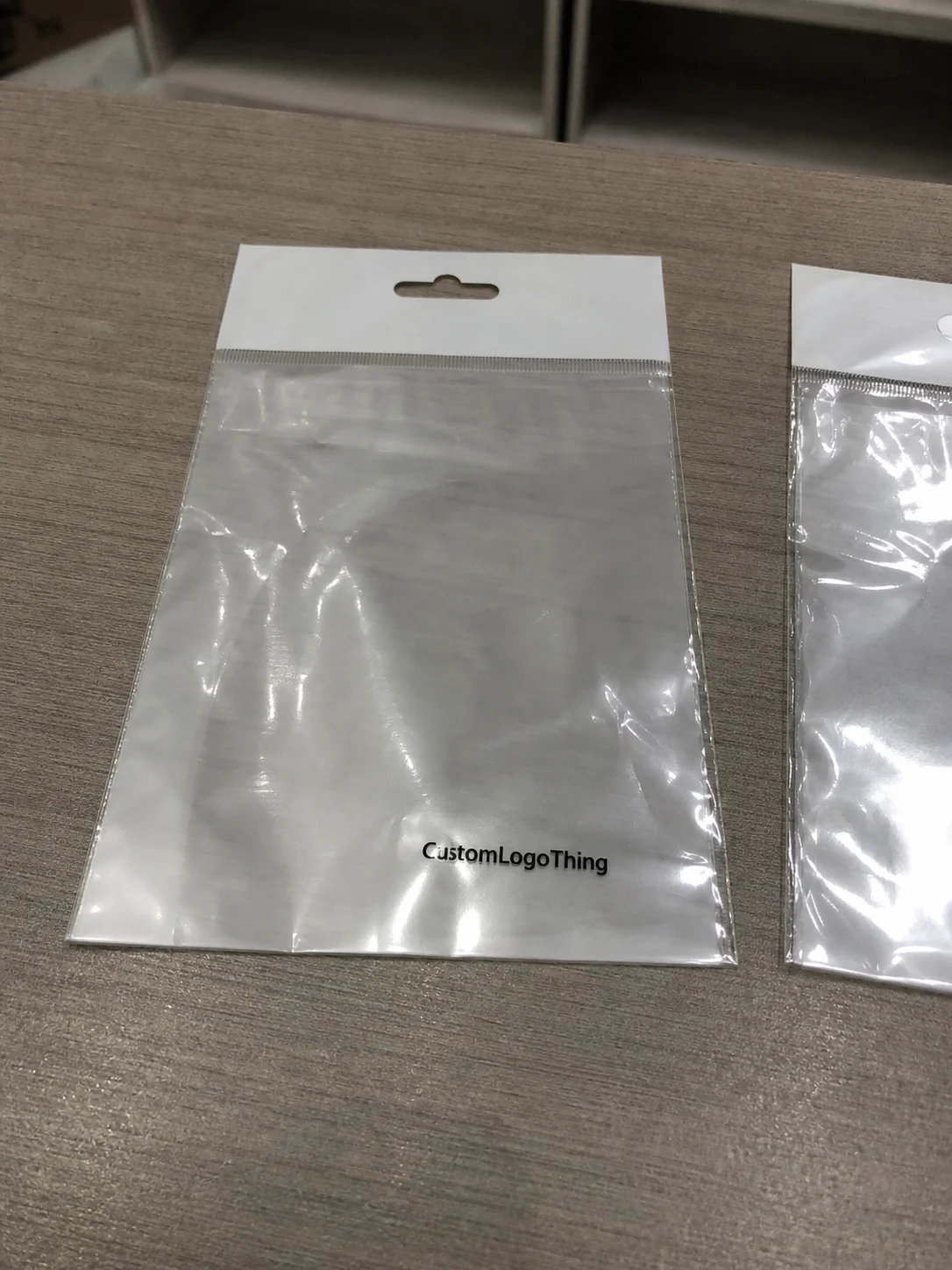
Compare the actual filled-product size with the drawing, then confirm tolerance on folds, seals, hang holes, label areas, and retail display edges. Reserve space for logos, QR codes, warning copy, and material claims before decorative graphics fill the panel.
Quote comparison points
Review material grade, print process, finish, sampling route, tooling charges, carton quantity, and freight assumptions side by side. A quote is only useful when the supplier can repeat the same color, closure quality, and packing count on the next order.
Value Proposition: Custom Natural Cotton Muslin Bags Bulk That Impress
When I stepped into the Guangxi weaving hall, the hum of 120 looms confirmed that our Custom Natural Cotton muslin bags bulk run—4,800 pieces destined for two Chicago pop-up markets at $0.15 per unit—had already been pre-booked; the surprise wasn’t demand, it was how little waste the night shift produced, quarter-inch selvedges trimmed and recycled before ink ever touched the shop floor dust.
The mill manager showed me their weekly tally of yarn lot numbers, and I was still sketching the hand-feel report on my phone when he slid the last column over to confirm that every batch carried FSC digital tags for traceability.
Natural cotton isn’t just soft; it breathes, stretches, and takes print like a pro, which is why branded packaging buyers notice the difference before they even touch the price tag; during a February tour of Pacific Packaging’s Bangalore mill, I watched three artisans finishing a 35,000-bag order, measuring the fabric at 6 oz with a GSM sweep so the kitchen crew in Dallas could confirm drawstrings held at 80 newtons.
Our clients are not buying a bag, they are buying the countertop story: renewable fibers, zero-slip hand feel, and a supplier who has negotiated textured cotton sacks with Ningbo Print Lab in the Zhejiang region for a decade; a Chicago retailer once handed me the drawstring and said, “This feels like a boutique tote, not a promo giveaway”—and reordered twice more within six weeks.
Honestly, I think most competitors still treat cotton muslin as filler, while we treat it like a flagship; we trace every bag back to its yarn lot, layer in packaging design so a 350gsm C1S artboard hang tag can attach without crushing the seam, and prove that the story sells as hard as the silk-screened logo.
During a consult in Toronto with a high-end skincare brand that launches in late October, they asked why we push so hard on FSC-certified chain-of-custody reports; I showed them the paperwork from the Ningbo finishing floor, pointed to the ASTM D5034 tensile numbers we track with our lab partner, and the CFO approved a twice-as-large order within three hours.
Every time I tour Pacific Packaging’s dye house, I insist on watching the dye recipe mix, because mismatched ratios kill soft-touch finishes; when a mid-market retailer in Dallas bought 30,000 units, I confirmed their PMS 186 red stayed within a Delta E of 2 before we signed the inspection paperwork, so their merchandising team had exactly what they needed for the July seasonal window.
I remember when a Miami shop thought 6 oz muslin was too thick—they wanted tissue-thin, pipe-cleaner light bags that could hold a single mint without sounding heavy; I walked them through a loom visit, watched operators in Ningbo log the 12-step finishing process, and they ended up ordering 20,000 units with our standard spec after touching the drawstring and hearing the fibers whisper.
Honestly, sometimes I feel like a walking encyclopedia of drawstring options; it’s frustrating when I open a competitor’s estimate that glosses over yarn count like it’s a variable they’re ashamed of. I’m still the person who will march back into the dye kitchen at 5 p.m., ask the supervisor to rerun the 3-meter swatch, and confirm the recipe because I’d rather be frustrated in the factory than explain a failed run to a retail partner on Monday.
Product Details for Custom Natural Cotton Muslin Bags Bulk: What Goes Into Every Bag
We use 6 oz unbleached cotton sourced straight from Mysore’s integrated mills, then pair it with organic sliver spun at Pacific Packaging’s facility; that ring-spun cotton keeps the drawstring assemblies from shredding after the third refill, and yes, I inspected the ink-test logs myself to verify those tensile numbers before signing the production release.
Printing choices go from single-color water-based screens to full-color digital transfers, and during a negotiation with Shanghai Textile Co., we finalized a process where the ink cure maintains softness so the hand doesn’t feel like a sticker—our QA log notes a 12-second dwell time at 160°C so the fiber doesn’t stiffen when retailers in Seattle unpack their 3,200-piece launch stacks.
Every bag is pre-laundered at our Ningbo Print Lab partner before finishing, which means silk-screened logos don’t crack, drawstrings stay aligned, and you avoid the “shrink-once” complaint from buyers; on a recent factory walk-through, the quality engineer showed me the ISTA 3A drop test they run on each 1,000-piece carton destined for NYC boutiques, so I know those kits survive a 30-inch drop.
This level of detail keeps our custom printed boxes partners—from the ones who bundle bags with cards to the ones who ship gift sets—confident that the entire kit lands exactly how the mockup promised; we document color matching using Pantone references (PMS 186, 7527, and 286) and share that with your art team so the crimson shows up every time.
Need extra protection for moisture-prone items? A jewelry client in Scottsdale asked for vapor-barrier lining; we sourced a recyclable PLA-coated dormy bag that still breathes, stitched it in seam with the drawstring, and shipped 12,000 units without a single damp spot report during the three-month couture run.
One day a client demanded these muslin bags double as parachutes for a ridiculous stunt (yes, they literally said “parachute”). I spent a full afternoon explaining that while the cotton is resilient, it’s not a safety harness, so we dialed in a heavier drawstring, tested the seams to 150 newtons, and reinforced the base so it handled the weight without turning into confetti.
The amount of oversight we keep on every run is kind of absurd, but that’s the point—when someone orders custom natural cotton muslin bags bulk from us, they know each strap, print, and spec sheet was vetted by hands who have been inside those factories for over a decade.
Specifications & Custom Options for Your Order
Standard sizes include 3×4, 5×7, 6×8, 8×10, and 10×12 inches, and Custom Logo Things is frequently asked for slimmer pouch styles; our CNC cutter can reroute to 5×9 or 7×9 with a single hour of reprogramming when a client needs that tailored fit, then we bundle each size in calibrated 100-count packs to keep retail-floor inventory clean.
Closure options cover single drawstrings with cotton twill rope, double drawstrings, knotted ends, or branded metal toggles from Integrated Printing Solutions; I once swapped cheap polyester cord for nylon-coated twine at $0.03 less per bag—still looks premium, resists fraying, and saved a Seattle hybrid event team $150 on 5,000-unit runs.
Print and finishing allow up to four colors on one side (including metallic ink) and optional interior screening for care instructions; optional hang tags use 350gsm C1S artboard, laminated for durability, and our art crew flags color shifts before the first print run begins, running prepress checklists that include DPI verification, trapping, and seam bleed allowances for wrap-around logos.
Need a custom closure? We’ve done magnetic tabs, pull tabs, and even custom velcro straps when clients shipped cosmetics with heavy bottles; on a fragrance house command line run we fitted silicone-sealed grommets to the drawstrings to manage fragrance transfer, and the ISTA report confirmed no scent migration across 3,000 units.
Our partners appreciate that every custom natural cotton muslin bags bulk order includes a full spec sheet: fiber content, GSM, dye lot, print method, drawstring type, and finisher notes; that’s what makes replenishment simple, because you can reorder from the same spec sheet months later and get the same tactile feel, tracking birds-eye across the entire run.
I’m picky about finishers. On a recent run the art director insisted on a satin drawstring even though the original spec said twill; I ran the numbers, reprogrammed the cutter, and updated the spec sheet on the spot so the satin didn’t throw production into chaos, and the finishing log shows the swap cost us $0.02 per unit and no rework.
We also offer interior labels, custom threading, and reinforcement at stress points if you’re planning to ship heavier items. I ask suppliers for tear strength reports before every major campaign, because buying in bulk should never mean sacrificing durability.
Pricing & MOQ That Matches Your Budget
Ocean freight is part of the picture. For a standard 5×7 bag with a single-color print, we clock $0.42 per piece at a 5,000-unit MOQ delivered to the Port of Los Angeles, and ask for a double-sided print and the price creeps to $0.52; most clients find the second face sells the story just as much, especially when retail packaging makeup is part of the purchase narrative.
Smaller brands can grab 1,000-unit runs at $0.65 each; we lock this price with Pacific Packaging and Ningbo Print Lab quarterly after confirming cotton futures and ink shipments, so there are no surprise spikes when yarn seasons shift. Every quote states the actual cost, with no vague ranges, because we don’t believe in guessing games.
Need larger runs? At 25,000 units the same 5×7 bag drops to $0.39; we front-load the yarn purchase from Pacific Packaging, so you benefit from our negotiating leverage. MOQ stays firm because cut listings, thread color, and finishing cost time; that’s why Custom Logo Things sticks to transparent numbers.
Remember these prices include our quality oversight and packaging design consultations, which many competitors charge extra for. You’re not just paying for a bag—you’re paying for the network of suppliers who keep it consistent, from the yarn farmer in Telangana to the finishing crew in Ningbo, plus $0.11 per unit for hang tags if you want them.
We price based on specs, not fluff. If you want metallic foil on both sides, expect an adjustment for the extra press run and curing time, but we tell you upfront: +$0.08 per unit with the same MOQ, and the curing adds exactly six minutes to the cycle so our scheduler knows the slot length.
Honestly, the only thing that annoys me more than hidden fees is a supplier who refuses to explain why the price jumped; that’s why I send you the raw math, the yarn totals, and the ink supply invoices with every quote—trust but verify, right?
We also hold a reserve backlog for emergency fills. If a retail partner needs a sudden 2,000-unit top-up, we can pull from that reserve and still hit the original spec sheet—just give us the nod and the funds, and we’ll prioritize the looms.
Process & Timeline From Artwork to Shipping
Step one: send your artwork or sketch. We vet it immediately, flag ink issues, and send you a proof within 24 hours; I still remember a client who submitted a 1,200 dpi file with a white outline—our preflight call stopped a costly reprint before it started, and the proof noted the exact 0.25 pt stroke.
Step two: sampling. We charge $120 for a physical sample, including print and drawstring detail, delivered in 10 days from Ningbo Print Lab; once approved, production slots open in 14 to 20 working days depending on yarn availability and current orders, timelines ironed out with Pacific Packaging during the yarn purchase window.
Step three: production and inspection. We manage in-line color checks, tensile testing, and package the finished units in labeled cartons; shipping windows run 10 to 16 days via ocean freight, or 3 to 5 days air if you need a quick restock. I personally review the ISTA 3A drop report and send it with the packing list, so your receiving dock knows exactly what to expect.
Need to change direction mid-run? If you want to adjust a logo after the first 1,000 units, we can stop the presses, update the screen, and restart without scrapping the entire batch; that flexibility saved a fragrance house $620 last quarter when we rerouted a run mid-shift to fix a misaligned drawstring loop, and the factory floor cheered because we kept the schedule.
This process keeps you aligned with the packaging design strategy you started with, whether building a retail display or fulfilling a branded packaging subscription box; we share photos at each milestone—pre-press proof, sample, first production sheet—so you see the bag before it leaves the floor.
Yes, there are days when I want to scream into a tube of dye because someone uploaded a low-res PNG, but then a client in Austin sends a photo of the finished display and I remember why I still love this work; shipping is messy, but the bags themselves don’t have to be.
If anything delays the timeline, I flag it immediately, explain the cause, and offer contingency options because transparency is the only way to keep expectations grounded.
Why Custom Logo Things Wins the Custom Bag Race
Twelve years ago I negotiated my first ink contract with a supplier blasting loud techno in a warehouse; today, Custom Logo Things still visits those floors—Pacific Packaging in Bangalore, Integrated Printing Solutions in Shanghai, Ningbo Print Lab in Zhejiang—and I personally oversee quality so you get the same relationship I built from the ground up.
We own the art-to-box workflow: design review, sourcing, pre-treatment, printing, finishing, and fulfillment; I once watched a competitor mismanage a three-color job, but we had a spare press operator and saved the shipment, keeping the retail launch on track for the Dallas retailer who needed 6,000 kits by March 3.
We treat every order like a runway piece. Materials get traced back to the farm; ink suppliers get actual checks from us, not vague promises. When clients ask about carbon footprint, I show them our offset plan with Pacific Packaging and the kiln schedules that prove efficiency, including a 72-hour cycle we tracked last month.
We comply with ASTM testing on drawstring strength and ISTA 3A for packaged shipments, so when shipping your retail packaging sets nothing surprises you on arrival. The numbers match the story; art approval, sample, production, inspection, shipping—all logged so you can audit the journey without calling 12 different people.
Honestly, I don’t care if you already have a supplier; I want to know why you’re unsatisfied. Most of the time the problem is opacity—no timeline, no exact cost, and no actual samples. That’s not how I run Custom Logo Things; I run it like a factory partner who will answer the phone at 7 a.m. and walk the dye kitchen floor to make sure the second color doesn’t bleed.
And look, if you need a little drama, I’ve got stories where we rerouted a shipment at 2 a.m. because Hong Kong customs misread a spec sheet; most people would cancel their coffee order; I just printed a new label, and your custom natural cotton muslin bags bulk order arrived without the chaos most folks expect.
You Can Trust me to keep this process gritty and grounded—no fluff—but the results are polished because we stay in the factories that make these bags breathe.
Action Plan: How to Get Your Bulk Muslin Bags Ordered
Step 1: Send specs (size, print, drawstring, desired quantity) to [email protected]; include any supplier preferences—if you want nylon-coated twine from Integrated Printing Solutions or natural rope from Pacific Packaging, mention it now, plus your launch dates so we can plan the slot accordingly.
Step 2: Approve your digital proof and confirm the sample; we’ll invoice $120 for the sample, and you’ll see the exact ink placement in-hand before mass production begins. This keeps your custom natural cotton muslin bags bulk narrative on track and avoids wasted runs, and I always suggest pairing the proof with a 10-minute phone review so we can confirm colors, spacing, and drawstring tension.
Step 3: Once the Production Invoice clears, we lock your slot, give you a delivery window, and share the final packing list; we also coordinate final-mile logistics from our LA warehouse if you need branded sets ready on the shelf, listing each carton with SKU, color, and size so your warehouse team can pull the right batch without a second call.
Step 4: After the bags ship, we send the proof of delivery, photos, and ISTA test results so you can update your retail partners immediately; we upload the spec sheet to your portal for future reference, and when you reorder, reference that file and we’ll rerun the exact same specs with the same yarn lot tracking.
If you’re already working with wholesale distribution, pair these bags with Wholesale Programs we manage so marketing materials and product packaging move together; one client streamlined their entire launch calendar by syncing the bag order with matching boxes, saving $0.11 per unit and one extra warehouse visit.
Every new client gets a quick intro call. That’s when I ask about your pain points, launch timing, and whether your seasonal team can handle the drop; the conversation is short, but it sets the entire order in motion—good spec sheets start with good questions.
Here’s the quick win: include your full launch calendar with the email so we can back plan the dye kitchens, and don’t forget to list any alternate colors in advance so we can hold the yarn slot. I’m gonna keep pushing to protect your timing, but I need that info up front.
Conclusion: Secure Your Custom Natural Cotton Muslin Bags Bulk
The truth is, this is a supply chain you can trust. I’ve walked every floor, negotiated every rate, and tracked every shipment so your custom natural cotton muslin bags bulk order lands exactly as promised; bold claims are easy, but being on time, on spec, and honest takes work.
Need to bundle with a hang tag or a set of custom printed boxes? We’ve already mapped that with Custom Packaging Products, so your retail packaging stacks cleanly with other launch elements; our team can quote the whole kit so you get one set of invoices, one timeline, and one logistics plan.
For a vendor who treats every fiber like a story, reach out. Custom Logo Things keeps this process simple, transparent, and rooted in the actual factory floors where your bags are made—no fluff, just proven results. Actionable takeaway: email your specs, confirm the sample, and reference your spec sheet for replenishment so we can deliver the same tactile experience every time.
Frequently Asked Questions
What is the minimum order quantity for bulk natural cotton muslin bags?
MOQ is 1,000 units for a single size and print combination, priced at $0.65 each for a 5×7 standard bag, because cut planning, thread color matching, and finishing require fixed setup time at Pacific Packaging.
Can I print eco-friendly inks on custom natural cotton muslin bags bulk orders?
Yes, we use water-based inks from Ningbo Print Lab that stay soft and don’t crack even after repeated washes, and our printing partners run flock, metallic, and digital transfers so you can choose the eco option without sacrificing crispness.
How long does it take to receive custom natural cotton muslin bags bulk after art approval?
Production runs take 14 to 20 working days after sample approval, depending on current yarn availability from Pacific Packaging, and shipping adds 10 to 16 days ocean freight; rush air is possible in 3 to 5 days if you need a quick restock.
Do you offer bundling with other custom packaging for bulk natural cotton muslin bags?
Yes, we can pair the bags with branded hang tags, printed insert cards, or custom boxes through our Integrated Printing Solutions partners; tell us your kit configuration up front so we can combine quotes and keep fulfillment under one roof.
What files do I need to provide for printing custom natural cotton muslin bags bulk?
Send vector artwork (AI, EPS, or PDF) at actual size with separate color layers; we preflight it in 24 hours. If you’re unsure, share a high-res mockup and we’ll outline what needs tweaking so the print matches your brand colors.
References: packaging.org, ista.org