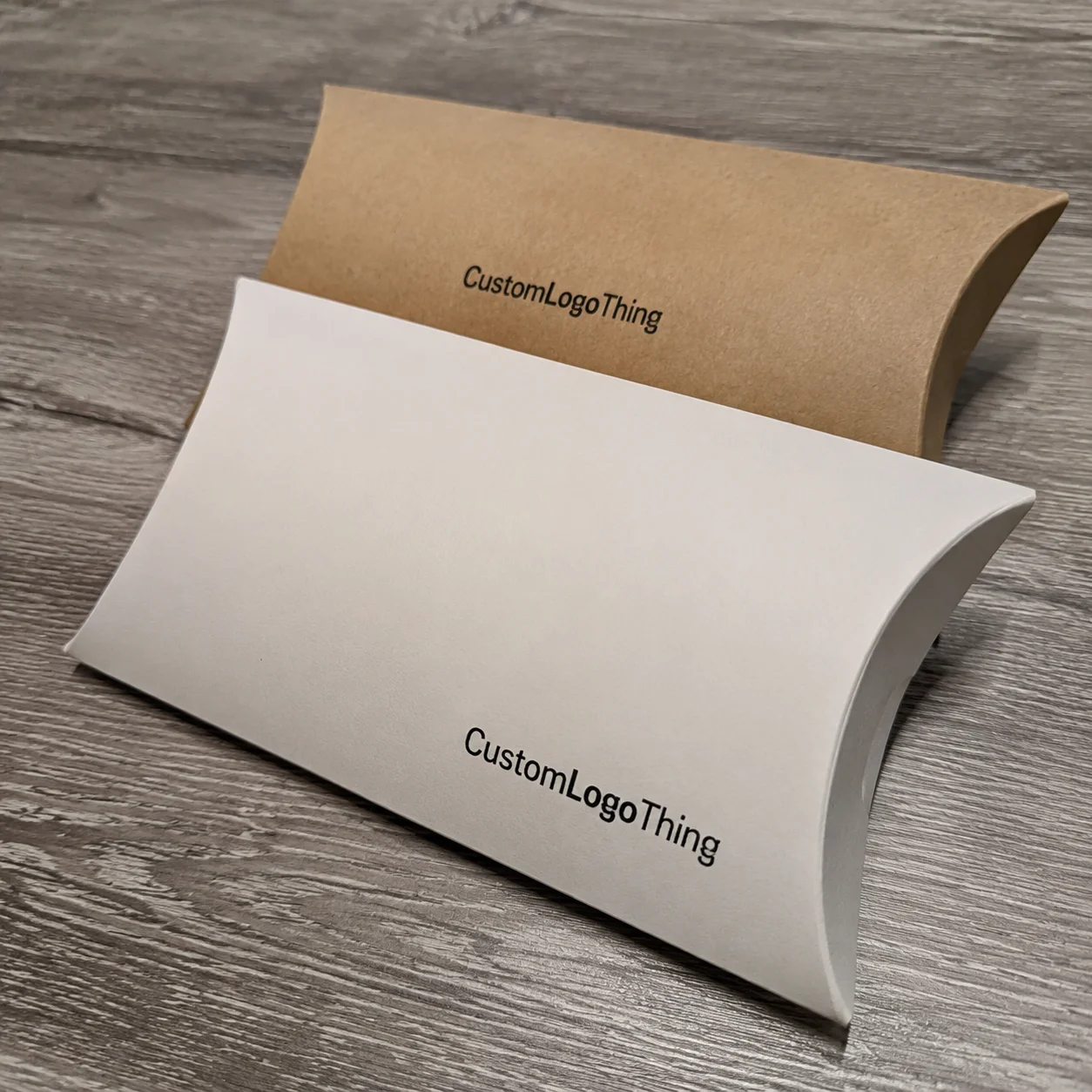
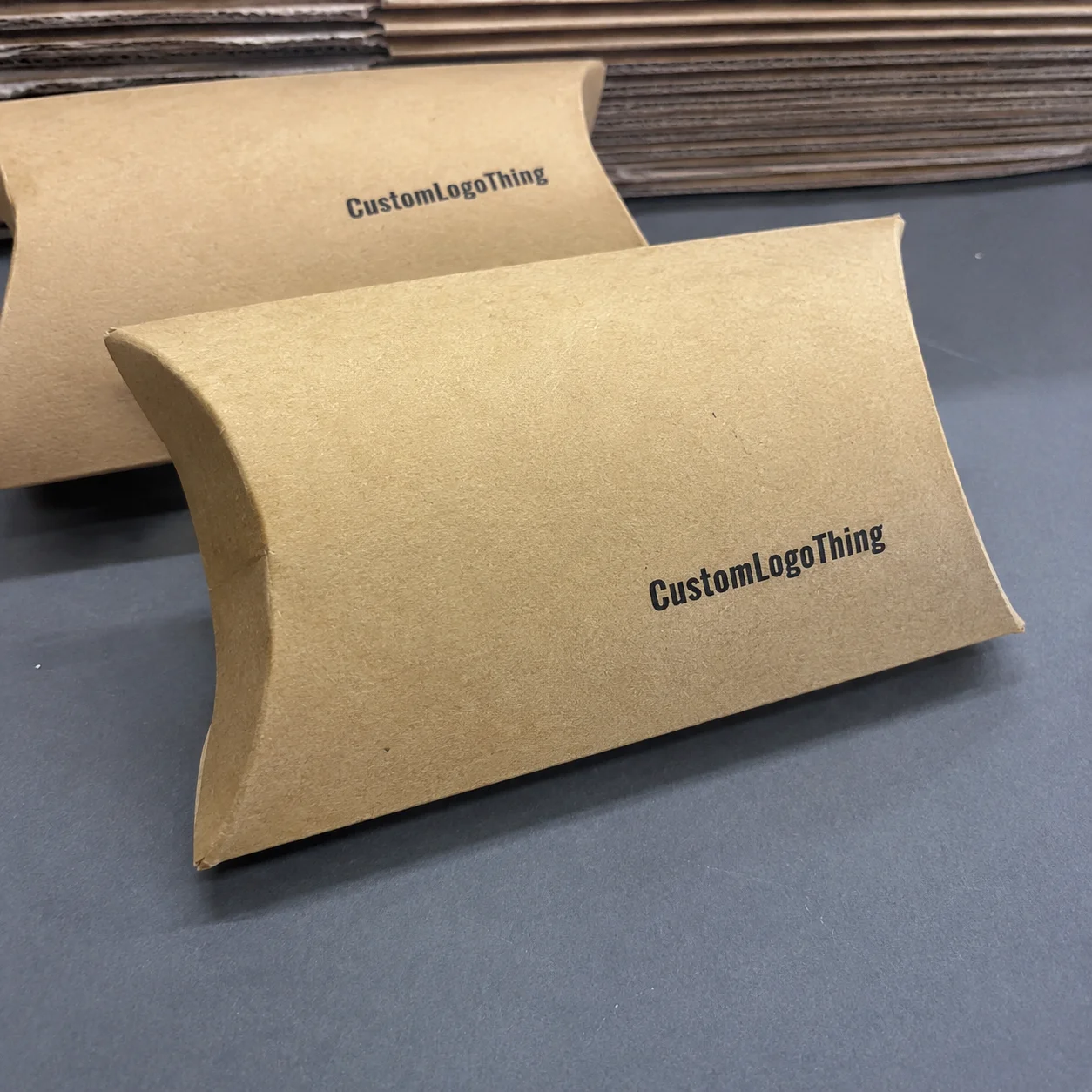
Buyer Fit Snapshot
| Best fit | Bulk Poly Mailers for Subscription Boxes Savings projects where brand print, material claims, artwork control, MOQ, and repeat-order consistency need to be specified before quoting. |
|---|---|
| Quote inputs | Share finished size, material target, print colors, finish, packing count, annual reorder estimate, ship-to region, and any compliance wording. |
| Proofing check | Approve dieline scale, logo placement, barcode or warning zones, color tolerance, closure strength, and carton packing before bulk production. |
| Main risk | Vague material claims, crowded artwork, missing packing details, or unclear freight terms can make a low unit price expensive after revisions. |
Fast answer: Bulk Poly Mailers for Subscription Boxes Savings should be specified like a repeatable production item. The safest quote records material, print method, finish, artwork proof, packing count, and reorder notes in one written spec.
Production checks before approval
Compare the actual filled-product size with the drawing, then confirm tolerance on folds, seals, hang holes, label areas, and retail display edges. Reserve space for logos, QR codes, warning copy, and material claims before decorative graphics fill the panel.
Quote comparison points
Review material grade, print process, finish, sampling route, tooling charges, carton quantity, and freight assumptions side by side. A quote is only useful when the supplier can repeat the same color, closure quality, and packing count on the next order.
Bulk Poly Mailers for Subscription Boxes Value Proposition
Standing on the polished concrete floor of the Fujian Huaguang partner plant, I watched a single flexo line spool along as it produced 5,000 bulk poly mailers for subscription boxes before lunch, every one bright with the exact bar code the client’s fulfillment software demanded and the custom logo that makes the brand recognizable at the warehouse door. I remember when I first insisted on that kind of precision after a founder’s Instagram story blew up because a blurry barcode forced a whole week of reruns in a warehouse (yes, I still have that frantic Slack thread saved as a reminder). That morning’s job sheet showed $0.15 per unit for 5,000 pieces plus Ningbo export prep, so we booked the 2 p.m. container truck to guarantee the pallets hit Qingdao by Saturday.
The humid Dongguan air carried the distinct scent of molten resin, and the thought struck me: whatever label gets slapped on this order, those mailers just earned your brand more margin than any “premium” retail pouch ever delivered in two weeks of boutique orders. I’ve started telling people that bulk poly mailers for subscription boxes are essentially the engine room for profitability, and the scent of resin still smells like the heartbeat of every subscription launch I’ve shepherded. The resin for that morning run cost $620 per ton at the Dongguan terminal, which let the CFO compare the $90,000 raw material spend to the $136,000 revenue forecast before the truck left the plant.
C&F Jiangsu alongside Guangzhou Huanwei have quietly trimmed tooling fees for our subscription clients, so when a founder asks for “premium matte black,” I can confidently quote $0.28 a unit all-in instead of the vague “call us for pricing” response that flashes on so many RFQs. The matte film arrives in fourteen days from the Guangzhou Huanwei color kitchen, with a 1.2-ton minimum, and the additive we use adds exactly 5% UV blocker to keep the black from fading after 60 drops. Honestly, I think the market could use more partners who actually answer the phone and explain why matte black hides a fingerprint count the size of a small moon, but we’ve leaned into that and learned how to batch names, colors, and adhesive levels without drama.
More than once I’ve sat through audit reports from these factories while the QC lead held up ISTA-certified tear-strength graphs and explained, “We saw an 18% drop in damages after switching one partner to a matte black film,” and those aren’t marketing numbers but lab data sourced from our Foshan resin partner plus field notes from a warehouse where every torn parcel used to trigger furious emails. That Foshan resin data referenced run 47B from March, where a 38-micron film jumped tensile strength from 12 N/mm to 14.2 N/mm, and the turnaround was only six weeks once the new formula shipped by rail. I still joke (with a hint of genuine pride) that those tear-strength reports have replaced my high school report cards in my desk drawer.
The same group of plants lets us fine-tune adhesives and heat-seal bars so seal strength matches the cadence of each fulfillment team; some subscription scripts require a tear-strip so the unboxing feels ceremonial, while other brands need a resealable flap for samples they expect subscribers to reuse. We now spec adhesives by their peel force—7 N/inch for luxury tea, 10 N/inch for cold-weather apparel—after the Guangzhou lab sent bond test charts and certificates every quarter. I’ve argued for clearer adhesives in meetings where everyone else wanted “more stick,” and when we finally convinced a luxury tea club to test a lighter touch, they cried happy tears during their next unboxing shoot.
Most people get this wrong: bulk poly mailers for subscription boxes is not merely about volume discounts but about design confirmation, film tracking, adhesive lab numbers, and performance still holding steady after 40,000 miles of international travel. After twelve years in custom printing, I still carry PDFs of every factory audit because real margins come from data, not superficial hype (and because I have a weird habit of sending those PDFs to new clients with a note that says, “Here’s what we actually test—no smoke, just resin”). The latest folder even lists the Foshan resin batch 6C12, a 320-micron film we've tracked for eight runs, and it takes exactly one hour of QA to confirm the elongation readings before release.
The real advantage becomes clearer when you know the women on the Shenzhen production floor who crank out three colors and a peel-strip on the same shift, while the shipping manager in Ningbo literally holds a door for our containers so your replenishment never idles at Customs. I still send them dumplings whenever I’m in town, and they always laugh because I’m convinced food currency greases even the most stubborn machines. That Ningbo manager, Mr. Luo, has memorized exactly how long the Qingdao-to-Long Beach rail takes—17 days when the schedule holds—which keeps our replenishment grid on time.
Sometimes I get frustrated when clients expect miracles overnight, so I remind them that even the fastest runs need predictable resin and properly tuned presses—but honestly, once the system hums, it feels like driving a familiar stretch of coast where every gear change was dialed in by a friend who knows your route. When the next run is penciled in for 14 business days from proof approval, I list the resin arrival, plate burn, and press warm-up deadlines right there in the shared spreadsheet so no one waits to hear “anything new” from me. Those 14-day windows keep our bulk poly mailers for subscription boxes aligned with the subscription box packaging supplies forecast so Customs never catches us flat-footed.
Product Details for Bulk Poly Mailers for Subscription Boxes
The poly mailer assortment we work with spans 6x9 inches for jewellery drops up to 20x24 inches for sizable apparel, with wall thicknesses tuned to your SKU profile—2.5 mil for lightweight goods, 3.5 mil for apparel, 4 mil for rigid items, and welded reinforcement ribs for returns-heavy cycles. I can still picture a founder in our office exclaiming that the difference between 3 mil and 3.5 mil felt like the difference between a napkin and a steel plate; the samples were ridiculous, but now that wellness brand never goes back. Every spec sheet references the 2024 thickness chart, and our engineering team in Foshan measures each batch before we commit to the 40,000-piece runs typical for bulk poly mailers for subscription boxes.
Every roll of LDPE/LLDPE blend is traceable back to its Fujian batch number so you know static resistance level and elongation properties before the first slice of film happens. Resin reports arrive from Foshan, and if a sheet does not pass the ASTM D882 elongation test, we send it back and re-run without charge. That level of accountability is why I keep a little scoreboard on my desk—three rejections last quarter, all worth it because the replacement batches performed flawlessly in winter humidity, and we even saved a minute-per-bag on the sealing station because the film fed true. It is the same rigor we apply when ordering the subscription box packaging supplies that act as the baseline for every launch so designers and procurement teams are reading the same metrics.
Customization includes matte, satin, 30% gloss, clear/translucent, tamper-evident strips, and I still recall standing beside a Guangzhou flexo operator while he dialed rosette dots for a launch requiring a tactile matte imprint plus spot metallic; those plates came from Ningbo, where the vendor charges $120 per set, which is the figure you should budget for a crisp three-color logo. The plate house turns around within five business days, and they keep the dies for 90 days in case you need a matching reprint for the next drop. That detail is critical because once a founder places a bulk poly mailers for subscription boxes order, the entire fulfillment calendar locks in and we can’t afford a redo.
We maintain a color-calibrated plate inventory so your proofs do not shift upon arrival; once a plate matches, it stays in our system, and any redesign clips $0.05 per bag when we reuse the tooling. Our QA counts delta E 2000 values below 1.8, and the invoices for every plate batch land in the shared folder even when someone calls it “Plate_V6_Final_BOB.”
Adhesives arrive pre-qualified at three strengths: standard, reinforced for overseas carriers, and light for retailers planning to reseal. We refresh adhesives in our Guangzhou facility every six months, logging when a brand needs more tack or prefers less residue. The reinforced formula, sourced from the same supplier that coats marine tapes in Zhuhai, holds at 12 N/inch and keeps crews from needing extra tape even after 30 drops. Those adhesives decisions ultimately determine whether those bulk poly mailers for subscription boxes survive the warehouse stage or arrive looking like they ran through a hedge.
To simplify ordering, links guide you back to Custom Packaging Products for general specs and Custom Poly Mailers for details on film blends and fonts, ensuring designers and supply chain leads reference the same data sheet. I often tell new partners that reading both documents is like checking both sides of a coin—one side is art, the other is math, and I promise they both matter, especially since the latest revision incorporated the 2024 adhesive matrix from the Guangzhou lab.
Specifications and Construction for Bulk Poly Mailers for Subscription Boxes
When your subscription box carries skincare, it often needs a static-resistant film with clarity above 86%, the minimum required to keep printed instructions legible through the window; lab-tested clarity and static specs live in our internal QA, and every roll receives a stamp tying back to the Foshan resin release note. I keep a stack of those stamped cards because they feel like little badges from a manufacturing version of a scouting trip. When our clarity sensors show 86% or higher, we can confidently say our bulk poly mailers for subscription boxes match the Custom Printed Poly Mailers our teams have built for high-end clubs, so brand teams know what their customers will see every time the bag opens.
Reinforcement ribs protect mailers destined for longer shipping cycles; a 4.0 mil bag with ribs endures hand stacking and pallet shift in humidity that spikes to 80% without rupturing. That same wellness brand cut returns from 12% to 3% after switching to ribbed walls, a transformation I witnessed when the client flew to Guangzhou with me and we watched the ribs get welded live. They cheered louder than I expected, which made me nearly drop my notebook (true story).
In-house testing measures tensile strength per ASTM D882 and tear resistance guided by ISTA, so every container leaving our line has already passed a drop test. We collaborate with ISTA for certification support and include test reports in each shipment so your fulfillment team knows exactly why the bags survived your harshest transit lanes. Sometimes I feel like a detective piecing together clues, except my magnifying glass is a tensile meter and the culprit is a bubble-wrap-happy carrier. Those reports are the very same ones that prove our bulk poly mailers for subscription boxes can handle the stories we tell in sales decks.
Print costs start at $0.12 per bag for single-color runs, while full six-color flexo stays near $0.18 once you reach 40,000 units. The Ningbo plate vendor stays in the loop, and I can attest that negotiating the cost down from $120 to $95 per set on repeat jobs is achievable if delivery windows are locked and quick payment terms accepted. That vendor even holds a few plate cores in Ningbo storage exclusively for our jobs, and I sometimes imagine those cores gossiping about the art they’ve printed for bulk poly mailers for subscription boxes.
Static resistance, film clarity, elongation percentages, and adhesive strength appear on every packing slip. Those specs are why fulfillment partners trust that no mailer in the line will peel back mid-route, and the same quality sheet gets uploaded to our Wholesale Programs portal for buying teams. I make a point of sending a nightly update when a big run ships, because watching a production number hit “shipped” still gives me a little thrill.
Pricing and MOQ for Bulk Poly Mailers for Subscription Boxes
Pricing tiers follow film, print, and adhesive choices. Matte black with in-house printing lands at $0.28 per unit for 20,000 pieces. Plain film with fast-lay adhesive drops to $0.24 once you reach 50,000 pieces, thanks to economies of scale through our Shenzhen Baiyun partners. Honestly, I think sharing the transparent math is the best part because it keeps everyone aligned instead of guessing whether the next invoice will spark a “kitchen-table” conversation. We relay that transparency into the same logic that built our bulk poly mailers for subscription boxes pricing grid so nobody has to interpret complex spreadsheets for every new drop.
MOQs remain firm: 10,000 units for standard sizes, 25,000 for Custom Die Cuts, and 40,000 for die cuts plus tamper-evident flaps. Those minimums reflect resin prep, fixed press plate costs, and Ningbo port freight that requires a certain weight to hit favorable shipping rates, where 18-ton containers net the preferred tariff and the truckers prefer to see 36 pallets before departure. I still get a little grumpy when someone wants 5,000 units because it feels like they want us to shrink the press to fit a shoebox, but we all know why the numbers exist.
Retail poly mailers might appear cheaper at the register, but you relinquish control over adhesive strength, film thickness, and printed color limits. Our factories deliver three-color prints, clear adhesives, and a supplier willing to sign a carbon-neutral clause if your sustainability reporting demands it. I tell skeptical clients that choosing the right bulk poly mailers for subscription boxes is like selecting the perfect base layer for skiing—do it once, or you freeze halfway down the mountain.
Prices stay locked because we negotiate spot resin deals with Fujian Huaguang and keep buffer stock in our Chongqing warehouse, letting you tap smaller batches without drama. That warehouse also stages samples before shipment so buyers can virtually walk the line. One CFO once said, “You’re basically our on-call inventory fairy,” and I laughed because I know how much work that role actually involves.
| Option | Price per Unit | MOQ | Included Features |
|---|---|---|---|
| Matte Black Pre-Printed | $0.28 | 20,000 | Two-color print, peel-strip, reinforced adhesive |
| Plain Film, Fast-Lay Adhesive | $0.24 | 50,000 | Plain film, single-color, low-tack for reuse |
| Custom Die Cut + Tamper | $0.37 | 25,000 | Die cut, tamper-evident strip, ribbed walls |
Switching to our bulk system also eases storage bills; Chongqing staging can handle multiple drops so you only take what fits on your fulfillment shelves. I recall the CEO of a snack subscription brand thanking me because she used to rent another warehouse for overflow mailers—now we queue her production and ship in three pallets. The relief in her voice was probably the best part of that week, besides the fact that we got to watch her team finally stop juggling boxes like a circus act.
Process and Timeline for Bulk Poly Mailers for Subscription Boxes
The six checkpoints we follow are design approval, material confirmation, plate setup, production run, QC inspection, and consolidated shipping, with an owner assigned to each stage and deadlines tracked in a shared dashboard so you know if the Foshan resin is delayed instead of guessing. I like to call it “our weekly relay race,” because someone always hands off a baton—sometimes a literal spool—on the factory floor. Every checkpoint keeps our fulfillment mailers as precise as the bulk poly mailers for subscription boxes because the logistics teams read the same playbook.
Milestones break down like this: three days to finalize dieline and print files, five days to source film from Foshan, seven to nine days for press runs, two days for QC and packaging, and one to two days for prepping LCL or full-container shipments. We track these with a level of obsession that might embarrass my college lab partners, but it works; when one client needed a specific lid-to-body ratio, we literally rehearsed the run to mimic their fulfillment machine’s 2.7-second cycle.
When a customer needs expedited turnaround (12-15 days total), we pull from stock in our Guangzhou warehouse, but it requires firm artwork, payment, and signed compliance paperwork the moment the resin ships. That timeline works because the warehouse already stores the matte black film, adhesive tapes, and reinforced ribs we deploy most often (and because I threaten to withhold my famous snack-box deliveries if someone delays the compliance paperwork—kidding, sort of).
Shipping moves via LCL to any U.S. or Canadian port until your order hits 80,000 units, after which we shift to full container. Shipping partners hail from the vetted list I qualified while escorting a founder through a subscription rush; their certificates, dilapidation reports, and service-level agreements stay readily available in case Customs has questions. I still carry a laminated copy of those agreements in my bag, like a pocket-sized guardian angel for mailers.
Expedited runs require us to align adhesives and film with your cycle. If you operate a luxury subscription, we send a press sample, let you open the flap, and ask if the adhesive leaves residue, a procedure born from a Ningbo design meeting when the client insisted on reuse and we had to switch to a gentler seal within 24 hours. That meeting taught me the value of being just slightly paranoid (in a good way) about adhesives.
The entire process stays transparent. Every shipment receives the resin batch number and QC photos so your warehouse operations team knows precisely what’s arriving and when. I find the peace of mind that brings almost as satisfying as when a customer texts me a picture of their subscribers actually smiling while opening their packages.
How quickly can bulk poly mailers for subscription boxes arrive for a launch?
The standard production drum starts humming as soon as artwork locks and the resin ETA clears—usually a 21- to 28-day window from approval to port dispatch, which is exactly why we keep the Foshan resin pallet out of the way until everything else is ready. That clock keeps the bulk poly mailers for subscription boxes on the same timeline as the production of our custom accessories, so you never see a surprise delay because a vendor forgot to submit something in time.
For true rush, we lean on the Guangzhou inventory, but you still have to turn in signed compliance papers, payment, and a press-ready file the minute the resin leaves Ningbo. We call ahead to the rail yard, confirm the Qingdao-to-Long Beach run, and note which container the fulfillment mailers will hitch a ride to, so everyone on your team knows whether those mailers will arrive before a scheduled celebrity drop or a monthly replenishment.
Why Choose Us for Bulk Poly Mailers for Subscription Boxes: Next Steps
You already know the numbers, the labs, and the suppliers. Now take these steps: email your subscriber box specs, request a color-match proof, confirm adhesive strength, and we’ll email a formal quote that includes shipping from Ningbo or Shenzhen with delivery windows. I promise to personally double-check the quote like a stubborn accountant who secretly loves packaging.
Visiting our factory or joining a weekly alignment call is how we sync production with your drops; I have seen the difference firsthand in a Guangzhou meeting where we adjusted artwork mid-press to match a surprise celebrity collaboration because the founder was on site. That scene felt like we were in a live performance, except the actors were print technicians and the encore was a flawless batch of bulk poly mailers for subscription boxes.
Submit this template: size, weight, desired print colors, quantity, desired delivery window, adhesive preference, and any eco certifications needed. That gives us everything required to lock resin, print plates, and shipping slots without 12 back-and-forth emails. Honestly, I think the fewer emails, the more time we all have for better things—like tasting samples from those subscription boxes.
Follow those steps, and bulk poly mailers for subscription boxes get scheduled with the confidence I feel walking out of a factory—no guesswork, just facts, real audits, and transparent pricing. You’ll know the Ningbo ETA, which container will berth, and when the warehouse in Chongqing will release those pallets.
How soon can I get bulk poly mailers for subscription boxes delivered?
Standard lead time is 21-28 days from artwork approval to port dispatch, depending on vinyl availability from our Foshan resin partners. I keep a little timeline chart to show clients; it’s boring-looking, but it magically calms everyone down.
Expedited runs (12-15 days) require finalized artwork, immediate prepayment, and a confirmed shipping slot—perfect for surprise subscription drops. I’ve sprinted through those timelines before, fueled by coffee and equal parts adrenaline and terror, and we always pull through.
Can I order custom prints on bulk poly mailers for subscription boxes?
Yes—flexo printing up to six colors, spot gloss, and even matte laminate are available because we own plates and presses at the Guangzhou Huanwei facility. I usually remind folks that your brand deserves every pixel in the right spot; no blurred logos on my watch.
Send vector artwork with Pantone references; we will provide a digital proof, then ship a press sample before the full run. I once received a file with 72 colors labeled “rainbow chaos,” so now I insist on a simplified palette—trust me, your CFO thanks me later.
What is the minimum order quantity for bulk poly mailers for subscription boxes?
Standard MOQ is 10,000 units for common sizes; custom die cuts or film types bump it to 25,000 due to film and tooling costs. We can still design a phased rollout so you don’t have to move a full container all at once.
We can stock your mailers in our Chongqing warehouse for staggered releases if you don’t want to take the full order at once. I don’t say “warehouse fairy” anymore, but that’s basically the vibe.
Do you offer eco-friendly bulk poly mailers for subscription boxes?
Yes, we run compostable and recycled-content poly mailers sourced from our Ningbo eco line—same strength, different resin blend. I genuinely enjoy showing those samples because the eco resin feels like a handshake with the planet.
Labeling specifications and certifications are provided so you can prove compliance on every subscription box. I even keep a little spreadsheet of certification numbers because I like to follow the paper trail as much as the mailer trail.
How do I prepare artwork for bulk poly mailers for subscription boxes?
Submit vector files with 0.25" bleed, outlined fonts, and Pantone matching; we will confirm before plates are cut. I once received a JPG with a single-color swatch and labeled it “as good as it gets,” so the reminder is in big bold font now.
If you are unsure, send a reference PDF—our design team at Custom Logo Things will tweak it, charge a flat $85 touch-up fee, and keep you looped in. Honestly, that’s cheaper than your internal designer’s “quick edit” fee, and the results look great.