Buy Branded Poly Mailers Bulk for High-Volume Shipping
The Quiet Packaging Cost Hiding in Every Shipment
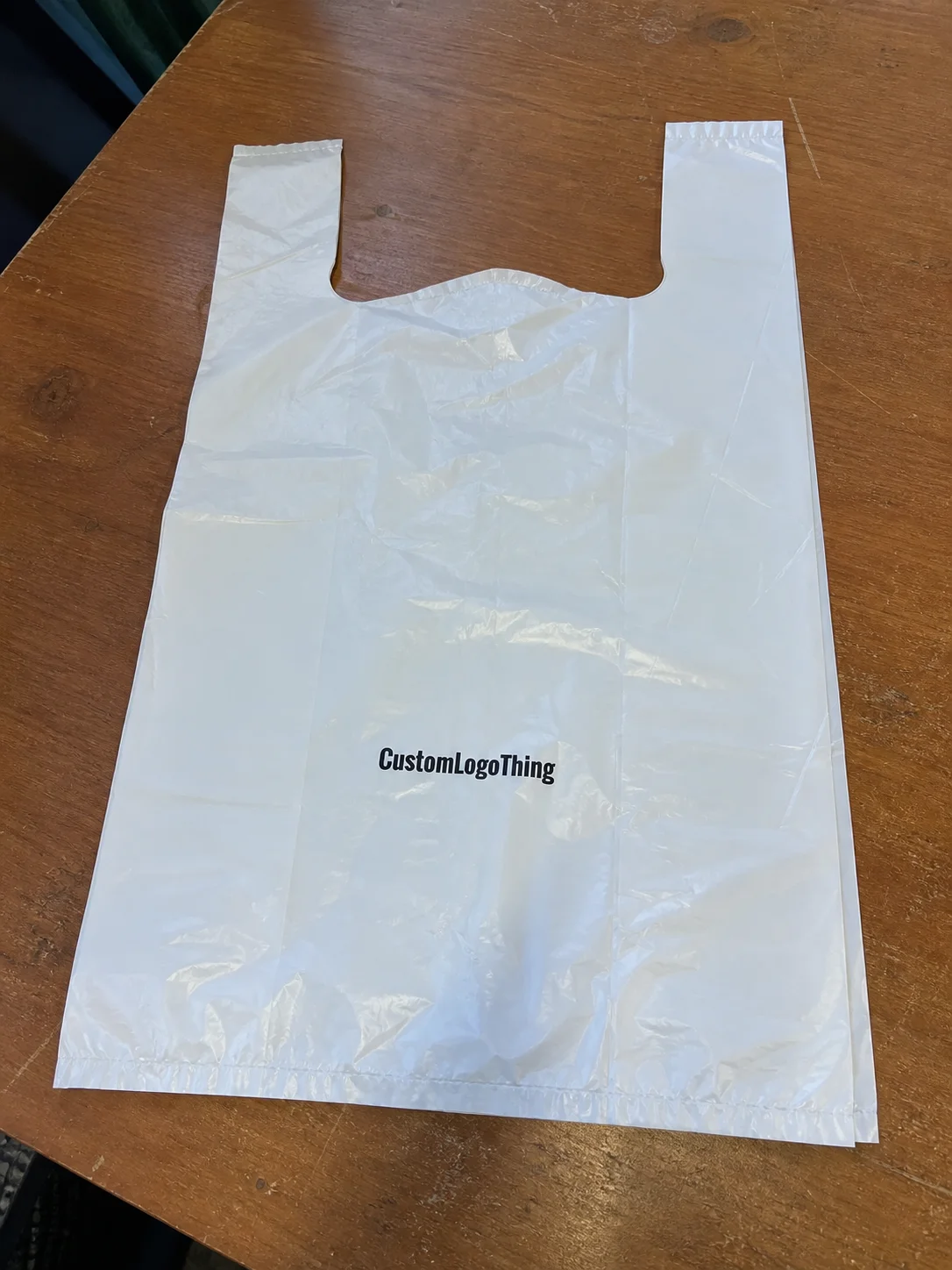
A warehouse shipping 1,000 orders a week may touch the mailer more often than the product itself. That is why branded poly mailers bulk purchasing is not only a design decision. It affects labor, freight, storage, returns, and brand recognition through one small plastic envelope that moves through the entire fulfillment process.
Packaging costs rarely sit in one clean accounting line. A box might cost $0.55. Void fill adds another $0.08. Tape, label handling, storage space, and slower packing can push the real cost higher before the parcel reaches the first carrier scan. Move that same soft-goods order into a Custom Poly Mailer costing roughly $0.18-$0.32 per unit at volume, and the math changes quickly. Not for every product, and not in every shipping zone, but often enough to deserve a careful look.
Weight gives buyers the first clue. A typical poly mailer may weigh 0.4-1.2 ounces depending on size and film thickness, while a corrugated mailer box can weigh several ounces before filler is added. Across 10,000 shipments, shaving even 3 ounces per parcel removes 1,875 pounds of outbound weight. Carrier pricing is more complicated than simple pounds, especially once dimensional weight rules enter the invoice, but lighter and flatter packaging usually gives operations teams more room to control landed cost.
Volume buyers tend to choose Custom Poly Mailers for four practical reasons: faster packing, lower package weight, stronger brand visibility, and fewer components for the fulfillment team to manage. There is no box to fold, no tape gun to reach for, less dunnage to stock, and fewer small decisions at the pack bench.
Bulk ordering creates another kind of control. Consistent dimensions reduce packing guesswork. Predictable inventory prevents emergency purchases from generic shipping suppliers. Printed mailers keep campaigns visually aligned across marketplace orders, direct-to-consumer shipments, influencer kits, and returns.
Custom Logo Things supports that kind of repeat shipping work with material guidance, print-ready production support, and wholesale supply planning. The goal is not novelty packaging. The goal is a branded shipping system That Holds Up under real warehouse conditions.
What Custom Poly Mailers Are Built to Do
Custom poly mailers are lightweight plastic shipping envelopes made for non-fragile products: apparel, accessories, soft subscription items, promotional kits, documents, small textile goods, and flat retail merchandise. If the product does not need box structure, cushioning, or rigid corner protection, a mailer may be the more efficient container.
The construction is simple, which is part of the appeal. Most custom poly mailers use a self-seal adhesive strip, water-resistant outer film, opaque material for privacy, and tear-resistant polyethylene film. Common thickness ranges sit around 2.0-3.0 mil for many ecommerce uses, with heavier options available for bulky garments, multi-item bundles, or longer transit routes.
Different buyers read those specifications differently. Apparel brands usually care most about opacity, size range, and dependable seal strength because hoodies, leggings, and T-shirts compress well but vary in bulk. Cosmetics brands using mailers for non-breakable items often focus on print cleanliness, color accuracy, and surface scuffing. Fulfillment centers care about speed: can the team pull one bag, load the item, peel the strip, seal it, and move on without fighting static, weak adhesive, or inconsistent bundles?
There are hard limits. A standard poly mailer is not the right package for glass bottles, crush-sensitive cartons, sharp hardware, ceramic items, or anything that needs edge protection. If the customer experience depends on tissue, inserts, nested trays, or a more structured unboxing sequence, a mailer may feel thin and underbuilt. Some brands solve that by using an inner retail box and an outer printed mailer, but that choice depends on margin, damage tolerance, and the kind of presentation the customer expects.
Branding matters because the package travels farther than the product page. A printed mailer moves through carrier networks, apartment lobbies, office mailrooms, return counters, and kitchen tables. That surface gets seen before the item does. For buyers comparing Custom Poly Mailers, that visibility is not abstract marketing language; it is repeated exposure on every shipped order.
Operational test: if a packaging format saves 12 seconds per order and your team ships 1,000 parcels a week, that is more than three labor hours recovered every week before freight savings enter the calculation.
Material, Print, and Closure Specifications Buyers Should Compare
Before requesting a quote, buyers should gather the unglamorous details. Size. Thickness. Base color. Quantity. Print coverage. Number of ink colors. Closure type. Return strip requirements. Delivery location. Deadline. These inputs decide more than the artwork does.
Thickness deserves plain language. A lighter film can reduce unit cost and weight, especially for single garments or slim accessories. A thicker film may be smarter for denim, sweatshirts, bundled apparel, boxed soft goods, or products with firmer edges. Many buyers evaluate 2.5 mil as a practical middle ground, while 3.0 mil and above can provide more confidence for heavier parcels. Thicker is not automatically better. Overbuilding a mailer adds cost across every order, and the extra material rarely pays for itself if the product already ships safely in a lighter film.
Print options usually fall into practical tiers. One-color logo printing is the cost-efficient route for many high-volume brands. Two or three colors create stronger recognition without turning the bag into a costly art project. Full-surface patterns can make sense for retail launches, influencer campaigns, or subscription packaging where the mailer is part of the customer-facing story. Edge-to-edge artwork may be possible depending on equipment, bag size, seam placement, and acceptable registration tolerance.
Finish changes perception. A white base film gives high contrast and clean logo reproduction. Colored base film can reinforce brand identity but may affect ink appearance. Matte effects can feel more refined; glossy surfaces can make colors appear sharper. QR codes, return instructions, recycling guidance, suffocation warnings, and handling icons should be planned early, not squeezed into the proof after artwork approval.
Standards matter too. For transit performance, buyers may reference testing programs from the International Safe Transit Association, especially if mailers are part of a broader packaging validation process. For environmental claims, the EPA sustainable materials management hierarchy is a useful reality check: reduction, reuse, recycling, and material choice all matter, but claims must match actual collection and recovery conditions.
The most expensive mistake is rarely choosing a simple print. It is ordering the wrong size. A bag that traps air ships sloppiness at scale. A bag that is too tight stresses seams, slows packers, and raises damage risk. The strongest quote starts with the product stack, not the prettiest mockup.
| Specification Choice | Typical Range or Option | Cost Impact | Best Fit |
|---|---|---|---|
| Film thickness | About 2.0-3.0 mil for many ecommerce shipments | Higher thickness usually raises material cost | Apparel, soft goods, accessory bundles |
| Print coverage | One-color logo to full-surface artwork | More ink and complexity can raise setup and unit cost | Brand campaigns, subscription packaging, retail launches |
| Closure | Single self-seal or dual adhesive return strip | Return strip can add cost but reduce reverse-logistics friction | Fashion, footwear accessories, exchange-heavy categories |
| Size strategy | One standard size or two to three core sizes | More sizes add inventory complexity but reduce waste | Brands with varied SKUs and steady order volume |
Pricing and MOQ for Branded Poly Mailers Bulk Orders
Pricing for branded poly mailers bulk orders is driven by quantity, film thickness, finished size, print complexity, ink coverage, base material, closure features, and whether the order uses standard or custom dimensions. Freight also matters. A low production price can look less attractive once cartons move across distance, especially on bulky high-count orders.
For rough planning, many straightforward custom poly mailer programs may fall around $0.18-$0.45 per unit at several thousand pieces, with smaller quantities and heavier specifications costing more. Large repeat programs can move lower, particularly with simple one-color artwork and efficient sizing. Treat those numbers as planning ranges, not a universal price sheet. Resin costs, ink coverage, order timing, and delivery requirements can shift the landed price.
Minimum order quantities exist because printing plates, machine setup, material allocation, color calibration, proofing, and production scheduling create fixed costs before the first usable mailer is packed. A buyer ordering 500 pieces absorbs those fixed steps differently than a buyer ordering 10,000. MOQ is tied to manufacturing economics, not simply supplier preference.
The first price break is often meaningful. The best value usually appears when order quantity matches real shipping volume rather than the lowest possible unit cost on paper. If a brand ships 3,000 orders a month, buying 50,000 mailers may reduce the unit price but tie up cash and storage for more than a year. If artwork or sizing changes after a product line update, those savings can turn into dead inventory.
A better quoting method starts with order history. Estimate monthly shipment volume. Identify the top three package sizes. Calculate a practical reorder interval, often 60-120 days for growing ecommerce brands. Request multiple price tiers, such as 2,500, 5,000, 10,000, and 25,000 pieces, then compare unit cost against storage space, cash flow, campaign timing, and reorder risk.
Custom Logo Things can help buyers compare those tradeoffs through Wholesale Programs built around repeat purchasing rather than one-off promotional buys. For branded poly mailers bulk planning, the useful question is not “What is the cheapest bag?” It is “Which order quantity protects margin without choking the warehouse?”
Process, Lead Time, and Production Steps From Artwork to Delivery
A clean production process has a predictable sequence: inquiry, size and material confirmation, artwork review, digital proof, buyer approval, production scheduling, printing, quality checks, packing, and shipment. Skip one step or rush the wrong one, and the delay usually returns later with interest.
Artwork is the easiest place to save time. Vector files such as AI, EPS, or print-ready PDF formats help production teams check scale, line weight, and logo clarity. Raster logos pulled from websites often create fuzzy edges or color uncertainty. If Pantone references are available, send them. If exact color matching is critical, say that before proofing rather than after production starts.
Typical production timing depends on the job. A straightforward one-color logo order using standard material may move faster than a full-coverage custom-size run with multiple proof revisions. Many bulk custom packaging projects require roughly 12-20 business days after proof approval, though timing depends on order quantity, print complexity, material availability, production load, and shipping destination. Rush options may exist, but rush decisions can narrow material or print choices.
Sampling should be treated as a risk-control tool. A digital proof may be sufficient for standard logo placement on a white mailer. A pre-production sample is more useful for high-volume launches, detailed artwork, unusual ink coverage, custom dimensions, or color-sensitive brand systems. Samples add time, but they can also prevent expensive regret.
Quality checks should cover print placement, seal performance, opacity, film feel, bundle count, and carton labeling. For large programs, buyers should confirm how cartons are packed for warehouse receiving. A pallet of mixed, poorly labeled mailer sizes can create avoidable labor problems before the first order is packed.
Reorder planning is the quiet discipline behind successful packaging programs. If production plus freight takes three to five weeks, a brand should not reorder with ten days of inventory left. Running out of printed mailers often forces a switch to plain stock bags at the exact moment shipping volume is highest. That weakens brand consistency and creates a messy customer experience.
How to Avoid the Bulk Mailer Mistakes That Raise Total Cost
The common mistakes are predictable: one universal size for every product, film that is too thin for the shipment, low-contrast artwork, ignored return logistics, and order quantities too small to benefit from setup efficiency. Each one looks minor in isolation. Across thousands of parcels, the cost becomes visible.
Size is the repeat offender. A mailer two inches too large may seem harmless on a packing table. Multiply it by 20,000 shipments and it means more plastic, more trapped air, looser presentation, and sometimes less efficient carrier handling. Oversized mailers can also make a product feel cheaper than it is. Customers read fit as care.
One universal mailer size can work for brands with narrow SKU ranges. For mixed catalogs, two or three core sizes usually perform better. A small apparel accessory might need a 6 x 9 inch mailer. A folded shirt may need 10 x 13 inches. A hoodie may need 14.5 x 19 inches or larger depending on fold method and fabric thickness. Those numbers vary, but the principle holds: pack the real product before approving the production size.
Over-designing is another costly habit. Heavy ink coverage, complex color builds, and oversized artwork can raise production cost without improving recognition if the logo is already distinctive. A sharp black logo on a white or kraft-look mailer may outperform a busy full-print design that becomes visually noisy after carrier labels and scuffs enter the picture.
Returns deserve early planning. A second adhesive strip can help apparel and accessory brands by giving customers a cleaner way to send items back. It can also reduce customer service friction. If return rates are low, the extra closure cost may not be justified. The right choice depends on category, margin, and policy.
Fulfillment staff need packaging that behaves. Easy-open cartons. Consistent bundles. Adhesive strips that seal with one firm press. Bags that separate cleanly during fast packing shifts. Print that does not transfer onto hands or equipment under normal handling. A mailer can look excellent in a rendering and still annoy the people packing 600 orders before lunch.
Custom Logo Things evaluates branded poly mailers bulk orders against real shipping behavior as well as artwork aesthetics. The final bag has to work in the customer’s hands and on the warehouse line. Both audiences matter.
Next Steps Before You Request a Production Quote
Before asking for pricing, prepare a short packaging brief. It does not need to be polished. It needs to be specific. Confirm product dimensions, folded dimensions if apparel is involved, average order quantity per parcel, monthly shipment count, target delivery date, and whether one size or multiple mailer sizes are needed.
Decide the business goal first. Lowest unit cost. Faster fulfillment. Stronger brand visibility. Better return handling. More consistent packaging across product lines. These goals can point to different specifications. A brand focused on cost may choose one-color printing and standard sizes. A subscription brand may justify a higher-coverage design because the mailer is part of the monthly customer ritual.
Send the useful quote inputs together: finished mailer size, estimated quantity, film preference, base color, print colors, closure requirements, delivery location, deadline, and logo files. Vector artwork is best. If there is an existing packaging sample to match or improve, mention the dimensions and what is not working: weak seal, poor opacity, too much extra space, scuffed print, or slow packing.
Ask for tiered pricing and production timing in the same conversation. The cheapest quantity is not automatically the smartest. If 25,000 pieces arrive too late for a launch, the lower unit cost does not help. If 50,000 pieces consume too much storage, the warehouse pays for that discount in another form.
Buyers comparing printed mailers with boxes, tissue, inserts, and other branded shipping supplies can review broader Custom Packaging Products to see how outer packaging fits into a complete fulfillment system. For high-volume brands, case comparisons and category patterns from Case Studies can also help clarify what similar packaging decisions look like in practice.
For buyers ready to move from plain shipping supplies to a scalable branded system, ordering branded poly mailers bulk starts with clear specs, realistic volume, and a quote built around how the mailers will actually be used.
Frequently Asked Questions
What is the typical MOQ for custom branded poly mailers in bulk?
MOQ depends on size, material, print method, and artwork complexity. Higher quantities usually lower the unit cost because setup costs are spread across more mailers. For many custom poly mailer projects, buyers should expect MOQ discussions to start in the low thousands, though exact thresholds vary by specification and production method.
Ask for tiered pricing rather than one flat quote. Comparing 2,500, 5,000, 10,000, and 25,000 pieces can reveal whether the next tier creates meaningful savings or simply adds storage burden.
How much do branded shipping mailers cost per unit?
Unit cost is affected by mailer size, film thickness, order quantity, number of print colors, ink coverage, closure type, and shipping destination. A basic one-color logo mailer at volume may price very differently from a full-coverage multi-color design with a return strip.
The most accurate quote should include production cost and delivery cost. Freight can meaningfully change the landed price, especially for large carton counts or tight delivery deadlines.
Can I print full-color artwork on bulk poly mailers?
Yes, full-color or multi-color artwork may be available depending on the material, print method, artwork file quality, and order quantity. The key is providing clean files and confirming expectations for color, registration, and coverage before approval.
Simple one-color logo prints are often the most cost-efficient option. Full-coverage designs may make sense when the mailer is a major customer-facing touchpoint, such as a subscription shipment, influencer kit, or seasonal launch.
What size branded plastic mailer should I order?
Choose the smallest mailer that comfortably fits the product without stressing seams or trapping excess air. Test the real folded product, not just the flat product dimensions, because fabric thickness and multi-item orders change the fit quickly.
Brands with varied products should consider two or three core sizes instead of forcing every order into one oversized mailer. Better sizing improves presentation, reduces waste, and can make packing faster.
How long does production take for branded poly mailing bags?
Timeline depends on artwork approval, material availability, order quantity, print complexity, production scheduling, and shipping method. Many straightforward orders move faster than detailed, custom-size, or heavily printed programs, but proof revisions can add days quickly.
To avoid delays, provide final artwork early, approve proofs quickly, and reorder before current mailer inventory reaches a critical low point. For repeat branded poly mailers bulk programs, reorder timing is just as important as the first production quote.


