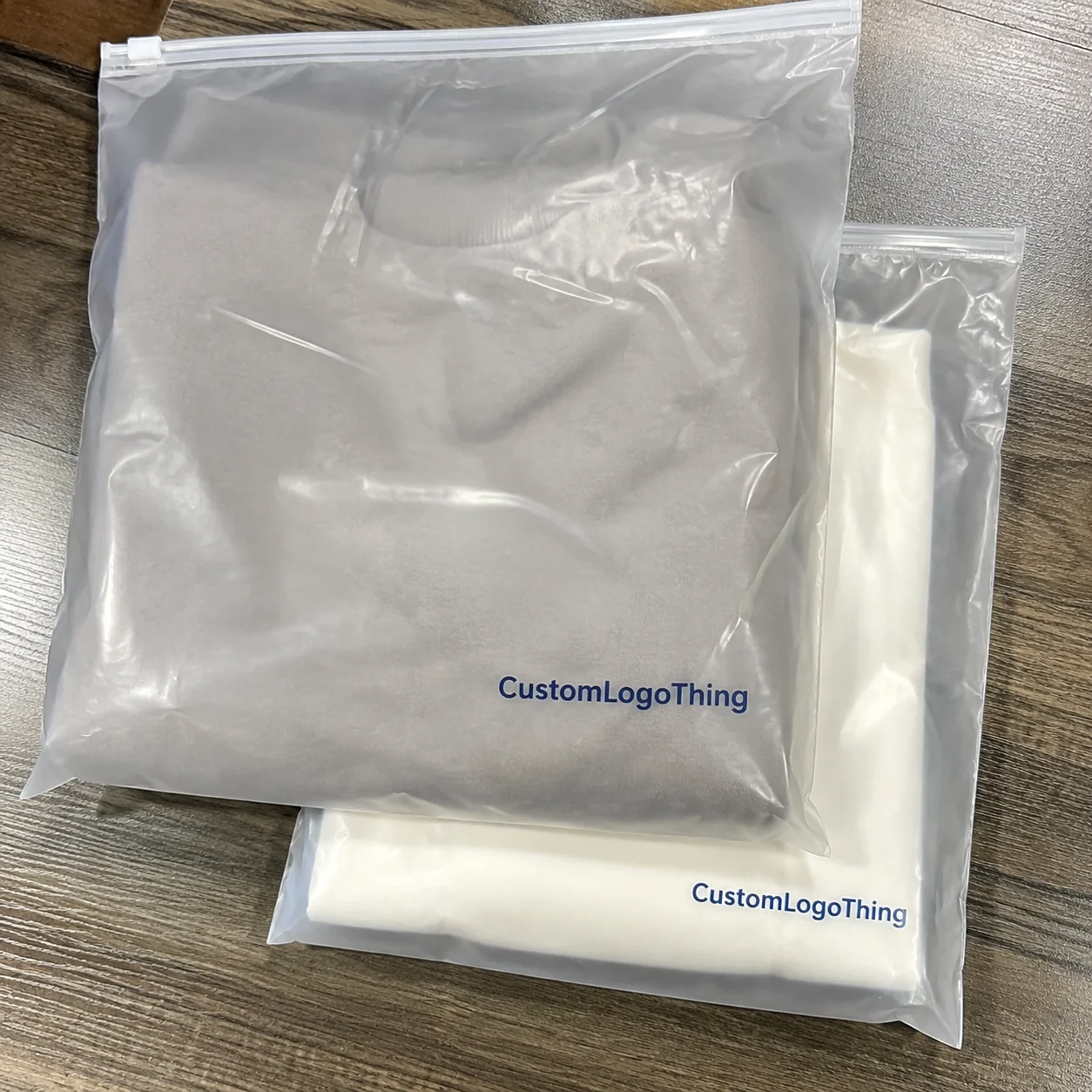
Buyer Fit Snapshot
| Best fit | Buy Compostable Poly Mailers for Skincare Brands projects where brand print, material claims, artwork control, MOQ, and repeat-order consistency need to be specified before quoting. |
|---|---|
| Quote inputs | Share finished size, material target, print colors, finish, packing count, annual reorder estimate, ship-to region, and any compliance wording. |
| Proofing check | Approve dieline scale, logo placement, barcode or warning zones, color tolerance, closure strength, and carton packing before bulk production. |
| Main risk | Vague material claims, crowded artwork, missing packing details, or unclear freight terms can make a low unit price expensive after revisions. |
Fast answer: Buy Compostable Poly Mailers for Skincare Brands should be specified like a repeatable production item. The safest quote records material, print method, finish, artwork proof, packing count, and reorder notes in one written spec.
Production checks before approval
Compare the actual filled-product size with the drawing, then confirm tolerance on folds, seals, hang holes, label areas, and retail display edges. Reserve space for logos, QR codes, warning copy, and material claims before decorative graphics fill the panel.
Quote comparison points
Review material grade, print process, finish, sampling route, tooling charges, carton quantity, and freight assumptions side by side. A quote is only useful when the supplier can repeat the same color, closure quality, and packing count on the next order.
When I first started walking fulfillment floors in Los Angeles and Rancho Cucamonga, I noticed something most skincare founders miss on the first round of packaging: the mailer is usually the first physical touchpoint, not the jar, not the serum box, and not the thank-you card. That is exactly why brands that want a cleaner brand story keep asking me to help them buy Compostable Poly Mailers for skincare. The outer shipper has to do a lot of quiet work before the customer ever sees the product inside. A 12-inch mailer with the right seal, print, and material spec can do more for perceived quality than a fancier insert that arrives crushed in transit. I’ve seen that happen more than once, and no, the “fancier” box did not save anyone. It just arrived looking tired after a 48-mile van ride and one rough pallet transfer.
I remember one skincare co-packer outside Orange County that was shipping 3,000 units a week and losing money on returns because glossy rigid cartons were getting scuffed while the outer pack told no sustainability story at all. Once they switched to a properly sized compostable mailer with a matte printed finish, their unboxing complaints dropped, their shipping weight fell by 6 to 8 ounces per order, and the whole shipment felt more aligned with their eco-friendly packaging message. If you want to buy compostable poly mailers for skincare, you should care about that kind of outcome, not just a nice-looking sample on a desk. Honestly, I think a lot of packaging decisions get made by looking at samples under perfect lighting in a showroom and pretending trucks, conveyors, and impatient warehouse teams don’t exist.
Why Skincare Brands Buy Compostable Poly Mailers First
Skincare is one of those categories where presentation and protection have to share the same piece of packaging, because a customer buying a $38 facial oil expects the shipment to feel considered, clean, and premium even if the item itself is small. In my experience, the brands that buy compostable poly mailers for skincare early tend to get ahead of two problems at once: they reduce transit waste and they avoid sending a mixed message about sustainability. A glossy plastic mailer wrapped around a “clean beauty” label is a mismatch buyers notice immediately. It’s like wearing a tuxedo with muddy boots. Technically possible. Still a bad idea. I’ve watched that exact reaction happen during a line audit in San Diego when the customer complained before opening the box.
The practical reason matters just as much. A good compostable mailer can resist moisture from warehouse handling, protect a boxed serum from abrasion, and keep weight low enough that postage stays under key thresholds. I’ve seen fulfillment teams in New Jersey and Nevada switch from heavier cartons to compostable mailers and save enough on outbound shipping to offset part of the packaging cost difference, especially on orders under 1 lb. That is the sort of math that keeps procurement managers awake, and it is why many of them choose to buy compostable poly mailers for skincare instead of chasing the cheapest printed outer pack. Cheap is cute until it starts eating into margin on a 5,000-unit run.
There is also a brand story angle that cannot be ignored. Skincare shoppers read packaging as a signal, and a mailer made from compostable materials supports a lower-impact message in a way that rigid overboxing usually does not. I’m careful not to oversell it, though, because compostable is not magic. It still has to perform in route, survive label application, and close securely with a self-seal strip that does not pop open in a hot parcel hub in Phoenix or Dallas. If you want to buy compostable poly mailers for skincare that actually help, you need to evaluate the shipping environment, not just the Instagram photo.
Here’s what most people get wrong: they lump together compostable, biodegradable, and recyclable as if those words mean the same thing. They do not. Compostable packaging is designed to break down under defined conditions, often with certification requirements tied to ASTM or other recognized standards, while biodegradable is a loose term that tells you almost nothing about timeframe or residue. Recyclable means the material may be recovered through a specific recycling stream, which is a different story altogether. If you want to buy compostable poly mailers for skincare with confidence, ask for the exact certification and the material data sheet before you place the order. I’ve had suppliers wave their hands and say “it’s basically the same thing” — which is a great way to make me stop trusting everything else they said.
EPA recycling guidance is useful reading here, especially if your team needs a clean internal explanation for sustainability claims. I also point clients to Packaging School and industry resources when they want to compare material behavior and terminology before finalizing a purchase. A 20-minute review on a Tuesday morning can save you from a 20,000-piece mistake later.
“The mailer told the story before the bottle did.” That was a line a skincare founder told me during a line audit in a Southern California fulfillment center, and honestly, she was right. The outer shipper shapes the first impression, whether the order contains a $12 cleanser or a $90 retinol set. Her team was packing 1,200 orders a day, so the mailer had to look good and close fast.
So yes, brands buy compostable poly mailers for skincare because they look good, but the stronger reason is functional: lightweight protection, lower shipping mass, cleaner fulfillment, and a packaging choice that supports a premium eco-friendly packaging message without pretending the whole product system is zero waste.
Product Details: What You Get When You Buy Compostable Poly Mailers for Skincare
When clients come to buy compostable poly mailers for skincare, the first question I ask is simple: what is actually going inside? A single 30 mL serum carton needs a different mailer profile than a three-piece starter kit with tissue wrap and a card insert. The typical construction uses plant-based film blends and compostable seal layers intended for shipping applications, with enough stiffness to hold a rectangular shape but enough flexibility to pass through fulfillment without cracking at the fold lines. I’ve seen better results with matte surfaces because they hide scuffs from conveyor handling and still print cleanly, even after a 6-foot drop test in a Chicago warehouse.
Custom branding is where these mailers become a real sales tool. Most skincare brands want a logo, one supporting line about their mission, maybe a QR code, and a clear return address panel. Some teams ask for a soft-touch finish or a muted earth-tone print that fits the brand palette, while others want a crisp white background with black typography and one accent color. When you buy compostable poly mailers for skincare, the printing setup should support practical storytelling, not clutter. A mailer with four panels of text and no hierarchy is usually a mistake. I know that sounds harsh, but a crowded mailer reads like someone panicked in Canva at 11:47 p.m. and printed the first draft anyway.
In the field, I’ve seen these mailers used for sample kits, facial cleansers, sheet masks, refill pouches, and boxed treatments. One brand I advised in Austin shipped a monthly subscription pack with two glass dropper bottles inside nested cartons, and the compostable outer mailer gave them the right combination of protection and presentation. Another client in Brooklyn used the same style for sample envelopes tucked into a retail launch kit. That flexibility is one reason buyers continue to buy compostable poly mailers for skincare across product lines, especially when the monthly volume sits between 2,000 and 8,000 pieces.
There’s a place for inner finishing touches too. A paper-based protective insert, a branded thank-you card, or tissue wrap can make the unboxing feel more complete, while the outer mailer stays aligned with compostable goals. I usually tell brands not to overcomplicate the stack. If the outer pack is the right size and the product is already boxed, you do not need a heavy multi-component system just to prove sustainability. You can buy compostable poly mailers for skincare and still keep the total package lean, with a 2-piece insert and a 1-color note card if that’s all the order truly needs.
For direct-to-consumer shipping, subscription replenishment, and small e-commerce orders, these mailers fit neatly between plain paper envelopes and rigid cartons. They are especially useful where speed matters, because fulfillment teams can close and label them fast without adding a second carton fold or a void-fill step. That makes the decision to buy compostable poly mailers for skincare a workflow choice, not just a branding choice. On a 10,000-order launch week, shaving even 12 seconds from packout matters more than a pretty mockup.
Common customization options
- Exterior print: 1-color, 2-color, or full-panel branding depending on order size.
- Logo placement: centered front, top-left brand mark, or full-bleed pattern.
- Size selection: slim mailers for single SKUs and wider formats for bundles.
- Finish: matte, soft-touch style, or natural film look depending on the substrate.
- Message panels: compostability notes, return instructions, or brand story copy.
If you already have a sourcing list, you can also compare these with other Custom Packaging Products to keep the entire packaging family aligned. And if your priority is mailer-specific, our Custom Poly Mailers page is the right starting point for sizing and print discussions, especially if you need a 10 x 13 or 12 x 15 format for skincare kits.
Specifications to Check Before You Buy Compostable Poly Mailers for Skincare
The mistake I see most often is buyers approving a pretty proof before checking the hard numbers. If you want to buy compostable poly mailers for skincare that survive real shipping lanes, you need to review thickness, tensile strength, seal quality, printable surface, opacity, and the exact compostability certification. I’ve stood on enough warehouse docks in Long Beach and Atlanta to know that a weak seal or a flimsy corner fold will ruin the customer experience faster than any branding win can compensate for. And yes, customers do notice when a mailer arrives with the confidence of a wet paper bag.
Start with thickness. Depending on construction, you may see film gauges around 60 to 100 microns, but the number alone does not tell you everything because the blend and seal layer matter too. A stronger film with a well-engineered seal can outperform a heavier but poorly made structure. Ask for material data, not just a sales sheet, when you buy compostable poly mailers for skincare. If a supplier cannot tell you how the bag behaves under hand pressure and route compression, keep asking. If they get weirdly defensive, that’s your answer. I once had a rep in Ningbo try to dodge the question with a smile and a brochure; we moved on to the next factory by lunch.
Opacity is another real-world issue. A mailer that looks elegant in a showroom may show the label graphics or package silhouette through the film once it’s packed with a white carton and a tissue insert. For skincare, that matters because brand presentation should stay clean from the packing bench to the customer’s doorstep. I remember a supplier meeting in Shenzhen where the sample looked perfect under bright white lights, but the second we loaded a dark serum carton inside, the outer graphic alignment and translucency told a different story. We revised the film and reduced the show-through. That is why buyers should buy compostable poly mailers for skincare only after a sample test with the actual product inside.
Seal quality affects fulfillment speed and damage control. A self-seal adhesive strip should close firmly on the first pass, and tamper evidence should be visible enough to reassure the customer without creating frustration for the packout team. If your operation uses high-volume manual packing, the closure must be fast. If you run partially automated lines, ask whether the mailer surface is compatible with label adhesion and barcode scanning. I’ve watched a label peel off too easily on a glossy surface and cause a barcode read issue at the sorter in Reno, which is exactly the kind of problem that makes procurement teams pause before they buy compostable poly mailers for skincare.
Here is the document set I ask for every time, and I recommend you do the same:
- Material data sheet with film composition and thickness.
- Certification documentation for compostability claims.
- Printed sample or proof showing actual artwork placement.
- Freight or transit test results if the pack will travel long distances.
- Closure specifications including adhesive type and seal width.
For buyers who need formal handling guidance, ISTA test standards are worth reviewing, especially if the order contains glass jars, airless pumps, or secondary cartons. A mailer that passes a basic bench test but fails a route simulation is not a good buy. That is the reason I keep telling skincare brands to buy compostable poly mailers for skincare with a shipping scenario in mind, not just a branding brief. A decent specification beats a pretty promise every time.
Size guidance for skincare shipments
- Single item orders: compact mailers for one boxed serum, cleanser, or mask set.
- Starter kits: mid-width mailers with extra clearance for inserts and tissue wrap.
- Bundled orders: wider formats with headspace so adhesive closure stays flat.
- Subscription shipments: consistent sizing across monthly replenishment SKUs.
Pricing, MOQ, and What Affects Your Quote
Price is where buyers get serious, and rightly so. The cost to buy compostable poly mailers for skincare depends on size, film structure, print coverage, number of colors, order quantity, and whether the design needs custom tooling or special sealing equipment. In plain language, a stock-style mailer with simple branding will cost less than a fully custom printed format with a soft-touch feel and extensive color coverage. That sounds obvious, but I still see quote comparisons that ignore half the variables and then wonder why the numbers do not match. It’s packaging, not magic, and a supplier in Guangzhou is not going to invent margin for you out of thin air.
From the factory side, MOQ changes with complexity. If you want a plain or lightly customized mailer, some suppliers can accommodate lower quantities because the setup is straightforward. Once you move into fully printed branded runs, minimums often rise because of plate setup, print calibration, and waste allowance. When a skincare founder asked me to help buy compostable poly mailers for skincare for a launch of just 2,500 units, I steered them toward a simpler one-color design to keep the run practical. The mailers still looked professional, but the order stayed inside budget at roughly $0.19 per unit instead of chasing a prettier quote that blew up the landing cost.
There are also hidden costs that can surprise a first-time buyer. Freight matters, especially on bulky mailers that look light but occupy a lot of cubic volume. Proofing and plate charges can show up if the artwork requires multiple colors. Rush production fees may apply if your launch date is tight and the plant schedule is already packed. Packaging configuration also matters; if you need mailers packed in inner cartons of 200 instead of 500, that can alter the quote. The smartest way to buy compostable poly mailers for skincare is to compare total landed cost, not just unit price, and to ask for a line-item quote before you approve anything.
| Option | Typical MOQ | Estimated Unit Price | Best For |
|---|---|---|---|
| Stock compostable mailer, no print | 500-1,000 pcs | $0.18-$0.28/unit | Testing, small drops, low-risk launches |
| 1-color branded mailer | 2,000-5,000 pcs | $0.24-$0.42/unit | Skincare brands building repeat orders |
| Fully custom printed mailer | 5,000-10,000 pcs | $0.36-$0.68/unit | Subscription programs and national rollouts |
Those numbers are not universal, and I would never pretend they are. They shift with resin cost, plant capacity, carton configuration, and freight lane. But they do give you a realistic frame. When a buyer tells me they want to buy compostable poly mailers for skincare at the lowest possible price, I usually respond with a better question: what is your acceptable cost per shipped order after damage, returns, and brand perception are included? A quote at $0.15 per unit for 5,000 pieces sounds nice until you add a $620 freight bill and realize the real number moved.
That is where the value discussion gets honest. A mailer that reduces shipping damage by even a small percentage can pay for itself fast, especially if the product inside is a glass bottle or a premium cream set. In skincare, one crushed shipment can cost more than several units of packaging. So yes, you can buy compostable poly mailers for skincare on a budget, but the cheapest quote is not always the lowest total cost. I’ve seen a $0.21 mailer save a brand more money than a $0.14 option because the better seal cut replacements by 18% over a 90-day period.
Process and timeline from artwork to delivery
The cleanest projects follow a predictable path. First, request a quote with product dimensions, target quantity, artwork files, and any certification requirements. Then confirm the exact specification, approve the layout, review a physical sample or digital proof, release production, complete quality inspection, and ship. When buyers ask how long it takes to buy compostable poly mailers for skincare, I tell them the answer depends more on decision speed than factory speed in many cases. The plant can only move as fast as the slowest approval in the chain, and that’s usually somebody waiting on feedback from “one more stakeholder” in an office three time zones away.
What slows the process down most often is incomplete information. I’ve seen teams send artwork with no bleed, no Pantone references, and no clear indication of whether the logo should sit above or beside the return panel. I’ve also seen confusion over sizing because the founder measured the jar, not the total packed system. If you want to buy compostable poly mailers for skincare efficiently, give the supplier the outside dimensions of the finished shipment, not just the primary container. A 4-ounce bottle is not the same thing as a 4-ounce bottle plus a folded insert and a tamper label.
Standard orders can move fairly quickly once specs are locked, while fully Custom Printed Mailers usually need more time for setup, color adjustment, and production. A simple run typically takes 12-15 business days from proof approval, while a more complex branded order can take 18-25 business days depending on factory capacity and material availability. Rush options exist, but I have learned over the years that they depend on realistic scheduling, not wishful thinking. If a supplier promises impossible speed without asking about your artwork or adhesive requirements, be careful before you buy compostable poly mailers for skincare from them. I’ve heard “No problem, we can do that by Friday” enough times to know that panic is not a production plan.
Quality checks in a packaging plant should include seal testing, print alignment checks, carton count verification, and sampling for drop or compression handling when the shipment is sensitive. In one Shanghai facility I toured, operators pulled random mailers from each pallet and checked the closure strip twice before packing the cartons, which is the kind of simple discipline that prevents headaches later. A plant that treats quality as a paperwork exercise is not the right source if you need to buy compostable poly mailers for skincare for a premium line shipped from Ningbo or Shenzhen.
Timeline planning by sales cycle
- Seasonal launch: plan 6-8 weeks ahead if artwork and certification are still being finalized.
- Subscription refill: place orders early enough to cover the next 2-3 billing cycles.
- Promo campaign: allow extra buffer for label approval and inbound freight delays.
That planning matters because skincare customers do not forgive stockouts easily. If your campaign depends on a launch box or holiday bundle, the packaging must arrive before the order window opens. I always tell teams to buy compostable poly mailers for skincare with at least one buffer week built into the schedule, especially if the product line is shipping from multiple locations like Dallas, Newark, and Phoenix at the same time.
Why Choose Custom Logo Things for Skincare Mailers
At Custom Logo Things, the advantage is not just that we can source packaging; it is that we understand how packaging behaves on a real line. That means material choice, print setup, seal performance, and ship-ready configuration are treated as production issues, not afterthoughts. When skincare brands come to buy compostable poly mailers for skincare, they usually need more than a price sheet. They need somebody who can tell them whether the mailer should prioritize compostability, branding, or transit strength based on the exact product mix. That judgment comes from factory visits, supplier negotiations, and a few hard lessons I’d rather not repeat.
I like working this way because it saves time later. A buyer once brought me a spec that looked fine on paper but would have caused trouble at packing because the mailer width left almost no room for the adhesive flap after the product insert was added. We adjusted the size by 2 inches, kept the same visual layout, and the fulfillment team thanked us two months later because packout sped up. That is the value of a supplier who has been around factory floors and not just in sales meetings. If you want to buy compostable poly mailers for skincare without getting boxed into a bad spec, that sort of guidance matters.
We also pay attention to color management and consistent sizing across product lines. If your skincare brand ships a cleanser in one quarter and a serum trio the next, the packaging family should still feel like the same brand, even if the mailer dimensions differ. That means smart use of logo placement, print density, and neutral background tones. I’ve seen brands waste time trying to make one oversized mailer work for every SKU, and it usually creates either excessive empty space or a cramped, overstuffed look. Better to buy compostable poly mailers for skincare in the sizes that actually fit the order profile, whether that means 10 x 13 inches for singles or 12 x 15 inches for bundles.
Trust also comes from clear documentation. We encourage buyers to review samples, confirm material claims, and ask direct questions about production reality. If a batch needs a specific adhesive, a custom return panel, or a certification file for internal compliance, we handle that up front. I’ve spent enough time negotiating with suppliers in Dongguan and Ho Chi Minh City to know that clarity on day one prevents costly surprises on day thirty. That is why a lot of brands prefer to buy compostable poly mailers for skincare through a team that can talk details without hiding behind buzzwords.
“We didn’t need a prettier quote; we needed the right spec.” That came from a skincare operations manager after we corrected a mailer size and print layout, and it still captures how good procurement should work. Her team was packing 900 orders a day in a facility outside Austin, so the fix had to be practical, not poetic.
Next Steps to Order the Right Compostable Poly Mailers
If you are ready to buy compostable poly mailers for skincare, start with the facts that control the outcome: product dimensions, monthly order volume, branding needs, and required certifications. Measure the outer packed product, not just the jar or bottle. Then decide whether the mailer needs one-color branding, full-panel messaging, or a cleaner natural look with minimal print. That one decision often determines your MOQ, your price, and your lead time. I’ve seen a switch from two colors to one color save a brand almost $1,100 on a 7,500-piece order.
Ask for samples in the closest size match and test them with actual skincare SKUs, inserts, and labels. I cannot overstate this point. A sample that fits a naked carton on a table may fail once a folded insert, a printed tissue sheet, and a shipping label are added. If you want to buy compostable poly mailers for skincare wisely, test the mailer under real packout conditions, not in a showroom. I’d rather see a buyer spend ten minutes stuffing samples than spend three weeks apologizing to customers for a pack that tore open in transit.
If your line includes both slim single-item shipments and bundled sets, compare at least two size options. A 10 x 13 mailer may work beautifully for a cleanser, while a 12 x 15 format may be better for a trio kit with a booklet insert. The best buyers are the ones who think in systems, not one SKU at a time. That approach keeps the entire packaging program cleaner and makes it easier to buy compostable poly mailers for skincare that scale with your catalog. It also keeps the warehouse from improvising with tape and wishful thinking.
Before you commit, confirm lead time, MOQ, freight terms, and proof approval timing together. Those four items tell you whether the package will arrive in time and whether the final landed cost fits your margin. If you are running a launch, a promotion, or a recurring subscription, inventory timing matters just as much as the material spec. When all the details are aligned, you can buy compostable poly mailers for skincare with a lot more confidence and fewer surprises in the warehouse.
Send your specs, artwork, and target quantity, and we can help you narrow the options quickly. If you want a packaged recommendation rather than a generic quote, that is where we do our best work. And if your next step is simply to buy compostable poly mailers for skincare that look right, ship well, and support your brand story without pretending to solve every sustainability issue at once, Custom Logo Things is ready to help.
Frequently Asked Questions
Can I buy compostable poly mailers for skincare with my logo printed on them?
Yes, most suppliers can add logo printing, brand colors, and simple messaging panels. Ask for print method options, color limits, and proof approval before production so the finished mailer matches your brand and your packaging specs. For example, a 1-color logo on a 12 x 15 mailer usually costs less than a full-panel two-color layout.
What size compostable poly mailer should I buy for skincare products?
Choose based on the outer dimensions of the product plus inserts, not just the jar or box size. Single-item orders often fit slim mailers, while kits and bundles need larger widths and extra depth allowance so the closure strip seals flat. If your packed system measures 9 x 11 x 1.5 inches, a 10 x 13 mailer is often the safer starting point.
Are compostable poly mailers strong enough for liquid skincare shipments?
They are suitable for boxed liquid skincare or sealed secondary packaging, but not as the only protection for unboxed fragile containers. For best results, pair them with internal cushioning or a rigid inner carton when the product needs more impact protection. A glass bottle in a 350gsm C1S artboard carton has a much better chance than a loose vial bouncing around in film alone.
What is the minimum order quantity when I buy compostable poly mailers for skincare?
MOQ depends on size, print complexity, and whether the mailer is stock or fully custom. Plain or lightly customized orders usually require lower quantities than full-color branded production runs because setup and waste allowance are simpler. In many cases, 500 to 1,000 pieces is workable for stock, while custom print starts closer to 2,000 or 5,000 pieces.
How long does it take to receive custom compostable poly mailers after ordering?
Timeline depends on proof approval, production scheduling, and shipping method. Simple orders move faster; custom printed runs usually require more time for setup, testing, and transit, so it is wise to build a buffer into your launch calendar. A typical schedule is 12-15 business days from proof approval, plus freight from the factory in Dongguan, Shenzhen, or Ningbo.